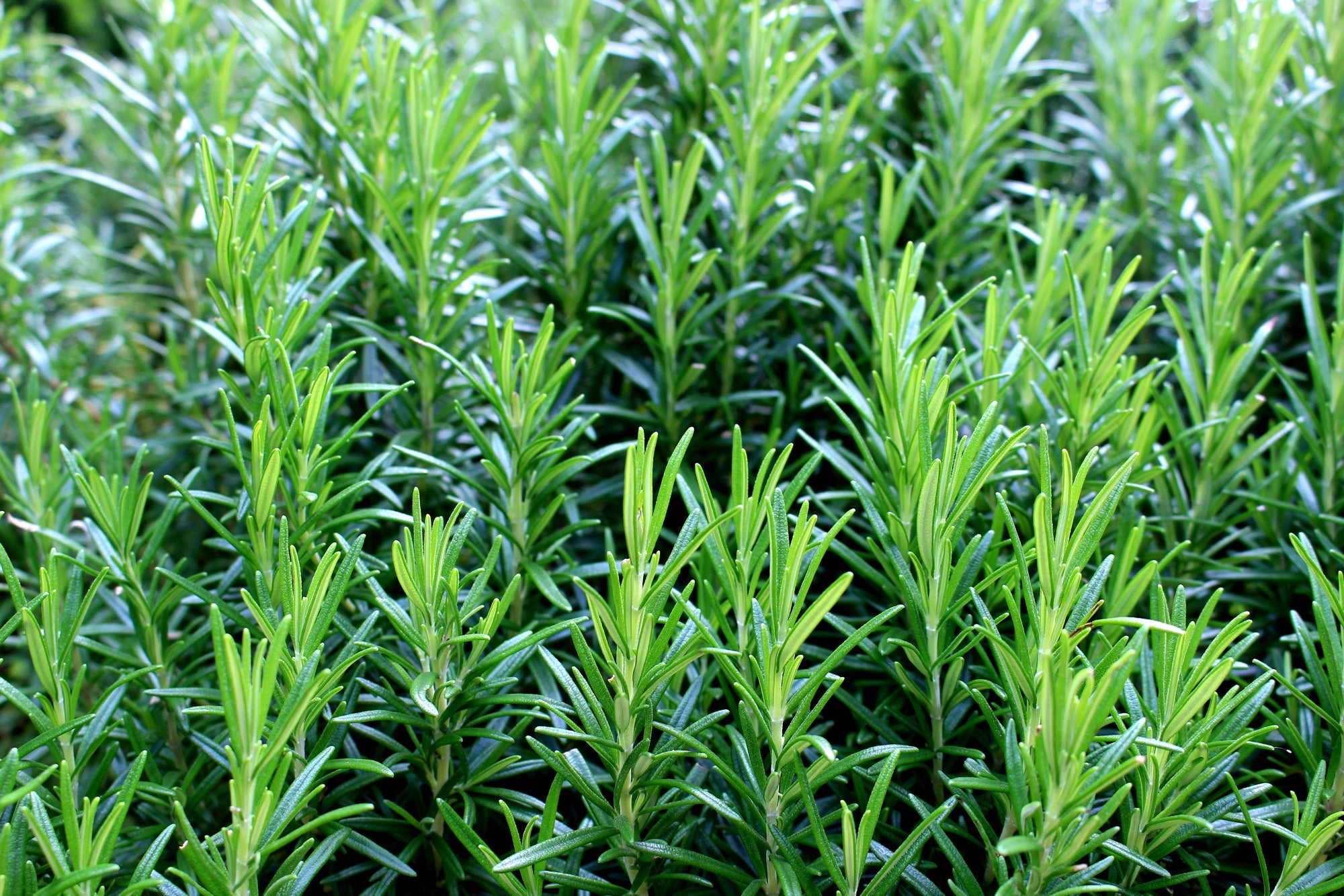
Rosemary is an evergreen shrub grown in gardens throughout the UK for ornamental and culinary purposes.
“Rosemary’s pungent smell is instantly invigorating and it is also a culinary herb,” shares Sonya Patel Ellis, a Garden Writer.
“It can be used for roasts, bakes and bread, and makes a lovely addition to cocktails. I use it as a stirrer in a gin and tonic along with thyme syrup and a slice of grapefruit or orange.”
Harvesting rosemary is fairly simple if you follow this easy three-step process:
- Choose which sprigs you want to harvest.
- Cut the sprigs from the plant.
- Use and store the rosemary for use as and when you need to use it.
This process is explained in more depth below.
| Difficulty | Easy |
| Equipment Required | Gloves, secateurs or scissors |
| When To Harvest | All year round |
When To Harvest Rosemary
Rosemary, being evergreen, can be harvested at any time of the year.

However, the supple new growth produced during the summer months has the best flavour.
1) Choose Sprigs To Harvest
Rosemary, like many other herbs, is best harvested little and often and early in the morning before the day warms up.
When choosing which rosemary sprigs to harvest, it is best to aim to remove the fresh new stems up to 10cm in length, as some of the older and woodier growth can be less flavoursome.

If collecting rosemary for its oils, it is best to harvest the plant in early summer just as the plant comes into flower, as this is when the oil concentrations are at their highest.
A larger harvest can be taken, but it is advisable not to remove more than 20-30% of the plant at any one time, as this may put the plant under undue stress.
2) Cut The Sprigs
When harvesting rosemary, it is best to cut the chosen sprigs or stems using a clean and sharp pair of secateurs or scissors, keeping the shrub in a pleasing shape.

However, try to only remove the fresh green growth, as rosemary does not regenerate well if cut back into the old wood.
3) Use And Store Your Rosemary
Rosemary can either be used when freshly cut or dried and stored for future use.
If used soon after cutting, the rosemary sprigs can simply be added whole to a meat roasting dish or the leaves stripped for adding to gravies, stews and sauces.
Rosemary doesn’t tend to freeze well, but if dried it can be stored for months on end.

To dry rosemary, wash under clean water and allow the sprigs to dry out fully, either by hanging in a well–ventilated spot out of direct sunlight or in a low oven spread out on a baking tray.
Once the hung rosemary is dry, but not too brittle, strip the leaves from the stems and store in a sealed container until required.
“Inspired by botanicals in cocktails, I have started to freeze the tips of rosemary stems in ice cubes,” shares Horticultural Consultant Colin Skelly.
“I use the rest of the stem for cooking in summer and I can then use the ice cubes in stews and soups in winter.”