Growing
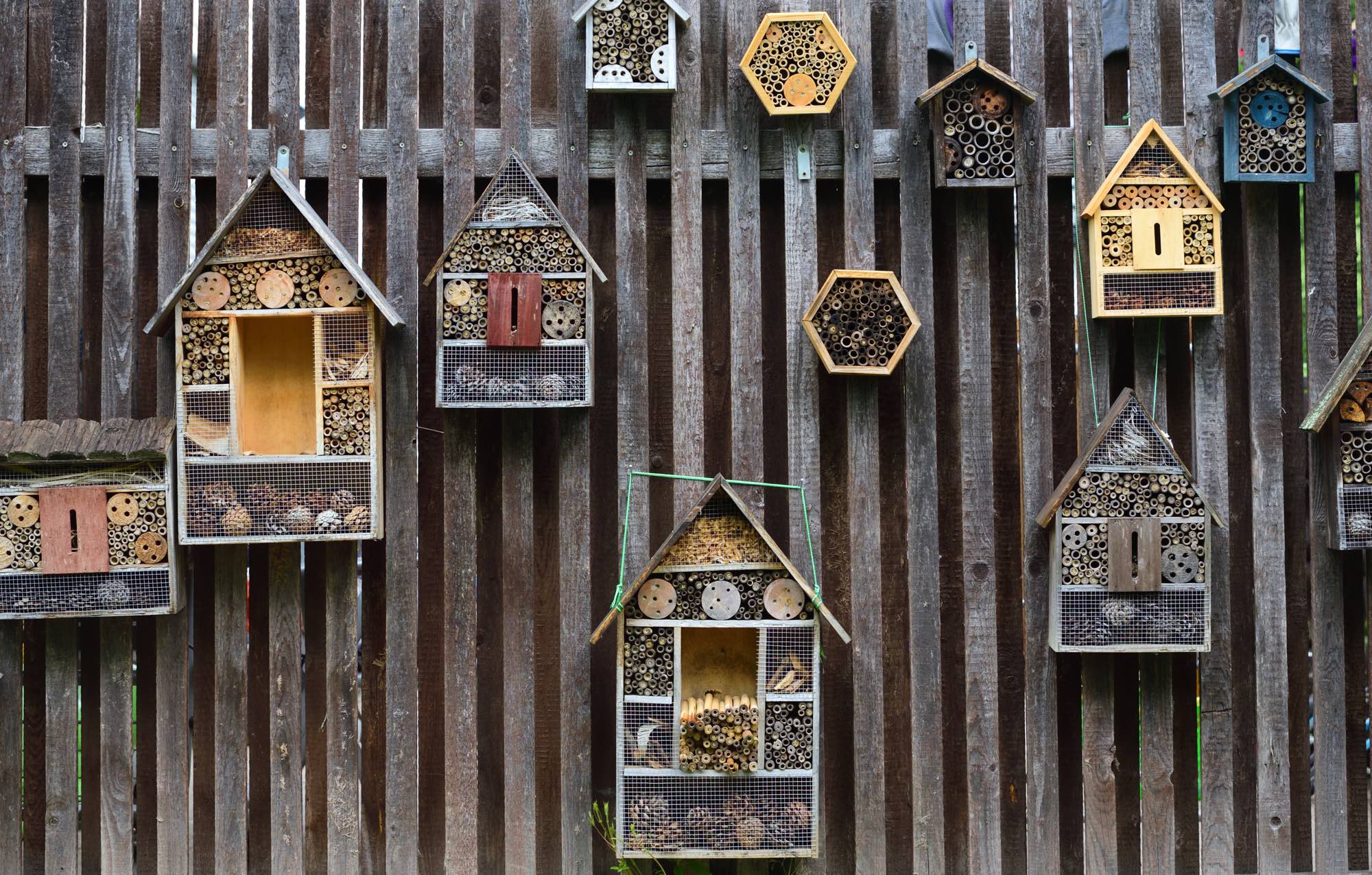

We Tested 11 Seed Starter Kits & Wildflower Bee Balls From Retailers
IN THIS GUIDE 1) Grand Seed Kit 2) Pocket Handpicked Seeds 3) Assorted Seedboms 4) Grow Your Own Veggies Kit 5) Assortment Of Plant Seed Kits 6) Wildlife Collection Seed Box 7) Mini Sunflower Kit 8) ‘Grow Me’ Gift Boxes 9) Wildflower Bee Balls 10) Micrology Kits 11) Grow Your Own Giant Sunflower Box There are a variety of options available for those looking to grow plants from seeds in their garden. Generally I’d recommend using seed kits if: You know the conditions in your garden, but not the plants that would grow best there (eg. a shady, north-facing garden). You are planning on growing a huge variety of plants over the coming year – in which case it makes sense to have a plethora of seeds to hand. You’d like to introduce a host of plants that will benefit local pollinators, in which case, seed balls (AKA ‘beebombs’) are probably your best option. To determine some of the best options available to gardeners in the UK, we asked retailers (both independent and national) to send their top product offerings to our offices in Leeds. The end result was this guide, which features 11 products for an assortment of garden types, gardener skill levels and growing aims. Each of the products in this guide has been hand-tested by me for quality assurance – but I must admit that I did not have the time to grow each one in my garden and check the viability of the seeds themselves. We would welcome feedback from our readers on this front. Disclaimer: while each retailer featured sent us their product to review hands-on at zero cost, we were not compensated to include their product in this list. Each is included based on merit alone. That being said, depending on the retailer, we may earn a small commission if you click on links we provide - at no additional cost to you. Short on time? Here’s our favourites: Best Seed Kit: Garden Pack Grand Seed Kit (£14.99 / Garden Pack Store) Best Value For Money: Bea Garden Handpicked Seeds (£2.00 / Etsy) Best Wildlife Seedballs: Kabloom Seedboms (£4.50 / Kabloom Store) Join us as we share our favourite seed kits for introducing new plants and wildflowers into your garden. 1) Grand Seed Kit BRAND: Garden Pack RETAIL PRICE: £14.99 OUR RATING: 5/5 AVAILABLE FROM: Garden Pack Store This seed kit from Garden Pack brings together a collection of 30 herb and vegetable seeds to fill a growing patch for the whole year. With over 15,000 seeds in the whole pack, you’re unlikely to run short any time soon. Some of the vegetable seeds included are varieties of broccoli, onions, tomatoes, lettuce, spinach and peppers, whilst some of the herbs featured include basil, dill and parsley. For me, the variety of the seeds meant that there was more than enough to be getting on with during the sowing period and if anything, I had to give some away as there was not room to grow them all, which is surely a good sign. Also included in this box to get you started are 6 bamboo plant markers, 6 biodegradable pots and a pair of gardening gloves. There is also a detailed growing manual that lists the instructions for sowing each type of seed included in the pack. I must say you get an awful lot for your money for such a small price, making this a high-value product that I’d strongly recommend. PROS Great value for money Inclusion of gloves and pots Over 15,000 seeds in each kit Great for beginners and pros CONS Only basic seeds included 2) Pocket Handpicked Seeds BRAND: Bea Garden UK RETAIL PRICE: £2.00 OUR RATING: 4/5 AVAILABLE FROM: Etsy Buying from a small business like Bea Garden is special because each packet of seeds is handpicked from the flowers in their own gardens. You can choose which types of flowers you’d like to purchase; each packet of seeds is filled with enough to fill a border for just £2.00. Of course, not all of these will germinate, but it’s a great gift to give to a gardener who would like to try and grow their favourite flowers from seed. I received seeds for nigella, marigold and dahlia plants and also an envelope with a mix of cottage garden plants. Each small envelope has a lovely print of the flowers inside on the front with specific instructions for sowing the seeds for that plant over the top. The instructions are printed quite small, so bear that in mind, but other than that it is the perfect tiny gift. Bea Garden also offer seed packets as wedding favours (as well as other occasions) so it could also be a great gift to buy in bulk if required. PROS Great value for money A good range of seeds to choose from Beautifully packaged CONS Packaging is not the most durable 3) Assorted Seedboms BRAND: Kabloom RETAIL PRICE: £4.50 OUR RATING: 4/5 AVAILABLE FROM: Kabloom Store These seed balls from Kabloom are a little different to the usual types, as they arrive in unique packaging that can be distributed with the seeds themselves. Each ‘bom’ is filled with a range of annual and perennial seeds so you get growth the same year as well as in the years to come. The process couldn’t be any easier: simply pull out the top, fill it with water and throw it onto the ground. As long as the ‘bom’ is split open slightly, you should see seedlings emerging as soon as March if thrown outside before Christmas. The packaging is shaped like a grenade to go alongside nicely with the premise of the product, which I thought was a nice touch. However, don’t be deceived, these are anything but dangerous – and should produce dozens of beautiful plant seedlings that can be grown on as desired. Another thing that I love is that all of the plants are British natives and chosen from the RHS Plants For Pollinators list, so you know that the gift you are giving is great for wildlife and for the plant itself. Unusual and novel – this is my favourite seedball product. PROS Affordable Great stocking filler Easy to use Pollinator-friendly CONS Takes a while to see results depending on when it is thrown outside 4) Grow Your Own Veggies Kit BRAND: Garden Pack RETAIL PRICE: £7.95 OUR RATING: 5/5 AVAILABLE FROM: Garden Pack Store A great choice for those who love to grow their own produce, this seed pack is filled with vegetable seeds that can be grown throughout the calendar year. It also comes with a useful set of sowing and growing instructions for each of the different plants inside. There are 20 different vegetable varieties available in this pack, which I thought was a great deal, especially when compared to other seed products of the same size and price. In fact, I’d say that this small kit is definitely great value for money, as you get around 8,000 seeds for just under £8.00! Some of the vegetables included in the kit include carrots, red onions, spinach and broccoli, with other common kitchen staples. If you’re after a gift that features more adventurous veggies to try, this is not the one, but I’d say that this pack is a perfect starter kit for those interested in growing their own. PROS 8,000 seeds included Great value for money Perfect for all abilities CONS Includes more varieties of some plants than others 5) Assortment Of Plant Seed Kits BRAND: Sow Seedy RETAIL PRICE: £11.99 OUR RATING: 4/5 AVAILABLE FROM: Sow Seedy Store Another seed box option with a twist; these products contain seeds that most will never have even considered having in their garden, let alone growing from seed! The box itself is colourful and inviting and each one comes with a bag of seeds, suitable potting soil, a small plastic pot, a plant label and a small set of growing instructions. I found that the instructions were easy to follow and made the whole sowing process really simple. The seeds in this set, as mentioned, are perhaps a little more exotic to the plants your gardening friends might already be growing. You can choose to gift them black bamboo, lotus flowers, Thai star fruit or rainbow eucalyptus. Butterfly bush is also an option but I would keep in mind that this can become quite invasive – I have it in my front garden, the seeds spread like wildfire and it grows incredibly quickly. I’d personally opt for the lotus flower – how often do you get the opportunity to grow your own aquatic flower from seed? PROS Easy to use Features unusual plants Arrives in a decorative box CONS Slightly expensive for just one plant type Some plastic packaging used 6) Wildlife Collection Seed Box BRAND: Seedball UK RETAIL PRICE: £15.00 OUR RATING: 5/5 AVAILABLE FROM: Seedball UK Store Each box is beautifully illustrated and contains 6 seed balls that can be scattered over any patch of soil in the spring or autumn, producing flowers the same or the following year. The individual boxes each come with a delightful wildlife-based design that corresponds to the wildlife types the seeds help benefit – I found they are handy to reuse to store seeds once the balls have been used up. Included are boxes for bats, birds and beetles, as well as the more obvious garden pollinators – bees and butterflies. However, my favourite of these was the hedgehog box – the illustration was particularly impressive and the seeds included some of my favourite plants, such as wild carrot and poppy. Interestingly, these seeds are great for attracting bugs that hedgehogs feed on and the other seeds in the mix, such as tufted vetch and yellow rattle, provide good shelter for hedgehogs once established. I absolutely love the concept of these boxes and any wildlife-friendly gardener will too, so I definitely would recommend this collection of seed boxes. PROS Beautifully illustrated packaging Great for a range of wildlife Includes a range of plants CONS Only 6 balls per box 7) Mini Sunflower Kit BRAND: Butterscotch Studio RETAIL PRICE: £6.00 OUR RATING: 3/5 AVAILABLE FROM: Butterscotch Studio Store Delightfully packaged with clear instructions, this Sunflower Kit from Butterscotch Studio makes a brilliant item for those with lots of gardening experience or none at all! The kit is all kept inside a tiny hessian bag with a ‘pocket full of sunshine’ decoration on the front of it, which sums up exactly what this gift contains. After opening, I just wanted to get started. The kit comes with planting instructions, three sunflower seeds, a tiny soil block, a fabric sack and a little personalised plant label, which I thought was a lovely touch. The instructions are easy to follow and provide direction for what to do after your seedlings have appeared, which is useful and not something that is always included in these small ‘grow your own’ kits. Even the fabric sack had a pretty black and gold sunflower button placed on the front. PROS Good value for money Pretty packaging CONS No immediate results Only three seeds included 8) ‘Grow Me’ Gift Boxes BRAND: Nest RETAIL PRICE: £3.95 OUR RATING: 4/5 AVAILABLE FROM: Nest Store (forget-me-not / chamomile) These ‘Grow Me’ seed kits give gardeners the opportunity to sow specific plants from seed, such as a forget-me-not, often associated with remembrance – and chamomile, a useful herb. I tested out the forget-me-not and chamomile boxes and was impressed by the packaging – I would definitely consider gifting the Forget-Me-Not set to a close friend or family member who might recently have suffered a loss, as I think it’s a thoughtful gift. Each kit comes with a small pot, a compost disc, a wooden plant marker and, of course, a packet of seeds. I thought the process for sowing couldn’t be easier, as all that is required is the addition of water to the compost and then the sowing of the seeds themselves. Other seed kits available include chillies, coffee and sunflowers. PROS Good value for money Great for beginners A kid-friendly present CONS Will not see immediate results 9) Wildflower Bee Balls BRAND: Belinda’s Handmade Crafts RETAIL PRICE: £6.25 OUR RATING: 4/5 AVAILABLE FROM: Etsy (tin / hessian bag) These bee balls arrived with a little note reminding me to simply ‘add water, sunshine and a little time’, leaving me in no doubt that this is the perfect kit for those who want to do their bit for the bees, without any of the hassle. What’s more, this product is handcrafted in Yorkshire – and there are subtle ways you can customise the product for a friend or family member. You can choose whether the small seed balls come in either a gold tin with a bee printed on the top or a hessian, draw-string bag that has tiny bees stuck onto its surface. After trying out both options, I would personally opt for the tin, as it is slender and durable, making it ideal for storing in even the smallest of locations. The seedballs themselves are small, round and compact, which means that when you open the tin or bag, you won’t get covered in bits of loose soil – a definite plus! As with all seed products, there is no guarantee that the throw-and-grow balls you plant will indeed flower. However, with a minimum of 15 with each purchase, I’m sure that the most patient gardeners will manage to see some flowers in the summer months if planted out correctly. PROS Affordable Makes a great stocking filler Perfect for wildlife CONS No guarantee they will flower 10) Micrology Kits BRAND: Teeny Greeny RETAIL PRICE: £13.95 OUR RATING: 3/5 AVAILABLE FROM: Teeny Greeny Store These microgreen growing kits from Teeny Greeny come in handy little round tins. There are several options of seeds to choose from, including rocket, radish, cabbage, kale and broccoli, each costing just under £14. Personally, for the price I would prefer the tins to be a little larger, as the small size means that the harvest of microgreens will be small too. However, I do appreciate that not everyone has room to grow in larger pots in their home, so it might be best suited to those with a limited amount of space available to them indoors. Also, the kit contains lots of seeds, so you definitely have enough for multiple harvests! PROS Suitable for all levels of gardener Simple instructions A great stocking filler CONS Very small kits which means a small harvest 11) Grow Your Own Giant Sunflower Box BRAND: The Lovely Stuff Company RETAIL PRICE: £5.99 OUR RATING: 4/5 AVAILABLE FROM: The Lovely Stuff Company Store This grow-your-own sunflower box from The Lovely Stuff Company is a simple gift that will delight even the most novice of gardeners. The small box comes with a soil plug, a biodegradable water tray, a wooden plant label and a handful of seeds – just in case one fails to germinate. The instructions are detailed and easy to follow, so there’s not much room for error. Upon opening, I found this product really easy to use and felt like I could get to work straight away. Whether or not it grows to the massive 3m mark that is claimed is another matter! Sunflowers are famously temperamental and can be difficult to grow to even modest heights without a lot of fuss and attention. However, if you fail to hit those heights, you can always try again next year by harvesting any seeds you get from this plant. PROS Great for entertaining kids CONS Sunflowers can be temperamental plants
Learn more
10 Gardening Books Written By Experts We've Interviewed
IN THIS GUIDE 1) Legends of the Leaf By Jane Perrone 2) Beginner’s Veg By The 3 Growbags 3) The Climate Change Garden By Sally Morgan & Kim Stoddart 4) From The Veg Patch By Kathy Slack 5) Chatsworth: The Gardens And The People Who Made Them By Alan Titchmarsh 6) Silent Earth: Averting The Insect Apocalypse By Dave Goulson 7) Big Veg By Gerald Stratford 8) The Plant Rescuer By Sarah Gerrard-Jones 9) My Real Garden By Ann-Marie Powell & Tamsin Westhorpe 10) A Plant For Each Week Of The Year By Louise Sims This year I have personally interviewed more than 100 professional gardeners, horticulturists, garden designers and more, from the length and breadth of the UK – a list of people including Arborists at Kew and TV personalities like Alan Titchmarsh. During these many interviews, one or two interviewees might have mentioned they are a published author, with books either old or new. We made a habit of asking each if they would consider sending us a copy – surely it would be remiss of us not to – and many kindly obliged! I decided it would make sense to complete a round-up of these books – what I personally liked (and perhaps didn’t like) – and whether I would recommend each to readers interested in horticulture. Disclaimer: while each interviewee sent us their book to read and review at zero cost, we were not compensated to include their book in this list. Each is included based on merit alone. That being said, depending on the retailer, we may earn a small commission if you click on links we provide, at no additional cost to you. Check out each of the ten books below, with a few snaps we took to help illustrate the size and contents – and links to each of the interviews on our website. 1) Legends of the Leaf By Jane Perrone RETAIL PRICE: £14.99 OUR RATING: 5/5 AVAILABLE FROM: Amazon / Hive / WHSmith / Waterstones JANE PERRONE INTERVIEW: READ HERE Legends of the Leaf by Jane Peronne is my favourite book on this list because of its detailed but interesting take on a variety of plants suitable for growing in the home. With chapters on 25 of the most common indoor-grown plants, this is the perfect book for the houseplant lover in your life. “I decided to profile 25 iconic houseplants that people who aren’t into plants would probably still recognise,” Jane explains. “Species like the snake plant, oxalis, ivy and the swiss cheese plant are in there.” Each chapter contains a short history of the plant and its cultivation, as well as some urban legends acquired by each over the years. I particularly enjoyed the chapter on the Venus fly trap, where the history of its association with being a ‘man-eater’ was explored and common myths surrounding what it can and can’t eat were dispersed. At the end of each chapter, there is a useful breakdown of the care requirements for each of the plants – where their light requirements, soil preference and watering regime are all listed in a concise manner. This is a lovely touch; when I found myself desperate to find some of the plants I’d just read about, I could then easily turn to the instructions on how to care for them in the same book. The text is complimented by beautiful illustrations created by Helen Entwisle, featuring a unique drawing at the start of every chapter of the plant in question. I could not recommend this book enough – it was a true delight from start to finish. PROS Illustrated beautifully Exquisite detail on each plant Offers a history of the plants CONS Only 25 plants covered 2) Beginner’s Veg By The 3 Growbags RETAIL PRICE: £4.99 OUR RATING: 3/5 AVAILABLE FROM: The 3 Growbags Store 3 GROWBAGS INTERVIEW: READ HERE I loved chatting with The 3 Growbags, Elaine, Laura and Caroline, earlier this year for a profile feature for Horticulture Magazine. When reading this book, the light-hearted, chatty style that they have in their blog is not lost and translates well into this simple guide for novice growers. In a compact form that will easily slip into your back pocket, this little book is ideal for the aspiring veg grower who has yet to understand the basics. As well as being packed full of growing tips for staple veggies, there are even details for how to start a vegetable patch that inexperienced growers should find useful. I loved the detail given to each of the plants listed when reading – with headings dividing each of the sections to make it easier to follow and find exactly what you need. I found the little images helpful, albeit scarce, and enjoyed the informal style of the guide, especially when compared to the masses of formal growing information already out there. It really stands out as something for those who want to grow as much for fun as they do for the delicious yields they get at the end of the season! My only criticism would be that there are not many new tips in there for growers who have even a little experience of growing their own veg – so if you’re buying for someone with this existing knowledge, I wouldn’t recommend this beginner’s guide. All in all, there’s lots of information packed into this small book for the price you pay, so why not give the knowledge of vegetable growing to a loved one this year? PROS Great for beginners Easy to read Pocket-sized A great stocking filler CONS Lacks more advanced information 3) The Climate Change Garden By Sally Morgan & Kim Stoddart RETAIL PRICE: £18.99 OUR RATING: 4/5 AVAILABLE FROM: Amazon / Waterstones / Blackwells KIM STODDART INTERVIEW: READ HERE A book perfect for those who are looking to make a difference, The Climate Change Garden is packed to the brim with ways to adapt gardens to the current climate, to help & work with wildlife and pests, and a melody of plants that can be grown to make a difference. “Myself and Sally felt passionately about the need for a definitive, upbeat and solution-focused guide to help gardeners cope with all the climatic changes and challenges that were coming,” said Kim when I interviewed her at the time. After reading this book I would definitely class it as one of the most informative on this list. Not only did it offer solutions to common gardening problems and recommend ways to garden to fit with the adapting climate, but it also explored the reasons why these issues are occurring and gave an in-depth analysis of what this means for gardeners both now and in the future. I particularly loved the ‘case studies’ that were scattered throughout the book. This featured details on Sally and Kim’s first-hand experiences of challenges in the garden and how they then worked to combat them. For practical gardeners, this advice feels genuinely useful which is a step away from traditional gardening knowledge that just gets passed on without any actual evidence to back it up. Keep in mind that this book covers more regions than just the UK, so there might be some information in there that is less relevant for British readers, but it still clearly outlines what impact problems like unusual weather patterns can have on those in the UK too. Sidenote – for those interested in climate change gardening as a concept, you might also find this recent clip from our interview with David Keegan interesting: PROS Informative Offers tangible gardening tips Includes first-hand accounts CONS Has information suited to the climate for the USA and other countries (not always relevant to UK readers) 4) From The Veg Patch By Kathy Slack RETAIL PRICE: £25.00 OUR RATING: 4/5 AVAILABLE FROM: Amazon / Waterstones / WHSmith KATHY SLACK INTERVIEW: READ HERE Kathy Slack is a Food Writer and keen Gardener, so who better to write a cookbook based on ingredients picked straight from the vegetable patch? Note that this is not a book for those looking to improve their gardening skills – it instead focuses on how you can best utilise the yield from your allotment or vegetable patch in the kitchen. It features 100 recipes based on 10 common vegetables that can easily be grown in a UK garden and are staples of the average diet. Each recipe is carefully laid out with detailed and easy-to-follow instructions. “I grow to cook, so if something is pretty but not delicious, like purple french beans, then it’s out!” joked Kathy in our interview. When flicking through as you do with books of this kind, I loved the variety between hearty meals and snack-based ones – as well as the simplicity of some, such as the 5-ingredient-based broad bean and asparagus chicken broth. The cooking time and serving size are clearly labelled at the top of each and these are also fairly varied – there’s a recipe for everyone. I would say the spinach and mushroom lasagne has to be my favourite recipe in the book. For me, the additional notes at the start of every chapter on the evolution of Kathy’s relationship with each vegetable are particularly interesting. She grows and harvests each of the main plants herself and encourages the reader to do the same through beautiful imagery and practical anecdotes. So, if you’re looking to give someone their first taste, pardon the pun, of vegetable growing, this book is the perfect way in which to do so. PROS Cooking details and serving sizes clearly noted Precise instructions for each recipe Suitable for all levels of expertise CONS Not always an image for every recipe Only 10 vegetables used 5) Chatsworth: The Gardens And The People Who Made Them By Alan Titchmarsh RETAIL PRICE: £35.00 OUR RATING: 4/5 AVAILABLE FROM: Amazon / Chatsworth Shop / Waterstones ALAN TITCHMARSH INTERVIEW: READ HERE I was lucky enough to chat with Alan earlier this year, and his expertise and knowledge of horticulture cannot be overstated. In his most recent publication – Chatsworth – he puts this knowledge to good use and explores the fascinating history of this estate. Overall, I felt the book was really interesting and offered an incredibly detailed insight into the influential people who have lived, worked or visited Chatsworth. The text was concise and divided up nicely. I particularly favoured the sections exploring the gardens themselves, such as the chapters on The Maze and The Kitchen & Cutting Garden. I felt these were more tailored to my interest in plants as opposed to the supplemented history of Chatsworth. This book also features stunning photography by Jonathan Buckley that offers an insight into the incredible grounds at Chatsworth. These are complemented by older images and illustrations of Chatsworth to show how the gardens have developed over the years. I’d say that fans of Alan Titchmarsh would be a fan of this book – but if you’re buying for someone else, make sure they have an interest in Chatsworth, as this book is very specifically tailored to this historic venue. PROS Informative and offers a detailed history Features stunning photography Well laid out and easy to follow CONS Relatively expensive compared to other books in this list Specific to Chatsworth 6) Silent Earth: Averting The Insect Apocalypse By Dave Goulson RETAIL PRICE: £10.99 OUR RATING: 4/5 AVAILABLE FROM: Amazon / Waterstones / Red Lion Books DAVE GOULSON INTERVIEW: READ HERE A Sunday Times Bestseller, you’d be hard-pressed to find a book less important in the context of our changing climate and insect emergency than Silent Earth. Dave Goulson, a Professor of Biology at the University of Sussex, has dedicated his life to the research of the ecology and conservation of bees and other insects, publishing hundreds of scholarly articles and several books. “I thought there was a desperate need for someone to be taking the scientific knowledge and making it into tangible action for others to understand how to help declining insect populations,” shared Dave. This particular text delves into the potential consequences that the rapid decline in insect populations might have for our world. It outlines the ways in which some species have already gone extinct and what we as humans are doing to further alienate other crucial species that contribute to biodiversity. There’s a section on why insect populations have decreased that opens with a couple of chapters on the effects of using pesticides – which gardeners in the UK might find particularly insightful. Worried that this sounds bleak for a potential Christmas gift? Don’t be. This insightful look into a world without insects offers a whole section on ‘what we can do’ to play our part in diverting from the trajectory Goulson lays out in the rest of the book. Yes, these ideas might seem too grand for the individual, but he lays out several ways the ordinary person can make a difference – including writing to local authorities, sowing wildflowers and recording the wildlife that visits your garden. This is a really compelling read that would be a great gift for anyone – not just a gardener – who wants to learn more about biodiversity and the impact that our changing climate is having on the planet. PROS Wonderful educational value from a verifiable expert in Biology Informative Perfect for environmentally-conscious gardeners CONS Doesn’t include many (if any) images 7) Big Veg By Gerald Stratford RETAIL PRICE: £14.99 OUR RATING: 3/5 AVAILABLE FROM: Amazon / Waterstones / WHSmith GERALD STRATFORD INTERVIEW: READ HERE Big Veg is a comforting read that is packed full of tips for growing your own vegetables by none other than the King of Veg himself – Gerald Stratford. Best known for his delightful selfies with his rather large squashes, onions, runner beans and other veg posted to social media – Gerald took the internet by storm over Lockdown and now has a following of over 250,000 people from all over the world. I was lucky enough to speak to Gerald back in June and found his experience of gardening second to none. It came as no surprise to me that his book Big Veg was equally as knowledgeable and charming. The introduction framed Gerald’s early life, his family and how he came to love being in the garden, so I immediately felt like I was catching up with an old friend as I read the book. I found that the most useful part of the book was the section on Gerald’s year in the garden. Here, he detailed what gardening jobs he did each month, with some extra tips and lists jotted in the margins to make it easy to discover the key tasks. I found that this was a great way for Gerald to share his direct experience with growing veg, and I definitely picked up a few tips from him myself. After reading, I’d say this is a great gift for those who are new to growing their own veg; it has some great tips on how to grow staple vegetables such as potatoes, onions and carrots. If you’re after something for a more advanced grower, you might not find it here, but either way, it’s an easy read and is filled with wonderful pictures of Gerald and his vegetables that are bound to make anyone smile! PROS Perfect for beginners Lovely images Easy to read CONS Less in-depth knowledge than others in this list Not suitable for more advanced growers 8) The Plant Rescuer By Sarah Gerrard-Jones RETAIL PRICE: £16.99 OUR RATING: 5/5 AVAILABLE FROM: Amazon / Waterstones / Blackwells SARAH GERRARD-JONES INTERVIEW: READ HERE Treat the houseplant fanatic in your life to this must-have manual on houseplant care from The Plant Rescuer herself, Sarah Gerrard-Jones. This beautifully designed book, complete with stunning photography, details the care requirements for specific plants as well as more generic ways in which to rescue plants that might not be thriving. The book opens with a general overview of how to care for a plethora of different houseplant types and explains each of the key terms associated with light, watering, aspect and growing medium that any grower will have heard of, but might not completely understand. I found this to be especially useful as a houseplant parent, as this information was supported with diagrams from around the home to help show where plants should be placed in relation to their requirements. Not only that – there is a selection of plant recommendations that are organised by the light they require, which is a fundamental aspect of houseplant care. For myself and other houseplant enthusiasts, this was a helpful way of finding a specific plant for the unique environment in my home. What sets this book apart from the rest on this list is the final section on common plant problems that often lead to plants, especially those grown indoors, being discarded. Sarah shares dozens of problems and then lists the possible steps to rectify them, often accompanied by flow charts or finer details with the science behind the issue. All in all, I couldn’t recommend a better book for a houseplant lover. PROS Brilliant details with a wealth of knowledge Tips for beginners and experts alike Gorgeous illustrations Great value for money CONS Difficult to find any! 9) My Real Garden By Ann-Marie Powell & Tamsin Westhorpe RETAIL PRICE: £25.00 OUR RATING: 4/5 AVAILABLE FROM: Amazon ANN-MARIE POWELL INTERVIEW: READ HERE TAMSIN WESTHORPE INTERVIEW: READ HERE A book that was created during the pandemic in 2021, My Real Garden pieces together garden hints and tips from over 100 different growers from across the UK, edited by Ann-Marie Powell and Tamsin Westhorpe, both of whom I’ve had the pleasure of chatting to. After reading through, this book felt more like a celebration of gardening than one filled with lots of practical tips – which actually made it stand out from other titles. Yes, it did have some useful hints for the garden, but I felt like this wasn’t the point of the book and I actually would glance over them quickly to get to the stories – a rarity for me! “I set out to create a book that represented our community and what our gardens meant to us through this difficult time,” shared Ann-Marie. “The book had to be a quality product and something to be proud of, especially as I aimed to include anyone in the community who wanted to be a part of it.” Although it was divided into chapters about specific types of gardens, my favourite parts of the book were the sections titled ‘Growing Hope’ that were dotted throughout. These pages detailed what gardening meant to ordinary people, especially over lockdown, and felt particularly heartwarming. I also loved the abundance of images that were scattered on every page, as they gave me lots of inspiration as to what my own space could look like. So, if you’re looking for an inspiring gift that is a little more than a simple gardening book, this one might be the choice you’ve been waiting for. PROS Personal stories from regular gardeners Heart-felt Full of inspiring imagery CONS Less advice-based 10) A Plant For Each Week Of The Year By Louise Sims RETAIL PRICE: £9.99 OUR RATING: 4/5 AVAILABLE FROM: Amazon I must admit, I was unaware of ‘the 4th Growbag’ until I received a copy of Louise Sims’ book, A Plant For Each Week of the Year. Louise, who has plenty of professional gardening experience from working in plant nurseries, has been writing a monthly blog post for ‘The 3 Growbags’ since 2016 and has now put her favourites into a collection in the form of a book. Although this book is small in size, it’s packed full of 52 plants – ranging from common garden fixtures like roses and hellebores, to more unusual picks such as Serratula tinctoria. Alongside these wonderful plant picks are gorgeous images and small descriptions from Louise, who details her own experience with the plant listed, which feels like a lovely personal touch. I loved the plants that were listed for November by Louise. This is a time in the gardening calendar that perhaps doesn’t get as much attention, so the inclusion of foliage plants (switch grass ‘Northwind’), a fruit tree (Hupeh crab) and a flowering perennial (Chrysanthemum ‘Innocence’) really shows the versatility that is still possible in a winter garden. I also thought that the added RHS Award of Garden Merit badges (pinned at the top of the pages of any accredited plants) was a welcome indication as to their suitability for growing in UK gardens. It meant that even if you only happened to be flicking through, you could easily spot these especially suitable plants. If you’re looking for a stocking filler for a plant lover who is perhaps in need of a little inspiration for the next growing season, this book is perfect. PROS Beautifully designed Great for beginners and pros RHS Award of Garden Merit plants clearly marked CONS Only basic information is given on each plant
Learn more
For The Man In Your Life - We Tested 33 Gifts For Gardener Dads, Husbands And Uncles
IN THIS GUIDE 1) Homebird Window Bird Feeder 2) Bottle Top Grow Kit 3) Men’s Muckster II Ankle Boots (RHS Endorsed) 4) Personalised Gardening Fork & Trowel 5) Steam Pot Grow Kit 6) Red Hot Growbar 7) Wildlife Garden Seed Kit 8) Cactus Plant Kit 9) Seedball Packs (Set of Three) 10) Bonsai Complete Grow Set With Traditional Planter 11) Gourmet Mushroom Grow Kit 12) Grow Your Own 100 Seed Box 13) Garden Ruler 14) The Weatherstick 15) Garden Planting Line 16) Brown Waxed Canvas Gardening Bag 17) Outdoor Anchor Thermometer 18) Coco Boost All Purpose Compost 19) 100 Gardening Trivia Questions 20) RHS Harlow Carr General Admission 21) Wild Bird Food Storage Tin 22) Adopt A Bee Gift Tin 23) Build Your Own Bird Nest Box Set 24) Dual-Colour Hexagon Bee House 25) Reindeer Dust 26) Elephant Ornament With A Solar Lantern 27) Terrarium Kit 28) Mini Plant Hangers (Set of 3) 29) Men’s Wetland Adjustable Tall Boots 30) Hedgehog Crossing Resin Garden Ornament 31) Chilli Bucket Planter Grow Your Own Gift Set 32) Outdoor Charcoal Black Plant Hanger 33) Laithwaites & Kew Gardening Gift Set Now’s the perfect time to surprise the gardener in your life – husband, dad, uncle, grandad, friend or colleague – with a gift that encourages them to step out into the garden. Whether he’s a seasoned horticulturist or just beginning his gardening journey, our curated list of gardening gifts for him is here to help you find the perfect present. I’ve personally sourced, tested and photographed a selection of thirty-three gifts that promise to impress all levels of gardeners. Disclaimer: while each retailer featured sent us their product to review hands-on at zero cost, we were not compensated to include their product in this list. Each is included based on merit alone. That being said, depending on the retailer, we may earn a small commission if you click on links we provide - at no additional cost to you. I have written up an extensive guide to each of the 33 products I tested below, but for the gift buyer short on time, here’s a summary list of our favourites: 2023 Best Gardening Gift For Him: Homebird Window Feeder (£34.99 / Amazon) Best Budget Buy / Stocking Filler For Gardeners: Bottle Top Grow Kit (£9.95 / Nest Store) Best Luxury Gift For Gardeners: Mens Muckster II Ankle Boots (£100.00 / The Muck Boot Company Store) Best Gardening Gift For Dads: Hot Dot Laser Personalised Garden Tools (£28.00 / Hot Dot Laser Store) Best Gardening Gift For Husbands: Steam Pot Grow Kit (£36 / Not On The High Street) Join us as we explore the best gardening gifts for him. 1) Homebird Window Bird Feeder BRAND: Homebird RETAIL PRICE: £34.99 OUR RATING: 5/5 AVAILABLE FROM: Amazon A delight for any bird lover, this bird feeder from Homebird is made of a clear material and has suction cups so that it can be fixed to any window, allowing you to admire your garden birds in all their glory. The product arrived with clear instructions and was quick and easy to assemble. The suction cups worked well and stayed up when I tested the product on my window. Four weeks after first attaching it to the outside of my dining room window, I have had no problems – it even survived the recent stormy weather unscathed. I’ve really found the removable seed tray a blessing – I don’t need to unfix the suckers and take the feeder down each time it needed refilling. I found that it has been suited best to small garden birds, such as sparrows and robins, but we have had wood pigeons attempt to (successfully) rest on it too! I felt this was a testament to the sturdiness of the product; it didn’t budge, even for the heavier birds. Although it is on the pricier side for a bird feeder, I think it is definitely an innovative and worthwhile present as it makes bird watching fun and accessible – all from the comfort of your home. What better way to enjoy (and help benefit) the winter wildlife that visits your garden? PROS Great for bird spotting Removable tray to make refilling easy Great suction cups for stability – makes fixing and removal easy CONS Expensive 2) Bottle Top Grow Kit BRAND: Nest RETAIL PRICE: £9.95 OUR RATING: 3/5 AVAILABLE FROM: Nest Store The bottle top grow kit is a new way of growing that I’ve never come across before. It works as an upcycling accessory to used bottles in the home – simply fill your bottle with water, then take the bottle top planter and place it on the top. Seeds can then be added to the coir disc that is positioned at the top and the seeds should then germinate shortly after and can be pricked out and potted on. The seeds in the kit are coffee plants, but I would probably grow something a little better suited to windowsill growing here in the UK. This is a completely unique gift that is fun to try and suitable for gardeners of all abilities, including those with young families. If you replace the coir block and the seeds, there is no reason why this gift cannot last for life, as there is no limit to the number of bottles you can use. Patience is definitely required – this particular kit offers little ornamental value and will need to be kept out of the way so it won’t get knocked over. Having said that, I would definitely recommend this kit for a Secret Santa or stocking filler – for just under £10, you really can’t go wrong. PROS Good value for money Helps upcycle and make use from old bottles Suitable for children Can be reused with new seeds CONS Lacks ornamental value 3) Men’s Muckster II Ankle Boots (RHS Endorsed) BRAND: The Original Muck Boot Company RETAIL PRICE: £100.00 OUR RATING: 4/5 AVAILABLE FROM: The Muck Boot Company Store If you’re after a more luxurious gift that will last the test of time, these men’s ankle boots fit the bill as a practical and durable option. I imagine that for wearers, they quickly become an essential component of a gardener’s outdoor attire due to their comfortable lining and practicality. These boots are available in UK sizes 6 to 13 and also have a tab at the back allowing you to easily pull them on and off. The green and grey design is simple yet stylish and can easily be wiped down after a day in the dirt. We tested size 10 boots on a size 9.5 (UK sizing) foot and they felt very loose. Our tester advised that you may want to purchase half a size under your usual fit if you prefer a snug-fitting boot. I would recommend heading and purchasing in-store if you’re unsure about this – the boots are available from major UK brick-and-mortar footwear retailers including Next and Charles Clinkard. Like other shoes from The Original Muck Boot Company, they are waterproof and can be worn in all weather conditions. These luxury boots can be used for muddy walks as well as time spent toiling in the garden, so why not treat the gardener in your life to the gift of long-lasting comfort? PROS Waterproof, durable and clearly long-lasting Easy to get on and off Nice design Comfortable CONS Expensive 4) Personalised Gardening Fork & Trowel BRAND: Hot Dot Laser RETAIL PRICE: £28.00 OUR RATING: 5/5 AVAILABLE FROM: Hot Dot Laser Store This gift set, featuring a garden fork and trowel, has a unique touch – named personalisation that makes these must-have items for any gardener. The handles of both tools can be personalised with a special message for the recipient. As you can see, I opted to get these tools as a gift for my dad John, who loves to grow his own vegetables and will likely make great use of them in the warmer months! The personalisation is subtle and stylish, with the font clear to read and just big enough as to not overwhelm the product completely. After testing, the gardening tools worked perfectly – they’re made from durable metal and were also easy to clean. The wooden handles were smooth and big enough to use easily. I also loved the fact that these tools could be hung up and put on show for all to enjoy – a really nice touch. PROS Personalisation available Durable Suitable for all abilities CONS Basic design 5) Steam Pot Grow Kit BRAND: Silly Greens RETAIL PRICE: £36.00 OUR RATING: 5/5 AVAILABLE FROM: Not On The High Street You’ll be hard-pressed to find a more impressive gift than this steam growing kit from Silly Greens. The steam pot comes with a drip tray and is of a decent size, so lots of seedlings can grow at once. Not only that, but the steam pot can also double as a steamer and be used to cook the produce you grow in it! In addition, the kit includes beans for sowing, coir beds and a large misting bottle that is of a really good quality and carefully packaged. I also loved that a vegetable fertiliser was also included in this kit – it was a really nice touch that showed how much thought has gone into this kit. The only issue I have with this kit is that the instructions are not as clear as other manuals that are included in similar grow kits. Having said that, the product itself is fairly easy to use and I found more information on SIlly Greens’ website that helped me with my kit. With all that you can do with this kit, the £36 price point seems fair. This is definitely a favourite of mine from all of the products we were sent by retailers and I would firmly recommend it as a gift. PROS Great value for money High-quality products included Can double as a steamer CONS Instructions for use are not as clear as they could be 6) Red Hot Growbar BRAND: The Gluttonous Gardener RETAIL PRICE: £12.50 OUR RATING: 5/5 AVAILABLE FROM: The Gluttonous Gardener Store A perfect stocking filler for the home grower in your life, ‘The Red Hot Growbar’ is a wonderful DIY grow kit that should result in several fiery chilli plants for its lucky recipient. So, if you know someone with a penchant for spice, this could be the perfect choice. Each bar contains three different varieties of chilli, including Jalapeño and Habanero seeds, which couldn’t be easier to grow. The instructions are easy to follow and simply involve unwrapping the growbar, placing it into a container and giving it a thorough watering. After these simple steps, seedlings should emerge in 6-8 weeks if placed on a suitable sunny windowsill. Due to this gift’s simplicity and ease of use, I think this growbar is perfect for the laidback gardener or someone who is relatively new to growing their own produce. If chillies are too hot for your liking, The Gluttonous Gardener stocks many different types of growbars, so you can find something suited to everyone. PROS Simple to use Three chilli varieties included Eco-friendly gift Low-maintenance CONS Results are not immediate 7) Wildlife Garden Seed Kit BRAND: Seed Pantry RETAIL PRICE: £14.00 OUR RATING: 4/5 AVAILABLE FROM: Seed Pantry Store If you’re after something for a wildlife-conscious gardener who wants to plant with nature in mind, this seed box just might be the perfect pick. With foxglove, vervain, thistle and cornflower seeds included in the kit, the recipient is bound to see lots of bees and butterflies around these flowers months after sowing. With plenty of annuals and biennials that are bound to self-seed, I would argue that this is a gift likely to benefit the local ecosystem for years to come. The box also includes biodegradable seed pots, plant markers and compost so you can grow these seeds indoors before pricking out and planting on outside (though many are suitable for direct sowing outdoors). I think this seed set is great value for money, as it contains a variety of seeds and each of the materials you need to grow them for just £14. PROS Great value for money Wildlife-friendly gift Beautifully packaged CONS Only 1 pack of seeds for each plant 8) Cactus Plant Kit BRAND: Urban Sprout RETAIL PRICE: £14.95 OUR RATING: 3/5 AVAILABLE FROM: Urban Sprout Store Growing cacti from seed is not common and most in the UK are bought fully grown. However with 5 different types of cacti seeds included in this kit from Urban Sprout, you could end up growing 5 completely different plants from sowing just once. The kit includes the seeds, 4 pots, plant markers, soil pellets, vermiculite, propagation bags and a sow and grow guide. The guide is clear and all of the products included were easy to use and of a good quality. The soil pellets and vermiculite make for an ideal substrate for growing cacti. To my surprise, there was also a cactus-shaped tea light included in the kit, which was a lovely addition, even though it wasn’t included on the ‘what’s included’ list on the side of the box. Don’t count on your gift including this, however, as I’m not entirely confident it was meant to be there! I did feel as if there was no need for all the single-use plastic packaging included in this kit, as there was a lot, and even the pencil was bagged up – which was completely unnecessary in my opinion. This is definitely something to keep in mind if you want to keep your gift environmentally friendly. PROS Potential for growing a number of cactus varieties Ideal potting soil for cacti CONS Plastic packaging used 9) Seedball Packs (Set of Three) BRAND: Seedball UK RETAIL PRICE: £15.00 OUR RATING: 4/5 AVAILABLE FROM: Seedball UK Store Each pack of these seed balls contains 12 seed balls that can be scattered together to create a dense planting scheme or across a garden to fill empty spots in mixed borders. There are several mixes you can choose from, including a seed mix for a spot in the shade. I received the Garden Meadow and Bee Mix, which were beautifully packaged and contained 12 different plant species between them and 1,200 seeds. The packaging the balls come in provide a general guide as to when the seed balls should be scattered in gardens, which does mean that once opened at Christmas, this gift will have to be stored until March before the seeds can be used, so that might be something to think about. This shouldn’t be a problem as I’m sure most gardeners are well practised in the art of patience! With all of that said, these seed balls make the perfect wildlife-friendly gift for any gardeners looking to make a positive impact on the planet. PROS Wildlife-friendly Multiple options available – easy to grow according to conditions in your garden Good value for money Delightful plastic-free packaging CONS Can’t be used until March 10) Bonsai Complete Grow Set With Traditional Planter BRAND: Pronto Seed RETAIL PRICE: £17.99 OUR RATING: 3/5 AVAILABLE FROM: Pronto Seed Store Suitable for both experienced growers and newbies, this bonsai growing set includes three different seed varieties that can be grown into stylish bonsai trees. The box comes with a complete guide to bonsai growing and the varieties included, as well as a surplus of seeds to get you well on your way to successful germination. The downsides to this product, in my opinion, include the basic packaging and the fact that in order to maintain the bonsai trees as they grow, you’ll have to purchase a suitable pruning kit separately. This might not be ideal if you are looking for the complete gift, but this box is still a great starting point for introducing someone to the art of bonsai. PROS 3 different varieties to grow Suitable bonsai pot included CONS Basic packaging Will need to purchase pruning tools separately 11) Gourmet Mushroom Grow Kit BRAND: GroCycle RETAIL PRICE: £22.95 OUR RATING: AVAILABLE FROM: GroCycle Store After something a little bit different? Look no further than this grow your own mushroom kit from GroCycle. Producing delicious oyster mushrooms, this is a fun little box that is easy to use and can produce great results. The process for making the mushrooms couldn’t be easier. I just cut an X-shape in the front of the box, pierced the plastic and then sprayed it twice a day with water. In just one week I had some delicious oyster mushrooms growing in abundance ready to be harvested from the kit. Here’s a picture I took of the underside of the first larger mushroom to emerge: The great thing about this product is that it can produce up to 3 harvests from just one box. I love this kit, as it feels like you are doing a really cool experiment rather than just growing produce! It definitely made growing your own fun, though I wouldn’t necessarily consider it worth the money without the novelty factor! I think this product would be suitable for those with young families, as it is a great introduction to the power of plants and growing your own. That said, I’d definitely recommend this as a gift to anyone – not just garden lovers! PROS Family-friendly Quick results Easy to use Great for all abilities CONS Only produces a maximum of 3 harvests Relatively expensive; there are cheaper ‘grow your own’ kits out there 12) Grow Your Own 100 Seed Box BRAND: Garden Pack RETAIL PRICE: £34.99 OUR RATING: 4/5 AVAILABLE FROM: Garden Pack Store / Amazon If you’re looking to introduce someone to growing their own food, there is, perhaps, no better way to do it than treating them to this collection of 100 different seed varieties! With 75 vegetables, 15 herbs and 10 flowers all included, this small gift has the power to completely transform a huge garden. I have to say, it is simple but I was really impressed with this product. Not only does it contain over 50,000 seeds in total, but the seeds also come in lovely little envelopes that are stored in a delightful wooden seed box, which is ideal for reusing once all the seeds have gone, which might take a while! There were several varieties of popular veggies like carrots, cucumbers, radishes and tomatoes which are always great to have in a garden, but there were also less obvious seed packets like pak choi and watermelon, which I found fun, as I would never usually grow these in my garden. Also, the variation in the seeds was a great way to find out what I really liked to grow and what worked well in my garden in regards to soil, sun and aspect. It goes without saying that most of the seeds are vegetables, so if you’re looking for a gift more tailored towards sowing flowers or herbs, there might be better choices out there (I would probably recommend beebombs instead). Having said that, this pack still contains sunflowers, marigolds and other flowers ideal for growing with veg, and a variety of essential herbs that a garden shouldn’t really go without. Given the variety, this is the perfect gift for experienced and beginner growers alike. PROS Great value for money Perfect for all abilities Comes with a seed box A huge range of seeds CONS Mainly vegetable seeds (not as many herbs and flowers) 13) Garden Ruler BRAND: Evanmore Store RETAIL PRICE: £10.95 OUR RATING: 3/5 AVAILABLE FROM: Evanmore Store / Amazon An essential tool for all gardeners, this garden ruler from Evanmore is a great gift for anyone who loves gardening or growing from seed, no matter whether they are a beginner or expert. The markings on this ruler are really clear and it has both inches and centimetre markings – no matter which system you prefer to use, you’re covered! I found the inclusion of some of the names of vegetables and the distances at which to plant them especially useful when out in the garden. It meant that if I was sowing carrots, I wouldn’t even have to assume the distance they should be planted apart, I could just use the ruler. As you likely know, achieving the correct distance between your productive plants can mean the difference between a high yield and none whatsoever! From testing, the holes in the ruler were also easy to use when sowing my seeds, as it meant I didn’t have to mark in the soil where to plant, I could just leave the ruler on the ground and add my seeds directly into it, using the holes as a guide. The holes could also definitely fit a dibber – another plus if you needed to make a hole for the seeds rather than sowing on top of the soil. Overall, this is a nifty gift and is ideal for a garden-themed Secret Santa present or stocking filler. PROS Easy to use Has planting holes integrated into the design Good value for money CONS Only 12 inches long 14) The Weatherstick BRAND: The Weatherstick RETAIL PRICE: £12.99 OUR RATING: 2/5 AVAILABLE FROM: Amazon A great novelty gift or something magic? The weatherstick is definitely a good conversation starter so might be worth gifting to the gardener in your life. The stick is said to predict the weather by pointing upwards for good weather and down for bad. This is based on the air pressure the stick is subjected to when placed outside and is said to work a few days after being placed in a new location once acclimatisation has taken place. After testing for a couple of days, I did find the stick was pointing down immediately before heavy rainfall, but I’m still a sceptic and I’m not sure whether this was just luck! However, I did enjoy watching the stick change position and eventually get it right, so I can definitely see the appeal of this gift. This is a fun gift that should be treated as nothing more than a novelty, so it’s perhaps best avoided for more serious gardeners. So despite the weather in the UK being famously volatile and difficult to predict, I won’t be using this to replace the Met Office forecast! PROS Unusual and intriguing for kids Simple and easy to use A fun novelty gift CONS Not reliable Results can vary depending on location 15) Garden Planting Line BRAND: Evanmore RETAIL PRICE: £11.95 OUR RATING: 3/5 AVAILABLE FROM: Evanmore Store If you want to help your gardener friend establish some order in their garden, this planting line is a great way to do that. Its simple design can reach a spread of 15m and is best used to create formal planting schemes in garden beds, but can also be used as a guide for lining borders. The bright orange string makes planting easy, as you can easily follow the guide laid out by the line. I found that the wooden stakes went into the ground easily and remained firmly in place, which was another good sign. This product is also easy to store away after use, as the string can be wound up easily and is not prone to knotting as similar tools might be. I’d recommend purchasing this planting line as part of the Evanmore garden tools gift set for just under £10 more, as you’ll get some other essential bits of kit – such as two dibbers and a planting ruler, in addition to this planting line – which is, in my opinion, a bargain. Otherwise, I would say that personally, £11.95 for a planting line is on the expensive side, but nevertheless, it is a useful bit of equipment that will come in handy for any level of gardener. PROS Easy to use as a guide in the garden Bright string for visibility Can reach up to 15m for larger gardens CONS Slightly expensive 16) Brown Waxed Canvas Gardening Bag BRAND: Life of Riley RETAIL PRICE: £75.00 OUR RATING: 4/5 AVAILABLE FROM: Life of Riley Store This brown canvas gardening bag is the ideal storage solution for the gardener who already has it all. It arrived in a lovely reusable string draw bag that could definitely be used as another way to store all of your gardening supplies. The bag itself is of a really high quality, making it the perfect gift for the disorganised gardener. It has a really sturdy base that is supported by a thick lining and can open very wide in comparison to its depth. There are no dividing pockets inside, which is a little bit of a shame in terms of organisation, but might be a plus if you’d like to store a larger item inside. Having said that, there are plenty of deep pockets around the outside of the bag that are ideal for storing tools, gloves and other gardening items. The handle is smooth and easy to grip and has a button that allows both of the handles to be clipped together for ease. The only downside to this product is that there is no zipped section and no way to close the bag itself. This means that I would not recommend leaving the bag outdoors during any kind of bad weather and I also would not store anything overly valuable inside, as not only is it vulnerable to adverse conditions, it also might get lost. With all that in mind, this is still an excellent choice for a gardener who already has all the tools but nowhere to store them. PROS Great quality item Plenty of pockets Easy to grip handle Wide, sturdy base CONS No zip-up sections The bag does not close securely 17) Outdoor Anchor Thermometer BRAND: Powerlantz (Shopalition) RETAIL PRICE: £10.99 OUR RATING: 2/5 AVAILABLE FROM: Amazon A practical and ornamental gift, this outdoor thermometer is framed by a wooden design shaped like an anchor. The rustic design is really lovely, and I am particularly fond of the aqua-blue colour the thermometer comes in, but other colours are available. This product can be used indoors or outside and comes with handy string at the top, making it ideal for hanging against a wall. Having said that, my worry with this product is durability. It is quite light, so might be blown around on a particularly windy day if it is not fixed down properly and just left to hang. As for the accuracy of this product, I’m not sure you’re going to get the best results and I wouldn’t recommend relying on this thermometer for anything more than a general guide as to the temperature. PROS Acts as a beautiful ornament Adds charm to a garden CONS Not entirely accurate Might be dislodged in heavy winds Lacking in quality, durability 18) Coco Boost All Purpose Compost BRAND: Coco & Coir RETAIL PRICE: £15.99 OUR RATING: 4/5 AVAILABLE FROM: Coco & Coir Store / Amazon Have you been left with a gardener in Secret Santa and you have no idea what they need? Well, every gardener needs all-purpose compost by the boatload, and this organic mix from Coco & Coir is an ideal space-saving option. Accredited by the Soil Association, this compost is 100% peat-free and eco-friendly. What’s unique about this compost is that the added organic, slow-release fertiliser does not begin to break down in the soil until water is poured into the mix. This means that the soil will be fertile for at least 6 months from when it is first used – not when it was first made. I found that this mix was great for my indoor potted plants, but it could also be used for outdoor plants as well as those in other types of containers. This is definitely useful if you’re buying it as a gift, as it will work for the benefit of your green-thumbed friend in whatever way they see fit. PROS Good quality product Perfect for pots Peat-free CONS Fertile for 6 months only 19) 100 Gardening Trivia Questions BRAND: Nest RETAIL PRICE: £5.50 OUR RATING: 4/5 AVAILABLE FROM: Nest Store These delightful trivia questions are a great way to test your garden knowledge or to quiz your fellow gardeners at your next tea party. With questions on botanical and common plant names, famous UK gardens and plant myths, this pack of 100 questions is sure to have something for every gardener to answer or challenge themselves on. The cards come in a colourfully illustrated box, which I thought was designed beautifully, especially for a product that is only £5.50. The questions come in a clear font that is easy to read. I personally loved the variety of the questions and felt like the difficulty of the questions also varied, so it would be great for both beginner gardeners to challenge themselves and experts to learn something new. Rather frustratingly, the question and the answer are on the same side of the card, which means the trivia can’t be tested by just one person, as there’s no way to read the questions without also seeing the answer. So if you’re buying for a friend, make sure they know someone who can read the questions out to them. Even with that in mind, I’d definitely recommend gifting this to any gardener, and who knows – you might get an invite to their next trivia night. PROS Great value for money Beautifully designed cards Fun questions CONS Answers on the same side as the questions Plastic used in packaging 20) RHS Harlow Carr General Admission BRAND: RHS Harlow Carr RETAIL PRICE: £13.85 OUR RATING: 5/5 AVAILABLE FROM: RHS Store Based in Harrogate in North Yorkshire, RHS Harlow Carr is one of the UK’s most prestigious gardens and, after visiting, I can see why. From my first few steps into the gardens, I was met with a beautiful array of colours and various shrubs as I walked down towards the main path. Having visited in September, the red and yellow foliage creeping in amongst the greens is a beautiful spectacle. As I walked around, there was information dotted around about each plant, as well as some more informational stands about the history of certain parts of the estate. In regards to the various sections of the garden, one of my favourites had to be the kitchen garden, which was also full of the wonderful colours of the plants that were ready for harvesting and the flowers used as companion plants. I loved how this section of the garden was full of winding paths and overhead frames with plants growing up and along them, as it really made me feel completely immersed in what was growing around me. The facilities at the gardens were also great and there was access to Betty’s Tea Room, but I must say that it was an expensive add-on to the trip. However, this step is optional; there are plenty of picnic benches sighted throughout the garden where you can stop and eat your own pre-prepared lunch. Of course, Harlow Carr is only one of five RHS gardens (and more than 200 partner gardens) accessible to the public across the UK – you’re sure to find a location near you on their website. PROS Great value for money Access to stunning gardens; some of the best in the world Accessible main paths Lovely facilities on-site Information on all plants available throughout the gardens CONS Café is expensive Experience might vary throughout the year 21) Wild Bird Food Storage Tin BRAND: Evanmore RETAIL PRICE: £17.95 OUR RATING: 5/5 AVAILABLE FROM: Evanmore Store / Amazon / Etsy A thoughtful present for a bird lover, this bird food storage tin from Evanmore is as stunning as it is practical. This tin is decorated with beautiful illustrations of garden birds, my favourite of which is the robin, who is resting on a branch in the colourful sketch. Because of the appealing design, this tin can be stored on display inside a home instead of being stored away at the back of the shed or amongst other gardening supplies. I love this tin and am currently using it to store my bird feed. The scoop that it comes with is perfect for dispersing seeds and nuts around my garden and makes the whole process easier. Not only that, but it can be attached to the side of the tin to make a handle – a handy adaptation that also adds to the functionality of this product. At £17.95, this is a slightly pricey alternative to most storage tins, but I would still recommend this product as a gift because of the attention to detail that has gone into the design and its capacity to hold plenty of feed at any given time. PROS Stunning design Comes with a handy scoop Can store plenty of product CONS Expensive compared with other similar products 22) Adopt A Bee Gift Tin BRAND: Nest RETAIL PRICE: £19.95 OUR RATING: 3/5 AVAILABLE FROM: Nest Store / Marie Curie Shop There’s no better way to show your appreciation for pollinators than by giving the gift of adopting bees! And, with this kit available from Nest, this is made possible for just under £20. The tin contains all the information required to set up a subscription for 12 months to assist in the work of the People’s Trust for Endangered Species – which works to nurture endangered species in the UK and across the world. Also included in the pack is a bee anatomy poster, perfect for the budding scientist in your life – and several infographics and fact sheets all about bees and the various species. The pack is wonderful for wildlife enthusiasts and is a thoughtful way to give them a gift that benefits the planet. It does require effort on their part – they will have to go online and register after receiving the adopt a bee gift tin – but the process is fairly simple and the reward is everlasting. PROS Helps a wildlife-centred charity Comes with a reusable tin Lots of information provided CONS Registration is required Plastic is included in the packaging; an online gift receipt might be more environmentally friendly 23) Build Your Own Bird Nest Box Set BRAND: Evanmore RETAIL PRICE: £23.95 OUR RATING: 3/5 AVAILABLE FROM: Amazon / Etsy This build-your-own bird nest box set from Evanmore is a great way for gardeners to provide habitats for the wildlife in their garden, whilst also having fun with a practical activity in the process. This product came with everything you needed to put it together, including a screwdriver, and was easy to assemble. It also had sandpaper inside, so the inside walls of the nest could be roughened up to make it easier for any hatching birds to climb up and out of when they were ready. In fact, many parts of the design when assembled showed the thoughtfulness and care that had gone into the product to ensure that this was an ideal habitat for birds and other wildlife, rather than just a throwaway activity, which I loved. These features included ventilation holes, holes for drainage and an overhanging roof. Despite all of this, my favourite thing about the product is that it has a front panel that can open easily, making cleaning this birdhouse really simple. Many bird boxes that I’ve tried previously do not have this feature and are often left abandoned once one family of birds have used them, so I loved the inclusion of this hinged panel. The only thing I’d say is that this bird nest is not particularly pleasing on the eye as it is just bare wood, but if you’re after something simple that will go relatively unnoticed in a garden, this might be the gift for you. PROS A fun activity to do with children Easy to put together Wildlife-friendly gift for nature as well as the recipient CONS Basic design It does not have great ornamental appeal once built 24) Dual-Colour Hexagon Bee House BRAND: Wuddl RETAIL PRICE: £30.00 OUR RATING: 4/5 AVAILABLE FROM: Wuddl Store Designed for solitary bees, this hexagon bee house from Wuddl is a uniquely shaped ornament with an important purpose – to give bees a home! I thought this unique design was attractive and I especially loved the dual-coloured green and blue tones that had been hand-painted around the outside of the bee house. The house itself featured tubes of bamboo assembled together, which is the ideal environment for these solitary bees. The small bee house really felt like a personalised, homemade gift in the best way and I loved how it had a small hole in the back to make it easy to hang in a prized place in the garden. Its discreet but pretty design adds charm to a garden, whilst the excitement of waiting for bees to move in also makes it an ongoing feature of any outdoor space. After all, what better gift to give than one that helps the declining bee populations in the UK? Although there’s no guarantee that bees will move in, it’s still a thoughtful present for any environmentally-conscious gardener. PROS Great for bees Beautiful painted design; made from natural materials Waterproof Adds ornamental value to a garden CONS No guarantee bees will move in 25) Reindeer Dust BRAND: Bea Garden UK RETAIL PRICE: £0.95 OUR RATING: 3/5 AVAILABLE FROM: Etsy A tiny gift for the night before Christmas, Bea Garden’s reindeer dust is perfect for those with young families. In fact, each tube comes personalised with the name provided and is also gifted with instructions in the form of a magical poem. Each tube is filled with a wildlife-friendly mix of sunflower seeds, suet, dried fruit and peel, which is then blended together so it can be scattered across a lawn. I loved the fact that this isn’t just a bit of fun; the ingredients actually provide food for garden creatures such as birds, which might struggle to source food during the wintertime. The only tiny issue I had with the product when testing is that the tube was so full that it had compacted together and was hard to get out initially, which is barely a complaint considering you get so much of the product for your money! Luckily, I fixed this fairly quickly and scattered the product easily afterwards – it’s just something to keep in mind with little children who might struggle on their first try. Either way, you can’t go wrong with this affordable gift of Christmas joy! PROS Child-friendly gift Personalisation options available Good for wildlife Great value for money CONS Tricky to open Messy if care is not taken 26) Elephant Ornament With A Solar Lantern BRAND: GoodEco RETAIL PRICE: £32.99 OUR RATING: 3/5 AVAILABLE FROM: Amazon Bring a touch of the exotic to your friend’s garden by gifting them this elephant ornament, featuring a solar lantern that can light up a patio area in the evening. This lovely sitting elephant holds up a lantern with its trunk which will light up automatically in the dark. The whole statue is also waterproof and can sit in an exposed location in the garden without the need to be placed under shelter. This solar-powered ornament is also available in several other designs, such as a cat or garden gnome, which is great if it is not the elephant you’re after. I love the look of this statue alone, so the light is an added bonus, but for £32.99, this is one of the more expensive gifts in this guide, so I’ll leave it to you to decide whether it’s worth the hefty price tag. However, I do enjoy the cute design and the solar-powered light was surprisingly bright, making it ideal for use on a patio or along the edge of a garden path. PROS Solar-powered Cute animal design Waterproof CONS Expensive 27) Terrarium Kit BRAND: Urban Sprout RETAIL PRICE: £15.97 OUR RATING: 3/5 AVAILABLE FROM: Urban Sprout Store / Amazon The Terrarium Kit from UrbanSprout is a budget-friendly option for gifting. This kit contains everything needed for a terrarium – aside from the glass container and the plants of course. This includes soil, charcoal pellets, clay pebbles, decorative moss and stones, a spray bottle and tweezers. So, it might be worthwhile gifting this kit alongside a container, or it might be a wasted gift for a beginner gardener. The detailed instructions that came in the kit were, for me, the highlight of this product – it outlines the entire DIY process in simple steps and also provides a list of plants that would work well when grown in a terrarium. The instructions feature accompanying pictures that make the process super simple for any gardener with any level of experience. The manual also lists care guidelines for after the kit has been assembled, which is a thoughtful addition. Overall, I think this would make a delightful gift for someone who might enjoy plants in their life without the hassle of the upkeep! PROS Great instruction manual Good value for money Perfect for beginners CONS Doesn’t include a glass container Seeds are also not included 28) Mini Plant Hangers (Set of 3) BRAND: Knotted Studio RETAIL PRICE: £29.99 OUR RATING: 4/5 AVAILABLE FROM: Knotted Studio Store If you’re feeling particularly generous this Christmas season, why not treat your friend or family member to not just one, but three hangers at once! These are slightly smaller than the design below but can still fit plenty of potted houseplants in the netting. With nine different colours to choose from, including sage and mustard, there’s plenty of scope for the hangers to fit in with any current home design. If, like me, you’re not sure which colour to choose as a gift, you could always opt for the lovely, neutral vanilla cream colour I was sent, which I think would look great in any scheme. I’d say that these hangers are particularly great for slow-growing, smaller houseplants, such as cacti or succulents, but they can stretch to fit a slightly larger pot. I love this set and think the hangers would be a particularly lovely addition to a hanging display in front of a window. PROS Great for a display by a window Perfect for small pots Pretty design CONS Will not fit big pots or plants 29) Men’s Wetland Adjustable Tall Boots BRAND: The Original Muck Boot Company RETAIL PRICE: £185.00 OUR RATING: 5/5 AVAILABLE FROM: The Muck Boot Company Store For the best protection possible for any gardening task, these wetland adjustable tall boots are one of my top recommendations for the male gardener. Priced at £185, this gift is definitely an investment, but the adaptability to fit each person via the adjustable waterproof gusset at the top of the boot makes them incredibly comfortable and well-fitting. The quality of these boots is really high and they are also lined with a soft material that makes them comfortable yet breathable. They are easy to put on and take off and come in UK sizes of 6-14. The boots come up to the top of the calf, so offer a great amount of protection from stray branches or splashing mud. Again, these boots are great for walking as well as gardening and are able to withstand a range of conditions. They have a good grip on the sole which really helps to avoid slipping on wet or muddy surfaces. Overall, these boots are an incredible gift – though I would say they only warrant the price tag if buying for the truly dedicated gardener who spends much of their time in the garden. For the perpetual gardeners I like to think of it like a mattress – it’s always well worth investing in a comfortable one given the amount of time you’re going to use it each day. A comfortable pair of gardening boots are no different. PROS Great quality Comfortable and breathable Protective Adjustable gusset helps with fitting CONS Expensive 30) Hedgehog Crossing Resin Garden Ornament BRAND: FHFY Gardens RETAIL PRICE: £19.99 OUR RATING: 3/5 AVAILABLE FROM: Amazon For those partial to the odd garden gnome, try treating them to this ornate hedgehog garden statue from FHFY Gardens. I think it would look best alongside a hedgehog house or wildlife patch to finish an area off and complement the real creatures in your outdoor space. The design of the product is simple and sweet. I especially love the tweed that dangles down holding the small ‘hedgehog crossing’ sign. This swayed gently whenever there was a light breeze outside, adding some subtle movement to its placement, which was a nice surprise. Keep in mind that this is a small ornament that shouldn’t be purchased as a large garden feature. Instead, think of it as a little accessory that can be added to enhance an existing spot outdoors. After testing, I found it to be sturdy and able to withstand light winds, though it may need extra protection if the weather turns stormy! Unfortunately, it did not escape or survive the attention of my adolescent Golden Retriever – worth bearing in mind for dog owners planning to keep theirs outside! PROS Intricate design Wonderful attention to detail Waterproof CONS Small Might blow over in strong winds Not very hardy 31) Chilli Bucket Planter Grow Your Own Gift Set BRAND: Pronto Seeds RETAIL PRICE: £12.99 OUR RATING: 4/5 AVAILABLE FROM: Pronto Seeds Store The chilli grow set from Pronto Seed is not one to be overlooked if you know of someone who can handle the heat. The great thing about this kit is that it can be used indoors at any time, so it’s a perfect present for gardeners who want to get stuck in straight away. Included in the kit are a mini propagator, chilli seeds, growing medium and an instruction manual. My favourite thing about this product is the bucket it comes in, which makes a handy storage option for a range of gardening essentials after its use here. Overall, I think this is a simple but useful gift with good value for money that is great for gardeners of all abilities and ages. PROS Bucket can be reused for storage Suitable for all skill levels Can be used indoors year-round CONS Seeds will grow into spicy fruits! 32) Outdoor Charcoal Black Plant Hanger BRAND: Knotted Studio RETAIL PRICE: £35.00 OUR RATING: 3/5 AVAILABLE FROM: Knotted Studio Store Suitable for outdoor growing, this charcoal black plant hanger can be hung on exterior walls, next to porches or off pergolas. It is a durable hanger in a charcoal black colour that can hold medium to large pots, and is best suited for displaying plants with a trailing habit. Like the other hangers from Knotted Studio, the quality of this product is faultless and the colour is a great way to add some contrast to the brighter shades often found in a garden. The only drawback to this hanger is that the colour might fade over time after being exposed to the rather erratic weather in the UK. If preferred, they could be brought indoors during the colder, more volatile months, but if you’re buying for a forgetful gardener, this might not be the best option. Having said that, this will still make a brilliant gift for any gardener and can be hung on any kind of wall, fence or porch to provide interest to a range of outdoor spaces. PROS Beautiful design and colour Can be used outdoors as well as indoors Fits larger pots CONS Colour might fade if placed outdoors 33) Laithwaites & Kew Gardening Gift Set BRAND: Laithwaites x Kew Gardens RETAIL PRICE: £40.00 OUR RATING: 5/5 AVAILABLE FROM: Laithwaites If you’re looking for a slice of luxury for your loved one, this gift set from Laithwaites and Kew Gardens makes for a wonderful treat. My Dad was absolutely delighted to open this on Christmas morning – he particularly loved and commented on the design of the box itself! We were both impressed with the beautiful presentation and he told me he plans to display it amongst his other gardening paraphernalia. The box comes with a branded Kew Botanic Gardens weed fork, which is of excellent quality and features an easy-to-grip handle. There is also a packet of bee balm seeds; perfect for pollinators and also delightfully packaged. The star of the show though has to be the Italian red wine, which was produced by Laithwaites in collaboration with Kew. This wine was fruity and delicious and went down exceptionally well with our Christmas dinner, but don’t take my word for it – why not pick up a bottle yourself? PROS Beautifully packaged & designed Contains great quality items Bee-friendly products included CONS A pricier option For those aged 18+ only
Learn more
Pruning Can Help To Keep Vigorous Pampas Grass Under Control - Experts Share How
IN THIS GUIDE When To Prune Pampas Why Prune Pampas Grass? Pruning By Goal 1) Maintenance Pruning 2) Reducing Size 3) Removing Pampas Grass Pampas grass, Cortaderia selloana, is a large evergreen grass species that can be somewhat hard to handle. It can easily get out of control and may be difficult to remove if placed in the wrong location. Pruning helps to keep this ornamental grass looking good and will keep it under control. Though it will still spread, its growth will be curtailed if you keep up a good pruning regime each year. If you have pampas grass in your garden and wish to know how to prune it, here are the basic things you need to know. Difficulty Hard Equipment Required Long-handled loppers, gardening gloves, mattock, axe, saw When To Prune March to April When To Prune Pampas Pampas grass should be pruned in the early spring – around March or early April. Pruning at this time gives the newly emerging foliage the chance to get more light when older material is removed, and yet that newly emerging foliage will not yet have grown enough to get in the way of the removal of older material. Why Prune Pampas Grass? The reason is that it can, if left unpruned, easily get out of control and grow to a larger size than you can accommodate in your garden. Pampas grass is evergreen, but unlike many other smaller evergreen grasses that only need a light trim and the removal of dead leaves, this ornamental grass needs more vigorous treatment. “Pampas grass has a habit, like many clump-forming plants, to become weak or even rot in its centre, and expand rapidly outwards,” shares Master Horticulturist Peter Lickorish. “To get around this, I advise splitting the plant in half and lifting half of the plant if you can, every few years. This keeps the size manageable, and the weaker middle then becomes the edge. As it dwindles, it can be sliced out with a spade the following year.” Pruning By Goal When pruning or cutting back Pampas grass, there are three main goals that you might have. First, you may simply be maintenance pruning, which is the annual pruning stint to keep your ornamental grass in good shape. Secondly, you may wish to reduce the size of an existing clump of pampas grass. Thirdly, you may have inherited a pampas grass in your garden and wish to get rid of it altogether. 1) Maintenance Pruning For many gardeners, it used to be the norm to burn back a pampas grass each spring. However, this practice is not recommended any longer. Not only is this a method that is bad for the environment (contributing to air pollution) but it is also bad for the plant itself and can cause damage to the crown. Instead, it is now recommended to cut back the pampas grass hard each spring. Your goal is to carefully cut back as much material as you can without damaging the new growth emerging from the crown. 2) Reducing Size A Pampas grass can easily spread beyond the confines of an area to which you had wished to keep it constrained. If smaller clumps have formed outside the main clump, you may wish to remove these to preserve the existing size and shape of the main clump. Removing sections around the edges of a pampas grass clump can be helpful in reducing the size and stopping this plant from taking over, but it can be challenging to cut off and separate these sections. You may need a mattock, axe or saw to cut through the roots and to sever these rogue clumps from the main clump of your plant or to reduce the main clump in size. 3) Removing Pampas Grass If you wish to get rid of pampas grass altogether, this really can be challenging. It is very unlikely that one gardener will be able to accomplish this on their own with a larger specimen. With smaller clumps, you may be able to get rid of them with spaces and forks inserted around the outside, if someone else is able to haul the large plant out of the ground. However, a mini-digger may be needed to remove larger clumps that cannot be manually removed.
Learn more
Notocactus 'Ball Cactus' - Caring For These Plants Should Not Take A Lot Of Time
IN THIS GUIDE Overview How To Grow Notocactus Notocactus Care Guidelines Notocactus Varieties References Notocactus is a group of cacti within the Parodia genus, commonly called ‘Ball Cacti’. They previously belonged to the Notocactus genus but were reclassified. There are a number of different ball cacti that are commonly grown under glass in the UK. If you are looking for relatively easy and straightforward cacti to grow, there are several Parodia, formerly classified as Notocactus and still commonly referred to by that name, to consider. Overview Botanical Name Notocactus / Parodia Common Name(s) Ball Cactus Plant Type Cactus Native Area The Andes and South America Hardiness Rating H2 Foliage Evergreen Flowers Funnel-shaped When To Sow March to July These cacti are native to South America.1 These are cacti with solitary or clustered globe-form, spiny stems with many ribs. They typically bear funnel-shaped flowers close to the apex of the ball-shaped form in the early summer. The flowers are often yellow, occasionally purple on some species and cultivars, but can vary a lot in shade and size. How To Grow Notocactus Notocactus are generally grown in a well-ventilated indoor space. A conservatory or greenhouse is ideal; as long as you meet the growing requirements of these plants they can be grown in a range of settings. Growing Conditions Remember, the goal with growing cacti is to provide them with conditions as close as possible to those that they would enjoy in the wild within their native range. This means thinking about the light levels, temperatures, humidity and the growing medium in which the plants will grow. These cacti require reasonably warm summer temperatures, though not excessive heat. They need temperatures to remain above freezing in winter. Ventilation is important, there should be good airflow and humidity should remain moderate to low. Sunlight Indoors or under cover, these plants will require a bright location, but they will typically appreciate some protection from intense light during summer. Outdoors in summer, they will definitely need a sheltered spot in full sun. Soil Preference Notocactus should be grown in a cacti potting mix, specially formulated to provide the free-draining conditions that these plants need. You can make your own mix if you prefer, but you should always make sure that it is free-draining. Notocactus Care Guidelines Notocactus are, when positioned correctly, relatively easy to care for and should not take up a great deal of your time. Watering Water moderately when the growing medium is dry during the spring and summer. During autumn and winter, water sparsely and keep the growing medium almost entirely dry while the plant is in dormancy. Feeding In the spring and summer once every 6-8 weeks, it is also a good idea to feed your cacti. Make sure that you do so with an organic feed that is dilute and low in nitrogen. Don’t feed too much as this can do more harm than good. Repotting Typically, these cacti will not need to be repotted frequently. Once every three years or so will usually suffice. When roots start to emerge through the holes at the base of the container, select a new pot just slightly larger than the old one and fill it with a new growing medium. Propagation Notocactus can be propagated from seed, which should be sown in the spring or summer. “Simply scatter seeds thinly across the top of a free-draining, low-nutrient compost mix,” shares Horticultural Consultant Peter Lickorish. Temperatures between 19-24°C are needed for germination to take place, so it can help improve success rates to use a heated propagator. Common Problems Ball cacti can have problems with common houseplant pests such as mealybugs and aphids while they are in flower. They may also encounter fungal issues (especially if overwatered or with poor drainage) but are generally relatively disease-resistant. As long as you place these cacti in a suitable spot, don’t overwater and make sure drainage is perfect, you should not go too far wrong and should find that these cacti are relatively easy to grow. Notocactus Varieties Some good options to consider are: P. magnifica P. scopa subsp. scopa (AGM) P. werneri And a few more worth checking out if you have time: P. leninghausii (AGM) P. ottonis (AGM) P. tabularis There are also plenty of other options, but the above could be a good place to start building your cactus collection. References 1. Notocactus: Gems in a Historical Genus. (2018, September 24). North American Rock Garden Society. Retrieved August 1, 2023, from https://www.nargs.org/article/notocactus-gems-historical-genus
Learn more
How Experts Grow Lithodora: 'I Plant Glandora So It Trails Down Free-Draining Slopes'
IN THIS GUIDE Overview Commonly Grown Types How To Grow Lithodora Lithodora Plant Care References Bewitch your guests with otherworldly tones of blue seen only in Lithodora flowers. These compact and low-growing evergreens produce their riveting blue flowers in profusion, with the blooms getting underway before summer and quite often finishing in the autumn! Otherwise a nondescript little shrub with a prostrate, trailing habit, Lithodora is exceptional to the point of uniqueness in its flowers’ bewitching blue tones and shades. This very special plant’s dazzling azure blue blooms will lend an almost otherworldly charm to your garden. Overview Botanical Name Lithodora diffusa Common Name(s) Gromwell / Scrambling Gromwell Plant Type Perennial Shrub Native Area Spain Hardiness Rating H5 Foliage Evergreen Flowers Small, star-like, salver to funnel-shaped flowers with 5 petals in tones of blue When To Plant April to May Though the name Lithodora relates to a genus, the name is commonly and quite often used for the species Lithodora diffusa and its cultivars. Making things a little more complicated, of late this plant has become Glandora diffusa after being reclassified.1 Whatever you call it, this evergreen shrub has a way of further intensifying its standout blue flowers. It is very floriferous, producing those blooms in large numbers across a long flowering season from late spring to the end of summer, sometimes lasting until the start of autumn. In open ground, they are fantastic for edging and rock gardens. “I typically plant Glandora diffusa so it trails down free-draining slopes or over the top of walls in full sun conditions,” shares Master Horticulturist Colin Skelly. “They are quite tolerant of wind, so are suitable for coastal locations. Once established, they make great ground cover for low-maintenance planting.” As for containers, they are best suited for wide planters and are ideal for balcony boxes. Commonly Grown Types Lithodora or Glandora diffusa cultivars vary little in plant characteristics as they all descend from the same species. As the only variable attribute of significance is flower colour, that is what is highlighted underneath. The species plant’s flowers are of a fully saturated mid-blue to chalky-blue tone. On some plants, petals display a longitudinal white band. ‘Heavenly Blue’ is the most popular and commonly grown cultivar. ‘Heavenly Blue’ Its flowers are of a deep, lustrous blue tone, often with purple tinges. It has received the RHS Award of Garden Merit. ‘Helen Ward’, another RHS AGM winner, has equally popular flowers that are of an intense purplish azure. ‘Blue Star’ has bi-coloured flowers. ‘Blue Star’ The central longitudinal part of each petal is an unusual tone of blue that is light yet saturated, and the sides of each petal have a thick, white border, resembling a star! How To Grow Lithodora A well-drained, fertile, sandy loam suits these plants best, whilst clayey, heavy and lime-oriented soils should not be used. Soil should be friable and must not have stones or clods in, so tilling it before planting may be necessary. If your garden soil is sandy, you could mix in humus in a 1:3 ratio or organic compost in a 1:4 ratio and amend with grit or perlite to ensure good drainage. Sunlight & Temperature While Lithodora has no aspect or exposure requirements, it does require a position in full sun. However, these evergreens do not tolerate hot, humid conditions very well. Though they have a hardiness rating of H5, this rating is deceptive, as it is best if the temperature stays above freezing, especially for young plants. Although freezing temperatures and frost may not outright kill the plant, the shoots and foliage of the plant might suffer some damage. Propagation Lithodoras are fairly easily propagated by semi-ripe cuttings, which is best attempted in the August to September timeframe. Water the plant in the early and late morning before taking a cutting of 10-15cm in length. The cutting should be from a shoot that is the current year’s growth, which will be fresh and green for most of its length but become grey-brown and woody near the base. Make the cut just under a node with a sharp pair of sterilised secateurs, then strip all but 3 of the leaves. Insert the cutting to a quarter of its length in cuttings mix or a well-draining, light, sandy medium and dampen daily. Planting You may wish to transplant a container-bound Lithodora into open ground or, considering that these plants spread, you may need to pot up a plant. The best time to transplant or pot up a Lithodora is mid-late spring, usually during April or May. Make sure that the plant is set in its new home at the same soil line that it was at in the original pot. Lithodora Plant Care Watering Watering Lithodras is probably not as straightforward as watering most other evergreen shrubs. From mid-spring until about mid-autumn, these plants should be watered well, but overwatering is to be avoided at all costs. Water well, though not deeply, and allow the soil to dry out before watering again. The soil should not be kept continuously moist, nor should it be allowed to stay dry for more than a day or so. Although watering should be reduced during winter, especially if a container-bound Lithodora is moved indoors, it should still continue. Feeding Though it is not necessary to fertilise Lithodora, doing so will certainly improve its performance. You may fertilise annually in April from the second year onward. Do not work granules or powder into the soil. Use a liquid feed that is either readymade or one that you have prepared yourself by dissolving soluble granules or powder. Choose an ericaceous formula meant for flowering shrubs. Whichever fertiliser you use, dilute it to 50% of the strength recommended by the manufacturer. Pruning This little evergreen requires no pruning, but if it does, Lithodora ought not to be pruned in autumn, at least in the UK, because it needs all its foliage to stay cosy during the winter. Any necessary pruning should be done in April, about 10 days after the last frost. You may wish to lightly trim the longer branches for compactness and to encourage bushier growth. Otherwise, the only pruning that may be necessary is to remove dead or diseased branches or to trim an overgrown or straggly branch. Overwintering Although Lithodoras are hardy to H5, I would provide them winter protection in the UK, unless you live around the southern coast curve of the country. When the temperatures drop down into the single digits, apply a 8-10cm layer of mulch – humus or leaf mould would be perfect. Leave a ring of several centimetres around the main stem. If you anticipate a hard frost or sub-zero temperatures, lay horticultural fleece over the plant between the evening and mid-morning. If the plant is in a container, all you need do is bring it indoors and place it by a south-facing window. As long as the plant gets a few hours of direct sunlight during the winter, it will be content. Common Problems This wonderful shrub is mainly pest-resistant and disease-free in the UK. References 1. Glandora diffusa. (n.d.). Kew Royal Botanic Gardens. Retrieved September 19, 2023, from https://powo.science.kew.org/taxon/urn:lsid:ipni.org:names:77088628-1
Learn more
Growing Lewisia: Plant These Versatile Perennials In A Bed, Pot, Rockery Or Crevice
IN THIS GUIDE Overview How To Grow Lewisia Lewisia Plant Care Commonly Grown Types References From the neatest little rosette of ribbon-like leaves emerge taller flowering stalks on Lewisia, a compact evergreen, and what pretty flowers those stalks hold! These flowers feature little star-like blooms with silken petals in tones of pink, purple and orange, with elegant streaks and flushes across the petals. Lewisias produce a profusion of delightful, small, funnel-shaped, star-like flowers with silken petals in radiant hues, each petal displaying longitudinal streaks, bands, flushes or other colouration. Overview Botanical Name Lewisia Common Name(s) Bitter Root / Cliff Maid Plant Type Alpine / Perennial Native Area Northwest America Hardiness Rating H4 Foliage Deciduous / semi-evergreen / evergreen Flowers Star-like and marginally funnel-shaped with 8-10 petals in various colours from white to red When To Plant June Though these blooms truly have a graceful, refined look about them, no-fuss Lewisia grows in hardscrabble habitats which means that you don’t need to worry yourself too much about fertile soil, feeding, or even watering.1 You can take advantage of this fact and the plant’s small size to bring pebbly, sandy patches to life and to fill odd crevices and holes in or on walls. The plant also has a tidy habit quite like lilies, as the ribbon and strap-like leaves, from narrow to broad, grow in a neat rosette over which taller stalks exhibit those appealing little blooms. Plant these versatile little perennials in a bed, pot, rockery or crevice. How To Grow Lewisia Lewisias must have very well-draining soil that is somewhat fertile, though not overly-rich for the best results. Take a base of gravel, grit and sand and amend it with humus and ericaceous organic compost in a very conservative ratio, and you’ll have the ideal medium for this plant. If any of the first three components are in short supply, add perlite instead. For such plants, I lay pebbles at the bottom-most layer to be certain that subsided water drains. I would also make a top layer of pebbles and gravel; this will suit this plant very well as it will offer protection from crown rot. Light Lewisia should be positioned in full sun, especially in the UK, for optimal health and flowering. Planting First off, Lewisias must be protected from wet conditions in the winter. Also, they are very compact and their habit and form make them perfect for standard half-conical pots. So, if you plant Lewisias in pots, they are virtually winter-proofed already, as you can shift pots to somewhere they will have a roof over their heads, such as a porch or covered patio. “I treat Lewisia like succulents as they have the same tolerance of dry spells and susceptibility to wet root conditions,” shares Colin Skelly, a Horticultural Consultant. “Soil in pots can easily be adapted to reflect the free-draining, alpine conditions Lewisia evolved in.” As for open-ground planting, this may be done sometime after the last frost and after the soil has warmed up. May is ideal. When transplanting, make certain that only the root crown is below the soil as you backfill the hole. Also, set the plant at the same level it was in the pot and no lower. If you plant Lewisias in crevices and holes in walls, make sure to add some ericaceous compost to the medium you prepare just in case the native medium is too lime-centric and alkaline. Lewisia Plant Care Watering Young and growing Lewisia plants must be watered regularly during the growing season, particularly in spring and autumn. During spring, water twice a week depending on the weather, but make sure that excess water can always drain away. Established Lewisias are actually drought-tolerant, so mature plants will not be unduly affected if a couple of watering sessions are missed. In fact, underwatering will not harm Lewisias, but overwatering will. Water needs are greatly reduced during the winter and during summer dormancy. Feeding Lewisias do not need to be fertilised, so that’s another gardening chore you can disregard. Lewisia cotyledon ‘Little Plum’ Of course, they will perform better if they are fertilised correctly, but over-fertilising will injure or even kill these plants. Feed monthly from April to July, diluting the fertiliser to only about 25-30% of the recommended strength and volume. Pour the solution away from the crown and water it in. Deadheading You may deadhead spent blooms on a continuing basis to encourage fresh blooms and prolong flowering. Propagation Lewisia is not exactly easy to grow from seed and can take anything from one month to one year to germinate. If you wish to germinate seeds indoors in autumn, they will have to be stratified by being subjected to a cold period. Seeds should be placed in the fridge for a couple of months and then directly sown in spring. Sow densely in a seed-starting mix amended with sharp sand. Simply nudge seeds into the medium. Do not cover them. Keep the medium continuously moist until germination. As Lewisias produce offsets over time, you can also propagate them this way and it is more convenient and easier than sowing and germinating those fussy seeds. Any time in June, simply dig up an offset without disturbing the mother plant, cleanly slicing through any subsoil tissue that may connect the plant and the offset. Replant the offset in exactly the same type of soil and to the same depth and water it in. Common Problems The main pests that can affect Lewisias are snails, slugs and aphids. Although aphids can become a serious concern if not tackled early on, none of these three pests are too difficult to control. The real problem with Lewisias is their susceptibility to root and crown rot, which is usually caused by human error. These conditions are hard to detect in their early stages and often result in the death of the plant. Prevent these diseases in the first place by paying attention to the growing medium and watering practices and by guarding against winter wet. Commonly Grown Types L. tweedyi Produces relatively large flowers at 4-6cm wide that are in restrained, delicate shades of yellow, peach, cream and white, with petals showing fine longitudinal gradations. The plant is about 20cm tall and is another RHS Award of Garden Merit winner. L. cotyledon Sunset Group Grows to about 20cm tall with a slightly greater spread, producing flowers that are 2-2.5cm wide. They occur in tones of orange, yellow and red, whilst the petals display very fine longitudinal gradation and banding. This is a recipient of the RHS Award of Garden Merit. L. pygmaea As its name indicates, this is the baby of the family and has a height and spread of under 10cm! Its flowers are only about 1.5cm wide and occur in rich tones of pink, purple and red. L. ‘Little Mango’ Grows to about 12cm tall with a slightly bigger spread. The relatively large flowers are a rich tone of yellow. Lewisia cotyledon ‘Elise Mix’ A cracking new cultivar which is popular for good reason, as it starts blooming before and continues after summer, with the longest blooming season among Lewisias. The colours include yellows, pinks, reds and oranges in fruity tones with petals decorated with striping and picotee. This cultivar grows to about 25cm tall with a slightly bigger spread. References 1. Lewisia cotyledon. (n.d.). Lady Bird Johnson Wildflower Center – University of Texas at Austin. Retrieved August 3, 2023, from https://www.wildflower.org/plants/result.php?id_plant=LECO5
Learn more
Ixia Common Varieties And Growing Guidelines: Drainage Is Particularly Important
IN THIS GUIDE Overview Common Varieties How To Grow Ixia Planting Ixia Bulbs Ixia Care Ixia is a genus of short-lived perennials that gives us a number of ornamental plants referred to as ‘African Corn Lilies’. They grow from corms (sometimes called bulbs) and might be grown as annuals in the UK or given a protected site in winter to make it through to subsequent years. Ixias are South African plants which bloom in an interesting variety of colours, producing attractive, star-shaped blooms. Overview Botanical Name Ixia Common Name(s) African corn lily Plant Type Perennial Native Area South Africa Hardiness Rating H2 Foliage Deciduous Flowers Colourful, star-shaped blooms When To Plant September to October They are typically in flower in June and July here in the UK. The star-shaped flowers form on wiry stems and make great cut flowers, so they are often used in floral arrangements and for cut flower displays inside the home – as well as looking good in the garden. Though not necessarily the easiest plants to grow in wetter, cooler regions of the UK, they can potentially be a good choice for the warmest and most arid regions, since these plants appreciate warm and relatively dry conditions. “The warmest winter locations in the UK also tend to be the wettest, such as on the western coasts,” explains Master Horticulturist Colin Skelly. “Growing in raised beds on slopes and sandy soils will help Ixia bulbs survive outside in milder regions.” Common Varieties Some Ixia varieties to grow include: I. ‘Rose Emperor’ I. ‘Spotlight’ I. trichorhiza I. ‘Venus’ I. viridiflora ‘Green Jade’ How To Grow Ixia Ixia can be grown in the ground when grown as annuals or potentially as perennials in the very mildest parts of the UK, where frosts are not typically expected. They can also be grown in containers, which can be a good idea for most growers in the British Isles because it allows for them to be brought indoors or undercover before colder weather arrives. The bulbs can begin to experience damage when temperatures fall below -2°C. Winter wet can also be an issue, even sometimes more of an issue than the winter cold, so they must be protected for winter in most areas. Containers can be moved to a heated area indoors or in a greenhouse. Corms left in the ground might also, in milder areas, simply be protected with a thick organic mulch in winter or you can lift the corms and store them until the following year. Preferred Sunlight Ixia needs to be grown in as warm a location as possible in full sun. They will not thrive or bloom well in a cooler or more shaded spot and need to be sheltered from the wind and cold breezes. They can be placed in a location with a south, east or west-facing aspect, as long as it is a sheltered and warm spot with full sun. Soil Requirements Ideally, Ixia will be placed in sandy soil that is free-draining or an equally free-draining potting mix in a container. Drainage is particularly important as the corms have a tendency to rot if growing conditions become waterlogged. Planting Ixia Bulbs The bulbs of Ixia should be planted in a heated greenhouse or indoors, 10-15cm deep and 5-8cm apart, in pots filled with free-draining, peat-free potting mix. A loam-based compost such as John Innes no. 2 or a homemade equivalent with added sharp sand and leaf mould will be ideal. A location with low to moderate humidity will be perfect for these plants, and remember to make sure they get plenty of light. Ixia Care Meeting the basic needs of these plants involves thinking carefully about how the correct environmental conditions can be maintained throughout the different seasons during the lifecycle of these plants. Feeding Once these plants flower, it is a good idea to feed your Ixia every couple of weeks or so throughout the rest of the growing season until the foliage begins to die back naturally. Use a potassium-rich, organic, liquid plant feed. You can, if you wish, make your own using comfrey or other plant matter that is rich in potassium. Watering Water only sparingly until flowers appear, then when the flowers bloom, water freely and deeply. It is important to make sure that excess water can always drain away freely. Propagation Ixia corms can be lifted in autumn and stored for the following year. While dormant, they should be stored in dry and frost-free conditions. You can also propagate these plants from seed or you can separate offsets that form around mature corms while the plants are in a dormant state in the late summer. However, note that seed-grown plants will not flower for around 3 years, so patience will be required. Deadheading You do not need to deadhead Ixia, but many gardeners will choose to cut the blooms for use as cut flowers inside their homes. It is important not to cut back the foliage after flowering. Let this die back naturally so the energy it collects is stored in the corm for the following year. Common Problems Ixia is generally pest and disease-free, so most of the problems that you are likely to encounter will be down to the environmental conditions not being quite right or improper care. In particular, make sure temperatures don’t drop too low, ensure waterlogging does not occur and make sure that the plants get plenty of sun and as much warmth as possible to keep them happy and healthy.
Learn more
10 Essential Tips When Growing Raspberries In Pots (With Recommended Dwarf Cultivars)
IN THIS GUIDE Can You Grow Raspberries In Pots? 1) Choose Dwarf Cultivars 2) The Larger The Pot The Better 3) John Innes No. 3 Works Well 4) Avoid Overcrowding Plants 5) Avoid Pot-Sharing (If Possible!) 6) Add Support For Taller Raspberry Varieties 7) Container Raspberries Need Extra Watering 8) Feed Well For A Higher Yield 9) Watch Closely For Pests 10) Prune According To Type Raspberries are one of the most delicious fruits that can be grown at home. They are easy to grow and provide a wealth of berries even in the smallest of gardens. If you only have limited space available, you might be wondering whether you can grow raspberries in a container. Can You Grow Raspberries In Pots? Raspberries are cane fruits that will always do best when planted in the ground where possible. However, as long as they are positioned and cared for correctly, it is certainly possible to grow raspberries in pots. I just find that they grow less rigorously and offer less of a yield than you might expect from plants grown in the ground. But I certainly wouldn’t let that stop you from container growing. Here are my top tips for growing plentiful raspberries in pots: 1) Choose Dwarf Cultivars First things first, you’ll need to choose a suitable variety. Some will grow taller and be more vigorous than others, whilst some raspberry varieties will be better suited to container cultivation. Dwarf raspberry varieties for patio growing in containers are now available, so when you are restricted to container gardening, these are definitely the best choice. The best known (and first in the UK) was the ‘Ruby Beauty’ cultivar launched by Thompson & Morgan, but several other cultivars are now also available. Raspberry ‘Yummy’ and Lowberry® would make equally good choices. 2) The Larger The Pot The Better Once you have chosen which raspberries to grow in pots, you will need to spend a little time choosing a container of some kind. How large your container should be will depend on how many raspberry canes you wish to grow in it but, generally, the larger the better. Raspberries, even compact dwarf varieties, are relatively large plants that require a sizeable and sturdy pot for stability. Any pot, even for a single raspberry cane, will need to be an absolute minimum of 30cm across. A strong terracotta or ceramic pot will be ideal but you might also consider a range of reclaimed or repurposed options. Remember that whatever container you choose should allow water to drain away freely through holes at the base. 3) John Innes No. 3 Works Well The best option for growing raspberries in a container is a potting mix with loam or soil, which will have the nutrients and moisture required to keep your raspberry plants happy and healthy. A slightly acidic mix is ideal. If you are purchasing a potting mix then choose one that is peat-free, such as John Innes No. 3 or an equivalent formulation. Alternatively, make your own mix with 1/3 loam soil, 1/3 homemade compost and 1/3 leaf mould. 4) Avoid Overcrowding Plants You can purchase raspberries as container plants but it is most common to purchase the canes bare-root during the autumn or winter months. When potting up raspberries, you will have to decide how many to place in your chosen container. It is important to make sure that the raspberry plants are not overcrowded or placed too close to one another. Whether or not you can place more than one raspberry cane in a pot will depend on the size of the container that you have chosen. Make sure that raspberries are planted to the same depth in the growing medium that they were at in their previous location. 5) Avoid Pot-Sharing (If Possible!) You can place a single raspberry plant in a pot that is a minimum of 30cm wide. In a pot that is 55-60cm in diameter, I’d argue there’s room for roughly three raspberry canes in the same container. However, since raspberries have fairly shallow roots, it is not usually a good idea to place them into a container that they share with other plants. That being said, there are plants that will benefit raspberries and these can be usefully grown in pots nearby, just as they can when grown nearby in the soil in a garden. Rue, tansy, lavender and onion family plants are just a few examples of companion plants that could be beneficial. 6) Add Support For Taller Raspberry Varieties Taking care of raspberries in containers will take a little more work and effort than growing them in the ground. However, you should still find it a relatively easy and straightforward process. Many raspberries will stand up on their own, especially the smaller dwarf cultivars that are ideal for growing in containers. However, if you are growing a taller cultivar, you may need to support your plants. A simple solution for support for raspberries in pots involves placing three bamboo canes in a pot, tied together at the top, with natural twine between them. If you are not growing your raspberries in a fruit cage, this structure can also be netted where necessary so that you can harvest your raspberries before they are all eaten by birds or other wildlife. 7) Container Raspberries Need Extra Watering Water consistently throughout the growing season. Remember that raspberries in pots will typically need to be watered more often than those growing in the ground because pots will dry out more quickly. “For successful cropping in a pot, watering will need to be very frequent in the summer months,” says Colin Skelly, a Master Horticulturist. “Ideally, a drip system of irrigation, either hose-fed or from a sump system (such as an upside-down bottle with drip nozzle attached and filled regularly), would be in place to ensure that water is always available for uptake by roots.” Directly water at the base of the canes where it is needed and make sure excess water can drain away freely. 8) Feed Well For A Higher Yield Top-dressing your containers with homemade compost, well-rotted manure or other organic matter is a good idea. This will not only help to retain moisture, but it will also provide slow-release fertility for your raspberry plants. You can also consider feeding raspberries while they flower and fruit with a potassium-rich liquid plant feed (such as comfrey tea) to promote healthy flowering and fruit production. Yellowing leaves can sometimes be a sign of nitrogen deficiency, so if you see this, feeding with a nitrogen-rich organic feed (like a nettle feed) could be beneficial. 9) Watch Closely For Pests Raspberries can, unfortunately, fall prey to a number of pests and diseases. Pests include raspberry beetles, red spider mites, raspberry bud mites and red berry mites, as well as birds and mammals that can eat the berries before you get a share. Companion planting, creating rich biodiversity in your garden as a whole and using physical barriers where necessary are the best strategies to combat any pest issues. Diseases may also sometimes take hold. Look out for issues like grey moulds, fungal leaf spots, raspberry cane spots and raspberry cane blight and remove infected leaves as soon as you spot them. 10) Prune According To Type Pruning raspberries can seem like a complex business and how precisely you will prune will depend on which varieties you are growing. ‘Ruby Beauty’ has canes pruned back to the base after fruiting and the same is true for all raspberries that fruit on the primocanes (present year’s growth). However, care is needed because there are also summer raspberries that fruit on floricanes (second year’s growth) and with these it is, of course, important not to prune back the canes that will fruit the following year. Growing raspberries in pots will involve more care, particularly when it comes to watering. However, raspberries growing in pots can be the perfect addition to a small yet perfectly formed food-producing garden.
Learn more