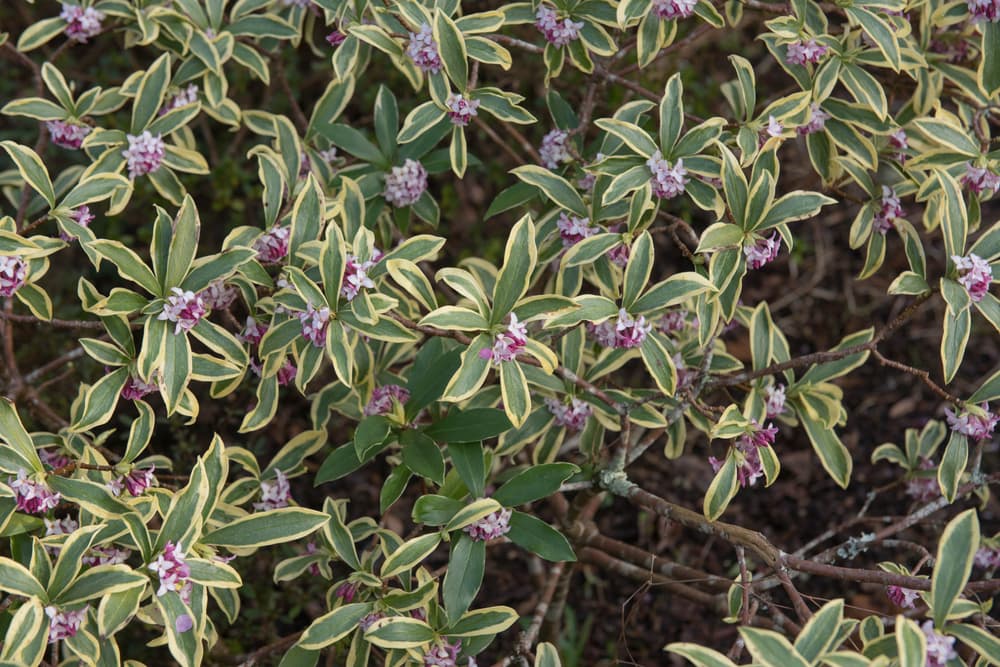
Growing
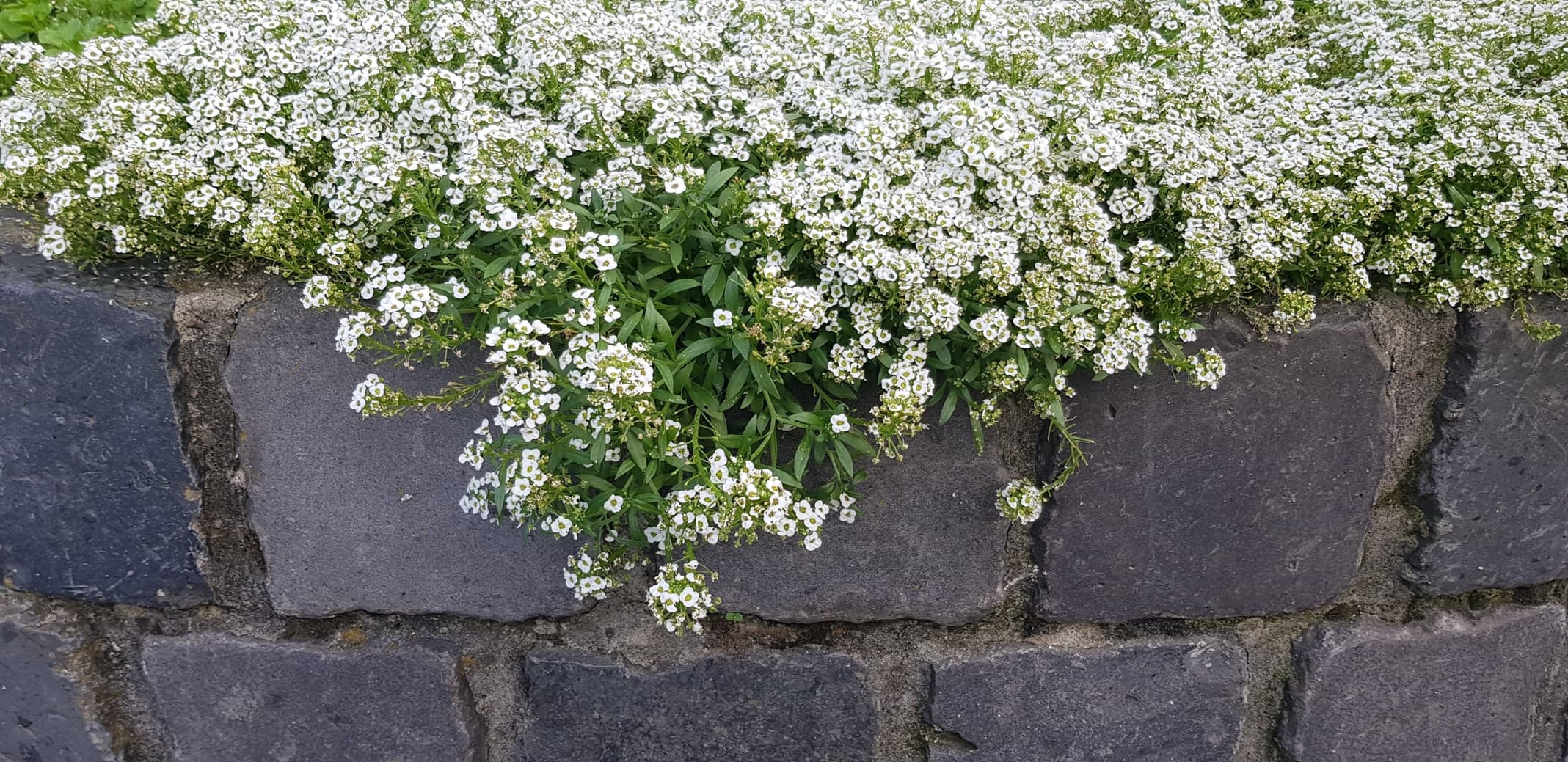

17 Vivid Flower Garden Ideas And Designs With Tips From Ann-Marie Powell
IN THIS GUIDE Top Design Tips For New Flower Gardens 1) Think Holistically About Flowers & Garden Design 2) Observe Carefully & Choose The Right Plants For The Right Places 3) Choose Flowers For Blooms Over As Much Of The Year As Possible Flowers With Functions: Integrating Flowers Into Garden Design 4) Companion Planting In An Annual Vegetable Plot 5) Perennial Beds Or Borders With Flowers, Vegetables & Herbs 6) Fruit Tree Guilds & Forest Gardens 7) Wildflower Meadows & Other Habitats 8) Rain Gardens, Ponds & Wetland Gardens Choosing A Location For A Flower Garden 9) Tips For Flower Gardens In Full Sun 10) Tips For Flower Gardens in Partial Or Dappled Shade 11) Soil Types & Soil Characteristics 12) Raised Bed Flower Gardens 13) Container Flower Gardens & Vertical Gardens Stylistic Choices In A Flower Garden 14) Design By Garden Type 15) Follow Moods & Themes 16) Consider Your Bed Or Border Shape 17) Embrace Colour & Form Combining Different Flowering Plants References If you are thinking about creating a new flower garden, there are many things to think about. In this article, we cover a range of ideas and designs to help you make decisions that will benefit your space for years to come. All gardens should have flowers, not only for visual appeal but to bring in wildlife, and deliver a range of other benefits. But it can be difficult to know where to begin when considering which flowers to grow, and where to grow them. In this guide, I’ve brought together some key ideas which will help you create a flower garden that you can really be proud of. Read on to find out our top tips, ideas and design suggestions: Top Design Tips For New Flower Gardens First things first, it’s crucial to make sure that you are thinking about your flower garden in the right way. Of course, it’s important that your flower garden looks good, but aesthetics are not the only consideration. No matter what type of flower garden you wish to create, and no matter where it is to be created, here are 3 important things to bear in mind as you make your choices: 1) Think Holistically About Flowers & Garden Design Many gardeners will start with flowers they like, and work from there to create their gardens. But to create a truly abundant and beautiful garden that will stand the test of time, it is important to work from broader patterns to the finer details. Consider specific individual plants but also the bigger picture. Ithink it is a very good idea to learn how flowers will work with other plants and with wildlife, and how flowers can be integrated into a harmonious design for the whole of your garden. “I’m constantly buying new plants, as I think of my garden as a living pinboard to constantly inspire me about what goes well together,” shares Garden Designer Ann-Marie Powell. “I’ve just recently bought lots of new irises, which I’m excited about because I haven’t grown irises for a while. “I also grow tons of annuals, like crocus, linarias and rudbeckias. If you can think of a plant, I’m probably growing it.” By thinking holistically about the process, we can find ways to add flowers in a garden which aid the function and improve the utility – as well as the appearance – of a space. 2) Observe Carefully & Choose The Right Plants For The Right Places New gardeners sometimes fall into the trap of choosing plants based on aesthetic preferences. However, new flowers for a garden should always be chosen with the specific characteristics of the garden in mind, choosing the right plants for the right places is the key component for success in any garden. Before you even begin to think about choosing particular flowers, you should spend some time observing the space, and thinking about the climate, microclimate conditions, soil – and any other characteristics of the garden in question. Matching up plants with the location and its characteristics is one of the most important jobs in a healthy organic garden. Choosing the right places to grow the flowers in your space is also essential. Again, this is often a case of matching up the requirements of the plants with the conditions which can be provided. 3) Choose Flowers For Blooms Over As Much Of The Year As Possible Most flowering plants fulfil key functions in the garden while in bloom. When they flower, they not only look their best, but also attract a range of beneficial wildlife to the space. Whatever other decisions you make about which flowers you grow and how and where you grow them, it is a good idea to make choices that mean you have flowers in bloom in your garden over as long a period as possible. This means thinking carefully about when different flowering plants are in bloom, and also ensuring that you aim for as much diversity as possible, in each month, and over the course of the year. Flowers With Functions: Integrating Flowers Into Garden Design Flowering plants can also have a range of functions in garden design. By considering the functional benefits that different flowering plants can provide, we can find numerous ways to integrate them into our gardens. 4) Companion Planting In An Annual Vegetable Plot One of the first interesting ways to integrate flowers into your garden is as companion plants in an area for annual food production. Both annual and perennial flowering plants can be extremely beneficial as companion plants for annual fruit and vegetable crops. Flowers like calendula, French marigolds, nasturtiums and borage, to name just a few examples, make wonderful companions in a kitchen garden. Flowers can, of course, attract bees and other pollinators. They can also attract predatory species which help keep pest numbers down and can potentially repel, confuse or distract pest species. It is also worthwhile remembering that a number of flowers can be edible in their own right. They can also provide other yields and be used in a range of ways (for beauty products for example) within your home. They might also be beneficial within a composting system, or be dynamic accumulators which help you maintain the fertility in your growing areas.1 5) Perennial Beds Or Borders With Flowers, Vegetables & Herbs When planning a food-producing garden, it is also important to consider the potential of perennial food production. Perennial beds and borders do not need to be flowers alone. Integrating ornamental planting with edible plants is a great way to create diversity and abundance. Flowers can also serve as companion plants within a perennial plant context and the flowers too can benefit from the various other plants included in such as scheme. “I don’t really grow vegetables so at this time of year, so I have a lot of bedding annuals on the go,” shares Sunil Patel, owner of the garden at 13 Broom Acres. “They are for the many patio pots and unexpected gaps in the borders. This year we’re trying to grow Zinnias and Cerinthe as well as our more usual staples of lobelia, calendula, bidens and mimulus. “I’ll also sow various perennials from seed that I’ll then grow on for sale either at Open Days or for the Plant Sale of our local gardening club. “We currently have delphiniums, thalictrum, evening primrose and Sisyrinchium, all from seeds collected in the garden last autumn.” Many herbaceous perennial flowering plants usually thought of as ornamentals can work well alongside interesting perennial vegetables and herbs. Those perennial vegetables and herbs can themselves be ornamental and may also be attractive flowering plants. Creating perennial planting schemes can be a great low-maintenance choice. Perennial schemes sequester more carbon, keep the soil healthy and of course, they’re also great for the wildlife which shares your garden. 6) Fruit Tree Guilds & Forest Gardens Of course, abundant perennial planting schemes need not only include herbaceous perennials, but also a range of trees and shrubs. Fruit trees and fruiting shrubs are excellent choices for many gardens, including my own. In order to achieve the best possible yields from fruit trees and fruit bushes, it is a good idea to create guilds, or diverse polycultures of beneficial plants around them – including plenty of flowers.2 “In my own garden the early flowering apples sometimes failed to be pollinated,” shares RHS-qualified Horticulturist Colin Skelly. “Since introducing more early flowering perennials into the space this has not been an issue as a greater number of pollinators attracted to the area. “The plants used include Pulmonaria cultivars (Lungwort), Erysimum cheiri (Wallflower), Digitialis purpurea (Foxgloves) and Dianthus barbatus (Sweet William).” A fruit tree guild will usually include flowering plants to bring in pollinators early in the season and while the blossoms are out – and to attract wildlife to reduce problems with pests throughout the year. Some other flowers will also work well as companion plants for fruit trees due to their dynamic accumulation, or because they are good at providing ground cover or suppressing competitive grass growth. Extend the idea of a fruit tree guild and you can create a forest garden, or food forest – a syntropic ecosystem with layered planting. Again, flowers play crucial roles within the different layers in a forest garden scheme. 7) Wildflower Meadows & Other Habitats The ways in which flowers are planted together can bring many benefits through the ways in which they bring wildlife into a space, and provide for and protect that wildlife once it arrives. As well as integrating flowers into food-producing systems, as mentioned above, flowers should also serve as the backbone for a wildlife-friendly garden. One of the most common types of flower gardens are wildflower meadows. Both annual and perennial types of wildflower meadow are a great way to protect endangered species and attract wildlife to your space.3 Flower gardens can help fill a number of ecological niches. As well as creating a meadow habitat, a flower garden might also include marginal pond planting, or a bog garden or wetland area, for example. Flowers might also serve as the under-storey in a natural woodland garden setting. 8) Rain Gardens, Ponds & Wetland Gardens As well as playing a role in food production and wildlife attraction, flowers in your garden might also be used in schemes designed to manage water more effectively. Rain gardens, for example, often include a range of flowering plants, which can cope with saturation in wet weather, and drier periods in the summer months. More damp-tolerant flowers are placed at the base of a basin dug for a rain garden, with other flowering plants around the sides of the depression, and drought-tolerant wildflowers around the outer sides. A flower garden might also be placed in and around the water to improve the function of a wildlife pond, or used in vegetated swales, for example, which help direct water to where it is needed, away from where it is not wanted, or which keep water around in the plants and soil in your garden. Choosing A Location For A Flower Garden Once you have thought about how flowers can be useful in your garden and how they can be integrated into an overall design, you should be one step closer to choosing your plants. However, before you dive straight in and start making your plant choices, you need to determine the exact characteristics of the area or areas where flowers will be grown. Will you be growing flowers in the ground? Will the site be sunny or shaded? What will the soil be like? Will you be growing in raised beds, or containers? How much space is available? 9) Tips For Flower Gardens In Full Sun Many flowers can thrive in full sun, and you will have an amazing choice of plants, no matter what other characteristics you are dealing with on the site. However, when designing a flower garden for full sun, it is important to remember that areas in full sun can get very warm in summer, and may be more exposed in winter. One of their key characteristics is that they will tend to dry out more quickly, so it is important to bear this in mind. I’d recommend that you choose plants that like the heat and that can cope with the drier conditions that are likely to prevail. Some good suggestions include nepeta, scabiosa, dahlias, agastache and salvia. 10) Tips For Flower Gardens in Partial Or Dappled Shade Not all flowers will enjoy full sun conditions, of course, and there are plenty of excellent flowering plants to consider for a garden in partial or dappled shade. Some can even cope with more deeply shaded conditions. When choosing flowers for shade, be sure to think about what kind of shade you are dealing with. Some plants prefer damp shade, while others are better suited to dry shade conditions. Aesthetically, some of the best choices for flowers to grow in shade include plants with white or pale flowers, which stand out well in lower light conditions. Plants with variegated foliage can also work well, and choosing varied plant form and textures can be important. Hostas, ferns, begonia and coleus are all good choices for shady spots! 11) Soil Types & Soil Characteristics A flower garden for one type of soil (clay soil, for example) will look very different to a flower garden for another (such as free-draining sand). As well as thinking about the sunlight and shade, exposure and water characteristics, it is important to understand your soil when planning a flower garden. Be sure to choose flowers which are appropriate for the soil type and its properties, and for your soil pH. If you have acidic or alkaline soil, it is best to avoid amending it too heavily. Instead, simply choose flowering plants which are suited to the soil conditions where you live. 12) Raised Bed Flower Gardens If you do wish to grow flowers which are not particularly suited to your soil in your garden – rather than amending the soil, it is better to consider creating your flower garden in raised beds or containers. Growing flowers in raised beds can bring a range of benefits. Raised beds can make things easier to tend, and may require less weeding.4 They can bring flowers level with seating height in an outdoors living area, or enhance the view from a window, for example. Raised beds can come in a range of shapes and sizes, and can play an important role in determining the look and feel of a space. 13) Container Flower Gardens & Vertical Gardens Those who are short on space can still create stunning flower gardens. Even if you do not have any space to grow in the ground, growing in containers and in vertical gardens means that you can still have a colourful, abundant, beautiful space. As long as you choose the right containers for the flowers you wish to grow, you can still include a wide range of plants in the smallest of spaces. Growing flowers in pots on shelving, placing them in hanging containers, or in planting pockets within a structure affixed to a wall or fence can help you make the most of your space. Remember, there are plenty of reclaimed materials you could use for such a project. Stylistic Choices In A Flower Garden Once you have considered the practicalities, thinking about flowers, their needs, and the roles they can play in your garden as a whole, there are still a range of decisions to make when creating a flower garden. 14) Design By Garden Type One thing to think about, when it comes to aesthetics and style, is the type of garden you wish to create. Flower gardens can be created to establish a certain type of garden. For example, you might want to create: An English cottage garden. A woodland garden. An alpine garden or rockery. A Mediterranean style garden. Meadow planting. Prairie style planting. A formal cutting flower garden. And these ideas are just the beginning. There are plenty of other garden types to consider, no matter where you live, and no matter how much space you have available. 15) Follow Moods & Themes Stylistically, you may also find it helpful to think about what mood or theme you wish to evoke through your layout and plant choices. For example, you might want your flower garden to be: Rustic and naturalistic. Calming and tranquil. Vibrant and energizing. Classic and traditional. Sleek and contemporary. Think about whether you would like your plant choices to fit within a certain theme or to evoke a certain atmosphere. 16) Consider Your Bed Or Border Shape Another key choice that can make a big difference to the look and feel of a flower garden is the size and shape of any beds or borders. Many gardeners make the mistake of thinking that flower beds and borders need to fit around the edges of the space. But sometimes, it can be useful to think outside the box, and bring flowers out to position them front and centre in the space. Remember, beds and borders can be created in any shape. Think about whether you want to stick to straight lines and hard angles, or make the space more natural and relaxed with curved shapes and flowing lines. Beds can certainly be square or rectangular, but they can also be circular, or have irregular, curving or wavy shapes. A mandala garden is beautiful way to bring artistry to a space – creating circular and flower-shaped designs picked out in different flowers and forms, for example. When thinking about the space used for beds or borders, it can also be helpful to think in three dimensions. You might create a spiral form bed for flowers and herbs, for example, which rises up towards the centre. You might stack raised beds in a range of forms, or, as mentioned above, create vertical gardens in a range of different ways. 17) Embrace Colour & Form Flower colours and the forms of different plants all add together to create the stylistic look and feel you are going for. Even when aesthetics are not the primary consideration, colours can be important. Remember that certain flower types and flower colours will be more attractive to bees and other wildlife than others. For example, bees will tend to be preferentially attracted to purple or blue flowers.5 Think about how colours can create different moods in your garden – cool and calming blues and greens, and hot and vibrant pinks and reds, for example. If you want a calming vibe, stick to a few colours. If you want something more uplifting, don’t be afraid to clash and combine a range of hues. Think about adding colours in drifts rather than placing individual plants and creating too frenetic a polka-dot style scheme. Combining Different Flowering Plants There are of course many things to learn about combining different plants in your garden, both for function and aesthetics. As long as you keep these basics in mind, and consider all the different ideas mentioned above, you should find it easier to create the flower garden you have been dreaming about. References 1. Zarro, G. (2020b, July 20). Breaking Ground with Dynamic Accumulators. Cornell Small Farms. Retrieved March 15, 2023, from https://smallfarms.cornell.edu/2020/07/breaking-ground-with-dynamic-accumulators/ 2. Finney, D. M., & Kaye, J. P. (2017). Functional diversity in cover crop polycultures increases multifunctionality of an agricultural system. Journal of Applied Ecology, 54(2), 509–517. https://doi.org/10.1111/1365-2664.12765 3. Forest Research. (2022, February 9). Wildflower meadow habitats – Forest Research. Retrieved April 3, 2023, from https://www.forestresearch.gov.uk/tools-and-resources/fthr/urban-regeneration-and-greenspace-partnership/greenspace-in-practice/benefits-of-greenspace/wildflower-meadow-habitats/ 4. Raised Beds vs. In-Ground Gardens. (n.d.). University of Georgia. Retrieved March 15, 2023, from https://extension.uga.edu/publications/detail.html?number=C1027-3 5. Reverté, S., Retana, J., Gómez, J. M., & Bosch, J. (2016, August). Pollinators show flower colour preferences but flowers with similar colours do not attract similar pollinators. Oxford Academic. Retrieved March 15, 2023, from https://academic.oup.com/aob/article/118/2/249/1741474
Learn more
An A-Z List Of 46 Popular Flower Types - How Many Have You Heard Of?
IN THIS GUIDE African Lily Bellflower Bergamot Bird Of Paradise Black-Eyed Susan Bluebell Broom Buttercup Butterfly Bush Carnation Columbine Chrysanthemum Crocus Daffodil Daphne Daylily Evening Primrose Forget-Me-Not Foxglove Gladiola Hyacinth Iris Larkspur Lavender Lilac Lily Lily Of The Valley Love In A Mist Marigold Mimosa Monkshood Moth Orchid Peony Peruvian Lily Petunia Rose Sea Lavender Snake’s Head Fritillary Snapdragon St John’s Wort Sunflower Sweet Pea Tansy Thistle Tulip Windflower References Have you ever been stumped as to the name of a particular flower in your garden or around your home? This alphabetical list of the most popular flower names from across the UK should help to set you right. Poets such as William Wordsworth, Bill Shakespeare and Samuel Taylor Coleridge have all but exhausted the English language extolling the virtues of a garden in full bloom. But all their words would be for nothing without the names by which we identify these handsome horticultural specimens. It makes sense, then, for any green-fingered devotee to learn the names of the floral beauties which catch their eyes. Not only does it greatly facilitate finding new additions to your outdoor display, but it also provides you with the vocabulary necessary to boast about them to your friends, neighbours and anyone else who will listen. “Where do I start when picking my favourite plant?” asks Gardener Alan Titchmarsh. “Japanese maples, peonies, old-fashioned roses, hostas, ferns and scented-leaved pelargoniums are all up there!” Without further ado, then, here’s a rundown of some of the most popular flower names from across the British Isles, with their botanical names included for an additional frisson of informational intrigue. African Lily Agapanthus Variously known as Lily of the Nile, African Lily or Agapanthus, this stunning flower comes in a variety of sizes and colours. Its versatility makes it an excellent addition to a border or container, while some strains are even evergreen. Bellflower Campanula As the name suggests, most bellflower varieties adopt a bell-shaped structure, though there are some which resemble flattened stars when in full bloom. They’re easy to grow and available in a range of hues, making them a popular choice across the country. Bergamot Monarda Easily distinguishable by its unique curving petals that grow tendril-like from the central flowerhead, bergamot has aromatic foliage that is often picked for use as potpourri. It enjoys an exceptionally long flowering season when deadheaded regularly, making it a great choice for an extended display. Bird Of Paradise Strelitzia The eye-catching blossoms of this native to southern Africa have earned it its deceptive moniker – as well as widespread popularity around Britain. However, its exotic origins mean it won’t tolerate night-time temperatures of below 10°C, so it’s really only suited to the conservatory or greenhouse in the UK. Black-Eyed Susan Rudbeckia With towering upright stems topped by bulbous flowerheads and starry petals, rudbeckias look great in borders, beds and containers. Annuals come in a variety of different colours, but perennials almost invariably take on the distinctive yellow mantle shown above. Bluebell Hyacinthoides A common sight in shaded woodlands or meadows across the UK, bluebells make for an excellent choice underneath trees or tall shrubs. Grown from bulbs, they demand little in the way of maintenance and dazzle with their blue blossoms in the springtime. Broom Genista Virtually synonymous with rugged Scottish landscapes, broom is found throughout the UK growing freely wherever the fancy takes it. It carries a faintly fruity aroma and makes for a pleasing addition to a border or as a standalone shrub. “The tree I can’t live without is the Genista aetnensis, which is the Mount Etna broom,” shares Garden Designer Jinny Blom. “It’s in flower in June and July, which is rare for trees and shrubs, and the smell is so amazing. It’s a light tree and doesn’t cast much shade. It’s quite weak-rooted but very tough. “It’s yellow in flower and the smell just fills the whole garden. I’ve always had one and the two that I’ve got at the moment I grew from seed.” Buttercup Ranunculus Hardy little critters, buttercups are found in meadows, marshlands and pastures across Britain. They’re also able to withstand the blades of a lawnmower, which means they crop up in domestic lawns, too. A favourite of children for their alleged ability to tell whether someone likes butter or not. Butterfly Bush Buddleja As an easy-going shrub that demands little attention but brings in pollinators by the shedload, buddlejas are a favourite among gardeners up and down the country. They carry a mild honeyed scent and are available in a range of colours, meaning it’s easy to tie them in with your existing aesthetic. Carnation Dianthus Although carnations are perhaps most commonly seen on the lapels of wedding-goers, they are a vibrant garden choice in their own right. With lush foliage and bright floral blooms, these semi-hardy perennials will make an attractive addition to any outdoor display. Columbine Aquilegia vulgaris Equally at home among the damp environs of fens and woodlands as they are on airy mountain slopes, columbines are cherished as a garden plant, too. The bonnet-like blossoms add a splash of colour to a border in summer, while they’ll also attract bees and butterflies to your property, too. Chrysanthemum Asteraceae There are few flowers more immediately recognisable than the bright and bouncy rosettes of chrysanthemums. Although they’re fussy plants which require handling with protective gloves – especially when dealing with “late chrysanthemums” – they will reward the effort invested in them with beautiful displays in late summer and autumn. Crocus Iridaceae Crocus generally blossom in late winter and early spring, bringing a dash of much-needed vitality to borders and rockeries at a time when everything else is still shaking off its slumber. Daffodil Narcissus Associated with the month of March, daffodils are spring bloomers that are among the most popular bulbed plants throughout the world. The distinctive trumpet-like structure of their blossoms is offset perfectly by the dual tones of yellow which characterise most strains. Daphne Daphne Though small in stature, daphnes are big on impact. Their diminutive clusters of delicate flowerheads are pleasing on the eye, while their delectable fragrance is a draw for the nostrils, too. Ideal for smaller gardens, mixed borders or even window boxes. Daylily Hemerocallis Daylilies are as lovely as they are short-lived. The clue is in the title: most species wither the same day as they bloom. With a wide range of colours to choose from, and repeated blossoms expected through the year, however, they’re still a hugely popular choice for any back garden display. Evening Primrose Oenothera A native of North America, evening primrose was first naturalised in the UK in the 1600s. It’s so named for the bright yellow blooms which only unfurl themselves in the evening, drawing drowsy bees and butterflies to wildlife gardens across the country. Forget-Me-Not Myosotis Perhaps the most romantically named of all the entrants on this list, forget-me-nots are a bold and vibrant spring flower. Their sizable green foliage serves as the perfect backdrop for the brilliance of their pastel blue flowers, hanging in the air like an unforgettably arresting cloud of petals. Foxglove Digitalis Characterised by spires of tubular flowers in pink, purple, yellow or white, foxglove plants are almost universally loved for their architectural and aesthetic appeal. Gladiola Gladiolus These impressive specimens hail from South Africa, western Asia and the Mediterranean, depending on the particular cultivar. With over 300 to choose from, you’re sure to find one which complements your existing colour scheme, though most Gladiola varieties grown today are modern hybrids. Hyacinth Hyacinthus The delightful star-shaped flowers of the hyacinth plant are crowded so tightly on their stems that there’s little elbow room between them. This, coupled with their pleasing aroma, is what makes them such a popular option in borders, pots or as cut flowers indoors. Iris Iridaceae Irises generally come in two varieties: those grown from rhizomes and those grown from bulbs. The former boast sword-shaped leaves while the latter are more lance-like in their structure, but both varieties come in a full spectrum of wonderful colours for their spring blooms. Larkspur With sturdy, upright stems and intensely bright flowers, larkspurs are a favourite for cottage gardens around the UK. Not only do they add dramatic height and colourful flair, but they’re also a magnet for bees and butterflies, enhancing the biodiversity of your outdoor space.1 They’re also easy to grow in containers. Lavender Lavandula This fragrant evergreen shrub from the Mediterranean is renowned for its calming qualities. It’s versatile enough to work as a hedge, wildlife garden or potted plant, depending on the variety selected. For the most easily-maintained results, choose a hardy or half-hardy cultivar. Lilac Syringa Available as both a shrub and a tree, lilac is a classic staple of gardens all over Britain. Its versatility means it can work equally well in a container as it can in the ground, while its soft pastel tones and subtle fragrance bring a touch of elegance and class to any environment. Lily Lilium Instantly recognisable by their distinctive trumpet-shaped flowers, lilies are a positively charming addition to any garden. There are an extensive number of varieties available, some of which are capable of exceeding 6m in height, so be prepared for that eventuality when selecting your specimen. Lily Of The Valley Convallaria majalis By contrast, lily of the valley is a humble spreader which won’t get ideas above its station, making it an excellent choice for ground cover. The dainty hanging flowers and the intoxicating aroma mean that it’s popular throughout the British Isles. Love In A Mist Nigella This imaginatively titled flower is almost as impressive to look at as its moniker suggests. With fanned blue petals sitting atop a bed of spiky green fronds and presenting intricately shaped stamen, it’s an eye-catcher for sure. A native of Mediterranean and North African climes, it’s taken to the British weather remarkably well and requires little in the way of maintenance. Marigold Calendula These cheerful annuals are hardy enough and will tolerate mild frosts, before bursting into life in summer with their bold and vivid blooms. The flowers of marigolds are edible and are often used as a garnish for salads, cocktails and other culinary concoctions.2 Mimosa Acacia Originally from Australia, mimosas are available as trees, shrubs and climbers, though the former is the most commonly found variety in the UK. When planting, make sure you have enough space to accommodate your tree, since some strains can grow up to 12m in height and a similar spread. Monkshood Aconitum Also known as wolf’s bane, this plant is a close relative of larkspur. It’s a beautiful plant to include in your garden display. Moth Orchid Phalaenopsis One of the most readily available types of orchid in the UK, moth orchids are particular about the climatic conditions of their surroundings. For that reason, they’re generally an indoor plant in Britain, but there is a wide array of varieties available in all shapes and sizes, so you’re sure to find one that complements the feng shui of your home. Peony Paeonia With some varieties offering blooms the size of dinner plates, peonies are among the most ostentatious garden flowers available. They generally come as herbaceous (which die away in winter) or tree (which maintain their upright demeanour but lose their flowers and foliage), though a hybrid of both is less commonly found, too. Peruvian Lily Alstroemeria As the name suggests, Peruvian lilies hail from South America. But despite their exotic origins, they cope with the British climate remarkably well and most gardeners find them both hardy and easy to grow. They come in a wide variety of colours and styles, all of which make for excellent cut flowers as well as garden additions. Petunia Solanaceae Another native of South America, petunias don’t handle British frosts quite as impressively as Peruvian lilies. Nonetheless, they remain a popular choice due to their knack for consistently creating a colourful bed of blossoms during the summer months. Lots of colours and flower shapes to choose from. Rose Rosaceae This far-reaching family of plants contains more than 3,000 members, including well-loved fruits such as apples, raspberries and strawberries. But it’s the humble rose which steals the majority of the headlines, of course, in part thanks to the scribblings of the Bard and his brethren. By any other name, it would still smell as sweet – but would it still be a rose?3 Sea Lavender Limonium The foliage of sea lavender is almost as big a draw as its flowers, given that many varieties will change colour throughout the year. Having said that, it’s certainly the papery petals of its flowerheads which steal the show in midsummer, while they also hold their colour and fragrance remarkably well when cut, making them an ideal choice for bringing indoors, too. Snake’s Head Fritillary Fritillaria meleagris One glance at the blooms of this unique plant will leave you in no doubt as to why it has earned its common name. Not only are the shape of its petals reminiscent of a viper’s head, but all varieties, regardless of their particular colour, carry an unmistakably checked pattern that recalls the mottled skin of a slithering snake. Snapdragon Antirrhinum Easy to grow and guaranteed to add a splash of colour and architectural intrigue, snapdragons are favourites among old-fashioned cottage garden aesthetics. Their flowering period is more prolonged than many of their counterparts, with blossoms (and the bees and butterflies they attract) going the distance from early June until late October. St John’s Wort Hypericum One of the most versatile flowers on this list, St John’s wort can be evergreen or deciduous, annual or perennial and a shrub or a tree. Whichever you opt for, you can expect showy yellow flowers that are revered for their aesthetic qualities. Sunflower Helianthus Their easy-going nature, oversized stature and iconic flowerheads make sunflowers an ideal growing project with younger members of the household. Although they are famously associated with brown and yellow blooms, there are other varieties that offer green, white and red flowers, too. Sweet Pea Lathyrus Sweet peas are just as effective as border plants as they are terms of endearment. Although they don’t bear any edible produce, they do boast colourful blooms in a range of colours and look especially impressive when several tones are combined in a single display. They also have a powerful and pleasing fragrance, too, with even just one vase of cut sweet peas enough to perfume a room. Tansy Tanacetum The bulbous, button-like flowerheads of the tansy plant, with their unmistakable yellow colouring, have meant they have been incorporated into many a decorative garden display. Thistle This iconic flower is the symbol of Scotland and is found growing freely throughout the wild verges, meadows and grasslands of that nation. But despite their feral nature and their prickly texture, many varieties have been adapted for inclusion in a contemporary garden display. Tulip Tulipa Tulips are intrinsically linked to the feelings of rebirth and revitalisation of springtime. Although technically a perennial plant, many modern hybrids have been over-engineered to achieve the best aesthetic result – but at the cost of longevity, with reliable blooms in consecutive years few and far between.4 For that reason, many gardeners simply replant tulip bulbs every autumn to ensure strong output. Windflower Anemone Windflowers are one of the few entrants on this list that is perhaps more recognisable by its Latin name than its common counterpart. “Commonly known as Japanese Anemone, Anemone hupehensis is a late summer and early autumn flowering perennial that is a popular garden plant in the UK and is not to be confused with the early spring flowering Wood Anemone,” shares Horticultural Consultant Colin Skelly. They are forest flowers that bloom in spring and hibernate for all the other seasons, before coming back just as strongly the following year. References 1. How to attract bumblebees to your garden. (n.d.). The Wildlife Trusts. Retrieved March 23, 2023, from https://www.wildlifetrusts.org/actions/how-attract-bumblebees-your-garden 2. Marigold Uses in the Garden and on the Table. (1983, July 1). Mother Earth News – the Original Guide to Living Wisely. Retrieved March 23, 2023, from https://www.motherearthnews.com/organic-gardening/marigold-uses-zmaz83jazshe/ 3. ‘A Rose By Any Other Name’, Meaning & Context. (2020, October 7). No Sweat Shakespeare. Retrieved March 23, 2023, from https://nosweatshakespeare.com/quotes/famous/rose-by-any-other-name/ 4. Gilmer, M. (2019, April 27). The twisted, mutated history of the beautiful tulip. Palm Springs Desert Sun. Retrieved March 23, 2023, from https://eu.desertsun.com/story/life/home-garden/maureen-gilmer/2019/04/27/twisted-mutated-history-beautiful-tulip/3489404002/
Learn more
Garden Ranunculus: How To Grow Beautiful 'Persian Buttercups' From Tubers
IN THIS GUIDE Overview Habitat & Growing Conditions How To Grow Ranunculus Plant Care Common Problems References Would you like to see fully double bowl-shaped blooms with row after row of neatly-arranged wafer-thin petals in your garden? And, oh, the colours – snow-white, ruby red, dark violet, or gradated flame orange or with fine purple edging! On top of it all the long-blooming flowers rise above a perfect backdrop of feathery foliage – be introduced to Garden Ranunculus. Overview Botanical Name Ranunculus asiaticus Common Name(s) Persian Buttercup Plant Type Perennials / Annuals Native Area Eurasia Hardiness Rating H4 Foliage Deciduous Flowers Beautiful blooms in various hues When To Sow March, April Plant Out May to June Genus Ranunculus girdles the globe – this cosmopolitan genus is absent from only a swath of land in western Africa, northern South America, and Papua New Guinea.1 Ranunculus asiaticus, the parent species for Garden Ranunculus, occurs in nature in a belt of land from Cyprus through Turkey and Iraq to Iran. Ranunculus grows from underground tubers which are, not quite accurately, also called corms. They are herbaceous deciduous perennials that are effectively annuals in cold climates. Bear in mind, though, that other species – besides Persian Buttercups – in this genus are starkly different. Some are fully cold-hardy, others grow in poor soil, and yet others are water-loving aquatic plants. Persian Ranunculus are none of these things; they are highly-cultivated ornamental plants for well-manicured gardens. ‘Hanoi’ There is one and only one reason to grow these plants: the blooms. Though Persian Buttercup is not a type of plant that offers a cornucopia of varieties, the limited number that it does produce such perfectly-sculpted blooms that just about anyone with a flower garden will probably want to try their hand at Ranunculus! Habitat & Growing Conditions Garden Ranunculus does not flourish in hot, humid conditions or in overly-damp soil. They grow best in well-draining, light soils. At the same time, the tubers are not fully hardy and will not survive prolonged frosts, especially in containers. The best type of climate for these plants is made up of mild winters, long springs with cooler temperatures, and pleasant summers that are not very warm or very rainy. R. asiaticus At an RHS hardiness rating of Zone H4, Garden Ranunculus is just hardy enough to be grown as a perennial in most of the United Kingdom. Planting and growing Ranunculus in the UK is one of those fine-margin propositions such that your particular location will dictate your choices and will also strongly influence how successful you are in this endeavour. How To Grow Ranunculus Ranunculus offer at least three possibilities as to how best to deploy them in the garden. Preliminarily, though, these flowers are most suitable for courtyard gardens, city gardens, and even formal gardens. A mass planting of mixed varieties in a large bed will create a stunning effect in view of the form of the blooms and the colours. At the other extreme, a single plant of any of several varieties in a container will make a superlative accent plant for the entry steps. Finally, Ranunculus make excellent companion plants such that a few combinations are already established. Try yellow and orange Ranunculus varieties with traditional blue and purple Delphiniums, as just one example. Sourcing Tubers Tubers can be categorised in different ways. Many British growers grade them by circumference. If you intend to grow Ranunculus in a sizeable bed, you can go with a large number of smaller, less floriferous, and certainly less expensive 4/5 tubers. For container-growing and for specimen plants, you should buy the larger tuber sizes. No matter which ones you get, tubers should be dry, firm, and without any nick or blemish. Planting Before planting the tubers, you may soak them in water at room temperature for an hour or two. In southernly UK regions, you can plant tubers in November, early spring, or both, otherwise plant them after the last frost. However, note that the tubers need temperatures of 9-13°C to emerge. If the average temperature is not within this range then you will need to grow the tuber(s) indoors or under glass in controlled conditions. This will achieve earlier spring flowering. Tubers should be planted about 4cm deep. Aim for a spacing between 10-25cm apart, depending on tuber and cultivar size. They must be planted with the ‘claws’ from which the roots will grow, downward. Backfill the hole and gently firm up the soil. “If you’re in doubt as to how best to grow these delightful plants, I would recommend planting them in October into 1 litre pots of good compost that is water-retentive, but also free-draining,” shares Master Horticulturist Peter Lickorish. “Place these somewhere slightly warm and out of rainfall, such as a greenhouse or cold frame. Keep the compost lightly moist but not too damp and in very early spring, growth should emerge.” Aspect In all parts of the United Kingdom except the balmiest ones these plants should be sited in full sun, otherwise they should get morning sun for about six hours. Soil Requirements A sand-based soil with little or no clay amended with organic compost or humus down to 7-8cm will suit these plants very well. Soil pH should be in the Slightly Acidic to Neutral range – 6.1 to 7.3 – or thereabouts. The soil should drain very well as this plant’s tubers are at risk of rotting in damp or poorly-drained soil. If you need to enhance drainage incorporate gravel at the bottom layer or mix in perlite. You can also facilitate drainage by forming ridges or mounds into which to plant the tubers. Apart from the garden, Ranunculus tubers may also be planted in suitably-sized containers. Plant Care You can plant Garden Ranunculus tubers in two very different seasons so that they will, in turn, produce flowers in two very different seasons as well. In either case the flowering season will last for five weeks, stretching to six. Golden Persian Buttercup Flower Autumn-planted tubers will put up flowering stems in March and spring-planted tubers will do so in June. Thus, if the summers in your particular region are not overly warm and humid, you can enjoy summer Ranunculus blooms, besides spring ones. Watering Water well after planting. You may apply a thin mulch of hay, straw, or bark. Water twice or three times per week. The soil should not become waterlogged nor should it be allowed to completely dry out in the initial growing phase, it should be kept just moist. Decrease the quantity and frequency of watering after the plants become established, and cease watering after they have shed their leaves and become dormant. Fertilising In the beginning of spring or at the end of spring, depending on when you planted the tubers, feed the plants with a 5-10-10 slow-release fertiliser. The aim is to do this prior to flowering. Alternatively, mix bonemeal into the soil several centimetres away from the tubers. Overwintering Though Ranunculus will grow outdoors in most regions of the UK, whether or not you should lift the tubers for the winter depends on your precise location, the possibility of a hard frost, and the kind of soil you have prepared. If you live in a cooler region of the UK, if you anticipate an extended frost, if your soil does not drain very well, or if you anticipate a wet summer, you should remove the tubers for indoor storage until planting season comes around, otherwise simply dispose of them and buy new tubers the following season. You can circumvent the need to remove tubers and re-plant them by growing Ranunculus in appropriately-sized containers. If you need to lift your tubers, cut off the tops, allow them to dry out in a cool, dry, dark room, and store them in a similar environment, after lightly packing them in vermiculite and putting them in a mesh bag. “As the frost risk subsides, transplant them into the ground or large decorative containers and await their triumphant display,” adds Peter. “Once they’ve finished, return them to their pots and the same location they spent the winter in, as this will keep them dry over the summer, which is important. Just be careful to make sure they do not bake too much.” Common Problems Belying their delicate and refined appearance, Ranunculus are relatively healthy plants that do not suffer from many pests or diseases. All you mainly need to watch out for are aphids and powdery mildew. Aphids can be combated with organic remedies such as horticultural soaps. If you see powdery mildew on a plant cut off the affected parts and promptly remove them from the garden. Ensure that the plant is getting sufficient sun and is not closed-in by other plants. You can avoid mildews by watering at soil level so that foliage does not get damp. References 1. Ranunculus. (n.d.). Kew Royal Botanic Gardens. Retrieved March 23, 2023, from https://powo.science.kew.org/taxon/urn:lsid:ipni.org:names:30002060-2
Learn more
This Is How To Grow Angelica - Ideal For Herb Gardens, Hedgerows Or Woodland Areas
IN THIS GUIDE Overview Common Varieties Why Grow Angelica? How To Grow Angelica Sowing Planting Out Angelica Care Harvesting Division References Angelica is a useful herb to grow in your garden and is great for a low-maintenance scheme. This woodland edge or hedgerow plant is common in the ‘wild’ but can also be grown in gardens, where it can bring a huge range of benefits. This is an attractive plant in a wilder and more relaxed garden scheme, but besides its appearance, there are many more reasons to grow Angelica in your garden. Overview Botanical Name Angelica archangelica Common Name(s) Angelica, Angel’s Fishing Rod Plant Type Biennial Herb Native Area Eurasia / Northern Hemisphere Hardiness Rating H6 Foliage Deciduous Flowers Small blooms in various hues When To Sow August, September Plant Out April, May Harvesting Months March, April Native to Europe and naturalised in the British Isles, Angelica archangelica (garden angelica) is a biennial plant which is hardy throughout the UK and which is not frost tender.1 This is the plant most commonly referred to when people talk about Angelica. Angelica archangelica Angelica grows up to 1.5-2m in height and spread to create bushy clumps around 1m in diameter. It bears umbels of light yellow flowers in the early summer. Common Varieties There is also another useful species within this genus, Angelica sylvestris, or wild Angelica, which could also be a useful addition to your garden. Technically, both of these species are biennials, however, they can be perennial if they are prevented from going to seed. Angelica sylvestris And since you can harvest Angelicas for a range of uses prior to seed formation, this maintenance can be minimal and as easy as can be. There are also other non-European native Angelicas to consider. One that is commonly grown in a garden is Angelica gigas, for example. A. gigas Also known as Korean Angelica or giant Angelica, this is an attractive ornamental, with large purple flower umbels. There is also the East Asian Angelica edulis, with white flower umbels, and North American native Angelica atropurpurea, which has purple stems, to give just a few examples. Why Grow Angelica? Both garden Angelica and wild Angelica have many culinary uses. Garden Angelica’s leaves are eaten raw or cooked for a liquorice flavour in salads. They are also used as a mild natural sweetener, often alongside tart fruits or in jam-making. Both of these Angelicas are excellent wildlife-friendly plants and bring a wide range of beneficial pollinators and other insects to your garden. Other ornamental Angelicas like Korean Angelica do not have as many uses, but they can attract beneficial wildlife and make good cut flowers. How To Grow Angelica Garden Angelica will grow in dappled shade below trees, or in full sun. It requires deep, moist and fertile soil with an acidic, neutral or alkaline pH. Wild Angelica can also grow in similar conditions, though it is more shade tolerant and can cope well even in areas of somewhat deeper shade. Angelicas can be grown: In a dedicated herb garden. Alongside other perennial herbs, vegetables and flowers in a bed or border. Around the fringes of an annual vegetable garden. On the edge of a woodland area or beside a hedgerow. In a fruit tree guild or forest garden scheme. It is best to choose a sheltered spot, to avoid the need for the staking that is required in windy conditions, and to avoid any really hot or dry locations. Korean Angelica It works very well alongside other herbs which like similar conditions, like Alexanders, rue, meadowsweet, sorrels and herb patience, for example. Dill should not be grown close by to avoid cross-pollination. Angelicas’ ability to attract pollinators and predatory insects like lacewings and ladybirds makes it a great companion for a wide range of annual and perennial crops. “Angelica is an umbellifer, many of which have a characteristic dome or disc of flowers,” explains Colin Skelly, a horticulturist with years of experience in the field. “Think of Cow Parsley (Anthriscus sylvestris) or Hogweed (Heracleum sphondylium) on road verges; the easy access and plentiful nectar make this group of plants very popular with pollinators.” Sowing Angelica seeds are usually sown in a cold frame or another undercover area immediately once they are ripe, in late summer or early autumn, since the seeds typically only remain viable for a short period of time. You can also direct sow Angelica seeds where they are to grow as soon as they are mature. The seeds can also be sown in spring but germination rates will tend to be lower at this time of year. One key thing to remember when sowing Angelica is that the seeds need light for germination. So it is very important to place seeds on the surface of the soil or growing medium and to barely dust them over, or to leave them uncovered. Bury them too deeply and they may not germinate at all, or germination rates will suffer. Planting Out If you are not direct sowing, once the Angelica seeds germinate, and the seedlings are large enough to handle, they should be pricked out and potted up into their own pots. You can place these in a cold frame, polytunnel or unheated greenhouse, and watered to maintain moisture, but not overwatered over the winter months. These young Angelica plants should then be planted out into their final growing positions in the spring. Angelica Care Angelica is a relatively low-maintenance choice – great for busy gardeners. It requires little care, especially once established. It can be perennial if it’s not allowed to go to seed in its second year, and if you do decide to let it go to seed (which can be beneficial for the birds who like to eat them) then this is a plant that can self-seed readily – sometimes even so readily that it becomes a nuisance. Watering Young Angelica, especially while growing in pots and not in the ground, should be well-watered when grown undercover or during dry spells outdoors. Even mature plants might need to be kept well watered if rainfall is not sufficient, as dry conditions can increase the chances of diseases like powdery mildew taking hold. Feeding As long as it is grown in fertile soil, Angelicas should not need additional fertiliser. Add a mulch around your plants to maintain fertility and retain soil moisture over time. Common Problems Aside from powdery mildew, which can be a problem especially in dry conditions, Angelica is rarely troubled seriously by pests or disease. Look out for slugs and snails when the plants are still young and protect them where necessary. Later, Angelica attracts aphids, but since it also attracts those creatures which prey on aphids, like ladybirds and lacewings, this issue will usually balance itself out in a healthy garden and the Angelica will help you keep the beneficial wildlife around and the ecosystem in equilibrium. Harvesting Harvest the leaves and stems in the spring, while they are still young. Usually, these should be harvested before June. Division Mature Angelica plants in their second year can be cut back to the ground and dug up to make new plants in autumn. Divide the roots with a sharp knife and repot or replant the divisions right away where they are to grow. As you can see from the above, Angelicas can be a great choice for a productive, attractive, low-maintenance and wildlife-friendly garden. References 1. Garden Angelica. (n.d.). Plant Atlas. Retrieved March 9, 2023, from https://plantatlas2020.org/atlas/2cd4p9h.bkn
Learn more
Surfinia® Petunias Are Carefully Bred For Their Trailing Habit - Here's How To Grow Them
IN THIS GUIDE Overview Why Grow Surfinia Petunias? Surfinia Varieties Planting Surfinia Surfinia Petunia Care References If you are looking for trailing bedding petunias then Surfinia can be a great option to choose. If you want instant impact and a garden which reliably looks good all summer long, then this brand of trailing petunias could be an excellent choice. Surfinia is sometimes a name mistakenly applied to all trailing petunias – but this is like calling all vacuum cleaners ‘hoovers’. Surfinia is a registered brand name for a particular range of trailing petunias which make very popular bedding plants, frequently used in containers, window boxes and hanging baskets. They were specifically and carefully bred for their trailing habit, long blooming period, and weather tolerance. Overview Botanical Name Petunia ‘Surfinia’ (TM) Common Name(s) Trailing Petunias Plant Type Perennial (grown as an annual) Native Area Cultivated Hardiness Rating H2 Foliage Deciduous Flowers Various hues When To Sow May, June, July, August Flowering Months June, July, August, September, October Surfinia’s story began in 1987 when Japanese breeders discovered a new petunia variety with fantastic flowering and growing characteristics.1 According to the brand – the name comes from the word petunia and the word ‘Surfin’ as the flowers were thought to grow like waves on the flower fields.2 This was the first trailing petunia brand on the market, and still dominates the market today. Why Grow Surfinia Petunias? Surfinia petunias are so popular because they: Have a pleasing trailing habit. Bloom from spring right through to the first frosts. Are tolerant of a wide range of conditions and weather and should be reliable wherever you live. Come in a huge range of hues. Don’t need deadheading because the flowers shed on their own. Surfinia Varieties Surfinias are purchased as plug plants or bedding plants throughout the spring and summer months. ‘Purple Vein’ There is a classic range to choose from, with many different colours, and also a newer range of earlier flowering Surfinia petunias. ‘Trailing Light Yellow’ Some popular options within the classic range include: ‘Velvet Blue’ ‘Blue’ ‘Heavenly Blue’ ‘Sky Blue’ ‘Deep Red’ ‘Burgundy’ ‘Purple’ ‘Hot Pink’ ‘Rose Vein’ ‘Purple Vein’ ‘Yellow’ ‘White’ And in the early flowering range, you might consider, for example: ‘Trailing Light Yellow’ ‘Trailing Red’ ‘Trailing Blue Ocean’ Planting Surfinia Surfinia is best purchased and planted in spring or early summer, and planted out any time after the risk of frost has passed in your area. If there is still a risk of frost it is important not to plant out too early. When choosing where to plant Surfinia, remember that these plants require a sunny spot, and will look their best when they are hanging, or allowed to trail freely over the sides of a container. They can also cope with partially shaded conditions but will not flower as well as they will when grown in full sun. The container that you choose should be free-draining, with drainage holes to allow water to escape. These petunias do not like having wet feet; root rot and other issues can creep in if drainage is not sufficient. The container should be filled with multi-purpose compost; adding coconut coir can also provide optimal conditions. Try a mix of 45% good quality multipurpose compost and 45% coconut coir, with 10% optional perlite, vermiculite or horticultural grit for improved drainage. Since they are vigorous plants, it is best to grow these in containers on their own. Though of course you can group containers and grow a range of other plants in pots or hanging baskets close by. Surfinia Petunia Care Surfinia petunias are generally very easy to care for, but as always when growing in hanging baskets or other containers, it is important to think about watering and fertility. Watering Petunias do need moist conditions, but are relatively drought-tolerant, which does make them a good choice for hanging baskets and containers, where water will deplete more quickly. Water regularly in dry conditions, and try to make sure when watering that you water the roots – while trying to avoid wetting the flowers and foliage as much as possible. Also make sure that water is able to drain away freely. Feeding There are fertilisers specifically formulated for Surfinia. However, in an organic garden, you will avoid the use of synthetic fertilisers. Still, Surfinia and other petunias will need nutrition, and when growing in containers, will usually need more than the growing medium can provide. So water with an organic liquid plant feed for flowering plants regularly over the summer months. Choose a balanced feed early on, and one high in phosphorus for good blooms later on. Pruning You do not need to prune petunias like these – however, you may wish to prevent the top of a display from becoming too flat by pruning the stems at the centre of a basket to encourage bushier growth at the heart of the space. “I don’t generally deadhead in the garden, but Surfinia Petunias are one that I would,” shares Horticultural Consultant Colin Skelly. “Because of the size of the flowers, spent flowers really detract from the appearance. I don’t use secateurs, but just twist and pull to remove.” Remember, there are plenty of beautiful flowers that you can grow yourself from seed, and many perennial options that will return year after year. But for an easy and high-impact, low-effort option, Surfinia could be a good choice for your annual garden display. References 1. History of Surfinia. (2020, October 2). Surfinia. Retrieved March 22, 2023, from https://surfinia-official.com/history/ 2. Did You Know… (2020, April 20). Surfinia. Retrieved March 22, 2023, from https://surfinia-official.com/tips-tricks/fun-facts/
Learn more
Gardeners' Hollyhock Growing Advice For That Quintessential Cottage Garden Look
IN THIS GUIDE Overview Common Varieties How To Grow Hollyhocks Hollyhock Plant Care Companion Planting Common Problems References Hollyhocks are perhaps one of the quintessential cottage garden plants there are. Botanically named Alcea rosea, they provide tall towers of jewel-like flowers during the summer months. Hollyhocks are easy to grow and care for and look impressive in any border or planting scheme. Hollyhocks are often thought of as perennial plants, as they tend to come back year after year. Although they live on and flower for only a few years, they self-seed readily into any available crevice and therefore will spread around if allowed. Overview Botanical Name Alcea rosea Common Name(s) Hollyhocks Plant Type Biennial Native Area Eurasia Hardiness Rating H5 Foliage Large spires / deciduous Flowers Various colours Flowering Months June, July, August, September They are, however, actually a biennial – meaning that they flower the year after being sown. It is thought that they originated from Asia and were introduced to the UK in the 15th century and are classified as part of the Malvaceae or mallow family, along with Lavatera, abutilon and hibiscus.1 Hollyhocks are a tall slender plant, perfect for the back of a border, as some can grow in excess of 2m given the right conditions. Large flowers decorate their tall stems in all manner of colours, from pink and yellow right through to purple and even almost black. Listed as one of the Royal Horticultural Society’s plants for pollinators, they provide a great source of nectar and pollen for bees and other insects when they are in flower, during the summer months.2 Common Varieties There are many different hollyhock varieties available here in the UK, so it is simply a choice of which colours would go well with a chosen colour scheme or planting plan. Available as either single or rather elaborate double flowers, all are equally impressive to grow, however, most double versions are not pollinator-friendly. To help you choose here are five of the best varieties available here in the UK: A. ‘Sunshine’ Single large yellow flowers: 1.8m x 0.5m. A. ‘Blacknight’ Single dark purple, almost black flowers: 2m x 0.5m A. ‘Halo Apricot’ Single dusky pink flowers with a contrasting purple center: 1.8m x 0.5m A. ‘The Bride’ Double white flowers with a ruffled appearance: 2m x 0.6m. A. ‘Chaters Double Rose’ Double bright pink flowers with a ruffled appearance: 1.8m x 0.6m Hollyhocks can suffer from rust, which is best avoided if possible. Some varieties are now bred to be more rust-resistant which is something to keep in mind when choosing. How To Grow Hollyhocks Hollyhocks are real sun lovers. They prefer a south or west-facing spot in the garden and are more suited to beds and borders rather than containers. Although happy in either a sheltered or exposed situation, try and avoid a really exposed site, as they will catch the wind due to their height. Hollyhocks can cope will most soils if well-drained and relatively fertile, but they may struggle if grown on clay. Saving Seeds Hollyhocks are a relatively easy plant to grow from seed, whether bought or saved from previous plants, but beware that any plants grown from parent plants may not necessarily come true. To save the seed from a plant, it is necessary to leave the flower stems on until after they have finished flowering. Wait until the seed heads turn brown, remove the pods and keep in a dry and moisture-free container until sowing. “Paper envelopes are best for this and sealed plastic containers should be avoided as the seed can spoil,” says Master Horticulturist Roy Nicol. “They should be kept completely dry and cool until they are ready to sow.” Hollyhock seeds are large, flat and easy to handle and are hence a great flower to sow with children. The seeds are best sown under cover, such as in a greenhouse or on a windowsill in April or May, or directly into the ground in June, once the soil has warmed up. See our guide to sowing Hollyhocks for a full breakdown of the entire process. Planting Out To plant out a hollyhock in a pot, prepare the ground first by removing any weeds and incorporating some organic matter or compost. Plant the hollyhock in the ground at the same depth it was in the pot, firm in and water well. Hollyhocks need lots of space so the recommended spacing if planting in groups is 60cm apart. Hollyhock Plant Care Hollyhocks are an easy plant to grow and look after as they require little maintenance. Readily available as plants from garden centres or online, they can also be bought as plug plants and seeds. Staking In an exposed garden, it is advisable to tie the stems as they grow to a stake or bamboo cane to save them from getting blown over. Feeding & Watering Hollyhocks need regular watering to begin with, but once established the plants should not need much except during hot and dry spells. Hollyhocks shouldn’t need to be fed during the growing season, especially if the soil is relatively fertile already. If the soil is already poor to begin with, it is worth adding some well-rotted organic matter prior to planting or applying fertiliser during the growing season as a liquid feed. Once the flowers have died back, the stems can be left on to allow the seed pods to naturally self-seed around, the seed saved and stored for future sowing, or cut down. Companion Planting Hollyhocks have long been regarded as a stalwart of cottage garden planting and look equally good in a coastal garden scheme or planted along a wall. Hollyhocks go well with many typical cottage garden plants including – but not limited to – delphiniums, peonies, phlox, lavender and lupins. “The range of colours lupins have can be used to great effect with hollyhocks to set up complimentary colour schemes, along with other stalwarts of the cottage garden, such as roses and foxgloves,” says Roy. Common Problems Slugs Young hollyhock plants are especially attractive to slugs. When plants are small, try surrounding them with barriers, such as wool pellets or copper rings and try and encourage predators including birds, frogs and hedgehogs into the garden. “Treating the soil hollyhocks are planted in with nematodes can also be an effective organic approach,” Roy adds. Homemade slug traps and torchlight searches can prove surprisingly effective as well. Flea Beetle Along with brassicas, hollyhocks are susceptible to damage from the flea beetle. Damaging the leaves and sometimes the roots, the flea beetle’s calling card is round holes in hollyhocks foliage. The holes can only be a few and nothing to worry about, but a bad infestation can leave the foliage looking like a Swiss Cheese, with more holes than leaf. Control can include picking the beetles off and encouraging more predatory birds, frogs and hedgehogs into the garden. However, with a bad infestation, contact insecticides may have to be applied – but not when the plant is in flower – as this poses a danger to bees and other pollinators. For example, although pyrethrins are an organic contact pesticide, they are toxic to honey bees. References 1. Berry, P. (1998, July 20). Malvaceae | plant family. Encyclopedia Britannica. Retrieved March 17, 2023, from https://www.britannica.com/plant/Malvaceae 2. RHS Plants for Pollinators. (n.d.). Royal Horticultural Society. Retrieved March 17, 2023, from https://www.rhs.org.uk/science/pdf/conservation-and-biodiversity/wildlife/plants-for-pollinators-garden-plants.pdf
Learn more
Growing And Harvesting Sweetcorn In The Garden - 'Only Grow One Variety Each Year'
IN THIS GUIDE Overview How To Grow Sweetcorn Ongoing Plant Care Harvesting Common Problems References Sweet corn is a yellow vegetable, and the word refers both to the cob, and the kernels that grow on it. Dig a little below the surface-level and the properties of sweet corn are actually quite interesting. This crop is a variety of grain maize, known for its particularly high sugar content arising from a natural genetic mutation that encourages the production of more sugar.1 This means that humans have evolved to pick corn before it reaches full maturity and eat it as a vegetable, rather than letting it mature into a grain.2 “Sweetcorn is a big favourite of mine when it comes to vegetables because it tastes so good fresh from the garden,” says Garden Writer Janice Shipp. Overview Botanical Name Zea mays Common Name(s) Corn Plant Type Vegetable / Annual Native Area Americas Hardiness Rating H2 Foliage Annual blade-shaped leaves Flowers Tassels When To Sow Indoors April, May Plant Out June, July Harvesting Months July, August, September, October A grilled corn on the cob with a crack of salt and a coating of melted butter is amongst the most satisfying and enjoyable dishes we can think of. Using a corn you’ve grown yourself, with its especially sweet and delicious flavour, takes the dish to another level. “One of my favourite things I have growing right now is sweetcorn,” shares Jenny Thompson, Allotment Grower. “I am pretty good at growing it too! “However, I only grow one variety each year, as sweetcorns are wind pollinated and if you have different varieties near each other, they are likely to cross-pollinate and produce something different to what you were expecting.” Corn’s tall and distinctive aesthetic makes an attractive addition to your garden, and the crop offers flexibility in the number of varieties available. Taking time to choose the right variety lets you grow corn whose flavour profile best aligns with your palette. “Sweet corns are fascinating plants and they can do some seemingly odd things, but these have perfectly simple explanations,” shares Horticulturist Peter Lickorish. “Firstly, roots are likely to jut out from above ground, near the base of the plant. It is a widely accepted view that these prop roots are there to provide additional support to tall plants as braces against windy conditions. “Also, sweetcorn cobs may sometimes appear gappy, like a toddler’s set of teeth. “This is a sign that there is poor pollination, so consider growing more plants in a grid layout next year.” How To Grow Sweetcorn In the sections below we provide step-by-step information on how to grow your own bumper crop of sweet corn. While you may be used to seeing fields upon fields of corn growing, it’s also possible to grow a few plants in your garden – so don’t be put off if you don’t have much space! Where To Grow Before planting your corn, find a good spot and enrich the soil with compost or other organic matter. Dig this through the soil well to maximise the nutrients available to the corn, potentially even adding a fertiliser that’s high in potassium. Corn grows best in a spot that gets plenty of sunshine, and while they require wind to assist with pollination, try to choose somewhere that’s sheltered from the worst of the elements. You want your corns exposed to a gentle and regular breeze rather than strong winds that can build up speed in open spots. “I plant my cobs in grid formation to aid the chance of good pollination but I don’t leave pollination to chance,” says Jenny. “Once the tassel on the top of the plant appears, I pick one off and tickle all the silks with it, thereby transferring pollen to where it needs to be. “Incredibly, each individual silk is attached to one individual kernel and each silk must receive a grain of pollen for that kernel to be fertilised. “Ever peeled back a home-grown cob only to find some plump yellow kernels and some gnarly pale-looking ones? The gnarly ones didn’t get pollinated, so trust me, tassel tickling is the way to go.” If you’re growing squash you can also grow your sweet corn amongst it, as the two plants complement each other well by taking different things from the soil. Native American farmers were renowned for growing ‘three sisters’, which is corn, squash, and beans grown in a symbiotic arrangement.3 If you’re feeling particularly adventurous you could try out this method! Sowing For best results, sow your sweet corn seeds into pots in a greenhouse or a cold frame or similar. Doing so gives you a head start when compared to sowing directly outdoors, as you can shelter the seedlings from harsher temperatures. If you decide to sow this way you can begin growing your corn around a month before the last frost! “This will usually be from early April, but it is worth considering in colder springs that they will need around 18°C to germinate,” adds Peter. Pop some soil into small containers, then push seeds an inch down below the surface. Corn is not fussy with soil types: any potting compost should do the trick. Sow two seeds beside each other, then remove the weaker seedling before the next step. Planting Out Once your corns are about six inches high, they’re strong enough to make the transition outdoors. Ideally you’d harden them off before planting them out, and doing this is easy. Just leave the plants outside for short periods of time in the week before you plan to plant them, with the periods gradually getting longer. If you’ve got a cold frame this is the perfect space for hardening off corn. While many crops grow best in rows, we recommend planting out corn in blocks using a grid layout, as this gives it the best chance at pollination. Corn is pollinated by wind, and placement in a block increases the spores’ chance to spread. If your crops aren’t able to pollinate enough they’ll still grow, but you’ll have fewer cobs. Look to plant your corns about 18 inches from each other in all directions. To plant, remove from the pot, tussle the roots to loosen everything up, then pop into individual holes. Once a corn is in its hole, firm up the soil around the base of each plant to keep it secure. Ongoing Plant Care Fertilising As well as preparing the soil before planting your corn, we advise on mulching the soil at the base of your plant with garden compost while growing. This will help to retain moisture and to reduce weed coverage. “Doing this with fresh garden compost, at the end of a damp spell of weather, is particularly effective,” says Peter. Watering In dry weather make sure to water your corn plants frequently. This is especially important when the plants are flowering, as this is when they’re at their thirstiest. Weeding Corn is just as prone to weeds as any other plant, although hopefully mulching should help to reduce their number. If you use a hoe to help with your weeding, go carefully. Corn has shallow roots and hoeing too aggressively can damage the crop along with the weeds. Harvesting Corn is ready for harvesting when its tassels turn brown and darken. This usually occurs a few weeks after they initially appear. The physical act of harvesting is quite easy: either pull or twist the corn away from the stem. If pulling isn’t working, a gentle twist should help. To test whether your corn is ready, there’s a test you can do before removing the cob from the plant: Simply peel back part of the sheath and press a fingernail into a kernel. If the liquid inside is creamy in colour, the corn is ready to go. If the liquid is watery it’s not quite ready yet. And if there’s no liquid you’ve left it too late! Once harvested, remove the sheaths from your cobs and cook as soon as possible. Many gardeners swear that the best taste is achieved by cooking almost instantly after harvest. If you’re not planning to eat it immediately however, we recommend refrigerating before removing the sheaths. “It is also important not to prune the tops of sweetcorn plants, as this is where the male flowers form, which pollinate the female flowers lower down, to form cobs,” says Peter. Common Problems Sadly, corn is very appealing to all manner of garden pests including mice, birds, and creepy crawlies. Here’s how to deal with some of these pesky visitors: Mice “To keep mice off of seeds until they’ve germinated, consider using a mesh, such as that used to bag oranges,” says Peter. “This can form a sock around the pot to keep hungry mammals at bay.” Birds While you don’t want to catch birds in a mousetrap, you do want to deter them from eating your corns. The best way to stop these flying critters from ravaging your crop is to cover it with a material that lets in air and sunlight but keeps out beaks. Fleece or mesh are good bets. Slugs & Snails Whatever you’re growing, it’s likely you’ll have to contend with these menaces. There are many ways to deter them including sacrificial crops designed to distract them and other less savoury solutions! We hope that this guide has been helpful in showing you just how easy corn is to grow, and we hope that you’ll soon be enjoying the fruits of your industry. References 1. Sweet corn growing. (n.d.). NSW Government. Retrieved March 14, 2023, from https://www.dpi.nsw.gov.au/agriculture/horticulture/vegetables/commodity-growing-guides/sweet-corn 2. Is corn a grain or a vegetable? (n.d.). AskUSDA. Retrieved March 14, 2023, from https://ask.usda.gov/s/article/Is-corn-a-grain-or-a-vegetable 3. The Three Sisters of Indigenous American Agriculture. (n.d.). National Agricultural Library. Retrieved March 14, 2023, from https://www.nal.usda.gov/collections/stories/three-sisters
Learn more
Parsnips: Grow This Wonderful Root Vegetable In A Sunny And Open Site
IN THIS GUIDE Overview Parsnip Varieties How To Grow Parsnips Parsnip Plant Care Common Problems References Parsnips are not everyone’s favourite, but grow them correctly and they are truly delicious – a wonderful root vegetable to add to your home-growing repertoire. They are great for home growers – they are pretty easy to grow, and won’t require a lot of care. But as with any vegetable, as a gardener you need to know what they like, and what they don’t – you need to make the right decisions when it comes to the varieties you grow, where you grow them, and how you care for them in your garden. Overview Botanical Name Pastinaca sativa Plant Type Vegetable / Biennial Native Area Europe to central Siberia Hardiness Rating H5 Foliage Segmented pinnate leaves Flowers None Harvesting Months January, February, September, October, November, December Parsnips are a root vegetable that is related quite closely to carrots and parsley. This crop is usually grown as an annual, though like carrots and parsley, it is actually a biennial plant, which would typically complete its full lifecycle (from germination to setting seed) over two years. Parsnips are native to Europe through to Central Siberia and this plant has long been cultivated as an arable crop.1 Parsnips can be used like carrots and other root crops, though when cooked they can have a very sweet taste – especially after they have been touched by frost and the plant starches have begun to break down. The type of parsnip grown in gardens today is a cultivated type, which derives from the wild parsnip. Parsnip Varieties There are a number of named cultivars of parsnip available to gardeners in the UK. ‘Hollow Crown’ Some good varieties to consider are: ‘Albion’ (AGM) ‘Archer’ ‘Halbange’ ‘Hollow Crown’ ‘Gladiator’ (AGM) ‘Palace’ ‘Pearl’ (AGM) ‘Picador’ (AGM) ‘Tender and True’ ‘White Gem’ The varieties marked AGM have been assigned the RHS Award of Garden Merit, meaning they have undergone trials and have been assessed to perform reliably. ‘Gladiator’ How To Grow Parsnips Parsnips grow best in a sunny and open site with at least 6 hours of sun daily, but can also tolerate partial shade. Most commonly, they are grown in traditional annual vegetable gardens – in raised beds or in the ground – but they can also be grown in pots or containers as long as these are sufficiently deep. Parsnips can also be grown in fruit tree guilds, or the fringes of a forest garden. I grow them as part of my forest garden and find this can be beneficial because when you leave some of the roots in the ground until their second year, the plants will flower and can attract a range of beneficial predatory insects. They can therefore be helpful in organic pest control and can help keep fruit trees safe. Soil Requirements As root crops, parsnips need deep and moist yet free-draining, light and well-aerated soil. One thing to note is that soil that is overly fertile can encourage the roots to fork – so while you should make sure an area is smooth and without stones, you should avoid adding compost or manure in the area where you plan to place them before sowing. Companion Planting Personally, I like to sow parsnips in the same bed as carrots and onions. Not only do they like similar conditions, planting these crops together also makes crop rotation easier and the onions help to keep carrot flies confused – and your crops safe. Leeks and other long-season alliums can also work well in the same growing area. Annual flowers can also make good companion plants for parsnips (these also repel, confuse or distract carrot flies and other pests with their strong scent). Think about annual field meadow plants, like poppies, cornflowers etc. since these can also thrive in an area that is not overly fertile. Strong aromatic herbs like rosemary or sage, for example, can also be placed close to parsnips, and could help in organic pest control. Avoid planting parsnips near fennel, since fennel can have an allelopathic effect on a number of other plants growing close by.2 Parsnip Plant Care Parsnips do have a long growing season and will remain in place in your garden for a long time, so this is something to consider. The good news is, however, that they will not require a huge amount of care over the course of the year. Once your parsnip seeds have germinated, and the seedlings are around 2-3cm tall, thin them to give an eventual spacing of around 10-15cm between plants for good-sized roots. Watering Parsnips do not have overly high water needs. Usually, they will not require a lot of watering unless the weather over the summer is particularly dry. Giving parsnips a good soak every 2-3 weeks in dry conditions will usually be sufficient. Feeding As mentioned above, parsnip roots can fork in overly fertile growing conditions, meaning parsnips should not usually be fed at all. However, it can be a good idea to mulch between your parsnip rows with compost in the early summer. This provides some fertility and gives your crop a boost. It will also bring the added benefit of suppressing weeds, which is generally the more important consideration. Weeding Weeding can be very important when it comes to parsnips, and is really the main job when it comes to their care. Make sure you keep the area around them weed-free – especially while the seedlings are still small. Parsnips are slow-growing and can easily be smothered by more vigorous weeds. “It is common to use a technique called inter-cropping when growing parsnips where a quick-growing crop such as radishes is grown in between rows of parsnips,” shares Roy Nicol, a Master Horticulturist. “By the time the parsnips have germinated the quick crop is ready to be harvested.” Common Problems Parsnip is not usually too troubled by pests, but one problem that can occur is carrot fly. Companion planting, as mentioned above, can usually protect your parsnips from this pest. Parsnip Canker Parsnip canker is another thing to look out for – this is a rot which starts at the top of the root with brown, orange or purple discolouration. It is usually caused by water issues, overly rich soil conditions, or damage to the growth of the plant. Make sure you avoid damaging the roots, don’t sow too early, water correctly and make sure the soil is healthy but not overly fertile and you should be less likely to see this issue. If this is a persistent issue in your garden, consider growing more resistant cultivars like ‘Archer’. As you can tell from the above, parsnips are a great choice for novice gardeners and are relatively easy to grow. Why not try growing some for your Christmas dinner and other delicious winter meals? References 1. Parsnips: Overview. (n.d.). Science Direct. https://doi.org/10.1016/b978-0-12-384947-2.00714-5 2. Nourimand, M., Mohsenzadeh, S., Da Silva, JAT., & Saharkhiz, MJ. (2011, June). Allelopathic Potential of Fennel (Foeniculum vulgare Mill.). ResearchGate. Retrieved March 22, 2023, from https://www.researchgate.net/publication/283712660_Allelopathic_Potential_of_Fennel_Foeniculum_vulgare_Mill
Learn more
Why Cornflowers Are The Must-Have Low-Maintenance Plant For Summer
IN THIS GUIDE Overview Why Grow Cornflowers? How To Grow Cornflowers Plant Care Cornflower Varieties Cornflowers are beautiful additions to your garden, and can be a great choice for a meadow planting scheme or even placed in your vegetable garden. When most people talk about cornflowers, they are talking about annual cornflowers, Centaurea cyanus, and it is these annuals that we are referring to in this article. However, it is worth noting that there is also a perennial cornflower, Centaurea montana, and a range of other perennial Centaurea (knapweeds) which can be either herbaceous perennials or subshrubs – and these can also be great choices for your garden. Overview Botanical Name Centaurea cyanus Common Name(s) Cornflower, Bachelor’s Buttons Plant Type Annual Native Area Europe Hardiness Rating H6 Foliage Ovate, long, spiky leaves Flowers Commonly blue Plant Out May Flowering Months June, July, August, September Deadheading Months June, July, August Another common name for this plant is ‘Bachelor’s Buttons’. It is a wildflower native to the UK which is very popular in cutting gardens and wildlife-friendly gardens. This is a hardy annual, with an RHS hardiness rating of H6. It grows up to around 75cm tall, and bears beautiful deep (usually blue) flowers in the late spring and summer months, from around June to August. The annual cornflower, C. cyanus, is a well-known meadow plant. Once, cornflowers were common as a weed in cornfields – hence the name. However, changes in agricultural practices mean that it is now very rare to find it growing naturally on farms. Cornflowers are typically blue, but cultivars are also available in a range of other colours, from blues that are almost black, to pinks, reds and whites. Why Grow Cornflowers? Cornflowers are not only an attractive annual flower. They are also extremely beneficial for attracting bees, butterflies and other useful insects to your garden. This means that they can be helpful for organic gardeners. Cornflowers are relatively easy to grow, and low maintenance – in the right location, they can often self-seed readily. What is more, they can provide us with a yield as well as just look pretty. You can eat the young shoots of cornflower, and the flowers can be added to a salad. The flowers are also an ingredient in several popular tea blends, such as ‘Lady Grey’. How To Grow Cornflowers Cornflowers work very well alongside poppies and other hardy annuals in an annual wildflower meadow planting scheme. Other native annuals for such a scheme include corn chamomile, forget-me-nots, wild candytuft, wild pansy and yellow rattle (which helps suppress grass growth). They can also be an excellent choice in more formal planting of annual flowers in a cutting garden. Try planting them alongside marigolds, calendula, cosmos and zinnias, for example. Reds, yellows and golds really bring out the blue of these flowers, but perhaps the very best way to place cornflowers in your garden is within your vegetable garden. Cornflowers can be sown undercover in a greenhouse or indoors in March, and planted out in May, or they can be direct sown where they are to grow in April or May. Sowing the seed directly is most common – germination rates will usually be good as long as the temperatures are between 10-16°C. In areas where the winter does not get too cold, you can also sow cornflowers in an unheated greenhouse or polytunnel in September, for earlier flowers and larger plants the following year. See this guide for more information on growing from seed. Companion Planting Since they are so good at attracting pollinators and other beneficial insects, they make excellent companion plants for a number of common annual crops – perhaps placed in pots or containers close to the main beds, or in a border along the edge of the kitchen garden area. They can also do well in a bed with Mediterranean herbs or other plants which like free-draining conditions. Soil Requirements Cornflowers will thrive in a site in full sun in a well-drained loam or sandy soil. They are unfussy when it comes to soil pH, even tolerating very alkaline conditions. These flowers do not require nutritionally rich conditions and in fact, can do well even in low fertility conditions. This means they can be placed in a sheltered or exposed location. Plant Care As mentioned above, these annual flowers require very little care. They are a low-maintenance plant and can be a good choice for new gardeners, or when gardening with kids. Watering Over the summer, cornflowers should not require much additional watering, if any at all. They are pretty tolerant of dry conditions and can handle some drought. In fact, overwatering or too much rain can be more of a problem. So make sure the soil or growing medium is draining freely. Cutting You can cut flowers to place in an arrangement inside your home – but be sure to leave some flowers for the bees and other insects who share your garden. Cut off the flowers just above a node and they should send up new flowers to replace those you have taken. You can enjoy the cornflowers you cut as fresh flowers, or you can dry them. One good thing about drying cornflowers is that their blooms retain their colour well when dried. Deadheading Even if you are not making use of the flowers, you should remove spent flower heads. Deadheading regularly through the late spring and early summer should mean that you get more flowers over the summer. However, make sure that you stop deadheading as summer progresses, and let some of your plants go to seed. Not only is there the chance for self-seeding or seed collection for next year, the seeds are also attractive to birds, and make a good food source for several species. Remember, these are annual plants, which will need to be re-sown (or allowed to self-seed) each year – but they can still be an excellent choice for many gardens in the UK. Cornflower Varieties You can purchase typical cornflower wildflower mixes, or wild cornflower seeds. However, you can also consider opting for one of the named cultivars for different forms or different hues. Some options to consider include: ‘Black Ball’ ‘Blue Ball’ ‘Blue Diadem’ ‘Classic Magic’ A range of shades from deep, dark purple to lilac, bi-colour and white. ‘Double Blue’ ‘Midget Blue’ Dwarf C. cyanus with blue flowers, perfect for the front of borders or containers.
Learn more