

Growing

What Is Ericaceous Compost And When Should You Use It? Gardeners Reveal All
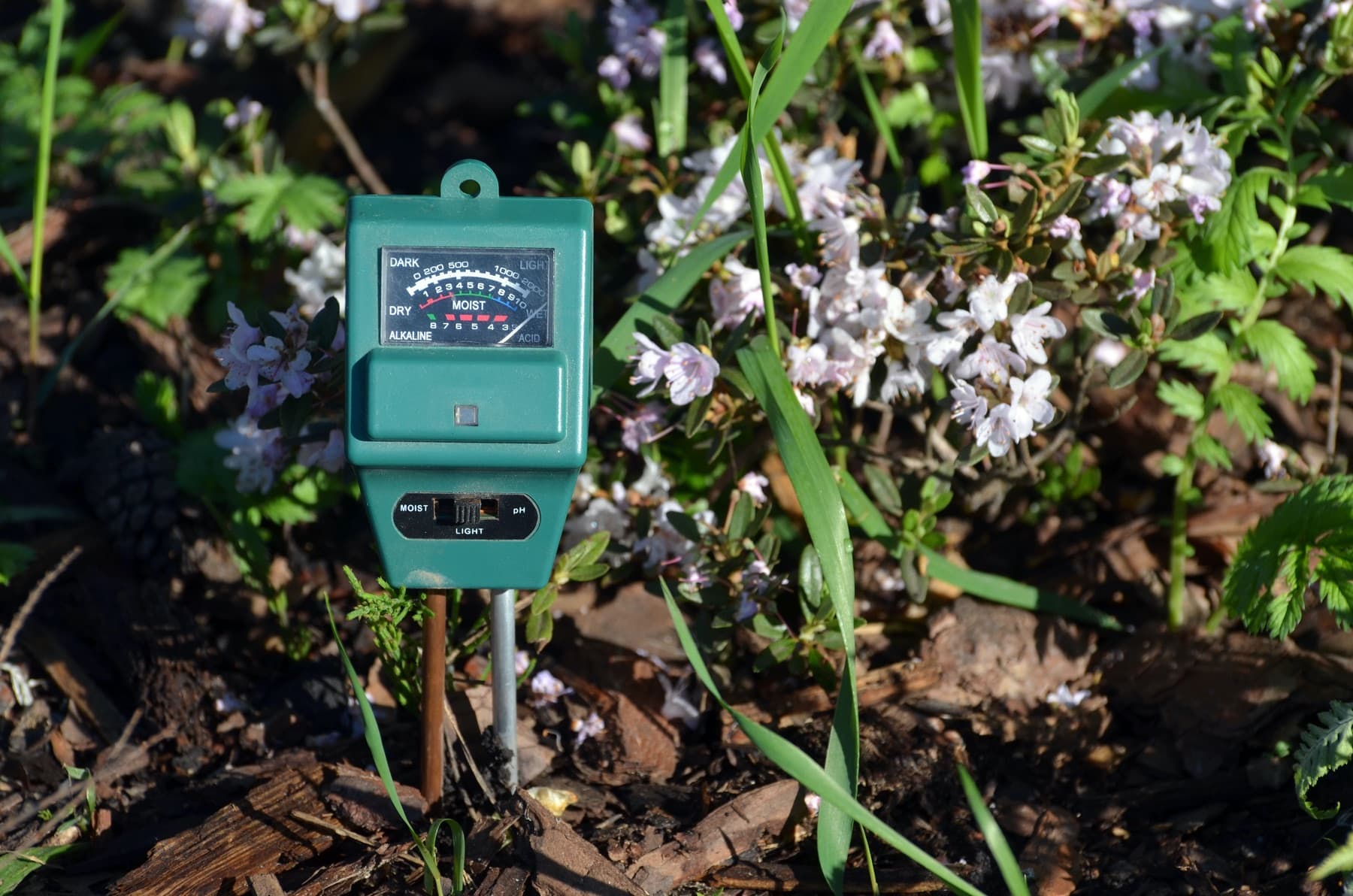
IN THIS GUIDE What Is Ericaceous Compost? When To Avoid It Use With Potted Plants How To Make Ericaceous Compost Acidifying Regular Garden Soil Testing The pH Level Of Ericaceous Soil References If you want to grow acid-loving plants in your garden, then ericaceous compost provides an ideal environment for them to flourish. You may have heard of ericaceous compost even if you’ve never used it in your garden. The pH balance of ericaceous compost makes it perfect for growing acid-loving plants. Some of the most beautiful species of plants need acidic soil to thrive, so having ericaceous compost gives you the ability to add a wider variety of plants and shrubs to your garden. Rhododendron love acidic soil! Below is a full guide to ericaceous soil, including its benefits, the types of plants that need it, how to grow your own ericaceous soil and frequently asked questions. What Is Ericaceous Compost? Ericaceous compost is a type of acidic compost that’s used for growing specific types of plants. These can include heathers (‘ericaceous’ is derived from the Latin name for heathers), camellias and rhododendrons but it can be used for pretty much any type of plants that don’t do well in alkaline soil. What Are Its Benefits? There are some great benefits of using ericaceous soil. These include – Great for use with potted plants Creates a perfect environment for acid-loving plants to flourish Minimal feeding is required when good nutrients are used in the mix Retains moisture very well Is easy to make yourself What Plants Need Ericaceous Soil? There are many types of plants and shrubs that prefer ericaceous soil, including – Bilberry Heather Gardenia Trillium Lily of the Valley Trillium Rhododendron Japanese Iris Hydrangea Begonia See a full list of 76 ericaceous plants in this guide. When To Avoid It Although ericaceous compost can be incredibly useful, there are times when it’s better not to use it. Any plants that prefer alkaline soil, for example, would not be suitable for use with ericaceous compost. Although ericaceous soil that’s only slightly acidic might not kill these types of plants, they won’t thrive in the same way as they would in alkaline soil. Use With Potted Plants Ericaceous compost is excellent for use with potted plants for a few reasons. Firstly, you can easily maintain the integrity of the compost when it’s not mixed in with other soil, as it might be in a garden bed or border. Another big advantage to using ericaceous compost for potted plants is that you can grow them in the perfect position for them to thrive. In most cases, acid-loving plants do best in light shade and kept out of direct sunlight, especially during the peak times of the day. Watering & Feeding Plants in Ericaceous Soil Although ericaceous compost typically maintains moisture well, this doesn’t mean you’ll never need to water plants that are in it. It’s very important to keep the soil moist during dry spells by watering regularly. It’s also vital to water any ericaceous plants when you’ve first planted them to ensure the bud survives. When watering plants in ericaceous compost, it’s worth noting that regular tap water is usually alkaline, so using it on them could easily neutralise the soil. To avoid this, it’s usually best to collect rainwater to use exclusively on ericaceous plants. As for feeding, it’s always a good idea to use a good fertiliser if you want your plants to thrive. You can buy plant feed that’s specifically designed for ericaceous plants and it’s certainly recommended you use this since it will contain all the required nutrients for your plants to flower at their best. A lot of the most popular ericaceous plants flower during spring and summer, so this would be the best time to feed them. How To Make Ericaceous Compost Although there are plenty of places you can buy ericaceous compost, it’s quite easy to make it yourself. It mostly comes down to making the soil more acidic than it is alkaline. To do this you can add things like pine needles, citrus peels and leaf mould to your existing compost mix. Another way to increase the acidity of a compost mix is by adding sulphur chips to it.1 It’s important to note that when you’re making your own ericaceous compost, you won’t be able to add anything that might neutralise the pH of the compost, such as calcium or lime. You’ll want to regularly test the pH levels of your compost to ensure that the right level of acidity is maintained. This is particularly important when you’re adding ericaceous compost on top of regular soil since it will lose acidity over time. Regularly adding new acidifying materials will help to ensure that the soil stays at a very high level of acidity. It’s also a good idea to add a layer of mulch. Acidifying Regular Garden Soil If you want to acidify your existing garden soil rather than making your own ericaceous compost, then this is quite easy to accomplish. You can simply add sulphur powder to the soil until it reaches the level of acidity you require. In order to know how much sulphur powder to use, you’ll need to know the current pH level of the soil you’re adding it to. Because sulphur powder is very fine, you’ll want to add it to your soil when the weather is mild. It’s also important that you wear the right safety equipment when using sulphur power. You should always wear safety goggles, a dust mask and gloves when you’re applying it. Testing The pH Level Of Ericaceous Soil How often you should test the pH level ericaceous compost will depend largely on a where you use it. If you put the ericaceous compost on top of regular soil, in a flower bed or border, then it can easily lose acidity over time, so you should test the pH of the soil quite regularly so you can add acidifying materials such as pine cones if you need to. “Using ericaceous compost to amend soil pH is often a losing battle,” says Colin Skelly, a Master Horticulturist. “If you have neutral soil, it might be beneficial to mulch a plant such as Magnolia, which prefers slightly acidic soil, but an alkaline soil will need considerable and continuous amendments to be added to make a change to soil pH. “In these conditions, growing ericaceous plants in pots is a far more sensible use of time and resources.” References 1. Sellmer, J., PhD. (n.d.). Soil Management in Home Gardens and Landscapes. Penn State Extension. Retrieved March 15, 2023, from https://extension.psu.edu/soil-management-in-home-gardens-and-landscapes
Learn more
What Is Mushroom Compost? Here's When To Use It (And When It's Best Avoided)
IN THIS GUIDE What Is Mushroom Compost? Commercial And Garden Uses What Is It Made Of? What Are Its Benefits? Can You Plant In Mushroom Compost? What Plants Is Mushroom Compost Good For? When To Avoid It How To Make Your Own Where To Buy It References Mushroom compost is the compost used and generated during the process of growing mushrooms. As well as being suitable for fungi, it also makes excellent organic compost for a variety of vegetables, fruits and flowers, and is perfect for plants which require a lot of water, as it retains moisture. What Is Mushroom Compost? Exact recipes differ between growers, but mushroom compost is usually based on an organic substance such as straw or hay, combined with gypsum and horse manure or poultry. The mixture is placed in hot compost piles to process and pasteurised to remove weed seeds and microorganisms. It can then either be used as it is, or planted with mushroom spores. If mushroom spawn is added, the mix will often then be topped with sphagnum moss to promote growth, and placed in a dark, moist growing environment. After around 3 weeks, once the mushrooms have grown and been harvested, the excess fertiliser is sterilised, removed, and recycled into spent mushroom compost. Spent mushroom compost can be used to enrich the soil of a wide variety of plants, acting as a light fertiliser that slowly reduces nutrients. It has high water retention which significantly reduces the amount of soil watering required. It’s also a great way to improve the health of a lawn, and to break up dense clay soils. Commercial And Garden Uses Mushroom compost is an organic compost with a crumbly texture, a dark brown colour, and an earthy aroma. As well as nitrogen, phosphate and potassium, the compost also contains calcium, magnesium and iron, important nutrients for many plants. It’s ideal for mixing with soil to act as a light fertiliser, and to help retain moisture. Generally speaking, there are two types of mushroom compost – mushroom substrate, which is made for mushrooms to be planted in, and spent mushroom substrate, which is the by-product created after mushrooms have been grown. Commercially, mushroom substrate is usually made from a combination of straw, gypsum and horse manure. Bales of straw are saturated with water and then run through a wood chipper to break it into small particles. These particles are then mixed with gypsum and manure, and arranged in hot compost piles and watered, to begin the composting process. After around 2 weeks, the piles are moved into rows and left to compost down for a further 2 weeks. Following this, the compost is pasteurised, to sterilise it and remove any microorganisms and weed seeds. This mushroom substrate is then ready to be planted with mushroom spores. Alternatively, it can be added as it is to soil, to greatly enrich the nutrient content. If the mixture is used to grow mushrooms (as is more common), the compost will break down into a soil-like substance. Once the mushrooms are grown, the mushroom production house is steam-treated to pasteurise and remove pests and bacteria. Spent mushroom fertiliser which has been recycled from the mushroom farming industry is the type of mushroom compost usually found at garden centres. It has a lower nutritional content than non-spent fertiliser, as the mushrooms have already consumed much of the nitrogen and other nutrients. What Is It Made Of? Given the name, you’d be forgiven for thinking mushroom compost was made out of mushrooms. In fact, it’s made up of whatever organic materials are going to be, or have already been, used as compost to grow mushrooms. Common components include hay, straw, gypsum, horse manure, chalk, peat moss, sphagnum moss and lime. A recent study by the Pennsylvania State University found that mushroom compost has a 58% moisture content, showing that it also contains a high amount of water.1 As it’s sterilised during the composting process, the compost shouldn’t contain any bacteria, wheat seeds or weeds. What Are Its Benefits? Mushroom compost has a high ability to retain water, which means it improves the transmission of water through soil and helps to keep it moist. This makes it a great addition to the soil of plants which require a lot of hydration, and helpful to gardeners who are unable to water their plants frequently. Using mushroom compost can halve the amount of water needed to grow your plants. The high moisture content makes mushroom compost a great way to help the environment by conserving water. On top of this, the fact that mushroom compost is a by-product from the mushroom growing industry, recycled into a new compost with no additional materials, further makes it an eco-friendly addition to your garden. The straw base of most commercially-manufactured mushroom compost makes it suitable for breaking down dense clay soils over time. This can improve the structure and drainage of such soil, and make it more suitable for growing plants. Mushroom compost also contains a limited amount of nitrogen, which is essential for plants and foliage growth. As the mushrooms have already consumed many of the nutrients, mushroom compost acts as a light fertiliser that will gradually enrich the soil, without being so nutrient-dense that it encourages weeds to thrive. Can You Plant In Mushroom Compost? Mushroom compost is not a soil replacement, and you should not attempt to plant seeds in it alone. Its high salt content can be bad for some plants, whilst its water retaining qualities can cause waterlogged soil, which can lead to fungal infections and rotting. You can, however, plant in mushroom compost that has been pre-mixed with soil. Mixing mushroom compost with soil at a ratio of 1:3 in your container prior to planting will dilute the salt content and provide a slow-release fertilising effect. You can plant seeds or plants into the mixture, and expect them to benefit from a gradual supply of nutrients. What Plants Is Mushroom Compost Good For? Unsurprisingly, mushroom compost is most useful for growing mushrooms; this is, after all, the purpose for which it is designed. However, it can also be beneficial when added to the soil of a variety of potted plants, fruits and vegetables, where it works as a light fertiliser, adding organic matter to the soil and encouraging growth. The high amount of calcium in mushroom compost is particularly helpful for plants such as tomatoes, which can suffer blossom-end rot as a result of calcium deficiency. Mushroom compost’s high ability to retain water also makes it great for plants that require a lot of hydration, such as hibiscus and other tropical plants. We recommend incorporating mushroom compost into your soil before laying new turf or planting grass seeds. Once grown, adding a layer of mushroom compost to the top of your lawn can help to improve its appearance, as the limited nutrients will slowly permeate down through the soil and feed your grass, without encouraging weed growth. It can also be used as an effective mulch, when fresh, for the same reason. “When available in bulk from a local mushroom grower, spent mushroom compost would be my number 1 source of mulch,” says Master Horticulturist Colin Skelly. “It’s a great source of organic matter and is sterilised meaning that it avoids the weed pitfalls associated with many green waste composts.” When To Avoid It One of the most beneficial qualities of mushroom compost – high water retention – can also be the most problematic in certain situations. You should avoid using mushroom compost for plants that don’t like a lot of water or require good drainage, such as succulents. Similarly, don’t use mushroom compost in potted plants that don’t have drainage. The sterilisation of most mushroom compost before sale means it won’t contain any beneficial microorganisms, and should therefore be avoided if you’re looking for a compost that will help protect your plants from disease. You can restore microorganisms by mixing mushroom compost with another compost prior to use. Although mushroom compost generally has a neutral pH, if it’s been made using chalk, it’s possible for it to have a high alkaline content, which would make it unsuitable for plants that favour acidic soil. How To Make Your Own To make your own mushroom compost at home, you first need to decide what organic fertiliser you’re going to use. Straw, horse manure and coffee grounds are popular choices. If using straw, and only requiring a small amount of compost, you can follow the below process: Shred your straw into small pieces using a wood chipper, or similar. Clean the straw chippings using a mix of water and washing up liquid, to kill off any microorganisms, and then rinse with water. Pasteurise the straw by submerging it in a large pan of boiling hot water. You can place the straw in a strainer to make it easy to remove. Turn the heat down so that the water temperature is around 70-80°C, and allow the straw to soak for 1-2 hours. Remove the straw and drain it on a clean, contaminant-free surface. Once cooled, it’s ready to be planted with mushroom spores. You can also use a compost heap to make mushroom compost. Follow a procedure like the one below: Begin with five bales of wheat straw, 175 litres of fresh horse manure, and 5kg of gypsum. Add water to the straw then leave it for a day to drain. place one bale of straw, then a layer of 1kg gypsum mixed with 35kg manure. Repeat until all your materials are used up. Leave the compost pile to break down. Every week, you should move the colder outer material into the middle, to allow it to heat up. Once the heap stops generating heat, it is ready to use as mushroom compost. Where To Buy It If you don’t want to make your own, you can purchase mushroom compost in bags from garden centres and landscape suppliers. It’s usually labelled as SMS (spent mushroom substrate) or SMC (spent mushroom compost).2 If you need a greater amount, it’s also possible to buy it by the truckload. References 1. Mushroom Compost FAQ. (n.d.). American Mushroom. Retrieved March 21, 2023, from https://www.americanmushroom.org/consumers/mushroom-compost-faq/ 2. Using Spent Mushroom Substrate. (n.d.). PennState: Department of Plant Science. Retrieved March 21, 2023, from https://plantscience.psu.edu/research/centers/turf/research/research-areas/sms
Learn more
How To Start A Compost Heap In Your Garden - 'Save Money And Help The Environment'
IN THIS GUIDE What Is Compost? What Are The Benefits Of Composting? What Are The Different Types Of Compost? How To Get Ready For Composting What Can You Put In Your Compost? What To Leave Out Of Your Compost How To Stop Pests Getting To Your Compost Composting Rules Of Thumb References Do you want a simple, natural solution to improve the flowers or crops you’re growing? Would you rather avoid using chemical fertilisers or pesticides on your garden or allotment? If so, then composting could very well be the answer you’re looking for. “The most fundamental thing you can do in your garden is look after your soil and if you want to save money and help the environment, start a compost heap,” says Garden Writer Debi Holland. “Not only will you be recycling your kitchen and garden waste but you will have a fresh supply of nutritious compost that reduces the need to buy soil in plastic bags.” Composting is easy and efficient, and there are many benefits: It helps you to do your bit for the environment by keeping food scraps out of landfill and reducing methane emissions. It will enrich your soil, and give your plants the nutrients they need to thrive. It keeps harmful chemical fertilisers out of ecosystems in your garden and beyond. “Compost is a great example of a household circular economy,” shares Colin Skelly, a Horticultural Consultant. “It uses food waste and turns into a material that will improve the soil in your garden by raising levels of organic matter. “Organic matter helps wet soils to drain and dry soils to hold moisture and promotes higher soil life and nutrient levels. What’s not to like?” Sounds great, right? Let’s start by introducing compost, and the various types. What Is Compost? Composting can put your common household waste to good use The word compost can refer to a pile where organic matter is left to decompose, and to the brown, soil-like substance you get as a result of the process. It recycles nutrients in food scraps and other organic waste, meaning they can be put to use in your garden rather than thrown away. Compost contains humus, which is the nutrient-rich material forming the organic part of soil. (Not the stuff you put on your flatbreads: that’s houmous or hummus). Depending on what type of compost you create it can take anywhere from weeks or months to be ready, but as long as you take care to do it right, you’ll have a usable product at the end. When compost is dark brown, crumbly, and with a spongy texture, it’s ready to be used on your plants. What Are The Benefits Of Composting? Compost improves soil quality by delivering vital nutrients, retaining moisture, and suppressing weeds. By using compost you get more vibrant flowers, fuller growth and plumper fruit and vegetables. What better way to get rid of your organic scraps!? It also reduces the amount of food sent to landfill (and how bad your bins smell). When food is sent to landfill, it is left to decompose anaerobically (more on this later), and produces methane as a result.1 The less food that is sent to landfill, the less methane is generated.2 So it really is a win-win. And it’s easy! What Are The Different Types Of Compost? There are two main types of compost: aerobic and anaerobic.3 Aerobic composting refers to methods where compost is aerated, and the oxygen circulated through helps to fuel natural decomposition. In anaerobic composting, there is no oxygen involved. You leave the scraps alone – usually buried – and let them get on with it. They will break down more slowly, and generate more smells thanks to the release of gases like methane. This is what happens to food sent to landfill. Unless you plan to throw scraps in a container and forget about them completely for a year, most of the common methods for garden composting are aerobic. Here are the main types. Hot Compost By mixing air into your compost – a process called ‘aeration’ – you achieve conditions that let bacteria thrive. They will break down your scraps at a high temperature, over 50°C, and give you a nutrient-rich compost in no time. If you want compost quickly, this is the method for you. Hot composting can give you a usable end product in as little as four weeks. Hot compost decomposes evenly, kills diseases, insects, and weeds thanks to the high temperatures, and doesn’t smell! Cold Compost Pile This requires less effort than hot compost, but it may be over a year until you can use the compost in your garden. To create cold compost, you just need to throw your scraps in a pile, either in a container or on the ground and wait. Bokashi This is an anaerobic composting method that uses a special bran to help food break down more quickly and to reduce the smell. Vermicomposting (Worm Composting) If your garden is too small for a compost pile, worm composting may be for you. Simply feed your food scraps to your worms and let them break it down into compost for you. We won’t cover this in the guide, but you can buy worm composting kits from places like Urban Worm.4 How To Get Ready For Composting First you need to decide which type of composting you’re interested in. Then you need to decide whether to use a pre-built container, to build one yourself, or to just set aside an area of your garden. Whichever you choose, you’ll need at least a square metre of space. Try to find a site that is in the shade: the bacteria and fungi that fuel the composting process work best in constant conditions, and shade is better for this than sunlight. If you’re using a specialised container, you can keep it anywhere in your garden, probably somewhere out of the way. This is a great height for a composting bin Waist height is about right for a container: you want to be able to reach in comfortably. If the container has a plastic bottom, add a layer of soil before adding compostables. This provides soil nutrients that would otherwise be accessed through the ground. If you’re not using a container, make sure your compost pile is somewhere that puddles will not form after rain. Too much water can disrupt the moisture levels of the pile – good drainage is important for this reason, too. Ensuring optimum conditions will encourage worms to get involved in breaking down your compost pile. Establishing A Hot Compost Pile For hot compost, you want about a meter squared of space: any bigger than that and it is hard to maintain the correct balance of nutrients and moisture. You can use two bays next to each other for hot compost: when it comes to turning them, turn from one bay to the other. To start the pile, add about six inches of brown leaves, hay, or wood chip to the bottom of your bay. Then three inches of green: Grass clippings, manure, coffee grounds, or fertiliser. For optimum effects, hot compost needs roughly equal parts of green and brown matter If you scroll down to the bottom of this guide you can find more detailed information about what counts for each. After you’ve added your greens and browns, add a thin layer of dirt, and water each layer. Leave this to sit for a while, then turn after two days. Turning involves mixing the pile into itself to give everything a chance to be near the hot centre. You’ll need to aerate your pile frequently, and this can be done with specialised tools or with an old-fashioned pitchfork. When you turn your hot compost, you’ll find it heats up surprisingly quickly. You’ll feel the heat emanating after just a couple of days as you turn the pile. Keep a container in your kitchen for scraps, and add it to the compost pile when it’s full (or starting to smell!). Storing this in the freezer reduces the smell: just chuck the frozen scraps on the compost pile and let them defrost. (Make sure this container is made from a material that doesn’t retain smells. Stainless steel is a good shout). Establishing A Cold Compost Pile Cold compost requires less effort than hot compost: just put your scraps in a pile, and leave them to it. When you’re adding new scraps to your pile, try to bury them in the middle. This will contain smells and reduce the risk of attracting pests to your pile. To speed things along you can aerate occasionally, although cold compost will work without it. Be careful not to add weeds, because the temperatures reached by the pile will not be high enough to kill the seeds. What Can You Put In Your Compost? “We are peat-free but we also have our own compost heaps,” shares Lucy Hart, the Head Gardener at Fulham Palace Gardens. “Whenever we lift up turfs, we also create turf piles which will then rot down over 2-3 years into a loam pile. “We will then make our peat-free compost from a 3rd of the compost, leaf mould and loam, which is useful for keeping the compost wet. We then will adjust with grit if needed.” One of the great things about composting is how versatile it is. You can put pretty much anything in your compost pile, with a few important exceptions. Here are the things that can go in all compost piles: Vegetable peels and scraps Fruit skins and scraps Plant prunings and flower cuttings The ends of carrots, parsnips, spring onions, and so on The stalks of peppers and any other stalky vegetable Tea bags and paper coffee filters Grass cuttings Leaves Egg shells Hair Used matches Tooth picks Non-organic matter like egg boxes and balls of paper can be added, too. These decompose more slowly, but add carbon to the mix, as well as pockets of air which are useful for gently aerating cold compost. Egg shells are a great source of minerals in compost. If you bake the shells before adding them to your compost pile they will crush up better, and any salmonella that may have been present will be killed. When adding fallen leaves, not that adding too many can disrupt the balance of your pile. If you’re making hot compost you can add weeds and diseased plants to your pile as well. The temperatures reached in the pile are high enough to kill the weed seeds and plant pathogens, meaning that weeds or disease won’t affect your pile. What To Leave Out Of Your Compost For compost to work properly, certain things must be left out. This will also help reduce pests and prevent bad smells (proper aerobic compost should not smell bad at all). Here’s what to avoid: Meat Fish Oil Dairy Anything that has been treated with herbicide Any human or animal waste (except horse manure) Glass or plastic! If you’re using a Bokashi system, you can add meat, fish, and dairy, but you should take extra care to avoid adding liquids. How To Stop Pests Getting To Your Compost Is a fear of rats holding you back from composting? If so, it doesn’t have to. By following a few simple tips you can keep your compost completely pest free! Pests are attracted by strong smells, so most of these tips revolve around reducing the alluring scents. Bury large food scraps to keep these guys away Leave out meat, dairy, grease, and bones. We mentioned these above in the “what to leave out of your compost section”, but it can’t hurt to reiterate. These are the ingredients whose smells are most likely to attract rodents and other pests. Aerating your compost often will speed up the decomposition of larger, more enticing food scraps. Pests don’t like their food sources to be disturbed either, so if it is mixed up regularly they will look elsewhere. Bury greens under browns. Keeping the mixture correct will make the compost smell less strong. Moistening your pile can help, too. It should be about the same wetness as a squeezed sponge: damp, but not saturated. Composting Rules Of Thumb If it’s too dry, add greens. If it’s too wet, add browns. Greens are things like fruit, and veg, which are quite moist. These ingredients contain nitrogen. And browns are things like wood shavings and newspaper: Dryer, and more bulky. References 1. Tarhzouti, A. (n.d.). What happens to recycled food waste? Ealing Council. Retrieved March 20, 2023, from https://www.ealing.gov.uk/info/201171/recycling_services/276/what_happens_to_your_recycling/2 2. Fight climate change by preventing food waste. (n.d.-b). World Wildlife Fund. Retrieved March 20, 2023, from https://www.worldwildlife.org/stories/fight-climate-change-by-preventing-food-waste 3. Worp, S. (2020, March 2). Aerobic vs. Anaerobic Composting Systems. The Breakdown Blog. Retrieved March 20, 2023, from https://www.blog.compostnow.org/post/aerobic-vs-anaerobic-composting-systems 4. The Urban Worm Homepage. (2022, December 31). The Urban Worm. Retrieved March 20, 2023, from https://theurbanworm.co.uk/
Learn more


