Cabbage is one of these crops that just keeps on giving.
Choose the right varieties, grow these in the right places and in the right ways and you can potentially be harvesting cabbage literally all year round.
Growing cabbage from seed is relatively easy, whether you are a complete novice or a more experienced gardener.
Here is the process to follow if you would like to grow cabbage from seed:
- Choose a cabbage type and specific cultivar to grow.
- Sow seeds at the right time of year for the specific variety you are growing and when you want to harvest your cabbage crop.
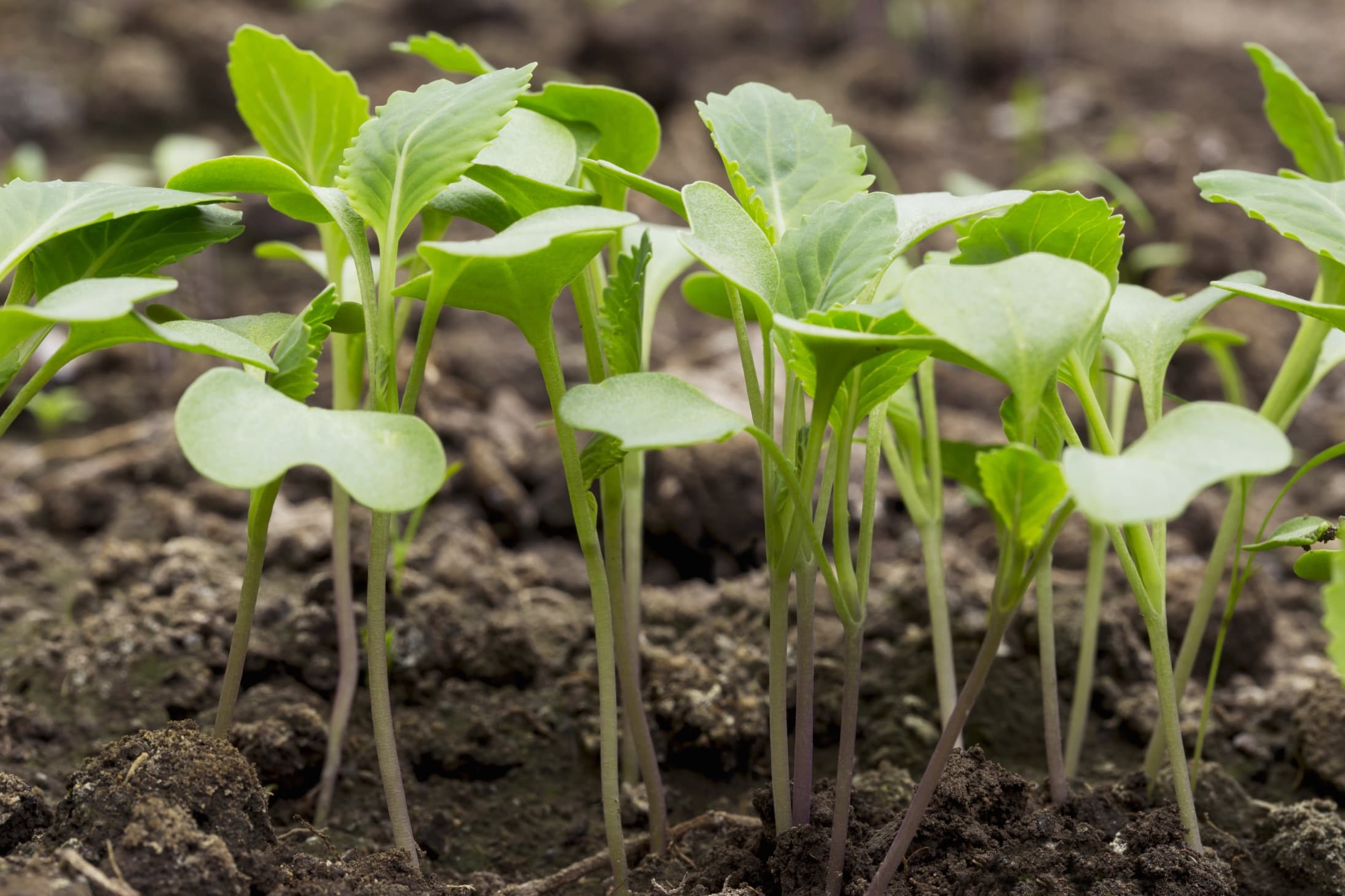
- Sow seeds indoors for best results, in pots, trays or soil blocks around 2cm deep.
- Plant out young cabbage plants in the garden after around 5 weeks.
Follow the steps below depending on the time of year you are growing.
| Difficulty | Easy |
| Equipment Required | Cabbage seeds, pots, growing medium |
| When To Sow | February – September |
| When To Plant Out | April – October |
Choosing Cabbage Seeds To Sow

There are a huge array of different cabbages that you might choose to grow in your garden, and that is before you even begin to think about other related plants in the cabbage family.
Cabbages are traditionally divided into several groups, named for the period when they are harvested.

There are summer cabbages, that are harvested over the warmest months, hardy winter cabbages to harvest after the frosts have arrived, and spring cabbages that overwinter and are harvested the following spring.
When To Sow Cabbage Seeds
Sow summer cabbages from late February/early March indoors or under cover.
Sow winter cabbages in April or May.
Sow spring cabbages in July or August, or up until September under cover.
Sowing Cabbage Seeds

When sowing cabbages, you can choose to sow them indoors or under cover, before transplanting them into your garden.

You can also sow them into a traditional seed bed, to move later to their final growing positions in your garden, or you can direct sow them where they are to grow.
The easiest option, and the one most likely to end well, is sowing indoors.

Since cabbage seeds and seedlings can be rather vulnerable when directly sown into the garden.
Planting Out Young Cabbage Plants
Cabbages will be ready to move to their final growing positions if not direct-sown around 5 weeks after the seeds are sown.
“Cabbages require alkaline soil, so a liming material such as ground limestone should be added to slightly acidic or neutral soils at the time of indoor sowing to ensure the soil is ready for planting out,” explains Master Horticulturist Roy Nicol.
“Regular applications of wood ash can achieve the same result.”

Summer cabbages are typically planted out in May/June, winter cabbages in late June/July, and spring cabbages in September or October.
These brassicas are planted so that their lowest leaves are at ground level.
You should give them a very good drink, allowing water to fill the planting hole then drain it several times before you fill it in.
‘’Cabbages should be netted with 4-7mm mesh to prevent white butterflies from laying eggs and their caterpillars from severely damaging the crop and to prevent pigeon damage,” Roy adds.
“It’s also worth taking steps to prevent slugs and snails from damaging young plants; the use of nematodes is an effective and organic method.”

The soil should be firmed well around the plant.
“Firming in the soil is important to prevent wind-rock and encourage the plants to form a good heart,” Roy explains.
You should also mulch around the plants with an organic mulch of homemade compost or well-rotted manure.
Companion planting with legumes, for example, can help make sure these plants get the nitrogen-rich environment they need to thrive.