Growing

Top Of The Pots: Garden Curators Share 27 Plants They Love To Grow In Containers
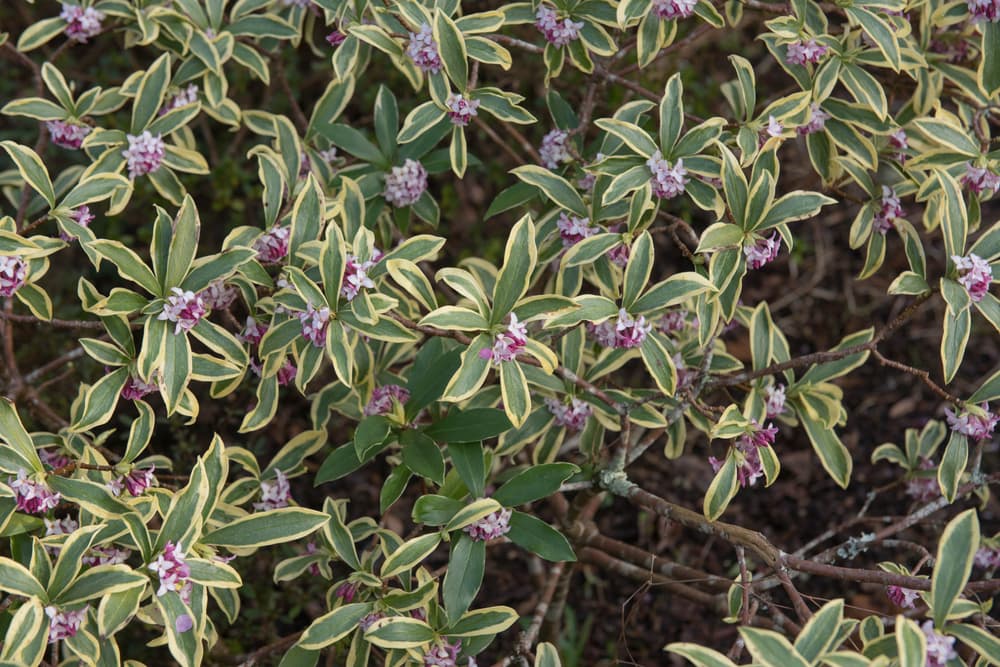
IN THIS GUIDE Situating Your Plants Hardy Plants For Pots 1) Bay Tree 2) Hebe ‘Pink Elephant’ 3) Geraniums 4) Heather Perennial Plants For Containers 5) Peruvian Lily 6) Lavender 7) Canna Lily Evergreen Plants For Pots 8) Temu 9) Round-Leaved Mint Bush 10) Tawhiwhi Tall Plants For Pots 11) Bamboo 12) Thuja 13) Bougainvillea Best Plants For Pots In Full Sun 14) Pieris ‘Prelude’ 15) Little Linda 16) Eternal Fragrance Shade-Friendly Plants For Pots 17) Plantain Lily 18) Creeping Jenny 19) Trailing Lobelia Best Flowering Plants For Pots 20) Lily Of The Nile 21) Rose ‘Munstead Wood’ 22) Yakushima Rhododendron 23) Begonia 24) African Daisy 25) Fuchsia 26) African Marigold 27) Dahlias Top Of The Pots You’ve bought a bunch of pots for plants, ready to put your green fingers to work and bring a vibrant green flourish to your home. But maybe you’re wondering which plants are best for those pots? This is a question with surprisingly varied answers: “the best” depends on what you’re trying to do, for starters. Are you looking for plants for pots in full sun, or for shade-loving plants for containers? Are you looking for flowering plants for pots, or something evergreen to guarantee colour year-round? Whatever pot-based needs you’re aiming to meet, we’ve written this guide to point you in the direction of the best plants to help you get there. “Because of my own background, I started with growing in pots, I’ve made sure that pots are my focus,” shares Our Plant Stories’ Sally Flatman. “Most plants can be grown in pots even if this isn’t forever.” Don’t be put off by pot growing. Situating Your Plants The great outdoors is the best place for plants. It’s where they belong, and the conditions are most often right for them to thrive. “I think the secret is to figure out the conditions of where the pot will be (sun or shade, exposed or sheltered) and then find plants to suit,” shares Sunil Patel who owns the garden at 13 Broom Acres. “Plants that remain exclusive to pots in the garden are those that we need to move into a greenhouse or even indoors for winter protection. “Among these are a Strelitzia (Bird of Paradise), lemongrass and lots of various sedums and succulents.” If you’re looking for plants to fill your outdoor space – whether it’s a garden, a balcony, a patch of pavement, or anything in between – we’ve got you covered. In the sections below we’ll explore the most commonly requested types of plants for outdoor pots, then give our favourite recommendations for each. This list is not exhaustive! You have tons of options for outdoor plants, so if you don’t find something you like here, keep looking. Hardy Plants For Pots These hardy plants are those that can hold their own in low temperatures. And let’s face it: In the UK, where our weather flits between one extreme and another, hardy plants are a good bet. 1) Bay Tree BOTANICAL NAME: Laurus nobilis PLANT TYPE: TREE HARDINESS RATING: H4-5 PREFERRED ASPECT: FULL SUN OR PART SHADE; SHELTERED If you’ve ever found an entire leaf in your curry, that was most likely bay leaf. The fragrant flavour is commonplace in kitchens, and the plant makes a welcome addition to any British garden. Bay grows in pots or shaped containers like troughs and similar. It responds to pruning, and can be shaped if you’re interested in topiary. This plant has a hardiness rating of H4-5 depending on where it’s grown – it will be less hardy in a container than it would be in the ground, and will fare slightly better in sheltered positions. When cultivating a bay tree in a container, it likes a soil-based compost with grit for drainage. You only need to water moderately, and you can apply liquid fertiliser fortnightly between May and September. Repotting every two years helps this plant to thrive – aim to do that in spring. 2) Hebe ‘Pink Elephant’ BOTANICAL NAME: Hebe ‘Pink Elephant’ PLANT TYPE: SHRUB HARDINESS RATING: H4 PREFERRED ASPECT: FULL SUN; SHELTERED Creamy pinks and greens give this hardy evergreen an intriguing and alluring visual appeal. We love plants with unusual palettes, and we recommend this compact Hebe to any budding gardener. The ‘Pink Elephant’ has a hardiness rating of H4. 3) Geraniums BOTANICAL NAME: GERANIUM PLANT TYPE: PERENNIAL HARDINESS RATING: H7 PREFERRED ASPECT: ANY “Of the hardy Geraniums, one with attractive dark foliage, called G. pratense ‘Storm Cloud’, is relatively upright to suit a container,” shares Master Horticulturist Peter Lickorish. “Some are more sprawling and better suited for use as ground cover.” 4) Heather BOTANICAL NAME: Calluna vulgaris PLANT TYPE: SHRUB HARDINESS RATING: H7 PREFERRED ASPECT: FULL SUN Perennial Plants For Containers Perennials come back year after year, meaning that once you’ve added them to your garden, you can enjoy them for a good amount of time. They’re perfect for gardeners who want to kick back and enjoy their outdoor space, without the pressure of planting out a new batch of plants every season. Thankfully, there are plenty of perennials that grow well in pots and containers. Here are a couple of our favourites: 5) Peruvian Lily BOTANICAL NAME: Alstroemeria aurea PLANT TYPE: HERBACEOUS PERENNIAL HARDINESS RATING: H4 PREFERRED ASPECT: FULL SUN OR PART SHADE; SHELTERED A mainstay in British gardens, and a plant with modern varieties to put exciting new twists on the traditional. Offering a rainbow of red, orange, yellow, pink, or white, the Peruvian Lily is a great choice for any gardener. Some varieties – including ‘Sonata’, ‘Friendship’, ‘Spitfire’, ‘Tessa’, and more – have received the RHS Award of Garden Merit, marking them as particularly well suited to gardens in our fair country. Alstroemeria also makes for great cuttings if you want to grow new plants indoors, or give them as gifts. A truly versatile plant. 6) Lavender BOTANICAL NAME: Lavandula PLANT TYPE: PERENNIAL SHRUB HARDINESS RATING: H5 PREFERRED ASPECT: FULL SUN; SHELTERED Who doesn’t love lavender? We’ll be honest, this is one of our favourite plants ever. The mind-blowing spectrum of pinks and purples it brings, the unmistakable and enchanting scent, and the fact that bees can’t resist it. All these factors combine to make lavender a rewarding and beautiful addition to any garden. “For many plants, including lavender, planting into a pot more than three times the root-ball size could cause the compost to sit too damp and eventually the plant may rot,” says Peter. “Therefore, I generally stick to pots no more than twice the size of the original rootball. A wider pot can provide good anchorage for taller plants.” 7) Canna Lily BOTANICAL NAME: Canna PLANT TYPE: PERENNIAL HARDINESS RATING: H3 PREFERRED ASPECT: FULL SUN; SHELTERED Evergreen Plants For Pots Evergreens are the best plants for pots all year round. Their foliage remains visually interesting throughout the year, and they don’t require replanting or replacing next season. 8) Temu BOTANICAL NAME: Luma apiculata PLANT TYPE: SHRUB HARDINESS RATING: H4 PREFERRED ASPECT: ANY This evergreen shrub sports attractive white flowers in summer and autumn, with purple berries at the end of its flowering season. It’s received the RHS Award of Garden Merit (AGM), signifying its compatibility with UK growing conditions. So if you’re looking for an evergreen that will thrive in pots in your garden, luma is a good bet. In fact, luma is noted for its suitability for city courtyards, which may trap its sweet fragrance, and gardens, where your plant choices may be limited to those that can grow in containers. This plant will keep growing for years to come, sometimes taking up to fifty years to reach its full height. 9) Round-Leaved Mint Bush BOTANICAL NAME: Prostanthera rotundifolia PLANT TYPE: SHRUB HARDINESS RATING: H2 PREFERRED ASPECT: FULL SUN; SHELTERED This evergreen shrub has lovely purple flowers punctuating its aromatic green leaves. It’s evergreen, but not as hardy as some other evergreens. For this reason it’s recommended to take it indoors over winter. 10) Tawhiwhi BOTANICAL NAME: Pittosporum tenuifolium PLANT TYPE: SHRUB HARDINESS RATING: H4 PREFERRED ASPECT: FULL SUN OR PART SHADE; SHELTERED This attractive evergreen with creamy-green leaves and a faint honey-scent will grow well in containers. Tall Plants For Pots Sometimes plants in pots serve more than just aesthetic roles. They’re great for portable privacy screens in overlooked gardens or anywhere else you might feel a bit exposed. Here are some tall plants for pots in your garden that will provide privacy and look lovely. 11) Bamboo BOTANICAL NAME: INCLUDES PHYLLOSTACHYS NIGRA PLANT TYPE: PERENNIAL HARDINESS RATING: H5 PREFERRED ASPECT: SHELTERED This plant is renowned as one of the fastest-growing in the world, and with good reason. Planting out bamboo in containers can give you a tall screen for privacy in just a couple of years. Buy an already-established bamboo plant for your container, and you can be behind its natural screen even quicker. As well as helping with privacy, bamboo is a generally striking plant. It brings a nuanced visual to outdoor spaces and harkens to oriental settings. Paired with the right plants – or perhaps some nice fairy lights – bamboo can make an enchanting and exotic haven out of any outdoor area. 12) Thuja BOTANICAL NAME: Thuja PLANT TYPE: TREE (CONIFER) HARDINESS RATING: H7 PREFERRED ASPECT: FULL SUN These evergreen trees can grow up to 60m high, in the right conditions. Obviously, a container in your garden probably won’t provide those conditions, but they are known for their stature and density nonetheless, both of which are properties conducive to privacy in your garden. “If I had to pick only one, I would go for Thuja occidentalis ‘Pyramidalis Aurea’ for its golden colour and conical shape, but you could make a collection of different Thuja hues and forms,” says Peter. 13) Bougainvillea BOTANICAL NAME: Bougainvillea PLANT TYPE: CLIMBER SHRUB HARDINESS RATING: H2 PREFERRED ASPECT: FULL SUN; SHELTERED Best Plants For Pots In Full Sun If you’ve got a garden where space is at a premium, you may not have the luxury of putting your pots in the shade. This section showcases a couple of plants that are quite happy sitting in full sunlight; no gardener should be left behind just because their garden has no shady spots. 14) Pieris ‘Prelude’ BOTANICAL NAME: Pieris japonica ‘Prelude’ PLANT TYPE: SHRUB HARDINESS RATING: H5 PREFERRED ASPECT: FULL SUN; SHELTERED Bundles of white lantern-shaped leaves grace this plant’s branches in spring, and we absolutely adore it. This plant will do well in full sun or partial shade, as long as it is sheltered from the worst of the elements. ‘Prelude’ has been awarded the RHS Plants for Pollinators label, meaning it’ll attract bees and other important pollen collectors to your garden. If you’re looking for colourful buds and buzzing company in your garden, you can’t go far wrong with this plant. 15) Little Linda BOTANICAL NAME: Kalmia latifolia PLANT TYPE: SHRUB HARDINESS RATING: H6 PREFERRED ASPECT: ANY A compact Kalmia with a truly stunning red bloom giving way to a calmer but no-less-striking pink. It’s rare to find a plant with such a characterful colour profile. We think you’ll love Little Linda. 16) Eternal Fragrance BOTANICAL NAME: Daphne × transatlantica ‘Eternal Fragrance’ PLANT TYPE: SHRUB HARDINESS RATING: H5 PREFERRED ASPECT: FULL SUN; SHELTERED This Daphne variety produces nice white, fragrant flowers throughout spring and summer months, even into autumn. It’s semi-evergreen, and will grow well in full sun or partial shade. Shade-Friendly Plants For Pots On the other side of the coin, some of us with small gardens aren’t lucky enough to have a spot that gets reliable sunlight. If this is the case, you need plants that can thrive in partial or constant shade. Thankfully, there are plenty of shade-loving plants for containers to choose from. A small garden that doesn’t get sun isn’t the curse it initially seems to be. 17) Plantain Lily BOTANICAL NAME: HOSTA PLANT TYPE: PERENNIAL HARDINESS RATING: H7 PREFERRED ASPECT: PART SHADE; SHELTERED There are many varieties of hosta, the vast majority of which thrive in shady conditions. These plants are better than average at attracting slugs and snails, those prevalent pests that threaten gardeners across the country. If you choose a hosta for your garden, be sure to take extra precautions against these slimy intruders. 18) Creeping Jenny BOTANICAL NAME: Lysimachia NUMMULARIA PLANT TYPE: PERENNIAL HARDINESS RATING: H6 PREFERRED ASPECT: PART SHADE Lysimachia is a low-growing plant with leaves that spill downward to create a pleasing visual effect. They’re popular amongst gardeners with shady spots that need filling, and for good reason. 19) Trailing Lobelia BOTANICAL NAME: Lobelia erinus PLANT TYPE: ANNUAL HARDINESS RATING: H2 PREFERRED ASPECT: PART SHADE A lot of plants fall under the Lobelia umbrella, but this trailing variety lends itself perfectly to hanging baskets. If you’re looking for trailing plants for pots in your garden, this is an excellent choice. The bold and dramatic purple-blues are just lovely to look at, too. Whilst on the subject of shade, the Rhododendron further on in this guide will suit a shaded position. Best Flowering Plants For Pots Not all gardeners require plants that put forth flowers, but to us, a colourful bloom is one of the most rewarding aspects of gardening. This section introduces some plants whose bouquets will impress even the most reluctant flower fancier. 20) Lily Of The Nile BOTANICAL NAME: Agapanthus PLANT TYPE: PERENNIAL HARDINESS RATING: H3-H5 PREFERRED ASPECT: FULL SUN; SHELTERED According to some gardeners, this plant has the interesting property of flowering more when its roots are restricted, making it perfect for pots. This doesn’t mean you should let the plant get pot-bound – you still need to take the relevant precautions and repot occasionally – but you can get away with leaving it a little longer than you would otherwise. Depending on the variety you choose, Agapanthus can bring blue, white, purple, or various other colours to your outdoor space. They’re a versatile plant that will reward any gardener who incorporates it into their potted plant repertoire. “Look for your individual variety’s hardiness rating to decide whether it can be left outside over winter,” Peter advises. “If it is H3, be sure to move the pot under cover during the colder months.” 21) Rose ‘Munstead Wood’ BOTANICAL NAME: Rosa ‘Munstead Wood’ PLANT TYPE: SHRUB HARDINESS RATING: H6 PREFERRED ASPECT: FULL SUN; SHELTERED A hardy rose with a deep-pink bloom. This deciduous flower will bring striking colour to your garden in summer and autumn, and thrives in containers. 22) Yakushima Rhododendron BOTANICAL NAME: Rhododendron yakushimanum PLANT TYPE: SHRUB HARDINESS RATING: H5 PREFERRED ASPECT: SHELTERED This vibrant rhododendron has varieties in a range of warm tones. It remains visually interesting after flowering with attractive foliage, unlike some other plants in this family, which are noted for being a bit dull between flowering seasons. Also try the Rhododendron ‘Dopey’ for containers for this reason, as it doesn’t waste space when out of bloom. 23) Begonia BOTANICAL NAME: BEGONIA PLANT TYPE: ANNUAL HARDINESS RATING: H1B PREFERRED ASPECT: PART SHADE 24) African Daisy BOTANICAL NAME: Osteospermum jucundum PLANT TYPE: PERENNIAL HARDINESS RATING: H3 PREFERRED ASPECT: FULL SUN 25) Fuchsia BOTANICAL NAME: Fuchsia PLANT TYPE: SHRUB HARDINESS RATING: H4 PREFERRED ASPECT: SHELTERED 26) African Marigold BOTANICAL NAME: Tagetes erecta PLANT TYPE: ANNUAL HARDINESS RATING: H2 PREFERRED ASPECT: FULL SUN 27) Dahlias BOTANICAL NAME: Dahlia PLANT TYPE: PERENNIAL HARDINESS RATING: Typically H3 PREFERRED ASPECT: FULL SUN; SHELTERED Top Of The Pots After reading our guide to the best plants for pots and containers, you should have a pretty good idea of some of the options available to you. Pots and containers are a great way to expand your outdoor space, but the container size also matters, as Peter shares: “Not all pots are created equal. I like to choose taller pots, which may hold moisture better, for plants like Clematis, which appreciate these conditions. “I like to experiment with mixtures of pots and find that a grouping fits best if it shares one thing in common, be it a colour, material, plant, or shape. Otherwise, unless it’s your intention, it can look a bit…er…potty!” A small garden, or even an enclosed concrete balcony, needn’t be a hindrance to your green fingers. Planting out in pots is rewarding whether you have one solitary plant outside your front door, or a bustling garden with many pots spilling forth with varied and visually exciting plants. We believe that anyone should be able to bring plants to their outdoor space, whatever it looks like. With that in mind, we hope you enjoyed our guide, and that you feel inspired to go forth and pot plants to your heart’s content.
Learn more
Horticulturists Love Using These 27 Plants In Hanging Baskets: Mix And Match Them
IN THIS GUIDE 1) Petunia 2) Begonia 3) Fuchsia 4) Sweet Pea 5) Million Bells 6) Geranium 7) Lantana 8) Black Eyed Susan 9) Lobelia 10) Nasturtium 11) Portulaca 12) Lotus Vine 13) Sweet Alyssum 14) Viola 15) Pansy 16) Primrose 17) Tomatoes 18) Tulips 19) Fairy Rose 20) Verbena 21) Lavender 22) Clematis 23) Spider Plant 24) Diascia 25) Impatiens 26) Million Hearts 27) Ivy References Whether they’re mounted on a fence, suspended from a trellis, or bordering your doorway, hanging baskets are one of the most stylish ways to display plants in your garden and provide interest at eye level. So what should you plant in them? There are hundreds of species that are suitable to be grown in hanging baskets, ranging from colourful flowers and bedding plants – to shrubs, evergreens and trailing climbers. You can stick to one genus of plants, or you can plant a mixture, to achieve a more varied and multi-coloured look. If you’re doing this, you should also take into account the different flowering periods and care requirements for each of your plants. According to a study by researchers at the University of Kentucky, the most commonly used plants for hanging baskets include Geraniums, Fuchsia, Begonia, Calibrachoa (Million Bells), Impatiens, Petunia and Verbena.1 We cover each of these below in more detail, as well as twenty other choices. 1) Petunia Petunias are one of the most popular flowers to plant in hanging baskets – and for good reason. These pretty flowers bloom well, and come in a wide range of colours, from pink and purple, to yellow and black. Cascading varieties such as Surfinia will fill and flow over the edge of baskets, creating a full look. Trailing petunias are easy to care for – just hang baskets in locations with full sunlight, water frequently, and make sure the basket has at least one hole for drainage. 2) Begonia If your hanging baskets are in a partially shaded location, begonias can make for an excellent choice. Begonia ‘Million Kisses’ series is a trailing variety, ideally suited to hanging basket growth. These autumnal-coloured flowers will bloom throughout summer and into autumn. Be careful not to overwater your begonias, as they are susceptible to root rot. 3) Fuchsia Bright pink and purple fuchsias are another popular choice. They flower continuously from mid-summer until the first frosts, and their pendant-shaped blooms will give your hanging baskets a tropical look. Choose a small, hardy variety, and plant in your basket in early summer. Keep them in a sunny or partially shaded location, and water the basket twice a week to keep it moist, but not waterlogged. 4) Sweet Pea Most sweet peas (Lathyrus odoratus) are annual climbing vines, with small, showy flowers that are known for their sweet scent. Dwarf climbing varieties are the best choice for hanging baskets – their trailing vines will cascade over the sides. The ‘Sweetie Mix’ have been bred to trail. Sweet peas prefer full sun or dappled shade. Make sure to deadhead them regularly throughout the growing season, to encourage new flowers. 5) Million Bells The ‘Million Bells’ series are trailing annuals from the Calibrachoa genus. Their small, petunia-like flowers range from pink to yellow to blue and grow densely and abundantly throughout summer and autumn. They can thrive in hanging baskets, as long as they have good drainage, and prefer a sunny, sheltered location. 6) Geranium Fill your hanging pots or baskets with bold geraniums (Pelargonium) to add a splash of bright colour to the exterior of your home. These evergreen perennials can have red, pink, purple, orange or white flowers. Geraniums love the warmth and will thrive best in a sunny spot. They do not fare well in frost, so you will either need to bring them inside over winter or replace them each year. 7) Lantana Lantana can be an evergreen or perennial shrub and is characterised by its wrinkly leaves and clusters of small flowers approximately 1cm wide. It grows well in hanging baskets and containers, providing they have good access to sunlight, and the soil is kept moist, but well-drained. Bring it inside or into a greenhouse during winter, to protect it from frost. 8) Black Eyed Susan Black Eyed Susan (Thunbergia alata) gets its name from the dark brown conical disk at the centre of its orange or yellow flowers. This climbing vine flowers in late summer and early autumn, so plant it alongside an earlier-flowering plant if you want your basket to bloom for a longer. It does get very large, so the alternative is to get it the freedom to fill out for a larger-than-life display. 9) Lobelia Lobelia is an annual flowering plant with neat, compact foliage, and flowers that are usually blue, purple or white. It grows best in hanging baskets that are in full sunlight and prefers moist but well-drained soil. Add a liquid fertiliser every 2 weeks during the flowering period to encourage growth. Cutting them back by around a half after their first flush of blooms can also keep them tidy and floriferous. 10) Nasturtium Nasturtium (Tropaeolum majus) is an annual climber with simple lobed leaves and funnel-shaped flowers of red, orange or yellow. It makes a great trailing plant in a hanging basket. Grow in full sunlight and poor soil for the best results, as too many nutrients will encourage the growth of foliage, instead of flowers. 11) Portulaca Portulaca is known for its needle-like foliage, as well as its colourful, cup-shaped flowers. Other names for it include rose moss and sun plant – it’s not surprising then that it prefers the sun. Place it in a south-facing location, and the tropical blooms in red, pink, purple and yellow will add a summery feel to your garden. 12) Lotus Vine Lotus vine is also called fire vine, or parrot’s beak, thanks to its unusually-shaped red and orange flowers. A member of the pea family Fabaceae, this trailing vine makes a great addition to a hanging basket, where it will cascade over the edge. The blooms are short-lived, but the fine, bluish-green foliage is attractive in itself. 13) Sweet Alyssum Another trailing plant that looks fabulous cascading from a hanging basket is sweet alyssum. Thread the shoots of this bushy plant carefully through the slits in your hanging basket to create a more full-bodied effect. The plant produces racemes of small and fragrant flowers, that will enrich your outside space. 14) Viola Viola can be annuals, biennials or perennials, and feature clumps of distinctive, 5-petalled flowers. Colours range from blue and purple, to yellow and pink, often with a contrasting eye. These are another sweet-smelling flower, so perfect for placing in hanging baskets at nose level. Grow in nutrient-rich, moist soil, with good drainage. They’re useful for autumn, winter and early spring displays. 15) Pansy Part of the viola genus, pansies are another highly popular choice for hanging baskets in the UK. These annual flowering plants flower profusely and produce blooms in a wide range of colours – deadhead regularly to prolong flowering. They’re also a good option for winter hanging baskets. 16) Primrose Primrose (Primula vulgaris) is a symbol of springtime and makes a bright and uplifting addition to your garden. The flowers are usually yellow and form in clusters on leaf rosettes. They are vulnerable to pests, including aphids, slugs and glasshouse red spider mite, so make sure to keep a close eye on them. Once it’s time to refresh your hanging basket for summer, transplant them into the ground for a display the following year. 17) Tomatoes Of course, it’s not only flowering plants that are suitable for hanging baskets – you can also grow herbs and edible plants, such as cherry tomatoes. Select a suitable variety, such as ‘Tumbling Tom Red.’ Place the tomato plant in the centre of the basket, and make sure to keep it well-watered. Hang it in a sunny location in your garden (wait until May or June to plant, to avoid the risk of frost). 18) Tulips If you want to grow a larger flower in your hanging baskets, tulips are a great option. These popular blooms produce vivid colours early in the year, so they’re suitable for winter hanging baskets – plant your bulbs in October or November, and your baskets will be filled with beautiful red, yellow and pink tulips come spring. Grow in fertile soil, in a sunny location. “I would select a miniature variety, with cup-shaped blooms, as the more open flowers will not be seen unless you can levitate above your basket!” says Master Horticulturist Peter Lickorish. “Tulipa linifolia ‘Bronze Charm’ works well, especially paired with blue violas.” 19) Fairy Rose This pretty, pale pink dwarf rose variety is perfect if you want to include roses in your hanging basket, as the flowers grow in small sprays, and don’t reach more than 2.5cm wide. For the best blooms, position your basket in full sun, plant in fertile soil, and apply liquid fertiliser in spring and summer. 20) Verbena Verbena can be annuals or perennials, and usually have small flowers with 5 petals, on toothed leaves. The flowers come in a wide range of colours, from cool blues and purples to hot pinks and reds, as shown here. They pair well with other plants in hanging baskets and will attract desirable pollinators, such as bees and butterflies, into your garden. 21) Lavender Upright lavender makes an excellent choice for the centre of a hanging basket. This perennial plant is characterised by its purple flowers and distinctive fragrance – you can expect blooms from late spring until mid-summer. Lavender is ideal for country cottages and modern gardens alike. I find French Lavender is easier to keep compact, and therefore fits well in hanging baskets. 22) Clematis Clematis is a hugely popular plant for UK gardens and is suitable for hanging baskets. There are many different varieties, each with different sizes, flower colours and flowering periods – it’s best to choose a small, compact variety for container growth. “The compact Clematis ‘Bijou’ would be my pick,” adds Peter. 23) Spider Plant Spider plants make for another popular and attractive hanging basket plant. They are tender plants and are therefore usually grown inside as house plants, but they can be placed outside if the conditions are right. Move your spider plant outside during periods of warm, dry weather, and then bring it inside when it gets cold. 24) Diascia Diascia’s cup-shaped flowers are usually various shades of pink, and make an excellent way to add colour to your garden during summer. They prefer full sun, so try to find them a south-facing spot, and keep soil moist, but well-drained. 25) Impatiens Impatiens produce sprays of spurred flowers in all colours. They are easy to grow and can flourish in partially shaded locations, as long as they are sheltered from the wind. Some protection from the rain is also appreciated, as the flowers are susceptible to grey mould in damp growing conditions. 26) Million Hearts With its cascading foliage, Million Hearts (Dischidia ruscifolia) will add lush greenery to your hanging basket display. This is another one that fairs well in partial shade, and it’s also tolerant to drought, so you don’t need to panic if you forget to water it. It’s tender, but could be added to a summer display. 27) Ivy Last but not least, ivy makes a good-looking and easy addition to a hanging basket. This climber grows well in a variety of conditions, including full sun and shade, and can tolerate most soil types. The ‘Pittsburgh’ cultivar is compact and particularly suited to container growth. References 1. Kaiser, C., & Ernst, M. (2020, July). Hanging Baskets. University of Kentucky: College of Agriculture, Food and Environment. Retrieved March 22, 2023, from https://www.uky.edu/ccd/sites/www.uky.edu.ccd/files/hangingbaskets.pdf
Learn more