Growing

Grow These 8 Container Plants In Shaded Areas For Extra Colour And Character
IN THIS GUIDE 1) Hostas 2) Ferns 3) Begonia 4) Coleus 5) Golden Creeping Jenny 6) Impatiens 7) Carex 8) Boxwood No Need To Throw Shade Got a shady spot in your garden that’s a little lacking in colour and character? It’s tempting to leave this space alone and focus your growing efforts on bright, sunlit areas. But with the right guidance, it’s possible to get a vivid and exciting bloom established in areas that the sunlight doesn’t always visit. “I have pots of ferns, trailing ivy and epimediums tucked by a hedge in permanent shade,” shares Sunil Patel from 13 Broom Acres. “It’s dry under there and I often forget to water those pots as they’re separate from the others, but they still grow.” In this guide, we’ve rounded up some of the best plants that will thrive in containers in the shadiest parts of your garden. After reading this guide you’ll realise that a shady section of your garden is nothing to shy away from. Rather, it’s the source of endless opportunity to plant and enjoy a different set of plants from what you might otherwise see. Once you get into the swing of these shade-loving customers you’ll realise just how rewarding they can be. 1) Hostas HARDINESS RATING: H7 PREFERRED SUNLIGHT: PART SHADE SOIL REQUIREMENTS: CLAY OR LOAM; MOIST BUT WELL DRAINED This is a broad and inclusive family of plants, with differing varieties sporting all sorts of colours, shapes, and moods. Hostas have particular suitability to shaded conditions, making this a perfect plant to get acquainted with if you’ve got a shady garden! There are plenty of varieties to choose from, but here are three to whet your whistle: H. ‘Blue Mouse Ears’ Cutely and aptly named, the delicate bluey purple flowers of this diminutive hosta variety give a nice and unobtrusive splash of colour. Expect a maximum size of 0.5 x 0.5m. H. ‘June’ Clocking in at a similar size to blue mouse ears, this variety boasts variegated leaves, with green and white-yellow intermingling to create a striking aesthetic. H. ‘Francee’ Slightly bigger at 1m²; the ‘Francee’ variety also sports variegated leaves. This time, however, the green is on the inside and skirted by white, rather than the other way round. Great for creating contrast! 2) Ferns HARDINESS RATING: H5 PREFERRED SUNLIGHT: ANY SOIL REQUIREMENTS: ANY Head to any woodland and you’ll probably see a carpet of fern lining the ground beneath the soaring tree canopies. If this isn’t a testament to the plant’s ability to thrive in shady conditions, we don’t know what is! And not only are ferns well-suited to shade, but they’re a pleasure to look at as well. They have a rugged image and a dazzling spectrum of green that will brighten up even the dreariest corner of your garden. Again, we’ve selected a few varieties to help get you started: Dryopteris affinis (Scaly Male Fern) This deciduous fern does well in damp conditions, giving you options if your shady spot is also a little moist. In terms of looks this aligns very closely with your ‘average’ fern. Adiantum venustum (Evergreen Maidenhair) This evergreen fern also handles damp well, and the year-round foliage will hold strong appeal to some gardeners. Smaller, rounder leaves also create a distinctive aesthetic. Top Tip: If you’re working with a dry spot rather than a damp one, varieties like asplenium, polypodium, and dryopteris should do you well. See more varieties in this guide. 3) Begonia HARDINESS RATING: H2 PREFERRED SUNLIGHT: PART SHADE SOIL REQUIREMENTS: SAND OR LOAM; MOIST BUT WELL DRAINED Here’s another plant particularly well-suited to shade. Just take a look at the selection of begonia varieties available and you’ll quickly see that it’s a medley of shapes and colours to enliven any garden space. We recommend the B. ‘Illumination’ series as a good jump-off point for this flower: the bold orange bloom will draw the eye and set off the greens, whites, and yellows likely to surround it in a display of shade-loving plants. If orange isn’t your thing you’ll have no trouble finding yellows, reds, pinks, purples, whites, and more. With a little time and energy invested, creating a stunning display from begonias is well within your reach. 4) Coleus HARDINESS RATING: H1C PREFERRED SUNLIGHT: FULL SUN OR PART SHADE SOIL REQUIREMENTS: ANY; MOIST BUT WELL DRAINED Here’s another plant just bursting with colour, and not just via its flowers. Scroll through a list of coleus and you’ll see vibrant red leaves with green zig zags, yellow leaves with mottled red flecks, purple leaves that fade to pink and white towards the centre, and many other exciting combinations. Used well, coleus can provide an exciting and invigorating backdrop for other flowers in your display of shade-loving plants. It’s easy to forget about colour when working in an area of your garden with specific conditions. But try not to fall into this trap: explore different combinations; explore unexpected colours. Mix them up and see what happens, and you may find this becomes one of the most exciting areas of your garden! To get you started with coleus, here are the varieties that correspond to the colour combinations we mentioned previously: C. ‘Glory of Luxembourg’ Red leaves with green zig zags. C. ‘Pineapplette’ Yellow leaves with mottled red flecks. C. ‘Wizard Rose’ Green foliage that fades to cream and red towards the centre. 5) Golden Creeping Jenny HARDINESS RATING: H5 PREFERRED SUNLIGHT: PART SHADE SOIL REQUIREMENTS: ANY Lysimachia nummularia ‘Aurea’, also known as golden creeping Jenny, is a beautiful plant that forms a mat of vibrant yellow flowers at ground level. Just like ferns, this is a plant you’d expect to see winding its way around high tree trunks in thick woodland, and it’s a surefire way to bring this ambience into your garden. And what’s more, the yellow colour stays year-round, keeping this plant visually interesting and engaging in all seasons. We’ve included this because it’s an excellent reminder that not all shady container displays need to rely on plants that clock in at similar heights. A ground-level burst of yellow-topped by graduated heights of colourful plants like begonia and coleus will create stunning displays that bring your sun-free spots to life. 6) Impatiens HARDINESS RATING: H1C PREFERRED SUNLIGHT: PART SHADE SOIL REQUIREMENTS: LOAM; MOIST BUT WELL DRAINED There’s no better time to introduce impatiens than while we’re on the subject of colour. These delicate and dainty flowers bring an enchanting feel to any garden lucky enough to be graced by their company, and we definitely recommend considering them for your shady container displays. If you’re looking for something attractive and colourful that will thrive in the shade, you can’t go wrong here. There are plenty of varieties ranging in height, colour, and feel – meaning that some combination will work perfectly for your garden. Impatiens walleriana is a great starting point. 7) Carex HARDINESS RATING: VARIES PREFERRED SUNLIGHT: PART SHADE SOIL REQUIREMENTS: CLAY OR LOAM; POORLY DRAINED This plant could pass as a grass to the untrained observer, and while it technically isn’t a grass, it looks great when used with other ornamental grasses as prairie-style backdrops for shady container displays. Choosing a variety of plants for your displays is an important part of getting a really distinctive visual effect. We’ve mentioned height and colour before, and while introducing carex it’s a good time to think about how combining subtle and flamboyant plants can lead to a well-balanced and harmonious display. Different carex varieties offer green, variegated green and white, and even bronzish brown leaves, giving you lots of options when choosing the right one to accompany the other plants in your shade container. “Carex is fast becoming one of my most used plants for shade,” shares Colin Skelly, a Master Horticulturist. “It can tie other elements of planting together, as grasses can. There are variegated cultivars to catch the eye as well as species with more subtle charm.” 8) Boxwood HARDINESS RATING: H6 PREFERRED SUNLIGHT: ANY SOIL REQUIREMENTS: ANY These evergreen shrubs offer something a little different to the gardener looking for container plants to grow in shade. Where previously we’ve looked at plants that combine well into displays, a boxwood shrub probably works best as a standalone plant in its own containers. If you’re a fan of shrubs and topiary, this will be a good one for you. The bold green leaves look fantastic in mottled sunlight, and shady conditions will help this plant to grow its best – strong sun can scorch and discolour the leaves, eventually causing lasting damage if not rectified. No Need To Throw Shade Hopefully this article has shown you that working with a shady garden doesn’t force you to grow dull and uninteresting plants and flowers. As you’ve seen in our little showcase, there are tons of options available to you when designing a container display for a shady spot: you’ve got the boisterous medleys of colour from begonia and impatiens. Back these up with ferns and carex and you’ve got a rugged blanket centred around luscious greens. Mix with other plants and you open up a world of possibilities. “If you have a patio in a more shaded area, lots of plants with different textures will make it feel really luxurious,” adds TV Presenter Flo Headlam. “It’s all about dressing it like you would an inside room, so if it’s bright and airy, you want colour, scent and movement, and if it’s cool, foliage, texture and different-sized plants will work best.” Remember, too, that this list is not exhaustive. There are literally thousands of plants that will grow well in shade, so the deeper you dig into this area, the more options will be revealed to you. We hope you enjoy designing and planting your shade container display, and also watching it burst steadily into bloom over the coming months.
Learn more
Restrict Their Spread And Grow Bamboo In Pots To Manage Any Invasiveness
IN THIS GUIDE Bamboo Types For Pots Best Bamboo To Grow In Pots Where To Place Container Bamboo Choosing Containers Filling Containers Planting Bamboo Potted Bamboo Care Growing bamboo in pots can be a great option for small space gardens. There are a wide variety of bamboos that will grow very well in UK gardens. Sometimes, in fact, bamboos can grow so well that they can become invasive. Growing bamboo in pots can help restrict its spread, and also allow you to create a beautiful garden even if you don’t have any space to grow in the ground. Not only will you find it easy to find bamboos that will grow well in containers, you will also find this a very useful crop to grow: Bamboo can be a fairly low-maintenance option, which will not require a lot of your care and attention. Bamboos can work very well for screening and privacy, and can also provide you with a range of yields. Many bamboos provide edible shoots, and you can also harvest more mature bamboo canes for garden use – they can be used as plant supports and in a range of other ways. Bamboo Types For Pots If you have decided that you would like to grow bamboo in containers, then the first step is deciding which type of bamboo to grow. Bamboos are usually divided or categorised as running bamboos or clump-forming bamboos: Running bamboos spread through long underground rhizomes and can increase in spread very quickly. Clumping bamboos grow in dense clumps. These can also still spread rapidly in favourable conditions, but are generally the best choice for growing in containers. Clumping bamboos include Bambusa, Chusquea, Fargesia, Shibataea and Thamnocalamus. However, these are not the only bamboos that can work well in pots. A range of running bamboos can also work well in containers if properly managed. Within both of these types, bamboos can still be extremely varied, both in their vigour and in the eventual size to which they will grow. Some bamboos can easily grow to 5m or more in height, while dwarf varieties (also generally better for growing in pots) can be as small as 30cm or less in height. It is therefore important to consider how large your plant will grow. Best Bamboo To Grow In Pots Fargesia nitida While there are plenty of bamboo varieties that can be grown in pots, some that we recommend are: Chimonobambusa marmorea Fargesia angustissima F. nitida F. rufa Phyllostachys aureosulcata f. spectabilis P. humilis P. nigra Pleioblastus viridistriatus Pseudosasa japonica Thamnocalamus tessellatus Phyllostachys aureosulcata f. spectabilis Where To Place Container Bamboo Most bamboos will thrive in a sunny and sheltered location, however, it is worth noting that there are also bamboos that can cope with some shade, and which can be positioned in a less sunny spot. Bamboos can work well when positioned in individual large containers in a mixed container garden, and can work well within a Japanese inspired garden, or a tropical style garden scheme, for example. Bamboos with edible shoots might not be out of place in an edible container garden, or perhaps in a pot to the edge of a kitchen garden area. Bamboos in containers can also work well to define the edge of a garden area or ‘garden room’. A row of containers with bamboo plants in them can work well to create screening between different parts of your space. They can also be used to increase privacy on the edge of a seating area, perhaps, or along the edge of your property, or to screen unsightly elements within your space. There are plenty of ways to position bamboo in pots to create beautiful and useful effects in your garden. There are also a number of bamboo varieties that can even be grown indoors, as houseplants, so this is another option to consider. Some varieties which can be grown indoors are: Phyllostachys aurea Bambusa ventricosa Chimonobambusa marmorea Pleioblastus pygmaeus P. fortunei When you think about growing bamboo indoors, you might think of ‘lucky bamboo’ but this is technically not actually bamboo at all… Plant Them Up In Spring Ideally, it is best to plant bamboo in containers in the spring. Though you will be able to source and buy bamboo plants in pots throughout the year and can plant them up into their new containers at any time. Just try to avoid planting up on a particularly hot and dry day, or when conditions are particularly poor, as this will increase the transplantation stress on your new plants. Choosing Containers Typically, a container for a bamboo plant will need to be at least 50cm deep and 50cm wide, though a larger planter can also be considered and will mean that you need to repot your bamboo less frequently. The container or containers that you choose should allow for sufficient drainage, yet still enable you to keep the medium within sufficiently moist to suit the bamboo plants you are growing. Make sure there are sufficient drainage holes at the base of the container and consider raising the container on feet or a stand of some kind to make sure there are no waterlogging issues. Kerri Dall from Scottish Bamboo advises: “a raised bed style planter is ideal for bamboo, as the roots don’t grow very deep, but they will stay contained in a raised bed or planter”. With this in mind, especially with running bamboos, a sturdy container is essential. A sturdy wooden planter, for example, can withstand the roots in a way in which other containers cannot. Avoid plastic containers, and remember that for bamboos, glazed pots are generally better than terracotta. Filling Containers Bamboos require loamy soil that is slightly acidic or neutral in pH. Make sure that you choose a reasonably fertile potting mix that is moist, yet reasonably free-draining. To improve the drainage of the container, it can be a good idea to add a layer of horticultural sand to the base of the pot. Planting Bamboo When planting your bamboo plants into new containers or pots, make sure you position it so that it sits slightly lower than it was in its original pot. Place your plant, add your growing medium around the sides and a little on top of the previous surface, firming it gently in place. Water well, then mulch the surface of the container with a good quality compost to help with water retention. Potted Bamboo Care “I really like the versatility of bamboo grown in pots, as they can really add something to a variety of garden situations and styles,” says Master Horticulturist Colin Skelly. “They can provide height, volume, movement and screening and lend an exotic feel to the garden.” “They are low but not no maintenance, so be sure to water, feed, cut back and divide your bamboo when needed and it can be a resilient feature in your garden.” Watering Bamboo plants in pots will require more watering than those grown in the ground. However, they will not require a lot of time or care. Just check the growing medium with a finger twice a week during dry weather, and if the soil is dry a few centimetres below the surface then give your plant a good drink. Remember, bamboos generally dislike very waterlogged conditions. But they do need plenty of moisture throughout the growing season. Feeding Bamboos in containers should be fed each spring with a nitrogen-rich organic liquid feed (such as a nettle liquid feed, or manure tea, for example). A general liquid feed such as compost tea should be applied regularly throughout the rest of the growing season, and the organic mulch should be replenished each year. Pruning In the first year after planting, no pruning is required. However, in subsequent years, it is a good idea to remove any canes which are dead, damaged or weak, cutting them to the surface of the growing medium. If the clump has become congested, cut out some additional canes to let in more light and air to the centre of the plant. Potting On / Repotting Every few years, bamboo plants will need to be potted on into a larger container, or divided and repotted into several new pots. If you are dividing bamboo, this is best undertaken in the spring. Use younger rhizomes from around the edges of the clump to establish new plants.
Learn more
Container Grown Strawberries: Perfect For A Patio, Balcony, Or Sunny Windowsill
IN THIS GUIDE Why Grow Strawberries In Pots? Pot-Grown Varieties Choosing A Strawberry Container Filling Containers Sowing / Planting Strawberries Potted Strawberry Plant Care References Growing strawberries in pots can be a great choice for small space gardens. Strawberries are one of the easiest fruits to grow, and you can grow them in even the tiniest of spaces. You can grow them in small containers in your garden, on a patio, or balcony, or even on a sunny windowsill indoors. If you are new to growing your own, then growing strawberries in pots is one great way to get started. Why Grow Strawberries In Pots? Strawberries can be grown in a variety of different ways. You can place them in their own dedicated beds or strawberry patches. They can also work very well in polycultures alongside other perennial edibles such as perennial onions, perennial herbs, asparagus or rhubarb, given sufficient space. You can grow them as bed edging along pathways, around the edges of your beds, or at the front of garden borders. Strawberries can also be useful additions to fruit tree guilds and forest gardens, especially if woodland strawberries, Fragaria vesca, are chosen for their shade tolerance. . Growing strawberries in pots or containers of different types, however, can be an excellent way to make the most of your space. Whether you have only a tiny amount of space, or are trying to make the most of every inch in a larger space, this can be a good solution. When you grow strawberries in pots or other containers, this can also make it easier to keep your strawberries up off the ground. It can help make sure they are not nibbled by something else before you can harvest them, while making the harvest easier for you too, since the strawberries can be positioned within easy reach. Pot-Grown Varieties Once you have decided to grow strawberries in containers, you will of course have to decide which strawberries you would like to grow. There are several different types of strawberry ideal for pots: Garden Strawberries Fragaria x ananassa is the main strawberry type grown in gardens and in commercial cultivation. There are many named varieties to choose from. They all originate from hybrid crosses between the wild strawberry or Virginia strawberry – F. virginiana and F. chiloensis, which were developed in the 18th Century.1 These strawberries require a bright and light location, and will always fruit best in full sun. Woodland / Wild / Alpine In addition to typical garden strawberries, you can also consider Fragaria vesca (woodland or ‘wild’ strawberries). “Woodland strawberries are a little plant gem that can be used at the front of the border and produce small, edible fruits,” shares Anca Panait, a Garden Designer. “It comes as a surprise to a lot of clients that this plant is low maintenance and it also spreads, creating a green carpet.” These were the first strawberries to be cultivated around the 14th century.2 F. vesca ‘Semperflorens’ is one type of wild strawberry, sometimes called the alpine strawberry. It has small fruits but they are said to be even more delicious and sweeter than the garden types. Fragaria vesca One of the great things about woodland/wild/alpine strawberries is that they can be grown in more shaded conditions. They will fruit well even in light or dappled shade. June-Bearing, Ever-Bearing Or Day-Neutral When choosing strawberry varieties, you should note that there are several different categories to consider. Varieties are categorised according to their cropping characteristics. There are early, mid-season and later harvested varieties – and also ever-bearing and day-neutral options. The first three types are by far the most common. These will all bear their fruits over a relatively short period around June or July (depending on climate and conditions) and are categorised as ‘June-bearing’. F. x ananassa ‘Frisan’ Ever-bearing strawberries (a few F. x ananassa strawberries are of this type, as are woodland or alpine strawberries) are not really ever-bearing. But they do have a longer period of harvesting and can offer 2 or even 3 harvests per year. Day-neutral modern cultivars are far rarer, but these genuinely can fruit right through from June to autumn in mild-warm conditions. Their fruiting is not influenced by day length in the way that other cultivars are. Choosing A Strawberry Container Once you have decided which strawberries to grow, and know where your strawberry containers will be positioned, it is time to choose your containers. Growing strawberries in pots does not necessarily mean growing individual plants in individual plant pots. There are a number of different container options that you could choose. For example, you could consider: Larger planters, window boxes, grow bags or traditional terracotta pots for strawberries , perhaps alongside other companion plants. Traditional terracotta strawberry planters with holes in the side for planting. Stacking planters, which allow you to grow tiers of strawberries. Self-watering strawberry pots, which make watering easier. Vertical gardens (made from fabric with pockets for strawberries to be placed within, or made from old wood pallets, for example). Vertical gardens might also include those made from old guttering, or pots held onto a trellis in which strawberries can be grown. Or they may also simply be shelving on which pots for strawberries can be placed. Planting barrels (with strawberries planted in the top and in holes in the sides). Planting towers (made from a range of reclaimed materials – such as plastic drinks bottles, for example). Hanging baskets, or other hanging containers. Containers within a hydroponic or aquaponic system (growing strawberries in water rather than a more traditional growing medium). “The container I find best for growing strawberries in is a trough,” says Horticultural Consultant Peter Lickorish. “This can be used as a window-box or raised on pot-feet on the ground. It is the right shape to let fruit dangle over the sides to bask in the sun away from damp soil and is almost offered to you for picking. “Their depth offers a good blend of water retention and drainage. I find 3 plants in a 60cm long trough work well.” Remember, there are a range of reclaimed items and materials that you can use to make places to grow these easy, unfussy and forgiving plants. Strawberries are quick growing and shallow-rooted so they can be grown in a huge range of different containers. Filling Containers Unless you are growing strawberries in a hydroponic or aquaponic system, once you have chosen your containers you will need to think about the growing medium. Strawberries need soil which is moist yet free-draining, and they need a fertile potting mix to grow and yield at their best. Make sure you create (or choose) a potting mix that will retain moisture and yet drain freely, to keep your strawberry plants happy and healthy. Commercially, a coir blend is often used, which meets these requirements. Sowing / Planting Strawberries Strawberries can be grown from seed. However, it is far more common, and much easier, to grow strawberries from runners or buy in young plants. Runners are small plants that branch off from existing ones and form new roots. These can be bought bare-root during the dormant period and are planted out early in autumn or early in spring. Bare-root runners are generally cheaper than pot-grown young plants. You can also buy runners which have been placed in cold store in late spring. These will typically fruit after a couple of months. Many gardeners, however, will opt to purchase young plug plants in pots. These are available from late spring into early summer and can be planted out or repotted as soon as you buy them. Potted Strawberry Plant Care Watering When you grow strawberries in pots or other containers, watering is a key consideration. When choosing your containers, you should remember that strawberries will need to be watered more frequently when grown in containers than they will when grown in the ground. You will need to think about watering and how easily you will be able to do so when working out which solution is best for your home growing efforts. Strawberries need reliable moisture throughout the growing season, though won’t like having waterlogged roots. Fertilising Like other fruiting plants, strawberries will benefit from the addition of a potassium-rich liquid plant feed during the growing season. Organic fertilisers which work well for tomatoes should work well for strawberries too. A potash rich liquid feed made from comfrey – comfrey tea – is one excellent organic solution. A liquid feed made from Chenopodium album (fat hen – which is said to be a good dynamic accumulator of potassium) can also be a good choice. Mulching Even in pots, it can be a good idea to mulch around your strawberries as the fruits begin to form. Use straw, untreated cardboard, dry leaves or other carbon-rich mulch material to keep the fruits up off the soil and to retain moisture in the containers where it is possible to do so. Runners If runners form on your strawberry plants while they are still fruiting, you may wish to cut these off in order to allow plants to focus on fruit production. Later, you may like to keep runners attached and peg down the new plants into new pots to increase your stock of strawberry plants. This way, you can easily propagate new plants for next year. Simply peg down the plants into the new pots, keeping them attached to the parent plant until new roots have formed. Then you can cut the runner and place your new pot wherever you wish to grow on. Protection From Pests If something is eating your strawberries before you get to them, you can consider creating some sort of physical barrier to protect your crop, or growing undercover. Placing red stones around your plants to ‘trick’ birds etc. may also help protect your fruits, though is unlikely to be 100% effective. Harvesting Most strawberries will be harvested when they are bright red all over. Keep checking regularly on your crop so you can harvest them as soon as they are ready. If possible, try to harvest on sunny days, during the warmest part of the day – since this is when the fruits will taste best. Eat, cook or preserve your fresh strawberries as soon as possible. They won’t store fresh all that well once ripened, but most gardeners will find that this is not usually a problem, since these delicious fruits are likely to be very popular in your household. References 1. Youssef, J. (2021, November 23). A Glimpse into the Cultural History of Fragaria. Folger Shakespeare Library. Retrieved March 24, 2023, from https://www.folger.edu/blogs/collation/cultural-history-of-fragaria/ 2. Grubinger, V. (n.d.). History of the Strawberry. The University of Vermont. Retrieved March 24, 2023, from https://www.uvm.edu/vtvegandberry/factsheets/strawberryhistory.html
Learn more
Horticulturist Colin Skelly Shares 12 Evergreen Shrubs That Are Perfect For Pots
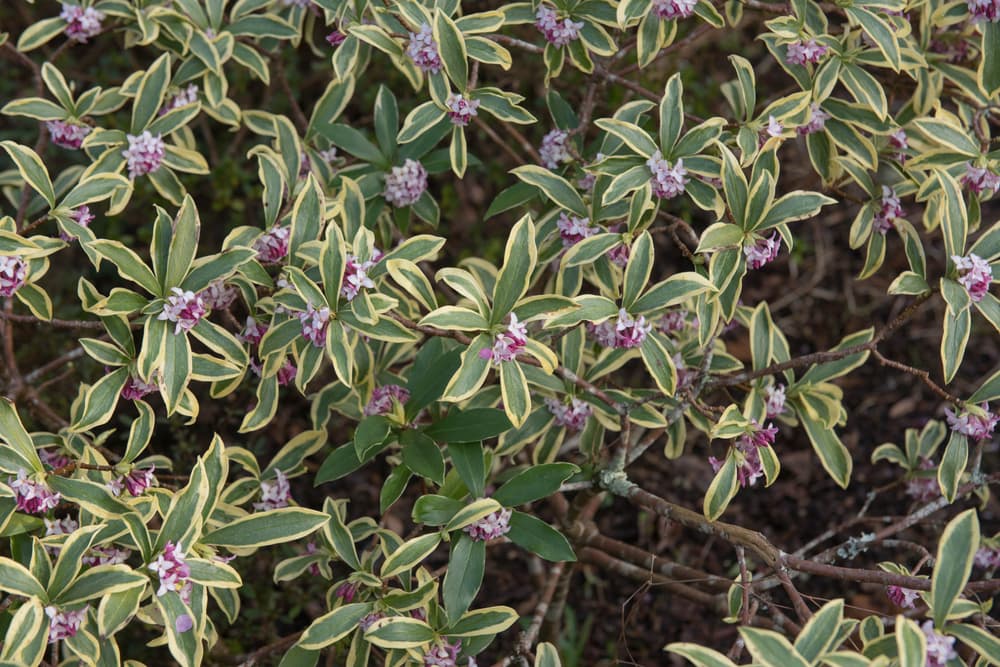
IN THIS GUIDE 1) Aucuba japonica 2) Azaleas 3) Camellias 4) Ceanothus 5) Choisya 6) Cotoneaster 7) Daphnes 8) Heathers 9) Hebes 10) Photinias 11) Skimmias 12) Viburnums References Many evergreen shrubs can work just as well in pots or containers as they do in the ground. But which evergreen shrubs should you choose? You may wonder where to begin when choosing shrubs for a container garden. We’ve developed a list of twelve evergreen shrubs that work very well in containers, and which we believe are amongst the best for pots for you to consider. “Remember to consider the water requirements of shrubs in containers,” adds Master Horticulturist Colin Skelly. “In hot weather, they will need regular watering to maintain good health. Consider the final size of the plant you are selecting with the pot size that you can accommodate. “Remember to look out for smaller cultivars.” 1) Aucuba japonica HARDINESS RATING: H5 PREFERRED ASPECT: FULL OR PART SHADE The first evergreen shrub to consider is the Japanese laurel – Aucuba japonica. This large shrub will be more compact in a pot and has attractive evergreen leaves which can be variegated and little purple flowers which are followed by large glossy red berries. It is H5 hardy, and will work well in a full shade or partially shaded position. 2) Azaleas HARDINESS RATING: MOSTLY H6 PREFERRED ASPECT: FULL SUN OR PART SHADE There are many, many small Azaleas (and Rhododendron) that work very well in a container filled with ericaceous compost or potting mix. Growing these in containers means you can ensure that they have the acidic conditions they need, even when the soil is not acidic in your area. There are options that work well in full sun, or in partially shaded positions, and most are H6 hardy in the UK. 3) Camellias HARDINESS RATING: H5 PREFERRED ASPECT: FULL OR PART SHADE Camellias are another great choice for growing in an ericaceous potting mix. There are several bijou options that are wonderful for containers, and these too will thrive in a lightly shaded position. For environmental reasons, be sure to choose a peat-free ericaceous compost for your pots. These shrubs have beautiful blooms early in the year and most are hardy to some degree. 4) Ceanothus HARDINESS RATING: H4 PREFERRED ASPECT: FULL SUN One of the great things about Ceanothus is that this is a nitrogen-fixing shrub. Another is that they have truly stunning blue flowers that really can make a huge impact in your garden. Be sure to choose the right variety of Ceanothus, as some grow much larger than others. C. griseus spread into a low bushy form, and C. repens also has a low, spreading habit, or can be grown in a container to spread up against a wall or fence. Ceanothus can flower in spring, or in late summer or autumn depending on the variety. It thrives in full sun. 5) Choisya HARDINESS RATING: H4 PREFERRED ASPECT: FULL SUN Choisya (Mexican orange blossom) is another beautiful flowering evergreen shrub to consider. Growing to create dense mounds of evergreen foliage, these will come alive in spring with their white, scented flowers. ‘Aztec Pearl’ is one great small option to consider growing in a container. It is H4 hardy, and will do best in full sun. 6) Cotoneaster HARDINESS RATING: H6/7 PREFERRED ASPECT: FULL SUN OR PART SHADE Cotoneaster is another great option for growing in pots. This glossy evergreen has pretty white flowers followed by red berries loved by birds. Cotoneaster can take a range of different forms. It can be formed into more upright shrubs or tree-like forms, neatly pruned – or it can sprawl out horizontally or up a wall or fence – depending on which type of cotoneaster you choose. Cotoneaster can thrive in full sun or in partial shade and is a very easy plant to grow. 7) Daphnes HARDINESS RATING: H4 PREFERRED ASPECT: FULL SUN OR PART SHADE Daphnes are popular blooming shrubs – and with good reason. Their attractive and showy blooms flower often in late winter, when there are few other flowers around. Dwarf alpine species such as D. arbuscula, D. genkwa and D. cneorum are particularly good for growing in pots. Though there are many Daphnes that will work wonderfully in containers, mostly in moist but free-draining conditions in full sun. Some Daphnes, however, like D. laureola, will even thrive in deep shade. 8) Heathers HARDINESS RATING: H7 PREFERRED ASPECT: FULL SUN Many heathers and heaths in the Calluna and Erica genus will work very well in pots. Bear in mind that heathers and heaths generally require an ericaceous compost, and like acidic conditions. Other than this, they are relatively unfussy and will be good, relatively low-maintenance plants. Choose the right heathers for your container garden and you can enjoy blooms over the whole of the year. Some heathers have not only beautiful blooms but also interesting coloured foliage which alters over the course of the seasons. So if you are looking for year-round interest, heathers are often an excellent choice. 9) Hebes HARDINESS RATING: H4 PREFERRED ASPECT: FULL SUN OR PART SHADE There are many Hebes to choose from for evergreen appeal in your container garden. One delightful option, for example, is ‘Pink Elephant’. This is a hardy plant with attractive green leaves tinged creamy-yellow at the edges, and the whole plant blushes pink, then purplish in cooler conditions. Small white flowers also add additional interest during the summer months. 10) Photinias HARDINESS RATING: H5 PREFERRED ASPECT: FULL SUN OR PART SHADE Photinia ‘Red Robin’ is a popular plant, both in gardens and municipal planting. And some may feel that it is overused. Nonetheless, it is popular for good reason, and we believe it is still a good choice to consider if you want to break up the green in your garden with some lovely reddish hues. ‘Little Red Robin’ is the dwarf cultivar – a good choice for containers. P. glabra ‘Rubens’ is another dense and rounded shrub that you might also consider growing in a pot in a container garden. 11) Skimmias HARDINESS RATING: H5 PREFERRED ASPECT: FULL OR PART SHADE Skimmias are also evergreen shrubs for year-round interest which can work extremely well in containers. Most will thrive in an area with light or partial shade – though there are cultivars for almost any situation. Skimmia japonica female plants will produce berries if grown near a male plant, which adds extra interest after the attractive flowers. S. japonica subsp. reevesiana is a hermaphrodite - meaning it will produce attractive berries over the winter months. 12) Viburnums HARDINESS RATING: H4 PREFERRED ASPECT: ANY Evergreen viburnums are also often top picks for evergreen container gardens. Viburnum tinus, for example, is a great value shrub which can work well in containers in many different positions, including full sun, partial and even deeper shade. It has dark, glossy green leaves, small white flowers, and these flowers are followed by dark bluish-black berries. So this is another great option to consider when growing evergreen shrubs in pots. In this list, we have focused on evergreen shrubs to maximise ornamental appeal. Though of course, many culinary herbs are also evergreen shrubs (or sub-shrubs), and these can also be wonderful to grow in pots. There are plenty of other beautiful evergreen shrubs to consider – so use this only as a starting point when choosing which to grow in your garden.
Learn more
These 75 Evergreen Plants Are Perfect In Pots You Can Move Around The Garden
IN THIS GUIDE Dwarf Conifers For Pots Other Evergreen Trees For Pots Evergreen Shrubs For Pots Evergreen Climbers For Pots Evergreen Grasses For Pots Evergreen Herbaceous Plants For Pots Evergreen Succulents For Pots There are a huge range of evergreen plants for pots to consider – but which options are right for you and your garden? In this article, we will discuss some common and popular evergreen plants which can be grown in containers; perfect for a container garden on your patio or a small garden. Of course, there are also many, many more evergreen plants that can be grown as houseplants here in the UK. “Growing plants in pots is great because you can move them around to refresh your existing space,” shares Garden Designer Kate Gould. “However, most plants in pots need as much room as possible and you are going to have to water, feed and watch them to keep track of pests. “It is a process, but it’s great once you’re into that rhythm.” However in this article, we will focus on plants that can be grown outside for at least some of the year in at least some areas of the British Isles: Dwarf Conifers For Pots Conifers in containers The first type of evergreen plants for pots to consider are conifer trees. Dwarf conifers are restricted by the size of their pots, and can be mini-Christmas tree type shapes, or be interesting bonsai in a range of topiary shapes. Some great conifers for pots to consider include: Abies (True firs) Cephalotaxus (Plum yew) Chamaecyparis (e.g. C. pisifera or C. obtusa) Cryptomeria japonica (Japanese cedar) Cupressus (e.g. C. sempervirens – Italian cypress) Juniperus (Junipers) Picea (Spruces) Pinus (e.g. Mugo pines) Thuja (e.g. T. ‘Mirjam’, T. orientalis ‘Aurea nana’, T. plicata ‘4Ever goldy’ etc.) Tsuga (Hemlocks) It is a popular option to grow these small coniferous trees in containers surrounded by other evergreen perennials and ground cover or trailing plants to create entire landscapes in miniature. Of course they can also be used to add formal structure and symmetry to a space, while they can also work well when placed along a boundary to increase the privacy in a garden, or as part of a windbreak planting scheme. Other Evergreen Trees For Pots Feijoa sellowiana Conifers are not the only evergreen trees that can be grown. In large pots or containers, you can also consider growing other evergreen trees, including, for example: Arbutus unedo (strawberry tree) Citrus (many can sit outside on a sunny patio, for example, during the summer before moving indoors or under cover in winter) Eriobotrya japonica (loquat) Chamaerops / Cordyline / Trachycarpus (hardy palms) Eucalyptus Feijoa sellowiana (Pineapple guava) Ilex (Holly) Laurus nobilis (bay tree) Magnolia grandiflora (bull bay) Olea europaea (olive tree) Quercus ilex (holm oak) Evergreen trees in containers can make a bold statement and can be the focal point of a patio or container garden area. Some, such as strawberry tree, citrus, loquats, pineapple guava and olives may even provide an edible yield of fruits, and bay is a useful culinary herb. Even a small tree placed in the right position in your garden can increase privacy and break sightlines, without casting too much shade. Evergreen Shrubs For Pots Lavender There are also a wide range of evergreen shrubs that can be grown in pots. There are plenty of shrubs that will provide year-round interest, and which can thrive in a container garden. Some interesting options to consider include: Aucuba japonica Azaleas Bamboos Box Camellias Ceanothus Choisya Cotoneaster Daphnes Heathers Hebe Lavenders Photinias Rosemary Sage Skimmias Thyme Viburnums Winter Savory Evergreen shrubs can provide year-round interest, some even flowering or providing beautiful berries over the coldest months. They can also be great for wildlife in your garden. As you can see from the list above, the evergreen shrubs that you can grow include a number of culinary herbs, which can be very useful additions to a patio garden close to your home, since you will be able to come outside and pick some herbs whenever you need some. Some evergreen shrubs – bamboo in particular, can be especially useful as screening and for privacy, since you can grow many of these in containers even where a home is rented or for some other reason you cannot grow plants in the ground. Evergreen Climbers For Pots Ivy A large container placed against a wall, fence or other structure can also be used to grow a number of evergreen climbers. For example, you might consider: Clematis (Evergreen, winter-flowering, e.g. C. cirrhosa) Euonymous fortunei Garrya elliptica (Silk-tassel) Hedera (Ivy) Hydrangea seemannii Parthenocissus (Virginia creeper) Trachelospermum jasmonoides (Star jasmine) Growing climbers and wall shrubs in containers as the base of a wall or fence or other support structure can be a great way to make sure your garden, yard, balcony or patio has an enclosed and welcoming feel, with plenty of greenery about. Plants like ivy can also be grown down from hanging baskets or other hanging containers, in mixed container planting alongside a range of other plants. Evergreen Grasses For Pots Carex in a container Grasses and sedges are also great for adding year-round colour and interest in a container garden. Some great evergreen grasses to grow in pots include: Anemanthele lessoniana Carex Deschampsia Festuca glauca Miscanthus sinensis (e.g. ‘Morning Light’) Stipa tenuissima Larger specimens look great in stand-alone containers, as statement pieces. They can be placed in a row for gentle screening that does not overwhelm the space or overly restrict views of the rest of the garden. Smaller grasses for containers can also look great when planted in containers alongside other evergreen plants. Their soft and flowing forms can break up heavier, denser planting schemes and keep a container garden looking light and soft. Evergreen Herbaceous Plants For Pots Phormium There are also plenty of other herbaceous perennials to consider growing in pots in a container garden. Just some of the interesting evergreens of this type to grow in pots include: Ajuga Androsace Armeria Asplenium (evergreen ferns) Delosperma Dianthus ssp. Erigeon ssp. Fatsia Globularia Heuchera Hepatia Phormium Many alpine plants, for example, create mats of evergreen foliage. While other more sculptural plants like evergreen ferns, fatsia and phormiums, for example, can make an impact – even in somewhat more shaded positions. Including a wide range of different alpines and other perennial herbaceous plants with different shapes, textures and colours can add a lot of interest to your container garden. And the above list represents just a very small fraction of the many different plants that you could choose. Evergreen Succulents For Pots Sempervivum A number of succulents can also be excellent evergreen plants to consider growing in pots. These can be grown as houseplants, but can also often survive outside with winter protection in more sheltered, drier and milder spots. Some of the many succulents to consider include: Aeoniums Agave Aloes Crassula Echeveria Haworthia Kalanchoe Opuntia Sedums Sempervivums “Whilst most succulents will need to be protected from frost over the winter months, Sempervivum are frost hardy and (as long as they are in free-draining compost) can stay outside all year,” shares Colin Skelly, a Horticultural Consultant. Succulents can be great low-maintenance plants for a free-draining and sunny spot. They look at home in many different drier-climate planting schemes, or in containers inside your home. Creating containers with a number of different succulents can lend an exotic vibe to your container garden. We hope you’re feeling inspired to find some year-round greenery for your garden!
Learn more
Which Roses Can You Grow In Pots? These Growers Share Their Secrets For Success
IN THIS GUIDE Which Roses Can I Grow In Pots? Which Compost Should I Use? Caring For Roses In Containers Roses are wonderful plants, and perhaps the most famous flower in the world. Whether your knowledge of roses stops at the single deep red flower held between the teeth of thousands of silver-screen romantic heroes, or extends to the hundreds of cultivars available – an endless rainbow of colours, shapes, and sizes – there’s no denying that they’re something special. If you don’t have the luxury of a large garden with beds for planting and tending flowers, then fear not: growing your own roses is still a possibility. Thankfully, many rose varieties can be grown in pots, giving you the chance to grow roses from your patio, balcony, or even windowsill! Which Roses Can I Grow In Pots? When choosing to grow roses in a container, you need to take special care. Certain varieties aren’t suited at all to container growth, and others require certain conditions to be able to thrive. “I wouldn’t recommend keeping hybrid tea varieties, large Shrub roses or large climbers in containers, as these have an extensive root run and would get stressed being kept in a small space,” says Ben Stirton from Country Garden Roses. As a rule, avoid rambling roses – these are prone to quickly outgrow the confines of a pot, and prefer to be grown in the ground. “Make sure you buy a container large enough to allow the roots to spread and the rose to grow,” advises Colin Dickson, when asked about container care. “Yes, any rose can be grown in a container, but the larger the rose, the bigger the container,” adds Chris Styles from Style Roses. “Choose a heavy, frost-resistant or heavy wooden pot to give weight and support at the base.” Below you’ll find a selection of rose cultivars suited for various pot sizes. Each of the suggestions below has been awarded the Royal Horticultural Society’s Award of Garden Merit, indicating a plant that will grow particularly well in British gardens. Miniature Roses Cultivars in this category are bred specifically for pots, with smaller root systems, less enthusiastic growth, and a smaller overall size. Varieties like Rosa Anna Ford ‘Harpiccolo’ are great examples. The bright crimson flower with mottled orange colouration packs a bold punch for its size, and is a perfect showcase of the character and vitality roses can bring to your garden. These roses lend themselves best to pots with a diameter and height of at least 30cm each. Standard Roses The tumbling white-pink bloom of the Rosa Queen Mother ‘Korquemu’ cultivar (pictured) will look charming in any container, and with a height of 0.5m, overall it’s not too imposing. Standard roses align best with the general conception of what roses should look like, although there is still a large amount of variety within these cultivars. Ground Cover Roses Rosa Berkshire ‘Korpinka’ is a fine example of a ground cover rose that can be encouraged to grow in a pot. The attractive, deep pink flowers with their pretty white centres are an inviting addition to any garden. This type of rose will be fairly low, reaching a height of about half a metre: ideal for a container in a spot where you don’t want too much vertical obstruction. When growing shorter climbing roses, use a pot with a diameter and height of at least 45cm to give them ample space to grow. Shorter Climbing Roses “There are a good selection of patio climbing roses that are happy in a container and can be kept compact by pruning well,” explains Ben. Varieties like Rosa ‘Phyllis Bide’ are suitable for growing in containers. Boasting pink and white flowers with bold streaks of yellow and even orange, these relatively thorn-free roses will make a beautiful addition to your outdoor space. As with ground cover roses, shorter climbing roses will do best in pots with height and diameter of at least 45cm. Larger Roses It’s possible to grow other types of roses in pots, but you’ll need to invest in a container with diameter and height of at least 60cm to give your plant a realistic chance at healthy growth. Roses suitable to this type of growth include shrub, bush, and climbing varieties. “If you use a big pot, don’t be afraid of adding a few companion plants or popping some bulbs in for early season colour,” says Philip Harkness, the Co-Owner of Harkness Roses. “The rose is sociable and it will not sulk if it has to share space.” Which Compost Should I Use? When growing roses in pots, go for something loam-based. This will keep conditions moist and hold a good amount of nutrients, giving your roses a solid foundation for growth. “Always use a John Innes No.3 compost as the growing medium,” suggests Chris. John Innes 2 will also work. You can add multi-purpose compost or manure to make the soil richer, just ensure that manure is nicely rotted down first. Before you plant your roses, mix some rose feed into the compost – this will give your roses the nutrients they need to grow strong from the outset. “I would opt for compact cultivars unless you have space for very large containers,” shares Horticultural Consultant Colin Skelly. “Roses are hungry for nutrients and moisture and if these aren’t readily available, the health of the plant will suffer. “So, make sure that you have the right plant for the right size pot, the right compost (John Innes 3) and someone to water your roses whilst your on holiday!” Caring For Roses In Containers Once you’ve found the rose variety that suits your needs, the care tips in this section should help you to achieve strong and healthy growth. Location Find somewhere sunny, where your roses will get sunlight for at least half of the daylight hours. “Place the pot in a position that gets at least half a day’s sun,” advises Chris. “Avoid placing deep or dark coloured roses in full sun positions in front of walls, as they’ll get scorched!” Take a look at the specific growing requirements for the varieties you choose to see which aspect they prefer. We recommend filling your container with compost after finding a suitable spot, as this will make it a whole lot easier to carry. Potting Up “The rule is, the bigger the container, the better for the plant,” says Philip. If you’re using bare-root plants, pot them up in November ahead of growing season. If you’re using container-grown plants, you’ve got a longer window: October through to April should do the trick. And if you’re unsure of the difference: Bare-root plants are grown in the ground then uprooted and prepared for sale. Soil is removed from the roots, making them fully visible – hence the name. Container grown plants are grown and sold in a container (shock!), leaving it up to the gardener to transplant them into a suitable container of their own. Watering “Make sure you don’t let the compost dry out and keep your rose nourished,” says Colin. Water your roses regularly, ensuring the soil stays moist. “Roses grown in containers need more feeding and watering than those grown in the ground,” says Ben. “Even when we have a lot of rain, if the rose is in full leaf and flower then the rain doesn’t get into the compost to the roots.” Avoid over-saturating them however, as this can hinder rather than help growth. Where possible, raise your pots above the ground to let the excess water drain out. “I always preferred to water my pots in the morning rather than the evening, so they have the water in the day when they need it,” suggests Philip. You can use bricks, pot feet, or any other secure base to do this. Take a look underneath next time you water to check that the runoff escapes the soil. Fertilising Roses like a fortnightly glug of liquid fertiliser in spring or summer. This will help them to grow strong and sturdy, and will encourage vibrant colouration. “We start to feed our roses as soon as the new leaf starts to come through and then continue this right through the growing season, about every two to three weeks,” shares Ben. Add a dose of rose feed to the soil surface each spring for even more nutrition. “Feed three times a year between spring and mid-summer with a proprietary granular slow-release rose feed,” says Chris. You can top-dress the soil every second year, too – to do this, remove the top few centimetres of soil and add a new, fresh layer in its place. Keep in mind that roses are particularly hungry customers and will do best when fed frequently and adequately. Repotting With the larger varieties of rose mentioned above, you may need to repot every few years to prevent their root systems from becoming cramped. When this is required, use a larger pot with all new compost. Pruning Each rose type has different pruning requirements and attempting a whistle-stop tour risks omitting their specific needs. So instead, we’ll refer you to the instructions that accompany each variety you buy. Taking care to prune as required will give you stronger, healthier, and prettier roses, so this is something we recommend spending time familiarising yourself with. Pests & Problems Roses are prone to attract aphids, so keep a vigilant eye out for green visitors and, god forbid, their small white eggs. If you see either, remove them by hand and check to see whether they return. If so, seek a pesticide. Powdery mildew is also a threat if your roses get too dry. Ensure frequent watering, and if possible keep soil in the shade while the plant is in the sun. Also, be sure to water the soil directly rather than the whole plant.
Learn more
Like To Mix Things Up In The Garden? Try Perennials In Pots Says Sara Venn
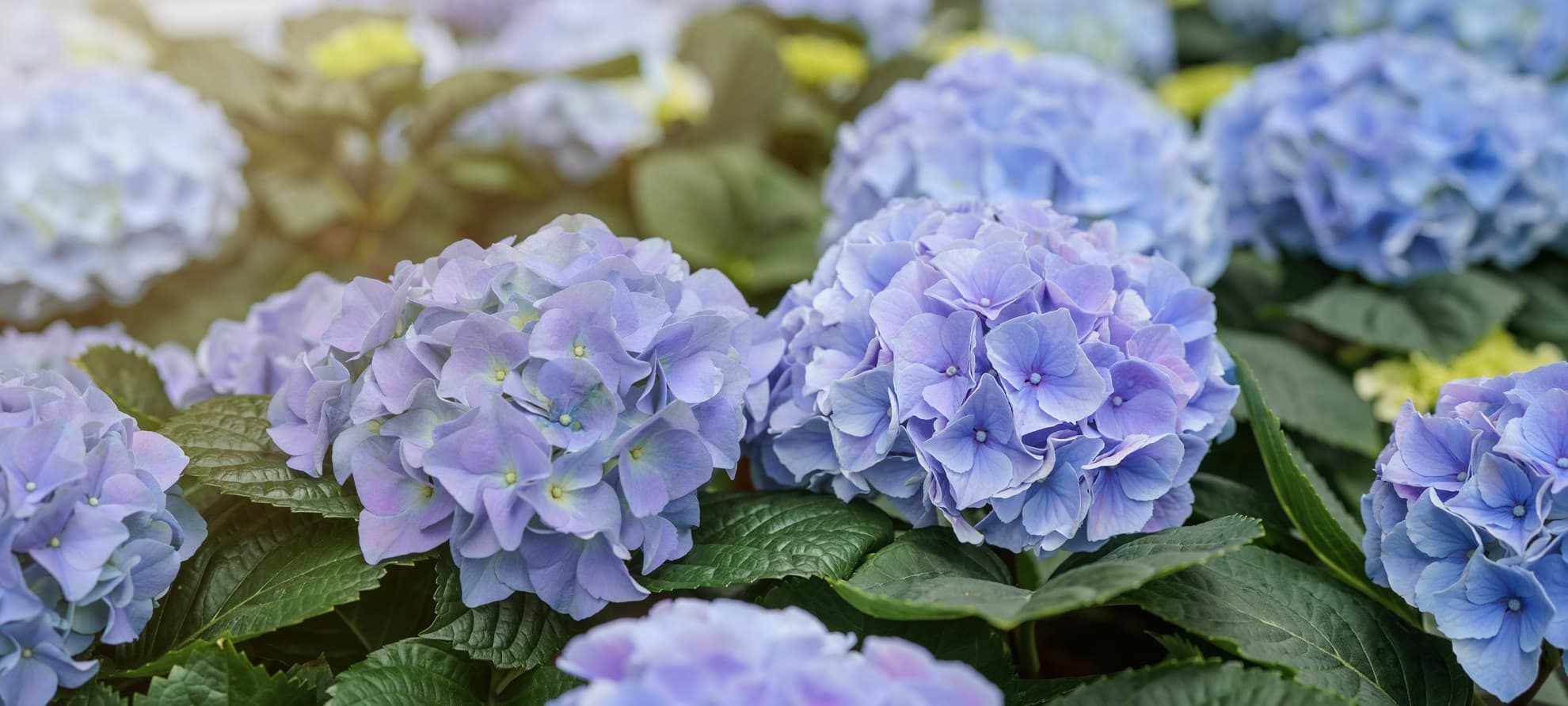
IN THIS GUIDE 1) African Lily 2) Lady’s Mantle 3) Elephant’s Ears 4) Clematis 5) Euphorbia 6) Geranium 7) Daylily 8) Coral Bells 9) Plantain Lily 10) Lavender 11) Penstemon 12) Common Vervain 13) Bamboo 14) Peonies 15) Larkspur 16) Hydrangea 17) Chrysanthemums 18) Dahlias 19) Wallflowers 20) Yarrow References Potted perennials can be a low-maintenance, long-lasting way to brighten up your patio, balcony or garden. There are a number of advantages to using pots and containers when creating an aesthetically pleasing display in your garden. For one thing, the mobility of a potted plant lends itself well to easy rearrangement and repositioning, allowing you to mix things up as and when the whim takes you. “Because I rent my home, I end up leaving my garden every 4-5 years,” explains Sara Venn from Edible Bristol. “I grow quite a lot in pots because I can move them with me. It makes it a lot easier than digging them up at the end of my tenancy.” Larger specimens in pots can also work well to draw the eye and brighten up drab surroundings. What’s more, using pots can also be a great way to maximise your options if space is at a premium; even if you only have a balcony to work with, a potted arrangement can really liven up your outdoor aesthetic. “If you have a large pot you can create a multi-layered perennial planting using the ‘pillars, fillers and spillers’ technique – a plant that has height, a plant that provides volume and a plant that spills over the side of the pot,” shares Master Horticulturist Colin Skelly. When most gardeners approach the task of choosing plants for their pots, they often opt for eye-catching annuals, which provide a striking impression for long parts of the year…after which, they die and must be discarded. The problem with annuals is that they require replacement each year, which can soon turn into quite a labour-intensive and expensive endeavour. Perennials, on the other hand, might represent a greater initial outlay, but they’ll stand you in good stead for a number of years in a pot and can even be transplanted into open soil afterwards to extend their lifespan. Choose the right plant and you’ll be rewarded with a low-maintenance gift that just keeps on giving, year after year. As a general rule of thumb, any plant which handles life in a border without too much fuss should be able to cope with life in a container. All of the plants we’ve chosen below either enjoy a prolonged flowering season, or else have foliage that’s impressive enough all on its own, even without any flowers. 1) African Lily BOTANICAL NAME: AGAPANTHUS TYPICAL HARDINESS RATING: H3-H5 FLOWERING PERIOD: JUNE – SEPTEMBER With their cascading explosions of bright green foliage and their delicate, dainty flowerheads atop slender stems, agapanthus make for excellent potted plants, especially when planted inside a terracotta receptacle. Depending on the variety chosen, they’ll begin sprouting their gorgeous blooms in June, July or August and continue well into the autumn months. Just make sure they enjoy enough sun and well-draining soil and they’ll pay you back tenfold with their beautiful displays. Also known as African Lily or Lily of the Nile, agapanthus originally hail from far warmer climes than the United Kingdom.1 With that in mind, it’s a good idea to bring them indoors or at least remove them to a sheltered spot (such as an unheated greenhouse) during the colder months to ensure the frost doesn’t do for them. 2) Lady’s Mantle BOTANICAL NAME: ALCHEMILLA TYPICAL HARDINESS RATING: H7 FLOWERING PERIOD: JULY – SEPTEMBER This attractive perennial grows more outwards than upwards and its low-spreading tendencies make it a popular choice in herbaceous borders. However, its easy-going nature and year-round vibrancy mean it can work just as well in a pot or container, too. As the plant expands into its environs, it’ll spill over the edges of its receptacle in a pleasing manner. Colloquially known as Lady’s Mantle, it’s defined by its palmately lobed leaves which keep their light green colour throughout the year and its greenish-yellow flowers, which bloom in the summertime. The leaves are covered in an ultra-fine down, giving them an almost silvery sheen, while the plant is at its most impressive shortly after a spell of rain. That’s because the moisture sticks to the aforementioned hair on the foliage and clings to them in tiny droplets, creating a delightfully pastoral effect. 3) Elephant’s Ears BOTANICAL NAME: BERGENIA TYPICAL HARDINESS RATING: H6-H7 FLOWERING PERIOD: MARCH – APRIL Bergenia are an attractive addition to any environment, primarily through their floral blooms, which arrive each spring in a burst of white, pink, purple or red, depending upon the specific variety chosen. However, their foliage is a selling point in its own right, with large, drooping evergreen leaves that earn it the moniker of “elephant’s ears”. The deep green of the leaves is apt to take on a pinker hue during the colder months, adding another string to the Bergenia bow. These hardy little plants originally hail from northeastern Asia, inhabiting such frosty climes as Mongolia and Russia.2 This means that they’re accustomed to temperatures that are far worse than anything Great Britain can throw at them, so they’re fine to be left outside all winter long. They’re also manageable in size, growing up to around half a metre at full maturity. 4) Clematis BOTANICAL NAME: CLEMATIS TYPICAL HARDINESS RATING: H5 FLOWERING PERIOD: MAY – SEPTEMBER For those who are on the lookout for a more dynamic addition to their potted collection, the climbing clematis could be the way to go. This incorrigible climber will scale any structure you place in or around the container, creating stunning displays of fragile vines embellished with elegant leaves and exquisite flowerheads that have an almost papery appearance and texture. Clematis are available in a wide variety of different cultivars, meaning you can obtain ones with blue, red and yellow blues, alongside a whole host of different combinations of those three primary colours. They demand excellent drainage in their soil and don’t take kindly to excessively hot temperatures, so planting them in a container which conducts heat slowly is advisable in order to achieve the best results. 5) Euphorbia BOTANICAL NAME: EUPHORBIA TYPICAL HARDINESS RATING: H6 FLOWERING PERIOD: VARIES Euphorbias are an incredibly diverse bunch, spanning everything from startling flower-laden specimens to drought-resistant succulent-like species. The E. milii plant pictured above (more commonly known as “Crown of Thorns”) is one of the more eye-catching varieties of the former type, featuring fantastically graceful flower heads atop large, rubbery leaves. Given the breadth and depth of variety on offer among the euphorbia genus, it’s advisable to do your research beforehand and tailor your selection to the specific effect you intend to create. Whichever type of euphorbia you settle upon, you can expect year-round interest from their foliage and pockets of colourful brilliance when it comes to flowering season. 6) Geranium BOTANICAL NAME: GERANIUM TYPICAL HARDINESS RATING: H6-H7 FLOWERING PERIOD: JUNE – OCTOBER One look at the brilliant colours, intricate rosettes and long, graceful stalks of a geranium and you’ll soon understand why these gorgeous perennials are popular enough to have their own appreciation society here in the UK. They’re equally impressive whether placed in a hanging basket, as part of a stunning border or as standalone specimens in containers. Although often confused with pelargoniums, true geraniums (otherwise known as hardy geraniums or cranesbill) are much more adept at dealing with the colder temperatures of winter.3 However, pelargoniums are just as effective in pots as long as they’re relocated indoors when the mercury drops, since they’re highly susceptible to frosts. Whether you choose geraniums or pelargoniums, you’re guaranteed a fantastic floral display either way. 7) Daylily BOTANICAL NAME: Hemerocallis TYPICAL HARDINESS RATING: H6 FLOWERING PERIOD: JUNE – JULY Hemerocallis are more commonly known as daylilies and are one plant which can actually work more effectively in a pot than in the ground. That’s because they’re incredibly versatile with regard to their planting conditions, surviving and even thriving in most soil types, but they do enjoy plenty of sun. As a result, gardeners who enjoy limited sunshine and must chase it around their garden can do so with ease if the plant is potted. As for their appearance, daylilies are a dream to behold. With long, thin stems and top-heavy flowerheads, characterised by thick, velvety petals with delicately protruding stamen, daylilies are available in a variety of different colour combinations. As long as they’re placed inside a container with drainage holes and sufficient space for their roots to spread out, they’ll do just fine in any environment. 8) Coral Bells BOTANICAL NAME: HEUCHERA TYPICAL HARDINESS RATING: H6 FLOWERING PERIOD: JUNE – AUGUST Heuchera were once cultivated for the small flowers which bob atop lengthy stems during the warmer months. However, in recent years, the attention has shifted from their blossoms to their foliage, which comes in all different shades and sizes depending upon the species chosen. They’re also known as coral bells – for the aforementioned blooms – but it is perhaps their outsized, extravagantly coloured leaves which steal the show. When it comes to planting heuchera in pots, the main concern for any gardener will be ensuring the soil stays moist but not saturated. That means plenty of watering during summertime, but adequate drainage in the wetter months. For best results, elevate the container an inch or two above ground to allow water to flow freely beneath, and mulch their surface lightly during spring to enhance nutrient uptake and reduce the need for constant watering. 9) Plantain Lily BOTANICAL NAME: HOSTA TYPICAL HARDINESS RATING: H7 FLOWERING PERIOD: JULY – SEPTEMBER While most of the previous inclusions on this list are favoured for their floral blooms, hostas are prized for the interesting and ornamental nature of their foliage. With a huge selection of hostas to choose from, you can include everything from crinkly variegated leaves to silver heart-shaped varieties in your garden display. While their leafy allure is the main draw, hostas also often offer pretty and aromatic blossoms in the summer, though these can look tired and unsightly within mere days of blooming, so deadheading is essential for a pristine aesthetic. Other than that, it’s advisable to choose a spacious pot with excellent drainage in order to allow the hosta to reach its full potential. Stay away from metal containers, since the conductivity of the material can cause them to overheat in the warmer months. 10) Lavender BOTANICAL NAME: LAVENDULA TYPICAL HARDINESS RATING: H4 FLOWERING PERIOD: JUNE – AUGUST There’s nothing quite like a bouquet of lavender to add a touch of Mediterranean charm and an aura of tranquillity to any setting. The plentiful clusters of pale purple flowers will draw bees and other pollinators in their droves, while the delightful aroma of the plant is excellent for imbuing its surrounding with a sense of cleanliness and calm. There are hardy, semi-hardy and tender varieties of lavender to choose from, so the species you pick should depend not only on the aesthetic you want to achieve, but the amount of elbow grease you’re prepared to put in coaxing your lavender to life. Whichever variety you go for, choose an amply-proportioned terracotta pot with plenty of drainage holes to plant them in and position it in a semi-sheltered spot. 11) Penstemon BOTANICAL NAME: Penstemon TYPICAL HARDINESS RATING: H3 FLOWERING PERIOD: JUNE – SEPTEMBER Penstemon, also known as beardtongue, is a striking plant whose delicate appearance belies its origins on the American plains.4 Characterised by lengthy, upright stems populated by picturesque bell-shaped flowers, penstemon is often mistaken for foxglove and shares many similar features. In total, there are more than 250 varieties of penstemon to choose from, with violet, red and yellow blossoms the most popular options among UK gardeners.5 Penstemon lend themselves particularly well to planting in containers, performing admirably in garden boxes or standalone pots. Just make sure to plant them in well-drained soil to avoid their roots becoming waterlogged. Make sure they receive plenty of water in the initial stages after planting, but once they have fully taken hold, only water when the substrate surface has dried out. 12) Common Vervain BOTANICAL NAME: VERBENA TYPICAL HARDINESS RATING: H4 FLOWERING PERIOD: JUNE – SEPTEMBER Verbena is a beautiful flower that has been used in aromatherapy and herbology for centuries. It makes a very attractive cut flower and works extremely well in a container, dazzling those who set eyes upon it with incredible floral displays in pink, red, purple, blue or white during the warmer months. The plant is both perennial and annual depending upon which variety you plump for, while there are also hardy and tender options available. As such, it’s worthwhile investing time into deciding exactly which species is best suited to your purposes and taking the necessary precautions to protect more sensitive varieties when appropriate. But furnish verbena with adequate drainage in its soil, around six hours of sunlight per day and a steady supply of water and you’ll be richly rewarded with its charming blossoms in the summer. 13) Bamboo BOTANICAL NAME: Bambusa vulgaris TYPICAL HARDINESS RATING: H6-H7 FLOWERING PERIOD: N/A 14) Peonies BOTANICAL NAME: Paeonia TYPICAL HARDINESS RATING: H6 FLOWERING PERIOD: APRIL – JUNE 15) Larkspur BOTANICAL NAME: DELPHINIUM TYPICAL HARDINESS RATING: H5 FLOWERING PERIOD: JUNE – JULY 16) Hydrangea BOTANICAL NAME: HYDRANGEA TYPICAL HARDINESS RATING: H5 FLOWERING PERIOD: JULY – OCTOBER 17) Chrysanthemums BOTANICAL NAME: CHRYSANTHEMUM TYPICAL HARDINESS RATING: H3-H4 FLOWERING PERIOD: SEPTEMBER – OCTOBER 18) Dahlias BOTANICAL NAME: DAHLIA TYPICAL HARDINESS RATING: VARIES BY TYPE FLOWERING PERIOD: JUNE – SEPTEMBER 19) Wallflowers BOTANICAL NAME: ERYSIMUM TYPICAL HARDINESS RATING: H4 FLOWERING PERIOD: MARCH – AUGUST 20) Yarrow BOTANICAL NAME: ACHILLEA TYPICAL HARDINESS RATING: H7 FLOWERING PERIOD: JUNE – AUGUST References 1. Agapanthus or Lily of the Nile. (n.d.). University of Florida, Institute of Food and Agricultural Sciences. Retrieved March 22, 2023, from https://gardeningsolutions.ifas.ufl.edu/plants/ornamentals/agapanthus.html 2. Bergenia crassifolia: Elephant-ears. (n.d.). NBN Atlas. Retrieved March 22, 2023, from https://species.nbnatlas.org/species/NBNSYS0000013952 3. Mentary, L. (2015, January 18). The Difference Between Geraniums and Pelargoniums. Rozanne and Friends. Retrieved March 22, 2023, from https://www.geraniumrozanne.com/geraniums-and-pelargoniums/ 4. Strote, E. (2015, August 1). Penstemon: A colorful choice for water wise gardening. Colorado State University Extension. Retrieved March 22, 2023, from https://extension.colostate.edu/topic-areas/yard-garden/penstemon-a-colorful-choice-for-water-wise-gardening/ 5. AGM Penstemon: RHS Growing Guide. (2017, November). Royal Horticultural Society. Retrieved March 22, 2023, from https://www.rhs.org.uk/plants/pdfs/Penstemon-grower-guide-smaller.pdf
Learn more
Master Horticulturist Shares 12 Hardy Plants You Can Grow Outdoors In Pots All Year Round
IN THIS GUIDE 1) Bay Tree 2) Elephant’s Ears 3) Buddleja ‘Buzz’ 4) Golden Creeping Jenny 5) ‘Emerald ‘n’ Gold’ 6) Hebe ‘High Voltage’ 7) Coral Bells 8) Common Ivy 9) Lily Of The Valley 10) Ornamental Cabbage 11) Rubella 12) Viola References These resilient and resplendent plants will thrive in pots the whole year-round. Planting in pots and containers is a great way to get creative in your garden. Depending on the type of plant you select, the container you place it in and the section of the garden it’s positioned, a potted specimen can soften harsh edges, add flavour to a bland border and brighten up dull corners. Larger pots can provide a focal point that draws the eye, while a collection of smaller plants add variety and activity to their background. However, you don’t want to plump for plants that will require substantial maintenance just to keep them alive, especially when the mercury plummets and the frost sets in. While moving more delicate pots indoors might be an option for some, it’s hardly an ideal one. For that reason, choosing a variety of plant which is adept at resisting the extremes of a Great British winter is an advisable course of action for those who wish to retain an attractive potted outdoor display all year round. “One of the great things about growing in pots and containers is that you can move the pot to suit the plant,” explains Master Horticulturist Colin Skelly “Even better, when the plant you choose can stay out all year and even provide structure during the winter, such as through using an evergreen shrub.” Fortunately, there are a wide variety of hardy plants which grow well in pots to choose from. We’ve selected our favourites below to give you some inspiration. Happy planting! 1) Bay Tree BOTANICAL NAME: Laurus nobilis HARDINESS RATING: H4 PREFERED ASPECT: FULL SUN / PART SHADE MAX HEIGHT: 10-12M RHS AWARD OF GARDEN MERIT Although called a bay ‘tree’, this hardy favourite is perhaps more accurately described as a formal shrub. It’s a hugely versatile option which can be cultivated as a hedgerow, trimmed into all sorts of topiarist designs with a set of clippers and even harvested for its aromatic leaves, which will add a depth of flavours to culinary dishes like stews and casseroles. As such, it ticks a number of different boxes for gardeners of all stripes. Best of all, bay trees lend themselves perfectly to potted planting and are tough enough to stick it out through the colder months. In the very most northern parts of the UK, where temperatures spend a prolonged period of time below zero, you may wish to supplement your bay tree with some fleece to protect it against the frost, but this is only applicable in the most extreme situations. 2) Elephant’s Ears BOTANICAL NAME: Bergenia HARDINESS RATING: H7 PREFERED ASPECT: FULL SUN / PART SHADE MAX HEIGHT: 0.5M As natives of China, Mongolia, Russia and other regions of Eastern Asia, Bergenias are quite accustomed to glacial temperatures. This means that they’re well equipped to withstand winters far colder than those we experience in the UK, making them an ideal choice for a potted plant in your garden. They’re evergreen perennials that grow to around half a metre in height, so they’re perfect for adding intrigue without hogging all the limelight in your display. Bergenias are also known as pigsqueak or elephant’s ears (not to be confused with Colocasia) and feature large, green leaves which keep their colour all year round, perhaps taking on a slightly pink twinge in winter. However, the real star of the show is their flowers, which bloom in spring and come in bursts of red, pink, purple or white, which sit proudly atop the stems overlooking the foliage below. 3) Buddleja ‘Buzz’ BOTANICAL NAME: Buddleja davidii ‘Buzz’ Series HARDINESS RATING: H6 PREFERED ASPECT: FULL SUN MAX HEIGHT: 1.5M Buddleja – otherwise known as butterfly bushes – are sprawling, vibrant plants which, as their moniker suggests, attract pollinators in their droves. While these are hugely popular among garden enthusiasts, most varieties are far too large to be confined to a single receptacle. Step forward the Buddleja ‘Buzz’, which has been specifically cultivated as a dwarf variety that will look stunning in a pot on your patio or balcony. Like all other buddlejas, this smaller specimen is very low maintenance and will cope well in almost all soil types. All that’s required is occasional pruning to make sure it doesn’t lose its shape and become too unruly. The best time to do so is immediately after the worst of winter has passed, when dead or damaged parts can be removed and the plant trimmed into shape. 4) Golden Creeping Jenny BOTANICAL NAME: Lysimachia nummularia ‘Aurea’ HARDINESS RATING: H5 PREFERED ASPECT: FULL SUN / PART SHADE MAX HEIGHT: 0.1M RHS AWARD OF GARDEN MERIT As a creeping plant, Golden creeping Jenny is the ideal choice for a basket or barrel, since its foliage will trail over the rim of the container in an aesthetically pleasing manner. It works especially well when placed near ponds and other water features, as the yellowish-green of the foliage can complement the darker colours of the water well. Plus, the plant naturally grows beside rivers and swamps in the wild, so it’ll feel right at home surrounded by water in your garden. Growing Golden creeping Jenny in a pot actually holds a number of advantages over planting it directly in the ground. For starters, the elevation that a receptacle lends the plant will enhance the dramatic appearance of its trailing leaves. However, it’s also more practical in a pot, since the plant will cope with colder temperatures better than in open soil. Golden creeping Jenny is also considered invasive in some places, so potting it will prevent it from encroaching on its neighbours too much.1 5) ‘Emerald ‘n’ Gold’ BOTANICAL NAME: Euonymus fortunei ‘Emerald ‘n’ Gold’ HARDINESS RATING: H5 PREFERED ASPECT: ANY POSITION MAX HEIGHT: 1M RHS AWARD OF GARDEN MERIT Characterised by its striking leaves, which feature a golden outer rim with shoots of emerald in the centre, ‘Emerald n Gold’ is another highly versatile evergreen option. Equally at home bordering a pathway as it is forming a part of a screened hedge, the variegated foliage of the plant makes it very attractive wherever it is positioned. The leaves even take on a pinkish hue in the colder months, ensuring you’ll enjoy an eye-catching display all year round. Its resilience during winter and the low maintenance associated with it mean that Emerald and gold has been a stalwart of the gardening scene for many moons now. It generally grows up to a metre in height, but can easily be trimmed back to suit the space it adorns and will show best results when given support, such as a nearby wall or fence. 6) Hebe ‘High Voltage’ BOTANICAL NAME: Hebe HARDINESS RATING: H4 PREFERED ASPECT: FULL SUN / PART SHADE MAX HEIGHT: 0.8M Hebes come in all shapes, sizes and colours, invariably offering an attractive and low-maintenance option for green-fingered aficionados. Also known as shrubby Veronica, this particular strain lends itself well to planting in a pot due to its smaller size. In fact, ‘High Voltage’ is so space-efficient that it’ll provide year-round colour to a balcony or terrace, making it ideal for spots where space is at a premium. The plant takes its name from the fact that its lush green foliage turns an irresistible shade of bronze during the colder months, adding variety to your outdoor displays. It’s also no slouch when it comes to floral blossoms; in summer, short spikes shoot forth from the foliage with such proliferation that the rest of the shrub will be almost entirely overcome with purple, blue or white flowers. 7) Coral Bells BOTANICAL NAME: Heuchera HARDINESS RATING: H6 PREFERED ASPECT: FULL SUN / PART SHADE MAX HEIGHT: 0.5M Heuchera, also known as coral bells, are a highly resilient evergreen plant that comes in literally hundreds of different shades and sizes. Depending on the existing colour scheme in your garden and the overall effect you wish to achieve, you can choose from red, orange, yellow, brown, maroon, silver, black and green heuchera, while there are even two-toned varieties available. As a result, you’re sure to find one that suits your needs. As a general rule, the lighter the tones of the plant you choose, the more protection it will need. Having said that, heuchera as a species are very hardy and, providing they’re given a modicum of sunlight and their roots aren’t allowed to become waterlogged, they’ll survive for many years on the spin. Just be careful of pests like vine weevils, which will devour them from right under your nose if you don’t take action. 8) Common Ivy BOTANICAL NAME: Hedera helix HARDINESS RATING: H5 PREFERED ASPECT: ANY POSITION MAX HEIGHT: 10M+ Although ivy might normally be associated with the sprawling façade of a stately home as it creeps up trellises or grills, it can look equally impressive in a pot. That could take the form of a hanging basket or a standalone container, depending upon the effect you wish to achieve. In any case, the appearance of the dark green colour and pointed foliage as it trails over the rim of the receptacle will add a touch of class to any environment in which it is used. Beyond pruning ivy to retain the shape you desire, the plant requires little to no maintenance whatsoever. Depending on the cultivar you choose, you can select self-clinging ones which will attach themselves to any structure in their vicinity without the need for bespoke supports. They cope well with prolonged periods of drought and cold, too. 9) Lily Of The Valley BOTANICAL NAME: Pieris japonica HARDINESS RATING: H5 PREFERED ASPECT: FULL SUN / PART SHADE MAX HEIGHT: 2.5M RHS AWARD OF GARDEN MERIT Also known as Japanese Andromeda and Flame of the Forest, Lily of the Valley is a beautiful evergreen shrub that features dark green foliage that will turn different hues in the spring months, depending upon the specific cultivar that is preferred. Most noticeable of all, however, are the blooms that droop gracefully from the top of their stems in summertime, draping over the rim of their container with effortless elegance. Although fairly hardly, you should avoid planting Pieris japonica in autumn, since it may struggle in its first winter. However, once it has fully taken root, the plant requires very little in the way of maintenance, with virtually no pruning or deadheading needed. It should also fare well in colder temperatures going forwards, making it a reliable and eye-catching addition to any garden. 10) Ornamental Cabbage BOTANICAL NAME: Brassica oleracea HARDINESS RATING: H7 PREFERED ASPECT: FULL SUN / PART SHADE MAX HEIGHT: 1.5M These colourful head-turners take the same form as their kitchen counterparts, and although ornamental cabbages carry the same name and are even edible, they’ve been cultivated for their aesthetic appearance, not their culinary prowess.2 That’s because depending on the variety you choose, you’ll be treated to stunning swathes of bright pink, purple, white or yellow in the centre of their florets. There’s very little to differentiate between ornamental cabbage and ornamental kale, apart from the fact that the former feature broad leaves with smooth edges and the latter favour serrated or fringed foliage. Whichever variety you settle upon, you’ll find that they provide an attractive focal point when placed in a container and generally won’t outgrow their environs once planted. 11) Rubella BOTANICAL NAME: Skimmia japonica HARDINESS RATING: H5 PREFERED ASPECT: FULL SHADE / PART SHADE MAX HEIGHT: 2.5M As a compact shrub of smaller proportions, rubella is an ideal choice for even the smallest of outdoor spaces. It won’t outgrow its pot and can easily be kept in shape, while the almost total absence of maintenance required means it’s perfect for those who like to leave their plants to their own devices. Best of all, rubella will provide a changing kaleidoscope of colours throughout the seasons. For much of the year, it’s characterised by its dark green leafage. Come wintertime, however, you’ll see a preponderance of brilliant red buds, which will blossom into eye-catching bulbous blooms in springtime. What’s more, it’s also manna for pollinators, meaning you can support the UK’s ailing bee population and bring some biodiversity into your garden in one fell swoop. 12) Viola BOTANICAL NAME: VIOLA HARDINESS RATING: H7 PREFERED ASPECT: FULL SUN / PART SHADE MAX HEIGHT: 0.5M Much like pansies in appearance, violas are a smaller but equally colourful counterpart to their more illustrious cousins. Their delicate appearance might suggest that they have a sensitive nature that doesn’t stand up well to the elements, but violas are actually one of the few flowering plants that produce vibrant displays during the colder months of the calendar. That, alongside their diminutive dimensions, make them an excellent choice for potting outdoors. Indeed, there are hardly any plants that can match the duration of a viola’s flowering season, which stretches almost year-round. With hundreds of different species to choose from, you can be certain you’ll find one that complements the existing décor in your garden, adding a touch of colour and a splash of optimism just at the time when you need both the most. References 1. Mahr, S. (n.d.-b). Golden Creeping Jenny, Lysimachia nummularia “Aurea.” Wisconsin Horticulture. Retrieved March 16, 2023, from https://hort.extension.wisc.edu/articles/golden-creeping-jenny-lysimachia-nummularia-aurea/ 2. Marsden, C. (n.d.-b). Ornamental Cabbage and Kale. Wisconsin Horticulture. Retrieved March 16, 2023, from https://hort.extension.wisc.edu/articles/ornamental-cabbage-and-kale/
Learn more
Master Horticulturist Swears By These 25 Flowers For Extraordinary Planters
IN THIS GUIDE 1) Busy Lizzie 2) Clematis 3) Japanese Pieris 4) Siberian Dogwood 5) Japanese Skimmia 6) Rosemary 7) Thyme 8) Sage 9) Emerald Gaiety 10) Oregano 11) Mint 12) Butterfly Bush 13) Hebe 14) African Lilies 15) Wax Begonia 16) Hydrangea 17) Roses 18) Viola 19) Coral Bells 20) Bellflower 21) Strawberries 22) Petunia 23) Pansy 24) African Daisies 25) Million Bells What do you want from a planter? When we’re planning ours, we look for bold and bright colours, appealing shapes, and consistent, predictable flowering. The visual interest provided by a planter can make or break an outdoor space, so it’s essential to choose the right plants for the job. In this guide, I’ll run through 25 of the best plants for containers in UK gardens. I’ll give you a bit of information about what each plant looks like, how you can expect it to behave, and how to take the best care of it. After reading, you should be confident enough to design your very first planters or suitably inspired to rejuvenate your existing ones. Let’s get cracking. 1) Busy Lizzie BOTANICAL NAME: Impatiens wallerina PLANT TYPE: ANNUAL / BIENNIAL HARDINESS RATING: H1C RECOMMENDED VARIETIES: ‘SUPER ELFIN’ SERIES PREFERRED ASPECT: FULL / PART SHADE You probably know this plant as Busy Lizzy, and while its bold pink flowers are immediately recognisable, you can expect to see a spectrum of exciting colours in its palette. This plant will reach its maximum spread of about 50cm squared in 1-2 years, making it an excellent choice for planters both in terms of size and timeframe. It’s evergreen, but will only flower in late spring and summer. For best results grow in full or partial shade, facing anywhere but north. If you water regularly and allow the soil to drain, Buzy Lizzies will reward you with bright and beautiful blooms. 2) Clematis PLANT TYPE: CLIMBER HARDINESS RATING: VARIES RECOMMENDED VARIETIES: ‘CEZANNE’, ‘COUNTESS OF WESSEX’, ‘BURMA STAR’ PREFERRED ASPECT: VARIES There are a lot of clematis varieties, but in recent years, compact cultivars have been developed that are ideal for planters. As a starting point, I’d recommend C. ‘Countess of Wessex’, ‘Cezanne’ or ‘Burma Star’. C. ‘Cezanne’ Because we’ve given so many potential Clematis cultivars, we won’t give full growing and care tips for each. What we will say is that this flower is renowned for being generally easy to grow and take care of and that with proper research, it’s possible to choose Clematis varieties that, between them, will flower year-round. 3) Japanese Pieris BOTANICAL NAME: Pieris japonica PLANT TYPE: SHRUB HARDINESS RATING: H5 RECOMMENDED VARIETIES: BLUSH PREFERRED ASPECT: FULL SUN / PART SHADE There are a few varieties of Pieris japonica to choose from, but all feature incredible bursts of white flowers that will cascade over planter edges. They’re a great way to decorate container boundaries and they can add a new colour to the lower part of your design. This plant likes full sun or partial shade, so take care if you’re incorporating it into a planter with shade-loving friends. With a hardiness rating of H5, this plant will survive even the harshest British winter. It likes well-drained soil, an east or west-facing aspect, and shelter from the wind. 4) Siberian Dogwood BOTANICAL NAME: Cornus alba PLANT TYPE: SHRUB HARDINESS RATING: H7 RECOMMENDED VARIETIES: ‘ELEGANTISSIMA’ PREFERRED ASPECT: FULL SUN / PART SHADE You may see this striking little guy, called red-barked Dogwood, which is a not-particularly-cryptic nod to its incredible red bark. If you’re looking for something to catch the eye and throw in a splash of bold, captivating colour, we can’t think of many things better than a dogwood shrub. Red will play off of pretty much any other colour in your container’s palette, either as a small cluster or a big backdrop. This plant is incredibly hardy, holding its own down to at least -20°C. It likes full sun or partial shade and can tolerate any aspect. 5) Japanese Skimmia BOTANICAL NAME: Skimmia japonica PLANT TYPE: SHRUB HARDINESS RATING: H5 PREFERRED ASPECT: FULL / PART SHADE This Japonica variety is another of our red favourites. We’ve included it in our list because it holds colour over summer, autumn, and winter, making it a great visual offset to plants that flower only in spring. Whereas Pieris japonica has white flowers, Skimmia is unashamedly red. Clusters of bright berries catch the eye, and the plant gives forth a gentle floral fragrance. Overall, this is a great choice for a planter. It’ll appreciate full or partial shade and isn’t fussy when it comes to aspect. It’ll take a few years to hit full size, and if left to grow, that’ll be somewhere around 1.5 x 2.5 metres. Of course, if you’re growing Skimmia in a container, you’ll probably trim it back to keep things a bit more manageable. 6) Rosemary BOTANICAL NAME: Salvia rosmarinus PLANT TYPE: HERB HARDINESS RATING: H4 RECOMMENDED VARIETIES: ‘HAIFA’ PREFERRED ASPECT: FULL SUN This herb works a treat with chicken and lamb and is commonplace in warming winter dishes like soups and stews. For best results, grow rosemary from a ready-grown plant. Trying to grow from seed is tricky, and they’re so readily available that you may as well skip the hassle. Ensure well-drained soil and a lot of sun. Rosemary doesn’t do well when its roots are allowed to get soggy. Over summer, you’ll want to water often and, during winter, you’ll want to raise your container to improve drainage. If you’re expecting frost, consider covering the soil around your rosemary with horticultural fleece to protect it. To ensure optimal growth, cut it back after the floral blooms start to die off. 7) Thyme BOTANICAL NAME: Thymus vulgaris PLANT TYPE: HERB HARDINESS RATING: H5 RECOMMENDED VARIETIES: ‘AUREUS’ PREFERRED ASPECT: FULL SUN If you’re cooking lamb or anything involving winter vegetables, a sprig of thyme will work wonders. Thyme is a bit less fussy than rosemary and can be more readily grown from seed. You’ll want to propagate them first, then move to individual pots until they’re big enough to introduce to your planter. Well-drained soil and a lot of sun is good for thyme too, just ensure they don’t get burned in hot summer sunlight. Try to keep your thyme out of the rain as much as possible during winter, as this is the biggest threat to its continued survival. 8) Sage BOTANICAL NAME: Salvia officinalis PLANT TYPE: HERB HARDINESS RATING: H5 RECOMMENDED VARIETIES: ‘Purpurascens’ PREFERRED ASPECT: FULL SUN / PART SHADE This herb brings out the best in fatty meats like beef, pork, and duck. Its unmistakable flavour is a fine addition to any chef’s arsenal. You can grow sage from seed, cutting, or pre-bought plant. The difficulty involved in growing it follows the same order. Water regularly, but avoid over-watering. Trim back growth to keep it neat, tidy, and flowering. Sage is prone to a few pests, so browse the leaves every once in a while and make sure to pick off any unwelcome visitors. 9) Emerald Gaiety BOTANICAL NAME: Euonymus fortunei PLANT TYPE: SHRUB HARDINESS RATING: H5 RECOMMENDED VARIETIES: ‘EMERALD N GOLD’ PREFERRED ASPECT: ANY This hardy and non-fussy evergreen is a fine addition to any planter. Partly because it requires minimal effort to establish and look after, and partly because the yellow and green it contributes visually will make themselves at home in almost any colour palette. The band of yellow skirting each leaf is a subtle yet striking visual element, and one that will work nicely with other plants boasting white. Pieris japonica comes to mind, but there are many others. That’s one of the things we love about planter designs: choosing plants that are not only lovely by themselves, but which combine visually with those around them. Get this mixture right, and your planters will be the envy of everyone who lays eyes upon them. 10) Oregano BOTANICAL NAME: Origanum vulgare PLANT TYPE: HERB HARDINESS RATING: H6 RECOMMENDED VARIETIES: ‘GREEK’ PREFERRED ASPECT: FULL SUN / PART SHADE This herb is right at home in Italian cuisine and we love it in any recipe featuring tomatoes. It’s easy to grow from seed; start between February and May, and let propagate. Then move outdoors when plants are strong enough to hold their own against the elements. Care instructions are the same as the herbs above: you want to water regularly, but not so much that you dampen the roots. Take extra care not to over-water during winter – raising your planter onto feet helps with this. Oregano is prone to aphids. Be vigilant, and crush any you find with your fingers. Harsh but effective. 11) Mint BOTANICAL NAME: Mentha PLANT TYPE: HERB HARDINESS RATING: H7 RECOMMENDED VARIETIES: ‘SPEARMINT’, ‘PEPPERMINT’ PREFERRED ASPECT: FULL SUN / PART SHADE This summery flavour goes well with everything from courgettes to strawberries to Pimms. We definitely recommend the latter – a sprig of homegrown mint in a glass of Pimms is a surefire way to impress guests. You’ll find mint easiest to grow from pre-bought plants, and it works best in planters because it spreads voraciously in the ground. Water regularly, and make sure to trim back after flowering. This will give you the best chance of healthy growth next season. 12) Butterfly Bush BOTANICAL NAME: Buddleja PLANT TYPE: SHRUB HARDINESS RATING: VARIES RECOMMENDED VARIETIES: ‘LOCHINCH’, ‘BUZZ’ PREFERRED ASPECT: VARIES 13) Hebe PLANT TYPE: SHRUB HARDINESS RATING: VARIES RECOMMENDED VARIETIES: ‘SILVER QUEEN’, ‘PINK ELEPHANT’ PREFERRED ASPECT: VARIES 14) African Lilies BOTANICAL NAME: Agapanthus PLANT TYPE: PERENNIAL HARDINESS RATING: MOSTLY H5 RECOMMENDED VARIETIES: ‘LOCH HOPE’, ‘ENIGMA’, ‘PURPLE CLOUD’ PREFERRED ASPECT: FULL SUN 15) Wax Begonia BOTANICAL NAME: Begonia PLANT TYPE: PERENNIAL HARDINESS RATING: H1C RECOMMENDED VARIETIES: ‘GLOWING EMBERS’, ‘ILLUMINATION’ PREFERRED ASPECT: FULL / PART SHADE 16) Hydrangea PLANT TYPE: SHRUB HARDINESS RATING: H5 RECOMMENDED VARIETIES: ‘L.A. DREAMIN’ PREFERRED ASPECT: FULL SUN / PART SHADE 17) Roses BOTANICAL NAME: ROSA PLANT TYPE: SHRUB HARDINESS RATING: VARIES RECOMMENDED VARIETIES: ‘GERTRUDE JEKYLL’ PREFERRED ASPECT: FULL SUN 18) Viola PLANT TYPE: PERENNIAL HARDINESS RATING: H7 RECOMMENDED VARIETIES: ‘ALBA’ PREFERRED ASPECT: FULL SUN / PART SHADE 19) Coral Bells BOTANICAL NAME: HEUCHERA PLANT TYPE: PERENNIAL HARDINESS RATING: H6 RECOMMENDED VARIETIES: ‘OBSIDIAN’, ‘WALNUT’, ‘GREEN SPICE’ PREFERRED ASPECT: PART SHADE 20) Bellflower BOTANICAL NAME: Campanula PLANT TYPE: PERENNIAL HARDINESS RATING: H7 RECOMMENDED VARIETIES: ‘BRANTWOOD’ PREFERRED ASPECT: FULL SUN / PART SHADE 21) Strawberries BOTANICAL NAME: Fragaria PLANT TYPE: FRUIT HARDINESS RATING: H6 RECOMMENDED VARIETIES: ‘RHAPSODY’, ‘PEGASUS’ PREFERRED ASPECT: FULL SUN 22) Petunia PLANT TYPE: ANNUAL HARDINESS RATING: H2 RECOMMENDED VARIETIES: ‘SURFINIA’ PREFERRED ASPECT: FULL SUN 23) Pansy BOTANICAL NAME: Viola tricolor var. hortensis PLANT TYPE: PERENNIAL (OFTEN GROWN AS ANNUAL) HARDINESS RATING: H7 RECOMMENDED VARIETIES: ‘HONEY BEE F1’, ‘TRUE BLUE’ PREFERRED ASPECT: FULL SUN / PART SHADE 24) African Daisies BOTANICAL NAME: Osteospermum PLANT TYPE: PERENNIAL (OFTEN GROWN AS ANNUAL) HARDINESS RATING: H3 RECOMMENDED VARIETIES: ‘LADY LEITRIM’ PREFERRED ASPECT: FULL SUN 25) Million Bells BOTANICAL NAME: Calibrachoa PLANT TYPE: ANNUAL BEDDING HARDINESS RATING: H2 RECOMMENDED VARIETIES: ‘MILLION BELLS’ SERIES PREFERRED ASPECT: FULL SUN
Learn more