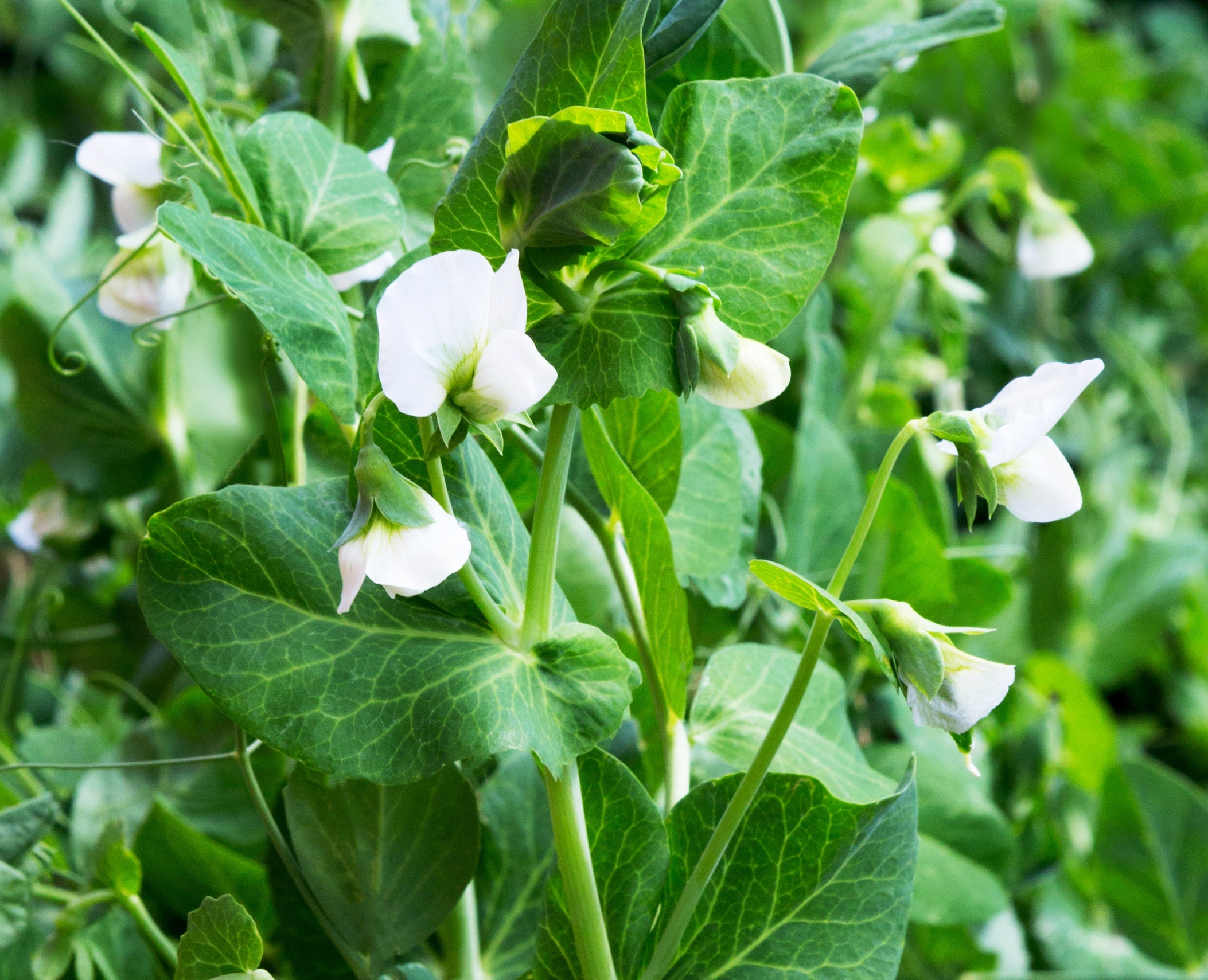
Sweet peas are popular annual flowers and are often planted in a cut flower garden.
As nitrogen-fixing plants, they can also be beneficial as companion plants in a kitchen garden.
These are cottage garden favourites, with a delightful visual appeal and scent.
Fortunately, if you want some in your own garden, they are very easy plants to grow from seed.
Sweet peas can be sown either in spring or autumn, and the process is very simple:
- Prepare seed trays, small pots, or soil blocks with a moist, peat-free seed-starting compost.
- Plant the seeds in trays or pots around 1cm deep.
- Place seeds in a sunny spot indoors, or in a greenhouse, polytunnel or cold frame.
- Harden off and plant out sweet peas into their final growing positions once all risk of frost has passed.
| Difficulty | Easy |
| Equipment Required | Seeds, seed tray or pots |
| When To Sow | March-May or October-November |
| When To Plant Out | April-June |
When To Sow
“The best piece of advice I have for sweet pea newbies is to make sure that they start sweet peas at the right time of year,” says Georgina, the owner of the specialist plant nursery, Sweet Pea Gardens.
“Sweet peas are hardy annuals, so they like to get started in cooler temperatures.
“Some people even start them in the autumn so that they can overwinter them in a cold frame or unheated greenhouse.”
As Georgina mentions, you can sow sweet pea seeds in spring or autumn.

If you sow in spring, the plants will be placed out the same year, but if you sow in autumn, you will need to have somewhere frost-free that they can overwinter before being placed out into the garden the following spring.
1) Prepare The Growing Area
“Trying to germinate seeds directly in the ground is too tempting for marauding birds and mice who just love to eat a fresh sweet pea seed,” explains Georgina.
Instead, sweet peas can be sown into a range of different containers.
“Even in my greenhouse on benches, mice love to eat my sweet pea seeds, leaving perfect seed-size holes where they gratefully extract them,” Master Horticulturist Colin Skelly adds.
“To get around this, I cover pots with fine metal mesh until they have germinated.”

You might choose to sow your seeds into seed trays before potting them up into their own containers.
You can start them in soil blocks, in toilet roll tubes or in other biodegradable pots, and you can plant up to 3 seeds in 9cm pots.
I like to start sweet peas in toilet roll tubes since these plants tend to do well if they are placed in long, thin containers so their roots grow deeply and narrowly.
Also, when you plant in toilet roll tubes, you do not need to prick them out but can simply let them grow and then plant them out into your garden as is.
I have also grown sweet peas in sowing trays with an amazing success rate:

2) Sow The Seeds
Some people suggest steps like nicking the seeds (avoiding the eye) or soaking and sprouting seeds prior to sowing.

However, I do not bother as I tend to get good germination rates with sweet peas without any additional steps, which one of our experts also agrees with.
“Modern seeds have soft shells so do not need to be soaked or chipped before sowing,” says Carole Tate from the National Sweet Pea Society.
I simply place the seeds around 1cm deep into the tubes, covering them with my growing medium and firming the soil gently into place.
3) Prick Out & Pot On
I keep my sweet peas on a sunny windowsill indoors until they germinate, then move the seedlings into my polytunnel.

Your next steps will, of course, depend on which containers you have chosen and where you have sown your seeds.

Prick out and pot on seedlings as required, Georgina says, but just make sure they are large enough to handle.
“Sweet peas are hungry and thirsty plants, so make sure that you add plenty of compost to the area where they are to be planted,” she explains.
“After, add some water to keep the soil moist but not drenched.”

4) Plant Out

Once the sweet peas get around 10cm tall, pinch out the growing tips to encourage the plants to bush out.

Harden off your plants to gradually acclimatise them to outdoor growing conditions, then place them into their final growing positions in your garden once all risk of frost has passed in your area.