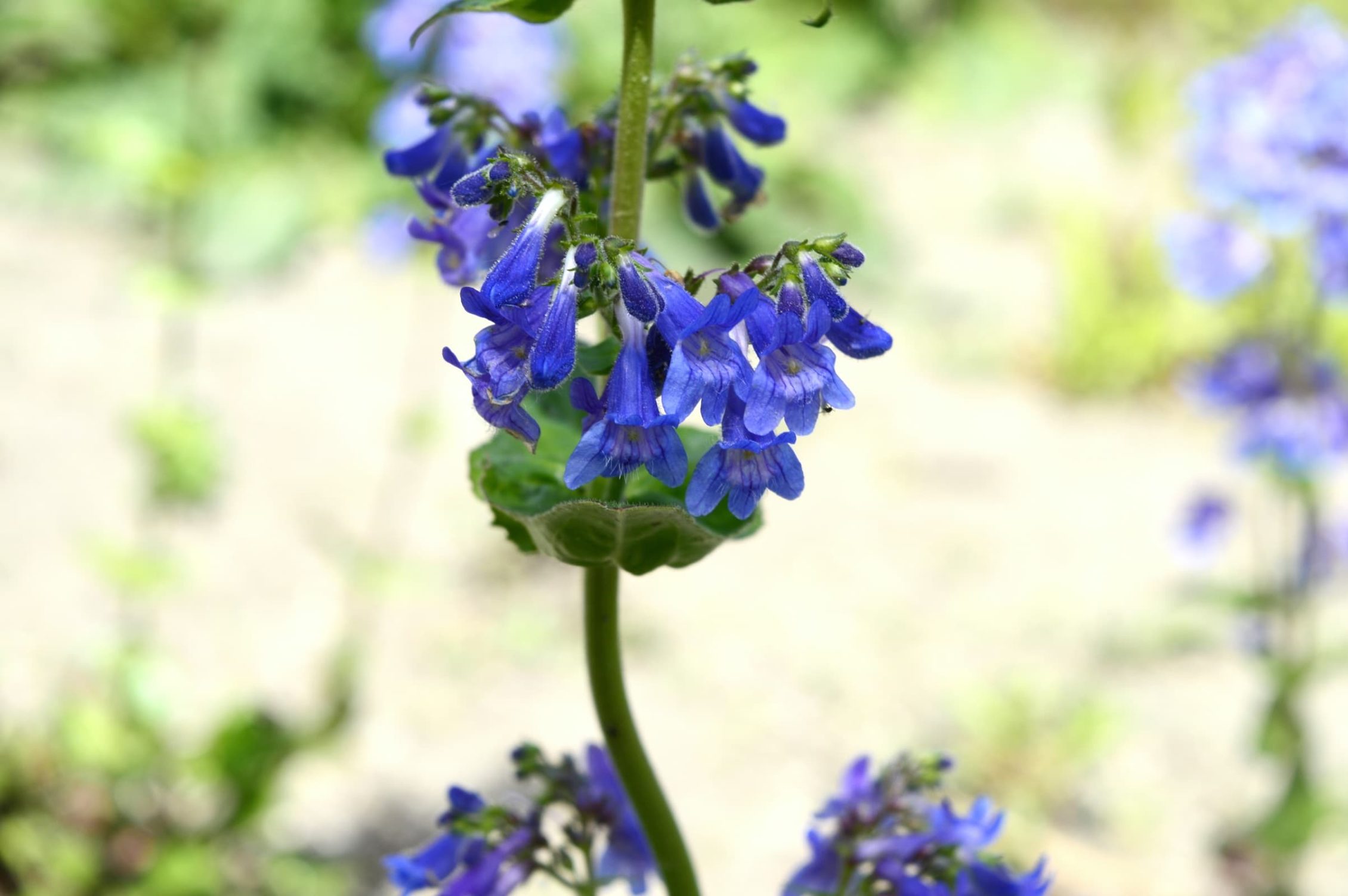
Penstemon are a popular perennial that will bring unique beauty to your garden and are fairly hardy, typically being able to cope in all but the harshest of UK gardens.
They come in many varieties and provide you with a way to add great colour and interest to your garden.
They’re perfect for planting in flowerbeds as well as containers and can cope very well with the harsh winter weather.
Penstemon might not be native to the UK, but you can very easily introduce them in your garden and expect them to last for many years.
“There are some tender forms of annual or biennial Penstemon, so it is always worth checking the hardiness of the species before buying,” says Master Horticulturist Dan Ori.
Overview
| Botanical Name | Penstemon |
| Plant Type | Perennial Flower |
| Native Area | North America |
| Hardiness Rating | H3/H4 |
| Foliage | Deciduous or evergreen with simple, narrow leaves |
| Flowers | Bell or funnel-shaped flowers in various shades |
| When To Sow | March, April, May |
| Flowering Months | June, July, August, September |
| When To Prune | September, October, November |
The term ‘Penstemon’ was first established in 1748 by scientist, John Mitchell.1
Up until the early 1800s, there were very few recognised species of penstemon, but this changed considerably as the century went on, with many expeditions across the States and Mexico unearthing new findings.

Today, according to Oxford University, there are some 280 species in the genus.2
Although penstemon plants are native to North America, they are now popular in many parts of the world thanks to their great variety of colours and hardiness.3
Habitat & Growing Conditions

Most species of the ‘Beardtongue’ family are native to North America.
Given the vast size of the continent, penstemon are acclimatised to survive in a variety of climates and adapt to their environment very well.
They can be found growing in very dry climates, such as the Utah desert, as well as more varied climates throughout the United States.
Common Varieties
Below are some of the most popular varieties of penstemon plants:
‘Husker Red’

Also known as ‘Foxglove beardtongue’, this variety is very popular with growers, due to its distinctive red foliage and the fact that it flowers well year after year.
‘Burgundy’

Burgundy is another popular variety of penstemon, and with its deep purple flowers, it makes an excellent cut plant.
If you’re growing this variety it’s a good idea to propagate it in late autumn, since it doesn’t always survive the winter.
‘Apple Blossom’

This quick-growing variety has white and pink flowers and is excellent for growing in flowerbeds as well as using as a cut flower.
‘Alice Hindley’

These blue and purple penstemon not only look great but are a very practical variety to grow in your garden, since they cope with the winter extremely well.
‘Evelyn’

Evelyn are a particularly appealing variety, due to their bright flowers and plentiful foliage.
Although they are compact, they can grow up to 50cm high.
How To Grow Penstemon
It’s usually not hard to find penstemon plants and seeds – whether buying online or from your local garden centre.
Penstemon is quite easy to propagate, whether you choose to do it by division, seed or cuttings.
Let’s look at propagating using cuttings first since this is generally the best method.
Using Cuttings
You can take cuttings from a plant at any time during the growing season, though the height of summer around June / July would usually be the best time.
To get started you should take some cuttings from stems that aren’t flowering and put them in a small seed tray that’s filled with good-quality compost.
Make sure you water them well after planting.
You should trim any cuttings you use until they’re roughly 4-5 inches long and be sure to trim any leaves at the top and sides to reduce water requirements and moisture loss.

Everything being well, the cuttings should take root and start growing.
Depending on how many cuttings you use and the size of your seed tray, you might want to move them into their own individual pots.
In any case, you should keep them away from the frost over the winter and plant them during the following spring.
Division
Lastly is propagating by division.
To do this you simply dig up a plant, divide it carefully and then pot the divided sections separately.
Again, spring would be the best time to do this.
Planting
Before planting, you should think about the best spot in your garden to grow these plants.
Although they’re able to withstand the cold very well, many types of penstemon are sun-loving, so it’s a good idea to plant them in a spot where they’ll get plenty of exposure to sunlight.

When planting, it’s a good idea to use some organic mulch as well as a fertiliser to ensure the plants take well.
The best time to plant penstemons would be in spring or early summer.
This will ensure they have plenty of time to get established before the cold weather starts to arrive in autumn and winter.
Plant Care
Growing your own penstemons isn’t too complicated, but it’s still worth knowing the best way to go about it if you want your plants to thrive.
Below are all the main aspects of growing penstemons in your garden.
Water Requirements
Generally, watering isn’t too much of a concern with penstemons, since they love the sun and can cope with dry conditions very well.
You should ensure that the soil you plant them in isn’t waterlogged and the only time you’ll really need to water them is during prolonged dry spells and after first planting.
Winter Care
Penstemons can generally cope with the cold and frost over the winter, but this isn’t the case 100% of the time.

Certain varieties are not able to cope as well as others, so to be safe you should add a layer of mulch in the autumn to help protect the roots from getting damaged.
Common Problems
There are a few ways to prevent common penstemon issues.
Leaf diseases are often spread when it’s cold and wet, so anything you can do to keep your plants dry during these times will help.
Using mulch, for example, will help to prevent rain from splashing up on your plants.
Another good tip is when you’re watering your plants, be sure to be careful not to get water on their leaves; you should also be sure to remove any dead foliage you find on the ground.

Proper spacing will help to ensure that your plants get enough air and circulation too.
Although penstemons are very hardy and generally resistant to diseases and pests, they can still develop certain problems.
Below are some of the most common ones, including how to deal with them.
Powdery Mildew
“It is very common to find a white dusty coating of Penstemon leaves, which is a fungal problem called powdery mildew,” says Dan.
“This mildew will rarely kill an established plant but does look unattractive and does impact plant health.
“You can apply fungicides, but for small outbreaks, I would advise increasing airflow but tidying around the plant removing some of the worst affected leaves.
“As a prevention of sorts, you can plant in a free-draining spot with good airflow, taking care to water the soil and not the leaves.’
Rust
Rust is a form of common fungal disease that can be spotted when see the formation of yellow spots on top of a plant’s leaves.
Rust often appears during humid weather and a good preventative measure to take is applying fungicidal soap in early spring.
In addition to this, you should also remove any infected leaves and if you notice any plants that are severely infected by rust, then you should remove them immediately since it can very easily spread.
Botrytis Leaf Mould
Another fungal disease – Botrytis leaf mould causes brown spots to appear on infected leaves.

An organic fungicide may be successful at treating infected plants, but if you notice any plants that are severely infected and look like they’re beyond saving, then you’re best removing them completely.
References
1. Don, M. (1999b, June 20). Tubular belles. The Guardian. Retrieved March 22, 2023, from https://www.theguardian.com/lifeandstyle/1999/jun/20/gardens
2. Harris, S. (n.d.-a). Penstemon species. Oxford University Plants. Retrieved March 22, 2023, from https://herbaria.plants.ox.ac.uk/bol/plants400/Profiles/op/Penstemon
3. Penstemon barbatus. (n.d.). Missouri Botanical Garden. Retrieved March 22, 2023, from https://www.missouribotanicalgarden.org/PlantFinder/PlantFinderDetails.aspx?taxonid=287041