Growing


Here's A Blend Of Native And Non-Native Shrubs Best Suited To Garden Borders
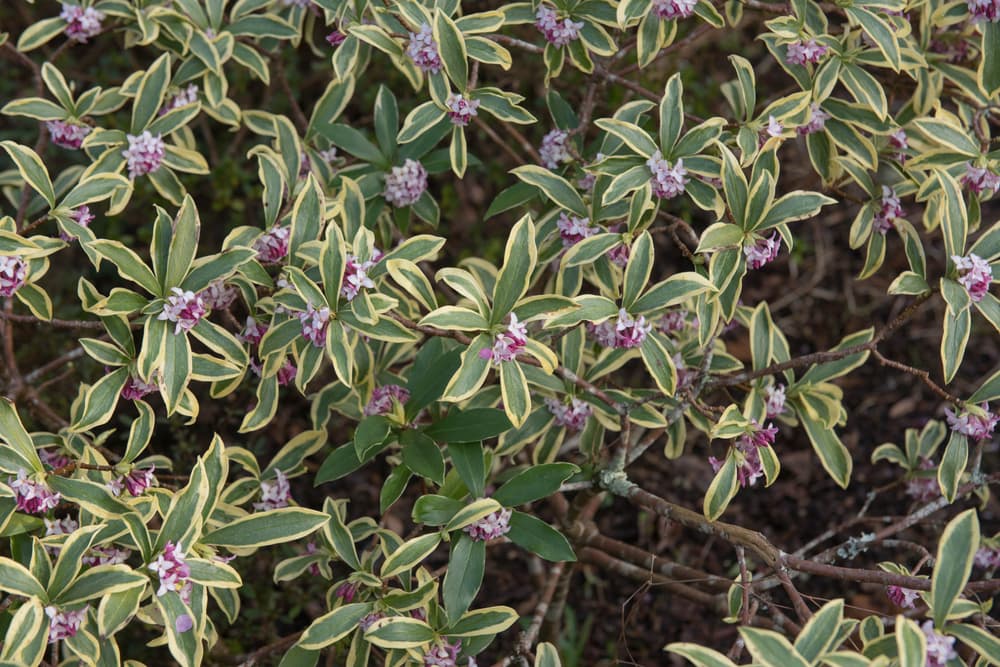
IN THIS GUIDE Shrubs For Spring Natives Non-Natives Shrubs For Summer Natives Non-Natives Shrubs For Autumn Shrubs For Winter Choosing Flowering Shrubs For Your Garden References There are so many beautiful flowering bushes for UK gardens that it can be difficult to know where to begin. In this article, we will explore some native options, before looking at some of the best non-native plants that look beautiful and will thrive in many different gardens. The reason why you might want to first consider native flowering bushes is that native plants will often be best suited to local growing conditions. They can also be a boon for native pollinators, and other native wildlife, which has long evolved alongside these species. However, non-native species can be good for pollinators too, and can thrive as long as the right plants are chosen for the right places. “In geological time, the UK is only just recovering from the last ice age,” says Horticultural Consultant Colin Skelly. “Its native flora is therefore quite small, restricted to those species that have spread there in the last 10,000 years or so. “Whilst some species of bugs are specialists and will favour native plants, many are generalists and will happily utilise non-native plants, many of which extend the resources typically available when restricted to native species alone. “A blend of native and non-native shrubs is, therefore, a good approach to take for supporting biodiversity in the garden.” Shrubs For Spring In the UK, there are a number of small trees and shrubs that can be grown as bushes as part of a hedge, or towards the back of a garden bed or border. These all flower in the spring, and can be very attractive, but the main reason to grow these is for their utility to native wildlife. All of the below except broom have edible uses, and broom is an attractive and useful nitrogen-fixing plant.1 Natives Blackthorn / Sloe Broom Elder Hawthorn Hazel Non-Natives Great non-native options to consider are numerous, but some which I personally favour are: Forsythia Prunus triloba Ribes sanguineum Skimmia japonica Weigela Shrubs For Summer Summer is, of course, a time of plentiful blooms – and shrubs can flower, either conspicuously and showily, or more quietly over this period. Aside from native roses, the flowers of native bushes at this time of year are, perhaps, not really show-stoppers – but these blooms can look pretty, and be of benefit to all the insect life in your garden. These native bushes can also provide ornamental value throughout other seasons of the year. Natives Buckthorns Dogwoods Viburnums Wild Privet If you are looking for more showy and extravagant blooms from your summer flowering bushes, then non-native options will be the way to go. There are of course a staggering number of summer flowering bushes to choose from. Non-Natives Some of my own favourite non-native summer flowering options are: Buddleja Ceanothus Deutzia Lavender Non-native roses Rosa rugosa Shrubs For Autumn Many of the native bushes, though they do not flower in autumn, look great in the autumn months. Many of the options listed above have beautiful (and sometimes edible) berries, nuts or fruits and many have attractive autumn foliage. That adds plenty of interest throughout the year. However, if you would like bushes that can flower well into autumn, non-native options to consider include: Abelia x grandiflora Ceratostigma willmottianum Clerodendrum trichotomum Fuchsias Hebe (e.g ‘Autumn Glory’) Shrubs For Winter Gorse is one native bush that will flower in the winter and into spring. (It is also a nitrogen fixer).2 Dogwoods are also great for winter interest with their colourful branches. Other winter flowering shrubs include: Chimonanthus praecox Mahonia japonica / Mahonia x media Stachyurus praecox / S. chinensis Viburnum (e.g. V. tinus or V. x bodnantense ‘Dawn’) Winter Flowering Jasmine Choosing Flowering Shrubs For Your Garden The list above is a highly selective one – there are many more shrubs to consider. But when choosing flowering bushes for your garden, it is important to pay attention to the conditions in your bed or border, and to choose plants accordingly. When choosing flowering bushes for garden borders, be sure to look at: The climate and microclimate in your garden, and whether shrubs you are considering are hardy enough to cope. Whether you need shrubs for full sun, partial or deeper shade. The soil type, conditions and pH in your garden, and whether this suits the bushes you are considering. Whether the site is sheltered or exposed. The space available, and how large the flowering bushes you are growing will become. It can also be a great idea to think about how flowering bushes in your garden can be useful as well as beautiful. Consider those with edible fruits, nuts or berries, for example – some bushes can also usefully be pruned or coppiced for their wood, and can generate biomass for composting and mulches in your garden. It can also be helpful to think about flowering bushes in terms of how they will look, and how they will fit in with the general and overall look and feel of your garden. Are you looking for flowering bushes to give a wild and natural look? Or do you prefer your garden to feel much more manicured and tamed? Some flowering bushes will best suit the former, while others are neater in form and better suited to the latter. You should think about how your choices for flowering bushes will fit in with the other flowers and plants you wish to grow, or are already growing. Think about the above and you should be able to find the perfect flowering bushes for your garden borders, no matter where you live, and no matter what exactly you are looking for. References 1. Wassilieff, M. (2007, September 24). Story: Forest succession and regeneration. The Encyclopedia of New Zealand. Retrieved March 15, 2023, from https://teara.govt.nz/en/photograph/11900/root-nodules-on-native-broom 2. Gorse Tales – Ranger’s Blog. (2022, February 4). Kyle and Lochalsh Community Trust. Retrieved March 15, 2023, from https://www.lochalsh.uk/gorse-tales/
Learn more
Create Your Own Herbaceous Border - Use Perennials For 'A Succession Of Flowering'
IN THIS GUIDE What Is A Herbaceous Border? Marking Out & Preparation 1) Don’t Restrict Yourself To The Very Edges Of The Garden 2) Use Natural Materials For Edging 3) Consider No Dig Methods 4) Place Your Plants By Height 5) Plant In Ribbons Choosing Plants For A Herbaceous Border Best Flowering Perennials For A Herbaceous Border Planting Your Perennial Border References Creating a stunning herbaceous border can be great for the wildlife in your garden, and great for you. Herbaceous borders are great for gardeners who want to create a beautiful and long-lasting garden design. These planting schemes are great for biodiversity – and for attracting plenty of beneficial creatures to share your space. “There are a huge number of perennials available to gardeners in the UK climate, from early spring to early winter,” shares Master Horticulturist Colin Skelly. “When planned to provide a succession of flowering and combined with bulbs, shrubs and trees, they can provide a huge amount of floral resources for pollinators and food and habitat for other garden life.” They can also be quite quick to establish, meaning that you might not have to wait as long to get a lush and established look in your garden. If you would like to learn how to create a stunning herbaceous border where you live, then read on for some tips and suggestions. What Is A Herbaceous Border? Borders like these are a haven for pollinators A herbaceous border is a garden growing area that features a range of herbaceous perennials (plants that live in your garden over a number of years, but which die back each winter). The concept of herbaceous borders evolved here in the UK during the 19th Century.1 The term is usually used synonymously with the ‘herb perennial border’, which is the more popular name for this type of planting in the US and elsewhere. Marking Out & Preparation “If you’ve not done it before, start with planning,” shares Jinny Blom, a Garden Designer. “Map out the seasons first, then I’d go for colour. You need to give yourself some simple rules. “I’d also recommend flicking through some books that show plants in their native habitat, which means that you can quickly understand how big they are and what they do.” 1) Don’t Restrict Yourself To The Very Edges Of The Garden “Firstly, make borders wide enough,” shares award-winning Horticulturist Andy McIndoe. “1m wide is an absolute minimum, 2m is much better and 3m wide is ideal. This always seems excessive until plants start to grow. “You may think bigger borders mean more gardening work, but in fact, it’s quite the opposite. Give the plants the space and you will not spend your time cutting them back to keep them in the space.” Consider bringing the plants out of the edges, curving borders out into the centre of the space, or using herbaceous borders as divisions between garden rooms. Use curving and sinuous forms for a more naturalistic look. 2) Use Natural Materials For Edging If creating bed edging for your new border, consider natural or reclaimed materials. Or – consider simply edging the border with living ground cover plants. Mark out the edge of your new border with flour, string and stakes, or with a garden hose to create the edge of a more sinuous shape. “Try and keep the edges of your border neat,” says Laura from The 3 Growbags. “It’s ridiculous what folk will forgive if the border edges are sharp and look well-cared for.” 3) Consider No Dig Methods Consider using no dig methods – when creating a border on lawn, cover the grass with cardboard then layer up mulches before topping with a layer of well-rotted compost/ manure. You will dig planting holes to accommodate each plant but most of the soil will remain undisturbed. You can then add an organic mulch around your plants once you have placed them, and replenish this in spring each year. If you are already working with bare soil, make sure this is weed-free, then top dress with plenty of compost and/or other organic material. 4) Place Your Plants By Height For a very formal and regimented design, place taller perennials at the back of the border, mid-height plants at the centre, and low-growing or ground cover plants at the front. However, you can also mix things up a little and place wispy, tall plants close to the front of the border, so you look through these to the plants behind. Placing taller plants towards the front of the border can help break up the lower, mounded forms and make it look for organic, free-flowing and natural. “I think what often gets forgotten is playing around with height to create a three-dimensional space,” shares Garden Designer Juliet Sargeant. “There’s often a little strip of bare earth left at the front of a border, so pay attention to the front and make sure you put a few low-growing plants that spill over into the front of the path there. “Place tall plants at the back to make people’s eyes sweep up over the whole border. “It’s also really nice to break that up with translucent plants that have some ethereal movement to them so that you look through them. “Think about where people will actually be looking; plant to encourage people to look actively at the planting.” 5) Plant In Ribbons Plant in ribbons, or drifts of plants, and avoid placing too many individual flower types, which can make the overall border look a bit messy and overly fussy. Be sure to mix textures and forms to create a look which leads the eye and flows in a natural way. Avoid creating straight lines and solid blocks of colour on foliage, as these can be jarring and spoil the overall effect. “Nothing will ever be perfect in a garden and nor should it be,” says Laura. “It’s the striving for perfection that feeds the soul.” Choosing Plants For A Herbaceous Border Think about the environmental conditions. Be sure to choose plants suited to the climate and microclimate where you live. Think about whether the border is sunny or shaded, sheltered or exposed, and choose plants accordingly. Choose a selection of plants which provide blooms and visual appeal over as much of the year as possible. Try to make sure that each time one plant in the border finishes blooming, there are at least a couple more ready to take over. Consider native perennials, which can be particularly well suited to local growing conditions, and which can be particularly beneficial for local wildlife. Don’t overlook the potential of edible perennials, perennial herbs and other useful perennial plants as well as flowering ornamentals. A herbaceous border can be useful as well as beautiful. Remember that you can always ‘break the rules’ a little, and keep your border looking fantastic all year round by including grasses for autumn/ winter interest – and perhaps also some flowering shrubs towards the back of your perennial border. Consider whether the plants you are selecting will fit in with the overall look and feel of your garden. Will they be suited to the style of garden (contemporary, rustic, natural, wildlife-friendly etc.) that you want to create? Consider whether you will have a colour scheme for your garden. While there are no rules, and if you want a cacophony of colour you can certainly have one, it can often be best to choose a few hues and create a scheme centred around those colours. For example, you might create a silver and blue border, a green and white border, or a border with reds, purples and pinks or a sunny border with yellows and oranges, for example. “For the planting, think foliage first and flows second,” says Andy. “You need enough structure and you must plant for continuity. “This can be the problem with taking inspiration from show gardens. Remember that they are only there for a week, whilst your garden will be staring back at you year after year!” Best Flowering Perennials For A Herbaceous Border A beautiful herbaceous border To give an example of how to create a stunning herbaceous border, let’s take a look at some suggestions for a sunny herbaceous border, with year-round flowers in shades of purple, purplish pinks and blue. Here are some beautiful options to consider: Agastache Asters Bergenia cordifolia Campanula Centaurea montana Ceratostigma plumbaginoides Chives / Alliums Comfrey Delphiniums Echinops ritro Eryngium Geraniums Heuchera Hosta Limonium platyphylum Lupins Penstemon Perennial Brassicas Salvias Scabiosa Sedums Stachys byzantina Verbena bonariensis Veronica Violas Many of the options listed above will also work well alongside certain ornamental grasses, or alongside small shrubby plants like – most obviously, lavender, thymes and other perennial herbs, and perhaps some heathers too. Herbaceous border with sea holly, lavender, poppies, salvia, achillea and more! Fortunately, there are choices of plants in many different shades that will work very well in many UK gardens. The plants listed above are just a few examples for one particular scheme. Learning more about different plants that will grow well where you live, and the details of their blooming and care, will help you make the right choices for your own specific border. Make the right plant choices and your herbaceous perennial border can be in bloom from May or even earlier right through to September and beyond. Planting Your Perennial Border Once you have chosen which plants to include in your border, and once the border preparation has been done, it is a good idea to lay out the plants in their pots into the growing area, so you can play around with them and decide what to place where before you actually commit. March and September are the ideal times for planting out perennials. But you can plant them out at any time throughout the year, as long as the ground is not frozen, or waterlogged. It is also best to avoid times of extreme heat and dry conditions, as this can also make it more difficult for plants to become established successfully. See The Bigger Picture Once you have placed all your plants in their pots, be sure to stand back a little so you can take in the overall effect. It can be difficult to see the bigger picture when focussing closely on a few grouped plants. If you’re certain that you are happy with the overall look and balance of the border, then you can begin to plant all your plants. Bury each one to the same depth that it was in its pot. Then water your plants in well, and lay your organic mulch around your plants, making sure that you do not pile it up around the stems or crowns, as this can cause them to rot. Make sure that you continue to water well and regularly until the planting has become more established. References 1. The curious history of herbaceous borders. (1997, June 26). The Economist. Retrieved March 17, 2023, from https://www.economist.com/moreover/1997/06/26/the-curious-history-of-herbaceous-borders
Learn more
Cultivate Easy Access To Culinary Herbs With These 15 Choices For Indoor Growing
IN THIS GUIDE Starting An Indoor Herb Garden 1) Basil 2) Bay 3) Catnip 4) Chervil 5) Chives 6) Coriander 7) Dill 8) Lemon Balm 9) Lemon Grass 10) Mint 11) Oregano / Marjoram 12) Parsley 13) Rosemary 14) Sage 15) Thyme Growing herbs indoors is a great way to make sure you have easy access to culinary herbs in your kitchen. If you are a keen cook, then you will no doubt be well aware of what a big difference fresh herbs can make to your dishes. Buying the herbs you need can be expensive, but growing your own herbs at home is very affordable. It will help you eat better, at a fraction of the cost. Of course, many common culinary herbs can find a place in your garden – but if you don’t have one, you can still grow your own herbs at home. “There are a few differences between life indoors and outdoors for these plants, which means there are a couple of things to keep an eye on,” warns Master Horticulturist Peter Lickorish. “Firstly, signs of a lack of light will include whitening or yellowing of foliage, which may be smaller. “Growth may become lop-sided; in which case, turning the container every few days is important. The good news is that besides some of the woodier herbs on this list, such as rosemary and sage which may pose more of a challenge, many can be successfully cut hard back and moved to a brighter position.” Starting An Indoor Herb Garden Coriander, Rosemary, Thyme and Mint Even if you do have a garden, having a small herb garden in or close to your kitchen can mean that they are always close at hand when you need them. If you would like to grow your own herbs indoors at home, it is important to understand that not all herbs are suited to indoor growing. Some prefer brighter light and outdoors conditions. But the fifteen herbs on the list below can all be grown successfully indoors – as long as you provide the right conditions and care for them correctly. Read on to learn about some great culinary herbs you could grow indoors, and to get a few tips on how to keep them alive: 1) Basil BOTANICAL NAME: Ocimum basilicum IDEAL POSITION: SOUTH-FACING WINDOWSILL SUNLIGHT: DIRECT SUNLIGHT SOIL: MOIST BUT WELL-DRAINED Basil is a little fussier than some of the other herbs on this list. It prefers more sunlight than an indoors location can often provide, so if possible, it is often best to grow it outdoors. But here in the UK, growing basil outdoors can sometimes be a bit hit and miss too – especially with unpredictable weather conditions over the summer months. And on a bright and sunny windowsill indoors, you can still get good results when growing this annual herb. Make sure you place basil in a spot that gets at least six hours of sunlight per day – a south-facing windowsill is ideal. Use a container with good drainage, and make sure the potting medium remains moist but not sodden. Feed with an organic liquid feed like seaweed feed or compost tea over the summer for optimal growth. 2) Bay BOTANICAL NAME: Laurus nobilis IDEAL POSITION: HOUSEPLANT SUNLIGHT: INDIRECT SUNLIGHT SOIL: MOIST; DRY OUT BETWEEN WATERING Bay is a bit of an outlier on this list. Unlike the other herbs mentioned, bay is actually a tree. While it will not work in a small container on a narrow windowsill, however, it is an interesting option to consider growing indoors. Potted bay can work very well as a decorative houseplant in your home, as well as providing leaves for culinary use. Place bay in a free-draining yet moisture retentive medium, in a free-draining container large enough to accommodate the root system of the plant with an inch or two space around each side. Bay will do well near, but not too close to, a south or west-facing window – keep temperatures between around 15-24°C for optimal growth. Mist the tree to maintain humidity levels, or keep it close to a humid area such as a sunny bathroom or a kitchen sink. Water regularly in summer to keep the soil moist, but not wet. But let the top inch of the growing medium dry out between waterings in winter. 3) Catnip BOTANICAL NAME: Nepeta cataria IDEAL POSITION: SOUTH-FACING WINDOWSILL SUNLIGHT: DIRECT SUNLIGHT SOIL: WELL-DRAINED Catnip, like basil, will grow better outdoors, but it can thrive indoors too as long as it gets at least six hours of sunlight each day. If you have a cat, your biggest challenge is likely to be keeping the plant free from the ‘attentions’ of your feline friend. Otherwise, sunlight can be the biggest issue. Place it on a sunny windowsill and it can thrive. It needs well-drained conditions, and should not be overwatered as this can cause root rot. Indoors, catnip will not grow as vigorously as it would outdoors, but it can still provide leaves for cat entertainment, or for culinary use. It is a perennial herb, so will live more than one year, but will need to be potted on to avoid issues over time. 4) Chervil BOTANICAL NAME: Anthriscus cerefolium IDEAL POSITION: ANY ROOM WITH INDIRECT SUNLIGHT SUNLIGHT: LIGHT SHADE SOIL: CONSISTENTLY MOIST BUT WELL-DRAINED Chervil is an annual herb that can thrive when grown indoors. It can often, in fact, grow better inside than out, since it can have a tendency to bolt in hot and sunny conditions. It prefers light shade and cooler temperatures. Trimming regularly for use in the kitchen can keep container-grown plants healthy and bushy and reduce bolting. Again, the growing medium should be kept consistently moist, but should be relatively free-draining for best results. Chervil can work well in a container alongside other herbs in the ‘fine herbes’ mix, chives and parsley, which like similar conditions. 5) Chives BOTANICAL NAME: Allium schoenoprasum IDEAL POSITION: SOUTH-FACING WINDOWSILL SUNLIGHT: DIRECT SUNLIGHT SOIL: KEEP WELL-DRAINED; MIST REGULARLY Chives can thrive on a sunny, south-facing windowsill, and will do best when provided with between 6 and 8 hours of sunshine per day when grown indoors. They like rather humid conditions, and can do well when grown in a pot grouped with other potted herbs, or in a mixed container alongside some of the other herbs on this list. Misting can also help where humidity is low. Feed occasionally with a dilute compost tea or other weak organic feed. Chives can be great to add to a windowsill herb garden because their scent can deter some common pests to a degree. Harvesting these herbs young as microgreens is another option which can be easier indoors. 6) Coriander BOTANICAL NAME: Coriandrum sativum IDEAL POSITION: ANY WINDOWSILL SUNLIGHT: DIRECT SUNLIGHT / PART SHADE SOIL: DRY OUT BETWEEN WATERINGS Coriander can have a tendency to become leggy and spindly when grown without enough light. But place it on a sunny windowsill with at least 4-5 hours of sun per day and it should do fine indoors. Pinch the growing tips off for a bushier plant. It might not be as vigorous or productive as an outdoor grown specimen, but it should provide all the leaf coriander you need. Water coriander well, but allow the top of the growing medium to become dry to the touch between waterings. Make sure the container you choose allows free drainage. Feed with a balanced organic liquid feed weekly or fortnightly during the main growing season. 7) Dill BOTANICAL NAME: Anethum graveolens IDEAL POSITION: ANY WINDOWSILL SUNLIGHT: DIRECT SUNLIGHT SOIL: DEEP; WELL-DRAINED Dill needs special consideration when you grow it indoors. It forms a taproot and will need to have a container at least 12 inches deep, and at least 6-8 inches in diameter. Remember it is a taller plant, and may do better indoors with some support. Like other herbs on this list, dill needs a location with at least 6 hours of sunlight each day. Again, as with coriander, pinch off the tops to encourage bushier growth. If you do not have space to grow dill into larger potted plants, consider growing it for micro-greens, and harvesting these when they are just a couple of weeks old. 8) Lemon Balm BOTANICAL NAME: Melissa officinalis IDEAL POSITION: ANY WINDOWSILL SUNLIGHT: DIRECT SUNLIGHT / PART SHADE SOIL: FERTILE; FREE-DRAINING Lemon balm smells and tastes great, and is another good choice for growing indoors. Lemon balm will require at least 5 hours of sunlight per day, a reasonably fertile medium, and a pot which allows for moderately free-draining conditions. The larger the container, the larger your plant will grow. Water regularly, but do not saturate the medium. Use an organic liquid feed every couple of weeks over the summer months. 9) Lemon Grass BOTANICAL NAME: Cymbopogon citratus IDEAL POSITION: SOUTH-FACING WINDOWSILL SUNLIGHT: DIRECT SUNLIGHT SOIL: MOIST BUT WELL-DRAINED Lemon grass is not a plant that will typically thrive outside in most of the UK, but you can grow it on a sunny windowsill inside your home. If weather conditions allow, you could place lemon grass outdoors over the summer, but you can also grow it indoors year-round in a sunny spot. You can place stalks bought from the shops into small pots to allow them to take root in spring or summer. Water thoroughly and regularly, but allow for good drainage. 10) Mint BOTANICAL NAME: MENTHA IDEAL POSITION: ANY SUNLIGHT: ANY SOIL: EVENLY MOIST Mint is one of the very easiest herbs to grow, whether you grow it indoors or outside in your garden. Mint can do well even with a bit less light than other options on this list. An east-facing window, for example, can be ideal in spring/summer. As a perennial, mint is a plant you can continue to enjoy over a number of years. Try to keep the soil evenly moist, not dried out or overly moist. Mint likes humid conditions so if humidity is low, misting can help keep your plant healthy. 11) Oregano / Marjoram BOTANICAL NAME: Origanum vulgare IDEAL POSITION: ANY WINDOWSILL SUNLIGHT: DIRECT SUNLIGHT SOIL: AERATED & FREE-DRAINING The related perennial herbs oregano and marjoram will both also be excellent choices for an indoor herb garden. A bright windowsill with morning sun is often ideal for growing these Mediterranean herbs. Choose a container and growing medium which provide light, aerated, free-draining conditions. Water on a regular schedule, but not excessively, especially during the cooler months when damp and waterlogging can become a problem. 12) Parsley BOTANICAL NAME: Petroselinum crispum IDEAL POSITION: SOUTH-FACING WINDOWSILL SUNLIGHT: DIRECT SUNLIGHT SOIL: MOIST BUT WELL-DRAINED Parsley is a biennial plant that also thrives in an indoor herb garden. Parsley will grow best on a south-facing windowsill with at least 6 hours of sun each day. In a kitchen, humidity will often be high enough already – but if you grow it in a different room, with lower humidity, misting may help keep your parsley happy. Keep the soil consistently moist, but avoid letting the plant sit with its roots in water, as soggy conditions may cause problems for your parsley plant. 13) Rosemary BOTANICAL NAME: Salvia rosmarinus IDEAL POSITION: SOUTH-FACING WINDOWSILL SUNLIGHT: MAXIMISE SUNLIGHT SOIL: DEEP; FREE-DRAINING Rosemary has a reputation for being a somewhat more challenging plant to grow indoors. But if you bear a few things in mind, it is actually a relatively easy and trouble-free herb to try. The first thing is to make sure you use a deep enough container, filled with a free-draining growing medium. Place this in as sunny a spot as possible. Rosemary prefers to take moisture from the air, rather than through its roots, and will not tolerate waterlogged conditions. Mist foliage around once a week to provide the right humidity, and place a container with pebbles in it, filled with water, beneath the plant. Water only when the medium dries out. 14) Sage BOTANICAL NAME: Salvia officinalis IDEAL POSITION: SOUTH-FACING WINDOWSILL SUNLIGHT: DIRECT SUNLIGHT SOIL: DRY OUT BETWEEN WATERINGS Sage, like so many other herbs on this list, needs at least 6 hours of sunlight each day. When grown in the right location, it should thrive when grown indoors. Group sage with other herbs in pots to raise humidity levels, and mist when humidity is low. Water consistently, but let the top inch or so of the growing medium dry out before you water again. For this and other herbs that like good drainage, clay pots are ideal. 15) Thyme BOTANICAL NAME: THYMUS VULGARIS IDEAL POSITION: SOUTH-OR-WEST FACING WINDOWSILL SUNLIGHT: DIRECT SUNLIGHT SOIL: FREE-DRAINING; CONSISTENT WATERING A south or west-facing windowsill will be ideal for growing thyme. It can also grow well alongside other Mediterranean herbs on this list which like free-draining growing conditions. There are a range of different thymes to choose from. Water consistently, when soil is dry, but take care not to overwater. If growth is poor, feed every couple of weeks over the summer with a light organic liquid feed.
Learn more
What Research Studies Tell Us Are The Best Plants To Repel Unwanted Insects
IN THIS GUIDE Insect Repellent Studies 1) Lemon Balm 2) Lemongrass 3) Lavender 4) Rosemary 5) Bee Balm 6) Bay Leaves 7) Garlic 8) Mugwort 9) Alliums 10) Marigolds 11) Nasturtiums 12) Lemon Scented Eucalyptus 13) Catmint 14) Peppermint 15) Petunia 16) Geranium 17) Pitcher Plant Good riddance, we hope References As gardeners, our relationship with insects can be complicated. On the one hand, bees and butterflies are a beautiful and life-giving presence in our green oases. On the other hand, though, are slugs, snails, mosquitoes, aphids, and various other pests waiting enthusiastically on the sidelines, ready to wreak havoc at a moment’s notice. If you’re at your wits end with slimy critters munching on your plants, aphids sucking the sap from your leaves, and mozzies sucking the sap from you every time you dare try to relax in your garden, then this guide is for you. Insect Repellent Studies There have actually been a number of notable studies into which plants are most effective at deterring insects. These include: Malaria Journal1 American Botanical Council2 Across these studies there is some consensus as to the plants that are most effective at repelling pesky insects such as mosquitos and flies – and we’ve rounded these up below. (If you want to attract more bees, butterflies, and other pollinators, check out our post on the best plants to attract bees). 1) Lemon Balm This bushy herb smells like – you guessed it – lemon. And as you may know, citrus smell – more specifically the chemical compound citronellal – is a deterrent for mosquitoes (that’s why lots of gardening shops sell citronella candles!).3 2) Lemongrass Here’s another plant high in citronellal, which mosquitoes simply will not abide. Also being near lemongrass should protect you somewhat from the mosquitoes’ probing proboscis. See this guide for more plants that mosquitos specifically dislike! 3) Lavender This popular purple plant has the combined benefits of deterring mosquitoes while attracting bees. On top of that, it’s attractive to look at and wonderful to smell – whenever I pass my lavender plants I rub a couple of sprigs and dab the scent onto my forehead for a little burst of relaxation. 4) Rosemary This familiar herb has supposed repellent properties, whether you’re sitting in close proximity or rubbing the oil onto your skin. With the latter, it may be a little strange dabbing a scent onto your skin that’s more readily associated with a leg of lamb, but worry not. The absence of mosquitoes is a worthy swap. If you grow rosemary as part of a herb garden, you’ll be interested to know that other herbs like mint, oregano, and basil also have reported anti-mosquito effects. So if you’d rather smell like a mojito, a plate of pasta, or some really nice pesto, you’re in luck. 5) Bee Balm These distinctive, neon-pink flowers are another plant renowned for their ability to drive away pests, while inviting in desirable garden visitors like bees (hence the name) and butterflies. Bee balm also goes by the name of bergamot, and if you’ve ever used that really fancy hand soap they sometimes have in posh restaurants, you’ll know just how good it can smell. This means that growing the plant for its own merit is an inviting prospect, and the resulting absence of mosquitoes can be considered an added bonus. 6) Bay Leaves Do you like curry? If so, you’ve probably had the unpleasant experience of biting into a bay leaf that’s not been removed before serving. The flavour is great when worked through a sauce, but not so great when you bite down onto the papery texture bursting with full pungency. This pungency, though, is the exact property that’s of interest in discouraging flies from spending any more time with you. Simply scatter a handful of leaves (fresh or dried!) onto a nearby surface and, fingers crossed, you should be left in peace. 7) Garlic Handy in the kitchen and a worthwhile deterrent – this easy-to-grow plant is well worth growing for its plethora of applications. Use it as a companion plant to protect any garden growth that is attracting unwanted insect attention! 8) Mugwort While this plant may sound like something straight out of a witch’s pantry, its scent is a renowned repellent for moths, mosquitoes, and various other flying critters. It’s thought to be so effective, in fact, that some cultures gather dried sections of mugwort and burn them in clumps. The resulting smoke is apparently quite good at getting rid of any nearby insects. 9) Alliums Sometimes you can grow two plants near each other, one of which is famously attractive to humans and the other of which has a natural ability to repel common pests of the first. Alliums and roses are a fine example of such a partnership: grow some alliums near to your prize roses, and their natural scent (which humans can’t detect) will deter aphids, one of the most persistent threats to a healthy rose crop. 10) Marigolds These gorgeous yellow-orange flowers are a common choice for gardeners, and are also naturally repellent to aphids, mosquitoes, and various other bugs. Our favourite plants are those that are a pleasure to behold while also performing some useful function in the garden, and marigolds definitely tick both boxes. 11) Nasturtiums Another plant that falls neatly into the combined bucket of being attractive and useful is the humble nasturtium. A treat to behold, and a guaranteed conversation starter thanks to their peppery taste and suitability for human consumption, these flowers also possess the natural ability to drive away pests – triple whammy! Nasturtiums are able to deter flies, whiteflies, beetles, and many others. They can also be used as a sacrificial plant to lure aphids away from crops. They’re a great choice for protecting nearby plants from unwanted visitations and will make a fine addition to your garden. 12) Lemon Scented Eucalyptus 13) Catmint “Catmint is loved by cats and hated by mosquitoes,” shares Master Horticulturist Peter Lickorish. “The two things may be connected, as scientists have shown that cats are drawn into the euphoria created by the fragrance of the very nepetalactol that helps defend them from mosquito bites.”4 14) Peppermint 15) Petunia 16) Geranium 17) Pitcher Plant “The pitcher plant feeds off flies as its roots cannot access the nutrients it needs in waterlogged soils,” says Peter. “There’s always more to plants’ relationships with insects than we first think.” Good riddance, we hope There you go: eighteen plants that should reduce the number of bugs bothering you and your gardening endeavours, and that have the added benefit of being attractive and useful additions to your garden. Whether you go for the herbs whose aromatic properties will be a boon to your culinary exploits, or the pretty flowers like marigolds and alliums that will make a stunning contribution to flowerbeds and plant displays, you’ve got plenty of options to work with. And remember to check out the Plants for Pollinators scheme if you want to attract more of the bees, butterflies, and other pollinators that make a positive contribution to your garden.5 You can also read about the benefits of wildflower corridors in protecting vulnerable insect populations from harm or even extinction: a great way to remind yourself that not all insects are bad, and that some actively need our help to thrive!6 References 1. Maia, M. F., & Moore, S. J. (2011). Plant-based insect repellents: a review of their efficacy, development and testing. Malaria Journal, 10(S1). https://doi.org/10.1186/1475-2875-10-s1-s11 2. Smith, T. (n.d.). Plant-Based Insect Repellents Provide an Alternative to Synthetic Formulas. American Botanical Council. Retrieved March 22, 2023, from https://www.herbalgram.org/resources/herbalgram/issues/98/table-of-contents/hg98feat-insectrepellents/ 3. Du, E. J., Ahn, T. H., Choi, M. G., Kwon, I., Kim, H., Kwon, J. Y., & Kang, K. (2015). The Mosquito Repellent Citronellal Directly Potentiates Drosophila TRPA1, Facilitating Feeding Suppression. Molecules and Cells, 38(10), 911–917. https://doi.org/10.14348/molcells.2015.0215 4. Uenoyama, R., Miyazaki, T., Hurst, J. L., Beynon, R. J., Adachi, M., Murooka, T., Onoda, I., Miyazawa, Y., Katayama, R., Yamashita, T., Kaneko, S., Nishikawa, T., & Miyazaki, M. (2021, January 22). The characteristic response of domestic cats to plant iridoids allows them to gain chemical defense against mosquitoes. Science Advances. Retrieved August 7, 2023, from https://doi.org/10.1126/sciadv.abd9135 5. Plants for Pollinators advice and downloadable lists. (n.d.). Royal Horticultural Society. Retrieved March 22, 2023, from https://www.rhs.org.uk/science/conservation-biodiversity/wildlife/plants-for-pollinators 6. Benjamin, A. (2020, July 12). Making a beeline: wildflower paths across UK could save species. The Guardian. Retrieved March 22, 2023, from https://www.theguardian.com/environment/2020/jul/12/making-a-beeline-wildflower-paths-across-uk-could-save-species
Learn more
These Herbs Don't Need Loads Of Sun! 16 Choices That Grow Well In Shade
IN THIS GUIDE 1) Parsley 2) Coriander 3) Chives 4) Golden Oregano 5) Mint 6) Angelica 7) Miner’s Lettuce 8) Chervil 9) Lemon Balm 10) Bay 11) Tarragon 12) Hops 13) Sweet Cicely 14) Dill 15) Sorrel 16) Lovage Herb is the word Herbs are great. For some of us, they’re the gateway into gardening proper: an opportunity to grow a few plants that are fairly easy and have practical uses that make them feel worthwhile. For others, they’re an integral part of any home garden. Whatever your relationship with or experience of growing herbs, though, knowing which ones will grow well in the shade is a useful bit of knowledge to have on standby. Some plants prefer shade to sun. And you know what? That’s OK. Plants that prefer shade are ideal for those of us with limited space to grow things. If you’ve got a small garden surrounded by structures, for example – or if your only outdoor space is a balcony facing in a direction that doesn’t give it much sunlight. In these situations, choosing plants that do best in the shade is a way to satisfy your gardening urge without needing to relocate. So, with that in mind, here are sixteen herbs that will grow well in the shade: 1) Parsley BOTANICAL NAME: Petroselinum crispum HARDINESS RATING: H6 PLANT TYPE: BIENNIAL GROWN AS AN ANNUAL Perhaps most famous in bygone decades as a classy garnish for pretty much any fish dish, parsley is enjoying something of a renaissance now. This humble green herb goes well in pesto, chimichurri, and various other exciting sauces and accompaniments. Parsley will grow well in the shade and will do even better with a fortnightly dose of a balanced fertiliser. You can sow parsley from March through to June, plant out from May through to July, and harvest from June onwards. Sowing staggered batches will ensure a longer growing season, allowing you to enjoy more parsley fresh from the plant. 2) Coriander BOTANICAL NAME: Coriandrum sativum HARDINESS RATING: H5 PLANT TYPE: ANNUAL If you’re one of the lucky people who don’t carry the gene that makes coriander taste like soap, then growing your own is practically obligatory. Whether you pop a sprig on top of a nice plate of curry, make a flavour-rich coriander sauce, or anything else, this herb is of almost inexhaustible use in your kitchen. This herb will do well in the shade, and likes damp soil (too dry, and the plant may bolt). You can sow coriander from June through September, and harvest from July onwards. Again, staggered sowing will give you a staggered crop. 3) Chives BOTANICAL NAME: Allium schoenoprasum HARDINESS RATING: H6 PLANT TYPE: PERENNIAL These long thin herbs have a fantastic flavour, making them a fine addition to an array of recipes. Wherever you want a flavour reminiscent of onion but without quite as much punch, a sprinkling of chives will do the trick. And what’s more, their flowers are highly appealing to bees, bringing a little extra wildlife to your garden. Chives grow well in containers and in the ground, and will be quite happy without much direct sunlight. Sow in March or April, plant out the following month, then expect to harvest from July to September. And keep in mind that you can still eat chives if they’ve flowered! 4) Golden Oregano BOTANICAL NAME: Origanum vulgare ‘Aureum’ HARDINESS RATING: H6 PLANT TYPE: PERENNIAL There are several types of oregano, some of which sport yellow leaves that are prone to being scorched by the hot midday sun. This makes them particularly well suited to being grown in the shade. Oregano has got to be one of our favourite herbs, if only for the distinctive flavour and the incomparable contributions it makes to Italian and Mediterranean cooking. If you like these flavours – sundried tomatoes, garlic, onion, olives, and so on – then a homegrown supply of oregano will revolutionise your kitchen. Sow oregano between February and March, staggering batches if you want to extend the harvesting season (May through October). Plant out your sown seeds between April and July. This herb likes regular watering, but be careful not to let the soil stay too damp, as this will damage the roots. 5) Mint BOTANICAL NAME: Mentha HARDINESS RATING: H5-H7 PLANT TYPE: PERENNIAL Whether you’re growing mint for the sole purposes of more authentic mojitos, or you have less luxurious plans for the herb, we recommend having a supply on standby. The gentle flavour provided by a mint plant is so much better fresh, and you’ll be surprised at how many uses it has. An accompaniment for meats, for example, whether as a garnish or sauce. Or an exotic variation on tea (mint, sugar, hot water, and you’re good to go). If you’re growing mint in the ground, the received wisdom is to bury it in pots rather than plant directly. This keeps the adventurous root system in check, reducing the risk of the plant monopolising all available space. Plant your mint in March through May, and harvest from May through October. 6) Angelica Such dainty bushels you’ve got BOTANICAL NAME: Angelica archangelica HARDINESS RATING: H6 PLANT TYPE: PERENNIAL Here we move onto the herbs which, for most of us at least, may be a little less familiar. It’s unlikely you’ll find angelica amongst the living herb plants in your local supermarket, for example. For us, this is the benchmark of whether or not a herb has made it into the mainstream. Angelica is worth getting acquainted with, though. Beneath this plant’s striking bushels are stems that can be candied, stewed, and more. Angelica is famously useful in baking, too, and its seeds can be put to great use in delivering its distinctive flavour. Sow this herb in autumn or late spring, directly into the soil. Then harvest in the spring or as and when required. 7) Miner’s Lettuce BOTANICAL NAME: Claytonia perfoliata HARDINESS RATING: H4 PLANT TYPE: ANNUAL Here we have another herb still waiting on the C-List while its friends climb the ladder and mingle with the A-Listers. But lack of fame doesn’t mean this herb doesn’t have something to offer. In fact, in bygone days the leaves and stems of this plant provided a reliable source of salad greens for miners. If you want to get to know this herb, a shady spot will make a fine home for it. Sow from early spring, using staggered sowings to extend the harvest season. Then pick what you need in the summer and autumn months. Sometimes it is grown in greenhouses to enable harvesting even in winter! 8) Chervil BOTANICAL NAME: Anthriscus cerefolium HARDINESS RATING: H4 PLANT TYPE: ANNUAL / BIENNIAL 9) Lemon Balm BOTANICAL NAME: Melissa officinalis HARDINESS RATING: H7 PLANT TYPE: PERENNIAL 10) Bay BOTANICAL NAME: Laurus nobilis HARDINESS RATING: H4 PLANT TYPE: PERENNIAL 11) Tarragon BOTANICAL NAME: Artemisia dracunculus HARDINESS RATING: H6 PLANT TYPE: PERENNIAL 12) Hops BOTANICAL NAME: Humulus lupulus HARDINESS RATING: H6 PLANT TYPE: PERENNIAL 13) Sweet Cicely BOTANICAL NAME: Myrrhis odorata HARDINESS RATING: H5 PLANT TYPE: PERENNIAL 14) Dill BOTANICAL NAME: Anethum graveolens HARDINESS RATING: H4 PLANT TYPE: ANNUAL / BIENNIAL 15) Sorrel BOTANICAL NAME: Rumex acetosa HARDINESS RATING: H7 PLANT TYPE: PERENNIAL 16) Lovage BOTANICAL NAME: Levisticum officinale HARDINESS RATING: H6 PLANT TYPE: PERENNIAL Herb is the word There you have it: sixteen herbs that will grow nicely in a shady spot, putting to bed the idea that you can only have a viable herb garden if you’re blessed with a bright, sunny garden or outside space. We firmly believe that gardening should be accessible to and enjoyable for everyone, regardless of the space they’ve got to work with. While some of the most popular herbs require sun, we think the selection above is indicative of the variety available to you if you’re growing in the shade. “Shade can alter plant growth, sometimes for the better, as you may find you have to spend less time keeping up with the watering,” shares Master Horticulturist Peter Lickorish. “Some herbs will also produce larger leaves to maximise light uptake. “However, the growth may also be softer in the shade, so regular pruning and harvesting are often beneficial. That also sounds like a win! “Remember, though, that very soft growth can be a boon for pests and diseases. “Luckily, these herbs are better at coping with some level of shade, so any problems are most likely found in the deep year-round shade.” We hope you find something suitably exciting and delicious, and that you enjoy the process of researching, growing and harvesting.
Learn more
Practical And Beautiful - Here's 16 Herbs With Purple Flowers In Summertime
IN THIS GUIDE 1) Lavender 2) Rosemary 3) Catnip 4) Chives 5) Sage 6) Anise Hyssop 7) Oregano 8) Thyme 9) Purple Coneflower 10) Blue False Indigo 11) Sweet Basil 12) Spearmint 13) Foxley 14) Bergamot 15) Pennyroyal 16) Coriander References “A garden of purple is always in bloom!” This adage, common among gardeners, points to the wide range of plants that have purple flowers. If you incorporate a selection of these into your garden, it’s likely that their combined flowering season will extend across quite a large swathe of the year. “You’ll also enjoy the sight and sound of plentiful pollinators through the growing season,” says RHS-Qualified Horticulturist Colin Skelly, “because purple-blue is bees’ favourite colour and purple-blue flowers tend to have high levels of nectar”.1 Adding herbs to your garden brings so much to the space. Not only do you give yourself a ready supply of tasty herbs to liven up your cooking, but you tap into a whole new seam of flowering potential. Here are sixteen contenders, all of which will look stunning in your garden regardless of the requirement for kitchen condiments. 1) Lavender BOTANICAL NAME: LAVANDULA HARDINESS RATING: H5 FLOWERING SEASON(S): SUMMER IDEAL CONDITIONS: Sheltered; Full Sun; Well-Drained Soil RHS AWARD OF GARDEN MERIT Probably the first purple herb that comes to mind is lavender. This distinct and varied family of herbs all feature long stalks tipped with purple (or sometimes white or pink) sprigs. Rub your fingers on a sprig and you’ll get a waft of their famous scent: one you can find in all manner of essential oils, toiletries, and even recipes. Lavender grows naturally in expansive bushes, often replete with bees going about their pollen-related business. Bushes naturally exude the captivating scent, making them a lovely addition to any outdoor space. Lavender also grows well in containers: great if you want to prevent it from getting too unruly. 2) Rosemary BOTANICAL NAME: Salvia rosmarinus HARDINESS RATING: H4 FLOWERING SEASON(S): SPRING / SUMMER IDEAL CONDITIONS: Full Sun; Most Soils This is a good example of a herb that most of us never really see in bloom. If you pick up a packet of rosemary from the shelf at your local supermarket, it’ll just be a few sprigs of dark green leaves. Catch it in the right season growing in the wild, though, and you’ll find a dazzling array of purple flowers vying for your attention. 3) Catnip BOTANICAL NAME: Nepeta cataria HARDINESS RATING: H7 FLOWERING SEASON(S): SUMMER / AUTUMN IDEAL CONDITIONS: Exposed Or Sheltered; Full Sun; Well-Drained Soil If you have a cat (or if you are one, although this seems unlikely), then you should definitely try growing catnip if you have the space. This member of the mint family has the fascinating effect of being completely irresistible to cats. Some take a sniff and collapse into a puddle of cuteness and fluff, while others enter into a psychedelic new headspace for a little while, writhing about the place with dilated pupils.2 However your cat responds to this plant, it’s a nice experience to share together. And what’s more, the gentle purple flowers will look fantastic in your garden, whether alone or nestled up against other purple herbs. 4) Chives BOTANICAL NAME: Allium schoenoprasum HARDINESS RATING: H6 FLOWERING SEASON(S): SUMMER IDEAL CONDITIONS: Any The first time I saw purple flowers on chives was by accident. I left my chive plant unattended for a while, and then came back to little pink-purple orbs balanced delicately on the top of each strand. The flowers are not only visually intriguing, but they’re also edible. Pick one off and plop it onto a salad or any other dish where a garnish tasting faintly of onions will contribute, and you’re good to go. 5) Sage BOTANICAL NAME: Salvia officinalis HARDINESS RATING: H5 FLOWERING SEASON(S): SUMMER IDEAL CONDITIONS: Sheltered; Full Sun Or Part Shade; Moist, Well-Drained Soil No dish of lamb is complete without a sprig of sage, and in fact this herb lends itself so well to a selection of hearty, warming winter foods that we almost insist that any gardener with space should grow it. Each summer your sage will erupt into a lively purple bloom, and it’s a real treat to behold. 6) Anise Hyssop BOTANICAL NAME: Agastache foeniculum (Pursh) Kuntze HARDINESS RATING: H3 FLOWERING SEASON(S): SUMMER / AUTUMN IDEAL CONDITIONS: Full Sun; Well-Drained Soil With this herb, we’re entering the realm of herbs that most people may not be overly familiar with. And that’s alright! It’s a good opportunity to learn what’s available in addition to the regular contenders we see in the supermarket herb section. Anise hyssop looks a little like lavender to the untrained eye. It boasts purple sprigs atop long stalks and grows in dense bushes. The scent and flavour are subtly different though: expect something a little like liquorice (hence the name), and ideal for using as garnishes or working through recipes. 7) Oregano BOTANICAL NAME: Origanum vulgare HARDINESS RATING: H6 FLOWERING SEASON(S): SUMMER / AUTUMN IDEAL CONDITIONS: Any This herb packs a very strong flavour punch, and is a common feature in Italian cooking. Often you’ll find dried oregano in herb mixes on the table in pizza restaurants, but the fresh leaf also makes a great addition to cooking. Oregano also boasts purple flowers, as you may have expected when you found it in this list. Pinky-purple petals erupt forth from darker purple, almost red bases, giving this herb a real stunning colour profile. 8) Thyme BOTANICAL NAME: Thymus vulgaris HARDINESS RATING: H5 FLOWERING SEASON(S): SUMMER IDEAL CONDITIONS: Full Sun; Well-Drained Soil We’ve written elsewhere on this site about the vast number of pun opportunities presented by thyme. On the off chance that you’ve read one of those articles, we’ll spare you the onslaught of dad jokes here, and will suffice to say that thyme is another herb commonly found in supermarket which, in the wild, sports attractive purple flowers. If you’re trying to identify a herb with purple flowers, or you’re looking for purple-flowered herbs to grow in your very own herb garden, we definitely recommend taking the thyme to familiarise yourself with this one. 9) Purple Coneflower BOTANICAL NAME: Echinacea purpurea HARDINESS RATING: H5 FLOWERING SEASON(S): SUMMER / AUTUMN IDEAL CONDITIONS: Well-Drained Soil; Full Sun Echinacea has a long and proud history in traditional cultures. It also has purple flowers, too, making it a suitable entrant for this list. While some of the other herbs here have small and dainty flowers, echinacea’s bloom is big and bold. The centre of the flower is surrounded by big oval-shaped pedals that flirt with pink and purple in equal measure. 10) Blue False Indigo BOTANICAL NAME: Baptisia australis HARDINESS RATING: H7 FLOWERING SEASON(S): SUMMER IDEAL CONDITIONS: Exposed; Full Sun; Well-Drained Soil RHS AWARD OF GARDEN MERIT 11) Sweet Basil BOTANICAL NAME: Ocimum basilicum HARDINESS RATING: H1C FLOWERING SEASON(S): SUMMER IDEAL CONDITIONS: Sheltered; Full Sun; Well-Drained Soil 12) Spearmint BOTANICAL NAME: Mentha spicata HARDINESS RATING: H7 FLOWERING SEASON(S): SUMMER IDEAL CONDITIONS: PART SHADE; POORLY DRAINED SOIL 13) Foxley BOTANICAL NAME: Thymus pulegioides ‘Foxley’ HARDINESS RATING: H5 FLOWERING SEASON(S): SPRING / SUMMER IDEAL CONDITIONS: Full Sun; Most Soils 14) Bergamot BOTANICAL NAME: Monarda citriodora HARDINESS RATING: H5 FLOWERING SEASON(S): SUMMER IDEAL CONDITIONS: Any Sunlight Or Exposure; Moist, Well-Draining Soil 15) Pennyroyal BOTANICAL NAME: Mentha pulegium HARDINESS RATING: H7 FLOWERING SEASON(S): SUMMER IDEAL CONDITIONS: Any Sunlight Or Exposure; Moist, Poorly Drained Soil 16) Coriander BOTANICAL NAME: Coriandrum sativum HARDINESS RATING: H5 FLOWERING SEASON(S): SUMMER IDEAL CONDITIONS: Any When growing herbs take care to familiarise yourself with the growing requirements of each. While an untended (or even forgotten) herb box will hold its own for a little while, they’ll definitely do a lot better with the TLC that any plant deserves. References 1. How Bees See And Why It Matters. (2016, May 20). The Magazine of American Beekeeping. Retrieved March 28, 2023, from https://www.beeculture.com/bees-see-matters/ 2. Crazy for catnip. (n.d.). The Humane Society of the United States. Retrieved March 17, 2023, from https://www.humanesociety.org/resources/crazy-catnip
Learn more
These 20 Perennial (Cold Hardy) Herbs Should Be A Cornerstone Of Any Garden
IN THIS GUIDE 1) Bay 2) Bergamot 3) Catnip 4) Chives 5) French Tarragon 6) Hyssop 7) Lavender 8) Lemon Balm 9) Lovage 10) Oregano 11) Mints 12) Parsley 13) Roman Chamomile 14) Rosemary 15) Salad Burnet 16) Sage 17) Sorrel 18) Sweet Cicely 19) Thyme 20. Winter Savory References There is a huge range of perennial herbs that can be very useful additions to your garden. ‘Perennial herbs’ is a term that can be used to apply to any herbaceous plants (in other words: plants that do not have woody stems above the ground). However, in this article we consider herbs in the sense of plants that have culinary uses, often with aromatic properties. All will be very useful while in growth, and will also be useful in your kitchen: 1) Bay BOTANICAL NAME: LAURUS NOBILIS HARDINESS RATING: H4 POSITION: FULL SUN OR PARTIAL SHADE FLOWERS: SUMMER MONTHS Bay laurel is a slow-growing evergreen shrub or small tree, H4 hardy in the UK. It can grow in full sun or light/dappled shade. A key ingredient in a French ‘bouquet garni’, bay leaves are used as a flavouring for soups, stews and other recipes. It will thrive in most soils which are fertile, and relatively moisture-retentive yet free draining. 2) Bergamot BOTANICAL NAME: MONARDA DIDYMA HARDINESS RATING: H5 POSITION: FULL SUN FLOWERS: SUMMER MONTHS This perennial herb (also known as Monarda didyma, bee balm or Oswego tea) is native to North America. However, it is also a useful and decorative herb to consider growing in UK gardens. It is H5 hardy in the UK and is not frost tender. Notable for attracting pollinators and other beneficial insects, bergamot is also used for culinary purposes. Leaves and the tips of the shoots are used in salads or drinks and it is famously used to impart an ‘Earl Grey’ flavour to China tea. 3) Catnip BOTANICAL NAME: NEPETA CATARIA HARDINESS RATING: H7 POSITION: FULL SUN FLOWERS: SUMMER / AUTUMN MONTHS Another excellent attractive perennial herb is Nepeta cataria. Catnip is of course best known for its intoxicating effect on felines, but the leaves can also be used as an aromatic flavouring in salads.1 They have a mint-like flavour. Catnip can also be used to make herbal tea. This hardy perennial is also great for visual appeal, wildlife attraction, and companion planting for pest control. Catnip is fully hardy in the UK. 4) Chives BOTANICAL NAME: ALLIUM SCHOENOPRASUM HARDINESS RATING: H6 POSITION: FULL SUN OR PARTIAL SHADE FLOWERS: SUMMER MONTHS Chives are a well known culinary herb in the onion (allium) family. They are excellent companion plants for a range of other crops, helping to repel, confuse or distract a range of pest species. When in flower, chives also look pretty and attract pollinators and other beneficial insects to your garden. Chives can be chopped into a salad, or used as a pot herb, to impart a mild onion flavour. Chives can grow in sun or light shade, in a rich, moist but free-draining soil. Chives are hardy to H6 in the UK. 5) French Tarragon BOTANICAL NAME: Artemisia dracunculus ‘French’ HARDINESS RATING: H4 POSITION: FULL SUN FLOWERS: AUTUMN MONTHS French tarragon, said to be superior in taste to Russian tarragon, is another well known culinary herb, and another perennial that can return each year in areas of the UK H4 and above.2 The leaves and shoots impart an anise flavour. French tarragon is usually grown in full sun but is H4 hardy and suited to growing in Britain. 6) Hyssop BOTANICAL NAME: Hyssopus officinalis HARDINESS RATING: H7 POSITION: FULL SUN OR PARTIAL SHADE FLOWERS: SUMMER / AUTUMN MONTHS This evergreen shrub is another great wildlife-friendly perennial to consider. Hyssop used to be a more common culinary herb than it is today, but it is well worth adding to your garden.3 Leaves and young shoot tips are used as a pot herb, imparting a flavour that combines mint and sage. “One of my favourite herbs, Hyssop is worth growing as an ornamental plant in its own right, but is also a fantastic plant for pollinators,” shares Horticultural Consultant Colin Skelly. “Easy to grow, it is an underused herb compared to other Mediterranean herbs.” Hyssop attracts a range of wildlife and can be useful as a companion plant in your garden. 7) Lavender BOTANICAL NAME: Lavandula angustifolia HARDINESS RATING: H5 POSITION: FULL SUN FLOWERS: SUMMER MONTHS Lavender is a well known ornamental shrub, prized for its beauty and fragrance. But what you might not realise is that leaves, petals and flowering tips can be used as a pot herb in moderation. The flavour is strong and so lavender is usually only used in small quantities, but it could be an interesting addition to your culinary repertoire. Fresh or dried flowers are sometimes also used to make herbal tea. 8) Lemon Balm BOTANICAL NAME: Melissa officinalis HARDINESS RATING: H7 POSITION: FULL SUN OR PARTIAL SHADE FLOWERS: SUMMER MONTHS Hardy to UK H7 and not frost tender, Melissa officinalis, lemon balm, is another of the great perennial herbs to grow in the UK. Bees and other insects love it, and it is notable for its delicious lemon flavour. It is also good for organic pest control and is said to be a useful dynamic accumulator plant.4 9) Lovage BOTANICAL NAME: Levisticum officinale HARDINESS RATING: H6 POSITION: FULL SUN FLOWERS: SUMMER MONTHS A perennial alternative to celery, lovage is a herb with a long history of culinary uses. This is another hardy herb that will return each year in UK H6 and above. It is often used as a pot herb to impart a celery-like or yeasty flavour. Young stems can also be used like celery in salads or cooked recipes. 10) Oregano BOTANICAL NAME: Origanum vulgare HARDINESS RATING: H6 POSITION: FULL SUN OR PARTIAL SHADE FLOWERS: SUMMER / AUTUMN MONTHS Origanum ssp. are also excellent perennial herbs that return each year. Both are notable culinary herbs, of course, and are also useful as wildlife attractants and companion plants. Sweet marjoram, O. majorana, and O. x majoricum (hardy marjoram) are H3 hardy. Oregano or ‘Pot marjoram’, O. vulgare, is H6 hardy. 11) Mints BOTANICAL NAME: MENTHA HARDINESS RATING: MOSTLY H7 POSITION: FULL SUN OR PARTIAL SHADE FLOWERS: SUMMER MONTHS There is a huge range of different mints that are great options to consider when choosing perennial herbs in the UK. Peppermints, spearmints, and many mints with different and unusual flavours can be considered. Mints can be very vigorous and can tend to take over garden spaces if left unchecked – but planting them in pots can prevent their spread. In some cases, you will want them to spread, as they provide excellent ground cover. Mints are, like many herbs on this list, great for wildlife and pest management in an organic garden. 12) Parsley BOTANICAL NAME: Petroselinum crispum HARDINESS RATING: H6 POSITION: FULL SUN OR PARTIAL SHADE FLOWERS: SUMMER MONTHS Though parsley is technically a biennial rather than a perennial (completing its lifecycle over two years) it is worthwhile considering it within a perennial herb garden as it will often self-seed readily. So like the other perennials on this list, it can often remain in your garden year after year. 13) Roman Chamomile BOTANICAL NAME: Chamaemelum nobile HARDINESS RATING: H7 POSITION: FULL SUN OR PARTIAL SHADE FLOWERS: SUMMER MONTHS Unlike German chamomile, Roman chamomile is a perennial herb. It is evergreen, in leaf all year and is hardy to H7 in the UK. Young sprigs are used as a flavouring in beers, and the flowers are used to make teas. 14) Rosemary BOTANICAL NAME: Salvia rosmarinus HARDINESS RATING: H4 POSITION: FULL SUN FLOWERS: SPRING / SUMMER MONTHS Rosemary is another well known culinary herb that will remain in your garden over a number of years. It is an evergreen shrub, with needle-like leaves which are used as a pot herb and in moderation in a range of different recipes. Rosemary is another great perennial to consider in a wildlife-friendly, sustainable garden. It is hardy to H4 and is not frost tender. 15) Salad Burnet BOTANICAL NAME: Sanguisorba minor HARDINESS RATING: H6 POSITION: FULL SUN FLOWERS: SUMMER / AUTUMN MONTHS Salad burnet, Sanguisorba, is an evergreen perennial that is H6 hardy. It has young shoots and leaves which can be eaten in salads, used as a garnish, or used in cooked recipes as a pot herb. Salad burnet can also be used in herbal teas. 16) Sage BOTANICAL NAME: Salvia officinalis HARDINESS RATING: H5 POSITION: FULL SUN OR PARTIAL SHADE FLOWERS: SUMMER MONTHS Sage (Salvia officinalis) is an evergreen shrub hardy to H5. This is of course a very common culinary herb, which can be used in a wide range of dishes. Other salvias can also be very useful perennial herbs to grow in your garden. 17) Sorrel BOTANICAL NAME: Rumex acetosa HARDINESS RATING: H7 POSITION: FULL SUN OR PARTIAL SHADE FLOWERS: SUMMER MONTHS A number of sorrels, or Rumex ssp. are also very useful perennial herbs of perennial vegetables. Sorrels have a lovely lemony flavour, and can be used in mixed salads, to make soups, or to impart flavour to a range of recipes. Sorrel is H7 hardy in the United Kingdom, and leaves can often be harvested in small quantities throughout the year. 18) Sweet Cicely BOTANICAL NAME: Myrrhis odorata HARDINESS RATING: H5 POSITION: PARTIAL SHADE FLOWERS: SUMMER MONTHS Another great perennial herb, Sweet cicely or anise is an aniseed-scented plant whose leaves are often used as a herb in salads or cooked recipes. There are also culinary uses for the seeds and roots of the plant. Sweet cicely is related to fennel, which is also a useful perennial herb to grow for an aniseed-like flavour. 19) Thyme BOTANICAL NAME: Thymus vulgaris HARDINESS RATING: H5 POSITION: FULL SUN FLOWERS: SUMMER MONTHS A number of thymes, including Thymus vulgaris (common thyme), are also very useful perennial herbs to grow in your garden. This shrub is notable as a companion crop for a range of common edibles, and is another great herb for attracting wildlife in your garden. It is H5 hardy and the leaves can be used fresh or dried. Cultivated hybrids such as lemon thyme, for example, are also well worth considering. 20. Winter Savory BOTANICAL NAME: Satureja montana HARDINESS RATING: H5 POSITION: FULL SUN FLOWERS: SUMMER MONTHS Last but not least, winter savory is another of the great perennial herbs to consider. This is an attractive plant, evergreen and hardy to H5 in the UK. The leaves have a hot and peppery flavour, and are often used with beans, or as a garnish for salads. The growing plant also attracts a range of beneficial insects, and is said to repel a range of pests. References 1. Fries, W. (2021, May 8). Truth About Catnip. WebMD. Retrieved March 21, 2023, from https://pets.webmd.com/cats/catnip-effects-on-cats#1 2. Mueller, C. (2009, January). The Three Tarragons: French, Russian and Mexican. Texas AgriLife Extension Service,. Retrieved March 21, 2023, from https://aggie-hort.tamu.edu/newsletters/hortupdate/2009/jan09/Tarragon.html 3. MasterClass. (2021b, August 26). How to Use Culinary Hyssop: 8 Ways to Cook With Hyssop. Retrieved March 21, 2023, from https://www.masterclass.com/articles/how-to-use-culinary-hyssop 4. Melissa officinalis. (n.d.). Plants for a Future. Retrieved March 21, 2023, from https://pfaf.org/user/plant.aspx?latinname=Melissa+officinalis
Learn more
Gardener Chris Lee Shares 25 Indoor Trees To Brighten Your Living Spaces
IN THIS GUIDE 1) Dragon Tree 2) Yucca 3) Norfolk Island Pine 4) Rubber Plant 5) European Olive 6) Calamondin Orange Tree 7) Corn Plant 8) Money Tree 9) Fiddle Leaf Fig 10) Umbrella Tree 11) Swiss Cheese Plant 12) Parlor Palm 13) Dumb Cane 14) Benjamin Tree 15) Burmese Fishtail Palm 16) Bird of Paradise 17) Kentia Palm 18) Cast Iron Plant 19) Elephant Ear 20) Golden Pothos 21) Elephant’s Foot 22) Rose Painted Calathea 23) Coconut Palm Tree 24) Bay Tree 25) Southern Washingtonia References Plants and greenery breathe vigour and energy into indoor spaces. They’re a great way to bring a room to life, and to bring that little sprinkling of nature to cut through the man-made factors that can begin to feel a little bit oppressive. If you live somewhere with no private outdoor space, incorporating plants and indoor trees can be the only way to invite nature in, so it’s deeply important to make the right choices. In this guide, we’ll introduce twenty-five indoor trees to make a fantastic addition to any indoor space. “The naturalist E.O. Wilson coined the term biophilia (or love of living things) that we seem to possess, even if we aren’t always conscious of it,” explains Colin Skelly, a Horticultural Consultant.1 “That’s why you feel good when surrounded by plants and wildlife. Indoor trees are a great immersive way to draw on this innate positive feeling.” Whether you’re struggling to find room amongst your hundreds of other houseplants, or you’re a budding interior designer looking for their very first piece of indoor nature, there’ll be something in this list to align with your needs. 1) Dragon Tree BOTANICAL NAME: Dracaena marginata HARDINESS RATING: H1B BEST ROOMS: BATHROOM / KITCHEN SUNLIGHT: BRIGHT, INDIRECT LIGHT SOIL: ANY; MOIST; WELL-DRAINED WATERING: ONCE PER WEEK Let’s start with the indoor tree from the picture above, distinctive with its pinnacle of spiky leaves sporting the distinctive Dracaena tricolor pattern. Each leaf has a band of colour framed by green, with different varieties offering white or red. While this tree can flower, it’s unlikely to do so indoors. It’ll also reach a far more diminutive height: probably around a maximum of 6 feet indoors as opposed to 20 feet and above if left to its natural devices. Dragon trees like bright but indirect light, and need to be in well-draining soil. Try to find a spot with indirect sunlight, as they are prone to scorching. Water regularly, although make sure the top half of the soil is dry before doing so. This can take a couple of weeks, so bear in mind that the definition of “regularly” varies between plants. While dragon trees will probably be alright with the humidity levels in your house, you can give the leaves a spritz every once in a while to add a little moisture. 2) Yucca BOTANICAL NAME: Yucca elephantipes HARDINESS RATING: H2 BEST ROOMS: LIVING ROOM / DINING ROOM SUNLIGHT: BRIGHT, INDIRECT LIGHT SOIL: LOAM OR SAND; MOIST; WELL-DRAINED WATERING: ONCE PER WEEK; LESS IN WINTER This tree has a lovely exotic profile, adding a nice tropical feel to any room. The thick, deep green leaves lilt lazily to give a relaxed energy, and the thick trunk raising them away from the ground gives a distinctly tree-like appearance that not all indoor trees actually manage to achieve. The care requirements for this tree make it great for gardeners with less experience. It requires less watering than the dragon tree, and it will make do with lower quality soil as well. In fact, one of the easiest ways to damage a yucca is by overwatering it, so be careful! During the hotter months you may need to move your yucca outside to a spot with partial shade. When doing so, make sure to weigh down the container or put into a heavier pot. This will prevent gusts of wind from potentially knocking the plant over. The yucca’s maximum size is bigger than what will fit comfortably into most of our houses, although it takes such a long time to grow to this size that it won’t be a problem for a while. You’ll need to repot every few years as the plant grows. 3) Norfolk Island Pine BOTANICAL NAME: Araucaria heterophylla HARDINESS RATING: H1C BEST ROOMS: LIVING ROOM / BEDROOM SUNLIGHT: DIRECT LIGHT SOIL: ANY; MOIST; WELL-DRAINED WATERING: ONCE OR TWICE PER WEEK; BENEFITS FROM MISTING The Norfolk Island Pine is native to – you guessed it – Norfolk Island. This territory flies under the radar of most people, unless they’re Australians looking for a local holiday or, more likely, gardeners looking for a nice houseplant. The plant itself boasts the evergreen needle appearance you’d expect of a pine, the needles in dense and appealing clusters. Where most indoor trees bring an air of the tropical or the exotic, Araucaria heterophylla brings something a little more rugged and rustic, perhaps bringing to mind something Scandinavian. Your Norfolk Island Pine will do best in full sun or partial shade, with a few hours of direct sun being tolerated. Water every week or so, and let the top section of soil dry before adding any more. In terms of humidity, slightly higher than average household humidity is preferred. Give your plant the occasional spritz to make up for lower-than-ideal humidity. 4) Rubber Plant BOTANICAL NAME: FICUS ELASTICA HARDINESS RATING: H1B BEST ROOMS: LIVING ROOM / DINING ROOM SUNLIGHT: BRIGHT, INDIRECT LIGHT SOIL: ANY; MOIST; WELL-DRAINED WATERING: ONCE PER WEEK The rubber plant is a popular choice for people looking to spruce up their interior design. The thick green leaves provide a nice shot of colour, and their care regime is undemanding. As with some other indoor trees, the F. elastica grows to fairly lofty heights out in the wild, but it will stay within manageable limits when grown indoors. Over time as the size increases, you may find yourself needing to stake or otherwise support the branches to keep them steady. The best spot for your F. elastica will have a good amount of indirect sunlight. You only need to water when the top half of the soil is dry, and overwatering is a common source of damage – so take care! Repotting should be done every year for a young plant, and roughly every three years thereafter. You can tell when a young plant needs repotting because the roots will be bound. Big leaves mean this plant is prone to collect dust, so give them a wipe down with a damp sponge if they get too dusty. 5) European Olive BOTANICAL NAME: Olea europea HARDINESS RATING: H4 BEST ROOMS: CONSERVATORY (PATIO IN SUMMER) SUNLIGHT: FULL SUN; AS MUCH LIGHT AS POSSIBLE SOIL: ANY; WELL-DRAINED WATERING: ONCE PER WEEK If you often find yourself in conflicts and arguments, why not ensure a constant supply of olive branches to extend to people? Or, far more likely, why not choose this indoor tree as an attractive and distinctive way to liven up your drab indoor space? Olive trees love plenty of sunlight, and will do best with at least a few hours per day. Think about it: these are trees that grow naturally in stunning Italian and Greek sunshine, so you’ll need to make certain concessions based on the warm and glamorous lifestyle they’re used to. The tree will reward you, though. Their captivating clusters of miniature leaves come in a striking grey-green colour, bringing something a little different to the rich and exotic greens we’ve seen previously. It’s quite unlikely that your olive tree will actually bear fruit – something to keep in mind. Some ornamental varieties are unable to do so, while others require time outside in the right conditions to bud. So if you’re looking for home-grown olives, you’ll need to do a little extra research. Keep in frequent but indirect sunlight and water when the top of the soil is wet. Repot when the root ball is getting a little restricted to give your plant the best chances for a long life. 6) Calamondin Orange Tree BOTANICAL NAME: Citrus mitis HARDINESS RATING: H3 BEST ROOMS: CONSERVATORY (PATIO IN SUMMER) SUNLIGHT: DIRECT SUNLIGHT SOIL: LOAM-BASED POTTING MIX; MOIST; WELL-DRAINED WATERING: AS NEEDED; ONCE OR TWICE PER WEEK We really love this one. What’s more adorable than a plant that puts forth tiny oranges each year, and brings with it a charming and refreshing citrus scent? Also let us clarify: these aren’t tiny oranges, technically; they’re mandarins combined with kumquats. While this isn’t the type of plant you’d expect to see thriving in UK growing conditions, the saplings can be encouraged to have a long and healthy life if kept indoors and looked after well. Perhaps the main draw of this plant is its scent: refreshing and orangey, and a lovely extra sensory contribution to your home. When it’s in bloom, the calamondin will catch the eye (and nose) of any guests, and is guaranteed to be a talking point. Indoors these trees require temperatures above 13°C and will appreciate being fertilised each spring. Keep the soil moist but only water when the top couple of centimetres are dry, and don’t overwater. Give the plant direct sunlight each day for a few hours if possible, and if you have the space, move outside for a few hours a day in spring. Calamondin can actually tolerate spending summer outdoors entirely if you live in the right climate – we recommend double-checking this before doing so, however, as misjudging can harm growth. 7) Corn Plant BOTANICAL NAME: Dracaena fragrans HARDINESS RATING: H1B BEST ROOMS: KITCHEN SUNLIGHT: FILTERED, INDIRECT LIGHT SOIL: ANY; MOIST; WELL-DRAINED WATERING: EVERY TEN DAYS The corn plant is an interesting-looking indoor tree. It’s got a thick green stem with beige markings – looking almost like slash marks – which then give rise to smaller offshoots from which leaves fan gently out. It definitely shares an exotic aesthetic with plants featured earlier in this list, and would look great alongside a yucca, for example. The exotic visual appeal has ensure the persistent presence of corn plants in the interior decorator’s arsenal for many decades, and it’s easy to see why. While the plant has nothing to do with the corn you find in barbecues and salads, the name derives from the tuft of leaves at the top of the plant which, as somebody noted when choosing the name, look a little like the tuft atop field corn. This indoor tree can grow up to 15m tall in natural conditions, but in a container will most likely peak around 1.5-1.8m, making them ideal home companions. 8) Money Tree BOTANICAL NAME: Crassula ovata HARDINESS RATING: H2 BEST ROOMS: KITCHEN / LIVING ROOM SUNLIGHT: BRIGHT, INDIRECT LIGHT SOIL: LOAM-BASED POTTING MIX; WELL-DRAINED WATERING: EVERY TEN DAYS Native to South American climates, Crassula ovata is said to bring good fortune and prosperity. Thankfully it also has incredibly attractive foliage and is well suited to growing as an indoor tree. To care for your plant, keep it in indirect but bright light and water infrequently. 9) Fiddle Leaf Fig BOTANICAL NAME: Ficus lyrata HARDINESS RATING: H1B BEST ROOMS: LIVING ROOM / BRIGHT BATHROOMS SUNLIGHT: MOSTLY BRIGHT, INDIRECT LIGHT SOIL: ANY; MOIST; WELL-DRAINED WATERING: ONCE PER WEEK Fiddle Leaf Fig is an African native that is actually considered invasive in some areas.2 However, you needn’t worry about that if you’re looking to grow this in the UK, as the plant can’t survive outside of the home in our relatively colder climate. This plant can grow to a significant size so it looks really impressive in a living space or bathroom that receives plenty of bright light. 10) Umbrella Tree BOTANICAL NAME: Schefflera arboricola HARDINESS RATING: H1C BEST ROOMS: NORTH FACING SUNLIGHT: BRIGHT, INDIRECT LIGHT SOIL: LOAM-BASED COMPOST; MOIST; WELL-DRAINED WATERING: INFREQUENTLY; WHEN DRIED OUT Schefflera is commonly grown as an indoor tree here in Britain but in its native environment of New Guinea it can be found in many habitats. The plant is an epiphyte, which means it often grows on a host tree; sometimes quite high up.3 For the best results when growing indoors, choose a north-facing spot in your home, water infrequently and use loam-based compost with regular fertilisation. 11) Swiss Cheese Plant BOTANICAL NAME: Monstera deliciosa HARDINESS RATING: H1B BEST ROOMS: LIVING ROOM / DINING ROOM SUNLIGHT: BRIGHT, INDIRECT LIGHT SOIL: ANY; MOIST; WELL-DRAINED WATERING: ONCE PER WEEK Monstera is most widely known for its interesting perforations that give it a resemblance to its namesake ‘Swiss Cheese’. This is another indoor tree whose origins can be tied back to the rainforests of South America, where it uses its aerial roots to climb into tree canopies.4 For this reason, it’s always beneficial to provide your plant with a centralised moss pole, allowing it to climb and grow bigger. As it grows (and provided the plant has access to enough bright but indirect light) you’ll notice perforations opening up on the foliage, giving this plant incredible character. Monstera that are well-cared-for can grow quite large, so choose a spot with plenty of room. 12) Parlor Palm BOTANICAL NAME: Chamaedorea elegans HARDINESS RATING: H1A BEST ROOMS: BEDROOM / KITCHEN SUNLIGHT: MEDIUM OR LOW, INDIRECT LIGHT SOIL: ANY; WELL-DRAINED WATERING: EVERY ONE OR TWO WEEKS Chamaedorea elegans is the archetypal houseplant – extremely tolerant of neglect, loves well-drained soil and prefers a quiet corner of the home. Keep the plant in a low light environment for the best results – direct sunlight should always be avoided. Waterlogging will stunt your plant’s growth so be sure only to water when the plant is well dried-out – usually this means every one or two weeks. 13) Dumb Cane BOTANICAL NAME: Dieffenbachia HARDINESS RATING: H1A BEST ROOMS: LIVING ROOM SUNLIGHT: BRIGHT, INDIRECT LIGHT OR FULL SHADE SOIL: ANY; MOIST; WELL-DRAINED WATERING: EVERY ONE OR TWO WEEKS Another South-American native, Dieffenbachia is a low-maintenance tree that is perfectly suited to indoor growing conditions. Bright, indirect light is preferred, but the plant is equally as happy in part or full shade, which makes it an ideal houseplant.5 The plant will often develop interesting, variegated leaves which can make it an ideal talking point when situated in a living area of the home. 14) Benjamin Tree BOTANICAL NAME: Ficus benjamina HARDINESS RATING: H1C BEST ROOMS: ANY SUNLIGHT: BRIGHT, INDIRECT LIGHT SOIL: ANY; MOIST; WELL-DRAINED WATERING: ONCE PER WEEK The Benjamin Tree, or ‘Weeping Fig’ as it is commonly known, is an indoor tree with small rubbery leaves and drooping branches. It is usually best grown in a consistent area of the house, as large-scale changes to its environment can cause stress, causing the plant to drop its leaves.6 In its native landscape the plant actually produces red and orange fruits that turn black – but you are unlikely to see these when growing the plant indoors in the UK. 15) Burmese Fishtail Palm BOTANICAL NAME: Caryota mitis HARDINESS RATING: H1C BEST ROOMS: LIVING ROOM SUNLIGHT: BRIGHT, INDIRECT LIGHT SOIL: LOAM-BASED POTTING MIX; MOIST; WELL-DRAINED WATERING: EVERY 10 DAYS The next indoor tree on our list is the Burmese Fishtail Palm, a native of Tropical Asia that has interesting, fan-like foliage. The tall, clustering palms look fantastic in a living space alongside home furniture decor. Use a loam-based potting mix such as John Innes and keep the soil well-drained for optimal results. 16) Bird of Paradise BOTANICAL NAME: Strelitzia reginae HARDINESS RATING: H1B BEST ROOMS: LIVING ROOM / KITCHEN SUNLIGHT: FULL LIGHT SOIL: ANY; MOIST; WELL-DRAINED WATERING: DRY OUT BETWEEN WATERING; BENEFITS FROM MISTING 17) Kentia Palm BOTANICAL NAME: Howea forsteriana HARDINESS RATING: H1A BEST ROOMS: CONSERVATORY SUNLIGHT: DAPPLED LIGHT SOIL: LOAM-BASED POTTING MIX; WELL-DRAINED WATERING: ONCE PER WEEK 18) Cast Iron Plant BOTANICAL NAME: Aspidistra HARDINESS RATING: H3 BEST ROOMS: NORTH FACING SUNLIGHT: BRIGHT, INDIRECT LIGHT SOIL: ANY; MOIST; WELL-DRAINED WATERING: EVERY 10 DAYS 19) Elephant Ear BOTANICAL NAME: Alocasia zebrina HARDINESS RATING: H1A BEST ROOMS: BATHROOM / KITCHEN SUNLIGHT: MEDIUM, INDIRECT LIGHT SOIL: LOAM-BASED POTTING MIX; MOIST; WELL-DRAINED WATERING: ONCE PER WEEK; BENEFITS FROM MISTING 20) Golden Pothos BOTANICAL NAME: Epipremnum aureum HARDINESS RATING: H1B BEST ROOMS: KITCHEN / LIVING ROOM / BEDROOM SUNLIGHT: BRIGHT OR MEDIUM, INDIRECT LIGHT SOIL: ANY; MOIST; WELL-DRAINED WATERING: ONCE PER WEEK 21) Elephant’s Foot BOTANICAL NAME: Beaucarnea HARDINESS RATING: H1C BEST ROOMS: LIVING ROOM / KITCHEN SUNLIGHT: BRIGHT, INDIRECT LIGHT SOIL: ANY; WELL-DRAINED WATERING: EVERY 1-2 WEEKS 22) Rose Painted Calathea BOTANICAL NAME: Calathea rufibarba HARDINESS RATING: H1A BEST ROOMS: BATHROOM / KITCHEN SUNLIGHT: BRIGHT, INDIRECT LIGHT SOIL: ANY; MOIST; WELL-DRAINED WATERING: REGULARLY; KEEP SOIL DAMP 23) Coconut Palm Tree BOTANICAL NAME: Cocos nucifera HARDINESS RATING: H3 BEST ROOMS: CONSERVATORY / SOUTH-FACING KITCHEN SUNLIGHT: FULL SUN SOIL: ANY; MOIST; WELL-DRAINED WATERING: ONCE PER WEEK; BENEFITS FROM MISTING 24) Bay Tree BOTANICAL NAME: Laurus nobilis HARDINESS RATING: H4 BEST ROOMS: KITCHEN / CONSERVATORY SUNLIGHT: FULL SUN OR PART SHADE SOIL: ANY; WELL-DRAINED WATERING: ONCE PER WEEK 25) Southern Washingtonia BOTANICAL NAME: Washingtonia robusta HARDINESS RATING: H1C BEST ROOMS: CONSERVATORY / SOUTH-FACING KITCHEN SUNLIGHT: FULL SUN SOIL: LOAM-BASED POTTING MIX; WELL-DRAINED WATERING: EVERY 10 DAYS References 1. Rogers, K. (2023, June 13). Biophilia hypothesis. Encyclopedia Britannica. Retrieved June 27, 2023, from https://www.britannica.com/science/biophilia-hypothesis 2. Datiles, M., & Acevedo-Rodrígue, P. (2014). Ficus lyrata (fiddle-leaf fig). CABI Compendium. https://doi.org/10.1079/cabicompendium.24125 3. Chadburn, H. (n.d.). The “umbrella plant” in New Guinea. Kew Royal Botanic Gardens. Retrieved March 20, 2023, from https://www.kew.org/read-and-watch/umbrella-plant 4. Monstera (Monstera deliciosa). (n.d.). NYBG. Retrieved March 20, 2023, from https://libguides.nybg.org/monstera 5. Dieffenbachia. (n.d.). University of Florida: Institute of Food and Agricultural Sciences. Retrieved March 20, 2023, from https://gardeningsolutions.ifas.ufl.edu/plants/houseplants/dieffenbachia.html 6. Ficus benjamina. (n.d.). North Carolina Extension Gardener Plant Toolbox. Retrieved March 20, 2023, from https://plants.ces.ncsu.edu/plants/ficus-benjamina/
Learn more
25 Gorgeous Flowers Gardeners Recommend To Sow Or Plant In April
IN THIS GUIDE Annual Flower Seeds To Sow In April 1) Alyssum 2) Amaranthus 3) Borage 4) Calendula 5) Cornflowers 6) Cosmos 7) Marigolds 8) Nasturtiums 9) Nicotiana 10) Poppies 11) Sunflowers 12) Sweet Peas 13) Zinnias Perennials To Sow Or Plant In April 14) Agastache 15) Korean Angelica 16) Astrantias 17) Comfrey 18) Crambe cordifolia 19) Lavender 20) Monarda didyma 21) Nepeta 22) Salvias 23) Scabious 24) Verbena bonariensis 25) Yarrow April is a busy time in the garden, as the weather begins to warm and we leave the frosts behind. April is a very variable month, and there are some years when it almost feels like summer, and others when winter still seems to cling on. But no matter what the weather is like, there is plenty that you can be getting on with in the garden this month. If you grow your own, April is a time when you will likely be sowing many seeds for your kitchen garden. But as well as sowing a range of fruit and vegetable seeds this month, you should also make sure you make time for ornamental and wildlife-friendly flowering plants too. Annual Flower Seeds To Sow In April In April, one of the main jobs will be sowing annual flower seeds. Some should be sown indoors, ready to plant out when the weather warms, while some others can be sown directly into your garden. “April is a busy month in the garden, with my greenhouse (the engine room of the garden) full to bursting, Colin Skelly, Master Horticulturist, says. “At this point in the year, many of the more tender flowers and vegetables can be sown under glass. “Some plants can sown outdoors, but those that need a warmer soil temperature should wait until May (check soil packets for germination temperatures and sowing times).” Here are some of my favourite annual flowers that you can think about sowing this month: 1) Alyssum Sweet alyssum, Lobularia maritima, is relatively easy to grow from seed in spring and will flower between June and October. It is a great choice for borders, alpine gardens, hanging baskets or planters. Sow indoors in March or April and plant out later in May. 2) Amaranthus Amaranthus is a rather spectacular and dramatic flower to grow and amaranth also provides edible yields – the leaves can be cooked like spinach. Sow indoors this month to plant out once the weather has warmed, in ornamental beds or borders, or in your vegetable plot. 3) Borage Borage is a favourite of mine. After sowing it once, it should self-seed readily in the right conditions and you may not need to sow it anew each year. Not only does borage have beautiful blue flowers, rich in nectar for bees and other pollinators. It is also an edible flower, great in salads and summer drinks. Sow borage direct in the garden, after the last frosts in your area. 4) Calendula Calendula can also be direct sown this month in the garden in many parts of the UK, or you can sow indoors to plant out a little later if you prefer. Calendula is another attractive and useful plant, which is great for you, and for the beneficial insects in your garden. 5) Cornflowers Cornflowers are very pretty additions to a mixed border, but as with the options mentioned above, can also blend in nicely and attract pollinators and other beneficial insects to your edible garden areas. They are lovely with other cornfield flowers. Sow cornflowers direct into your garden later this month, or next. 6) Cosmos These cheerful, colourful flowers are a great choice for many gardens. And these are one more seed to consider sowing indoors this month, in seed trays or flats, soil blocks or modules. Harden them off and plant them out next month. Sowing early indoors means you can enjoy their blooms over as long a period as possible. 7) Marigolds Marigolds are another flower to sow indoors in April to plant out in May once the weather has reliably warmed. These are another cheerful and colourful choice, and another great option to consider for companion planting in your vegetable garden. 8) Nasturtiums Nasturtiums are another reliable favourite, easy for anyone to sow and grow. They are really bright and really useful in a range of ways. These flowers can also be sown indoors this month to plant out after hardening off into your garden. They’re not only beautiful – you can eat them too. 9) Nicotiana It is not too late to sow nicotiana (tobacco plant) this month. These attractive and popular plants are great for a wildlife-friendly garden, and can flower from June right through to October. Sow between February and April indoors, then wait until June to plant out. 10) Poppies Poppies, like cornflowers, are attractive meadow or cornfield flowers that look great in many gardens, either as part of mixed borders, or wildflower planting schemes. It is best to direct sow annual poppies where they are to grow, in a sunny and open spot. Like other flowers on this list, they can often self-seed readily. 11) Sunflowers Sunflowers are another incredibly easy flower to grow. Whether you grow them yourself, or get kids involved, this month is a good time to get them growing indoors before you plant them out as soon as the risk of frost has passed in your area. 12) Sweet Peas Sweet peas can also be sown this month, either in seed trays undercover, or direct in warmer and more southerly areas. These are classics for many gardeners in the UK, and are an easy annual to start with if you have just been bitten by the gardening bug. 13) Zinnias Sow zinnias indoors in a free-draining medium this month, and plant them out in May or June. Then you can enjoy their colourful, daisy flowers for a long period between July and October. Remember, these annuals are not only great options for bedding and borders. They can also find a place as companion plants in your kitchen garden. Some of the options on the list above (borage, cornflowers and poppies) are sometimes included in wildflower mixes. It is worthwhile seeking out suitable wildflower mixes for your area as April is a great time to sow seed for a wildflower or cornfield meadow planting scheme. Perennials To Sow Or Plant In April A number of perennials can also be sown in spring, and April is a good time to start on that garden job too. Certain perennials can also be planted out into your garden this month, as the best time to plant many herbaceous perennials is either in spring or autumn. Remember, perennials won’t just enrich your garden for a single summer, they will return year after year. Here are just a few great perennial flowering plants to consider: 14) Agastache Anise hyssop is a great plant for bees and other pollinators, and a useful herb as well as a flowering plant. Sow this and other Agastache varieties in a seedbed between March and May before transplanting them to their final growing positions in early autumn for flowers the following summer. Or you can look to plant out pot grown plants in May or June. 15) Korean Angelica Angelica gigas is another dramatic and attractive perennial plant. You can sow it undercover between March and May, then harden off and plant out to enjoy spectacular displays between May and September which will bring plenty of pollinators and other beneficial insects to your garden. 16) Astrantias Sow Astrantias this month, then plant between May and September. They will add visual appeal to your garden from June through to October and draw in a wide range of wildlife with their pollen and nectar-rich flowers. 17) Comfrey Comfrey is a very useful plant to have in an organic garden and it can be rather ornamental too, with bee-friendly flowers. Sow seeds this month or plant out between May and September. Purple, pinkish or white flowers will appear between June and early September. 18) Crambe cordifolia This is a somewhat more unusual perennial to consider for your garden – it blooms with an abundance of small white flowers. This is another seed you can sow this month. It is not just ornamental but is also a very useful perennial vegetable crop. 19) Lavender Plant out lavender in your garden this month and you can enjoy the fragrance and beauty of this well-known herb and flowering plant from July to September. Bees love it, as do many other insects – and it is great next to a seating area where you can enjoy the lovely smell. 20) Monarda didyma Bergamot or bee balm is another great perennial to choose for a wildlife-friendly garden. Seeds can be sown any time from late winter through to spring. Pot up seeds once they are large enough to handle, then plant out in May or June for stunning red flowers between June and August. 21) Nepeta Catnip, or catmint, is another great flowering herb to sow this month. Sow this month, or purchase pot grown plants, and plant out in the garden in May or June for pretty flowers right through from June until October. 22) Salvias Salvias are also great long-blooming perennial flowering plants. Plant out this month or next, to enjoy blooms which, depending on variety, can extend all through summer and perhaps even continue as late as November. 23) Scabious Perennial scabious can be planted out any time between April and September. The flowers are great for wildlife, and pincushion flowers also make wonderful cut flowers. Existing plants can also be divided this month to obtain new plants and ease any overcrowding. 24) Verbena bonariensis Verbena bonariensis, Argentinian vervain, can be sown this month, and/or planted out any time between May and September. The beautiful purpose flowers, great for a wildlife-friendly garden, will bloom between July and October. 25) Yarrow Last but not least, yarrow (Achillea) is another great perennial flowering plant to sow this month or in May, to plant out in May or June. It can also be sown in early autumn. This is another of my favourite plants for a wildlife-friendly and beautiful garden.
Learn more