Growing


Like To Mix Things Up In The Garden? Try Perennials In Pots Says Sara Venn
IN THIS GUIDE 1) African Lily 2) Lady’s Mantle 3) Elephant’s Ears 4) Clematis 5) Euphorbia 6) Geranium 7) Daylily 8) Coral Bells 9) Plantain Lily 10) Lavender 11) Penstemon 12) Common Vervain 13) Bamboo 14) Peonies 15) Larkspur 16) Hydrangea 17) Chrysanthemums 18) Dahlias 19) Wallflowers 20) Yarrow References Potted perennials can be a low-maintenance, long-lasting way to brighten up your patio, balcony or garden. There are a number of advantages to using pots and containers when creating an aesthetically pleasing display in your garden. For one thing, the mobility of a potted plant lends itself well to easy rearrangement and repositioning, allowing you to mix things up as and when the whim takes you. “Because I rent my home, I end up leaving my garden every 4-5 years,” explains Sara Venn from Edible Bristol. “I grow quite a lot in pots because I can move them with me. It makes it a lot easier than digging them up at the end of my tenancy.” Larger specimens in pots can also work well to draw the eye and brighten up drab surroundings. What’s more, using pots can also be a great way to maximise your options if space is at a premium; even if you only have a balcony to work with, a potted arrangement can really liven up your outdoor aesthetic. “If you have a large pot you can create a multi-layered perennial planting using the ‘pillars, fillers and spillers’ technique – a plant that has height, a plant that provides volume and a plant that spills over the side of the pot,” shares Master Horticulturist Colin Skelly. When most gardeners approach the task of choosing plants for their pots, they often opt for eye-catching annuals, which provide a striking impression for long parts of the year…after which, they die and must be discarded. The problem with annuals is that they require replacement each year, which can soon turn into quite a labour-intensive and expensive endeavour. Perennials, on the other hand, might represent a greater initial outlay, but they’ll stand you in good stead for a number of years in a pot and can even be transplanted into open soil afterwards to extend their lifespan. Choose the right plant and you’ll be rewarded with a low-maintenance gift that just keeps on giving, year after year. As a general rule of thumb, any plant which handles life in a border without too much fuss should be able to cope with life in a container. All of the plants we’ve chosen below either enjoy a prolonged flowering season, or else have foliage that’s impressive enough all on its own, even without any flowers. 1) African Lily BOTANICAL NAME: AGAPANTHUS TYPICAL HARDINESS RATING: H3-H5 FLOWERING PERIOD: JUNE – SEPTEMBER With their cascading explosions of bright green foliage and their delicate, dainty flowerheads atop slender stems, agapanthus make for excellent potted plants, especially when planted inside a terracotta receptacle. Depending on the variety chosen, they’ll begin sprouting their gorgeous blooms in June, July or August and continue well into the autumn months. Just make sure they enjoy enough sun and well-draining soil and they’ll pay you back tenfold with their beautiful displays. Also known as African Lily or Lily of the Nile, agapanthus originally hail from far warmer climes than the United Kingdom.1 With that in mind, it’s a good idea to bring them indoors or at least remove them to a sheltered spot (such as an unheated greenhouse) during the colder months to ensure the frost doesn’t do for them. 2) Lady’s Mantle BOTANICAL NAME: ALCHEMILLA TYPICAL HARDINESS RATING: H7 FLOWERING PERIOD: JULY – SEPTEMBER This attractive perennial grows more outwards than upwards and its low-spreading tendencies make it a popular choice in herbaceous borders. However, its easy-going nature and year-round vibrancy mean it can work just as well in a pot or container, too. As the plant expands into its environs, it’ll spill over the edges of its receptacle in a pleasing manner. Colloquially known as Lady’s Mantle, it’s defined by its palmately lobed leaves which keep their light green colour throughout the year and its greenish-yellow flowers, which bloom in the summertime. The leaves are covered in an ultra-fine down, giving them an almost silvery sheen, while the plant is at its most impressive shortly after a spell of rain. That’s because the moisture sticks to the aforementioned hair on the foliage and clings to them in tiny droplets, creating a delightfully pastoral effect. 3) Elephant’s Ears BOTANICAL NAME: BERGENIA TYPICAL HARDINESS RATING: H6-H7 FLOWERING PERIOD: MARCH – APRIL Bergenia are an attractive addition to any environment, primarily through their floral blooms, which arrive each spring in a burst of white, pink, purple or red, depending upon the specific variety chosen. However, their foliage is a selling point in its own right, with large, drooping evergreen leaves that earn it the moniker of “elephant’s ears”. The deep green of the leaves is apt to take on a pinker hue during the colder months, adding another string to the Bergenia bow. These hardy little plants originally hail from northeastern Asia, inhabiting such frosty climes as Mongolia and Russia.2 This means that they’re accustomed to temperatures that are far worse than anything Great Britain can throw at them, so they’re fine to be left outside all winter long. They’re also manageable in size, growing up to around half a metre at full maturity. 4) Clematis BOTANICAL NAME: CLEMATIS TYPICAL HARDINESS RATING: H5 FLOWERING PERIOD: MAY – SEPTEMBER For those who are on the lookout for a more dynamic addition to their potted collection, the climbing clematis could be the way to go. This incorrigible climber will scale any structure you place in or around the container, creating stunning displays of fragile vines embellished with elegant leaves and exquisite flowerheads that have an almost papery appearance and texture. Clematis are available in a wide variety of different cultivars, meaning you can obtain ones with blue, red and yellow blues, alongside a whole host of different combinations of those three primary colours. They demand excellent drainage in their soil and don’t take kindly to excessively hot temperatures, so planting them in a container which conducts heat slowly is advisable in order to achieve the best results. 5) Euphorbia BOTANICAL NAME: EUPHORBIA TYPICAL HARDINESS RATING: H6 FLOWERING PERIOD: VARIES Euphorbias are an incredibly diverse bunch, spanning everything from startling flower-laden specimens to drought-resistant succulent-like species. The E. milii plant pictured above (more commonly known as “Crown of Thorns”) is one of the more eye-catching varieties of the former type, featuring fantastically graceful flower heads atop large, rubbery leaves. Given the breadth and depth of variety on offer among the euphorbia genus, it’s advisable to do your research beforehand and tailor your selection to the specific effect you intend to create. Whichever type of euphorbia you settle upon, you can expect year-round interest from their foliage and pockets of colourful brilliance when it comes to flowering season. 6) Geranium BOTANICAL NAME: GERANIUM TYPICAL HARDINESS RATING: H6-H7 FLOWERING PERIOD: JUNE – OCTOBER One look at the brilliant colours, intricate rosettes and long, graceful stalks of a geranium and you’ll soon understand why these gorgeous perennials are popular enough to have their own appreciation society here in the UK. They’re equally impressive whether placed in a hanging basket, as part of a stunning border or as standalone specimens in containers. Although often confused with pelargoniums, true geraniums (otherwise known as hardy geraniums or cranesbill) are much more adept at dealing with the colder temperatures of winter.3 However, pelargoniums are just as effective in pots as long as they’re relocated indoors when the mercury drops, since they’re highly susceptible to frosts. Whether you choose geraniums or pelargoniums, you’re guaranteed a fantastic floral display either way. 7) Daylily BOTANICAL NAME: Hemerocallis TYPICAL HARDINESS RATING: H6 FLOWERING PERIOD: JUNE – JULY Hemerocallis are more commonly known as daylilies and are one plant which can actually work more effectively in a pot than in the ground. That’s because they’re incredibly versatile with regard to their planting conditions, surviving and even thriving in most soil types, but they do enjoy plenty of sun. As a result, gardeners who enjoy limited sunshine and must chase it around their garden can do so with ease if the plant is potted. As for their appearance, daylilies are a dream to behold. With long, thin stems and top-heavy flowerheads, characterised by thick, velvety petals with delicately protruding stamen, daylilies are available in a variety of different colour combinations. As long as they’re placed inside a container with drainage holes and sufficient space for their roots to spread out, they’ll do just fine in any environment. 8) Coral Bells BOTANICAL NAME: HEUCHERA TYPICAL HARDINESS RATING: H6 FLOWERING PERIOD: JUNE – AUGUST Heuchera were once cultivated for the small flowers which bob atop lengthy stems during the warmer months. However, in recent years, the attention has shifted from their blossoms to their foliage, which comes in all different shades and sizes depending upon the species chosen. They’re also known as coral bells – for the aforementioned blooms – but it is perhaps their outsized, extravagantly coloured leaves which steal the show. When it comes to planting heuchera in pots, the main concern for any gardener will be ensuring the soil stays moist but not saturated. That means plenty of watering during summertime, but adequate drainage in the wetter months. For best results, elevate the container an inch or two above ground to allow water to flow freely beneath, and mulch their surface lightly during spring to enhance nutrient uptake and reduce the need for constant watering. 9) Plantain Lily BOTANICAL NAME: HOSTA TYPICAL HARDINESS RATING: H7 FLOWERING PERIOD: JULY – SEPTEMBER While most of the previous inclusions on this list are favoured for their floral blooms, hostas are prized for the interesting and ornamental nature of their foliage. With a huge selection of hostas to choose from, you can include everything from crinkly variegated leaves to silver heart-shaped varieties in your garden display. While their leafy allure is the main draw, hostas also often offer pretty and aromatic blossoms in the summer, though these can look tired and unsightly within mere days of blooming, so deadheading is essential for a pristine aesthetic. Other than that, it’s advisable to choose a spacious pot with excellent drainage in order to allow the hosta to reach its full potential. Stay away from metal containers, since the conductivity of the material can cause them to overheat in the warmer months. 10) Lavender BOTANICAL NAME: LAVENDULA TYPICAL HARDINESS RATING: H4 FLOWERING PERIOD: JUNE – AUGUST There’s nothing quite like a bouquet of lavender to add a touch of Mediterranean charm and an aura of tranquillity to any setting. The plentiful clusters of pale purple flowers will draw bees and other pollinators in their droves, while the delightful aroma of the plant is excellent for imbuing its surrounding with a sense of cleanliness and calm. There are hardy, semi-hardy and tender varieties of lavender to choose from, so the species you pick should depend not only on the aesthetic you want to achieve, but the amount of elbow grease you’re prepared to put in coaxing your lavender to life. Whichever variety you go for, choose an amply-proportioned terracotta pot with plenty of drainage holes to plant them in and position it in a semi-sheltered spot. 11) Penstemon BOTANICAL NAME: Penstemon TYPICAL HARDINESS RATING: H3 FLOWERING PERIOD: JUNE – SEPTEMBER Penstemon, also known as beardtongue, is a striking plant whose delicate appearance belies its origins on the American plains.4 Characterised by lengthy, upright stems populated by picturesque bell-shaped flowers, penstemon is often mistaken for foxglove and shares many similar features. In total, there are more than 250 varieties of penstemon to choose from, with violet, red and yellow blossoms the most popular options among UK gardeners.5 Penstemon lend themselves particularly well to planting in containers, performing admirably in garden boxes or standalone pots. Just make sure to plant them in well-drained soil to avoid their roots becoming waterlogged. Make sure they receive plenty of water in the initial stages after planting, but once they have fully taken hold, only water when the substrate surface has dried out. 12) Common Vervain BOTANICAL NAME: VERBENA TYPICAL HARDINESS RATING: H4 FLOWERING PERIOD: JUNE – SEPTEMBER Verbena is a beautiful flower that has been used in aromatherapy and herbology for centuries. It makes a very attractive cut flower and works extremely well in a container, dazzling those who set eyes upon it with incredible floral displays in pink, red, purple, blue or white during the warmer months. The plant is both perennial and annual depending upon which variety you plump for, while there are also hardy and tender options available. As such, it’s worthwhile investing time into deciding exactly which species is best suited to your purposes and taking the necessary precautions to protect more sensitive varieties when appropriate. But furnish verbena with adequate drainage in its soil, around six hours of sunlight per day and a steady supply of water and you’ll be richly rewarded with its charming blossoms in the summer. 13) Bamboo BOTANICAL NAME: Bambusa vulgaris TYPICAL HARDINESS RATING: H6-H7 FLOWERING PERIOD: N/A 14) Peonies BOTANICAL NAME: Paeonia TYPICAL HARDINESS RATING: H6 FLOWERING PERIOD: APRIL – JUNE 15) Larkspur BOTANICAL NAME: DELPHINIUM TYPICAL HARDINESS RATING: H5 FLOWERING PERIOD: JUNE – JULY 16) Hydrangea BOTANICAL NAME: HYDRANGEA TYPICAL HARDINESS RATING: H5 FLOWERING PERIOD: JULY – OCTOBER 17) Chrysanthemums BOTANICAL NAME: CHRYSANTHEMUM TYPICAL HARDINESS RATING: H3-H4 FLOWERING PERIOD: SEPTEMBER – OCTOBER 18) Dahlias BOTANICAL NAME: DAHLIA TYPICAL HARDINESS RATING: VARIES BY TYPE FLOWERING PERIOD: JUNE – SEPTEMBER 19) Wallflowers BOTANICAL NAME: ERYSIMUM TYPICAL HARDINESS RATING: H4 FLOWERING PERIOD: MARCH – AUGUST 20) Yarrow BOTANICAL NAME: ACHILLEA TYPICAL HARDINESS RATING: H7 FLOWERING PERIOD: JUNE – AUGUST References 1. Agapanthus or Lily of the Nile. (n.d.). University of Florida, Institute of Food and Agricultural Sciences. Retrieved March 22, 2023, from https://gardeningsolutions.ifas.ufl.edu/plants/ornamentals/agapanthus.html 2. Bergenia crassifolia: Elephant-ears. (n.d.). NBN Atlas. Retrieved March 22, 2023, from https://species.nbnatlas.org/species/NBNSYS0000013952 3. Mentary, L. (2015, January 18). The Difference Between Geraniums and Pelargoniums. Rozanne and Friends. Retrieved March 22, 2023, from https://www.geraniumrozanne.com/geraniums-and-pelargoniums/ 4. Strote, E. (2015, August 1). Penstemon: A colorful choice for water wise gardening. Colorado State University Extension. Retrieved March 22, 2023, from https://extension.colostate.edu/topic-areas/yard-garden/penstemon-a-colorful-choice-for-water-wise-gardening/ 5. AGM Penstemon: RHS Growing Guide. (2017, November). Royal Horticultural Society. Retrieved March 22, 2023, from https://www.rhs.org.uk/plants/pdfs/Penstemon-grower-guide-smaller.pdf
Learn more
These Are The Easiest Vegetables To Grow Says Gerald Stratford
IN THIS GUIDE Satisfaction In Easy Growing Our Selection Criteria 1) Potatoes 2) Tomatoes 3) Carrots 4) Beetroot 5) Runner beans 6) Chard 7) Onions A little more inspiration 8) Jerusalem Artichoke 9) Salsify 10) Asparagus 11) Courgettes 12) Cucumbers 13) Peppers 14) Turnips 15) Fennel 16) Shallots 17) Chillies Get ready to enjoy your harvest! Gardening offers many joys. There’s the cascade of colourful floral blooms which, done right, can bring vibrant flourishes to your garden year-round. There’s the gentle buzz of bees and flutter of butterflies as they survey the scene, eyeing up any particularly appealing sources of pollen. There are the smells – of flowers, leaves, cut grass, and the general outdoors. And, sometimes, there’s the blue skies and bright sunshine that practically demand you pull up a comfy chair and just relax. Satisfaction In Easy Growing Then, when you start to think about growing things you can eat, you open up a whole new layer of garden satisfaction. Instead of just looking at the beautiful colours and shapes, you can start to plan a delicious harvest. A whole new set of smells appear, as well as the new sensations of handling seeds, feeling soft soil run through your fingers, and picking hearty vegetables from the ground. Grow your own to open up a whole new layer of gardening excellence Gathering your first harvest is one of the most rewarding parts of being a gardener. Seeing each subsequent harvest improve in size and quality is just as good, and it’s a feeling you get to re-experience every year. “I love tending to vegetables because I love the marriage of gardening with cooking,” shares Garden Historian Alley Marie Jordan. If all this sounds delightfully inviting, then read on. We’ve pulled together seventeen of the easiest vegetables to grow at home, to give you the opportunity to create your own bountiful harvest. Our Selection Criteria “I get asked a lot about what you should start growing and what’s easy for beginners,” says Lucy Hutchings, a Garden Designer. If you’re going to make the effort to grow food, what is more rewarding is to grow something that you eat regularly. “Rather than starting with people’s recommendations on what are the easy plants to grow, look in your fridge and see what you eat all the time.” “That’s going to make a way bigger impact on your life and your diet and lifestyle than just growing what’s easy.” With that said, we’ve tried to ensure that all the plants in this list meet a few other criteria, as well as being typically easy to grow. Each should – Have cheap seeds: Growing your own produce needn’t be expensive, so we’ve gone for veggies whose seeds won’t break the bank. Be readily available: We don’t want you to have to hunt around specialist stores to find the seeds, either. All the seeds for the crops in this list are easy to get hold of. Be low-maintenance: As a general rule you can plant these crops and not have to think about them too much until they’re ready to harvest. There’ll be a little bit of weeding, but nothing too demanding. Require no specialist gear: Aside from a trellis for the beans, you won’t need any expensive or esoteric gear to get these vegetables growing. Useful in many delicious recipes: Let’s face it; the main reason to grow vegetables is to subsequently eat the vegetables. So we’ve prioritised produce that’s tasty, versatile, and easy to prepare. Now that’s out the way, let’s move onto our list of easy to grow vegetables. 1) Potatoes GROW: OUTDOORS / GROW BAGS SOW: MARCH – APRIL HARVEST: JUNE – OCTOBER “Boil ‘em, mash ‘em, stick ‘em in a stew…” Samwise Gamgee, the unsung hero of the Lord of the Rings trilogy, knew about the versatility of potatoes. This crop can be used in hundreds of different ways, whether as a sidekick or centrepiece. “My two favourite vegetables have got to be the potato and the onion,” shares Vegetable Expert Gerald Stratford. “They’re basic vegetables that we all eat most days and I do love growing both of those, followed closely by the tomato.” It’s a staple in cuisines around the globe, and for good reason. “Potatoes were the first vegetable I ever grew and the wonder of harvesting them, particularly getting my hands into the warm summer soil, has never waned,” shares Master Horticulturist Colin Skelly. “I live in a potato growing area, so the risk of potato blight means that I’m restricted to first early potatoes (harvested before the main risk of blight) but there are still plenty of delicious options.” Potato Growing Guidelines What’s more, growing potatoes couldn’t be simpler – Choose a sunny spot that won’t get hit by late frosts (potatoes are sensitive to frost damage!). Plant out your spuds at the right time for the variety: First earlies in late March, second earlies up to mid-April, and maincrops from mid-April onwards. Dig compost through the soil in advance of planting, ideally at the end of the previous season. Plant them in a trench about 10-12cm deep, and space them out according to variety: Earlies about 30cm apart, maincrops about 35-40cm. Leave about 60cm between rows for earlies and 75cm for maincrops. Harvest your potatoes between June and October, depending on the variety. First earlies, June – July; seconds, July – August; maincrops, late August to October. To store potatoes, leave them in the ground until the foliage yellows, trim it down, leave for 10 days, then harvest. Dry them out indoors, then put them in storage. 2) Tomatoes Wait until fully ripened for maximum taste GROW: INDOORS / OUTDOORS IN POTS OR GROUND SOW: FEBRUARY – APRIL HARVEST: JULY – OCTOBER There are many types of tomatoes to choose from, ranging from miniature cherry tomatoes, right up to unbelievably big beef tomatoes. They fall into two categories, too: cordon and bush. Cordon tomatoes need staking to support their vertical growth, while bush tomatoes grow as you’d expect: In a bush. Tomato Growing Guidelines For best results – Whack your tomato seeds in some compost pots, and cover with a plastic bag. Keep them there until two leaves have sprouted. When they start to flower, transplant the seeds into larger pots, grow bags, or into the ground. (Harden off your tomatoes if you’re growing them outdoors, and leave about 50cm between them). For indoor tomatoes, sow from February to March. For outdoors, sow from March to April. Outdoor tomatoes like a sunny spot. If you’re growing cordon tomatoes, put a sturdy cane or trellis in the ground, and use cloth ties to attach the main stem. This will support the plant and encourage good growth. Keep your tomatoes well-watered! They’re thirsty plants, and will do best when kept moist. Harvest your tomatoes when they’re ripe, then keep them in a warm, dark spot to ripen more. 3) Carrots GROW: OUTDOORS SOW: FEBRUARY – MARCH (EARLIES) / APRIL – JULY (MAINCROPS) HARVEST: 3-4 MONTHS AFTER PLANTING Will carrots provide a bounty of fresh, crunchy, deliciousness? Resoundingly yes. Carrots are one of our favourite things to grow, just because of how effortless and plentiful they are. Carrots Growing Guidelines Here’s what you need to do to join the fun – Find an open spot in your garden with lots of sun, where the soil can drain well. If you’ve got stones or other detritus in your soil, go for short-rooted varieties, unless you’re happy with carrots with lots of bumps and funny shapes. Like potatoes, carrots are either earlies or maincrops. Sow earlies in February or March, and maincrops from April to July. Pop seeds a centimetre or so into the ground, and keep at least 15cm between rows. Try to get about 5-7cm between each seed, to give all your carrots the space they need to grow. Carrots are nowhere near as thirsty as tomatoes, so you only really need to water during dry periods. Be vigilant with your weeding: Carrots can quickly get suffocated under particularly enthusiastic weeds. If you’re being bothered by flies, surround your carrots with gauze or some similar barrier. Look to harvest your carrots 3-4 months after planting. Pick them when they’re big enough to use, and don’t leave them in the ground much longer after that as you risk losing flavour. 4) Beetroot GROW: OUTDOORS SOW: MARCH – MAY HARVEST: JUNE – AUGUST This is a strangely divisive vegetable. Put beetroot on some people’s plates and they’ll flat-out refuse to eat it, which is, in our opinion, sacrilege. If you’re one of the converted who sees beetroot as a vegetable with a lot to offer, then join us in growing a few in your garden. Beetroot Growing Guidelines Here’s how to do it – Choose a spot in your garden that can drain well, and work some compost through the soil ahead of planting. Plant out your beetroot seeds in clusters of three, with 10cm between them. Push them about 2cm into the soil, and leave about 30cm between rows. After your seedlings sprout, thin out the clusters of three so that each individual seedling has about 10cm between. (If this sounds like too much work, just plant them out individually from the outset). Water fortnightly if the weather is particularly dry. One of the best things about beetroots is that you can stagger planting through the planting season (March to May), meaning you’ll have a staggered harvest at harvest season! Pick your beetroots when they’re between 5-8cm. If you pick alternating beetroots, you’ll give the ones in the ground a little more space to grow. 5) Runner beans GROW: OUTDOORS WITH SUPPORT FRAME SOW: APRIL – MAY HARVEST: AUGUST – OCTOBER Whether or not you believe them to be a magical fruit, beans are definitely an appealing addition to your garden. Seeing them strive magnificently upward from the ground is always a pleasure, and their bountiful annual harvest guarantees beans for days. Runner Beans Growing Guidelines Here’s what you need to do to grow them – If you want to grow them in spring, start them off indoors. Beans do not tolerate frosts: You’ll need a propagator or a pot on a windowsill, and to harden off each plant before eventually planting out. If you’re happy waiting until after the frosts, expect to sow from late May onwards. Start your outdoor beans in pots, in a sheltered spot in your garden. When they’re just shy of 10cm tall, move them into the ground – expect to do this in June onward. This spot should be sunlit and warm, with well-draining soil. Beans need support to help them grow, so erect a bamboo A-frame for them to climb. Use loose ties to attach stems to frame: Anything too tight will restrict growth. When your beans are about 15cm long, they’re ready to harvest. Try to harvest before the internal beans begin to grow, as this is when the flavour is best. Picking too late also prevents the plants from flowering, and means you won’t get any more beans that season. 6) Chard GROW: OUTDOORS SOW: MARCH – JULY HARVEST: OCTOBER / NOVEMBER (OR FOLLOWING SPRING) Chard is another unsung hero of gardening, and another veggie that can put off the uninitiated. These bright green leaves streaked with purple, though, work wonders in myriad recipes. Whether you’re a fan of chard looking to grow your own, or a sceptic bravely looking to try something new, we’re sure you’ll enjoy growing this crop in your garden. Chard Growing Guidelines Here’s how to grow chard: Find an open and sunlit spot in your garden. Some shade is OK, but there needs to be sun for most of the day. Work some compost through the soil at the end of the season before you plan to plant out your chard. Sow your chard seeds about an inch deep, about 10cm apart, and in rows at least 40cm apart. Optimal sowing season is from March to July, with March chard ready to harvest that autumn, and July chard ready to harvest next spring. If it looks like drought is setting in, water your chard generously. Cover July plantings for winter, either under cloches, fleece, or similar. To harvest, simply cut away the outer leaves when they’re mature. Leaves will regrow, giving you access to plenty of chard throughout the season. 7) Onions GROW: OUTDOORS FROM SETS SOW: MARCH – APRIL HARVEST: AUGUST – OCTOBER Where would we be without the onion? This humble vegetable sits at the heart of pretty much any recipe you can think of, providing a flavour base that all the other ingredients build upon. We think there’s no better way to celebrate the enduring versatility of the onion by growing your own crop, and opening up the full vibrancy of their flavour. Onions Growing Guidelines Once you try an onion from your garden, you’ll never buy them from the supermarket again. Most people grow onions from sets rather than seeds. This is quicker and easier. Find a sunny and sheltered spot with well-draining soil. Avoid acidic soil where possible. Dig compost through the soil ahead of growing to give your onions optimal nutrition. Plant out your sets with at least 10cm between them, in rows at least 30cm apart. You can sow in March and April, or again in September. When the shoots above ground start to discolour and wilt, your onions are ready to harvest. Expect this to happen from late summer in your spring crop, or in June for your September crop. Pick your onions, then leave them somewhere outdoors to dry and ripen (make sure it’s a sheltered and well-ventilated spot!) A little more inspiration Don’t be fooled into thinking the list above is exhaustive – far from it! For those of you excited about growing your own produce, there are a ton of other options to explore. Here’s a small sample – 8) Jerusalem Artichoke GROW: PLANT TUBERS OUTDOORS SOW: OCTOBER – APRIL HARVEST: 4-5 MONTHS AFTER PLANTING An unsung hero of many delicious recipes. Artichokes get bad press because they can be tricky to prepare, but their sumptuous flavours make them more than worth getting acquainted with. “Globe artichokes are also great because you can chuck anything at them and they will survive,” shares Edible Bristol’s Sara Venn. “I’m a huge fan of these plants.” 9) Salsify GROW: OUTDOORS IN RAISED BEDS SOW: MARCH – APRIL HARVEST: OCTOBER – FEBRUARY If you’ve ever watched Masterchef: The Professionals, you’ll know that the presence of salsify on a plate signals class and sophistication. 10) Asparagus GROW: OUTDOORS SOW: INDOORS IN MARCH HARVEST: APRIL – MAY A powerhouse of fine dining, asparagus makes a great addition to any plate where you’d normally use a broccoli garnish. 11) Courgettes GROW: OUTDOORS / GROW BAGS / CONTAINERS SOW: MAY – JUNE HARVEST: JUNE – OCTOBER Some consider them to be bland, but used correctly, courgettes can bring a measured and delicious element to your cooking. They’re very versatile, too, featuring in cuisines from all over the world. 12) Cucumbers GROW: GREENHOUSE / SHELTERED OUTDOORS SOW: FEBRUARY – MARCH HARVEST: JULY – OCTOBER Similar to courgettes but different enough to be interesting, fresh-grown cucumbers have unparalleled flavour when compared to their store-bought cousins. 13) Peppers GROW: GREENHOUSE / INDOORS / SHELTERED OUTDOORS SOW: FEBRUARY – MARCH (INDOORS) / MARCH – APRIL (OUTDOORS) HARVEST: JULY – OCTOBER Whether you like them green, yellow, orange, red, or even purple, peppers are easy to grow and go well in hundreds of different recipes. 14) Turnips GROW: OUTDOORS SOW: MARCH – JUNE (EARLIES) / JULY – AUGUST (MAINCROP) HARVEST: MAY – SEPTEMBER (EARLIES) / OCTOBER ONWARDS (MAINCROP) A British staple for centuries, whose prominence has now been usurped by more exciting vegetables brought over from foreign shores. 15) Fennel GROW: OUTDOORS SOW: MARCH – JULY HARVEST: MAY – SEPTEMBER An unusual flavour but one that rewards the curious chef. Fennel is great raw or cooked, and will add a bit of je ne sais quoi to any dish. 16) Shallots GROW: OUTDOORS SOW: MARCH – APRIL HARVEST: JUNE – JULY Onion’s smaller sibling, packing a sweeter and more refined flavour. Perfect for any dish where onion would overpower. 17) Chillies GROW: INDOORS / GREENHOUSE SOW: JANUARY – FEBRUARY HARVEST: JUNE – OCTOBER Do you like it hot? Then grow a chilli plant, and guarantee yourself an endless supply of these spicy boys. We have to stop there, but there are so many more veggies to get familiar with if you’ve caught the home-growing bug. Just make sure to keep in mind the amount of space you have available! Growing veg can easily take up your entire garden Get ready to enjoy your harvest! Whew – there you have it. Seventeen delightful veggies to get you started with your home-grown gardening adventures. “Obviously, there are certain things that are tricky, but generally, there’s always a trick or two with every crop,” adds Lucy. “Rather than just trying to go for beginner’s crops, go with what is going to make a big impact on your life and what you are actually going to eat.” Whether you opt for these easy to grow options, or decide on something a little more “out there”, we’re sure you’ll have a great (and tasty) time.
Learn more
Master Horticulturist Shares 12 Hardy Plants You Can Grow Outdoors In Pots All Year Round
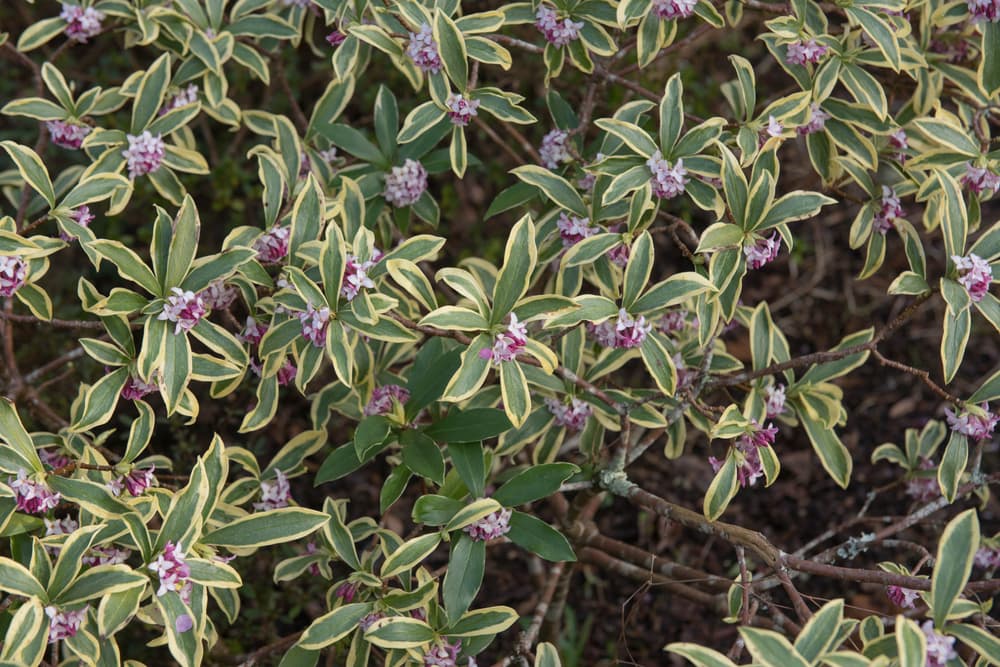
IN THIS GUIDE 1) Bay Tree 2) Elephant’s Ears 3) Buddleja ‘Buzz’ 4) Golden Creeping Jenny 5) ‘Emerald ‘n’ Gold’ 6) Hebe ‘High Voltage’ 7) Coral Bells 8) Common Ivy 9) Lily Of The Valley 10) Ornamental Cabbage 11) Rubella 12) Viola References These resilient and resplendent plants will thrive in pots the whole year-round. Planting in pots and containers is a great way to get creative in your garden. Depending on the type of plant you select, the container you place it in and the section of the garden it’s positioned, a potted specimen can soften harsh edges, add flavour to a bland border and brighten up dull corners. Larger pots can provide a focal point that draws the eye, while a collection of smaller plants add variety and activity to their background. However, you don’t want to plump for plants that will require substantial maintenance just to keep them alive, especially when the mercury plummets and the frost sets in. While moving more delicate pots indoors might be an option for some, it’s hardly an ideal one. For that reason, choosing a variety of plant which is adept at resisting the extremes of a Great British winter is an advisable course of action for those who wish to retain an attractive potted outdoor display all year round. “One of the great things about growing in pots and containers is that you can move the pot to suit the plant,” explains Master Horticulturist Colin Skelly “Even better, when the plant you choose can stay out all year and even provide structure during the winter, such as through using an evergreen shrub.” Fortunately, there are a wide variety of hardy plants which grow well in pots to choose from. We’ve selected our favourites below to give you some inspiration. Happy planting! 1) Bay Tree BOTANICAL NAME: Laurus nobilis HARDINESS RATING: H4 PREFERED ASPECT: FULL SUN / PART SHADE MAX HEIGHT: 10-12M RHS AWARD OF GARDEN MERIT Although called a bay ‘tree’, this hardy favourite is perhaps more accurately described as a formal shrub. It’s a hugely versatile option which can be cultivated as a hedgerow, trimmed into all sorts of topiarist designs with a set of clippers and even harvested for its aromatic leaves, which will add a depth of flavours to culinary dishes like stews and casseroles. As such, it ticks a number of different boxes for gardeners of all stripes. Best of all, bay trees lend themselves perfectly to potted planting and are tough enough to stick it out through the colder months. In the very most northern parts of the UK, where temperatures spend a prolonged period of time below zero, you may wish to supplement your bay tree with some fleece to protect it against the frost, but this is only applicable in the most extreme situations. 2) Elephant’s Ears BOTANICAL NAME: Bergenia HARDINESS RATING: H7 PREFERED ASPECT: FULL SUN / PART SHADE MAX HEIGHT: 0.5M As natives of China, Mongolia, Russia and other regions of Eastern Asia, Bergenias are quite accustomed to glacial temperatures. This means that they’re well equipped to withstand winters far colder than those we experience in the UK, making them an ideal choice for a potted plant in your garden. They’re evergreen perennials that grow to around half a metre in height, so they’re perfect for adding intrigue without hogging all the limelight in your display. Bergenias are also known as pigsqueak or elephant’s ears (not to be confused with Colocasia) and feature large, green leaves which keep their colour all year round, perhaps taking on a slightly pink twinge in winter. However, the real star of the show is their flowers, which bloom in spring and come in bursts of red, pink, purple or white, which sit proudly atop the stems overlooking the foliage below. 3) Buddleja ‘Buzz’ BOTANICAL NAME: Buddleja davidii ‘Buzz’ Series HARDINESS RATING: H6 PREFERED ASPECT: FULL SUN MAX HEIGHT: 1.5M Buddleja – otherwise known as butterfly bushes – are sprawling, vibrant plants which, as their moniker suggests, attract pollinators in their droves. While these are hugely popular among garden enthusiasts, most varieties are far too large to be confined to a single receptacle. Step forward the Buddleja ‘Buzz’, which has been specifically cultivated as a dwarf variety that will look stunning in a pot on your patio or balcony. Like all other buddlejas, this smaller specimen is very low maintenance and will cope well in almost all soil types. All that’s required is occasional pruning to make sure it doesn’t lose its shape and become too unruly. The best time to do so is immediately after the worst of winter has passed, when dead or damaged parts can be removed and the plant trimmed into shape. 4) Golden Creeping Jenny BOTANICAL NAME: Lysimachia nummularia ‘Aurea’ HARDINESS RATING: H5 PREFERED ASPECT: FULL SUN / PART SHADE MAX HEIGHT: 0.1M RHS AWARD OF GARDEN MERIT As a creeping plant, Golden creeping Jenny is the ideal choice for a basket or barrel, since its foliage will trail over the rim of the container in an aesthetically pleasing manner. It works especially well when placed near ponds and other water features, as the yellowish-green of the foliage can complement the darker colours of the water well. Plus, the plant naturally grows beside rivers and swamps in the wild, so it’ll feel right at home surrounded by water in your garden. Growing Golden creeping Jenny in a pot actually holds a number of advantages over planting it directly in the ground. For starters, the elevation that a receptacle lends the plant will enhance the dramatic appearance of its trailing leaves. However, it’s also more practical in a pot, since the plant will cope with colder temperatures better than in open soil. Golden creeping Jenny is also considered invasive in some places, so potting it will prevent it from encroaching on its neighbours too much.1 5) ‘Emerald ‘n’ Gold’ BOTANICAL NAME: Euonymus fortunei ‘Emerald ‘n’ Gold’ HARDINESS RATING: H5 PREFERED ASPECT: ANY POSITION MAX HEIGHT: 1M RHS AWARD OF GARDEN MERIT Characterised by its striking leaves, which feature a golden outer rim with shoots of emerald in the centre, ‘Emerald n Gold’ is another highly versatile evergreen option. Equally at home bordering a pathway as it is forming a part of a screened hedge, the variegated foliage of the plant makes it very attractive wherever it is positioned. The leaves even take on a pinkish hue in the colder months, ensuring you’ll enjoy an eye-catching display all year round. Its resilience during winter and the low maintenance associated with it mean that Emerald and gold has been a stalwart of the gardening scene for many moons now. It generally grows up to a metre in height, but can easily be trimmed back to suit the space it adorns and will show best results when given support, such as a nearby wall or fence. 6) Hebe ‘High Voltage’ BOTANICAL NAME: Hebe HARDINESS RATING: H4 PREFERED ASPECT: FULL SUN / PART SHADE MAX HEIGHT: 0.8M Hebes come in all shapes, sizes and colours, invariably offering an attractive and low-maintenance option for green-fingered aficionados. Also known as shrubby Veronica, this particular strain lends itself well to planting in a pot due to its smaller size. In fact, ‘High Voltage’ is so space-efficient that it’ll provide year-round colour to a balcony or terrace, making it ideal for spots where space is at a premium. The plant takes its name from the fact that its lush green foliage turns an irresistible shade of bronze during the colder months, adding variety to your outdoor displays. It’s also no slouch when it comes to floral blossoms; in summer, short spikes shoot forth from the foliage with such proliferation that the rest of the shrub will be almost entirely overcome with purple, blue or white flowers. 7) Coral Bells BOTANICAL NAME: Heuchera HARDINESS RATING: H6 PREFERED ASPECT: FULL SUN / PART SHADE MAX HEIGHT: 0.5M Heuchera, also known as coral bells, are a highly resilient evergreen plant that comes in literally hundreds of different shades and sizes. Depending on the existing colour scheme in your garden and the overall effect you wish to achieve, you can choose from red, orange, yellow, brown, maroon, silver, black and green heuchera, while there are even two-toned varieties available. As a result, you’re sure to find one that suits your needs. As a general rule, the lighter the tones of the plant you choose, the more protection it will need. Having said that, heuchera as a species are very hardy and, providing they’re given a modicum of sunlight and their roots aren’t allowed to become waterlogged, they’ll survive for many years on the spin. Just be careful of pests like vine weevils, which will devour them from right under your nose if you don’t take action. 8) Common Ivy BOTANICAL NAME: Hedera helix HARDINESS RATING: H5 PREFERED ASPECT: ANY POSITION MAX HEIGHT: 10M+ Although ivy might normally be associated with the sprawling façade of a stately home as it creeps up trellises or grills, it can look equally impressive in a pot. That could take the form of a hanging basket or a standalone container, depending upon the effect you wish to achieve. In any case, the appearance of the dark green colour and pointed foliage as it trails over the rim of the receptacle will add a touch of class to any environment in which it is used. Beyond pruning ivy to retain the shape you desire, the plant requires little to no maintenance whatsoever. Depending on the cultivar you choose, you can select self-clinging ones which will attach themselves to any structure in their vicinity without the need for bespoke supports. They cope well with prolonged periods of drought and cold, too. 9) Lily Of The Valley BOTANICAL NAME: Pieris japonica HARDINESS RATING: H5 PREFERED ASPECT: FULL SUN / PART SHADE MAX HEIGHT: 2.5M RHS AWARD OF GARDEN MERIT Also known as Japanese Andromeda and Flame of the Forest, Lily of the Valley is a beautiful evergreen shrub that features dark green foliage that will turn different hues in the spring months, depending upon the specific cultivar that is preferred. Most noticeable of all, however, are the blooms that droop gracefully from the top of their stems in summertime, draping over the rim of their container with effortless elegance. Although fairly hardly, you should avoid planting Pieris japonica in autumn, since it may struggle in its first winter. However, once it has fully taken root, the plant requires very little in the way of maintenance, with virtually no pruning or deadheading needed. It should also fare well in colder temperatures going forwards, making it a reliable and eye-catching addition to any garden. 10) Ornamental Cabbage BOTANICAL NAME: Brassica oleracea HARDINESS RATING: H7 PREFERED ASPECT: FULL SUN / PART SHADE MAX HEIGHT: 1.5M These colourful head-turners take the same form as their kitchen counterparts, and although ornamental cabbages carry the same name and are even edible, they’ve been cultivated for their aesthetic appearance, not their culinary prowess.2 That’s because depending on the variety you choose, you’ll be treated to stunning swathes of bright pink, purple, white or yellow in the centre of their florets. There’s very little to differentiate between ornamental cabbage and ornamental kale, apart from the fact that the former feature broad leaves with smooth edges and the latter favour serrated or fringed foliage. Whichever variety you settle upon, you’ll find that they provide an attractive focal point when placed in a container and generally won’t outgrow their environs once planted. 11) Rubella BOTANICAL NAME: Skimmia japonica HARDINESS RATING: H5 PREFERED ASPECT: FULL SHADE / PART SHADE MAX HEIGHT: 2.5M As a compact shrub of smaller proportions, rubella is an ideal choice for even the smallest of outdoor spaces. It won’t outgrow its pot and can easily be kept in shape, while the almost total absence of maintenance required means it’s perfect for those who like to leave their plants to their own devices. Best of all, rubella will provide a changing kaleidoscope of colours throughout the seasons. For much of the year, it’s characterised by its dark green leafage. Come wintertime, however, you’ll see a preponderance of brilliant red buds, which will blossom into eye-catching bulbous blooms in springtime. What’s more, it’s also manna for pollinators, meaning you can support the UK’s ailing bee population and bring some biodiversity into your garden in one fell swoop. 12) Viola BOTANICAL NAME: VIOLA HARDINESS RATING: H7 PREFERED ASPECT: FULL SUN / PART SHADE MAX HEIGHT: 0.5M Much like pansies in appearance, violas are a smaller but equally colourful counterpart to their more illustrious cousins. Their delicate appearance might suggest that they have a sensitive nature that doesn’t stand up well to the elements, but violas are actually one of the few flowering plants that produce vibrant displays during the colder months of the calendar. That, alongside their diminutive dimensions, make them an excellent choice for potting outdoors. Indeed, there are hardly any plants that can match the duration of a viola’s flowering season, which stretches almost year-round. With hundreds of different species to choose from, you can be certain you’ll find one that complements the existing décor in your garden, adding a touch of colour and a splash of optimism just at the time when you need both the most. References 1. Mahr, S. (n.d.-b). Golden Creeping Jenny, Lysimachia nummularia “Aurea.” Wisconsin Horticulture. Retrieved March 16, 2023, from https://hort.extension.wisc.edu/articles/golden-creeping-jenny-lysimachia-nummularia-aurea/ 2. Marsden, C. (n.d.-b). Ornamental Cabbage and Kale. Wisconsin Horticulture. Retrieved March 16, 2023, from https://hort.extension.wisc.edu/articles/ornamental-cabbage-and-kale/
Learn more
20 Dwarf And Small Trees That Don't Mind Being Confined To Pots
IN THIS GUIDE Considerations 1) Citrus 2) Conifers 3) Fig 4) Flowering Dogwood 5) Japanese Maple 6) Olive 7) Privet 8) Starry Magnolia 9) Sweet Bay 10) Witch Hazel 11) Creeping Blue Blossom 12) Camellia 13) Crab Apple 14) Juneberry 15) Lilac 16) Yoshino Cherry ‘Ivensii’ 17) Cider Gum 18) Sycamore 19) Mexican Orange Blossom 20) Flamingo Willow Bring the great outdoors into your own garden or terrace with one or more of these potted trees. For those with a smaller garden – or perhaps just a balcony or terrace – it might seem like the allure of trees is out of reach…but thankfully, there are plenty of smaller types perfect for planting in a pot. Indeed, potted trees are not only space-efficient, but they lend themselves well to ease of maintenance and relocation. “Pots are always a great idea in small gardens, as they give you the opportunity to change the feel and look of a space numerous times throughout the season,” shares Gardener Elliott Beveridge. That’s especially handy for more tender varieties, since they can be easily moved indoors when the temperature begins to drop. Considerations Be sure to select a tree that will thrive in the climate, light exposure and soil moisture of your garden, patio or terrace. You should also look out for “dwarfing” varieties of trees, since these will flourish well within the confines of a pot. Having said that, it’s likely that you’ll still have re-pot the tree to ensure its roots don’t become overcrowded in the limited space available to them. (Alternatively, you can simply prune the roots back and repot the tree in the same receptacle with fresh soil). Here are twenty ideal choices for containers: 1) Citrus HARDINESS RATING: VARIES; AVOID LOW TEMPERATURES MAX HEIGHT: VARIES PREFERRED SOIL: LOAM-BASED PREFERRED ASPECT: FULL SUN; SHELTERED FRUITING MONTHS: VARIES Citrus trees make a great option for growing in a pot with ample dimensions, so take your pick from limes and lemons, oranges and tangerines, mandarins and kumquats. Not only can they furnish your kitchen cupboards with some delicious treats, but their slender trunks, lush green foliage and brightly coloured fruit add zest and zing to any backdrop they adorn. Of course, you should be mindful that citrus trees are very susceptible to colder temperatures, but choosing a dwarf variety that will flourish in a pot means that they can be moved inside with the minimum of fuss. You should also ensure they receive plentiful nutrition throughout the year; one tell-tale sign that a citrus tree is lacking in nitrogen is a yellowing of their leaves, so be on the lookout for such an occurrence and take steps to remedy it with the appropriate fertiliser. 2) Conifers HARDINESS RATING: MOSTLY H6/H7 MAX HEIGHT: VARIES PREFERRED SOIL: LOAM-BASED; SLIGHTLY ACIDIC PREFERRED ASPECT: ANY RECOMMENDED VARIETY: Chamaecyparis lawsoniana ‘Minima Aurea’ Due to the fact that they bear leaves (often in the form of needles) all year round, conifers are an excellent, low maintenance option for sprucing up your displays whatever the season. Again, it’s advisable to choose a dwarf or slow-growing variety, since failure to do so will almost inevitably result in the tree outgrowing its pot before too long. Having said that, there are plenty of such options to choose from, including cypress, fir, juniper, pine and many more. Conifers require very little care throughout their lifespans. Simply plant them in a pot with well-draining soil and they’ll fend for themselves, but they will need watering, particularly in dry spells. They enjoy full sun and will benefit from annual fertilisation if the soil is of poor quality, but that last step is not a necessity in the majority of cases. You can plant them in pairs for a classy aesthetic, or even line up a row of them to create a shaded screening for additional privacy. 3) Fig BOTANICAL NAME: Ficus carica HARDINESS RATING: H4 MAX HEIGHT: 4M PREFERRED SOIL: SLIGHTLY ALKALINE PREFERRED ASPECT: FULL SUN; SHELTERED FRUITING MONTHS: AUTUMN There’s something about the spindly trunks, gnarled branches and drooping leaves of a fig tree that brings to mind the deliciously lazy languor of a Mediterranean courtyard in the full heat of summer. Why not recreate that aesthetic in your own home? Pick an edible fruit-bearing variety and you’ll even have some succulent produce to supplement your salads and desserts. As is to be expected, fig trees perform best in warm climates with lengthy summers, but you can make them work in slightly cooler climes, as well. Just ensure they receive as much sun as possible and water them like there’s no tomorrow and you should still reap the fruits of your labour. You should, however, remember that a potted fig tree is likely to reach a smaller height and produce fewer and less juicy fruits than those grown in the ground. “For a pot, I can recommend Ficus carica ‘Brunswick’, ‘Brown Turkey’ or ‘White Marseilles’, as you won’t need pollinators for these varieties,” shares Master Horticulturist Dan Ori. 4) Flowering Dogwood BOTANICAL NAME: Cornus florida HARDINESS RATING: H5 MAX HEIGHT: 8M PREFERRED SOIL: SLIGHTLY ACIDIC PREFERRED ASPECT: FULL SUN OR PART SHADE FLOWERING MONTHS: SPRING With their striking white or pink flowers that blossom every springtime, flowering dogwoods are one of the most visually impressive items on this list. Unfortunately, they’re also one of the highest maintenance options out there. Although it’s certainly possible to successfully grow a flowering dogwood tree in a pot, it might take a little more time, care and attention than other alternatives. That’s because flowering dogwood has complex root systems which grow at an alarming rate and an insatiable thirst for water. You can give yourself a head start by selecting the largest receptacle to plant it in that your available space allows, but even so, you’ll want to prune back the roots or upgrade to a larger pot on a fairly regular basis. You can also reduce the amount of watering that the plant requires by layering the topsoil with an organic mulch, which will help it to retain moisture. Having said that, flowering dogwood will still require a substantial amount of irrigation. 5) Japanese Maple BOTANICAL NAME: Acer palmatum HARDINESS RATING: H6 MAX HEIGHT: 8M PREFERRED SOIL: SLIGHTLY ACIDIC PREFERRED ASPECT: FULL SUN OR PART SHADE; SHELTERED FLOWERING MONTHS: SPRING FRUITING MONTHS: AUTUMN Japanese maples come in all shapes, sizes and colours, from the tiny bonsais which offer majestic spectacles in miniature, to their larger, looser leaved relatives. Whichever species you plump for, you’ll be guaranteed a gorgeous display of coloured foliage which positively shimmer in the right light. For best results, pick a weeping variety and prune it into your desired shape to create the aesthetic that you’re after. Even larger varieties of Japanese maple never grow to a huge height, making them a perfect choice for a potted plant on your balcony, terrace or garden. They’re a creature of moderate inclinations, so place them in full sun in cooler parts of the country and partial sun in hotter regions. They also don’t cope well in strong winds, so try to position them in a sheltered location if at all possible. “I recommend watering with rainwater over tap water when possible as rainwater is acidic and will help maintain an acidic soil pH, as opposed to tap water that has an alkaline pH,” shares Dan. “However, tap water is better than no water.” 6) Olive BOTANICAL NAME: Olea europaea HARDINESS RATING: H4 MAX HEIGHT: 8M PREFERRED SOIL: ANY PREFERRED ASPECT: FULL SUN FLOWERING MONTHS: SUMMER Continuing the Mediterranean theme started with figs above, olive trees are another sultry and stylish addition to a patio. The fact that their roots penetrate to far shallower depths than other trees of a similar size means that if you plant them in a large enough container at the outset, you may never need to repot them throughout the entirety of their life cycle. Although the fruit might be the major selling point for some people, it can create an oily mess if left to drop from the branches onto a patio or, even worse, a carpet, so keep an eye on them when the olives look ripe. 7) Privet BOTANICAL NAME: Ligustrum ovalifolium HARDINESS RATING: H4-H6 MAX HEIGHT: 4-8M PREFERRED SOIL: ANY PREFERRED ASPECT: FULL SUN OR PART SHADE FLOWERING MONTHS: SUMMER FRUITING MONTHS: AUTUMN Are there any amateur topiarists in the house? If so, a privet might be the perfect tree for you. The stubby trunks and dense foliage of these deciduous plants make them an excellent canvas upon which to exert your artistic abilities by trimming them into pyramids, globes or pillars. Alternatively, you could plant several privets in a row to create a dense hedge, which not only offers privacy, but can act as a highly effective sound barrier, as well. Potted privets require much the same treatment as they would when planted in the ground. Primarily, they demand good drainage in the soil, since they will quickly succumb to waterlogged roots. They enjoy full to partial sun and should be transplanted to a larger container every few years, or when their roots have outgrown their receptacle. Transplanting can usually be managed at any time of the year without any adverse effects to their growth. 8) Starry Magnolia BOTANICAL NAME: Magnolia stellata HARDINESS RATING: H6 MAX HEIGHT: 1.5-2.5M PREFERRED SOIL: ANY PREFERRED ASPECT: FULL SUN OR PART SHADE; SHELTERED FLOWERING MONTHS: SPRING The drooping delicacy of the floral blossoms on a magnolia tree make them quite the impressive addition to any outdoor setting. Unfortunately, the sheer size of most magnolia varieties make them unsuitable for planting in a pot, but starry magnolias are one of the few exceptions to that rule. Even so, these beautiful trees can still grow up to four metres in height, so stay on top of your pruning duties to ensure it doesn’t grow too big. Speaking of which, it’s imperative that you choose a container that’s several sizes larger than the initial root ball of the plant, since all magnolias like to spread out and occupy their space as much as they can. You should ensure that the soil remains moist but not saturated, so adequate drainage at the bottom and regular mulching at the top will help your starry magnolia to reach its full potential. 9) Sweet Bay BOTANICAL NAME: Laurus nobilis HARDINESS RATING: H4 MAX HEIGHT: 8-12M PREFERRED SOIL: ANY PREFERRED ASPECT: FULL SUN OR PART SHADE FLOWERING MONTHS: SPRING FRUITING MONTHS: AUTUMN RHS AWARD OF GARDEN MERIT As notable for its aromatic leaves (which can complement a range of culinary dishes) as it is for its aesthetically pleasing appearance, sweet bay is a small and slender tree that lends itself well to potting. Like the privet mentioned above, the dark green foliage of bay can be easily trimmed into conical or spherical shapes to create a nice accent to your existing exterior décor. What’s more, those offshoots can then be hung up to dry and used to flavour stews, soups and curries. Potted bay trees do best when given plentiful light and water, but they don’t react well to the most extreme rays of the sun in hotter environments. But water it well on a consistent basis and protect it from the most sweltering of afternoons (a rare occasion in the UK, we know) and you’ll be rewarded with an end product that’s as practical in the kitchen as it is easy on the eye. 10) Witch Hazel BOTANICAL NAME: Hamamelis HARDINESS RATING: H5 MAX HEIGHT: 4M PREFERRED SOIL: SLIGHTLY ACIDIC PREFERRED ASPECT: FULL SUN OR PART SHADE FLOWERING MONTHS: WINTER RECOMMENDED VARIETIES: ‘Diane’, ‘Jelena’, ‘Vesna’ For a slightly unusual aesthetic in your garden, a potted witch hazel might just be a left-field option that’ll spice up your display. They’re characterised by their highly distinctive floral blossoms, which take the form of a dark red sphere bearing long, thin yellow petals. That stunning spectacle, coupled with witch hazel’s trademark fragrance, make it a perfect choice for placing on a patio or decked area where the colours will complement the backdrop and the scent can reach your nostrils every time you step outside. Although these bewitching plants are often regarded as being more difficult to cultivate, they lend themselves fairly well to potting. That’s because they can tolerate most soil types, react well in both full and partial sunshine and require only moderate watering. Left to their own devices, they’ll soon outgrow the dimensions of their pot, but if you take the time to prune them back on a regular basis, they’re easily kept in line. 11) Creeping Blue Blossom BOTANICAL NAME: Ceanothus thyrsiflorus var. repens HARDINESS RATING: H4 MAX HEIGHT: 1.5M PREFERRED SOIL: SLIGHTLY ALKALINE PREFERRED ASPECT: FULL SUN; SHELTERED FLOWERING MONTHS: SPRING / SUMMER RHS AWARD OF GARDEN MERIT 12) Camellia BOTANICAL NAME: CAMELLIA HARDINESS RATING: H4 MAX HEIGHT: 4M PREFERRED SOIL: SLIGHTLY ACIDIC PREFERRED ASPECT: FULL SHADE OR PART SHADE; SHELTERED FLOWERING MONTHS: SPRING AGM RECOMMENDED VARIETY: ‘SPRING FESTIVAL’ 13) Crab Apple BOTANICAL NAME: Malus sylvestris HARDINESS RATING: H6 MAX HEIGHT: 12M+ PREFERRED SOIL: ANY PREFERRED ASPECT: FULL SUN OR PART SHADE FLOWERING MONTHS: SPRING FRUITING MONTHS: AUTUMN 14) Juneberry BOTANICAL NAME: Amelanchier lamarckii HARDINESS RATING: H7 MAX HEIGHT: 8-10M PREFERRED SOIL: SLIGHTLY ACIDIC PREFERRED ASPECT: FULL SUN OR PART SHADE FLOWERING MONTHS: SPRING FRUITING MONTHS: SUMMER RHS AWARD OF GARDEN MERIT 15) Lilac BOTANICAL NAME: Syringa pubescens HARDINESS RATING: H6 MAX HEIGHT: 2.5M PREFERRED SOIL: SLIGHTLY ALKALINE PREFERRED ASPECT: FULL SUN FLOWERING MONTHS: SPRING AGM RECOMMENDED VARIETY: ‘MISS KIM’ 16) Yoshino Cherry ‘Ivensii’ BOTANICAL NAME: Prunus × yedoensis HARDINESS RATING: H6 MAX HEIGHT: 8M PREFERRED SOIL: ANY PREFERRED ASPECT: FULL SUN FLOWERING MONTHS: SPRING RECOMMENDED VARIETY: ‘IVENSII’ 17) Cider Gum BOTANICAL NAME: Eucalyptus gunnii HARDINESS RATING: H5 MAX HEIGHT: 10M+ PREFERRED SOIL: SLIGHTLY ACIDIC PREFERRED ASPECT: FULL SUN; SHELTERED FLOWERING MONTHS: SUMMER RHS AWARD OF GARDEN MERIT 18) Sycamore BOTANICAL NAME: Acer pseudoplatanus HARDINESS RATING: H7 MAX HEIGHT: 8M PREFERRED SOIL: ANY PREFERRED ASPECT: FULL SUN OR PART SHADE FRUITING MONTHS: AUTUMN RECOMMENDED VARIETY: ‘Brilliantissimum’ 19) Mexican Orange Blossom BOTANICAL NAME: Choisya ternata HARDINESS RATING: H4 MAX HEIGHT: 2.5M PREFERRED SOIL: ANY PREFERRED ASPECT: FULL SUN; SHELTERED FLOWERING MONTHS: SPRING / AUTUMN RECOMMENDED VARIETY: ‘SUNDANCE’ 20) Flamingo Willow BOTANICAL NAME: Salix integra ‘Hakuro-nishiki’ HARDINESS RATING: H5 MAX HEIGHT: 2.5M PREFERRED SOIL: ANY PREFERRED ASPECT: FULL SUN FLOWERING MONTHS: SPRING AWARD OF GARDEN MERIT
Learn more
12 Versatile Yellow-Flowering Shrubs You'll Love For Bold Garden Colour
IN THIS GUIDE 1) Azalea 2) Cotton Lavender 3) Forsythia 4) Japanese Rose 5) Lydian Broom 6) Magnolia Yellow River 7) Mahonia 8) Potentilla 9) Rose Bush 10) St. John’s Wort 11) Sun King 12) Witch Hazel References Cultivate some cheer and charm in your garden with these yellow flowering shrubs. There aren’t many colours that are brighter or more joyful than yellow. Whatever background it adorns, yellow seems to bring a burst of optimism and happiness to proceedings, which can make it an ideal addition to your garden. Although it will slot in seamlessly alongside any existing colour scheme, it lends itself particularly well to the lush greenery of foliage and the dark brown of timber. Shrubs are a great way to introduce some yellow into your garden, since they are generally quite resilient to the vagaries of the Great British climate, highly versatile in their shapes and sizes and bring a tiered aesthetic to their surroundings. “I like to combine shrubs with clear vertical structures alongside more mounded shapes for maximum interest,” shares Peter Lickorish, a Master Horticulturist. The selection of yellow flowering shrubs below have been chosen for their aptitude for growing in the UK, their ease of cultivation and the various attributes they offer. 1) Azalea BOTANICAL NAME: RHODODENDRON HARDINESS RATING: H6 BLOOM TIME: SPRING PREFERRED SUNLIGHT: FULL SUN / PART SHADE PREFERRED SOIL: ACIDIC Azaleas are versatile shrubs that can be either deciduous or evergreen, depending upon the particular genus grown. They also offer a spectrum of different yellows which vary from species to species. The Rhododendron luteum pictured above, for example, produces delicately yellow flowers with a tinge of green, while others like golden oriole take on a lemonier hue, sometimes inflected with flashes of orange or white. Whichever azalea you plump for, remember that they do best in acidic soil and will enjoy a fair amount of sunlight. If growing in the south of England, you may wish to transplant them to a shadier spot of the garden, since excessive heat can be detrimental to their growth. It’s also worth bearing in mind that some non-native strains are considered invasive, meaning you’ll need to keep an eye on it to ensure it doesn’t encroach on its neighbours’ territory.1 2) Cotton Lavender BOTANICAL NAME: Santolina chamaecyparissus HARDINESS RATING: H5 BLOOM TIME: SUMMER PREFERRED SUNLIGHT: FULL SUN PREFERRED SOIL: ANY; WELL-DRAINED Cotton lavender is quite the head-turner. The monochrome of its silver-green foliage, which will stay strong all year round, is perfectly set off by the bright yellow blossoms of late spring and early summer. What’s more, those blooms take the form of sponge-like globes, while the leaves can look different depending on the time of day; what resembled glistening metal in the midday sun can adopt an almost bluish hue at dusk, making it truly stand out from the pack. Cotton lavender generally grows up to just over 50cm in height and just under 1m in spread, making it more of a ground cover solution than a privacy screen. Alternatively, use it as a loose, low hedge. It favours slightly alkaline soil (so areas which enjoy reduced rainfall) and prefers good drainage, which are two of the factors that make it resistant to drought. Having said that, it will still appreciate regular watering in its infancy to allow the roots to take hold. 3) Forsythia RECOMMENDED SPECIES: FORSYTHIA TOGASHII HARDINESS RATING: H5 BLOOM TIME: SPRING PREFERRED SUNLIGHT: FULL SUN / PART SHADE PREFERRED SOIL: ANY; WELL-DRAINED One of the earliest blooming shrubs available, forsythia is a sight for sore eyes to many in horticulture, since its arrival signals the demise of winter. There are a wide variety of different types of forsythia available, though all are characterised by their long, spindly branches teeming with bright yellow flowers. The shrub does produce verdant foliage too, but the leaves are invariably preceded by its blooms, affording you unobstructed visual access to them. Forsythias are one of the more sizeable options on this list and can grow up to 3m in height, which makes them perfect for those looking for a tree-like shrub to screen their garden or obscure a wall or fence. They aren’t recommended for use as a hedge, however, since they have a tendency to grow quite unruly. They’ll thrive in sunlight and require minimal maintenance, other than occasional pruning to keep that aforementioned unruliness in check. 4) Japanese Rose BOTANICAL NAME: KERRIA JAPONICA HARDINESS RATING: H5 BLOOM TIME: SPRING PREFERRED SUNLIGHT: FULL SUN / PART SHADE PREFERRED SOIL: ANY Despite the name, this impressive shrub doesn’t actually produce roses. Its blooms are none the poorer for that fact, however, with both single- and double-blossoming varieties available. The flowers themselves are much more delicate than a traditional rose, while the dainty green leaves which grow behind them are the perfect complement and will last all year round. Pruning after the first blossoms have withered away can create a second display in late summer. Aside from their vibrant colour scheme, Japanese rose bushes are prized for the informality and creativity of their shape. It is possible to train the shrub into a hedge, but it’s not advised, since it will require a significant amount of hard work and negates the pleasure of watching the plant develop in its own, inimitable way. It can exceed even forsythia in size, however, so be mindful of its growth potential when planting. 5) Lydian Broom BOTANICAL NAME: Genista lydia HARDINESS RATING: H5 BLOOM TIME: SUMMER PREFERRED SUNLIGHT: FULL SUN PREFERRED SOIL: ANY; WELL-DRAINED This prolific flowerer is reminiscent of its cousin, the common broom (sometimes known as Scotch broom), which grows in plentiful supply throughout Scotland. Like its northern relative, Lydian broom can be considered invasive, so it’s imperative to make sure it doesn’t sprawl out of control. However, the rewards of proper maintenance are clear for all to see. As the photograph above amply demonstrates, the blossoms on a Lydian broom are so plentiful that they actually crowd out almost all of the tiny green leaves behind them. The shrub never gains too much ground clearance – around 50cm, in general, which makes it ideal for use as ground cover or as part of a rockery. It’ll do best in sandy soils which drain quickly, since an overabundance of water will inhibit its growth (which is, incidentally, a top tip for bringing it to heel if it does start to encroach upon neighbouring plants). 6) Magnolia Yellow River BOTANICAL NAME: Magnolia denudata ‘Yellow River’ HARDINESS RATING: H6 BLOOM TIME: SPRING PREFERRED SUNLIGHT: FULL SUN / PART SHADE PREFERRED SOIL: SLIGHTLY ACIDIC This deciduous plant hails from China and is also known as Fei Huang.2 It is, strictly speaking, a tree, but can also be cultivated as a large shrub with careful pruning, and will produce dramatic displays of buttery yellow blossoms each spring. Like forsythia, magnolia yellow river blooms well before the foliage appears, meaning the goblet-like flowers provide a brilliant contrast to the naked branches as the seasons begin to turn. As well as being easy on the eye, they also produce a delightful fragrance, as well. It thrives in both full and partial sun, though it doesn’t like to be deprived of sunlight altogether. It’s fairly hardy and will handle most soils without a problem, while it can exceed 4m in both height and spread, so it’s a good idea to plant it in a location where it has the space to grow out. 7) Mahonia RECOMMENDED VARIETIES: ‘WINTER SUN’, ‘CHARITY’ HARDINESS RATING: H5 BLOOM TIME: Late AUTUMN / WINTER / Early spring PREFERRED SUNLIGHT: FULL SUN / PART SHADE PREFERRED SOIL: ANY well-drained soil Mahonia is an eye-catching shrub that comes in many varieties. The Mahonia x media strain pictured above is often known as Oregon Grape and produces distinctive holly-like leaves that fan away from its centre, while spiny stems bearing clusters of tiny yellow flowers burst upwards. The blossoms are followed by purple berries, as well, which are edible once cooked but carry an excessively sour taste that isn’t everyone’s cup of tea.3 Mahonia can reach up to 4m in height and a similar radius in spread, meaning it’s another yellow flowering shrub that likes its own space and doesn’t have much respect for that of others. Due to its size, it’s best used as a backdrop against a fence or wall, with some smaller plants in front to provide a pleasing contrast. The foliage and flowers rise up the stems with time, leaving a framework of sculpted bark underneath, which is great for planting below. 8) Potentilla RECOMMENDED VARIETIES: ‘NANA ARGENTEA’, ‘King Cup’, ‘PRIMROSE BEAUTY’ HARDINESS RATING: H7 BLOOM TIME: SUMMER / AUTUMN PREFERRED SUNLIGHT: FULL SUN / PART SHADE PREFERRED SOIL: ANY well-drained soil Instantly recognisable by its buttercup-like blossoms and masses of frothy foliage, potentilla is another plant that comes in a wide variety of different types. It’s also known as shrubby cinquefoil and offers a more understated option for gardeners looking for a less ostentatious display, since the yellow of the flowers is far outnumbered by the green of the leaves. It should be remembered, however, that it’s a deciduous species, meaning it can look quite forlorn during the winter. Potentilla is on the smaller side of the shrubs in this selection, meaning it’s ideal as part of a border which will add subtle accents but won’t hog all the attention. It’s also a great choice for UK gardens due to its ability to hold up even under the most inclement conditions and isn’t fussy when it comes to soil types, though it does demand decent drainage. 9) Rose Bush BOTANICAL NAME: ROSA RECOMMENDED VARIETIES: ‘AUSMAS’, ‘SUNSPRITE’, ‘JULIA CHILD’, ‘ARTHUR BELL’ HARDINESS RATING: H6 BLOOM TIME: SUMMER / AUTUMN PREFERRED SUNLIGHT: FULL SUN PREFERRED SOIL: ANY A flower which needs little introduction, the humble rose is the darling of the gardening world. In horticultural folklore, yellow roses are thought to signify joy and friendship, so planting them in abundance in your garden should theoretically bring you plenty of both!4 There are, again, many strains to choose from, but all will impart a delicate beauty and a timeless charm to whatever surroundings they inhabit. They’re deciduous plants, flowering from late spring throughout summer and even into autumn, and it’s one of life’s most exquisite pleasures to witness a rose unfurl itself in all its loveliness come blooming time. As with all types of rose bush, it’s best to deadhead them regularly in order to promote continual displays, while careful pruning every spring will ensure they keep coming back every year. 10) St. John’s Wort BOTANICAL NAME: Hypericum x HIDCOTEENSE RECOMMENDED VARIETIES: ‘HIDCOTE’ HARDINESS RATING: H5 BLOOM TIME: SUMMER / AUTUMN PREFERRED SUNLIGHT: FULL SUN / PART SHADE PREFERRED SOIL: ANY If you prefer a medium-sized shrub with fewer (but larger) flowers, St John’s wort is likely the ideal choice for you. This dazzling specimen has dark green leaves topped off by a rich golden flowerhead, with delicate tendrils at its centre that draw the eye – and draw the attention of bees, butterflies and other pollinators. As such, it’s an excellent plant for encouraging biodiversity in your garden. Some varieties of the plant are prolific self-seeders and considered semi-invasive, so be mindful of staying on top of its cultivation to prevent it from taking over your space. Having said that, not all species pose the same risks and given that the plant requires little in the way of encouragement, it’s a relatively hassle-free option that provides great contrast and colour. 11) Sun King BOTANICAL NAME: Sophora microphylla ‘SUN KING’ HARDINESS RATING: H4 BLOOM TIME: SPRING PREFERRED SUNLIGHT: FULL SUN PREFERRED SOIL: ANY; WELL-DRAINED This tall, broad shrub is quite unique on this list due to the downward-facing nature of its flowerheads. The plant is characterised by sprouting stems, off of which pairs of dark green glossy leaves spring, while the lengthy yellow anthers of the flower droop in the direction of the ground. It’s also a late winter bloomer, which is yet another distinction from the majority of other yellow flowering shrubs, making it a great choice if you wish to spruce up your displays in the colder months. As the name suggests, Sun king prefers full exposure to the sun and will struggle if it’s kept even in partial shade. It does best in light, sandy soil that enjoys excellent drainage, while it can be easily propagated by grafting towards the end of the calendar year. It’s capable of growing up to 3m in both height and spread, so position it in your garden accordingly. 12) Witch Hazel BOTANICAL NAME: Hamamelis RECOMMENDED VARIETIES: ‘Barmstedt Gold’, ‘Wisley Supreme’ HARDINESS RATING: H5 BLOOM TIME: WINTER PREFERRED SUNLIGHT: FULL SUN / PART SHADE PREFERRED SOIL: SLIGHTLY ACIDIC This distinctive shrub is another early bloomer, with its flowers appearing at the tail end of winter or in the early spring. The blossoms themselves are quite unlike any other; instead of the oversized petals or plentiful clusters of some of the other plants mentioned above, witch hazel features reddish-brown spheres, off which long, thin and curling petals emerge. It also carries its own “dry” scent, which can complement other, more potent aromas in the garden well. Witch hazels carry something of a reputation for being tricky to cultivate, but as long as you plant them in a spot that receives plenty of sunlight, they should do well. They prefer soil that’s on the acidic side, but you can compensate for that by loading neutral terrain with organic matter. Some cultivars promise an excellent foliar display during the autumn months, while the cuttings will look very attractive arranged in a pot indoors. References 1. Simons, P. (2015, April 16). A spectacular thug is out of control. The Guardian. Retrieved March 27, 2023, from https://www.theguardian.com/science/2017/apr/16/rhododendron-ponticum-thug-invasive-out-of-control-plantwatch 2. Magnolia denudata Yellow River (‘Fei Huang’). (n.d.). Van Den Berk Nurseries. Retrieved March 27, 2023, from https://www.vdberk.co.uk/trees/magnolia-denudata-yellow-river-fei-huang/ 3. Mahonia Mélange. (2017, September 16). Eat the Weeds. Retrieved March 27, 2023, from https://www.eattheweeds.com/mahonia-melange/ 4. The Meaning and Symbolism Behind Yellow Roses. (2020, February 13). Flora Queen. Retrieved March 27, 2023, from https://www.floraqueen.com/blog/the-meaning-and-symbolism-behind-yellow-roses
Learn more
5 Best Trees That Can Be Planted Close To A House, With Advice From Roy Nicol
IN THIS GUIDE How To Grow Trees Near Structures 1) Birch 2) Hawthorn 3) Apple 4) Pear 5) Plum Growing A Tree Near Your House References If you’re one of many Brits with a modestly sized garden nestled neatly alongside your house, then this article is for you. We’ve rounded up a selection of trees that can be safely planted next to a house, letting you take full advantage of your garden and enjoy the full visual splendour of a tree, rather than just shrubs, bushes, and flowers. Before we start: it’s important to clarify that the advice here is given on an informational basis. Always consult a professional surveyor if you have any doubts. Some people will balk at the idea of putting a tree too close to your house. “Won’t the roots come up through the living room floor?” they’ll say. “Or what about in a storm?” they’ll continue. “You’ll be asleep, then next thing you know you’ll hear an enormous crash and wake up to a tree in your bedroom.” To these people we say, “leaf it out!” – trees and homes can exist in happy harmony, as long as you take the relevant precautions. So, if you’ve got your mind set on a very proximal arboreal neighbour for your home, read on. Each of the trees in this list will grow near your house without causing any unwanted destruction. How To Grow Trees Near Structures Before we dive in, here are a few guiding principles when planning to grow a tree near your house, or similar structure – In general, tree roots cover an area between two to three times as wide as the tree’s profile above ground.1 Trees shed their leaves, and these can be a pain to clean up. Especially if they clog your drains: make sure you’re prepared for the reality of this job before making any decisions. Clay soils are most susceptible to subsidence issues with trees grown near to buildings.2 You may need to cut sections of your tree back to sculpt its growth in a way that presents less risk to your home. Professional surveyors can assist with this task. There are many more factors to consider when planting a tree near your home than we can cover in this article. Speak to your council, your landlord (or your insurer, if you’re the property owner), and your neighbours to ensure you don’t encounter any easily avoidable problems. Now we’ve got that out of the way, let’s take a look at some trees that can do well near structures. 1) Birch Tall and thin: It’ll fit right in These trees work well near to houses and other structures thanks to their relatively narrow profiles – instead of blooming forth in spherical growth, a birch’s leaves retain something closer to a triangular shape. 2) Hawthorn There are many types of hawthorn, some trees and some shrubs, and many of which sport stunning white blooms in spring. Aesthetically, they’ll look great alongside a building. They’re a good choice in practical terms, too, thanks to their relatively diminutive size when compared to some other trees. Hawthorns make popular nesting trees for birds.3 If you’re an avid birdwatcher this could be a good sell for this type of tree – if you’re someone who doesn’t like to be woken up by a chorus of chirping at sunrise, it may be the opposite. “In my role as a professional gardener, I have encountered local authority planning issues for proposed buildings close to established hawthorn,” shares Roy Nicol, a Master Horticulturist. “I would therefore recommend this is checked with insurers before planting as the recommended distance from buildings for hawthorn is 10m.” 3) Apple Now we get to our favourite section of this article: the tree that put forth edible fruits. Pick one of these, and very soon you could be the local neighbourhood purveyor of pie. All you need to do is head into your garden, scoop up the fruity windfall, bake a selection of pies, clear a prime bit of windowsill, and you’re good to go. Getting back to the practical matters at hand, however, apple trees aren’t too difficult to grow. They enjoy full sun and good shelter: Ideal for a position near to a house. Growing an apple tree from seed will take a good many years, but they’re easy to grow from saplings, potentially shaving a few years off the time required to reach full height. Just keep your eyes peeled for local neighbourhood rascals scrumping your apple harvest. 4) Pear If the thought of warding off children desperate to scrump your annual apple supply is too much to handle, why not opt for a pear tree instead? Everyone knows pears aren’t as desirable a fruit, so the kids will inevitably direct their thievery toward a neighbour foolish enough to grow apples. Pear trees also thrive in sunny, sheltered spots. A patch of garden will make an ideal home for this fantastic fruit-bearing tree. 5) Plum If you’d rather something more exotic, something that lends itself better to jams and chutneys than pies, then a plum tree might be the right choice for you. Plums do well if the young trees are trained against a wall or fence, meaning that they can work well very close to a house. If you don’t have the luxury of even a modest-sized garden – perhaps you’ve only got an alleyway to work with, for example – then this might be a good option. As with apples and bears, plums like well-drained soil in full sun. Growing A Tree Near Your House A tree doesn’t need to be miles away from your house There we have it: A short and sweet introduction (especially the last three) to the trees that lend themselves well to growth near to your house. If you take the time and care to choose a suitable spot, the trees in this list should flourish without causing any long- or short-term damage to your property, your fences, or your neighbours’ properties. When deciding which tree(s) to grow near your home, we do advise precaution. It’s a big decision, potentially lasting many years into the future, so it’s best not to rush. References 1. Tree Anatomy 101. (n.d.). Iowa State University: Natural Resource Stewardship. Retrieved March 27, 2023, from https://naturalresources.extension.iastate.edu/forestry/tree_biology/101.html 2. Swelling and shrinking soils. (2021, August 16). British Geological Survey. Retrieved March 27, 2023, from https://www.bgs.ac.uk/geology-projects/shallow-geohazards/clay-shrink-swell/ 3. Hawthorn (Crataegus monogyna). (n.d.). Woodland Trust. Retrieved March 27, 2023, from https://www.woodlandtrust.org.uk/trees-woods-and-wildlife/british-trees/a-z-of-british-trees/hawthorn/
Learn more
18 Striking Hanging Succulent Plants For The Home
IN THIS GUIDE Tolerant Of Neglect 1) Donkey’s Tail 2) Ruby Necklace 3) String Of Pearls 4) String Of Dolphins 5) String Of Hearts 6) String Of Nickels 7) String Of Bananas 8) Flowering Kalanchoe 9) Snake Plant 10) Hoya Plant 11) Christmas Cactus 12) Medusa Head 13) Trailing Jade 14) Mistletoe Cactus 15) String Of Turtles 16) Fishbone Cactus 17) Hanging Cactus 18) Mother Of Thousands Low maintenance but high on aesthetic impact, succulents are the perfect houseplant to hang in your home. Do you want to brighten up your homestead with a splash of greenery, but lack the space to do it? If your floors, coffee tables and windowsills are already at capacity, why not look up? Your ceiling offers a great opportunity to maximise the space and introduce some more foliage into your household, all at the same time. Tolerant Of Neglect There are plenty of trailing plants that you can bring into the home in a hanging basket, but succulents make one of the best options out there. That’s due to the fact that they’re incredibly robust and can bounce back even after a prolonged period without water, making them ideal for forgetful gardeners. They’re also accustomed to the warmer temperatures brought about by central heating, so they’re well-suited to pretty much any room in the house. Some humid-loving varieties will even thrive in the bathroom! If you’re interested in bringing more succulents into your home but aren’t sure where to start, this handy collection of suggestions will point you in the right direction. 1) Donkey’s Tail BOTANICAL NAME: Sedum morganianum LENGTH: Up to 1.2M SUNLIGHT: FULL SUN WATERING: KEEP WELL-DRAINED It’s not difficult to see why this trailing succulent has earned the moniker of Donkey’s tail. The fleshy stems will hang over the edges of your hanging basket, with clusters of pastel green leaves clumping together in a form that resembles the pleat of a rope – or that of an ass’s posterior. If you’re lucky, the plant will produce small, star-shaped flowers of a pale red come summertime. Like most succulents, Donkey’s tail requires a mere modicum of care. Simply place it in a spot that receives decent amounts of light and water it when the soil loses its moisture in the warmer months, cutting back on irrigation in winter. Be sure to never let it dry out completely, however, and keep away from humid settings such as bathrooms and kitchens. Reassess its size every couple of years and repot in a bigger container if necessary. “Sedum morganianum makes an eye-catching trailing succulent,” says Horticultural Consultant Colin Skelly. “It is easy to propagate too. You can cut stems and re-root or even remove the succulent leaves and leave them on a tray of horticultural grit. After a couple of weeks, they will start to root.” 2) Ruby Necklace BOTANICAL NAME: Crassothonna capensis LENGTH: Up to 0.4M SUNLIGHT: FULL SUN / PART SHADE WATERING: KEEP WELL-DRAINED Originally hailing from South Africa, Ruby necklace offers its owners a mesmerising display of different colours. The stems themselves are perhaps its most eye-catching aspect on first glance and are what give the plant its name, being a full ruby red or purple hue. Though the leaves are typically a deep green, prolonged exposure to the sun will encourage them to take on the characteristics of the stems, leading to a real ruby necklace display! And in summer, the daisy-like yellow flowers offer the perfect contrast to the purplish backdrop behind. Unlike many of the other options on this list, Ruby necklace does well even under the direct gaze of the sun and, as mentioned above, will reward you with a colourful transformation if it is placed in such a spot. All it really requires to thrive is well-drained soil and a pot with drainage holes to ensure it doesn’t become waterlogged and suffer from root rot. 3) String Of Pearls BOTANICAL NAME: Senecio rowleyanus LENGTH: Up to 1M SUNLIGHT: ANY WATERING: INFREQUENT; ALLOW TO DRY OUT String of pearls have become a hugely popular hit on social media in recent years and it’s not hard to see why. Their trailing, tendril-like stems – which can reach up to almost a metre in length – are dotted with small, spherical leaves that resemble pearls and retain water. This latter fact means that String of pearls is drought-resistant and actually prefers less moisture, so wait until the soil completely dries out before watering it. It enjoys bright spots but doesn’t do so well in direct sunlight, although they’re hardy little creatures who will adapt well to most environments. For that reason, they’re easy to propagate, as well; simply replant a cutting in a fresh pot of soil and water it regularly until the roots take hold. 4) String Of Dolphins BOTANICAL NAME: Dendrophorbium peregrinum LENGTH: Up to 0.8M SUNLIGHT: INDIRECT WATERING: INFREQUENT; ALLOW TO DRY OUT Every bit as photogenic as its pearl-shaped cousin, String of dolphins has that unusual name due to the unusual shape of its leaves. It also boasts trailing stems studded with fleshy leaves, but these have a beautifully crescent-shaped format, with a small protuberance at one side which resembles the fin of a dolphin. They’re also known as String of fishhooks for the same reason, but we know which name we prefer. For the sheer novelty of their appearance, String of dolphins are an excellent complement to an ocean-themed setting, but don’t introduce them into the bathroom, since the humidity will sap their strength. Instead, keep them in a spot which receives some sunlight but not direct exposure, since that may cause the poor little dolphins to burn, while the soil should be allowed to dry out before watering. 5) String Of Hearts BOTANICAL NAME: Ceropegia woodii LENGTH: Up to 4M SUNLIGHT: BRIGHT BUT INDIRECT WATERING: KEEP WELL-DRAINED Are you noticing a theme develop yet? String of hearts are so named for the romantic shape of their leaves, which dangle from the trailing vines of the plant itself. They’re quick-growing plants and can reward you with an attractive beaded curtain-like effect in next to no time – but be sure to position them in a location with plenty of space below, since their vines have been known to reach up to four metres in length! Like the other succulents mentioned above, String of Hearts do best in bright but indirect sunlight, since too much ultraviolet exposure will singe the foliage. They’re also prone to root rot if their soil is allowed to retain moisture too much, so ensure they’re placed in a pot with good soil drainage and a hole at the bottom. 6) String Of Nickels BOTANICAL NAME: Dischidia nummularia LENGTH: Up to 0.5M SUNLIGHT: BRIGHT BUT INDIRECT WATERING: KEEP WELL-DRAINED No prizes for guessing that the English name of this trailing succulent was coined by an American! But despite its US moniker, String of nickels is actually native to the southeast Asian tropical rainforest, meaning you can bring a little of that eastern exoticism into your own home by transplanting it to a domestic setting! It doesn’t require much water but does thrive in humidity and heat, so it’s an ideal choice for a bathroom or kitchen, since those rooms best replicate the conditions found in the rainforest. Another interesting fact about String of nickels is that it’s an epiphyte plant, which means that it will willingly grow on top of other plants and organisms. Put simply, it doesn’t care much for personal space or have any idea of what boundaries are socially acceptable! This means that you might need to be proactive when it comes to paring back and pruning, unless you want your whole home interior to be covered with tiny nickel-shaped leaves. 7) String Of Bananas BOTANICAL NAME: Curio radicans LENGTH: Up to 1M SUNLIGHT: FULL SUN WATERING: KEEP WELL-DRAINED Native to South Africa, this stunning little succulent is the last in our “String of…” series. As you might have guessed, it’s named for the banana-like leaves which dangle from its thick, lengthy stems. Though not quite as prolific as String of hearts, the vines of String of bananas can reach a metre in length, so ensure there is plenty of room for them to grow and develop from your hanging basket. String of bananas will do equally well indoors as they will al fresco, as long as they’re not placed in direct sunlight and their soil isn’t allowed to become waterlogged. They don’t like the cold, however, so if you are hanging them outdoors, you’ll likely need to bring them inside when the mercury begins to drop. 8) Flowering Kalanchoe BOTANICAL NAME: Kalanchoe blossfeldiana LENGTH: Up to 0.5M SUNLIGHT: FULL SUN OR BRIGHT BUT INDIRECT WATERING: KEEP WELL-DRAINED Unlike all previous entrants on this list, Flowering kalanchoe is not a trailing succulent, but a more compact and self-contained alternative. However, you shouldn’t be put off by that fact, since its stunning foliage and flower blooms are sure to catch the eye. There are many different types of the species, which are generally divided by colour rather than cultivar. Choose from red, yellow, orange, pink, lilac, salmon, white or green flowering types to tailor the plant to the décor already in place in your home. The thick flesh on the plant’s leaves allows it to retain moisture, so weekly watering is sufficient to give Flowering kalanchoe all the encouragement it needs. The species is also a short-day plant, which means that buds will appear when it enjoys fewer than 12 hours of light. Because of that fact, it’s possible to manipulate the plant’s exposure to light and trick it into thinking that it’s winter all year round, thus ensuring floral displays whatever the month. 9) Snake Plant BOTANICAL NAME: Dracaena trifasciata LENGTH: Up to 3M SUNLIGHT: INDIRECT WATERING: KEEP WELL-DRAINED Who doesn’t love a snake plant? These drought- and shade-resistant plants can literally go weeks without water or light without losing their lustre, while their stiff, pointed leaves with unusual patterns are reminiscent of the scales on a snake’s back. Like the Flowering kalanchoe mentioned above, Snake plants aren’t trailing species, but their upright foliage can look equally effective hanging from the ceiling as it does sprouting from the floor. Just remember that the plants can grow up to a maximum of three metres in height, so you may need to transplant them into a larger pot with regularity. They are, however, very easy to divide and propagate in other pots. Although they’re more than a match for temporary darkness, they’ll thrive best and their leaves will look the most impressive when granted prolonged exposure to medium or bright levels of light. 10) Hoya Plant BOTANICAL NAME: Hoya carnosa LENGTH: Up to 1.5M SUNLIGHT: BRIGHT BUT INDIRECT WATERING: KEEP WELL-DRAINED Rather than trail, hoya plants are climbers. This means that depending upon where you place the hanging basket, you can encourage quite stunning arrangements in and around your own. Besides its lengthy vines, hoyas are well known for their beautiful blossoms. The plant produces clusters of star-shaped flowers in white, pink and other soft tones, which all together form a globe. In full bloom, it’s quite a breath-taking sight. Hoyas are native to Australia, Indonesia, India, China and several other parts of Asia. That means they need both warmth and brightness, but they don’t cope well in direct sunlight, so choose your spot carefully. Hoya carnosa is one of the most commonly found types of the species, but plenty of others are available. If you’d like a similar effect but without the climbing aspect, Hoya bella is a smaller and more compact alternative that works well in hanging baskets. 11) Christmas Cactus BOTANICAL NAME: Schlumbergera bridgesii LENGTH: Up to 0.25M SUNLIGHT: ANY WATERING: INFREQUENT; ALLOW TO DRY OUT While all cacti are succulents, not all succulents are cacti! This festive specimen is ideal for hanging around your home as the Yuletide season approaches, since its brilliant flowers blossom in the winter months. However, it’s just as attractive the rest of the year, too, with its chunky segmented stems that will trail over the edge of your basket. Best of all, it’s not as spiky as some of its other cacti brethren, so you can put away the gloves when handling it. Although the Christmas cactus can cope in low-level light, it will produce better and more regular blooms in brighter locations. It also likes a little more water than many other cacti, so ensure the top of the soil is kept moist (but not soaking wet). To propagate, simply cut out a Y-shaped fragment from the extremity of its stems and re-plant up to a quarter of its height in fresh soil. 12) Medusa Head BOTANICAL NAME: Euphorbia caput-medusae LENGTH: Up to 0.9M SUNLIGHT: FULL SUN WATERING: REGULAR As the name suggests, this exotic succulent bears a striking resemblance to a seething den of snakes, much like those found on the head of Greek mythological creature Medusa. When hanging from the ceiling, the head-height position of Medusa head makes it all the more impactful. They’re a thirstier type of succulent than most of their counterparts, so be sure to water them regularly. They also need six hours of sun per day to reach their full potential, but they can become stressed if they receive too much UV light. However, as a succulent, they’re still pretty resilient if either light or water is taken away from them for a few days and should bounce back well. 13) Trailing Jade BOTANICAL NAME: Peperomia rotundifolia LENGTH: Up to 0.3M SUNLIGHT: BRIGHT BUT INDIRECT WATERING: INFREQUENT; ALLOW TO DRY OUT 14) Mistletoe Cactus BOTANICAL NAME: Rhipsalis heteroclada LENGTH: Up to 1M SUNLIGHT: BRIGHT BUT INDIRECT WATERING: INFREQUENT; ALLOW TO DRY OUT 15) String Of Turtles BOTANICAL NAME: Peperomia prostrata LENGTH: Up to 0.3M SUNLIGHT: BRIGHT BUT INDIRECT WATERING: KEEP WELL-DRAINED 16) Fishbone Cactus BOTANICAL NAME: Disocactus anguliger LENGTH: Up to 0.3M SUNLIGHT: BRIGHT BUT INDIRECT WATERING: INFREQUENT; ALLOW TO DRY OUT 17) Hanging Cactus BOTANICAL NAME: Lepismium bolivianum LENGTH: Up to 1M SUNLIGHT: INDIRECT WATERING: INFREQUENT; ALLOW TO DRY OUT 18) Mother Of Thousands BOTANICAL NAME: Kalanchoe daigremontiana LENGTH: Up to 1M SUNLIGHT: INDIRECT WATERING: INFREQUENT; ALLOW TO DRY OUT
Learn more
20 White Flowering Shrubs With RHS Awards For Garden Merit
IN THIS GUIDE Award Winning White Flowering Shrubs 1) Paeonia lactiflora / Peony ‘Whitleyi Major’ 2) Hydrangea arborescens ‘Annabelle’ 3) Rhododendron ‘Dora Amateis’ 4) Cotoneaster conspicuus / Tibetan cotoneaster ‘Decorus’ 5) Argyranthemum / Marguerite ‘Donington Hero’ 6) Rhododendron ‘Madame Masson’ 7) Enkianthus campanulatus 8) Tulipa ‘Lady Jane’ 9) Viburnum opulus ‘Roseum’ / Red Guelder Rose 10) Magnolia stellata / Star Magnolia ‘Centennial’ 11) Hyacinth ‘L’Innocence’ 12) Erica lusitanica / Portugal Heath 13) Spiraea nipponica / Tosa Spirea ‘Snowmound’ Notable Mentions 14) Escallonia lveyi 15) Buddleja davidii ‘White Profusion’ 16) Philadelphus coronarius ‘Aureus’ 17) Holodiscus discolor ‘Creambush’ 18) Cephalanthus occidentalis ‘Buttonbush’ 19) Syringa vulgaris ‘Madame Lemoine’ 20) Hibiscus syriacus ‘Snowdrift’ References White is the lightest colour, associated with all manner of noble concepts like innocence, sacrifice, cleanliness and purity. From the White Cliffs of Dover to the proud white granite facades of famous buildings of antiquity, the colour holds a special place in our culture.1 It also occurs frequently in nature, with some of the most beautiful plants and flowers boasting crisp white petals and blooms. If you’re looking for white flowering shrubs and bushes to grow in your garden, it can be an overwhelming task. There are thought to be over 3,600 plants which can be grown in the UK with these attributes.2 With this in mind, we’ve rounded up some of the prettiest and most rewarding white flowering shrubs. Award Winning White Flowering Shrubs Each of the white flowering bushes in this list has been awarded the RHS Award of Garden Merit (AGM), indicating particular suitability for growth in British gardens.3 We wanted our list to be practical and actionable, rather than abstract. 1) Paeonia lactiflora / Peony ‘Whitleyi Major’ HARDINESS RATING: H6 SIZE: 1 X 1M FLOWERING MONTHS: SUMMER MORE WHITE PEONY VARIETIES: ‘Shirley Temple’, ‘Double White’ These proud white-cupped peonies are eye-catching and undeniably attractive. Centred around bold yellow stamens, the white petals really come into their own. Sometimes it takes a strong colour to bring the best out of white petals, and peony ‘Whitleyi Major’ is a perfect example. In the spring you’ll also enjoy a red tint to the foliage, lending another visual element to these fine flowers. This peony likes full sun or partial shade, and will grow to height of around a metre over a few years. It’s not fussy with soil type or acidity, but prefers moist, well-drained conditions. 2) Hydrangea arborescens ‘Annabelle’ HARDINESS RATING: H6 SIZE: 2.5 X 2.5M FLOWERING MONTHS: SUMMER MORE WHITE HYDRANGEA VARIETIES: ‘RUNAWAY BRIDE’, ‘BENI-YAMA’ Hydrangeas are a familiar sight in British gardens, with blue, pink, and white being the prominent colour palette. While we love them all, it’s hard to deny the subtle charm of ‘Annabelle’. Here you’ll find flat open flowers in a perimeter around a smaller cluster of closed ones. Taken together, it’s an inviting and thought-provoking bloom. This plant flowers in late summer and early autumn, extending the season of visual interest in spring- or summer-heavy gardens. “I have planted ‘Annabelle’ in slightly alkaline soil, but I would not recommend it as you tend to find leaves go a bit yellow,” shares gardening expert Dan Ori. Moist, well-drained soil is important too, and avoid alkali soil. Over a period of five or so years, your hydrangea bush should reach its full height of about a metre squared. 3) Rhododendron ‘Dora Amateis’ HARDINESS RATING: H6 SIZE: 1 X 1M FLOWERING MONTHS: SPRING MORE WHITE RHODODENDRON VARIETIES: ‘GREAT WHITE’, ‘PLEASANT WHITE’ Another common contender in British gardens, rhododendrons come in an exciting array of colours, shapes, and sizes. Dora Amateis takes the cake for white rhododendrons, however. In spring your bush will erupt into a fanfare of white, whose brevity more than makes up for its beauty. Combined with another later-flowering white bush, this rhododendron variety will make a fantastic visual contribution to your garden. For best results, grow in partial shade and ensure the plant is sheltered from the worst of the weather. Avoid chalky soil, as well as neutral or alkali planting locations. The timeframe and eventual size is similar to the Hydrangea above: five years or so to reach a maximum size of about a meter squared. 4) Cotoneaster conspicuus / Tibetan cotoneaster ‘Decorus’ HARDINESS RATING: H6 SIZE: 1.5 X 2.5M FLOWERING MONTHS: SUMMER Each summer, every bough of your cotoneaster will burst forth with hundreds of tiny white flowers. Then, as summer fades away and autumn sets in, wildly bright red berries will take their place. Combined, the two provide a majestic visual. If you’re looking for a white bush that provides a large volume of flowers, this is a good option. Grow in full sun or partial shade, and enjoy working with a plant that’s not too fussy with soil conditions, as long as it’s well-drained. Your wait time for a full-sized plant is a little longer than others in this list: It’ll take at least ten years to hit full size, probably a few more. 5) Argyranthemum / Marguerite ‘Donington Hero’ HARDINESS RATING: H2 SIZE: 1 X 0.5M FLOWERING MONTHS: SPRING / SUMMER / AUTUMN MORE WHITE ARGYRANTHEMUM VARIETIES: ‘QINTA WHITE’, ‘MADEIRA WHITE’ If you enjoy the wildflower aesthetic, with lots of intrepid white flowers poking forth from a dense green bush, then you’ll love the ‘Donington Hero’. Each flower is a line-up of white petals dancing around a vibrant yellow centre, simultaneously bringing to mind calmness, peace, sunshine, and many other things you’ll want to define your garden. This plant loves full sun and a well-sheltered position, and will be happy in any soil except chalk, provided it’s sufficiently drained. Compared to the previous couple of plants, this will get established quickly. Expect to wait a year or two for a full-sized plant. 6) Rhododendron ‘Madame Masson’ HARDINESS RATING: H6 SIZE: 2.5 X 2.5M FLOWERING MONTHS: SPRING MORE WHITE RHODODENDRON VARIETIES: ‘CUNNINGHAM’S WHITE’, ‘LODER’S WHITE’ Another rhododendron, this time with flowers which sometimes boast a delicate pink tint alongside their characteristic whiteness. We’ve included this flower in our list because it’s a great reminder that real beauty in gardens is often achieved when colours are used to draw out the best in each other, creating striking harmonies between different shapes, sizes, colours, and hues. Seeing such displays dance gently in the wind, maybe with a few bees and butterflies thrown into the mixture for good measure, is what gardening is all about. And ‘Madame Masson’ is exactly the kind of flower that performs well in such ensembles. This flower likes partial shade and good shelter, and won’t grow too well in chalk soil. It prefers acidic soil that’s moist and well-drained, and will take about 15 years to grow to its full size. 7) Enkianthus campanulatus HARDINESS RATING: H5 SIZE: 4 X 4M FLOWERING MONTHS: SPRING / SUMMER If big, brash flowers aren’t up your street, then perhaps you’ll enjoy the dainty and intricate bloom of the Enkianthus campanulatus. These lantern-like flowers hang in small clusters beneath rich green leaves, with light green stems creating a balance between the two. It’s a treat to behold. Then, in spring, summer, and autumn, you see little flourishes of orange, red, and yellow. All in all, this is a beautiful and rewarding plant. This bush can grow to a full size upwards of four metres, and will take at least twenty years to get there – perhaps one or two decades more! Make sure to consider this fact when planting the bush, as you’ll be in it for the long haul. 8) Tulipa ‘Lady Jane’ HARDINESS RATING: H6 SIZE: 0.5 X 0.1M FLOWERING MONTHS: SPRING MORE WHITE TULIP VARIETIES: ‘DANCELINE’, ‘MONDIAL’ Tulips are one of the most popular flowers for a reason. Their striking beauty and delicate scent encapsulate everything a flower should. ‘Lady Jane’ is a fantastic choice for gardeners looking to bring the magic of tulips into their garden, for several reasons: They’re fairly easy to grow, distinctly characteristic and move through a series of captivating hues centred around a brilliant white. Plant in full sun with shelter against the worst of the weather and ensuring well-drained soil, and you’ll be quickly rewarded by a wonderful white bloom. 9) Viburnum opulus ‘Roseum’ / Red Guelder Rose HARDINESS RATING: H6 SIZE: 4 X 4M FLOWERING MONTHS: SPRING / SUMMER MORE WHITE VIBURNUM VARIETIES: ‘STERILE’ The guelder rose is neither a rose, nor are its flowers red. The name refers to a region of the Netherlands where a popular cultivar, the snowball, was developed. This cultivar achieves a stunning bloom of white flowers, nestled against each other in a compact globe. It’s a sight to behold, and what better place to behold it than in your own garden! In autumn, the white flowers will give way to a striking burst of bright red berries whose size and shape resembles cranberries. This beautiful bush isn’t fussy with aspect, exposure, sunlight, soil type, or pH. Little wonder it’s received the RHS AGM, as it’s a popular choice for beginner gardeners looking for something pretty but easy to grow. 10) Magnolia stellata / Star Magnolia ‘Centennial’ HARDINESS RATING: H6 SIZE: 2.5 X 4M FLOWERING MONTHS: SPRING MORE WHITE MAGNOLIA VARIETIES: ‘ROYAL STAR’, ‘SCENTED SILVER’, ‘CENTENNIAL’ Another common name in lists of popular flowers, magnolia carries a certain amount of star power at the best of times. This variety, the star magnolia ‘Centennial’, condenses the astral appeal of the plant: Bright, illuminating white blooms that stand aloft on tall branches, casting their radiant glow onto everything beneath. And while we may be taking liberties with grand poetic descriptions of plants, the white flowers of this magnolia cultivar will definitely hold up to scrutiny. In full sun or partial shade, and with shelter against the elements, the Centennial will grow to a size of around 2.5m x 4m, over a period of about 15 years. 11) Hyacinth ‘L’Innocence’ HARDINESS RATING: H4 SIZE: 0.1 X 0.5M FLOWERING MONTHS: SPRING MORE WHITE HYACINTH VARIETIES: ‘GYPSY PRINCESS’, ‘AIOLOS’ ‘L’innocence’ alludes to white’s associations with innocence, purity, and similar concepts. The airy white flowers with light dustings of yellow in the centre grow vertically around a central core, creating an inviting and appealing aesthetic. While the season of visual interest is short – just one bloom in spring – hyacinths can be replanted to encourage ongoing growth year after year. Their scent is something to behold, too: It announces, without any ambiguity, that spring has arrived, and is here to stay. This variety of hyacinth grows best in full sun or partial shade, with good shelter. It’s not fussy with soil type or acidity, as long as the soil is well-drained. 12) Erica lusitanica / Portugal Heath HARDINESS RATING: H4 SIZE: 2.5 X 1M FLOWERING MONTHS: WINTER / SPRING MORE WHITE HEATHER VARIETIES: ‘GOLD TURRET’ Another plant with a strong vertical aesthetic, Portugal heath enjoys showy clusters of lantern-like flowers, draping languorously from green boughs. Their listless, lilting energy are the perfect visual accompaniment to a warm, hazy spring day, where there’s nothing more appealing than sitting, basking in the sun, and watching the world go by. Thriving in full sun, this plant definitely aligns well with spring. Growing well in anything except chalky, acidic soil, Portugal heath will take between five and ten years to reach its maximum spread of 2.5m x 1m. 13) Spiraea nipponica / Tosa Spirea ‘Snowmound’ HARDINESS RATING: H6 SIZE: 2.5 X 2.5M FLOWERING MONTHS: SUMMER MORE WHITE SPIREA VARIETIES: ‘VANHOUTTE’, ‘GARLAND’ The clusters of white flowers that make snowmound so charming are a pleasure to behold. Densely packed but not cramped, and nestled amongst deep green leaves, it’s a bush with a lot to offer visually in your garden. This variety is favoured by bees and other pollinators, meaning you’ll get to enjoy watching their buzzy business unfold whenever the weather allows for it. For us, flowers that invite life to your garden are amongst our favourites. They’re a reminder that gardens are more than just sideshows to look at – they’re rich, active ecosystems where flora and fauna interact and support each other in a beautiful dance. In a spot with full sun or partial shade, where soil is anything but chalky, this plant will take hold in a British garden. Over a decade or so, the plant will approach its full size of about 2.5 metres squared. Notable Mentions While the white-flowering shrubs chosen as notable mentions might not all be AGM award winners, we still think you’ll enjoy growing them in your garden: 14) Escallonia lveyi HARDINESS RATING: H4 SIZE: 2.5 X 2.5M FLOWERING MONTHS: SUMMER MORE WHITE ESCALLONIA VARIETIES: ‘BIFIDA’ 15) Buddleja davidii ‘White Profusion’ HARDINESS RATING: H6 SIZE: 4 X 4M FLOWERING MONTHS: SUMMER / AUTUMN MORE WHITE BUDDLEJA VARIETIES: ‘BUZZ IVORY’, ‘PIXIE WHITE’ 16) Philadelphus coronarius ‘Aureus’ HARDINESS RATING: H6 SIZE: 2.5 X 1.5M FLOWERING MONTHS: SUMMER MORE WHITE PHILADELPHUS VARIETIES: ‘VIRGINAL’ 17) Holodiscus discolor ‘Creambush’ HARDINESS RATING: H5 SIZE: 4 X 4M FLOWERING MONTHS: SUMMER 18) Cephalanthus occidentalis ‘Buttonbush’ HARDINESS RATING: H5 SIZE: 2.5 X 2.5M FLOWERING MONTHS: SUMMER / AUTUMN MORE WHITE CEPHALANTHUS VARIETIES: ‘TETRANDRUS’ 19) Syringa vulgaris ‘Madame Lemoine’ HARDINESS RATING: H6 SIZE: 4 X 4M FLOWERING MONTHS: SPRING / SUMMER MORE WHITE SYRINGA VARIETIES: ‘MEYERI FLOWERFESTA WHITE’, ‘ALBA COMMON’ 20) Hibiscus syriacus ‘Snowdrift’ HARDINESS RATING: H5 SIZE: 4 X 2.5M FLOWERING MONTHS: SUMMER / AUTUMN MORE WHITE HIBISCUS VARIETIES: ‘WHITE CHIFFON’, ‘WHITE PILLAR’, ‘SHINTAEYANG’ References 1. Cherry, K. (2023, March 13). The Meaning of the Color White. Verywell Mind. Retrieved March 27, 2023, from https://www.verywellmind.com/color-psychology-white-2795822 2. RHS advice & tips on garden & indoor plants. (n.d.). Royal Horticultural Society. Retrieved March 27, 2023, from https://www.rhs.org.uk/plants/search-results?colourWithAttributes=40014&plantTypes=6&pageSize=20&startFrom=80 3. See RHS Award of Garden Merit (AGM) plant, fruit & veg award winners / RHS Gardening. (n.d.). Royal Horticultural Society. https://www.rhs.org.uk/plants/trials-awards/award-of-garden-merit
Learn more
Grow Food In A Small Space With These 10 Vegetables For Containers
IN THIS GUIDE 1) Tomatoes 2) Lettuce 3) Kale 4) Potatoes 5) Carrots 6) Courgettes 7) Cucumbers 8) Peas 9) Beetroot 10) Radishes References Edible gardening is all the rage right now – and by growing vegetables in pots, you don’t even need a garden to do it! Plenty of vegetables lend themselves well to cultivation in pots and containers, meaning you don’t need a huge amount of space for your crops to flourish. A terrace, balcony, greenhouse or conservatory is all that’s required to coax delicious edibles from the soil. Another strong advantage of growing in pots is the soil itself; while the idea of a foolproof vegetable patch is a total myth, containers offer the closest thing to it. That’s because you have far greater control of the concentrations of compost, nutrients and water which go into the terrain, while the enclosed nature of the cultivation will also protect your plants from unwanted critters and blights. Finally, growing your vegetables in pots gives you the opportunity to quickly and easily move them into shadier or sunnier spots as the circumstances warrant. You can even bring them inside or move them outdoors as the thermometer dictates! This means you can prolong yields for as long as possible and reap the benefits far later into the calendar year. Here are ten plants to help get you started: 1) Tomatoes PREFERRED ASPECT: FULL SUN SOW: FEBRUARY – MARCH HARVEST: AUGUST – SEPTEMBER Yes, we know they’re technically a fruit! However, providing you get the species and the conditions right, tomatoes are easy to grow and very satisfying to watch develop. To make your life easier, select a bush or determinate variety, which will grow to a predetermined size and won’t take up too much space. Having said that, it’s eminently possible to grow other strains as well, but they may require more room and support in the shape of staking or a tomato cage. Tomatoes love the sun, so start out your seedlings in February or March on a windowsill that receives plentiful UV. They’ll also work well in greenhouses, conservatories or polytunnels, but be wary of transplanting into garden soil unless you enjoy warm temperatures, lots of sun and little to no frost. They also thrive with plentiful nutrients, so keep the plants well fed and watered in sizable containers (at least 10 litres in volume per plant). 2) Lettuce PREFERRED ASPECT: PART SHADE SOW: JANUARY – FEBRUARY HARVEST: MAY – JUNE A durable vegetable, lettuce is perfect for the Great British climate in that it doesn’t require as much sun or warmth as some others on this list. In fact, it actually prefers a bit of shade, so the fact that it’s in a container means you can move it around the garden to receive more or less sun as is required. This will also allow you to better clamp down on the weeds and pests which can often disrupt lettuce yields. Most lettuce varieties crop in spring, but some may continue to produce yields later into the summer, especially if you move them to cooler climes. They’re also fast-growing; seed them in January to harvest in June. Simply sprinkle a few seeds on the surface of the soil, before dusting them over with compost, since they thrive on light during the germination stage. Miniature varieties like Little Gem and Tom Thumb are perfect for pots, as they require less space. 3) Kale PREFERRED ASPECT: FULL SUN SOW: APRIL – JUNE HARVEST: YEAR-ROUND If lettuce is easy to grow, kale is positively child’s play. This robust plant is almost bulletproof in terms of the climatic conditions it can withstand; only the very worst extremes of winter will make a dent and it should otherwise flourish for the rest of the year. “Watch out for the Cabbage White butterfly,” warns Master Horticulturist Colin Skelly. “If you see it, cover your kale with netting to prevent the butterflies from laying eggs on your crop. “They lay their clusters of yellow eggs on the underside of leaves and can strip a kale plant in a matter of hours. “If you find the eggs or caterpillars, you can remove them from the leaves, but prevention is easier than cure.” It makes an excellent addition to your smoothies or a tasty sauteed side dish for breakfast, lunch or dinner. For best results, ensure you plant kale in a spacious pot with a diameter of at least 30cm, while the soil mixture should be free-draining and packed with nutrients. Nero di Toscana and Russian Kale are especially recommended for growing in pots due to their manageable size and the fact that their taste will actually improve as the temperatures drop. Expect one plant to feed one person on a weekly basis all year round. 4) Potatoes PREFERRED ASPECT: FULL SUN SOW: VARIES BY TYPE HARVEST: VARIES BY TYPE Though potatoes might require a little more space than other vegetables, if you provide them with enough soil and water then you’ll be well rewarded. That’s because the earthiness of freshly picked potatoes, alongside their higher water content, make them a far more appetising prospect than ones you might pick up in the supermarket. The importance of irrigation can’t be stressed highly enough, however; insufficient watering is the number one reason for poor crop yields. For best results, seek out seed potatoes that are specifically designed to be grown at home. You can plant the seeds in March or April, placing them at around half the depth of a pot at least 30cm in diameter and topping up with more soil or compost as the shoots begin to develop. One key advantage of planting in pots is the protection it affords against blight, a big killer of crops in late summer. You can also avoid this by harvesting in June or July. 5) Carrots PREFERRED ASPECT: FULL SUN SOW: VARIES BY TYPE HARVEST: VARIES BY TYPE All types of carrots adapt well to pot life, though standard varieties have extensive root systems, meaning you’ll need to use a container that is both deep and wide. If space is at a premium, baby carrots are an ideal choice in smaller points and come with the added advantage of their sweet taste. That’s thanks to the fact that they’re harvested before they have reached full maturity. Larger varieties should be sown in February, while smaller ones can wait until April or later. You should always ensure that the container is covered with a fine fleece or mesh, since carrot flies are a significant issue once the mercury begins to rise in late spring and summer. Another advantage of cultivating your carrots in a pot is the greater control you’ll have over the soil composition; carrots struggle in terrain with a lot of stones or clay, so a fine compost will produce markedly better results. 6) Courgettes PREFERRED ASPECT: FULL SUN SOW: MAY – JUNE HARVEST: JULY – OCTOBER Courgettes are summer crops that will produce more vegetables the more they are harvested! Rigorous picking will ensure that a single plant can easily satisfy the needs of a small family all throughout the warmer months. They are quite delicate, however, so avoid planting out until May if you plan to keep them outdoors; otherwise place them in a sunny spot inside the house, greenhouse or conservatory. They’re also hungry and thirsty plants, so make sure you give them enough room to develop. The seeds can be sown individually in smaller pots, but once a single large leaf has appeared, they must be transferred to a receptacle of at least 10 litres in volume. Once in position, make sure they’re fed and watered on a regular basis. You can make the process of ensuring they have enough nutrients that much easier by using a slow-release fertiliser in the compost composition. 7) Cucumbers PREFERRED ASPECT: FULL SUN SOW: APRIL – MAY HARVEST: AUGUST – OCTOBER Have you ever heard that a cucumber is 96% water?1 If you have, it should come as no surprise that these vegetables are incredibly thirsty and demand constant irrigation. That makes growing them in pots slightly easier than in the ground, since the pot will retain moisture better, while container cultivation is also conducive to warmer soils. Cucumbers love the heat and warmer air penetrates pot soil much more effectively than it does compacted ground soil.2 Cucumbers are also tender plants, meaning you should avoid growing outside unless your garden enjoys respectable ambient temperatures. For best results, cultivate them in a conservatory or greenhouse, while you should also use supports in the form of canes or strings to ensure the weight of the vegetable doesn’t impact the growth of the plant. Follow the same seeding, transplanting and picking process as the one outlined above for courgettes and you’ll be rewarded with a similar bountiful harvest each summer. 8) Peas PREFERRED ASPECT: FULL SUN SOW: MARCH – JUNE HARVEST: JUNE – SEPTEMBER As one of the easiest vegetables to grow in a pot, peas make for an excellent project with younger members of the household. Although bush varieties are available, most pea plants (including sugar snaps and snow peas) will need some form of support to hold them up. One or more bamboo canes set in the middle of the pot and fastened with twine will be adequate to ensure they don’t collapse under the weight of their own deliciousness. As well as providing a tasty snack or side dish, pea plants are also attractive additions to the garden in their own right, especially after flowers have begun to blossom but before the seedpods appear. What’s more, they’re also excellent enrichers of soil, imparting plenty of nitrogen which will help subsequent plants.3 Seed them in March, harvest them in June and replace them with salad leaves or other delectable veggie produce in late summer for round two of crop yields from that nitrogen-rich soil. 9) Beetroot PREFERRED ASPECT: PART SHADE SOW: APRIL – JUNE HARVEST: JUNE – AUGUST Beets are fairly adaptable plants that will fair well in potted environments – providing they are given enough ground clearance. The roots like to grow deep into the soil, so make sure you plant them in a pot with a depth of around 25cm to 30cm. You should also bear in mind that a single beetroot seed contains a cluster of five or so individual seeds, so planting just one seed could produce multiple plants, depending on how many germinate.4 Look to bed the beetroot seeds in March, before harvesting their early leaf growth as a stand-in for spinach. Come late summer, you’ll have plenty of delicious beets to incorporate into your salads and sandwiches. A little know fact about beetroot is that it comes from the same family as Swiss chard, too, with the former grown for its roots and the latter for its leaves. Both do very well in pots, as long as they have enough good quality compost and regular irrigation. 10) Radishes PREFERRED ASPECT: FULL SUN / PART SHADE SOW: MARCH – AUGUST HARVEST: 4-6 WEEKS AFTER SOWING There’s nothing quite like the satisfying crunch and the subtle spiciness of a ripe and ravishing radish. Incredibly versatile, these eye-catching red vegetables will make do in even the smallest containers; all that’s needed is a sprinkling of soil and enough water to slake its thirst and you can enjoy radishes almost year-round. Be mindful that they don’t enjoy full sun, however, so remember to move them to a shadier spot when the temperature rises. Another huge selling point of radishes is their rapid turnaround time. Most strains will go from seed to harvest in well under a month, meaning you’ll have to wait hardly any time at all to enjoy their unique flavour and texture. With many different types available, you can pick and choose the ones that best suit your palette, while the fact that both the pods and the leaves are also edible means there is very little waste from this robust, dynamic and supremely efficient potted plant. References 1. Jaarsma, C. (n.d.). 10 water-rich foods to help you stay hydrated. BUPA. Retrieved March 16, 2023, from https://www.bupa.co.uk/newsroom/ourviews/ten-water-rich-foods-hydration 2. Soil compaction. (n.d.). University of Minnesota. Retrieved March 16, 2023, from https://extension.umn.edu/soil-management-and-health/soil-compaction 3. Wallace, J. (n.d.). Make the most of legumes to fix amd keep nitrogen in your soil. Conition. Retrieved March 16, 2023, from https://eap.mcgill.ca/MagRack/COG/COG_E_97_02.htm 4. Beets Beta vulgaris. (n.d.). Hamilton University. Retrieved March 16, 2023, from https://academics.hamilton.edu/foodforthought/Our_Research_files/beet.pdf
Learn more