Growing

Self-Seeding Hollyhocks Are Easy To Propagate From Seed: Just Follow These Steps
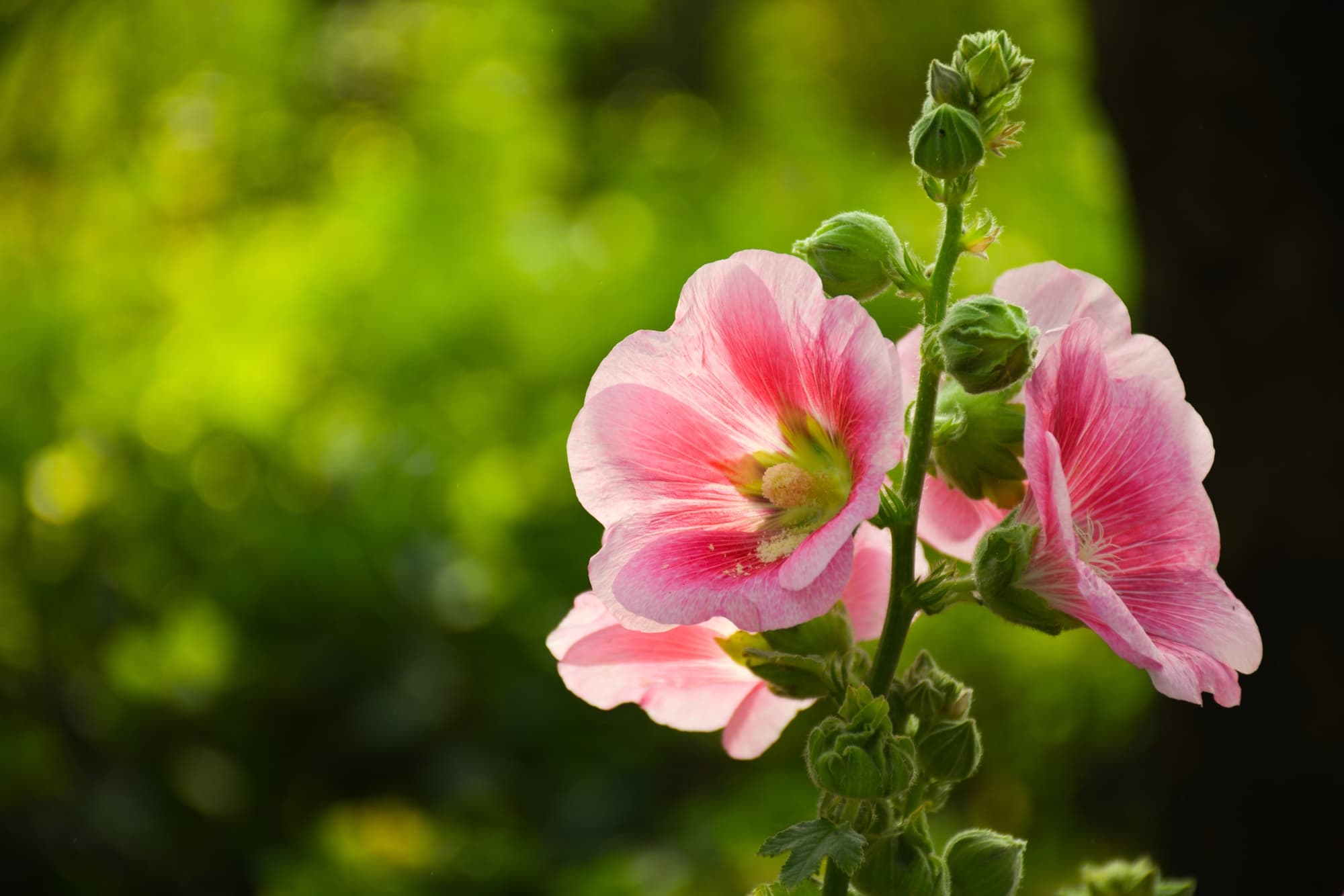
IN THIS GUIDE When To Sow Hollyhocks 1) Prepare An Area For Sowing Indoors 2) Sow Your Hollyhock Seeds 3) Prick Out & Pot On 4) Plant Out The Hollyhock Seedlings Sowing Hollyhocks Outdoors Hollyhocks are cottage garden favourites that can add height and drama to mixed borders, brightening up your beds with their cheerful, blousy blooms. They are short-lived perennials, but due to fungal problems, hollyhocks are often best treated as biennials. Hollyhocks are relatively easy to grow yourself from seed and, in many UK gardens in a suitable spot, will self-seed readily. To grow hollyhocks from seed, you can either sow seeds indoors between April and May or sow outside directly where they are to grow in May or June. To propagate hollyhocks from seed: Prepare a sowing area indoors, with a seed tray filled with seed-starting compost. Sow the hollyhock seeds. Prick out and pot on hollyhock seedlings when they are large enough to handle. Harden off and plant out indoor-sown hollyhocks in June. Read on for more detail on the methods that you might employ in your garden. Difficulty Easy Equipment Required Seeds, pots or trays, growing medium, heated propagator (optional) When To Sow April to May When To Plant Out June When To Sow Hollyhocks Hollyhock seeds can either be sown indoors in April or May or directly sown where you will grow them in your garden in May or June. Though the former option has more stages to it and involves a little more work, it is generally the best option in the UK, as directly sowing seeds often means losses to pests like slugs and snails. That said, if you have lighter soils and can provide the optimal conditions, sowing outside directly can work just fine. 1) Prepare An Area For Sowing Indoors If you decide to sow hollyhocks indoors, then you can do so in seed trays or modules on a sunny windowsill. However, you will find that germination rates are better if you can keep temperatures consistent and between 16-21°C until the seedlings emerge. With a heated propagator, germination will typically be a little quicker, but this is not essential for these plants to grow successfully from seed. Prepare your area for seed sowing, making sure that you have your seed flats, seed trays or other containers in place, filling them with a suitable peat-free, seed-starting compost. 2) Sow Your Hollyhock Seeds Place the hollyhock seeds on the surface of the moist but well-drained growing medium. Cover them over lightly with a little more of the same medium. 3) Prick Out & Pot On Once the seeds germinate and the seedlings begin to grow, prick out each seedling and pot it up into its own individual pot. Then, leave the seedlings to grow until it is time to transplant them into your garden. 4) Plant Out The Hollyhock Seedlings In late May or early June, begin the process of hardening off your indoor-sown hollyhock seedlings to acclimatise them to outdoor growing conditions. When the time comes, select a suitable spot for planting, then plant your seedlings in the garden once the weather has warmed reliably, which is typically in June. Sowing Hollyhocks Outdoors Alternatively, if you prefer, you can select a suitable spot in your garden and directly sow your hollyhock seeds so that they will germinate in the same location where they will then continue to grow. Sow in holes or drills, aiming for an eventual spacing of around 60cm between each of your hollyhock plants. Remember, when growing hollyhocks from seed, not all will come true to their parent plant. Hollyhocks will not bloom in their first, but rather in their second year. Though some can self-seed readily in the right location, you will need to sow seeds over two years to make sure that you have hollyhock blooms in your garden annually over the years to come. Gardening expert Dan Ori explains how he uses a simple approach to sowing hollyhocks outside in autumn: “As hollyhocks survive the winter in the UK and can self-seed, I encourage this process during autumn border maintenance. “Around early autumn the seed-heads on hollyhocks turn brown, as I weed and cut back perennials in my borders I brake and shake the seed-heads on to the freshly weeded ground, I then mulch the borders and let the seeds do the rest.”
Learn more
Transplant Shock And Underwatering: 6 Common Reasons For Drooping Sunflowers
IN THIS GUIDE 1) Blooms Dying Back 2) A Lack Of Support 3) A Lack Of Water 4) Pests Or Diseases 5) Transplant Shock 6) Phoma Black Stem References Sunflowers are among the most commonly grown plants in the UK. Many people find those big disc-shaped flowers not only follow the sun but, in a way, resemble it. In fact, on tall varieties, those bright yellow rays against a blue sky are a sight to uplift a dispirited heart. However, sunflowers also give gardeners all over the world cause for concern, as every now and again they droop! Sunflowers can droop for any one of a variety of reasons, including: Blooms dying back in their natural lifecycle. A lack of support. A lack of water. Pests or diseases. Transplantation shock. Phoma black spot. Underneath we take you through these reasons so you can have the best chance at rectifying the issue. 1) Blooms Dying Back Sometimes, what you are worried about is not a drooping plant but a dying flower. You need not do anything other than harvest the seeds at the appropriate time or deadhead the fading flower. 2) A Lack Of Support Some types of sunflowers are top-heavy, meaning their stems are not strong enough to keep erect under the weight of big flower heads, so they droop. This reason for drooping is normal. All you need do is provide support to the plant by inserting a stake or cane into the ground and loosely tying the stem to it, especially at its upper half. Gardening Expert Dan Ori tells us secure but loose is the way to tie sunflowers, particularly near the top as the plant will want to adjust its position towards the sun throughout the day. This process is called phototropism. For specific instructions please see our guide on how to support tall plants. 3) A Lack Of Water Sunflowers are thirsty plants and insufficient water will cause drooping and wilting. This problem, provided you have caught it in good time, is not really a problem at all. Simply give the plants a thorough watering with cool water in the morning, watering at the soil line. We only hope that you are not discovering this problem and its cure on a hot, sunny afternoon! If you are, use cold water or wait until late evening. Keep the affected plants properly hydrated. 4) Pests Or Diseases Sunflowers are mainly trouble-free plants. However, they can occasionally succumb to pests and diseases, especially when conditions are sub-optimal. Crowding, a closed-in growing spot, overwatering, damp foliage and weeds increase the odds of pest attacks and disease. The specific pest infestation or disease will have to be diagnosed and, if possible, treated. 5) Transplant Shock Sunflowers do not take well to transplanting for a multiplicity of reasons. Even if you have been especially careful, sunflower roots are not adaptive to new conditions and resent being disturbed. Another factor is a sudden change in environmental conditions as a result of little or no hardening off. There is not much you can do except keep the plant well-hydrated and keep your fingers crossed. If you have suddenly transplanted the sunflowers from a partially shaded spot to a spot in full sun, arranging a temporary barrier to provide shade during the afternoons may help. Going forward I suggest that you sow seeds directly in open ground or, if you’re not too deep into summer, why not do it now? 6) Phoma Black Stem Phoma black stem is a fungal disease that can strike sunflowers.1 Waterlogging due to overwatering, poor-draining soil, consistently damp foliage or overcrowding are contributing factors. Unfortunately, there is no known cure.2 The afflicted plants will have to be uprooted and disposed of. This fungus often lives in the soil, so it would be wise to clear the ground and grow something robust in that spot instead in the future. References 1. Phoma Black Stem. (n.d.). National Sunflower Association. Retrieved April 14, 2023, from https://www.sunflowernsa.com/growers/diseases/phoma-black-stem/ 2. Phoma Black Stem / Phomopsis Stem Canker. (2019, July 22). University of Nebraska-Lincoln. Retrieved May 22, 2023, from https://cropwatch.unl.edu/plantdisease/sunflower/phoma/phomopsis
Learn more
Only Harvest The Seeds From A Sunflower Head When The Petals Start To Wither
IN THIS GUIDE 1) Observe The Flowers 2) Protect The Flower Heads 3) Snip Off The Flowers 4) Dry Them 5) Extract The Seeds 6) Store The Seeds Some people love the open, uncomplicated look of popping yellow sunflowers, whilst others love their seeds as food to snack on. Why not have your cake and eat it too? Give easy-to-grow sunflowers a patch in your garden, enjoy the sight of the charming, bright yellow flowers and then harvest the seeds to munch on! You could even extract sunflower oil or make sunflower butter from the seeds – or you may simply sow them the following year. Before you get that far, you need to know how to harvest these seeds. The simple process is as follows: Keep an eye on the sunflower heads. Protect the flower heads from birds and bad weather, using netting if necessary. Snip off the flower heads using scissors or secateurs. Dry the flowers by laying them on a sheet of newspaper for roughly ten days. Extract the seeds from the dried flowerheads. Store the seeds in a dry (preferably airtight) location. Each stage of this process is described below. Difficulty Easy Equipment Required Paper bag, string, newspaper, wide container When To Harvest 70-120 days after sowing 1) Observe The Flowers When those big, brilliant blooms start to fade and wither, you need to start a close watch on the yellowing, browning flowers. You see, those drying flower heads are nature-made bird feeders! If you don’t make your move in time, common garden birds will devour the seeds. What you will need to do is described in the following step but the first line of action is to be vigilant. You will need to begin your watch from 70-120 days after sowing the seeds depending on the variety you’re growing. When the petals of a flower head have withered and are falling off, it is wilted at a downward angle and the rear of the flowerhead (where the calyx joins it) has yellowed, or as soon as you spot birds pecking, proceed to the following step. 2) Protect The Flower Heads As it is better to allow the seeds to ripen on the plant and not harvest them prematurely, it is necessary to protect the seeds in the flower head from those greedy birdies. Loosely cover the flowerhead with netting or a paper or cheesecloth bag (not a plastic bag!) and tie or clip the opening to the stem. It is, of course, possible that a particularly naughty and smart bird may peck at and tear the bag to get at those tasty seeds, but if that happens, give credit to your avian rival! You will need to take this step for each flowerhead in its own turn. If you are lucky enough to live in a region where birds ignore wilted sunflowers and their seeds, you can skip this tedious step but keep in mind that whatever seeds come loose and fall off will be lost. 3) Snip Off The Flowers For a precisely-timed harvest, remove the paper bag to inspect the withered flower head every few days, otherwise, simply skip the inspection and harvest the flower head about ten days after you covered it. If the rear of the flower head is yellowy-brown in colour, the florets in the central disc have withered or fallen off and the seeds are exposed and look plump, they are ready to harvest. Seeds may be striped black and cream or be entirely brownish-black; both types are edible but the former is definitely tastier. Snip off the stalk about 25cm beneath the flower head. Be gentle and careful when cutting because a jerk will dislodge seeds that have dried and are coming loose. 4) Dry Them Bring each flower head indoors, with a bag on if you had tied one, to a storage room that is clean, dry, and well-ventilated. Remove the bag, tie a string to the stalk and suspend the flowerhead from a rafter or spread a newspaper on a table and lay the flower head on it. Leave some space between adjacent flower heads. Do not put them on a sheet of plastic. If you opt for the former style, you may want to put a plastic tub or another container beneath the suspended flower stalks to catch any falling seeds. If you opt for the latter style, be sure that there are no mice, insects or other pests in your storeroom! Leave each flower head for about ten days, after which the seeds will be ready to harvest. 5) Extract The Seeds Lay a sheet of newspaper on the floor and put a pail or any wide, broad container on it. Hold a flower head above the pail and firmly brush it with your fingers to extract the seeds. You may rub two flower heads against one another or pull apart a flowerhead to dislodge the seeds. After you are done, sift through the seeds and pick out any extraneous matter, as you will likely find dried florets and small bits of the withered flower among the seeds. If you are certain that your storeroom is free of mice and other pests, lay a sheet of newspaper on a table and spread the seeds on that for drying. The seeds should not be touching each other. If your storeroom is not certain to be free of pests, then put only a handful of seeds in a mesh bag and suspend that with a piece of string from a rafter. Use as many mesh bags as needed. If you use the newspaper sheet style, 24 hours is enough. If you use the mesh-bag style, jiggle the bags every six hours or so to re-arrange the seeds, and allow 2-3 days for drying. This final drying step is important because moist seeds will become mouldy or start to rot. 6) Store The Seeds Sunflower seeds can be put in paper envelopes or bags, which should be tightly closed and kept in the crisper or kept in a dry, airtight jar. But why store those tasty and nutritious seeds? Just start to munch on them, raw or roasted. But if you store the seeds, do check on them about once a fortnight in case any have gone mouldy, as these can affect the other seeds they are stored with. “Do not roast or eat all your seeds, as you will want some to sow in the ground next spring!” shares Master Horticulturist Dan Ori. “You can store them in a paper bag just the same, and I then put my paper bags in a tin and place them in a cupboard indoors.”
Learn more
7 Easy Ways To Accelerate The Composting Process From A Professional Horticulturist
IN THIS GUIDE 1) Manipulate The Carbon-Nitrogen Balance 2) Ensure The Moisture Level Is Right 3) Pre-Shred Compost Materials 4) Add Air Spaces & Improve Aeration 5) Increase Temperatures For A Hot Composting System 6) Take Up Vermicomposting 7) Add Certain Ingredients To Speed Decomposition References Creating your own compost at home is one of the very best things that you can do to garden in a more sustainable way and maintain your garden long-term. It is not difficult to compost organic materials, as this is a natural process that can take place without our intervention. Composting happens naturally around us in our gardens all the time, but to speed up the process, it can often be helpful to take things into our own hands. There are numerous different ways to make compost and some take a lot longer than others. Often, especially where space is limited, it can be useful to understand the fastest methods of compost creation and how to accelerate the compost-making process. If you are new to the world of composting, you should understand that there are a number of different ways to accelerate compost creation and speed up the process, including: Add more nitrogen-rich materials. Ensure the right moisture levels are maintained in the compost. Shred materials into smaller parts prior to composting. Improve aeration within the compost mix. Heat up the compost (hot composting). Enlist the help of worms in your composting system. Adding additional ingredients (such as biochar or ash) to the compost mix. Read on for a more detailed explanation of each of the above. 1) Manipulate The Carbon-Nitrogen Balance One important thing to think about if you want to accelerate compost creation is the balance of carbon-rich to nitrogen-rich materials in your compost heap or bin. The ratio of carbon to nitrogen that you want will depend on the composting method that you have selected and your ultimate goals.1 However, it is important to understand the impact that this ratio has on the speed at which materials in the compost break down, as well as the impact it has on the finished product. Often, a failure to balance the carbon-rich ‘brown’ and nitrogen-rich ‘green’ materials within a composting system is the reason for the problems that it has. If a composting system has too much carbon and too little nitrogen, it may often slow down considerably. So, adding more nitrogen-rich materials like manure, grass clippings or other green leafy plant matter can accelerate the process once more. “It is more likely that the average gardener adds almost entirely green to their compost in the form of grass clippings, kitchen waste, and green plant matter,” Horticultural Expert Dan Ori shares. “This almost entirely green mix is nitrogen-rich, but it just pickles rather than composts, creating a smelly unusable mess.” So what ratio should you use? Dan suggests, for a standard 1m by 1m compost heap or bin I would mix two parts brown to one part green, turning it every 3 months into another heap, after 12-18 months you should have good quality garden compost you can use. “If you have a small compost bin you could move to a faster mix that might get you something usable as mulch in 6-12 months, my faster mix would be one part brown to one part green,” he says. “Just be aware you often trade the quality of usable compost when you increase the nitrogen (green). “If you use one compost bin I advise getting at least one more so when one is full you can empty it into the other, this turning will help speed up the composting process and you will have an empty compost bin to start again.” 2) Ensure The Moisture Level Is Right Another important thing to think about in compost creation is that microbial life within the compost needs moisture to survive. In addition to this, when microbial life suffers, the process of decomposition in a composting system will slow down or cease altogether.2 It is important to keep compost within the Goldilocks zone when it comes to moisture within a compost heap or bin. Too wet, and the compost can become compacted and lack aeration. Too dry and the process may slow because the life within the compost that is essential to break down the materials may not be present to do its job. If a compost heap is too dry, watering it may help to accelerate compost creation once more. 3) Pre-Shred Compost Materials On the whole, larger pieces within a composting system will break down more slowly than smaller pieces. Often, to accelerate the process, all we need to do is think about the size of the pieces that we place into our composting systems in the first place. Rather than placing longer stems and branches onto a heap or into a composting container, you can shred that material first so that the pieces break down into a finished compost far more quickly. With just a little more work upfront, you could end up with a useful and usable compost far more quickly than you otherwise would have done. 4) Add Air Spaces & Improve Aeration One other very important thing to think about when trying to create compost as quickly as possible is how much oxygen there is within the compost heap or bin. Air spaces are essential within any aerobic composting system, in which we rely on microbes for decomposition that require oxygen to survive.3 Placing bulking agents like sticks, twigs or straw into the compost helps to ensure that there are air pockets so that the life within it can thrive. To improve aeration and speed up decomposition in many systems, you should also turn the compost regularly in order to ensure that there is plenty of oxygen in the mix. This is where tools like compost aerators and tumblers come in, which can be used to accelerate compost creation. 5) Increase Temperatures For A Hot Composting System One of the key ways to accelerate compost formation is to increase the temperatures of the mix. When you aim for higher temperatures within a composting system, this is called hot composting. Hot composting involves composting at temperatures at least 60°C.4 The greater temperatures within a hot composting setup mean that materials break down in far less time. Making sure that your heap or your bin is the right size and in the right place, as well as adding the right mix of materials, is vital to achieving these temperatures. Hot composting requires more consideration and effort compared with other, simpler composting methods, but the benefits that it can bring, accelerating the process and the general quality of the compost provided, can make all of that thought and effort worth it. 6) Take Up Vermicomposting Interestingly, you could consider enlisting the aid of special composting worms to speed up the composting process and create an excellent end product. Vermicomposting involves using composting worms within a bin or wormery system in order to break down materials more quickly and to create worm castings and worm tea which are incredibly good for your garden.5 As the worms pass through the mix they aerate it, which, as discussed above, can speed up the process. Also, as they digest the food scraps that you add for them, they speed up the decomposition within the mix. 7) Add Certain Ingredients To Speed Decomposition The methods discussed above are the main ways to try to accelerate compost creation. However, there are also other ways that scientists have shown that composting can be sped up. Adding certain specific ingredients to a compost heap or bin in moderation has been shown to speed up the process. For example, adding wood ash in moderation (but certainly not excessively) can improve the function and speed of the system as a whole.6 Likewise, adding small quantities of woody biochar to the composting system has been shown to accelerate the process.7 Caution is required when adding these elements and there is a lot more complexity in this arena to navigate, but you can fine-tune a composting system by adding certain elements to increase the speed of decomposition. However, beginners should always focus first on the key elements of the overall balance, moisture, aeration and temperatures and the roles these play in accelerating compost before they start experimenting further with creating the perfect compost for their needs. This caution is echoed by gardening expert Dan Ori: “As there has been no scientific study that I am aware into the mixing of wood ash and biochar into compost heaps, I would avoid attempting this as you could easily do more harm than good. “However, the use of wood ash and biochar directly on the garden instead has lots of studies prescribing when and when not to use, so looking further into this may be of value to you.” Focussing on these core things can help to accelerate compost creation while still getting great results from whichever system you choose. References 1. Vinje, E. (2023, January 10). Carbon-to-Nitrogen Ratio. Planet Natural. Retrieved May 10, 2023, from https://www.planetnatural.com/composting-101/making/c-n-ratio/ 2. Wyatt, G. (2023, March 15). Composting for Beginners: Dos and Don’ts (2023). Subpod US. Retrieved May 10, 2023, from https://subpod.com/pages/composting-for-beginners 3. Trautmann, N. (n.d.). Compost Physics. Cornell University. Retrieved May 10, 2023, from https://compost.css.cornell.edu/physics.html 4. Heap Temperature and Home Composting. (n.d.). Carry on Composting. Retrieved May 10, 2023, from https://www.carryoncomposting.com/416920215.html 5. Worm composting / RHS Gardening. (n.d.). Royal Horticultural Society. Retrieved May 10, 2023, from https://www.rhs.org.uk/soil-composts-mulches/worm-composting 6. Jordan, C. (2023, February 8). How to Use Ashes in Compost. WebMD. Retrieved May 10, 2023, from https://www.webmd.com/balance/how-to-use-ashes-compost 7. Teodoro, M., Trakal, L., Gallagher, B., Šimek, P., Soudek, P., Pohořelý, M., Beesley, L., Jačka, L., Kovář, M., Seyedsadr, S., & Mohan, D. (2020, March 1). Application of co-composted biochar significantly improved plant-growth relevant physical/chemical properties of a metal contaminated soil. Chemosphere. Retrieved May 10, 2023, from https://doi.org/10.1016/j.chemosphere.2019.125255
Learn more
Grow Impatiens ‘Busy Lizzies’ As Ideal Bedding Plants By Following These Guidelines
IN THIS GUIDE Overview Common Varieties How To Grow Busy Lizzies Planting Impatiens Busy Lizzies Plant Care Reviving A Dying Impatiens Plant References Busy Lizzies are a shade garden standard and a byword for bedding that produces heaps of charming warm-toned blooms. Impatiens produce masses of colourful little flowers during summer and are a brilliant bedding plant, even more so if your garden is blighted by shade, as these tender little plants will tolerate shady conditions well. As floriferous as these popular annuals are, they also have seriously pretty foliage. Impatiens leaves are very shapely, of an elliptic to lanceolate form, usually slightly serrated and are a rich green shade. Overview Botanical Name Impatiens Common Name(s) Impatiens, Busy Lizzie, Patience Plant, Sultana Plant Type Perennial (annual in temperate regions) Native Area East Africa Hardiness Rating H1B / H1C Foliage Evergreen Flowers Open disk-shaped flower with 5 petals, often notched and overlapping, in tones of orange, red, pink and white, 3-5cm across When To Plant April Although Impatiens are not really annuals, they are effectively annuals in the UK and Europe and are treated as such because they cannot tolerate low temperatures. In their native habitat of eastern Africa, they are actually evergreen perennials.1 Of a bushy, mounding habit that is naturally compact, Impatiens make terrific container plants too. Their small sizes mean small containers, and what better way to keep these herbaceous evergreens going until the following season than by simply bringing the little pots indoors? Gardening expert Dan Ori recommends starting again each year with standard walleriana types as it can be difficult to keep these looking healthy year on year: “More susceptible to cold and dying out, the New Guinea Impatiens actually overwinter in the house well.” Outdoors or indoors, these plants won’t require deadheading as they are self-cleaning.2 Common Varieties Over the past couple of decades, Impatiens in the UK have been struck by a widespread epidemic of downy mildew, specifically, Impatiens Downy Mildew (IDM).3 The devastation was so great that many gardens had to cull their Impatiens and the plant began to be given up on.4 Horticulturists have since developed Impatiens hybrids and cultivar series with resistance to downy mildew.5 In this transitional phase, the classic varieties are available for gardeners alongside the newer series that are mildew-resistant, but I focus on the latter in this guide. The species plant can grow anything from 15-60cm tall with the spread a shade narrower. It bears 5-petalled flowers from 3-5cm in diameter wide which usually occur in shades of pink, purple, orange, red and white. The following series are claimed to be downy mildew-resistant and are available in the UK. I. Accent Series These cultivars are ultra-compact plants growing to only 20cm tall and wide. The flowers are in standard hues, about 5cm across and have a darker eye. Blooming starts earlier and continues for longer. I. SunStanding Series The SunStanding series subsumes various cultivars. These cultivars may be grown under any exposure, in full shade to full sun. I. SunStanding Jazzy Series The Jazzy family features flowers that are very big at about 6cm. Moreover, it has variegated leaves that are yellow in the centre and green at the borders. I. walleriana Imara Series This is an award-winning series with well-branched plants from 25-30cm. The flowers’ hues are especially brilliant and vibrant. I. SunStanding Helios Series These cultivars are a great buy for home gardeners. Although the flowers are not as big as Jazzy’s, it produces them in greater profusion and even has bi-coloured blooms. How To Grow Busy Lizzies Busy Lizzies are easily and often grown from both seeds and cuttings. Impatiens seeds should not be sown directly outdoors in the UK as the favourable season is too short for the plants to mature and flower. Start seeds indoors in trays or small pots about two months before the expected last frost. If you sow in small pots then you will not have to pot on seedlings. Use a seed-starting mix for trays and potting compost amended with perlite or grit for pots. Sow seeds sparsely, 1-1.5cm deep. Dampen the medium and cover the tray or pots with clear polythene or plastic wrap to create humid conditions. The covering should have only a few small perforations. The temperature should range between 20-25°C; dampen daily. After seedlings emerge remove the covering and shift the trays or pots to a spot where they get a couple of hours of morning sunlight, or diffused or filtered sunlight later in the day; otherwise keep them under grow lights. I find that even strong sunlight coming in through patterned glass or frosted glass becomes diffused perfectly for plant-growing purposes. These plants are also super-easy to propagate via softwood cuttings. Hardiness To turn around that term ‘Fully Hardy,’ one might label Impatiens ‘Fully Tender.’ They are rated at H1B and H1C, meaning that the minimum temperatures they can tolerate are, respectively, 10°C and 5°C. So, let alone freezing temperatures or frost, if the mercury dips to even the single digits, the temperature can kill these plants. Though Busy Lizzies are not thought of as houseplants, the truth is that – with only a bit of effort – they make excellent potted plants for the home. Preferred Aspect Though different Impatiens series and cultivars have somewhat varying sun-shade preferences, all will do wonderfully well in partial shade, which is the most suitable position for them. Impatiens should be sited in a sheltered spot. Preferred Soil & Drainage Soil should retain moisture yet drain very well. It should also be fairly rich but not dense. So perhaps Busy Lizzies are a bit fussy about soil! Start with a sandy loam and incorporate grit, perlite, or both to ensure excellent drainage. Mix in organic compost in a 1:3 ratio with the loam and you’re good to go. If you think the soil will dry out very quickly or if you are planting in full sun, then do amend with vermiculite. Planting Impatiens Though you may plant on Impatiens that you have grown from seed or propagated from cuttings, keep in mind that they are conveniently bought as plugs or small potted plants from nurseries and even garden centres. Impatiens may be planted outdoors after the last frost. It would do well to wait until the soil has warmed up to decrease the likelihood of transplant shock and to get the plants off to a good start. In most regions of the UK this would mean sometime in April. For soil considerations please see section Preferred Soil and Drainage. Before planting Busy Lizzies outdoors, harden them by putting the pots outdoors in the morning for four days or so for increasing periods of time. The transplant hole should be about the same depth as the pot and twice as wide. Space the plants by about 30cm. Gently spread out the roots when transplanting. When you backfill the hole ensure that the soil level is no higher on the main stem than it was in the pot. Water in the plant. Please be aware that these plants’ roots are rather delicate so herewith a ‘Handle with Care’ advisory! Busy Lizzies Plant Care Impatiens need regular watering. Do not allow the soil to stay dry, especially in hot weather. At the same time, they also cannot stand waterlogged soil. As they are tender evergreen perennials, open-ground plantings will die in late autumn but you can keep potted plants going year-round by bringing them indoors or moving them to the conservatory, if you have one. For care guidelines if Impatiens are grown as houseplants, please see section Overwintering. A big advantage that these flowering plants have is that they are self-cleaning, so there is no deadheading task. Previously I would pinch the growing tips to head off legginess and ensure compactness but newer cultivars have such a fine bushy and compact habit that even this may not be necessary. Busy Lizzies benefit from fertilising but do not feed them with a balanced formula as it will result in excessive stem and foliage growth. Use a phosphor- and potash-oriented formulation designed for maximising blooms. A slow-release or controlled-release fertiliser (of the above type of formulation) for flowering plants would be perfect. Watering How much water Impatiens need is strongly dependent on their position and the current temperature, besides the amount of rain. For example, if they are sited in full shade and you are experiencing cool days, then a weekly or bi-weekly watering will probably be enough, and if it has rained, then no watering at all. But if they are positioned in full sun and you are having a heat wave and a dry spell, you will need to water them daily. As a general rule, water open-ground Impatiens generously, allow the top centimetre or two of the soil to dry out, and then water again. Overwintering If you choose to overwinter your Busy Lizzies, you need to grow them in containers in the first place. Containers should have drainage holes. Bring them indoors before the temperature falls to the single digits. ‘ Reverse-harden them first. As far as sunlight is concerned, all they’ll need is a few hours of morning sunlight or diffused or filtered sunlight at any time of the day. What is more important indoors are temperature and humidity. A very suitable temperature range is between 13-22°C, and this should not pose any problem indoors. As for humidity, typical indoor humidity is not sufficient for Impatiens plants. Humidity needs to be between 50-70% so a humidifier will prove very useful. To start with you could keep the pots on damp pebbles or orchid trays, mist the plants every other day, and see how it goes. “You are more likely to cause Downy Mildew problems with misting, so watering should be enough,” advises Dan Ori. Water in strict moderation as the plants are not growing actively and water will not dry out as much indoors as it did outdoors. Water sufficiently to make the soil just moist and allow the soil to dry out before watering again. Keep plants away from cold drafts and heating systems. Companion Planting One of the attractions of Busy Lizzies is their willingness and ability to play bridesmaid to the divas among flowering plants. A profusion of uncomplicated Impatiens blooms in bright tones and that rich green foliage in a compact, tidy shape make for a perfect backdrop to taller flowering plants that feature complex, richly-hued blooms. On the other hand, as Impatiens can flourish in shady areas, they become the star attractions when paired with, comparatively duller, foliage-centric evergreens and hedging. For the former type of companion planting, Aquilegia or Columbine is a great choice. Others include Iris and Camellia. I do think that someone should pair Oriental Lily with Busy Lizzies. For the latter type, Ferns and Hostas will be livened up with patches of Busy Lizzies. For entirely different types of effects, try tall, elegant Delphinium among merry little Impatiens, and Hydrangea and Impatiens as ‘pari passu’ companions. Common Problems Impatiens flowers are not only edible, they have a pleasant sweet-vegetal taste. And that is the main ‘common problem’ because everything from voles to deer love to snack on these plants. There is no getting around the reality that if such herbivores are found in your locality, you will have to set up traps or, much better, deterrents and repellants. Like many similar plants, Busy Lizzies can be attacked by aphids and wine weevils. As mentioned, legacy varieties are very vulnerable to downy mildew. Reviving A Dying Impatiens Plant To try to revive a dying Impatiens plant, you need to find out why your plant might be dying. Keep in mind that open-ground Impatiens will die in late autumn because they cannot survive winter in the UK. If a plant is dying during the favourable season, examine the foliage, from which it will be readily apparent if the plant has been afflicted by downy mildew or attacked by herbivores. If you observe a fine whitish down-like coating on the leaves, usually on the undersides, it is downy mildew. If the leaves have been nibbled at and are hole-ridden, you will have to set traps, deterrents or repellants for whatever herbivores are damaging the plant. Outdoors or indoors, Impatiens are susceptible to over and underwatering. In both cases, the trouble will manifest initially as drooping leaves, but in most plants, the result of dry soil will be drooping leaves, while root rot will lead to leaf wilt starting from the upper and outer leaves and progressing downward and inward. Simply check the soil to see if it is dry or soaked and think back to whether and how the plant was watered during the past 10-14 days. While a plant dying from lack of water is easy to save if you act quickly enough, the same cannot be said for a plant affected by root rot. References 1. Impatiens. (n.d.). San Diego Zoo Animals & Plants. Retrieved May 18, 2023, from https://animals.sandiegozoo.org/plants/impatiens 2. Russ, K., & Polomski, R. (2017b, August 26). Impatiens. Home & Garden Information Center | Clemson University, South Carolina. Retrieved May 17, 2023, from https://hgic.clemson.edu/factsheet/impatiens/ 3. Impatiens downy mildew / RHS Gardening. (n.d.). Royal Horticultural Society. Retrieved May 18, 2023, from https://www.rhs.org.uk/disease/impatiens-downy-mildew 4. Impatiens. (n.d.-b). University of Florida, Institute of Food and Agricultural Sciences. Retrieved May 18, 2023, from https://gardeningsolutions.ifas.ufl.edu/plants/ornamentals/impatiens.html 5. Lonnee, D. (2021, May 19). New Downy Mildew Resistant Impatiens Cultivars. Minnesota State Horticultural Society. Retrieved May 18, 2023, from https://northerngardener.org/new-downy-mildew-resistant-impatiens-cultivars/
Learn more
Sweet Violets And Alpine Heath - These 17 Plants Are Perfect For Winter Hanging Baskets
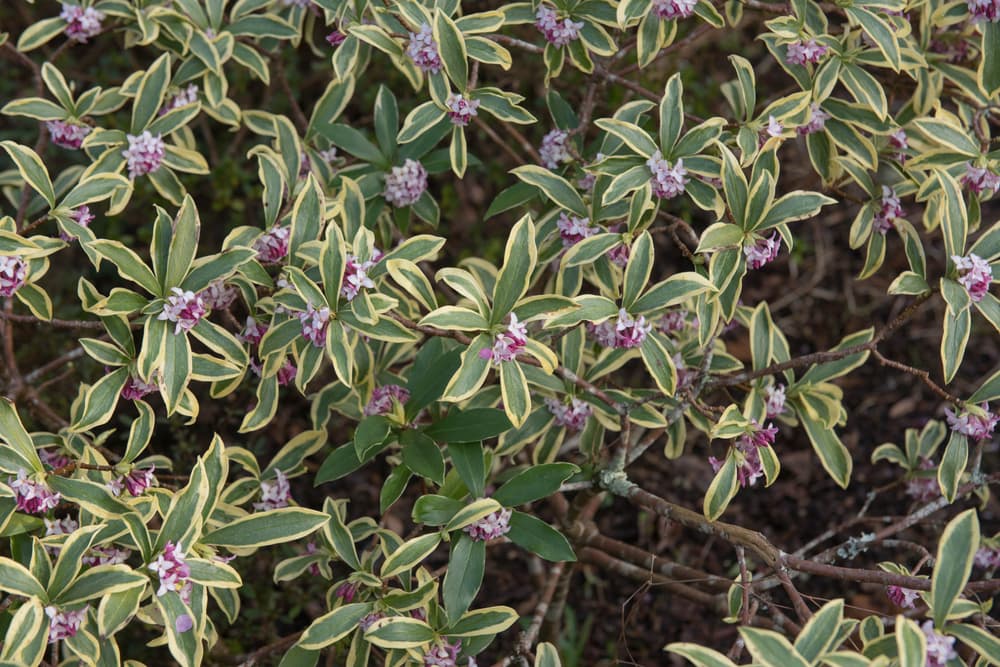
IN THIS GUIDE 1) Sweet Violet 2) Alpine Heath 3) Common Ivy 4) Christmas Cactus 5) African Violet 6) Poinsettia 7) Long-Stemmed Basket Plant 8) Creeping Cotoneaster ‘Queen Of Carpets’ 9) Rock Daisy 10) Striped-Flowered Wood Sorrel 11) Verbena ‘Margaret’s Memory’ 12) Rattlesnake Crassula 13) Small-Leaf Spiderwort 14) Silver-Inch Plant 15) Kalanchoe ‘Tessa’ 16) Common Winter Cactus 17) Coleus When the landscape is all grey and the plants are all gone except for the evergreens, surely it is not possible to partake in the pleasure of cheerful flowers trailing from a hanging basket? Colourful summer hanging baskets are a dime a dozen, but plants that will light up a hanging basket during winter are few and far between. Nonetheless, here is a tidy little assortment for you to choose a couple from. We have hardy perennials to hang out the front and tender evergreens to display in the living room. All entries have winter interest, be it through their foliage, flowers or berries, and all are suitable for hanging baskets or larger hanging containers. We’re sure these winter hanging baskets will add to the good cheer during the festive season and, perhaps more importantly, continue the good cheer into the dark January days. 1) Sweet Violet BOTANICAL NAME: Viola odorata HARDINESS RATING: H6 FOLIAGE: evergreen FLOWERS: blue, white or purple FLOWERING SEASON(S): winter / spring SUITED FOR: Outdoors What’s a hang-and-forget evergreen perennial growing to only 10cm wide and 40cm in height which puts on a delightful floral show in winter? Winter-flowering violets offer a delightful option and the mother species’ royal purple flowers are even sweetly scented. ‘Königin Charlotte’ and ‘D’Udine’ form mounds of shiny leaves and their blooms are also fragrant, with the former cultivar’s being a deep purple and the latter’s a mauve. The flowers of ‘Universal Plus’ are unscented, but they make up for it by flowering through most of the winter and spring, coming in a crayon box of colours. Gardening expert Dan Ori shares, that although perennial, they are normally treated like annuals (used for 6 months) as leaves can become spotty and stems leggy.: “Violas will have varieties marketed for summer and winter, there is no botanical difference between them, you will normally find the Violas marketed in summer have lighter more pastel shades.” 2) Alpine Heath BOTANICAL NAME: Erica carnea HARDINESS RATING: H6 FOLIAGE: evergreen FLOWERS: pink, purple or white FLOWERING SEASON(S): winter / spring SUITED FOR: OUTDOORS Among the British-native heathers, a few bear colourful winter flowers and have a trailing mat-forming habit, allowing them to be housed in hanging containers. As they are hardy evergreens, they bring a touch of those rugged but romantic moors and heaths to your front porch all year round. ‘Queen of Spain’ is only 15cm wide and 30cm tall and bears small urn-shaped flowers of a rich pink hue in sprays, with the blooms spanning throughout winter and spring. ‘Rubra’ has the same dimensions and type of flowers with a change in hue, this being deep pink to red. ‘Aurea’ produces long-lasting tiny dark bells from January into May and also flaunts foliage colours during this time. 3) Common Ivy BOTANICAL NAME: Hedera helix HARDINESS RATING: H5 FOLIAGE: evergreen FLOWERS: green or yellow FLOWERING SEASON(S): autumn SUITED FOR: Outdoors / Indoors Perhaps you wouldn’t think that that massive climber that effortlessly goes up tall buildings is a hanging basket plant? Well, it very much is – it just depends on the cultivar. Three that are fantastic for year-round trouble-free charm even when grown in shade are ‘White Knight’, ‘Wonder’ and ‘Dyinnii’. AGM-winner ‘White Knight’ is a trailing type with deeply-lobed white and green leaves. ‘Wonder’ is a trailing-climbing type that grows to 1-2m tall and has airy foliage, consisting of rounded leaves. ‘Dyinnii’, a bushy-trailing type, rises to only 20cm and its leaves are so deeply lobed that they appear star-shaped. 4) Christmas Cactus BOTANICAL NAME: Schlumbergera × buckleyi HARDINESS RATING: H1B FOLIAGE: evergreen FLOWERS: red or pink FLOWERING SEASON(S): winter SUITED FOR: Indoors A very tender evergreen, the aptly-named Christmas Cactus is a great flowering favourite during the winter months. An AGM-winner, Christmas Cactus has shiny green stems composed of flattish segments with wavy borders. These cascade beautifully from a basket. During winter, the stem tips produce a shower of blooms about 7.5cm long, which have a flower-in-flower effect. The flowers’ colours range from bright pink to deep red. 5) African Violet BOTANICAL NAME: Streptocarpus ionanthus HARDINESS RATING: H1A FOLIAGE: evergreen FLOWERS: purple or blue FLOWERING SEASON(S): spring / summer / autumn / winter SUITED FOR: Indoors Not to be confused with European Violet, African Violet is a fully tender plant and is nothing like its European counterpart. However, it is a fantastic hanging basket play for winter, as well as spring, summer and autumn! Growing to only 10cm tall, it has large, semi-rounded, greyish-green evergreen leaves. These leaves look like trays for charming, dainty, cup-shaped flowers that are borne in tight clusters. They occur in bright tones of pink, purple and blue with a small yellow eye. About 2.5cm wide, these flowers are very long-lasting and you can even enjoy them all year round. 6) Poinsettia BOTANICAL NAME: Euphorbia pulcherrima HARDINESS RATING: H1B FOLIAGE: semi-evergreen FLOWERS: red or yellow FLOWERING SEASON(S): winter SUITED FOR: Indoors Poinsettia is perfect for a hanging container in the UK. It will provide year-round foliage in a warm spot indoors, bursting into colour in winter. Though it has small bright yellow flowers, these occur in the middle of big, leaf-like bracts and it is these bracts that are the star attraction. They are plentiful and of a vermilion-to-red hue. As a result, the plant turns into a spreading, tumbling mass of warm, flaming colour during the height of winter. 7) Long-Stemmed Basket Plant BOTANICAL NAME: Aeschynanthus longicaulis HARDINESS RATING: H1A FOLIAGE: evergreen FLOWERS: orange or red FLOWERING SEASON(S): winter SUITED FOR: Indoors Long-Stemmed Basket Plant’s hardiness rating is H1A, yet it has received the RHS’s AGM so this tropical plant must have some merit when growing in the UK. It is an evergreen with a trailing habit that has pendulous stems that grow up to 1m. The evergreen lanceolate leaves have a stripy surface in green and yellow. In late summer, it starts producing clusters of flowers which last into winter. These 5cm blooms are tubular and usually a bright orange, but the patterned foliage competes with them for attention. 8) Creeping Cotoneaster ‘Queen Of Carpets’ BOTANICAL NAME: Cotoneaster procumbens ‘Queen of Carpets’ HARDINESS RATING: H6 FOLIAGE: evergreen FLOWERS: white FLOWERING SEASON(S): summer SUITED FOR: Outdoors A hardy evergreen that can be kept indoors or outdoors, ‘Queen of Carpets’ forms an evergreen mat of glossy silvery-green leaves that trail along red stems. At only 30cm with a spread of up to 1.5m, it is perfectly sized for a hanging basket. This RHS AGM winner is a real low-care option. It bears tiny white flowers from summer into early autumn and then is followed by colourful winter interest, where the blooms turn into red berries that add ornamental value from mid-autumn through to winter. 9) Rock Daisy BOTANICAL NAME: Brachyscome multifida HARDINESS RATING: H3 FOLIAGE: evergreen FLOWERS: purple, pink or white FLOWERING SEASON(S): summer / autumn / winter SUITED FOR: Outdoors (in the right conditions) Only about 40cm with a spreading habit, the very versatile Brachyscome multifida is as suitable for hanging baskets as for garden bedding. This half-hardy evergreen has dense emerald-green foliage that is deeply cut and almost needle-like. It produces small flowers in profusion starting from late summer. These continue through late autumn and, in favourable positions, into winter. The 2-2.5cm wide flowers are disk-shaped and daisy-like, range in colour from pink to purple and sport a yellow centre. 10) Striped-Flowered Wood Sorrel BOTANICAL NAME: Oxalis versicolor HARDINESS RATING: H3 FOLIAGE: deciduous FLOWERS: red or white FLOWERING SEASON(S): summer / autumn / winter SUITED FOR: Indoors A half-hardy deciduous perennial, Oxalis versicolor has won the RHS’s AGM. It has a bushy, clumping habit, grows to only about 8cm and displays charming foliage, which is composed of bright green spear-like leaflets. It starts to flower in late summer and continues well into winter. The little flowers are as pretty as they are unusual, as they are conical in shape with the petals arranged in a whorl. They are white with curving red margins on the outer surfaces of the overlapping petals, producing a twirling effect. 11) Verbena ‘Margaret’s Memory’ BOTANICAL NAME: Verbena ‘Margaret’s Memory’ HARDINESS RATING: H4 FOLIAGE: deciduous FLOWERS: pink FLOWERING SEASON(S): summer / autumn / winter SUITED FOR: Outdoors Well known for its summertime inflorescences, Verbena manages to post one entry on our list, as ‘Margaret’s Memory’ blooms in the wrong season but has just the right height and spreading habit for a hanging container. This semi-evergreen has heavily serrated leaves of rich, deep green. It produces the standard, Verbena florets in rounded flower heads that are of a blush pink hue. This cultivar has a tremendously long blooming season, starting from late spring and continuing until the end of autumn and, often enough, carrying on into winter. 12) Rattlesnake Crassula BOTANICAL NAME: Crassula barklyi HARDINESS RATING: H2 FOLIAGE: evergreen FLOWERS: white FLOWERING SEASON(S): winter SUITED FOR: Indoors Plunk AGM-recipient Crassula barklyi into a hanging basket and you’re sure to find a winter-flowering winner. This is a spreading, clump-forming succulent evergreen with a spread of 30-40cm. C. barklyi’s tiny white flowers may appear throughout winter. 13) Small-Leaf Spiderwort BOTANICAL NAME: Tradescantia fluminensis HARDINESS RATING: H1C FOLIAGE: evergreen FLOWERS: white FLOWERING SEASON(S): spring / summer / autumn / winter SUITED FOR: Indoors Tender Spiderworts are trailing evergreens and have two AGM-winning cultivars that have year-round foliage and flower interest ‘Aurea’ and ‘Quicksilver’. Their habit and heights of, respectively, only 10cm by 20cm, make them ideal for hanging baskets. ‘Aurea’ has thick elliptic leaves that are longitudinally striped in green and yellow in varying balances and ‘Quicksilver’ plays the same sharp trick, but in rich green and white. Both these elegant cultivars produce clusters of little white flowers all year round. 14) Silver-Inch Plant BOTANICAL NAME: Tradescantia zebrina HARDINESS RATING: H1C FOLIAGE: evergreen FLOWERS: pink or purple FLOWERING SEASON(S): spring / summer / autumn / winter SUITED FOR: Indoors Tender Silver-Inch Plants are also trailing evergreens, among which are two AGM-winning cultivars and these too have year-round foliage and flower interest. Both Silver-Inch Plant and its cultivar ‘Quadricolor’ at only about 15cm are also ideal for hanging baskets. Both have thick, ovate-to-lanceolate leaves. The species plant’s leaves have two broad white stripes on a greyish-green background with deep purple undersides, while the leaves of the ‘Quadricolor’ cultivar are boldly striped in greyish-green, cream and maroon. Both these stylish plants produce pink-purple flowers year-round, including in winter. 15) Kalanchoe ‘Tessa’ BOTANICAL NAME: Kalanchoe ‘Tessa’ HARDINESS RATING: H1B FOLIAGE: evergreen FLOWERS: orange or red FLOWERING SEASON(S): winter / spring SUITED FOR: Indoors With their pendulous habits, Kalanchoe varieties are perfect for hanging baskets, but they do not offer winter colour except for one cultivar – ‘Tessa’. It grows to only about 30cm and its drooping stems carry leaves with some year-round interest, as they are edged in bright red. It is a very understanding evergreen because it flowers prolifically just when you need it the most – during the height of winter and into spring. The little tubular blooms are borne in panicles and are about 2cm long, of a warm, glowing, reddish-orange colour. 16) Common Winter Cactus BOTANICAL NAME: Schlumbergera truncata HARDINESS RATING: H1B FOLIAGE: evergreen FLOWERS: purple, red or pink FLOWERING SEASON(S): autumn / winter SUITED FOR: Indoors This plant is only technically a cactus as it has no thorns to speak of. The glossy green stems, composed of flattened segments, emerge upright, arc and then become pendulous, tumbling nicely off a hanging basket. It starts to produce lovely tropical flowers in mid-late autumn and these continue into the winter. These long-lasting blooms are 7-8cm long and occur in pinks, reds and purples. 17) Coleus BOTANICAL NAME: Coleus scutellarioides HARDINESS RATING: H1C FOLIAGE: evergreen FLOWERS: blue FLOWERING SEASON(S): spring / summer / autumn SUITED FOR: Indoors Finally, there’s Coleus, which produces colour explosions of foliage that make them popular all over the world. The smaller bushy types are fantastic for hanging containers and can decorate the portico in summer and the drawing room in winter. ‘Lord Falmouth’, ‘Wisley Tapestry’ and ‘Winsome’, all AGM winners, are precisely the right types in habit and size and offer striking colours. The first has cordate leaves with green edging which enclose maroon centres. The second has irregular and deeply lobed leaves with a central crimson splash with maroon veining, surrounded by yellow and green borders. The third has serrated leaves that are bright red at the centres, rich green at the edges and have variable bright yellow zones. You don’t have to grow a single type of plant in a hanging basket. As long as the soil requirements and environmental needs are similar enough, you can mix and match. Give it a shot and perhaps you’ll come up with a one-of-a-kind combination that will have your guests amazed at your hanging basket skills!
Learn more
Hops Should Be Harvested At Just The Right Time Depending On Their Use - Here's How
IN THIS GUIDE Why Harvest Hops? When To Harvest Hops The Harvesting Process Storing Harvested Hops References Hops are climbers of hedgerows and sunny woodland edges that grow throughout much of the UK. They have been used for hundreds of years in brewing beer and also have several other applications that make them an enduring favourite among many growers. Whether you harvest hops that you have grown in your own garden or are looking to harvest plants growing wild in your area, there are certain things that you will need to know. I list all of the most important considerations for harvesting below. Difficulty Medium Equipment Required Secateurs, gardening gloves When To Harvest Early autumn Why Harvest Hops? Hops are harvested for a range of different reasons. You might harvest the young leaves and shoots early in the season for cooking, as they are said to have a delicious flavour. The young leaves may be eaten in salads and the fleshy rhizomes of hops are also sometimes harvested and eaten.1 Additional uses also include a brown dye which can be derived from the leaves and flower heads and plant fibres which are taken from the stems and used to make a coarse fabric or paper.2 However, the main reason for harvesting Humulus lupulus is for the dried flower heads which are used to brew beer and make tea.3 When To Harvest Hops If the young leaves and shoots are to be eaten, these should be harvested before the end of May. The main harvest of the cones should wait until the end of summer or early autumn, once they have had the chance to dry a little on the vine, as Mike Barker from Essentially Hops explains: “Harvest hops for decoration when they look their best, which is usually the end of August, beginning of September,” says Mike. Not all of the cones will ripen at exactly the same time, so you can harvest over a longer period in order to maximise yields. However, most of the time, hop vines are cut when most of the cones on them are ready to harvest. When the time comes to harvest hop cones, they should feel light, firm and slightly sticky to the touch. If they are still damp and squashy, they are not yet ready to harvest. They should be a lighter green than they were earlier in the year. A ripe cone will also leave a yellowish residue on your fingers when handled. “Hops for brewing need the cones to have matured,” explains Mike. “When pressed, the cone should be quite firm and when the cone is split, the seed should be a dark colour. “The longer hops are left on the plant the better, but if they’re left too long, they will blow away when dried or the colour will deteriorate, particularly in the wind and rain.” Another way to tell when hop cones are ready is by smelling them. The odour of the cones will alter from a grass-like fragrance to one that is more distinctive and aromatic. The Harvesting Process Once a good number of cones are ready to harvest, these can simply be plucked from the vine. However, since hops can grow too high to reach, the plants are usually chopped to the ground and the cones are then retrieved from the felled vine. Even though they will have dried partly on the vine, the hop cones then need to be dried fully once harvested or they will rot. They should be left on the vine and hung up to dry in a dark, well-ventilated space in order to allow moisture to escape from them. “Hang them straight up in the location you want and just let them dry in situ,” says Mike. It is important to make sure that the moisture leaves the hop cones or they can very quickly begin to rot. If the humidity is high, you can also dry the cones on very low heat (less than 60°C) in an oven or in an electric dehydrator. Storing Harvested Hops “Hops should be dried and then conditioned to a final moisture content of 8-10%,” shares Mike. “Drying hops is an art form which will vary with every different drying system. “Amateur growers and dryers may not require the hops to be compacted into bales or pockets, which is what is done by commercial dryers to reduce bulk.” However, at home, this is not generally a stage that we need to be concerned with. You can store the hops that you have harvested and dried simply by placing them into an airtight bag or other container and putting them into the freezer until you wish to use them. In a sealed container in the freezer, the hops should remain fresh for a year or even more. “A note of caution to parents and pet owners, when drying and storing hops, keep them out of reach from these often curious nibblers, although they should be fine to brush against in storage and in the garden,” shares Master Horticulturist Dan Ori. The basic outline above should help you to understand the basics of hop harvests and how to successfully use any hops that you grow in your garden. References 1. Humulus lupulus. (n.d.-b). PFAF Plant Database. Retrieved April 27, 2023, from https://pfaf.org/User/plant.aspx?LatinName=Humulus+lupulus 2. Calabretta, A. (2020, December 10). A Thread Of Sustainability. Textile World. Retrieved April 27, 2023, from https://www.textileworld.com/textile-world/features/2020/12/a-thread-of-sustainability/ 3. Goldman, J. (2016, August 19). Use Hops Tea to Enhance Flavors in Your Beer. Craft Beer & Brewing. Retrieved April 27, 2023, from https://beerandbrewing.com/use-hops-tea-to-enhance-flavors-in-your-beer/
Learn more
Exploring 15 Types Of Hops With The Owner Of This Canterbury Hops Nursery
IN THIS GUIDE 1) H. lupulus ‘Amarillo’ 2) H. lupulus ‘Aureus’ 3) H. lupulus ‘Billbo’ 4) H. lupulus ‘Centennial’ 5) H. lupulus ‘Citra’ 6) H. lupulus ‘Comet’ 7) H. lupulus ‘Gimli’ 8) H. lupulus ‘Golden Tassels’ 9) H. lupulus ‘Hallertauer Magnum’ 10) H. lupulus ‘Hallertauer Mittelfruh’ 11) H. lupulus ‘Hersbrucker’ 12) H. lupulus ‘Northern Brewer’ 13) H. lupulus ‘Nugget’ 14) H. lupulus ‘Prima Donna’ 15) H. lupulus ‘Target’ References Hops, Humulus lupulus, have a long history of use in brewing beer and also provide a number of other minor yields in addition to the dried flower heads they produce. If you are thinking about growing hops where you live, you might be wondering which specific variety to grow. When choosing a cultivar, it is important to think about what you will be using the plants for, both in the garden and after it’s been harvested. If you are using your hops for brewing beer, then there are many complexities surrounding their bitterness, flavour and aroma profiles. Sometimes, you may be looking to grow hops for their aesthetic appeal rather than for any yields that you can derive from them. You should also think about how large the hops variety you are considering will grow. Some will grow only to a smaller size and these dwarf options can often be better choices for a smaller garden and may even be grown in containers. We asked Mike Barker, a Partner at the specialist hops nursery Essentially Hops, what some of his personal favourite hop varieties are. “‘Cobb’ is one of our favourite varieties to grow and we are one of only 6 farms in the world that can grow them,” shares Mike. “This is an aroma hop used in ales and bitters that has a light spicy, earthy smell. “The hops tend to grow at the top of the bine which does make machine picking a challenge. “‘Challenger’, a dual-purpose hop with aroma and alpha acid elements, is another favourite. “It is high yielding, with hops all the way down the bine, and is known as a columnar hop because of its shape. “It also has beautiful dark green cones and is quite the looker!” With that said, here are some more of the most interesting options to consider – 1) H. lupulus ‘Amarillo’ COMMON NAME(S): amarillo hop HARDINESS RATING: H6 FLOWERS: green and yellow TYPICAL HEIGHT: 3-8m FLAVOUR: sweet citrus taste Hops for brewing are generally divided into those that have higher alpha-acid content (over 10%) and those that are below 10% in their alpha-acid content.1 Those in the former category are referred to as ‘bitter hops’, while those in the latter are referred to as ‘aroma hops’. This first option is one of the aroma hops, which are not only less bitter but which are also higher in essential oils. It has a moderate aroma and is sweet and fruity with some subtle spicy notes. 2) H. lupulus ‘Aureus’ COMMON NAME(S): golden hop HARDINESS RATING: H6 FLOWERS: green and yellow TYPICAL HEIGHT: 3-8m FLAVOUR: Lemony, grapefruit-like taste This is a decorative hop variety which has received an Award of Garden Merit from the RHS. Golden hop, as it is named, has yellow leaves that are 15cm in length. The female flower clusters are greenish-yellow and are followed by attractive hops. As long as the soil remains moist, placing this variety in a sunny spot will generally produce the best leaf colour. However, like other hop varieties, it can also tolerate partial shade. “when asked what the best ornamental hop is, I always point people to ‘Aureus’ as its robust nature, yellow hops, and leaves make it stand out better than darker-leaved varieties,” says Master Horticulturist Dan Ori. 3) H. lupulus ‘Billbo’ COMMON NAME(S): hop ‘billbo’ HARDINESS RATING: H6 FLOWERS: green TYPICAL HEIGHT: 5-9m FLAVOUR: sweet This is a unique hops variety that is very low in bitterness, which means that it is not necessarily a very good choice for beer brewing. However, it is a good choice if you are more interested in making tea with your crop. 4) H. lupulus ‘Centennial’ COMMON NAME(S): centennial hop HARDINESS RATING: H6 FLOWERS: green TYPICAL HEIGHT: 4.5-6m FLAVOUR: fruity and floral taste This variety, which is extremely popular in the United States, is an aromatic hop.2 It has an extremely evocative aroma with notes of earthy beetroot and berries mixed in with woody undertones. 5) H. lupulus ‘Citra’ COMMON NAME(S): citra hop HARDINESS RATING: H6 FLOWERS: green and yellow TYPICAL HEIGHT: 4-8m FLAVOUR: tropical fruit taste A high-value hop variety, this is another aromatic hop which has a varied, rather fruity aroma, with hints of a range of different fruits, and a fresh and zesty scent. 6) H. lupulus ‘Comet’ COMMON NAME(S): hop ‘comet’ HARDINESS RATING: H6 FLOWERS: green and yellow TYPICAL HEIGHT: 3-8m FLAVOUR: grapefruit undertones ‘Comet’ is another unusual and distinctive variety of hop which has light green or yellow foliage and very large, conspicuous umbels of flowers. This hop could be a good choice if you are looking for one to add some ornamental interest to your garden, as well as to provide a yield. 7) H. lupulus ‘Gimli’ COMMON NAME(S): hop ‘gimli’ HARDINESS RATING: H6 FLOWERS: white and green TYPICAL HEIGHT: 2-4m FLAVOUR: peppery taste If you are short on space, many of the hop varieties on this list may be too large for you to grow – ‘Gimli’ is the exception. Its vines grow just 4m or so in length and this smaller plant can even be grown in pots. Another good feature of this hop is that it is resistant to powdery mildew. 8) H. lupulus ‘Golden Tassels’ COMMON NAME(S): hop ‘golden tassels’ HARDINESS RATING: H6 FLOWERS: green TYPICAL HEIGHT: 1.5-3m FLAVOUR: mild This is a dwarf and female variety of hop that has lovely golden-green foliage and attractive hops. It is often considered to be a good choice for covering a pergola or arch structure in a garden. ‘Golden Tassels’ can also be a good cultivar to consider for inclusion in a wildlife-friendly hedgerow to attract butterflies, moths and a range of other beneficial creatures to your space. 9) H. lupulus ‘Hallertauer Magnum’ COMMON NAME(S): magnum hop HARDINESS RATING: H6 FLOWERS: green and yellow TYPICAL HEIGHT: 3-8m FLAVOUR: subtle citrus taste A dark or bitter hop variety, this option is very high in bitter constituents. It grows strongly in the right environment with plenty of vigour and also has extremely large umbels and leaves, hence the latter part of its name. 10) H. lupulus ‘Hallertauer Mittelfruh’ COMMON NAME(S): hallertauer mittelfruh hop HARDINESS RATING: H6 FLOWERS: green TYPICAL HEIGHT: 4-8m FLAVOUR: flowery taste with a slight spice This is an older variety that is still widely cultivated and extremely popular with home growers and some commercial growers too. It is an aromatic hop with large, dark green leaves, a pleasing form and growth habit to the eye and, of course, a delightful aroma. 11) H. lupulus ‘Hersbrucker’ COMMON NAME(S): hop ‘hersbrucker’ HARDINESS RATING: H6 FLOWERS: green TYPICAL HEIGHT: 3-8m FLAVOUR: spicy and fruity taste Another traditional hop variety, this option has a pleasing aroma and is known for a distinct spicy note that creeps into the scent of the hops. This is another hop that is relatively low in bitterness. 12) H. lupulus ‘Northern Brewer’ COMMON NAME(S): hop ‘northern brewer’ HARDINESS RATING: H6 FLOWERS: green and yellow TYPICAL HEIGHT: 3-6m FLAVOUR: minty undertones Though this dark hop variety is somewhat less productive than many other options on this list, it can be a better choice for more northern gardeners. This is because the cones will ripen early, making it a good choice for those limited by a shorter growing season. It is also high in bitterness which can be useful for brewing beer. 13) H. lupulus ‘Nugget’ COMMON NAME(S): hop ‘nugget’ HARDINESS RATING: H6 FLOWERS: green TYPICAL HEIGHT: 3-8m FLAVOUR: mild With high yields and strong growth, this option can be hardy, tough and capable of withstanding a range of soil conditions. However, while it is prized for its bitterness, this variety can be very susceptible to disease in comparison to the others on this list. 14) H. lupulus ‘Prima Donna’ COMMON NAME(S): hop ‘prima donna’ HARDINESS RATING: H6 FLOWERS: green TYPICAL HEIGHT: 2-4m FLAVOUR: orange, citrusy taste Another dwarf hops variety that grows only around 3m long, this option has leaves that start out green before turning more yellow in colour as the season progresses. The greenish-yellow female flower clusters are produced in profusion in summer and are followed in autumn by aromatic hops. 15) H. lupulus ‘Target’ COMMON NAME(S): target hop HARDINESS RATING: H6 FLOWERS: green and yellow TYPICAL HEIGHT: 3-8m FLAVOUR: sage undertones Like ‘Nugget’, ‘Target’ does not make great demands on the soil in which it is grown and is fairly hardy. This is an attractive cultivar with closed umbels and it is less susceptible to powdery mildew than some varieties. References 1. The Oxford Companion to Beer Definition of alpha acids. (n.d.). Craft Beer & Brewing. Retrieved May 18, 2023, from https://beerandbrewing.com/dictionary/0Mo49i2N1B/ 2. Your Guide to the Most Popular Beer Hops in the USA. (2020, May 7). Craft Beer Club. Retrieved April 27, 2023, from https://craftbeerclub.com/blog/post/your-guide-to-the-most-popular-beer-hops-in-the-usa
Learn more
Watering Olive Plants Well Can Increase Your Chances Of Fruit - These Are The Basics
IN THIS GUIDE How Much Water Do Olive Trees Need? How To Know When Olive Trees Need Watering How To Water Correctly Olive trees are appealing to British gardeners because they are one of a small number of evergreen trees that can potentially produce a yield. Even though getting olive trees to fruit in the UK is easier said than done, it is possible. Getting things right when it comes to watering and other care will greatly increase the chances that an olive tree might fruit, even here in the British Isles. Here are the basic things you need to know: How much water an olive tree requires depends on where it is growing and the environmental conditions. Those growing in containers will typically need to be watered more frequently than those in the ground. Consistent moisture is required for good performance and for any chance of your tree fruiting in the UK. Olive trees will need more water in summer and less over the coldest part of the year. Water olive trees when the top few centimetres of the growing medium have dried out. Ensure that there is excellent drainage and that excess water can always drain away freely. We explain all of this in great detail below. Difficulty Easy Equipment Required Watering can or hose pipe When To Water During the growing season when the soil or growing medium is dry How Much Water Do Olive Trees Need? Olive trees are a drought-tolerant species, capable of coping with fairly prolonged periods of water shortage in their native range. However, in the UK, especially if you want your tree to fruit, it is important to provide olive trees with consistent moisture during the growing season. “So many people neglect to water their olive tree in the first season in the ground,” shares Paul & Antonia Smith, Owners of The Norfolk Olive Tree Company. “This is absolutely essential for them whilst they are establishing roots.” It is also important to remember that these trees require free-draining conditions, so while they should be watered well and deeply, they should never be allowed to sit in saturated conditions. Good drainage is vitally important when growing an olive tree, whether you are growing it in the ground or, as is common in the UK, in a container. It is important to make sure that you not only have good drainage in the planting position for an olive tree but also that you provide the correct amount of water for your olive tree. Unfortunately, there is no precise figure that can be given when it comes to how much water an olive tree will need. This is because the climate, microclimate, soil or growing medium, and a whole raft of environmental factors determine in a given situation how much water an olive tree will need. Of course, water needs differ depending on whether plants are grown in a container or in the ground and they also vary throughout the course of the year. “As general guidance, the Arboricultural Association recommends that newly planted trees are given 50 litres of water per week in the summer months,” Gardening expert Dan Ori shares. “Based on my experience, this sounds about right for an olive tree over 2m high. If you are trying to visualise what 50 litres looks like, it is 3-6 watering cans depending on the size of the can.” With all of this in mind, how can we tell when our olive trees should be watered? How To Know When Olive Trees Need Watering “The most important factor in their cultivation is watering,” says Paul & Antonia. “So many people assume that as it is a Mediterranean species, it won’t need water, which is completely wrong, especially if it’s in a pot. “Soak it once or twice a week and do not let the soil dry out. Leaf curl is a sign of dehydration.” Another way to tell when it is time to water an olive tree is to look at the soil or growing medium around the tree in question. As a general rule of thumb, wait until the top few centimetres of soil or the growing medium in a container is dry before watering. You can examine and feel the growing medium with your hands to determine whether it’s dry. How To Water Correctly Whenever it is time to water an olive tree, the key is to water it well to make sure that the whole area around the roots receives water. When the olive tree is growing in a pot, this means making sure that the water goes through the entirety of the growing medium and flows out of the holes at the base of the container. Water deeply, making sure that the water is directed to where it is needed by the roots of your olive tree. Always ensure that the water has somewhere to go and that there is excellent drainage because if water sticks around and waterlogged conditions develop, this can damage your tree. Watering well and letting the growing medium dry out moderately but not entirely between waterings is the key to growing an olive tree successfully in Britain.
Learn more