Growing


You Can Actually Harvest Carrots At Any Time - But This Is When They're At Their Best
IN THIS GUIDE Check Your Seed Packet Timelines For Common Varieties Check Online For Days-To-Harvest Info Thin & Eat When Rows Look Overcrowded Understand Variety Size At Maturity Check The Top Of The Carrot Root Pull A Few Carrots To Check Why You May Wish To Hold Off Carrots are a great crop for new gardeners but one common question that arises is how to know when carrots are ready to harvest. Understanding when to harvest carrots can be one of the trickiest things for a new gardener. After all, you do not want to go to all the hard work of growing them, only to harvest the bulk of your crop before they reach their full potential. There are few hard and fast rules about when exactly carrots are ready to harvest. The truth of the matter is that you can harvest them at any time – and you can eat even the smallest of carrots. “When it comes to deliciousness, you really have to grow your own,” shares Adam Alexander, The Seed Detective. “Pulling a fresh carrot out of the grow and eating it is unbeatable.” But of course, there will be a time when the carrots reach a decent size and taste their best. Harvesting at the perfect moment will mean you obtain as large a yield as possible, but as a general rule, you can expect carrots to have reached a mature size between 12-16 weeks after sowing. Check Your Seed Packet The first way to find out when to harvest your carrots is to look closely at the seed packet. Often, information about the time to harvest will be included on the pack. Even when it does not tell you on the packet how long the carrots you are growing will take to reach maturity, it will still give you the variety information. This can allow you to research online and understand when the particular carrots you are growing are likely to reach mature size. Timelines For Common Varieties Here are some of the most commonly grown varieties in the UK, along with their harvesting information: Variety Weeks-To-Harvest Sowing Month(s) Harvesting Months ‘Flyaway F1’ 12+ Weeks April – July July – October ‘Sugarsnax’ 12+ Weeks March – June June – October ‘Nigel’ 12-16 Weeks April – June August – November ‘Sweet Candle’ 12-14 Weeks March – July July – October ‘Rainbow’ 12-16 Weeks April – June August – November ‘Purple Haze’ 12-18 Weeks April – June August – November Check Online For Days-To-Harvest Info If your particular variety is not listed above, you can look up days-to-harvest for that particular variety online. Often, you will be able to find a rough idea of the time to maturity. Of course, a range of different environmental factors will determine this number in reality. But getting a rough idea of days to harvest means that you have a ballpark idea of when to check for maturity in other ways. Thin & Eat When Rows Look Overcrowded Remember, it might not be the best policy to leave all your carrots to reach a fully mature size. Often, you will want to harvest some carrots a little earlier to give the remaining carrots in the row the space they need to grow to full size. It is a good idea to thin rows and pull up baby carrots when your rows begin to look overcrowded. These small carrots can still be very useful, even if they have not reached their full potential. Understand Variety Size At Maturity Of course, when we talk about a carrot reaching full size, it is important to remember that this size can be very different depending on the particular variety or varieties you have decided to grow. There is no optimal carrot size. Some carrots have been bred for short, fat roots, and others for long thin ones. Some varieties grow enormous, while others will always be relatively small no matter how long you leave them in the ground. Make sure, again, that you know which type or types you are growing, and make sure you know how large they can potentially grow. Without this information, there is no way to know if you are growing your carrots to the optimal size. Check The Top Of The Carrot Root When the time when you think your carrots might be ready to harvest approaches, one important clue that they might be ready is the size of the little bit of carrot root showing above the soil. When this seems to match the optimal size for the variety you are growing, it might be harvest time. If you cannot see the top of the root, move away any mulch and excavate the soil a little, very carefully, to see what the top of the root looks like. “Do not wait for flowers before harvesting,” warns Horticulture Lecturer Peter Lickorish. “As a biennial, they’re unlikely to flower in the year sown, and if they do, as happens occasionally, you can expect woody roots. “If there’s a hint of a flower stem forming, harvest them as soon as possible.” Pull A Few Carrots To Check There is one sure-fire way to know when carrots are ready to harvest – that is simply to pull one or two carrots out of the ground to see their size. If they are a size that you are happy with, then you can go ahead and harvest the lot. “Water the soil well before harvesting or wait for the soil to moisten before lifting your crop,” says Peter. If they are not quite there yet and you think that they may get a bit bigger then simply eat the smaller carrots you have pulled up and leave the rest for a while longer. You can also store your carrots by pickling them, as Horticulturist and Food Blogger Kathy Slack explains: “Everyone imagines pickling is all bubbling pots, steamy kitchens and sticky surfaces, but a quick pickle will preserve many harvests like carrots, beetroots, tomatoes, radishes, cucumbers, rhubarb…the list goes on. “Just melt equal amounts of sugar and cider vinegar over low heat. Leave to cool, then add very thin slices of raw veg, like your carrot. “They are ready to eat in 15 minutes but store in a jar in the fridge for a couple of weeks, generally.” Why You May Wish To Hold Off Carrots sown earlier in the year can sometimes become woody and not taste as good if they are left in the ground too long over the summer months. So harvesting when carrots are a little on the small side can be better than leaving them too long. However, as the end of the growing season approaches, it can sometimes make sense to hold off on harvesting carrots, even if they have reached a good size. The thing is, carrots can be left in the ground once cooler weather arrives, and harvested as and when needed. This can sometimes be the best and easiest way to store them. Another thing to bear in mind is that carrots can often taste better after they have been exposed to the first few frosts. This is because the cold breaks down starches into plant sugars – so your carrots, other root crops, and several other vegetables can actually taste a little sweeter.
Learn more
10 Essential Tips For Planting Bulbs In Pots, According To Master Horticulturists
IN THIS GUIDE 1) Choose The Right Container 2) Choose An Appropriate Growing Medium 3) Choose Your Bulbs Wisely 4) Layer Bulbs For A ‘Bulb Lasagne’ 5) Plant Beautiful Bulb Combinations 6) Understand Planting Depths 7) Remember To Plant Bulbs The Right Way Up 8) Space Around A Bulb Width Apart 9) Mulch The Container 10) Use A Mesh Cover For Protection Planting bulbs in pots is a great option for beginners, and is pretty easy to do, but here are some tips to help you make sure everything goes smoothly. Plenty of bulbs are suitable for container growing – and if you make the right choices, you can enjoy longer-lasting displays of blooms and combine bulbs to beautiful effect. Planting bulbs in pots does not usually require a lot of work or effort, but here are some tips to help you get the best results possible and make all the right choices for your container garden: 1) Choose The Right Container Choosing the right containers can make a big difference to the success of your garden. Most spring bulbs like relatively free-draining conditions. It is important to choose a container that will not retain too much moisture, while still retaining enough moisture to keep your plants happy. Terracotta pots are often an excellent choice – they are more eco-friendly than plastic pots, and also provide the right conditions for many bulbs. They are also sturdier and less likely to blow over than lighter weight options when taller bulb plants are grown. 2) Choose An Appropriate Growing Medium Of course, as well as thinking about your containers and what they are made from, it is also important to think about how you fill your pots. “Always make sure that you are using the correct compost and that there is always plenty of drainage,” says Jonathan Hart from Harts Nursery. “If bulbs fail to grow, it is normally because they have become too wet in pots.” When planting bulbs, you will usually fill your containers with a good quality, peat-free potting mix of some kind. Since many bulbs like relatively free-draining conditions, it is also often a good idea to add some sand or grit to the mix to improve drainage. Make sure you use crocks to cover drainage holes at the base so that these do not become blocked and water can drain through. 3) Choose Your Bulbs Wisely Another important piece of the puzzle is choosing the right bulbs to plant – and there are many different options to choose from. The key is choosing plants that are suited to the growing conditions where you live. It is also important to think about when each of the bulbs you are considering is in bloom. By choosing the right bulbs, you can enjoy flowers over a much longer period. Think about selecting bulbs that flower in early spring, mid-spring, and towards the end of the season, for example. That way, you will have flowers for pollinators at each crucial time of the year, and also extend the period of visual appeal. 4) Layer Bulbs For A ‘Bulb Lasagne’ If you select the right combinations of bulbs, you can sometimes layer these in a single container to make a bulb lasagne. It is important, however, to make sure that you understand how to layer the bulbs correctly. “The depth of the bulb planted is related to the size of the bulb and its optimal planting depth,” shares Master Horticulturist Dan Ori. “One thing I would say is that you want to plant your taller bulbs more centrally or towards the back so as not to overwhelm smaller plants.” 5) Plant Beautiful Bulb Combinations When thinking about how to combine bulbs in a container, be sure to think not only about their blooming period and growing requirements but also about how they will look together. Careful consideration of colour, form and size can help you find great container combinations for flowering plants. You might combine tulips and daffodils, for example, or a succession of hyacinths and miniature irises. There are plenty of beautiful bulb combinations that will allow you to get plenty of value from a single container. “Planting winter interest plants over the top of autumn-planted bulbs will make the most of your pots and be far more inspiring than bare compost,” adds Dan. “I plant well-spaced pansies and viola in my winter pots as they have thin shallow roots, the bulbs soon bully their way through in the spring, and if I notice any bulbs struggling to get through, I pull out the pansy.” 6) Understand Planting Depths As well as understanding when bulbs will be in bloom, it is also important to think about the planting depth required for each particular bulb. Some bulbs (tulips for example) should be planted much more deeply than others. As a general rule, bulbs should be planted at a depth of around 3 times their own height. Though this can vary somewhat depending on which bulbs you are growing, this general guideline can help you avoid going too far wrong when planting your bulbs. 7) Remember To Plant Bulbs The Right Way Up Bulbs should be planted the right way up. This might sound obvious – but with certain bulbs it is not always easy to tell. For many bulbs, the end that faces upwards is more pointed, and the rooting base is flatter. But with some bulbs, it can be very difficult to see this clearly. If in doubt, plant bulbs on their sides if possible as they should still grow successfully in this configuration. 8) Space Around A Bulb Width Apart Spacing can also be important. When growing bulbs in a container, you will usually place bulbs more closely together than when growing them in the ground. Again, this is just a general rule of thumb, and there are exceptions, but you should generally think about spacing bulbs around their own width apart from one another. 9) Mulch The Container It can be a good idea to mulch over the top of the container after planting your bulbs. An organic mulch of compost or leaf mould will add fertility as well as retaining moisture in the container. You might also add a decorative gravel mulch, or something similar as a soil cover. 10) Use A Mesh Cover For Protection Finally, after planting bulbs in a container in autumn, you might want to think about adding some protection to protect the bulbs over the winter months. “Make sure you protect anything on the tender side from frost,” recommends Jonathan. If you have squirrels or cats in your garden, they may sometimes dig up and eat your bulbs. If you have cats or squirrels around, one solution to consider is using a piece of mesh to cover over the top of the pots containing bulbs to keep them safe. This mesh should then be removed in the spring once your plants start to emerge from the soil. As you can see from the above, planting bulbs in pots is very straightforward, and you don’t have to be very green-fingered to give it a go. Just bear the above tips in mind and you should enjoy a beautiful flowering display.
Learn more
No Dig Gardening Explained For Beginners: Experts Share The Benefits And Their Advice
IN THIS GUIDE What Is No Dig Gardening? No Dig Benefits No Dig Garden Bed Types Transforming An Existing Garden Bed Maintaining A No Dig Garden References Learn all about no dig gardening, this eco-friendly and sustainable organic gardening method. As you read about organic gardening, you will no doubt come across the term ‘no dig gardening’ or ‘no till’ and may wonder what it means. No dig gardening is not complicated, but it does depart from some ‘traditional’ gardening lore. “Some people think it’s a lazy form of gardening, but the truth is you must put a lot of effort into making your own compost, sourcing compost and collecting mulches,” says Garden Blogger Jenny Thompson. “Try shifting and spreading over 3,000 litres of compost onto beds and I can assure you it’s not for the idle gardener!” While some traditionalists may baulk at this idea, it is now increasingly apparent that gardening in this way is the best way to maintain a healthy and productive organic garden. What Is No Dig Gardening? No dig gardening is a term that is largely self-explanatory. In a no dig garden, you do not dig or till to prepare the soil in your growing areas or to work in organic matter. Instead, you lay organic matter on top of the soil and you let nature do the work for you. The goal is to leave the soil as undisturbed as possible. “No dig gardening – how did I not have that earlier in my life?” says Kate Cotterill, Organic Gardener. “It liberates you completely. Once you get your plants off the ground, it means you spend a lot less time digging over your garden and weeding.” “There are also so many other benefits to it.” Since the soil in a no-dig garden is left largely undisturbed, the complex web of soil life is allowed to thrive.1 And that life, from the earthworms to the microscopic bacteria and fungi, will slowly break down the organic matter and incorporate it into the soil. “I first started dabbling with nodig back in 2014 after my gardens flooded,” shares the Climate Gardener Kim Stoddart. “I realised how this approach could help to build soil structure to help the ground cope with more water than dug-over soil. There are so many benefits as we now know.” In no dig gardening we: Don’t dig or till wherever possible. Take steps to avoid soil compaction. Keep the soil covered with mulches or living plants at all times, keeping a living root in the soil as frequently as we can. “I think once you understand even a little about soil biology, it’s hard to refute the principles of no-dig,” says Jenny. “With no dig, we practice minimal soil disturbance. This allows the organisms within the soil to flourish. “The web of life that exists within healthy soil is mind-blowing. One teaspoon of healthy soil can contain more microorganisms than there are people on the planet.” Understanding Organic Matter If you are new to gardening, you might not be familiar with the term organic matter. This is a term that it is vital to understand if you are trying to garden successfully in an organic, sustainable way. Organic matter is material containing carbon that derives from living things. In general terms, it is dead plant or animal matter, and animal waste.2 Soil organic matter is one component of a healthy, living soil. And gardeners add organic matter to improve the soil and add fertility. The types of organic matter added to soil might be brown organic matter: composts, manures and rotted dried leaves (leaf mould). They might be green organic matter – green leaves, vegetable scraps etc. Learning how to add more organic matter in your garden is always crucial to success. It might be helpful to think about the organic matter as “nature’s recycling”.3 Adding organic matter to the soil surface in your garden growing areas mimics the natural processes which take place in nature on a forest or woodland floor. The leaves fall, and begin to decay, and the complex web of soil life returns the nutrients they contain to the system. No dig gardening is about harnessing this natural process to create a closed-loop, natural system in your cultivated garden. “No dig works with nature, not against it and helps to make gardening more accessible for many people,” says Stephanie Hafferty, an Organic Gardener. No Dig Benefits Understanding why no dig gardening is a good idea involves understanding soil. Soil is far more than just ‘dirt’. Healthy soil is a living ecosystem, which we depend upon for almost all our gardening endeavours. It is made up of: Minerals Air Water Organic Matter Living Organisms No dig gardening is the best approach to keep these elements in balance, and the precious soil ecosystem functioning as it should. “All plants love it,” shares No-Dig Pioneer Charles Dowding. “An easy one for starting in springtime is potatoes or garlic (cloves) in October.” Remember, without the soil, we could not grow anything in our gardens. “No dig gardening protects mycorrhizae, other fungal networks and soil life (bacteria, nematodes etc) which creates excellent growing conditions for plants,” says Stephanie. “Digging destroys this vital ecosystem.” We rely on the soil for so much, so we should always be sure to take care of it. Environmental When we dig or till the soil, and when we leave it bare, we cause damage to this ecosystem. The soil can more easily lose its nutrients, be eroded by wind and rain and become compacted or overly saturated.4 When we disturb the soil, the beneficial organisms working away below the surface decrease, and the fertility of the soil slowly diminishes over time.5 We now know that the no-dig approach helps the microbiome in the soil, so your plants are, in turn, healthier,” says Kate. “This also means you can grow plants closer together, as the soil is richer in nutrients and retains water well, which is better for the environment.” Research from IPCC has confirmed that tilled or dug soil also becomes an emitter of carbon and greenhouse gases.6 Their work found that tilled soil produced 31% greater Global Warming Potential than non-tilled soil (on an area basis). So no dig gardening can also help you play a role in tackling our climate crisis. By keeping soil covered and avoiding disturbance and bare soil, a no dig gardening approach increases the amount of carbon stored in the soil in your garden – keeping it out of the atmosphere where it causes global warming. Increasing Yields What is more, no dig gardening can often be easier for the gardener too, since you will avoid the back-breaking work involved in digging garden beds manually. Gardeners and researchers are discovering that taking a no dig approach can increase yields and enhance species diversity over time.7 This is the most effective way to build new garden growing areas and to maintain existing beds and borders. No Dig Garden Bed Types If you would like to create a new growing area in your garden, there are several different ways to do so if you are taking a no dig approach. The most common options are: Lasagne Gardens Hugelkultur Straw Bale Gardens Lasagne Gardens A lasagne garden is a no dig bed which is, essentially, a type of composting. The idea is to layer organic matter on top of the soil. Since (just like in a composting system) you add different layers, the idea is called ‘lasagne gardening’. Just as you would build up the layers in the classic Italian dish, so too, in a lasagne garden, you layer up the natural ingredients to prepare your growing area. To make a lasagne garden you: Mark out the area for your new bed, adding bed edging if you wish to keep things neat. Remember that you can use a range of natural or reclaimed materials as bed edging. Make sure that you can easily reach all parts of the bed, so you will not step on and compact it. Layer untreated cardboard over the soil (or grass if you are creating the area over a lawn). Add a layer of carbon rich material (wood chips, dry leaves, straw, bracken etc.) over the cardboard. Aim for around 5cm in depth. Next, add a 5cm layer of nitrogen rich material (green leaves, manure, vegetable scraps etc.) Continue to layer carbon rich and nitrogen rich materials until your bed is at least 35cm deep (or the required height for the raised bed). Add a final layer of good quality compost, topsoil or loam into which you can plant. Water the area well, making sure that the layers are all moistened. Plant up your new raised bed. Mulch around the plants with a suitable organic mulch. Different plants will require different mulches, since different types of organic matter will have different properties and provide different nutrients. Hugelkultur Hugelkultur is another type of no dig raised bed. The word hugelkultur comes from the German for ‘mound culture’.8 A hugelkultur bed is a mounded bed which is built up in much the same way as a lasagne bed – with one key difference. Before the layers are added, as above, a central core of rotting wood is created. This core forms the skeleton of the new growing area, creating a hilled shape, usually at least 50cm and sometimes up to 1.5m or more high at the centre, rather than a flat-topped bed. The wood slowly decomposes and the mound will sink over time, but as it does so, it will retain plenty of moisture, and harbour plenty of beneficial life. Another benefit of hugelkultur is that it increases the growing area available. The mounded shape also provides different environmental conditions, so that a number of different plants with different needs can be grown in a smaller area. Plants that prefer sunnier conditions can be placed on the south or west side of the mound, and those which like less sun to the south or east. Moisture-loving plants will thrive near the base of the sides, while those with deeper roots, and/or more drought tolerance, go at the top. Once the central core is created, you should proceed to add the outer layers as above. You can then plant up the mound to stabilise the sloping sides right away. Straw Bale Gardens One other interesting idea to consider is straw bale gardening. As the name suggests – this involves growing plants in the tops of straw bales, rather than in the soil. Strawbales can sometimes be found free of charge from local farms as an agricultural byproduct, or (more commonly) purchased for a small price. The bales can simply be placed where you wish your new growing area to go. They will break down over time and can be contained with bed edging for a neater appearance. The bales should then be watered with a compost tea or other nitrogen-rich feed to begin the process of decomposition – and topped with a layer or with planting pockets of good quality compost into which plants can be placed. Experienced Horticulturist Dan Ori does offer a word of warning though: “Although straw can be a good growing medium it can take a lot of water to work well. “Both straw, hugelkultur, and lasagne beds with straw can encourage high slug and snail populations. “If you already have an abundance of slugs and a shortage of water, my recommendation would be to try a layering system, adding additional well-rotted garden compost on top after each harvest. “You will need plenty of compost with no-dig, so to save buying in too much, get composting quick!” Transforming An Existing Garden Bed Even if you do not want to create a new growing area, you can still get started with no dig gardening. Converting to no dig simply involves sheet mulching – laying organic matter over the soil surface to protect it and gradually improve it over time. Mulching “The best tip for no-dig gardening is just mulch, mulch and more mulch,” explains Jenny. “Ideally, lay a thick layer of homemade compost once a year, but I also use grass clippings, fallen leaves and even seaweed (rinsed first to wash excess salt off).” Any areas of bare soil should be covered – either with living plants or with organic mulches. Remember, mulches should be chosen with reference to the plants already growing in the area. Generally, the best time to add a mulch is in the spring, though mulches can be added at any time of the year. If you are sheet mulching around existing plants, there is one important thing to remember – keep the mulch away from the trunks or stems of the plants. Mulch piled around the base of plants can cause them to rot. Heavier mulches with woody material are best restricted to perennial shrubs and trees, since woody material will sequester nitrogen (one of the essential plant nutrients) as it breaks down. Though you can add woody material as part of a mixed mulch as long as there is also plenty of nitrogen-rich material to provide the additional nitrogen required. It is often a good idea to grow plants that provide you with materials for mulches. Many plants grow quickly and are good at accumulating certain specific nutrients. Plants that are good at gathering certain nutrients are called dynamic accumulators.9 These can be chopped and dropped as mulches around existing plants. But the most important resource to have in a no dig garden is a good quality compost and of course, it is much cheaper, easier and more eco-friendly if you make your own. Maintaining A No Dig Garden Once you have created a no dig gardening area, maintenance is all about keeping the soil covered with plants and mulches and building up new layers of organic matter over the area over time. Usually, mulches will be replenished each spring, just before the start of the main growing season – compost will often be added when switching out crops in rotation. Other mulches may also be added for specific purposes and at specific times. Placing a mulch of potassium-rich comfrey leaves around tomatoes when they begin to set fruit is one example. “Mulching is a resilient must and can help further boost soil health and lock in moisture into the ground to make it easier on plants and gardeners during a period of heat,” adds Kim. “You can use all sorts of materials you might already have to hand, such as compost, woodchips, leaf mold, grass clippings, compost, cardboard, wool, seaweed or even nibbled plant leaves – it all helps!” Weeding Weeding is much reduced in a no dig garden, since mulches suppress weed growth. And since the soil is not disturbed, fewer weed seeds are exposed to the light and germinate. But you may well still need to weed here and there in a no dig garden. Weeds are usually lightly hoed, or pulled by hand little and often. Planting Consistency Remember that it is always best to keep living plants in the soil as much as possible, as Kim explains: “I would recommend trying to use ground cover plants as much as you can to further protect soil from drying out. “Also consider what I call a free-planting approach, which basically means leaving a lot of space (about 6ft) between many plants of the same family to help reduce the risk of pests and airborne fungi, both of which are a major threat with climate change.” This means thinking about successional sowing throughout the growing season, and about placing cover crops or green manures in the ground over the winter months or during gaps in rotation. No dig gardening is a great choice for any organic garden. There is of course more to learn, but this beginner’s guide should help you get started in your garden. References 1. No Dig Gardening. (2023, February 16). Garden Organic. Retrieved March 21, 2023, from https://www.gardenorganic.org.uk/expert-advice/garden-management/soil/the-nodig-method 2. Funderburg, E. (2001, August). What Does Organic Matter Do In Soil? Noble Research Institute. Retrieved March 21, 2023, from https://www.noble.org/news/publications/ag-news-and-views/2001/august/what-does-organic-matter-do-in-soil/ 3. Nature’s nutrient cycle. (2019, September 30). European Environment Agency. Retrieved March 21, 2023, from https://www.eea.europa.eu/signals/signals-2019-content-list/infographics/agriculture/view 4. Begum, T. (2021, April 16). Soil degradation: the problems and how to fix them. Natural History Museum. Retrieved March 21, 2023, from https://www.nhm.ac.uk/discover/soil-degradation.html 5. Gray, R. (n.d.). Why soil is disappearing from farms. BBC. Retrieved March 21, 2023, from https://www.bbc.com/future/bespoke/follow-the-food/why-soil-is-disappearing-from-farms/ 6. Mangalassery, S., Sjögersten, S., Sparkes, D. L., Sturrock, C. J., Craigon, J., & Mooney, S. J. (2015). To what extent can zero tillage lead to a reduction in greenhouse gas emissions from temperate soils? Scientific Reports, 4(1). https://doi.org/10.1038/srep04586 7. Grosvenor, G. (2020, July 19). No-dig gardening and chaos planting yields many rows of surprises. Whitchurch Herald. Retrieved March 21, 2023, from https://www.whitchurchherald.co.uk/news/18590842.no-dig-gardening-chaos-planting-yields-many-rows-surprises/ 8. Henderson, J. (2022, December 16). Hügelkultur Gardening. EcoFarming Daily. Retrieved March 21, 2023, from https://www.ecofarmingdaily.com/eco-farming-index/hugelkultur-gardening/ 9. Kitsteiner, J. (2015, April 10). The Facts about Dynamic Accumulators. The Permaculture Research Institute. Retrieved March 21, 2023, from https://www.permaculturenews.org/2015/04/10/the-facts-about-dynamic-accumulators/
Learn more
Can't Let Go Of Summer? Here Are 17 Autumn Flowering Bulbs For Late Colour
IN THIS GUIDE 1) Meadow Saffron (Autumn Crocus) 2) Dahlias 3) Autumn Snowflake 4) Guernsey Lily 5) Winter Daffodil 6) Surprising Snowdrop 7) Begonias 8) Devil Lily 9) Cilician Cyclamen 10) Abyssinian Gladiolus 11) Lucifer 12) Striped Flowered Wood Sorrel 13) Ivy Leaved Cyclamen 14) Purpleleaf False Shamrock 15) Scarborough Lily 16) Byzantine Crocus 17) Society Garlic Autumn Can Be The Prettiest Season Spring and summer are when we traditionally expect to see bright and flamboyant blooms of colour in our gardens. Looking out of my back door now, for example, in early August, I can see sunflowers, dahlias, and zinnias swaying in the breeze; their yellows and pinks competing against each other for my attention. How to keep the colourful blooms through to autumn? Also as I look out of my back door and into the garden, it strikes me that these blooms will soon start to fade. Their colours retreating away until next summer, bringing a completely different visual palette. It’s a shame in some ways, but really it’s just the inevitable truth of gardening, and rather than mourn the passing of each flower each year, it’s a chance to think about what comes next. And if you, like me, want colour in your garden for as much of the year as possible, the answer to “what next?” is simple: a selection of bright and beautiful autumn flowers for late garden colour! “Autumn has replaced spring as my favourite season,” shares Colin Skelly, a Horticulturist with nearly 15 years of experience in the industry. “It might be an age thing, but I no longer experience a sense of loss as summer passes. “Rather, I get a new burst of excitement as the garden transitions into autumn colour and winter structure. “Autumn bulbs are a fantastic way to add another layer of interest to this transition.” In this article, we’ll look at seventeen bulbs that fit the bill for a lovely burst of late-in-the-year colour. After reading you’ll have a good idea of which bulbs to plant in your garden to help ensure that the passing of summer isn’t the end of the captivating floral displays in your prized outdoor space. Let’s begin… 1) Meadow Saffron (Autumn Crocus) BOTANICAL NAME: Colchicum autumnale RECOMMENDED VARIETIES: Autumn Queen; Pink Goblet WHEN TO PLANT: JULY – AUGUST IN BLOOM: SEPTEMBER – OCTOBER The eagle-eyed amongst you will notice that the family Colchicaceae, to which autumn ‘crocuses’ belong, isn’t the family Iridaceae, of which true crocuses are members. If you can move past this deception you’ll find an attractive flower whose September and October bloom provide a perfect backdrop for the rest of your autumnal flower display to build from. The delicate purple flower which grows around a vibrant yellow core stands just a couple of inches off the ground, and looks great amongst grasses and other low-lying greenery. These flowers prefer a well-drained spot and do best in dappled shade: imagine them growing in a little glade section under tree cover and you’ll get a good idea of their ideal growing conditions. Simply plant the bulbs 5cm deep with 15cm between each in August, and you’ll enjoy their bloom that autumn. 2) Dahlias RECOMMENDED VARIETIES: Ellon Huston; Hart’s Autumn Splendour; Autumn Lustre; Wootton Cupid (Pictured) WHEN TO PLANT: JUNE IN BLOOM: AUGUST – SEPTEMBER Another colourful bloom with plenty of versatility is the ever-popular Dahlia. If you’re looking for something with a range of colours and sizes to choose from, then you can’t go wrong with this flower. Dahlia ‘Ellen Huston’ boasts deep orange-red bloom with flowers clocking in around 9cm wide. Their distinctly autumnal colour palette will look fantastic in any late-year display. Or how about the ‘Wootton Cupid’? Similarly sized but with daintier pink flowers, these will look great alone or alongside other varieties. Then you have the yellowy ‘Cream Alva’s’, the white ‘Figurines’, or the sunburst ‘Wootton Impact’ – 15cm across with incredibly flamboyant bloom imitating bright sunlight. These few varieties represent the tiniest selection of Dahlias available for autumn displays, and we recommend getting yourself properly acquainted with the choices on offer. 3) Autumn Snowflake BOTANICAL NAME: Leucojum autumnale WHEN TO PLANT: JUNE – JULY IN BLOOM: AUGUST – OCTOBER These white lantern-like flowers which droop from intriguing red-brown stems clearly communicate the fact that they’re built to thrive in autumn. For the discerning gardener looking to send subtle signals with their displays, autumn snowflakes are a no-brainer: their entire palette evokes autumn and the absence of any green draws attention to the change in season in an unobtrusive but undeniable way. Find a spot with rich, well-drained soil and pop in a few bulbs, then sit back and enjoy the clusters of autumn snowflakes that burst forth from the ground. Combine with other autumnal blooms around their September/October bloom time and you’ll be rewarded with an appealing and attractive display. 4) Guernsey Lily BOTANICAL NAME: Nerine bowdenii WHEN TO PLANT: AFTER LAST FROST IN BLOOM: SEPTEMBER – OCTOBER Browse a list of Nerine varieties and the accompanying images are a parade of pinks, from candyfloss through to flamingo. Names like ‘Bowden Lily’ and ‘Zeal Giant’ jump out from the page, each an inviting prospect for creating autumnal colour in your garden. If you consider pink to be an indispensable part of your garden’s aesthetic, then choosing a nerine or three is a must when designing your outdoor space. There are more than ten varieties well-suited for autumn blooms, meaning the handful we’ve named above barely scratch the surface of the options available to you. Your nerines will bloom from September onwards, lending support to other bulbs in this list that bloom in and around the same month. Grow alone for a stunning pink display, or combine with other flowers for balanced and harmonious bursts of colour. 5) Winter Daffodil BOTANICAL NAME: Sternbergia lutea WHEN TO PLANT: AUGUST IN BLOOM: SEPTEMBER – NOVEMBER These yearning flowers look a little bit like crocuses, making them popular contenders for late garden colour. Sternbergia lutea, for example, also confusingly known as the winter daffodil, is a cup-shaped flower of vibrant yellow: a shade that you’d definitely expect more to belong to spring. Part of creating late colour in your garden is variety, meaning that a bold yellow can work very well alongside the purples and pinks we’ve seen so far. It’s also about establishing themes that run through the seasons, so that visual consistency exists within and between the different phases of your bloom. By using a bright yellow like Sternbergia, you can carry that spring and early summer strand of colour through to subsequent months. Doing this well will provide constant reward as you sit in your garden throughout the seasons and watch the gradual transition unfold. 6) Surprising Snowdrop BOTANICAL NAME: Galanthus reginae-olgae WHEN TO PLANT: MARCH – APRIL IN BLOOM: SEPTEMBER – NOVEMBER Some plant names are adorably evocative of the way the plant looks and behaves, and the surprising snowdrop is a perfect example. Sharing some of their appearance with autumn snowflakes, these lantern-like flowers that droop from proud stems bring a completely different colour contribution to your autumnal displays. The white flowers dangling from bright green stems would look far more fitting in a spring display – perhaps where the “surprising” part of the name comes from. With what we’ve just discussed about carrying threads of colour and shape through from one season to the next though, and it’s easy to see why we’re recommending this plant as one to consider. Find a pot with full sun or partial shade and then sit back and enjoy the show. 7) Begonias RECOMMENDED VARIETIES: Santa Cruz Sunset (Pictured) WHEN TO PLANT: AFTER LAST FROST IN BLOOM: AUGUST – SEPTEMBER There are some flowers whose names will ring bells even for the non-gardeners amongst us, and we think begonia is on that list. The beautiful and fragrant Begonia flower is enough to catch the attention of anyone who sees (or smells!) it and we’d be remiss not to include them in our list. For a selection of autumn varieties let’s start with Begonia ‘Sutherlandii’. This recipient of the RHS Award of Garden Merit – indicating particular suitability to British gardens – has dainty orangey-yellow flowers that tumble forth in early autumn. Or how about Begonia ‘Fragrant Falls’, whose larger flowers boast a palette encompassing lemon yellow, peach, rich pink, and everything in between? If your key criteria when building an autumn flower display is variety and depth of colour, then you’ll be hard-pressed to find something better suited to your needs than begonias. 8) Devil Lily BOTANICAL NAME: Lilium tigrinum WHEN TO PLANT: AFTER LAST FROST IN BLOOM: AUGUST – SEPTEMBER 9) Cilician Cyclamen BOTANICAL NAME: Cyclamen cilicium WHEN TO PLANT: AUGUST – SEPTEMBER IN BLOOM: SEPTEMBER – NOVEMBER 10) Abyssinian Gladiolus BOTANICAL NAME: Gladiolus murielae WHEN TO PLANT: AFTER LAST FROST IN BLOOM: SEPTEMBER 11) Lucifer BOTANICAL NAME: Crocosmia RECOMMENDED VARIETIES: Late Lucifer WHEN TO PLANT: AFTER LAST FROST IN BLOOM: SEPTEMBER – OCTOBER 12) Striped Flowered Wood Sorrel BOTANICAL NAME: Oxalis versicolor WHEN TO PLANT: APRIL – MAY IN BLOOM: JULY – OCTOBER 13) Ivy Leaved Cyclamen BOTANICAL NAME: Cyclamen hederifolium WHEN TO PLANT: JUNE – JULY IN BLOOM: AUGUST – OCTOBER 14) Purpleleaf False Shamrock BOTANICAL NAME: Oxalis triangularis subsp. Papilionacea WHEN TO PLANT: MAY – JUNE IN BLOOM: AUGUST – SEPTEMBER 15) Scarborough Lily BOTANICAL NAME: Cyrtanthus elatus WHEN TO PLANT: MAY – JUNE IN BLOOM: AUGUST – SEPTEMBER 16) Byzantine Crocus BOTANICAL NAME: Crocus banaticus WHEN TO PLANT: MAY – JUNE IN BLOOM: SEPTEMBER – OCTOBER 17) Society Garlic BOTANICAL NAME: Tulbaghia violacea WHEN TO PLANT: AFTER LAST FROST IN BLOOM: AUGUST – SEPTEMBER Autumn Can Be The Prettiest Season While spring and summer definitely take pole-position in the eyes of most gardeners, the onset of autumn doesn’t need to be a forlorn occasion. Far from it, in fact. There are hundreds of flowers available that will continue to bring colour and stunning aroma to your garden throughout autumn; some at the start of September to ease with the transition, others through to the first frosts and beyond! In this list we’ve rounded up just seventeen options, but as we say there are literally hundreds. The selection here is intended to give a range of colours, shapes, and seasons of interest to work with. But if you’re looking to create a rich and rewarding autumnal display, we definitely recommend getting your detective hat on and having a look at what other options are available to you. You might also want to check out this list of bulbs to plant in Autumn.
Learn more
When Should You Plant Spring Bulbs? Guidelines For 10 Common Types
IN THIS GUIDE 1) Alliums 2) Bluebells 3) Chionodoxa 4) Crocus 5) Daffodils 6) Hyacinths 7) Iris reticulata 8) Muscari 9) Snowdrops 10) Tulips References Now might be a good time to think about ordering spring bulbs, but when should you plant them? Spring bulbs are planted in the autumn – but when exactly you should plant them depends on which specific spring bulbs you have decided to grow. Some should be planted in September, but you should hold off planting others until October or even November. Here’s a table that explains when to plant various spring bulbs: Bulb UK Planting Months Planting Depth Planting Spacing Allium September – October 4x Bulb Width 10cm Bluebells September – October 8cm 10cm Chionodoxa September – October 5cm 5-8cm Crocus August – November 10cm 7.5cm Daffodils August – September 3x Bulb Height 12cm Hyacinth September – October 10cm 7.5cm Iris reticulata September – October 10-12cm 10cm Muscari (Grape Hyacinth) September – October 10cm 5-6cm Snowdrops September – October 10cm 10cm Tulips October – November 3x Bulb Height 2x Bulb Width While spring bulbs can all be planted throughout the autumn months, any time up to around 6 weeks before the first ground-freezing hard frost, most spring-flowering bulbs are best planted earlier in the season – ideally, in most cases, before the end of September. So now you understand when to plant most spring bulbs, your main consideration will be which spring bulbs you should grow. Here are some of the best options to consider: 1) Alliums Ornamental alliums are one of the spring bulbs which should be planted in early to mid-autumn. They can be planted into a sunny border with free-draining soil, or can be grown in containers. The bulbs should be planted at a depth of around four times the width of the bulb. Depending on the variety, the bulbs should be placed around 10-20cm apart. Most alliums will bloom in late spring and early summer. 2) Bluebells Native bluebells are a great choice for a woodland or part shaded garden area. These bulbs should also be sown in autumn, in well-drained soil which does not dry out. The bulbs should be planted around 8cm deep, and should spring into life in the spring. Some bluebells, however, may fare better if planted ‘in the green’ in spring, so this is something to consider. 3) Chionodoxa Chionodoxa, ‘Glory of the Snow’ should also be planted in September or October, ideally before the end of September. They look great below trees that lose their leaves in winter and can also be naturalised in a lawn. Plant the bulbs around 5cm deep, and 5-8cm apart, or aim for spacing of around 15 bulbs for every 30cm square. 4) Crocus Crocus can be planted any time between August and early November. They work well in any sunny spot in the garden, though some varieties can also cope with partial shade. Consider naturalising some in a lawn, or placing some around fruit trees, for example, to attract early pollinators. These ‘bulbs’ (technically corms) can also be planted in containers. Sow bulbs pointed end up around 10cm deep and 7.5cm apart. 5) Daffodils Daffodils and other Narcissus are amongst the best-known spring bulbs. Daffodil bulbs should be planted in early to mid-autumn, ideally before the end of September. Some bulbs can also be ‘forced’ into early bloom indoors for flowering at Christmas (the paper-white narcissus, for example). Plant daffodil bulbs to a depth of around 3 times the height of the bulb. 6) Hyacinths Another of the most popular spring bulbs, hyacinths have a distinctive scent and can be grown in the ground or in containers. They can even be grown in pots indoors. Bulbs for spring-flowering are planted outdoors or in containers in early autumn. Prepared bulbs for earlier blooms should be planted in September if you would prefer blooms over the festive season. Plant bulbs around 10cm deep, at a spacing of around 7.5cm. 7) Iris reticulata Iris reticulata – early bulb iris – is another interesting choice to consider. Mature clumps should be divided between mid-summer and early autumn and the bulbs should be planted out in well-drained soil or growing medium in full sun in the ground or in containers in September or October. 8) Muscari Muscari, grape hyacinths, are another popular choice. These are another spring bulb that should be planted in the autumn months. They should be planted to a depth of around 10cm and work well outdoors or in containers in a free-draining yet moist soil or potting mix in full sun or partial shade. 9) Snowdrops Snowdrops are another bulb to choose for very early blooms, which should emerge sometime between January and March. If you can, try to plant snowdrop bulbs before the first hard frosts in your area. Unfortunately, these bulbs can be tricky to establish, and can easily dry out. So make sure you plant them out as quickly as possible after you buy them. Alternatively, establish plants by planting them ‘in the green’ in spring. Planting Later Many of the above can still be planted out until November, through will likely perform better with earlier planting. So it is not too late to consider planting the above if you haven’t got round to it just yet. However, there is one spring bulb best planted later in the autumn: the tulip. 10) Tulips Tulips can be sown earlier but will be more susceptible to a disease called tulip fire.1 Still, make sure that get your tulips planted before the first hard frosts in your area. Tulip bulbs should be planted at a depth of at least 2-3 times the bulb’s height and at a spacing of at least twice the bulb’s width. Most spring bulbs should be planted in the autumn, mostly in early to mid-autumn if possible. Gardening expert Dan Ori reassures that if you buy bulbs late or find some you forgot about you can still plant them as long as they have not rotten or disintegrated: “I have planted all types of spring bulbs as late as January with mixed results but some of all types came up and flowered, most just flowered late. “This spring we planted some daffodil bulbs in March just to see if they would flower, and most did in early summer! All this said, I would advise sticking to the prescribed times for best results, especially with the smaller bulbs and Alliums.” So order your spring bulbs now to make sure you are prepared. References 1. Tulip Fire or Botrytis Blight. (2000, March). Integrated Pest Management. Retrieved March 27, 2023, from https://ipm.illinois.edu/diseases/series600/rpd609/
Learn more
Use Any Of These 20 Options For Growing Under Trees Says Peter Lickorish
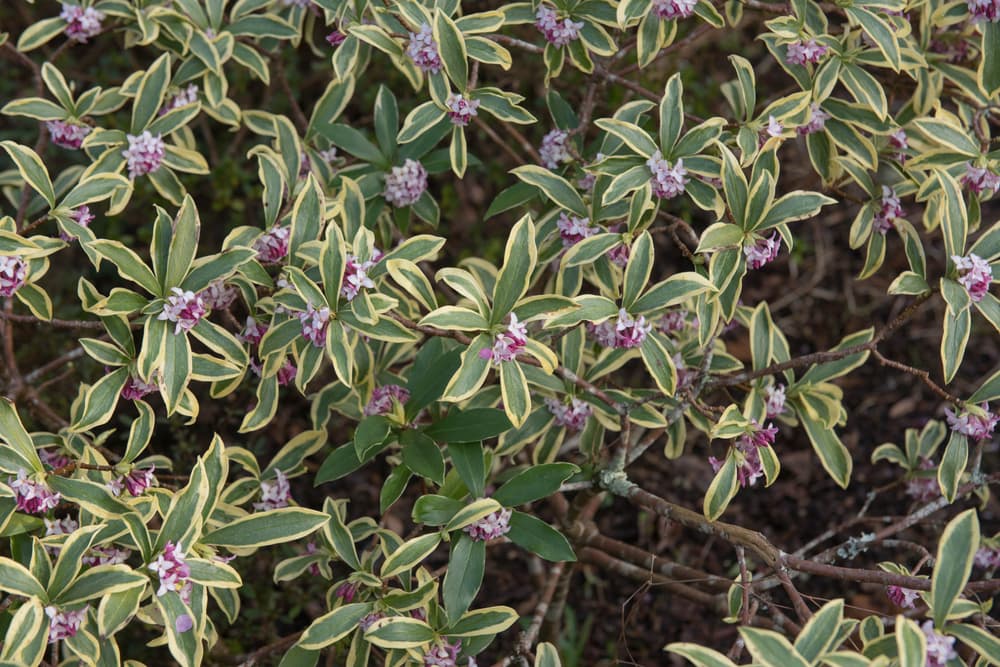
IN THIS GUIDE 1) Elephant Ears 2) Bleeding Heart 3) Daphne 4) Fuchsia 5) Plantain Lilies 6) Lily Of The Valley 7) Lungwort 8) Japanese Spurge 9) Periwinkle 10) Primrose 11) Garden Solomon’s Seal 12) Viburnum 13) Coral Bells 14) Spotted Deadnettle 15) Cranesbill 16) Columbine 17) Bluebells 18) Cyclamen 19) Foxgloves 20) Weigela Tips For Growing Under Trees References Beneath the boughs of a tree may be one of the most challenging places to cultivate growth in your garden, but there are plenty of plants that will oblige. Trees offer many benefits for a garden – their height and canopy can provide shade from the sun and shelter from the rain, alongside the obvious aesthetic advantages they bring. However, those two practical selling points can become drawbacks when it comes to planting in their vicinity – since the lack of sunlight and moisture can inhibit the growth of many species. “Some trees are more likely to have shallow roots, such as cherries and rowans, so planting under these is more of a challenge,” says Master Horticulturist Peter Lickorish. “Damage to the roots may also cause suckering. To avoid drawing the eye too much away from the tree above, a simple mass of Hakone grass (Hakonechloa) can work really well to blanket the ground, if the canopy above is not too dense.” Fortunately, there are still an abundance of options that will do well in such a situation. The following list is largely suitable for growing under any kind of tree coverage, but it’s always best to consult the specific care instructions associated with your plant of choice should any doubt remain. 1) Elephant Ears BOTANICAL NAME: BERGENIA HARDINESS RATING: H7 PREFERRED SUNLIGHT: FULL SUN / PART SHADE FLOWERING SEASON: SPRING With their large, glossy leaves and sprouting clumps of colourful flowers, Bergenias are among the most loved flowers in any garden. They can handle shade particularly well, while some strains can even benefit from poor quality soil by giving their leaves a reddish hue in autumn and winter. What’s more, the fact that waterlogged soil and strong winds can harm their growth make sheltered planting ideal for Bergenia. The rock provides that succour for the Elephant’s Ears variety pictured above, but a tree would do the job equally well. 2) Bleeding Heart BOTANICAL NAME: DICENTRA / LAMPROCAPNOS HARDINESS RATING: H6 PREFERRED SUNLIGHT: PART SHADE FLOWERING SEASON: SPRING / SUMMER The delicately pendulous blooms of bleeding heart (or dicentra, if you want to be more formal) make them an instant showstopper to any environment they adorn. Although their heart-shaped blossoms are undoubtedly the main attraction, they’ll even provide intrigue when not in bloom through the intricately divided nature of their foliage. While most species will do just fine under the boughs of a tree, some hybrids do demand more sunny locations, so check before planting. 3) Daphne BOTANICAL NAME: DAPHNE HARDINESS RATING: H4 PREFERRED SUNLIGHT: FULL SUN / PART SHADE FLOWERING SEASON: WINTER / SPRING Available in both deciduous and evergreen forms, daphne is a large genus of shrubs that are characterised by fragrant floral blooms and bright berries. While almost all of them are easy to cultivate in your garden regardless of the conditions they’re placed in, some can grow up to 1m or more in height, which could interfere with the lower branches of the tree above them. Since they often don’t take kindly to pruning, it’s advisable to opt for a smaller specimen when choosing a daphne for your garden. 4) Fuchsia BOTANICAL NAME: FUCHSIA HARDINESS RATING: H4 PREFERRED SUNLIGHT: FULL SUN / PART SHADE FLOWERING SEASON: SUMMER / AUTUMN Originally hailing from Central and South America, fuchsia plants have brightly coloured petals to attract the interest of hummingbirds in their native setting.1 Cross-breeding has produced a wide variety of different hues and combinations today, while their propensity to bloom right through summer makes them a firm favourite with UK homeowners. They don’t like too much sun, making them an ideal candidate for a display beneath a tree, but they do demand moist soil at all times – so be sure to prevent their feet from drying out. 5) Plantain Lilies BOTANICAL NAME: HOSTA HARDINESS RATING: H7 PREFERRED SUNLIGHT: PART SHADE FLOWERING SEASON: SUMMER Not all plants are favoured for their flowering splendour. Although some varieties of hosta do have blossoms, it’s certainly their foliage which is guaranteed to catch the eye. With hundreds of different species available, you can plump for hostas with wide, variegated leaves or small, dainty alternatives, while their colours can range from lush deep greens to sullen greyish blues to even bright whites. They can survive drought but will do best when given a hearty drink, so prevent them from drying out to achieve optimum results. 6) Lily Of The Valley BOTANICAL NAME: Convallaria majalis HARDINESS RATING: H7 PREFERRED SUNLIGHT: FULL SHADE FLOWERING SEASON: SPRING Despite its name, Lily of the Valley is perhaps more commonly found in woodland than valleys. Given its capacity to grow in even the darkest recesses of a forest, it should have no problem handling a shady spot in your back garden. The dainty blossoms look like they could serve as umbrellas for a fairy goddess, while the intoxicating fragrance they produce might suggest a fragile creature – but Lily of the Valley is hardy and fast-spreading, so it will provide adequate ground cover beneath your trees year after year. 7) Lungwort BOTANICAL NAME: Pulmonaria officinalis HARDINESS RATING: H6 PREFERRED SUNLIGHT: FULL SHADE / PART SHADE FLOWERING SEASON: SPRING Also known as pulmonaria, lungwort is so named for the shape of its leaves. Nonetheless, don’t let its slightly distasteful moniker blind you to its charms. Offering a colourful range of bee-friendly flowers atop silver-flecked foliage, this British native requires very little in the way of maintenance from you. As you can see in the image above, it’s perfectly capable of flourishing when nestled in the base of trees, too. 8) Japanese Spurge BOTANICAL NAME: Pachysandra HARDINESS RATING: H5 PREFERRED SUNLIGHT: FULL SHADE FLOWERING SEASON: SUMMER Pachysandra comes in all shapes and sizes, from low but dense ground cover to clumped shrubs as pictured above. What almost all varieties share in common, however, is the attractiveness of their foliage. Flowers will appear during the warmer months on most specimens, but it’s the thick patina on its leaves that make it stand out from the crowd. Pretty much all types of pachysandra will thrive in shaded conditions, though low-lying varieties may become invasive if not kept under control. 9) Periwinkle BOTANICAL NAME: VINCA MINOR HARDINESS RATING: H6 PREFERRED SUNLIGHT: ANY FLOWERING SEASON: SPRING / SUMMER Periwinkle is another plant whose progress must be closely monitored to avoid it spiralling out of control, since it just loves to spread out and invade the personal space of its neighbours. Having said that, it’s the perfect choice for a shaded spot beneath a tree where the soil is so eroded that nothing else will grow. Plus, the pretty flowers that it produces (in a range of colours, depending on the variety selected) will add intrigue come springtime. 10) Primrose BOTANICAL NAME: PRIMULA HARDINESS RATING: H7 PREFERRED SUNLIGHT: FULL SUN / PART SHADE FLOWERING SEASON: WINTER / SPRING The above shot of a single primrose flower pluckily shooting forth from the immediate vicinity of an aged and mossy tree is the ideal illustration of their determination and staying power in even the most adverse of conditions. Indeed, it’s most at home in such situations, given that its natural habitat is the forest floor. Some varieties will begin to bloom before almost anything else in your garden and provide months of aesthetic value. 11) Garden Solomon’s Seal BOTANICAL NAME: Polygonatum x hybridum HARDINESS RATING: H7 PREFERRED SUNLIGHT: ANY FLOWERING SEASON: SPRING Solomon’s seal, or Polygonatum x hybridum to give it its Latin name, is a favourite among English cottage gardens and wild woodlands. It favours darker and cooler climes, meaning the nether reaches of a tree are the ideal spot for it, while the aesthetic attributes it brings are a huge draw for any horticulturist. The foliage is impressive enough itself, with paired oval leaves lining its graceful, drooping stems. However, the bell-shaped blooms, white in colour with a green tip, are what really sets it off – especially when paired with others on this list, such as Lily of the Valley or bleeding heart. 12) Viburnum BOTANICAL NAME: Viburnum davidii HARDINESS RATING: H5 PREFERRED SUNLIGHT: FULL SUN / PART SHADE FLOWERING SEASON: SPRING There is an incredibly diverse array of viburnums to choose from, with large deciduous shrubs and smaller evergreen perennials all on offer. The pictured variety above is Viburnum davidii, which provides the holy trinity of blossoms, berries and interesting foliage all in one. Dark leathery leaves provide the backdrop to tiny white flowers, while female specimens will supplement those twin advantages with metallic-looking berries when pollinated. Best of all, they’ll grow under your tree with minimal encouragement. 13) Coral Bells BOTANICAL NAME: HEUCHERA HARDINESS RATING: H6 PREFERRED SUNLIGHT: FULL SUN / PART SHADE FLOWERING SEASON: SUMMER 14) Spotted Deadnettle BOTANICAL NAME: LAMIUM HARDINESS RATING: H7 PREFERRED SUNLIGHT: FULL SHADE / PART SHADE FLOWERING SEASON: SUMMER 15) Cranesbill BOTANICAL NAME: Geranium sylvaticum HARDINESS RATING: H7 PREFERRED SUNLIGHT: FULL SUN / PART SHADE FLOWERING SEASON: SPRING / SUMMER 16) Columbine BOTANICAL NAME: AQUILEGIA HARDINESS RATING: H6-7 PREFERRED SUNLIGHT: FULL SUN / PART SHADE FLOWERING SEASON: SPRING / SUMMER 17) Bluebells BOTANICAL NAME: Hyacinthoides non-scripta HARDINESS RATING: H6 PREFERRED SUNLIGHT: PART SHADE FLOWERING SEASON: SPRING 18) Cyclamen BOTANICAL NAME: CYCLAMEN HEDERIFOLIUM HARDINESS RATING: H5 PREFERRED SUNLIGHT: FULL SUN / PART SHADE FLOWERING SEASON: WINTER / SPRING 19) Foxgloves BOTANICAL NAME: Digitalis purpurea HARDINESS RATING: H7 PREFERRED SUNLIGHT: FULL SUN / PART SHADE FLOWERING SEASON: SUMMER 20) Weigela BOTANICAL NAME: WEIGELA HARDINESS RATING: H6 PREFERRED SUNLIGHT: ANY FLOWERING SEASON: SPRING / SUMMER Tips For Growing Under Trees The first factor which will influence your choice is whether the tree in question is evergreen, coniferous or deciduous. The former will pose particular problems for planting beneath it, since the year-round coverage of the foliage means that the ground directly below is likely to suffer from very little sunlight exposure and excessively dry soil conditions. What’s more, the proliferation of needles and other debris which often accumulates can make satisfactory growth of any plant – including grasses – a difficult endeavour. But while it might be difficult, it’s certainly not impossible. In that type of situation, it’s advisable to trim back the lower branches of the tree to ensure that some sun can filter through. This is known as crown lifting. You should also mulch the area beneath the tree with organic matter, leaving a buffer of around three feet between the trunk and your plants to ensure that its root system doesn’t interfere with their growth and vice versa. These precautions are sensible for any tree, regardless of whether it loses its leaves in winter or not. Having said all that, there’s no reason to approach the cultivation of plants underneath trees with trepidation, since there is a wide array of varieties that can survive and even thrive in such conditions. You might also want to check out our best ferns for dry shade – many of which will grow well under the shade of a tree. References 1. Breedlove, D., Berry, P., & Raven, P. (1982). The Mexican and Central American Species of Fuchsia (Onagraceae). Annals of the Missouri Botanical Garden. Retrieved March 22, 2023, from https://www.jstor.org/stable/2398791
Learn more
20 Spring Flowering Bulbs With Examples From Winterbourne's April Display
IN THIS GUIDE 1) Ornamental Onion 2) Windflower 3) Bluebell 4) Crocus 5) Daffodil 6) Byzantine Gladiolus 7) Hyacinth 8) Iris 9) Grape Hyacinth 10) Snowdrops 11) Tulips 12) Snake’s Head Fritillary 13) Persian Buttercup 14) Camas Lily 15) Lily Of The Valley 16) Striped Squill 17) Dog’s Tooth Violet 18) Lily 19) Winter Aconite 20) Alpine Violet References Putting in the hard yards in autumn will help you reap a colourful and vibrant display come springtime with these bulbs. “Flower bulbs come in a range of colours, but the subtle pastels of spring bulbs are special,” says the team at BULBi, an online UK supplier of hundreds of different bulbs and tubers. “Whether you prefer a monochromatic look or a garden filled with a rainbow of colours, flower bulbs can help you achieve your vision.” In many ways, autumn is the busiest season of all for gardening enthusiasts. Fruits need to be pruned, perennials require stripping back and, for those who have trees in their garden, a carpet of crunchy fallen leaves must be swept up on a regular basis. But as well as tending to the needs of the current year, autumn is also the time to begin planning for the one to come. Bulbs are among the prime candidates for autumn planting, due to the fact that they don’t demand too much in the way of maintenance and offer a guarantee of bright colour come springtime, as the experts at BULBi share: “Another benefit of spring-flowering bulbs is their ease of growth. “They don’t require much care and are incredibly low maintenance. Simply plant them in the autumn, then sit back and enjoy the show in the spring.” Given that the bulbs are in prime condition and the soil is at its most workable following a productive summer, it’s the ideal season to roll up your sleeves and work out your display for the coming year. Thankfully, there are plenty of different bulbs to choose from, available in a wide range of flowering times, styles and colours. “We really enjoy the early spring bloomers such as Crocus, Galanthus and Eranthis hyemalis,” says the team at BULBi. “As soon as you see the first buds coming out of the ground, you know that spring is almost here. They are also ideal appetisers for bees and other insects, which is much needed at this time of year.” “I personally love growing alliums for spring flowers because they are so majestic,” says Jonathan Hart from Harts Nursery. “However, there’s nothing like having tulips in flower in the spring, as there so many different types and colours. “My personal favourite is a pink double Tulip called ‘Angelique’.” The list below represents our favourites among the multitudinous options on offer. 1) Ornamental Onion BOTANICAL NAME: ALLIUM WHEN TO PLANT: SEPTEMBER – OCTOBER FLOWERING MONTHS: APRIL – JULY BEST SITED: SUNNY AREA You might be more familiar with the allium family due to its tasty culinary members, including garlic, onion and shallot. However, there are plenty of ornamental alliums which make for impressive spring flowering plants. Though they do come in a variety of different colours and sizes, they’re most commonly distinguished by their tall, bobbing stems topped by spheres of purple flowers. Their height makes them an ideal option to plant in among sunny borders or surrounded by swaying grasses, though they’re versatile enough to make an attractive display wherever they’re positioned. 2) Windflower BOTANICAL NAME: ANEMONE WHEN TO PLANT: SEPTEMBER – OCTOBER FLOWERING MONTHS: FEBRUARY – APRIL BEST SITED: SUNNY AREA With their cup-shaped blooms, daisy-like petals and bursts of bright colour, anemones are a sight for sore eyes come springtime. They flourish best in direct sunlight or dappled shade, making them an ideal choice for beneath deciduous trees or taller plants. They’re also very compact, meaning they lend themselves well to container planting, busy borders and their edges or other areas of the garden where space is at a premium. Plant them in early autumn for a charming display of colours come early spring that’ll cut right through the doom and gloom of winter to galvanise your garden back to life. 3) Bluebell BOTANICAL NAME: Hyacinthoides non-scripta WHEN TO PLANT: SEPTEMBER – NOVEMBER FLOWERING MONTHS: MARCH – MAY BEST SITED: PARTIALLY SHADED These delicately beautiful flowers are commonly found throughout woodlands and meadows across the UK. The English variety is differentiated from its Spanish cousins by the drooping nature of the stem and the fact that all the blossoms drape aesthetically from a single side. They’re used to excelling in shaded spots, so find a darker part of your garden and brighten it up with a scattering of these bulbs between September and November. For best results, plant them in a random pattern to recreate the attractive chaos of their growth in the wild. “Try throwing them in the air and planting them where they land,” advises Master Horticulturist Peter Lickorish. 4) Crocus BOTANICAL NAME: CROCUS WHEN TO PLANT: SEPTEMBER – NOVEMBER FLOWERING MONTHS: FEBRUARY – APRIL BEST SITED: SUNNY AREA Easily distinguished by their goblet-shaped blossoms, crocuses come in a range of bold colours, with purple, yellow and white being the most common. Depending on the variety you plump for, you might even enjoy splashes of another colour in the centre of their bloom, while the petals themselves are variegated on occasion. Unlike bluebells, crocuses do not grow well with restricted sunlight, so be sure to plant them in well-draining soil and with direct UV exposure. Follow those simple rules and you’ll be rewarded with a vibrant display early on in spring. 5) Daffodil BOTANICAL NAME: NARCISSUS WHEN TO PLANT: SEPTEMBER – OCTOBER FLOWERING MONTHS: FEBRUARY – APRIL BEST SITED: SUNNY AREA In Greek mythology, Narcissus became so enamoured with his own image that he rejected all suitors and fell in love with his own reflection in a spring – with a daffodil sprouting in his place after his demise.1 One glance at the trumpet-like structure and dazzling yellow tones of the flower should clear up any confusion over the origins of that story, since daffodils are among the most flamboyant and fetching bulbs you can plant in autumn. Put them in the ground between September and October to reap a colourful reward come February to April, depending on the specific variety you settle upon. 6) Byzantine Gladiolus BOTANICAL NAME: Gladiolus communis subsp. byzantinus WHEN TO PLANT: SEPTEMBER – OCTOBER FLOWERING MONTHS: MAY – JUNE BEST SITED: SUNNY, SHELTERED AREA Most Gladioli are meant to be planted in Spring and won’t survive harsh winters here in the UK. However, Byzantine Gladioli can survive harsher climates and is therefore suitable for autumn planting. With their tall spears of clustered blossoms, gladioli are among the most sought after autumn-planted bulbs for the rear of borders or near fences and walls. However, their top-heavy structure means that they are wont to keel over under the weight of their own gorgeousness, so it might be an idea to provide support in the form of staking – especially if you plan to plant them in an area exposed to wind. They’re also a bit prissy about their own space and don’t like to compete with the roots of shrubs or trees for their nutrients, so keep these demands in mind when considering your layout. 7) Hyacinth WHEN TO PLANT: SEPTEMBER – OCTOBER FLOWERING MONTHS: MARCH – APRIL BEST SITED: ANY AREA Autumn-planted hyacinths come in two varieties: “prepared” and “unprepared”. The former are generally planted in containers or pots indoors at the start of September and kept in dark, cool rooms in order to generate a bright blossom in time for Christmas. “Unprepared” types are planted outdoors anytime during September and October, normally in borders or containers, in order to unlock an effervescent display come springtime. Whichever variety you prefer, you’ll be rewarded with incredibly pretty and dainty, often fragrant, flowerheads that perch atop chunky stems for an inimitable aesthetic. 8) Iris WHEN TO PLANT: SEPTEMBER – OCTOBER FLOWERING MONTHS: MAY – JUNE BEST SITED: SUNNY, MOIST AREA Named for the Greek goddess of the rainbow, it’s fitting that irises are available in a wide spectrum of colours.2 Their paper-like leaves and beautifully marked flowers make them hot property in the horticultural world. The fact that their species are comfortable in a variety of soil types – from moist pond margins to free-draining rockeries – means they are as versatile as they are vivacious. Bulbous irises will do best in well-drained soil and enjoy full sun, flowering in spring for a short period only. However, their association with royalty (the French fleur-de-lis, despite having the misnomer of “flower of the lily”, is actually an iris) is a testament to the beauty of their blossoms during that brief window.3 9) Grape Hyacinth BOTANICAL NAME: MUSCARI WHEN TO PLANT: SEPTEMBER – OCTOBER FLOWERING MONTHS: APRIL – MAY BEST SITED: SUNNY OR PARTIALLY SHADED SPOT Muscari are an unusual and arresting flower to plant in autumn. Small in size but big in impact, their appearance is reminiscent of a bunch of blue or purple grapes dangling from a diminutive stem, making them a bold addition to any border or arrangement. They do equally well indoors, too, so you might wish to make a windowsill display of them if you enjoy their colour and style. Just be mindful that once established, they have a tendency to propagate all by themselves – so keep an eye on them if you don’t want them to take over your garden! 10) Snowdrops BOTANICAL NAME: GALANTHUS WHEN TO PLANT: OCTOBER – NOVEMBER FLOWERING MONTHS: JANUARY – MARCH BEST SITED: PART SHADED AREA Among the earliest flowering plants available, snowdrops are usually the harbingers of spring’s arrival. Indeed, in some varieties and locations, they’ve even been observed as early as late December. Whenever the drifts of these delicately beautiful flowers begin to surface, they’re sure to catch eyes and turn heads. They’re most commonly found in woodland areas in the wild, so you can encourage their growth by replicating those conditions as closely as possible in your garden by planting them in partial or dappled shade. “Many spring-flowering bulbs which prefer shade are happiest in relatively dry shade,” says Peter. “They exploit a niche when light is available and temperatures are climbing, before the canopy of trees fully forms. “Keep this in mind when selecting plants or positioning your bulbs. “Grouping bulbs in small, odd numbers like threes and fives is usually effective.” A smattering of galanthus is also an excellent way to add a touch of natural charm to a lawn too. 11) Tulips BOTANICAL NAME: TULIPA WHEN TO PLANT: SEPTEMBER – DECEMBER FLOWERING MONTHS: MARCH – MAY BEST SITED: SUNNY AREA “Our absolute favourite is and always has been the tulip,” shares a team member from BULBi, when asked about their favourite springtime flowering bulb. “When you think of a spring garden, the tulip really can’t be missing. After all, tulips are the foundation of the spring garden.” With their distinctive cup-shaped structure and bright floral blossoms, tulips are one of the most popular bulbs to plant in autumn for good reason. They require minimal upkeep, invariably perform well in all climes and produce fantastic aesthetic results come springtime. For areas that suffer especially cold winters, it might be beneficial to plant them slightly deeper than normal (at perhaps four to five times their own height) to insulate them from the worst of the surface frost. 12) Snake’s Head Fritillary BOTANICAL NAME: Fritillaria meleagris WHEN TO PLANT: SEPTEMBER – OCTOBER FLOWERING MONTHS: APRIL – MAY BEST SITED: DAPPLED SHADE There are some plants that simply make you gasp in amazement when they flower. Snake’s head fritillary is one such variety, which takes its common name from the arrow-shaped structure and tessellated pattern of its flowers just before they bloom. Indeed, it’s the unique markings of the flowerheads which make Fritillaries such an interesting and unusual specimen for your garden display. Plant them in clusters in September or October and add a few more each autumn to ensure they stay strong and resilient year after year. “These are one of a small selection of bulbs which can tolerate seasonally waterlogged conditions,” adds Peter. 13) Persian Buttercup BOTANICAL NAME: Ranunculus asiaticus WHEN TO PLANT: SEPTEMBER – NOVEMBER FLOWERING MONTHS: APRIL – JUNE BEST SITED: SUNNY AREA Flowers of Persian buttercup come in a stunning variety of colours. 14) Camas Lily BOTANICAL NAME: CAMASSIA WHEN TO PLANT: SEPTEMBER – NOVEMBER FLOWERING MONTHS: APRIL – JUNE BEST SITED: ANY AREA With flowers in cool blues and whites, these are among the taller spring-flowering bulbs, reaching heights of a metre. 15) Lily Of The Valley BOTANICAL NAME: Convallaria majalis WHEN TO PLANT: SEPTEMBER – OCTOBER FLOWERING MONTHS: MAY – JUNE BEST SITED: PART SHADED; MOIST AREA These distinctive flowers prefer richer, moister soil than many bulbs and thrive in shade. 16) Striped Squill BOTANICAL NAME: Puschkinia scilloides WHEN TO PLANT: SEPTEMBER – OCTOBER FLOWERING MONTHS: MARCH – APRIL BEST SITED: ANY AREA These small, delicate bulbs add variety, and perhaps a frothy understorey, to any display of bulbs. 17) Dog’s Tooth Violet BOTANICAL NAME: Erythronium dens-canis WHEN TO PLANT: SEPTEMBER – OCTOBER FLOWERING MONTHS: APRIL – MAY BEST SITED: SHADED AREA “These plants, including their bulbs, do not like to dry out,” says Peter. “If you can keep them moist, they will reward you with unusual speckled foliage and jewel-like flowers.” 18) Lily BOTANICAL NAME: LILIUM WHEN TO PLANT: SEPTEMBER – EARLY OCTOBER FLOWERING MONTHS: VARIES, OFTEN SUMMER BEST SITED: SUNNY AREA They relish Autumn-planting, even though flowers tend to be from late spring and early summer onward. Their heights and colours vary widely, so choose carefully. 19) Winter Aconite BOTANICAL NAME: Eranthis hyemalis WHEN TO PLANT: SEPTEMBER – OCTOBER FLOWERING MONTHS: FEBRUARY – MARCH BEST SITED: PART SHADED AREA These very low growing plants carpet the soil in late winter with cheerful yellow flowers. 20) Alpine Violet BOTANICAL NAME: CYCLAMEN WHEN TO PLANT: SEPTEMBER – NOVEMBER FLOWERING MONTHS: VARIES BEST SITED: FULLY SHADED, MOIST AREA “Species of hardy Cyclamen can be chosen to flower almost any month of the year, producing flowers of pinks and whites and a variety of interesting, sometimes marbled, leaves,” Peter explains. References 1. Narcissus | Definition & Myth. (1998, July 20). Encyclopedia Britannica. Retrieved March 13, 2023, from https://www.britannica.com/topic/Narcissus-Greek-mythology 2. Iris – Greek Goddess of the Rainbow, Messenger of the Gods. (n.d.). Theoi Greek Mythology. Retrieved March 13, 2023, from https://www.theoi.com/Pontios/Iris.html 3. Lestz, M. (2019, March 19). French History of the Fleur de Lys: The Iris of Kings. Perfectly Provence. Retrieved May 2, 2023, from https://perfectlyprovence.co/french-history-fleur-de-lys/
Learn more
Horticulturists Share 15 Summer Flowering Bulbs You Can Plant In Spring
IN THIS GUIDE 1) Dahlias 2) Gladioli 3) Lilies 4) Crocosmia 5) Polianthes 6) Freesias 7) Agapanthus 8) Calla Lilies 9) Begonias 10) Autumn Crocus 11) Eucomis 12) Nerine 13) Jersey Lily 14) Wild Garlic 15) Japanese Anemones References Bulbs are often planted in the autumn to flower in spring, but there are many bulbs that can be planted in spring that will flower and give a stunning display, only a few months later in summer. “I love the spring because you have so much to do and get ready for the summer, like planting bulbs,” shares Kate Gould. “I then, in turn, love the summer because I get to look at everything!” Mostly originating from warmer climates, bulbs tend to need full sun to flower well and can provide some much-needed colour in the garden, when a lot of plants have passed their best. Bulbs are easy to grow and care for and when discussed often encompass corms, tubers and rhizomes, which are generally planted in a similar way and will be covered in this guide as well. We list 15 of our favourite bulbs to plant in spring below. “Many of these plants are on the difficult precipice between hardiness and tenderness,” shares Peter Lickorish, a Master Horticulturist. “Whilst free-draining soil may be sufficient for them to overwinter outdoors, the combination of cold and wet will be too much for many. “Also, remember that in containers, raised above the warmth of the soil, the roots and bulbs can be more susceptible to frost damage, especially in smaller pots.” 1) Dahlias HARDINESS RATING: H3 PLANT OUTDOORS: MID-MAY (AFTER LAST FROST) FLOWERING MONTHS: JULY – SEPTEMBER Dahlias are possibly one of the most stunning plants available to grow here in the UK and are often a firm favourite of gardeners. They can flower, with regular deadheading from mid-summer onwards, often until the first frosts in November. Available in a huge array of colours and sizes, they are equally happy when grown in a pot or container or directly in the ground. They are also very popular to grow as cut flowers, as they often grow on long stems and have a long vase life. Dahlias originate from Mexico, where they are the country’s national flower.1 Hence, it is no surprise that they prefer as much sun as they can get, a south or west-facing and sheltered aspect is ideal. From classic whites to vibrant pinks, oranges and reds and every colour in between, dahlias are obtainable in a multitude of shapes and sizes. From simple single varieties, ball and pom pom, to cactus and dinnerplate, which can be as large as their name suggests, there is one to suit every garden, balcony or terrace. However, beware, as once you’ve grown one dahlia there is a huge temptation to grow more! 2) Gladioli HARDINESS RATING: H3 PLANT OUTDOORS: MARCH – MAY FLOWERING MONTHS: JULY – SEPTEMBER When thinking of summer flowering bulbs, gladioli are often top of the list and for good reason. Also known as sword lilies due to their slender, pointed foliage, they provide great structure and style in all manner of colours during the summer months. Grown from corms and planted in spring, they are easy to care for and grow well either directly in the ground or in pots and containers. Gladioli require full sun to bloom well, but can cope with some shade. Originating from South Africa they are part of the Iridaceae family and are now grown all over the world. Gladioli do best in a moist, but well-drained soil and can be left in the ground to overwinter in the south of the UK, but may need to be lifted and stored in colder parts of the country. 3) Lilies HARDINESS RATING: VARIES PLANT OUTDOORS: SEPTEMBER – APRIL FLOWERING MONTHS: JULY – SEPTEMBER Grown for their large trumpet-shaped flowers and incredible scent, lilies look equally stunning when grown in the ground or in containers. From pink and white to orange and red, lilies are available to buy in a wide range of colours. “My favourite bulbs have to be lilies because there are so many different types to suit any garden or vase,” explains Jonathan Hart, Horticulturist from Harts Nursery. “Double lilies, giant-tree lilies, smaller pot lilies, highly-perfumed oriental lilies, brightly-coloured Asiatic lilies and shade-loving Martagon lilies are all amazing, just to name a few. “They really are a fantastic addition to the garden for beautiful flowers in the summer.” Oriental and Asiatic are two of the most commonly grown types here in the UK, often sold as bulbs that can be planted in the autumn or spring. Both varieties prefer full sun, although oriental lilies grow best in ericaceous soil, whereas Asiatic varieties thrive in alkaline or more neutral soil. Often grown in pots, they can then be moved to their pride of place when in flower and moved once finished, ready to store in an unheated greenhouse or cold frame over winter. 4) Crocosmia HARDINESS RATING: H5 PLANT OUTDOORS: APRIL – MAY FLOWERING MONTHS: JUNE – SEPTEMBER Crocosmia, or montbretia as they are also known, can provide some much-needed colour in the garden late in the summer, when many plants have gone over. Available in red, orange and yellow, their graceful flowers contrast spectacularly against their bright green foliage. Grown from corms, crocosmias originate from South Africa and grow best in a fertile and moist soil in full sun. Crocosmia will tolerate most soils, but do not like to be allowed to dry completely out which can stunt their growth and limit their flowering potential. Waterlogging will also cause rotting for these plants. Crocosmia can spread over time, but clumps can be kept to a manageable size by division, or simply by growing in containers. 5) Polianthes HARDINESS RATING: H2 PLANT OUTDOORS: MID-MAY (AFTER LAST FROST) FLOWERING MONTHS: JULY – AUGUST Polianthes are sometimes known as tuberose and produce elegant white or pink scented flowers during mid to late summer. Polianthes look great either planted in pots or in drifts in the borders. Originally from Mexico, they require full sun and a minimum temperature of 15°C and are most suited to being grown in a conservatory or greenhouse or on a sheltered terrace. Perhaps the most widely grown variety here in the UK is Polianthes tuberosa ‘The Pearl’, with its highly scented double white flowers it really is worth trying. Classed as H2 hardy, Polianthes tubers can survive cold temperatures, but will not survive being frozen, thus are best lifted and stored over winter. 6) Freesias HARDINESS RATING: H2 PLANT OUTDOORS: APRIL – MAY FLOWERING MONTHS: JUNE – SEPTEMBER Freesias are very popular here in the UK for their use as a cut flower. Available in colours including purple, orange, yellow and white they look stunning in a vase and are accompanied with a sweet scent. Grow from corms and originally from South Africa, freesias are not hardy and can be planted either in autumn for growing indoors or spring for growing outdoors. If planting outside, only plant the corms after the last chance of frost has passed, which is usually late May or June. Freesias like warm conditions, but must be grown in free-draining compost or else they tend to rot, especially when left in waterlogged or wet soils. In warmer parts of the UK, the corms can be potentially left in the ground to overwinter if protected by a good layer of mulch, but elsewhere will need to be lifted and stored over the coldest months. 7) Agapanthus HARDINESS RATING: VARIES PLANT OUTDOORS: MARCH – APRIL FLOWERING MONTHS: JUNE – SEPTEMBER Agapanthus or the African Lily as they are also known, are astonishingly beautiful perennials, which can be either deciduous or evergreen. Grown for their stunning white, blue or purple flowers which tower above their green foliage on tall straight stems. Perfect for containers, they can also be grown directly in the ground, but they do require full sun and free-draining soil. Being drought-tolerant, agapanthus are well suited to gravel and coastal gardens as they can tolerate the salty air, but need to be watered well whilst getting established in their first year. Deciduous agapanthus are usually the most hardy and can be left in the garden to over winter, however most even green varieties will need to be moved to a greenhouse to ride out the winter. Available as potted plants or bare roots, they are best planted in spring as the soils warms up. Agapanthus can cope with a little shade, but if placed in too much shade their flowering can be dramatically reduced. Agapanthus tend to grow best if their root system is restricted, which is why they can do so well in a container or pot and be moved to a prominent position when looking their best. 8) Calla Lilies HARDINESS RATING: H4 PLANT OUTDOORS: MID-MAY (AFTER LAST FROST) FLOWERING MONTHS: JUNE – JULY The Calla lily, or arum lily, is strangely not an actual lily, but is part of the Zantedeschia genus instead. Originally from South Africa, they produce exotic looking flowers and come in a wide range of colours and can be grown indoors or outdoors. Available as rhizomes, these tender plants must be overwintered out of the cold. Some of the white-flowering Zantedeschia, such as Zantedeschia aethiopica, are more hardy. Preferring a sunny site, calla lilies will cope with partial shade and need to be shaded from the strongest midday sun, which can scorch them. They also thrive when their roots are generously moist. In spring, most calla lilies need to be started off indoors until all risk of frost has past, after which and when the soil has warmed up, they can be grown in the ground or in containers outdoors. Calla lilies are hungry plants and require a rich fertile soil, a high nitrogen feed in spring and then a high potassium feed, such as a tomato feed, once flowering begins. 9) Begonias HARDINESS RATING: VARIES (OFTEN H1B) PLANT OUTDOORS: MID-MAY (AFTER LAST FROST) FLOWERING MONTHS: JULY – OCTOBER Begonias can have a bit of a reputation as being a bit old fashioned, but either way they can provide continuous colour throughout the summer, thrive in partial shade and are thus still a popular bedding plant. Begonias are available as either tuberous or fibrous varieties and being tender are often grown as annuals here in the UK. Tuberous begonias are available from early spring and require starting off in pots indoors until after all risk of frost has past, after which they can be hardened off before planting outside. Tuberous begonias are hungry plants and require fertile soil and once planted out, a weekly high potassium feed throughout the summer. Tuberous varieties are often treated as annuals, however in October once their foliage has begun to die back, they can be cut down to 5cm, and their tubers lifted to store over winter until the following spring. These can then be divided, to restrict growth and produce more stunning plants. 10) Autumn Crocus HARDINESS RATING: H5 PLANT OUTDOORS: MAY – AUGUST FLOWERING MONTHS: AUGUST – OCTOBER Autumn Crocus, or Colchicum autumnale, is an autumn-flowering plant that, while resembling a true crocus, is actually a member of the Colchicaceae plant family. It should be planted between May and August and will typically flower 6-8 weeks after planting. An area that receives full sun or part shade is ideal, though this plant is incredibly hardy. 11) Eucomis HARDINESS RATING: H4 PLANT OUTDOORS: MID-MAY (AFTER LAST FROST) FLOWERING MONTHS: JULY – SEPTEMBER While they might look a little too exotic for the UK, eucomis or ‘Pineapple Lilies’ are actually hardy enough to be planted after the last frost, before flowering throughout summer. They should flower for years once established and are great for bringing some height to a garden, usually growing around half a metre in height. Plant them in full sun, keep them well watered and ensure they aren’t crowded out by other plants. “If mulched well, they can usually be left in the ground over winter,” shares Peter. 12) Nerine HARDINESS RATING: VARIES PLANT OUTDOORS: APRIL – MAY FLOWERING MONTHS: SEPTEMBER – OCTOBER Nerine is a very late flowering bulb which has been highly hybridised with a high number of species and hybrids available.2 They prefer a hot, dry area of the garden that ideally receives full sun. For plants to bear the maximum number of flowers it’s also recommended to keep the growing medium well-watered during active growth so it doesn’t dry out, but avoid over-watering. Many types are frost tender and will need winter protection if they are to survive, while plants which last 3 years or more will likely benefit from division or repotting. 13) Jersey Lily HARDINESS RATING: H4 PLANT OUTDOORS: MARCH – APRIL FLOWERING MONTHS: SEPTEMBER – OCTOBER This next choice is actually a member of the same family as Nerines, though its flowers look a little fuller. It can be cared for in much the same way as other nerine plants, but Amaryllis belladonna is a little hardier than other types and can survive temperatures below freezing. Their hardiness down to -10°C means that you shouldn’t need to overwinter them indoors in Britain, unless you live in a particularly cold region. “If you’re undecided between an Amaryllis (Jersey lily) and a Nerine, why not combine the best of both with a x Amarine tubergenii?” asks Peter. “This is one of my favourite bulbs, with vivid pink flowers in late summer and early autumn. “It likes its bulb tips to slightly protrude from the soil.” 14) Wild Garlic HARDINESS RATING: H7 PLANT OUTDOORS: OCTOBER – MARCH FLOWERING MONTHS: JULY – SEPTEMBER Wild Garlic can actually be planted any time from late-autumn to early spring. It has a distinctive smell and prefers the shady and damp conditions found in its native woodland environment. It would be best placed in a dark garden corner or underneath the shaded canopy of a nearby tree. It is commonly foraged in the UK, with vivid fields of wild garlic at places like Ilam Park in Derbyshire.3 Varieties such as ‘Golden Fleece’ are incredibly beautiful with distinctive yellow-green foliage. 15) Japanese Anemones HARDINESS RATING: VARIES PLANT OUTDOORS: APRIL – MAY FLOWERING MONTHS: JUNE – AUGUST This last one is technically a herbaceous perennial though it is a relative of anemone bulbs that typically flower in early spring. It has attractive foliage that grows quite tall and produces beautiful white or pink flowers in the summer months. Japanese Anemones prefer areas of the garden that are fairly moist and which receive part sun – under the canopy of a tree might be an ideal location. As mentioned there are both early-flowering anemone bulbs and late-flowering perennial varieties, so be careful to choose late-flowering types if you’re looking to plant in early spring. Japanese Anemones are generally propagated by cuttings rather than seed, so you might need to buy yours from a garden centre or ask for a cutting from a friend. References 1. History. (2019, May 26). National Dahlia Society. Retrieved March 13, 2023, from https://www.dahlia-nds.co.uk/about-dahlias/history/ 2. Nerine. (n.d.). Pacific Bulb Society. Retrieved March 13, 2023, from https://www.pacificbulbsociety.org/pbswiki/index.php/nerine 3. Forage for wild garlic. (n.d.). National Trust. Retrieved March 13, 2023, from https://www.nationaltrust.org.uk/visit/countryside-woodland/places-to-forage-for-wild-garlic
Learn more
Perlite vs Vermiculite: What Are The Differences And Which Is The Best Choice?
IN THIS GUIDE What Is Perlite? What Is Vermiculite? Should You Choose Perlite Or Vermiculite? Why Neither Is A Sustainable Choice Alternative Options References Perlite and vermiculite are both used to improve aeration and drainage in bought and homemade potting mixes. But what exactly are perlite and vermiculite? What are the differences between them? And is either one really the best choice for your needs? Read on to find out more about these two materials. What Is Perlite? When perlite is heated to temperatures of 860-900°C the water trapped within the structure vaporises and escapes.1 This makes the material expand to as much as twenty times its original size.2 It is sometimes used as a medium for hydroponic systems. Perlite is pale white in appearance, and when you look closely you can see small pockets, cracks and pores in the surface of each piece. What Is Vermiculite? Vermiculite is a mineral that forms naturally due to the weathering or alteration of biolite or phlogopite. This mineral is heated by processing in huge industrial tube furnaces at 1,000°C for a few minutes.3 This causes the structure to expand into long, worm-like strands, an expansion process called exfoliation. Now, this group of minerals are also commonly used as an amendment for soil or potting mixes. Vermiculite is a pale brownish or beige colour and if you look closely, you will be able to see that it has thin layers throughout. Should You Choose Perlite Or Vermiculite? Both perlite and vermiculite can improve drainage in a growing medium or soil and both can improve aeration. However, there are differences between these two materials and where they are used: Best For Drainage Perlite has a fissured and cratered surface which does hold some water on the outside, but it holds on to little water, mainly allowing it to slide off. Perlite is therefore very good for drainage, and not particularly beneficial for water retention. This means it is good for plants like cacti and succulents which require free-draining conditions. Best For Moisture Retention Vermiculite, on the other hand, while it can also aid with drainage to a degree, will hold and store water within its layers. It works a little like a sponge and will absorb water and expand in size. It will then slowly release the water it has absorbed over time. Because it can retain moisture well, without causing waterlogging issues, it is often used in seed starting growing media, as well as growing media for cuttings which can be vulnerable to drops in humidity and soil moisture. Best For Aeration Perlite has pores inside which are filled with air – in fact, a large percentage of the material is made up of these air pockets. So this is one of the best materials to improve aeration. While vermiculite can improve aeration to a degree by breaking up the soil and allowing air to flow through, it is not as good at providing aeration as perlite. Best For Nutrient Provision Vermiculite may not be as effective for aeration, but it is better in one other way. Perlite has no cation exchange capacity.4 In other words, it does not interact with the soil or potting mix to provide nutrients for plants. Vermiculite, on the other hand, contains nutrients like potassium, magnesium and calcium which it can give to plants.5 Why Neither Is A Sustainable Choice A perlite mine in Hungary However, while, as you can see above, both perlite and vermiculite have benefits as soil amendments, neither is a sustainable choice. Both perlite and vermiculite are finite resources, not renewable ones. Mining these materials is an extractive industry which can do a lot of environmental harm.6 Processing the materials involves intense heating, usually using fossil fuels. So both materials come at a high carbon cost. There is also a carbon cost associated with transporting these materials from extraction points around the world to the UK. So it is important to consider alternative options if you prefer to avoid harmful materials and garden in a sustainable way. Alternative Options If you are trying to garden in a more eco-friendly and sustainable way, then it is a good idea to avoid using materials that come at too great a cost. Neither perlite or vermiculite is essential for soil or potting mixes. Creating healthy soil or healthy potting mixes using plenty of organic matter – ideally from your own garden or nearby, is the best way to grow plants sustainability wherever you live. Drainage Instead of using perlite, consider using recycled horticultural grit or horticultural sand to improve drainage. “When I need to increase drainage, I use a horticultural grit that is derived from the waste of local quarrying and rock processing,” says Master Horticulturist Colin Skelly. “There is still energy used and carbon dioxide emitted in its transport and probably in its grading. “Increasingly, I’m opting for fine bark products instead, which I’ve been impressed with. Again, there’s transport involved but the product is far lighter. “There are also possibilities for creating it myself through composting and grading wood chips.” These do not have precisely the same properties but will work for many applications. Moisture Retention Rather than using vermiculite to improve moisture retention, use coconut coir, or, better yet, locally available organic materials like bark, leaf mould and good quality composts. Aeration Adding organic matter can improve aeration in heavy soils and potting media. Outdoors in the garden, adopting a no-dig approach and letting earthworms and other soil biota do their work will also help. Rice husks are agricultural byproducts that can also be used to improve aeration in containers. Nutrient Provision Organic matter will slowly break down and add nutrients to the soil, in addition to keeping soil or potting mixes optimal in other ways. So for a sustainable, organic garden, if you wish to create the perfect growing conditions, incorporating more organic matter is always always the answer. References 1. Kuntz, C. (2022, November 10). Why Perlite Works. Perlite Institute. Retrieved March 22, 2023, from https://www.perlite.org/why-perlite-works/ 2. Perlite. (2017, May 26). Minerals Education Coalition. Retrieved March 22, 2023, from https://mineralseducationcoalition.org/minerals-database/perlite/ 3. Vermiculite – An Overview. (n.d.). Science Direct. https://www.sciencedirect.com/science/article/pii/B9780444519979500040?via%3Dihub 4. Horticultural Growing Mediums and Soil Amendments. (n.d.). Retrieved March 22, 2023, from https://www.ndsu.edu/pubweb/chiwonlee/plsc211/student%20papers/articles09/alex%20hill/ahill%202/ahill/ahill.html 5. Vermeulen, J. (2021, March 30). Cation Exchange Capacity in Vermiculite. Dicalite Management Group. Retrieved March 22, 2023, from https://www.dicalite.com/2021/03/cation-exchange-capacity-vermiculite/ 6. Petrovic, K. (2016, November 27). How The Sustainability Movement Impacts Growing Media. Greenhouse Grower. Retrieved March 22, 2023, from https://www.greenhousegrower.com/production/media/how-the-sustainability-movement-impacts-growing-media/
Learn more