Growing


Horticulturists Recommend These 59 Tolerant Plants For Windy Garden Areas
IN THIS GUIDE Protecting Against Wind Trees For Windy Areas Shrubs for Wind-Break Hedges Wind Tolerant Grasses & Perennials Finding the right plants for the right places is crucial, and this is especially true in a windy garden. If you live in a coastal spot, or high up further inland, you might have a windy garden. Windy gardens do pose certain challenges, but with the right strategies and exposure tolerant plants, you should still be able to create a beautiful and abundant garden. Protecting Against Wind Many different plants can be grown in windy garden areas, but only when initial planting provides some protection from the strongest winds. Carefully choosing trees or shrubs for a windbreak hedge or shelterbelt is the best way to get started – to reduce exposure, and to increase the number of different plants that you can successfully grow. Borders with taller wind tolerant grasses and perennials can also be useful – softening winds without casting a lot of shade or obscuring beautiful views. They can often be beneficial where you want to temper winds to a degree without blocking your sightline to the sea or over the surrounding countryside. Once some wind protection from initial planting is in place, you can populate the rest of your garden with a much more varied selection of different plants. Trees For Windy Areas Pine tree shaped by wind Trees frequently won’t grow as tall in very windy areas, but choosing trees that can withstand the winds is crucial to create micro-climate conditions for other plants. Trees can potentially be used to create shelterbelts to the windward side of a garden. They can also be used individually on a smaller windy site. Of course, when choosing trees for a windy site, it is also important to think about other environmental factors. Consider whether the site is coastal, and whether specimens will also have to tolerate maritime exposure. Also think about sunlight and shade, water availability, and soil characteristics. Across the UK, some of the top trees for windy locations include: Alders Aspen Birch Cedars Cypress Dogwoods Elder Goat Willow Junipers Oaks Pines Poplar Rowan Whitebeam In a windy garden, it is important to understand that placing living plants as windbreaks or shelterbelts is always better than placing solid walls or fences. Wind will deviate around solid and impenetrable barriers, while it will be filtered through a living planting scheme to a degree. When solid barriers are created, this can actually increase turbulence and wind issues on the other side. For example, it may be very windy at the centre of a walled garden, even though it will be more sheltered around the edge. When planting a windbreak for a windy garden area, it is generally best to opt for a scheme with as much diversity as possible. Include trees if possible, and plenty of shrubs. Both evergreen and deciduous species help create the most effective designs. Even in a much smaller windy garden (including gardens on rooftops of balconies), trees can be included in your design to break winds and reduce exposure. Many trees can be grown in pots and placed cleverly to reduce the impact that stronger winds have on the other plants that you grow. Place these in the right ways and you can grow all the usual common edible crops and many other beautiful plants even in a very windy and exposed location. Shrubs for Wind-Break Hedges Sea buckthorn Shrubs are often the most important features in a windy garden. They can be included in border planting or windbreak hedging to provide more sheltered microclimates within a garden – and so are often crucial in creating a successful garden in windy areas. If you plan to create a windbreak hedge, or shelter planting around the garden borders, some good shrubs to consider (which can even work well in areas of maritime exposure, as well as in windy locations inland) include: Berberis Blackthorn Brachyglottis Broom Cotoneaster Elaeagnus (Silverberry) Escallonia Euonymous Gorse Griselinia Hawthorn Hazel Hebe Holly Hornbeam Mahonias Pyracantha Rosa rugosa Sea buckthorn Viburnum tinus Of course, there are also many other shrubs to consider, and which one will be right for you will depend on other conditions in your area. But when making selections, these plants can be a good place to start. If you are planning a windbreak hedge, of course you will need to think about the prevailing wind direction. A windbreak hedge placed in the right location and including the right plants can protect a substantial area behind it. Generally, a hedge around 2m tall will protect an area beyond it of approximately 60m. It will also reduce wind on the wind facing side for about 4-8m. The wind will rise up when it approaches the hedge before it drops down again on the other side. To increase this effect, the most effective windbreak hedges are created to form a triangle shape, with taller shrubs in the centre, and shorter plants to each side. The length of windbreak hedges should also be considered, to minimise any turbulence round the edges. The shrubs in a windbreak should usually (depending on species) be planted at a spacing of between 30cm and 90cm. But as well as including shrubs in windbreak hedging and around the edges of the space, it can also be helpful to place shrubs (and perhaps smaller trees) scattered throughout the garden to break up the wind, and create a series of more sheltered micro-climates through the space. Smaller shrubs that can be wonderful in windy gardens include: Heathers Hyssop Lavender Rosemary Thymes Of course, shrubs can also be placed in containers to provide a space-saving way to reduce wind exposure in a windy garden. Many shrubs grown in pots can be carefully positioned to create more sheltered microclimates for other plants. Wind Tolerant Grasses & Perennials Armeria Further planting for windy garden areas will usually follow after the initial trees or shrubs have been placed to mitigate against the strongest winds on the site. However, in certain locations, wind tolerant grasses and perennials can also be useful in creating a design. The best grasses and herbaceous perennials for windy gardens usually fall into two categories. They are either taller plants that are happy to sway with the winds, or they are sturdy, lower growing plants. They are not plants with shallow roots which cannot tolerate wind rock, nor are they fragile plants that can easily be knocked over by gusts of wind. Some grasses and perennials which prove useful in many windy gardens include: Achillea Alchemilla mollis Alliums ‘Ornamental Onions’ Armeria (sea pinks) Aster alpinus Aubretia Carex Catnip Cortaderia selloana Crambe cordifolia Crocosmia Echinops Eryngium Erysimum Gaura Hardy geraniums Japanese anemones Salvias Stipa tenuissima Veronicas Again, this is by no means a comprehensive list, but could offer you a place to start when choosing plants for a windy herbaceous border. Many short-growing, mat-forming alpine plants are also ideally suited to sunny, exposed locations can also thrive in many windy gardens. So alpine plants are most definitely another key category of plants to consider. “Whichever plant you go for, just be aware it is likely the plant will grow misshapen or slower than those in sheltered conditions,” shares Master Horticulturist Dan Ori. “If you embrace the idea of wind-sculpted trees over clipped topiary on an exposed site, your garden enjoyment will be instantly multiplied.”
Learn more
Experts Weigh In On How To Find The Right Gardener For You (And Making It Work)
IN THIS GUIDE Why You Might Need A Gardener How To Find The Right Gardener How Often Do I Need A Gardener? How To Make The Client & Gardener Relationship Work References Finding the right gardener for you and your garden can feel a bit of a daunting task, but it needn’t be. We’ll cover why you might need a gardener and what to look for when finding one, hopefully making it an enjoyable and beneficial process for all involved. Why You Might Need A Gardener Prior to jumping online and finding the closest option, taking on a gardener is a decision that requires some consideration. You might need some help with the maintenance, advice, planting up or even redesigning some aspects. A gardener can be a great help not only in the short term, but also in the long term. With the right fit, some gardeners stay with the property’s owners or garden long term, sometimes for decades, so it is worth trying to get it right from the start. More Manpower Sometimes you might just need an extra pair of hands or some more manpower in the garden as a one-off. Perhaps you’ve moved into a new home and the garden has been left for a few weeks, or dare I say months and just needs getting back into shape. Gardening can sometimes be testing work You may want to make a new border and the thought of stripping off the turf and digging the ground over is a step too far, or you may just want to outsource certain parts of the garden, for instance the job of hedge cutting to a local company. Expertise Gardeners are often taken on for their skills, knowledge or specialist tools and equipment. Your garden may have high hedges or topiary that need cutting safely and precisely, have a vegetable patch that needs planting up or you may have rows of espaliered fruit trees that need pruning correctly twice a year. Either way, these are tasks that may affect your choice of gardener, depending on their skills and training. According to the Royal Society for the Prevention of Accidents (RoSPA) approximately 87,000 gardening and garden DIY-related accidents occur each year.1 If you don’t have the correct tools or equipment, it is well worth employing a professional gardener or company to do it for you, not only might it save you any potential injury, but leave you with a professional finish. Save Time And Money We live in an age where time is money and you may feel that your time is better off spent doing other things than gardening. With so many priorities vying for our time, gardening can often get bumped down the to-do list or even become a weekend chore. If this is the case, then taking on a gardener could free you up to focus on other things and leave you to enjoy your garden, even if the actual gardening isn’t your thing. Employing the right gardener may even end up saving you money. A well-kept and inviting garden is a great asset to a home and can add significant value, especially in the current housing market. A well-kept garden is a sight to behold It is all too easy to buy a shrub or climber and plant it where you think it will look good, only to find that it shrivels up and dies several months down the line. Plants need to be planted where they will not only survive, but flourish. This means planting them where they will receive the correct amount of sunlight, rainfall and temperatures to be endured. Not to mention what eventual size, soil, drainage and nutrient requirements they may have. The right gardener will know what to plant and where, potentially saving you hundreds of pounds of plants lost to the compost heap. How To Find The Right Gardener Perhaps the best starting place to find the right gardener is by asking a neighbour or local friend with a garden you admire. Personal recommendations are key and often a good way into a busy gardener’s books. A good gardener may well be booked up for several months or even have a waiting list, but don’t let this put you off as they may well be worth waiting for. If you need some one-off help, you may be better off contacting a larger garden maintenance firm, who might have several maintenance teams on the go and potentially more availability. Professional gardeners can often be found online, whether through their own website or through an organisation such as The Gardeners Guild.2 “Look out for membership of other professional bodies, such as the Professional Gardeners’ Guild and the Institute of Horticulture,” says Horticulturist Colin Skelly. “Chartered status, indicated by the designation CHort, means that their knowledge, skills and experience have passed an assessment by the industry’s chartered institute. “Don’t be shy about asking to see certificates, testimonials and examples of previous work. “The difference between a gardener who knows their stuff and one that doesn’t is night and day in what they’ll deliver in your garden.” Or a dedicated agency such as English Country Gardeners. Other places worth contacting for recommendations are your local plant nurseries, horticulture colleges and garden centres. Whoever you find, don’t be afraid to ask for a reference, as any good gardener should be able to provide a reference or two for you to follow up. Research their background and skills and look for any specialisms you may require, such as topiary or fruit and vegetable growing. Qualifications And Experience To get the best out of your garden and have it looking its best for you to enjoy, make sure you look for a gardener with qualifications and or experience. It is not just about qualifications though, as some gardeners may have trained with organisations such as the Working For Gardeners Association (WFGA) or under another gardener.4 It may be tempting to find a cheaper option, but this may well end up costing you more in the long run. It would be too disheartening, not to mention annoying, to find that your newly planted annuals are mistakenly ‘weeded out’ or a prized shrub is pruned at the wrong time of year by someone unqualified or inexperienced. If you would like your gardener to use pesticides in your garden, then they should have the appropriate spraying certificates, including the PA1 and PA6 certifications.5 If you would like them to do chainsaw work then they will need the appropriate qualification and a license to take away any green waste if required.6 Insurance Accidents can happen, so make sure anyone you take on has the appropriate public liability insurance to protect against damage to you and your property and potentially professional indemnity insurance if they are designing aspects for your garden as well.7 A broken window or patio glass door is not something you want to have to quibble about if a stone is accidentally flicked up by a passing strimmer. Tools & Equipment Expect your gardener to provide their own tools and equipment. If not and they use your tools and equipment and work for you regularly on days specified by you, you may end up being considered as their employer, rather than their client.8 This could lead to you becoming responsible for any employers’ liabilities. How Often Do I Need A Gardener? This is often dictated by the size of the garden and whether it is extensively planted or is more simply laid out. If it is just the lawns that need cutting, then a weekly or fortnightly visit may suffice for the length of time it takes to mow. Or if you have a couple of acres that need keeping on top of, then a day a week may be required. It is important to remember that a professional gardener with the correct equipment may be able to accomplish a lot more in the same time than someone who is not properly qualified or equipped. Gardeners tend to work all year round, as there are many horticultural tasks that need carrying out during the winter months. So don’t be surprised if your new gardener suggests regular visits throughout the year depending on what needs doing. How To Make The Client & Gardener Relationship Work We often do our best when we enjoy our work and a gardener is no different. Match Garden Styles When inquiring about a gardener ask them what garden styles they like most, what are their favourite plants and what do they think they could add to your garden. You’ll get a flavour of what they enjoy doing and whether they might be a good fit for both you and your garden. Trust and respect are needed on both sides of the relationship and good communication is essential to make sure you as the client are happy with the results and your gardener wants to come back. Agree Terms In Writing Agree everything in writing and enter into a written contract with your new gardener before they start – this way there is much less chance of any confusion and you both know where you stand.9 Good gardeners can be hard to come by and often work in every extreme the UK weather can throw at them, so be mindful of this. A warm cup of tea and a shed to hide out the worst shower, or cold drinks and a shaded area to work in during the height of summer goes a long way. References 1. What are the most common garden accidents? (n.d.). RoSPA. Retrieved March 17, 2023, from https://www.rospa.com/faqs/detail?id=80 2. The Gardener’s Guild. (n.d.). Welcome to the Gardeners Guild. Retrieved March 17, 2023, from https://thegardenersguild.co.uk/ 4. WFGA Homepage. (n.d.). WFGA. Retrieved March 17, 2023, from https://www.wfga.org.uk/ 5. PA1 & PA6a (Knapsack or Hand-held Applicator). (n.d.). Askham Bryan College Online Store. Retrieved March 17, 2023, from https://store.askham-bryan.ac.uk/short-courses/york/gardening-floristry/pa1-pa6a-knapsack-or-handheld-applicator 6. Changes to the training and assessment of chainsaw operators. (2013, July 3). Health and Safety Executive. Retrieved March 17, 2023, from https://www.hse.gov.uk/foi/internalops/sims/ag_food/010402.htm 7. Gardeners Public Liability Insurance. (n.d.). The Gardener’s Guild. Retrieved March 17, 2023, from https://www.thegardenersguild.co.uk/gardeners_public_liability_insurance.html 8. Self-Employed Contractors. (n.d.). CIPD. Retrieved March 17, 2023, from https://www.cipd.co.uk/Images/self-employed-contractors-guide-web_tcm18-70390.pdf 9. Garden Maintenance Contract Terms of Business Template. (n.d.). The Gardener’s Guild. Retrieved March 17, 2023, from https://thegardenersguild.co.uk/Garden_Maintenance_Contract_Terms_Conditions_Template.html
Learn more
These Prolific Self-Seeders Will Keep Coming Back, Shares Sally Flatman
IN THIS GUIDE 1) Alchemilla mollis 2) Alliums 3) Angelica 4) Borage 5) Calendula 6) Erigeron 7) Foxgloves 8) Lamiums 9) Marigolds 10) Myosotis sylvatica 11) Nasturtiums 12) Poppies 13) Verbena 14) Yarrow Edible Self Seeders 15) Chives 16) Radishes 17) Mustard 18) Lettuce 19) Rocket 20) Asian Greens 21) Dill 22) Coriander 23) Chamomile 24) Parsley 25) Fennel References Plants which are self-seeding can be great choices for a low maintenance garden – but which are right for you? There are many different plants that will self-seed readily in the right conditions. In order to take advantage of these self-seeding plants for easy propagation, you need to make sure that you understand the conditions in your garden and the plants that can thrive in the particular environment that you are able to provide. Remember, even plants which can self-seed readily in one garden may not do so in another. “I love self-seeding plants because I like the dynamism they bring to the garden,” shares Colin Skelly, a Master Horticulturist. “You never know where they’re going to pop up. However, be prepared to edit by weeding out a good proportion if they start to thrive as you can easily end up with a monoculture. One man’s self-seeder is another man’s weed.” “I love self-seeding plants because they just seem to pop up all over the place,” shares Sally Flatman, a Garden Podcast Host. “Depending on how much you garden yourself, self-seeders can be a blessing as they will keep coming back. “Allowing plants to self-seed and then transplanting them can also be a good way of saving you money.” While some plants are generally considered to be good self-seeders, this is really a relative thing. What works well for a southern garden, for example, may not self-seed in more northern gardens, for example. Climate, micro-climate and soil are all things that need to be taken into account. That being said, here are some great self-seeders that you could consider growing in your garden: 1) Alchemilla mollis This perennial is a stalwart in many gardens, which will readily spread by forming clumps and by self-seeding. It can grow in full shade, partial shade or full sun, in most soil types as long as they are moist but well-drained. For many gardeners, this plant is a particularly easy plant to grow. Though it can potentially be a little too successful in certain settings, and can spread onto paths or grow in the cracks in paving, it can be an excellent ground cover plant to consider. 2) Alliums Ornamental alliums are reliable and attractive border flowers which can often self-seed rather readily. This means that they can often be a good choice for a low maintenance perennial border, and can spread to fill in any gaps in a planting scheme. They will typically grow (and set seed) most effectively in full sun, in a free-draining or moist but free-draining soil. 3) Angelica Angelica is another great self-seeder. It is a perennial, H6 hardy. It can thrive either in full sun or partial shade, in a location which is sheltered or exposed. It can thrive and self-seed very readily in moist but well-drained or water-retentive chalk clay or loam soils. Fertile soils are a must, and conditions must not dry out too much. As long as these conditions are met, angelica should spread well through your garden. 4) Borage An annual which self-seeds remarkably easily in the right conditions, borage is a wonderful plant to include in a vegetable garden, or in mixed borders. It can work well in most typical garden soils, and can even tolerate dry soil, though it will struggle in wet and waterlogged soils, or in heavy shade. Borage is not only an attractive plant, it is also a useful companion for common crops, and is an edible flower with a range of uses. The flowers have a delicate, cucumber-like taste. 5) Calendula Calendula, also known as pot marigolds, are remarkably easy to grow. These are another annual which can often readily self-seed from year to year. They can thrive grown as a companion plant in vegetable gardens, while also working wonderfully in ornamental planting schemes. They will flower and set seed most readily in full sun or very light shade, in moist yet free-draining soils, though are not particularly fussy plants and can thrive as long as the soil is not overly wet or waterlogged, and as long as they are not in deep shade. 6) Erigeron These daisy-like flowers, also known as fleabanes, can also self-seed in the right conditions. These can be a particularly good choice for coastal gardens. They flower over a long period throughout the summer months. There are annual, biennial and perennial varieties and many can be good self-seeders where there is full sun, and well-drained chalk, loam, or sandy soil. 7) Foxgloves Foxgloves are biennials and are another famously prolific self-seeder. These can be very valuable plants for the wildlife in your garden, and they are also extremely attractive flowering plants.1 They are unfussy about soil type, and can thrive in any soil which is moist but well-drained or free-draining – they can work just as well in a border in full sun, or in partial or dappled shade. The self-seeding can be rather too prolific in certain settings, but you can easily control their spread by deadheading after flowering where self-seeding is too excessive. 8) Lamiums Lamium is a genus of around 40-50 species of flowering plants – many species within this genus self-seed readily.2 Some self-seed so readily, in fact, that they are considered to be weeds in agricultural crops and gardens. Both lamiums commonly utilised as ornamental plants in gardens, and those considered weeds can be useful garden plants. They can spread to create great ground cover, and have a range of uses – many can be very useful shade-tolerant perennials, great for growing beneath trees and shrubs. L. purpureum and L. album can also be edible plants – the leaves are great for foraged salads in spring.3 9) Marigolds French Marigolds, Tagetes patula, are an annual which can work well in a vegetable garden. And these can also self-seed readily in the right conditions. Though they will need to be in full sun, in a warm spot, in clay, loam or sandy soil which is moist but well-drained or well-drained, and which does not become waterlogged or soggy for prolonged periods. They are an excellent companion plant for many common crops. In colder areas, you may have more success saving the seeds and sowing them indoors, but in the right conditions, they will self-seed prolifically. 10) Myosotis sylvatica Forget-me-nots are another great self-seeding plant. They are a biennial that can pop up everywhere if you allow them to self-seed. They can look particularly wonderful when allowed to self-seed among tulips and other spring-flowering plants, creating a beautiful blue froth among other plants. This plant can grow well and self-seed readily in areas of full sun, partial or dappled shade and can thrive in most soil types. 11) Nasturtiums Nasturtiums can be another very useful self-seeding plant for your garden. They are excellent companion plants for common fruit and vegetable crops, and every above-ground part of the plant is a useful edible. Nasturtiums will thrive and set seed readily where they are placed in free-draining soil, in full sun. Collecting the seed and resowing may be more successful in chillier gardens, but in warmer spots, they should pop up on their own each year. 12) Poppies Poppies may have only fleeting blooms, but they are one of the best annual self-seeders. These will pop up throughout a cornfield meadow planting scheme, or in beds or borders, delighting with their bright and delicate blooms year after year, and spreading to fill any gaps in a planting scheme in full sun, with well-drained yet fertile soil. 13) Verbena Verbenas, Verbena bonariensis for example, can be beautiful flowers for mixed beds or borders. V. bonariensis is also an excellent self-seeder. It will thrive in moist but well-drained or well-drained soil in full sun. 14) Yarrow Working wonderfully well in mixed borders, prairie planting, cottage gardens or the sunny fringes of a forest garden, yarrow – A. millefolium – is another plant that self-seeds readily. In fact, it can self-seed so readily that in some areas, it comes to be considered a weed. But yarrow is a very useful garden plant – and is especially great for wildlife. It thrives in moist yet free-draining or free-draining soil conditions, in full sun. Edible Self Seeders We mentioned ornamental alliums above. But some edible alliums (chives, for example) can also self-seed readily in the right conditions. 15) Chives It is also worth noting that there are many other common vegetable garden plants that will self-seed readily. Sometimes, allowing crops in a vegetable garden to self-seed is not a good idea, since you will not want certain crop families to grow in the same growing area year after year. However, in certain situations, self-seeding can be beneficial. Of course, some of the flowers mentioned above are also useful edible plants. Some other edible self-seeders to consider are radishes, mustard, lettuces, rocket, and Asian greens. 16) Radishes 17) Mustard 18) Lettuce 19) Rocket 20) Asian Greens Herbs such as dill, coriander, chamomile and (in the second year) parsley can also all be good self-seeders. 21) Dill 22) Coriander 23) Chamomile 24) Parsley 25) Fennel These might be good candidates for inclusion amongst perennial vegetables and herbs. There are plenty of other plants which can often readily self-seed in a garden, but those mentioned above should be a great place to start. References 1. Keating, H. (2020, July 1). Foxglove and other poisonous plants. Woodland Trust. Retrieved March 23, 2023, from https://www.woodlandtrust.org.uk/blog/2020/07/uk-poisonous-plants/ 2. Deadnettles (Genus Lamium). (n.d.). iNaturalist United Kingdom. Retrieved March 23, 2023, from https://uk.inaturalist.org/taxa/55460-Lamium 3. Lamium purpureum. (n.d.). Plants for a Future. Retrieved March 23, 2023, from https://pfaf.org/user/Plant.aspx?LatinName=Lamium+purpureum
Learn more
42 Plants That Spread Easily, Including Prolific Clump Forming Options
IN THIS GUIDE Are Plants That Spread Easily Always A Good Thing? Choosing Plants That Spread Easily Top Self-Seeding Plants 1) Alchemilla mollis 2) Alliums 3) Angelica 4) Aquilegia 5) Borage 6) Calendula 7) Dipsacus fullonum 8) Erigeron 9) Foxgloves 10) Lamiums 11) Marigolds 12) Myosotis sylvatica 13) Nasturtiums 14) Poppies 15) Verbena bonariensis 16) Yarrow Larger Clump-Forming Perennials That Spread Easily 17) Acanthus mollis 18) Bergenia 19) Bronze Fennel 20) Comfrey 21) Lupins 22) Penstemon 23) Persicaria 24) Phlox paniculata Ground Cover Perennials That Spread Easily 25) Aubretia 26) Campanula 27) Clovers 28) Lily of the Valley 29) Creeping Thyme 30) Crocosmia 31) Woodruff 32) Hardy Geraniums 33) Heuchera 34) Mentha (Mints) 35) Pachysandra 36) Sedums 37) Vinca minor Weeds Or Useful Garden Plants? 38) Ground Elder 39) Chickweed 40) Nettles 41) Cleavers 42) Dandelions Introducing Spreading Plants References Self-seeders and clump-forming and ground cover perennials are all plants that spread to fill your garden easily. The best gardens are gardens that just continue to look better and better over time. Creating that lush and abundant look can sometimes seem a challenge. But by choosing plants and flowers that spread easily, you can create a garden that fills out and looks more established, much more quickly and with much less effort on your part. When you choose prolific self-seeders and perennial plants which spread easily, you can fill your garden far more easily, and also at a much lower cost. Nature will do a lot of the work for you, filling in gaps and covering bare soil in your garden. You won’t need to buy as many plants or sow as many seeds to create your garden. Are Plants That Spread Easily Always A Good Thing? While some plants which spread easily can be beneficial for gardeners in the UK, it is important to recognise that some plants which spread easily can become invasive. It is also important not to harm local ecosystems by introducing invasive, non-native species which might become a problem in your area.1 Sometimes, when it comes to which plants are beneficial spreaders, and which are invasive – location is key. Be sure to check that no harmful plants (or plants that you don’t want to spread too profusely) are included in your garden design, as allowing certain invasive, non-native species into the wild can make you liable for prosecution and responsible for damage caused.2 It is important to think about the location, and not to place a plant that spreads too profusely in the wrong spot. Choosing Plants That Spread Easily Remember, if you want plants to thrive and to spread, make sure you choose the right plants for the right places. Plants will not self-seed or spread to fill an area if they are not provided with the right soil for their needs, and the right environmental conditions. Always make sure you understand the conditions in your garden before you make planting or seed sowing choices, because the plants which spread incredibly easily in one area may not do so in another. How quickly plants will spread can not just differ from one end of the British Isles to the other – it can also differ from one garden to the next, depending on a range of microclimatic factors. Top Self-Seeding Plants If you are looking for plants and flowers that spread easily, the first category of plants to consider are self-seeders. Many annual, biennial and perennial plants can be excellent self-seeders in the right conditions. Remember, however, how successfully individual plants will self-seed will be determined by the environmental conditions in your particular garden. Some excellent self-seeding plants are: 1) Alchemilla mollis 2) Alliums 3) Angelica 4) Aquilegia 5) Borage 6) Calendula 7) Dipsacus fullonum 8) Erigeron 9) Foxgloves 10) Lamiums 11) Marigolds 12) Myosotis sylvatica 13) Nasturtiums 14) Poppies 15) Verbena bonariensis 16) Yarrow Some self-seeders can be good choices for inclusion in predominantly perennial, low maintenance garden beds and borders, or even be allowed to self-seed as companion plants in a polyculture vegetable garden – where flowers can often be wonderfully beneficial to bring in bees and other pollinators, and other beneficial wildlife. Larger Clump-Forming Perennials That Spread Easily If you want to quickly establish an impactful perennial bed or border, you will want to include plenty of clump-forming perennials. Some clump-forming perennials that tend to spread well and easily include, but certainly are not limited to: 17) Acanthus mollis 18) Bergenia 19) Bronze Fennel 20) Comfrey 21) Lupins 22) Penstemon 23) Persicaria 24) Phlox paniculata There are, of course, plenty of other beautiful and impactful perennials which you can use to create the perfect perennial border or another planting area in your garden with remarkably little effort on your part. Ground Cover Perennials That Spread Easily Perhaps the parts of your garden where plants that spread easily are required are areas where ground cover is required. Fortunately, no matter whether you are gardening in full sun, partial shade or full shade – and no matter what other conditions you can provide, there are plenty of great ground cover plants to consider. Here are some ground cover perennials that spread easily for you to consider – some suited to sunnier spots, and some to more shaded positions: 25) Aubretia 26) Campanula 27) Clovers 28) Lily of the Valley 29) Creeping Thyme 30) Crocosmia 31) Woodruff 32) Hardy Geraniums 33) Heuchera 34) Mentha (Mints) 35) Pachysandra 36) Sedums 37) Vinca minor Again, of course, these are just a select few of the many different ground cover plants that you could consider for your garden. Weeds Or Useful Garden Plants? Edible weeds spread easily and can often be useful wild foods. Ground elder is one example When we are talking about plants that spread easily, we cannot conclude without making some mention of weeds. In an organic garden, rethinking weeds can help us understand that sometimes, weeds are just plants that thrive in our particular environment. While they are not always the plants we want – sometimes they can be extremely useful additions to our gardens. Some common weeds which spread very easily, but which can also be beneficial include: 38) Ground Elder Often considered a pernicious weed, which can quickly take over, ground elder can also make excellent ground cover, and is also edible. “I cannot over-emphasise how difficult it is to eradicate this weed due to its masses of tangled roots which propagate from tiny pieces left in the ground when attempting to weed it out,” shares Master Horticulturist Roy Nicol. “It should not be introduced to a garden under any circumstances but if already in situ, can be harvested as indicated.” 39) Chickweed A weed which spreads quickly by seed, but which is a very useful wild edible which can also be useful as a companion plant in your vegetable garden. 40) Nettles The common stinging nettle is also a weed that spreads very, very easily, but it is also a delicious edible plant, with many other uses. 41) Cleavers These sticky plants can take over an area of your garden very quickly. But rather than eradicating them altogether, think about the fact that these are useful edible and plants. 42) Dandelions Of course many gardeners hate dandelions to take over their lawns. But dandelions are another flowering plant that spreads quickly which can be very useful in your garden, and also delivers a range of yields. These are just a few examples of some common weeds which spread easily, but which may be beneficial rather than something you don’t want in your garden. This brings home that sometimes, weeds are just plants that thrive and spread easily where you live. Introducing Spreading Plants Plants that spread easily can make things a lot easier and lower maintenance. So rather than thinking of quick-spreading plants as garden ‘thugs’, it can sometimes be a good idea to give them a second look. This helps us to recognise the many benefits that, as plants ideally suited to the environment, they can bring. Plants that spread easily always need to be considered carefully before they are placed in a garden or allowed to thrive. But in the right places, these prolific plants can make your gardening easier, and help you create a beautiful planting scheme, wherever you live. References 1. Invasive Species. (n.d.). National Geographic. Retrieved March 22, 2023, from https://education.nationalgeographic.org/resource/invasive-species/ 2. How to stop invasive non-native plants from spreading. (2014, September 23). GOV.UK. Retrieved March 22, 2023, from https://www.gov.uk/guidance/prevent-the-spread-of-harmful-invasive-and-non-native-plants
Learn more
8 Tips For Planting And Gardening On A Slope (From Landscape Gardeners)
IN THIS GUIDE 1) Start Planning 2) Consider Gradients 3) Use Terracing 4) Utilise Drainage & Planting 5) Grow Mat-Forming Plants 6) Introduce Deep Rooted Plants 7) Embrace Rock Gardens 8) Or Scree Gardens… References Gardening on a slope doesn’t have to be the nightmare it is sometimes envisaged as being. An incline can certainly bring some challenges, but these are not insurmountable and also provides some creative opportunities that you wouldn’t have compared to a flat area. Some of the most beautiful and creative gardens are built on slopes, including the Lost Gardens of Heligan in Cornwall.1 Sloping gardens can provide great vantage points which would not be possible on a level garden and views either from or towards the house. Whether your plants struggle to thrive or the gradient is such that water runs down the slope, don’t worry – we’ll cover how these challenges can be overcome and how your garden on a slope can thrive. 1) Start Planning Whether you have a small sloping border or an acre or two of sloping garden, planning is essential. It is so worth taking the time to assess the site and plan, before getting the spade out or hiring a landscaper. The site’s gradient, aspect and drainage will have a huge deciding factor on what can be grown and how. From a small border that can be levelled by a wooden sleeper to a garden requiring heavily engineered retaining walls, assessing the requirements and planning accordingly could not only help avoid costly pitfalls, but help you create wonderful and usable space. Gardening on a large slope has the potential to exhaust even the fittest of us, but with careful thought this can be minimised. Lower maintenance areas can be placed furthest from the house and more intensive areas such as vegetable patches nearest, lessening trips up and down. Shallow meandering paths are far easier on the legs, especially with a wheelbarrow in hand and offer the chance to take in hidden parts of the garden. Safety must be considered, especially where children and pets are present – along with the safe use of any garden machinery on a slope. Irrigation is key and a well thought through drainage plan, irrigation system or tap placements can make all the difference to the planting scheme and the garden as a whole. 2) Consider Gradients Maybe it is just one border that slopes a little or the whole of your property and garden. Either way, it is important to work out the gradient of the slope in order to understand what you are working with and the potential solutions available. It is possible to work out the gradient of the slope with a tape measure and some relatively simple math, or alternatively a professional gardener or landscaper would be able to work this out for you. This gradient will help determine your options for planting, access and for maintenance. For example, water will run off on an incline of 50% and not be able to penetrate down to the plants’ roots and most domestic mowers will advise against use on a slope of more than 10-20%.2 When it comes to the actual planting it is generally recognised that a 1:3 (33%) slope is the maximum allowable to give the plants a good chance. A slope of 1:3 (33%) can be successfully planted with certain plants, shrubs and trees, but if you are dealing with a steeper incline a more structural approach would be needed. Before you start, take a look at what is already there and make a note of what is doing well and what is struggling. Does the rain simply run off down the slope eroding the soil as it goes or are there any trees and shrubs that are helping bind the slope together or creating shade and dry areas? “It can be challenging to maintain and plant steep slopes and, assuming you don’t want to landscape, with solutions like terracing, how do you access steep slopes easily?” asks Master Horticulturist Dan Ori. “I may have a solution for you that I have used in a garden, I used a ladder lain against the bank and fitted it in place so it didn’t move and shuffled up and down it using it just like a ladder against a house. “If planting bulbs or small plants, this way you can plant in between the runs of the ladder working from the top down. I planted 5000 bulbs using this technique but to save my back I didn’t plant all 5000 in one day.” 3) Use Terracing Wooden poles used as palisades Terracing usually includes one or more new levels of varying height as needed for the slope in question and can be made from brick, concrete block, wooden sleepers or rock-filled gabions. “Playing with the levels of a garden can help to make it look bigger,” shares Bunny Guinness, award-winning Landscape Architect. “Maximise the levels in your garden as that can help and add a bit of drama.” The structural and drainage requirements will often dictate the most suitable material to use and often be reinforced with steel rebar if required. In all but the smallest borders, the retaining walls will be holding back considerable weight, requiring professional construction and consultation with a structural engineer. When considering terracing as an option it is also important to bear in mind the design of steps or pathways to access the higher levels and whether these will need extra grip or handrails to keep them safe. Lugging gardening tools, children’s play equipment or even food for the BBQ is no fun if the steps are steep or the paths slippery. If the garden is being professionally landscaped do consider the options of installing an irrigation system or at the least a hose tap at the end furthest from the house to avoid trying to carry endless watering cans up and down. Terracing, especially on a large scale is not cheap, but maybe the only option to form level areas for planting and seating areas. Even though potentially costly, terracing a garden can be incredibly creative and allow for exciting design ideas such as sunken seating areas and eye level planting schemes. 4) Utilise Drainage & Planting If the slope does not require terracing it is still important to think carefully about the drainage and planting. Typically, the area at the top of the slope will be drier than the bottom where it will drain down to. Water can collect behind the retaining walls, especially if they are impervious, leading to added pressure issues. This can be potentially be addressed by incorporating gravel drainage behind the wall and weep holes in the wall to allow water to drain out. If soil erosion is a problem, then ground cover plants and deeper rooted or mat-forming plants will help deflect the rainfall, bind the soil together and minimise soil runoff. Even creating a mini terrace around each plant or shrub can help and is easily achievable with a few bricks pushed into the soil just below the plant. This will allow the water to settle around the plant and not wash away the soil and nutrients. Colourful floral displays are still possible on sloped areas! Mulching the planted area will help limit any erosion as well as retaining moisture. Larger mulch such as bark or straw is less likely to be washed away than finer ones, but will still allow water to reach the ground. 5) Grow Mat-Forming Plants Weeding a sloping border is not easy. Mat forming and ground cover plants will block the light to the soil below and thus hopefully reduce the need for weeding. The choice of plants will be dictated by the garden style, aspect and drainage requirements but ground cover plants include; Ajuga reptans (bugle), Alchemilla mollis (lady’s mantle) and Vinca minor (periwinkle). Beware of using vinca though as it can become invasive. 6) Introduce Deep Rooted Plants “Look at how nature does it,” says Garden Designer Ann-Marie Powell. You’ll want to use plants that will grow on mountains and you’ll also need plants that will hold the soil together. “There are lots of plants that will grow rhizomatously and will multiply by putting their roots underground and popping up elsewhere.” Deeper rooted plants tend to stabilise and hold the soil together and thus reduce erosion. These can include trees, shrubs and perennials. Shrubs can work well on a slope – putting roots deep into the soil and requiring relatively low maintenance.3 “There are plants like Euphorbia robbiae that will spread and hold the ground together,” says Ann-Marie. “E robbiae is a lovely plant with great yellow bracts that is perfect for this time of year. “Things like Pachysandra terminalis will also hold the ground together and spread rhizomatously.” “With all these ground covers, I’d really recommend you stuff in so many bulbs underneath them so they change perpetually through the seasons.” Shrubs could also include Forsythia, Cotoneaster horizontalis (rockspray) or Ceanothus (Californian lilac). Sun-loving prairie plants and shade-loving ferns can also do well on a slope depending on the aspect. 7) Embrace Rock Gardens These rock steps act as a focal point of the garden Rock gardens or rockeries can be a great way of adding interest and structure to a sloping border or garden. Suitable for alpine plants, a rockery requires a sunny site and so needs to be situated away from shading trees. Using existing rocks and boulders or using locally sourced reclaimed materials will help achieve the natural style. Alpine plants can be spring, summer or winter-flowering – injecting colour into the sloped area in a naturalistic style. They require a free-draining soil mix and can be suited to both sun and partial shade. Alpines are naturally hardy coming from mountainous regions and suitable for most climates here in the UK. 8) Or Scree Gardens… Scree gardens are taken from the naturally forming scree slopes on mountains. Scree is essentially an accumulation of small stones or rock fragments and as with rock gardens, needs excellent drainage. Scree gardens are created on a base layer of coarser rocks or rubble, covered with a free-draining mix of gravel and soil and finally a layer of limestone or gravel chippings. Scree planting can provide a creative opportunity and can include spring and summer flowering plants, often low growing and not found in a typical garden border. Cacti in a scree garden Common examples of scree plants and bulbs include Anemone blanda, Campanula alpina and Aster alpinus. Slopes in a garden offer can offer some fantastic potential, so don’t let gardening on a slope put you off, as with careful planning and consideration it can offer some creative opportunities that an otherwise level area might not. If this all seems like too much, you might also be interested in tips for levelling a sloped garden. References 1. The UK’s most-loved garden, and finest restoration project. (n.d.). The Lost Gardens of Heligan. Retrieved March 22, 2023, from https://www.heligan.com/ 2. Water Runs Downhill: Managing Runoff on Steep Slopes. (2021). Southern Tier Central Regional Planning & Development. Retrieved March 22, 2023, from https://www.stcplanning.org/wp-content/uploads/2021/07/WaterRunsDownhill_Guidance.pdf 3. Pierret, A., Maeght, J., Clément, C., Montoroi, J., Hartmann, C., & Gonkhamdee, S. (2016, October). Understanding deep roots and their functions in ecosystems: an advocacy for more unconventional research. Oxford Academic: Annals of Botany. Retrieved March 22, 2023, from https://academic.oup.com/aob/article/118/4/621/2196536
Learn more
Create Your Own Small Meadow Garden In Just 5 Steps (Annual Or Perennial Options)
IN THIS GUIDE Why Create A Small Meadow Garden? 1) Choose A Meadow Type 2) Choose A Site 3) Choose A Planting Method 4) Prepare The Area 5) Select Your Plants References Creating a small meadow garden is a great way to create a beautiful and wildlife-friendly space. Let’s take a look at the benefits of creating this type of planting scheme in more depth. And then, how you should go about creating one where you live. Why Create A Small Meadow Garden? Greater Knapweed and Centaurea scabiosa in a beautiful meadow landscape Meadow grasslands are unfortunately an endangered habitat here in the UK, and in many other parts of the world.1 Climate change, land-use changes, farming and other human activity, species losses and a range of other factors mean that meadows are increasingly rare features in our landscapes.2 And their biodiversity is also under increasing pressure in a range of different ways. By making a small native meadow garden at home, you can play a small role in preserving and protecting meadow species, and in halting worrying biodiversity losses. Here are just some of the reasons why meadow habitats are habitats we should value and take steps to preserve: Meadows can be useful carbon sinks – deep-rooted grasses and wildflowers within such systems help store carbon in the soil.3 A meadow garden is far more biodiverse than a boring neat grass lawn. It can turn an area of your garden from a labour intensive ecological wasteland into a productive, thriving ecosystem.4 Small meadow gardens can also be great alternatives to more formal flower beds or borders. Wildflowers found in a meadow can be just as beautiful as more traditional ornamental garden plants. Meadow flowers are great for bees and many other pollinators, and also aid a wide range of other wildlife in your garden. And when there is wildlife, your job as a gardener will be easier too, because you will have the help of an army of creatures to help you in organic pest control, fertility, and other jobs in your garden.5 Meadows can also be full of many useful edible plants, or plants which are useful to us in a range of other ways. 1) Choose A Meadow Type If you have decided to create a small meadow garden, the first thing to understand is that there are different types of meadow to consider. “My favourite plants this month are definitely the colourful mixes of annuals in the Pictorial Meadows trial I am running,” shares Elaine from The 3 Growbags. “I have followed the work of Nigel Dunnet and the Sheffield School of Gardening for several years now and sowed three different Annual Pictorial Meadow mixes this spring, including Candy, Classic and Kingfisher. “They’re just hitting their stride now and look fantastic. I’m also looking forward to watching how the seeds they produce will act as a food bank for birds over the winter.” One of the first decisions you will have to make is whether you will create a perennial meadow, which will come back year after year, or an annual meadow, for which seeds will be sown each year. Perennial Meadows Perennial meadows are ideal for a low-maintenance garden. They are often a good choice when looking to establish a meadow garden where there is an existing lawn. This type of meadow is unlike many other garden planting schemes in that it actually thrives on neglect. A less fertile area is ideal, because it allows wildflowers to thrive without being outcompeted by vigorous grasses. Annual Meadows Annual meadows can be a good option if you are looking for stunning ornamental displays for a bed or border. The ground can be somewhat more fertile for this type of meadow, which means this can be a good choice for previously cultivated or fertilised areas. This type of meadow does take a bit more work. You’ll need to start with a clear, weeded area, and while some plants may reliably self-seed, you may need to sow seeds each year. However, such planting schemes offer beautiful displays of colourful annual blooms over 3-4 months of the year. 2) Choose A Site If you are looking for a site for a small perennial meadow garden, you need often look no further than an existing area of lawn in your garden. If the lawn has been ‘neglected’ and has not been fertilised, then creating a small meadow garden in place of a standard grass lawn can be the ideal choice. It is also, of course, possible to create an area of perennial meadow from scratch, working from bare soil. Especially if the area in question is not particularly rich in nutrients. Most annual meadow plants thrive in areas of full sun, but there are also specific plant mixes that can work well in the dappled shade below trees, or in a partially shaded area. More free-draining soil conditions generally make it easier to establish such a garden and so you should generally avoid areas with particularly heavy or waterlogged soil. Deep shade areas also are not ideal for the establishment of a small meadow garden. 3) Choose A Planting Method Wildflower seeds Once you have decided whether you would like to create a perennial meadow or an annual meadow, and have decided where to place your new garden area, it is time to decide on a strategy for creating your new small meadow garden. There are three main choices when it comes to creating this type of garden. Which one you opt for will depend on a range of factors – such as location, time constraints and budget. Sow Seeds The first and cheapest option is to sow seeds, and this is a strategy that can be employed whether you are working from existing lawn cover (for a perennial meadow) or bare soil. There are a range of different wildflower mixes which can be purchased relatively cheaply for both types of meadow garden. Seeds should be sown in March or April, or in September. Early autumn sowing can be best in areas with light, free-draining soils, while spring sowing is typically best for areas with heavier, wetter soils. Utilise Plug Plants A slightly more expensive, but quicker option is to buy plug plants. If you have a good idea already of which plants will thrive in your area then this is one way to achieve a surer and quicker result. Plug plants can establish a meadow more quickly, and can be placed into a lawn for a perennial meadow scheme, or placed in bare soil to create a new meadow of either type. Use Meadow Turf An even easier option is to buy sections of meadow turf, or meadow matting. These established turfs can be used to create a new meadow in next to no time at all on areas of bare soil. A number of companies now offer this option for time-short gardeners. 4) Prepare The Area If you are preparing an area of existing lawn to turn into a small perennial meadow garden, you should begin by raking over the existing grass to uncover areas of bare soil into which seeds can be sown or plug plants can be placed. If you are creating a new meadow garden on bare soil, then you should rake over the area and remove all weeds. Then sow, plant or place a wildflower turf over this area. You should water in well, and then continue to water regularly until the area becomes established. Remember not to add any fertility, especially if you are trying to establish a perennial garden that will thrive on poor soil. If the area is relatively fertile and you would like to establish a meadow garden, consider sowing a cover crop of mustard before you begin. Then pull the mustard when it is in flower, and proceed to sow or plant your meadow area. 5) Select Your Plants When choosing plants for a small meadow garden, it is important to consider not only which type of meadow you are creating and where you are creating it, but also where you live. The native meadow plants for the southeast of England, for example, will not be entirely the same as those that will thrive further north. It is important to think about your soil type, local microclimate and other such factors when choosing the right plants to include in your meadow garden. One key type of plant to include in a wildflower meadow are plants which are semi-parasitic, and stop grasses from dominating the system. This is especially important in areas where you want to establish meadow wildflowers in a lawn. Horticulturist Colin Skelly suggests that “lawns contain a large number of species that exist under the mowing cut height. “If you just stop regularly mowing a lawned area it will become a meadow if: one – you cut it sparingly annually, and two – you remove the mown plant material after cutting.” The most widely used lawn meadow plant is yellow rattle (Rhinanthus minor). Other common plants for perennial meadows include: Buttercups Clovers Cowslips Daisies Dandelions Grasses Knapweeds Meadow Crane’s Bill Trefoils Vetches Wild Carrot Common annual meadow hayfield flowers include: Chamomile Corncockle Cornflowers Corn Marigold Poppies References 1. O’Malley, T. (2022, May 11). Wildflower favourites are in danger due to devastation of grasslands and meadows. Discover Wildlife. Retrieved March 17, 2023, from https://www.discoverwildlife.com/news/wildflower-favourites-are-in-danger-due-to-devastation-of-grasslands-and-meadows/ 2. Protecting England’s Meadows |. (n.d.). English Heritage. Retrieved March 17, 2023, from https://www.english-heritage.org.uk/learn/conservation/gardens-and-landscapes/meadow-conservation/ 3. Meadows beat out shrubs when it comes to storing carbon: Six universities are uncovering the dynamics of carbon storage in high-latitude alpine zones. (2017, November 17). Science Daily. Retrieved March 17, 2023, from https://www.sciencedaily.com/releases/2017/11/171123094330.htm 4. Lawson, C. (2021, May 21). Make a meadow, whatever the scale and the diversity of meadows. The Open University. Retrieved March 17, 2023, from https://www.open.edu/openlearn/nature-environment/environmental-studies/make-meadow-whatever-the-scale-and-the-diversity-meadows 5. Planting for Pollinators: Establishing a Wildflower Meadow from Seed | 1 Extension. (2021, December 8). University of New Hampshire. Retrieved March 17, 2023, from https://extension.unh.edu/resource/planting-pollinators-establishing-wildflower-meadow-seed-fact-sheet
Learn more
Master Horticulturist Advises These 16 Plants For Winter Window Boxes
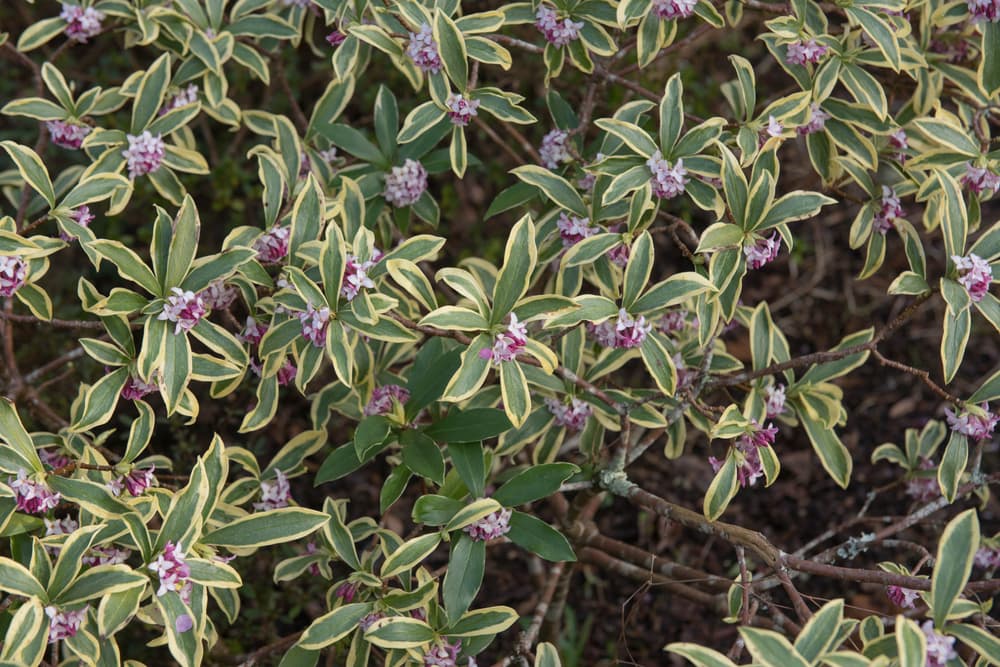
IN THIS GUIDE Growing Edibles Brassicas Alliums Beans / Peas Herbs Pansies Dwarf Conifers Small Evergreen Shrubs Ivy Heathers Other Winter Flowering Perennials Evergreen Ferns In A Shady Spot Window boxes can brighten up your life – not just in summer but also during the winter months. But choosing the right plants to grow in winter window boxes is key. It is important to think about the size of a particular window box, and where exactly it is positioned. A window box in a sunnier spot will be suitable for certain plants, while one in a more shaded position will be suitable for others. With the right plant choices, you can enjoy attractive displays all through the coldest months. And you may even be able to continue growing edibles in a window box all winter long. To help you find the right plant combinations for your winter window boxes, here are our top suggestions for plants that you should grow: Growing Edibles Edible crops As a sustainable gardener, growing at least some of your own food is always a great thing to do. You do not have to choose between edible, useful plants and aesthetics either. Many edible plants which can survive outdoors over winter across much of the UK in a sunny and relatively sheltered spot can also be attractive ornamentals. Brassicas Some of my top picks for a winter window box are in the Brassica (cabbage) family. There are a number of kales, cabbages and Asian greens which can survive cold temperatures and provide you with a source of food throughout the winter months. Kales and cabbages can be beautiful too – with their different types of foliage in greens, and also deep purple hues. The kale ‘Dwarf Blue Scotch’ is an especially compact variety with an elegant blue hue to its curly leaves. Alliums You can also consider adding some alliums (overwintering onions, or perennial onions, for example to your window box, to provide food the following year. “Consider planting the red onion ‘Electric’ as sets in mid-autumn,” shares Peter Lickorish, a Master Horticulturist. Beans / Peas Overwintering broad beans or peas could also be an option in some window boxes in some areas. “‘The Sutton’ is among the smaller broad bean varieties, but consider replacing your window box with a spring bulb display to let this plant reach its full height of 45cm somewhere away from the window,” says Peter. And with a little protection, a range of other leafy crops, root crops and micro-greens could be grown. Herbs Though you will likely leave them unharvested during the winter months, many evergreen herbs can also be good choices for a winter window box. Rosemary, thyme etc. can often overwinter successfully in a window box in the right spot – and many should remain green throughout the winter months. Pansies Pansies and violas are common winter bedding plants, but you might not realise that these are also edible flowers, which can be added to a winter salad. However, buying in bedding plants is not usually the most eco-friendly choice. With hugely detrimental peat compost, and plastic plugs or pots, bedding plants are generally best avoided if you are trying to garden in a sustainable and eco-friendly way. Instead, consider sowing these plants from seed yourself at home. Plan ahead for winter in late spring and early summer to make sure you limit your negative impact on people and planet. Dwarf Conifers If you would rather not go to the trouble of growing edibles year-round, and simply want a long-lasting and attractive winter display, conifers can be a low-maintenance choice. Junipers, for example, with dwarf or prostrate forms can be ideal choices for winter window boxes. There are a number of conifers with small and restricted forms which can look beautiful in a window box over the winter months. “One of my favourite low-growing junipers is Juniperus horizontalis ‘Blue Chip’,” shares Peter. “The clue is in the name because it will hug the ground or a window box!” Small Evergreen Shrubs There are also plenty of small evergreen shrubs and sub-shrubs that can look wonderful in winter window boxes, providing plenty of visual interest and appeal over the coldest months. Gaultheria procumbens, for example, is one option to consider. Plant a small potted plant of this species into a window box, and when winter is done, it might even be suitable to replant and grow elsewhere in your garden. Skimmia japonica and Skimmia japonica subsp. reevesiana are other interesting small shrubs to consider. Again, there are examples that are rather diminutive in size, and which will provide winter interest in a window box before – potentially – being planted out elsewhere. Many Daphnes are also ideal for window boxes, some providing blooms in the winter months. For colour and interest over the winter months, Daphnes can be hard to beat. They are slow growing, but will eventually out-grow their window box and can be planted out in the garden. There are also plenty of other small evergreen shrubs and subshrubs to consider growing in a window box over the winter months. But the above are all great choices to maximise interest and visual appeal over the coldest part of the year. Ivy Ferns and ivy window box While some Hedera (ivy) is extremely vigorous, and will quickly take over, many ivy varieties are perfect for winter window boxes. These spill down over the front of a window box, creating a beautiful effect. Ivy trailing from a window box can give a sense of abundance and lushness and it can look good alongside a wide range of other plants. Heathers Heather and ivy window box Winter flowering heathers such as Erica carnea and Erica x darleyensis are also top picks for a winter window box. They can look good alongside some herb shrubs like rosemary etc, or alongside a range of evergreen alpine plants. There are numerous evergreen alpines that can look wonderful throughout the year, and which can thrive in a well-drained window box in the right spot. Other Winter Flowering Perennials Helleborus x hybridus (Hybrid Hellebores) and Helleborus niger (The Christmas Rose) are great choices for a winter window box, blooming as they do during the coldest months. Cyclamen coum is a perennial bulb that you could also consider growing in winter window boxes for some of the earliest blooms of the year. Evergreen Ferns In A Shady Spot In a shady spot, you may find it more difficult to find plants that will thrive in a winter window box. But some of the plants above – such as conifers and ivy, should still do fine. And you can also consider adding a range of interesting evergreen ferns. Creating a small window box fernery can provide a lot more interest than you might think. There are ferns that come in a wide range of foliage types, forms and shades. The fern Asplenium trichomanes is among the smaller evergreen ferns, with charismatic bright green fronds. Snowdrops, and other late-winter/early spring bulbs could also be considered for a window box in a shaded location. Iris reticulata are tiny irises, best viewed close up, such as in a window box.
Learn more
From Air Drying To Dehydrating: 3 Options To Dry And Preserve Chillies At Home
IN THIS GUIDE Harvesting & Storage How To Dry Chillies: Three Methods Air Drying Oven Drying Electric Dehydrating Uses For Dried Chillies Spice Spice, Baby Growing chillies is a popular pastime, and for good reason. These plants are easy to get hold of, don’t require any specialist care to grow big and strong and, most importantly, they provide an ongoing supply of pepper fruits to use in your cooking. If you’ve decided to try your hand at growing chillies after finding your garden or kitchen lacking spice, you may be wondering how best to dry them – in this article we’ll give you a few answers to that question. The tips in this article are good for all kinds of chilli, so whether you’re growing a regular old chilli plant from your local supermarket or a special-bought Carolina Reaper plant, you’re in good hands. Harvesting & Storage First up let’s sing the praises of the humble chilli. Growing chillies at home is an easy way to ensure you always have something spicy to hand. While the plants don’t put out fruit year-round, there are many ways to preserve them to keep them usable until you need them. Drying is one option, as we’ll see shortly. You can also freeze chillies either to defrost before you need them, or to plonk straight into a pot of chilli while it cooks, shares Master Horticulturist Colin Skelly: “Preserving is essential in the UK to keep some of your harvests available during the winter months. “I’m a great fan of freezing soft fruit but now I’ll try freezing my chillies, whilst making sure to label well when putting them into the freezer! “There’s also pickling, which is ideal for the strong flavour of chillies.” Note that if you go for the defrosting option they’ll go a little soggy, but they’re still good to eat. How To Dry Chillies: Three Methods Drying chillies retains their spice and flavour while extending their life, and is a great way to keep your supply fresh and usable. There are three main ways to dry them, which we’ll go through in detail in the following section. They are – Air dry your chillies Dry your chillies in an oven Using a dehydrator to dry your chillies Let’s take a look at each one. Air Drying This is a popular method in Italy, quite a bit warmer than the UK..! To effectively air dry chillies you need to find a sweet spot in temperature: too hot and they’ll get crispy, too cool and they’ll go mouldy rather than drying. Received wisdom is that this temperature is around 25°C, and the observant amongst you will notice that this is potentially prohibitive to us UK gardeners! Don’t write this method off just yet, though. If you have a polytunnel or greenhouse, the temperature inside will be a few degrees higher than outdoors: enough to make air-drying viable for a little more of the year. To air-dry your chillies simply place them on a rack somewhere warm enough and leave them out until they’re dry. Some people recommend avoiding full sun, but this seems to be more preference than compulsory. You can also string thread through the tops of your chilli peppers then hang them in bunches, like in the photo above. Or, finally, you can uproot your entire chilli plant and hang it upside down from the roots! Obviously this hinders its ability to grow again next year. When air drying chillies make sure to turn them occasionally to ensure all angles get their share of sunlight. Oven Drying Drying your chillies in the oven is quicker than air drying, but it requires more energy input. If you’re keen to keep your gardening activities as environmentally sound as possible, bear this in mind. To dry in the oven simply pop your chillies on a tray, making sure they’re not too cramped, and leave in an oven heated to between 100-125°C. They’ll take at least 6 hours to dry, maybe longer. Check them by hand occasionally: if they’re crunchy and they begin to crumble under pressure, they’re ready to go. Take them out, leave to cool, then put the dried chillies in a container for use later on. We’ve heard stories of the kitchen air getting quite spicy when cooking and drying chillies, so be prepared for this outcome. You don’t want to accidentally mustard gas your housemates or guests! Electric Dehydrating Dehydrators are appliances designed to remove moisture from whatever you put inside them. If you’re looking for a sure-fire way to dry your chillies, this is it. Using a dehydrator is easy: you just slice your chillies into chunks small enough to fit inside, put them in, turn it on, and wait until they’re dry. The end result here is the same as the other methods, and unless you already own a dehydrator it’s probably not the most cost-effective option. If you’re planning to grow and dry chillies and other veggies fairly often, though, a dehydrator can make quite a good investment. Uses For Dried Chillies So you’ve got a container full of dried chillies… What now? The most common option is probably to just drop a dried chilli or two to a pot of whatever you’re cooking, whether it’s chilli, pasta sauce, stew, or anything else. This is a great way to impart the spice and flavour to your recipe, while still having the option to remove the chilli once the desired level is hit. You can also grind up dried chillies, whether in a pestle and mortar, with a hand blender, or even in a Nutribullet or similar. The resulting powder will capture the essences of the chillies’ flavour and spice, giving you a spicy and flavourful ingredient to use in all manner of cooking. Sprinkle a pinch onto some cheese on toast to give it a little kick, for example. Or work a couple of teaspoons through a ragu to make it particularly frisky. Or if you don’t want the end result to be quite as fine as a powder, stop grinding a little sooner and you’ll have chilli flakes. These are just as versatile: great on pizza, great in marinades, and much much more. Spice Spice, Baby Growing chillies is one of our top gardening recommendations. The plants are attractive whether bearing fruit or not, and make a good conversation piece. Your friends will be interested to know which varieties you’re growing, how hot they are, and so on. You can even dare people to eat them if you want to liven up your dinner parties. Then, once the chillies have borne fruit, you can deploy their spice and flavour in myriad dishes, whether fresh or dried. And if you go for the latter option, there are plenty of ways to get your chillies dried without them going mouldy. We hope this guide has been useful, and that your chilli-flavoured cooking exploits bring you only joy.
Learn more
Should You Dig Up Your Dahlia Tubers? Experts Offer Their Advice For Overwintering
IN THIS GUIDE Winter Protection Overwintering Dahlias In The Garden 1) Mulching Dahlia Tubers 2) Additional Protection For Overwintering Dahlias Lifting & Storing Dahlia Tubers Indoors 1) Lifting Dahlia Tubers 2) Cleaning & Prepping For Overwintering 3) Drying Tubers 4) Storing Tubers References Dahlias are beautiful flowers that many love to have in their gardens, but how can you overwinter them successfully? It is all well and good being able to grow dahlias successfully in your garden, but it is important to know what to do with your dahlias over winter to make sure that you can keep hold of them. “This last winter has seen a lot of people lose some, if not all, of their valuable dahlia collection,” shares David Hall, Manager of Halls of Heddon, a specialist plant nursery for dahlias. “Temperatures were much colder than we would normally expect, so the sudden drop in temperatures meant the frost penetrated the ground more deeply than usual. “Simply covering tubers with fleece, or putting a small heater on in a greenhouse, wasn’t enough when temperatures in some areas plunged to minus double figures!” Fortunately, if you overwinter them successfully, they will grow back each year. Read on for instructions to do so successfully, no matter where in the UK you live. Winter Protection In warmer and more southerly parts of the UK, dahlia tubers can frequently be overwintered successfully in your garden.1 This strategy may even work further north if you have a relatively free-draining soil and conditions do not become too waterlogged in winter. With additional protection over the winter months, you might not need to dig up your dahlia tubers for storage. In cooler and wetter parts of the UK, however, dahlia tubers must usually be lifted, cleaned, dried and stored over winter before being planted back out in the garden. Read on for more detailed information about how to overwinter dahlias successfully in the garden, or by lifting and storing them over the winter months: Overwintering Dahlias In The Garden First of all, let’s take a look at how you might be able to overwinter dahlias in your garden successfully without having to lift them out of the ground. This is a lower-maintenance option but can yield varied results. Whether or not dahlias will overwinter successfully outdoors will very much depend on the specific details of the area where you live, and even the characteristics of the particular planting spot in your garden. “Leaving tubers in the ground over winter is always a risk but if your ground is well drained it can be done,” says June Nash, Secretary for The National Dahlia Society. “If you intend to leave the tubers in, plant them a bit deeper, about 6 inches below soil level.” Bear in mind that even if you have successfully overwintered dahlias in your garden in a previous year – you could experience losses, or even lose the lot during a particularly cold winter. 1) Mulching Dahlia Tubers Mulching dahlia tubers can certainly work in the south, and has even been known to work as far north as Scotland’s central belt in a mild year. A thick organic mulch can help protect the tuber from freezing as long as the temperatures do not get excessively low. “Once the plants have been frosted, cut the plants down to ground level and cover with a further 6 inches of free-draining compost for more insulation,” says June. “In the spring this can be scraped back and left around the plant as a mulch and soil improver.” You can use a range of organic materials to mulch dahlia tubers. The most common options are dry mulches of autumn leaves, wood chip or bark. Straw or dried bracken are other options to consider. “I am lucky in the fact that I live on the south coast of England on free-draining soil, so I do not need to lift my Dahlia tubers,” shares Master Horticulturist Dan Ori. “I just add an autumn mulch over the top of cut-back Dahlias. “This gets them through winter and, if you don’t mind the smell, about 8 to 12-month-old horse manure is perfect for this job.” The mulch should be laid thickly, around 5cm thick or more, and it should entirely cover the area around the tuber waiting below the ground. This should be laid in place before hard frosts threaten, and then removed before growth commences in the spring. 2) Additional Protection For Overwintering Dahlias Where mulch is not enough to protect dahlia tubers from cold winter temperatures, additional winter protection will be required. Cloches or other protective covers could potentially be used both to shield dahlia tubers from winter cold and from excessive wet. Another thing to consider is that materials with high thermal mass (such as rocks or containers full of water, for example) can be placed around dahlias to catch and store the sun’s energy during the day and release it slowly at night when temperatures fall. In essence, what this does is create a warmer microclimate around the area where the tubers are buried in the soil. If you would like to overwinter dahlia tubers in the garden, then choosing the right site in the first place is key. Make sure you choose a location with relatively free-draining soil, in a sheltered position that does not become a frost pocket in winter. Lifting & Storing Dahlia Tubers Indoors It will not be easy to overwinter dahlia tubers outdoors in all gardens. And so for more reliable results, it can often be the best policy to lift the tubers. “All our dahlias are grown in containers to ensure the best drainage and for easy indoor storage in winter,” shares Elaine Patullo, owner of the Scottish nursery Dachshund Dahlias. “Our pots are all stacked away into lined greenhouses over winter.” If this sounds like a good option for you, here are some tips to help you make sure that your dahlia tubers make it through unscathed to spring: 1) Lifting Dahlia Tubers First of all, using a garden fork, carefully pry up the dahlia tubers from below the ground before the first hard frost. “If you don’t want to risk leaving them in, dig the tubers up when the plants have been frosted or in mid to late November if there has been no frost,” says June. Take care not to damage the tubers as you do so. “Handle carefully to avoid damage to the tuber and cut the stems back to a couple of inches,” June continues. Any damaged tubers should be discarded as these are more likely to succumb to rot in storage over the winter months. It is also usually a good idea to discard the ‘mother’ tuber (the oldest, original tuber) as this is also more likely to rot than newer parts of the plant. 2) Cleaning & Prepping For Overwintering Once you have lifted the tubers, knock off any large clumps of soil, and wash the dahlia tubers to get rid of pests, soil and debris. Cut off any remaining above-ground growth to a short length above each tuber, as Jack Gott, owner of JRG Dahlias explains: “Once you have taken your dahlia tubers from the ground, remove as much of the compost as possible. “Then, trim the hairy roots as much as possible and store them in a dry, frost-free place.” 3) Drying Tubers Next, you need to spread out the tubers on a rack, some newspaper, or another absorbent surface to dry out and ‘cure’, or you can hang them up, as June explains: “Turn the tubers upside down and leave for a couple of weeks to drain off, remove any remaining soil. “Many people pierce the stems with a screwdriver or even a drill before doing this.” They should be out of direct sunlight, in a well-ventilated location. This should take around 2-3 weeks. 4) Storing Tubers Overwintering dahlia tubers Once the tubers are dry, you should prepare a box for their storage. This can be a cardboard box, or another breathable container. This container should be filled with a just-moist medium: peat-free compost, damp sand, or damp wood shavings can all work for this purpose. Place a thin layer of this material in the base of the box, then place in the tubers carefully before covering them over with another layer of the damp medium. “They must now be stored anywhere that is frost-free, preferably a greenhouse,” says June. “Keep an eye on the tubers for any signs of rotting and cut out any damage, dust with yellow sulphur powder and let it dry again.” Store this box in a cool, dark place that remains frost-free over the winter months. A root cellar, basement or unheated garage can be a good spot. References 1. Overwintering tender plants: lifting or mulching. (n.d.). Royal Horticultural Society. Retrieved March 14, 2023, from https://www.rhs.org.uk/prevention-protection/overwintering-tender-plants-lifting-or-mulching
Learn more