Growing

Pruning Photinia Can Help With Disease Prevention: How To Give Them A Spring Trim
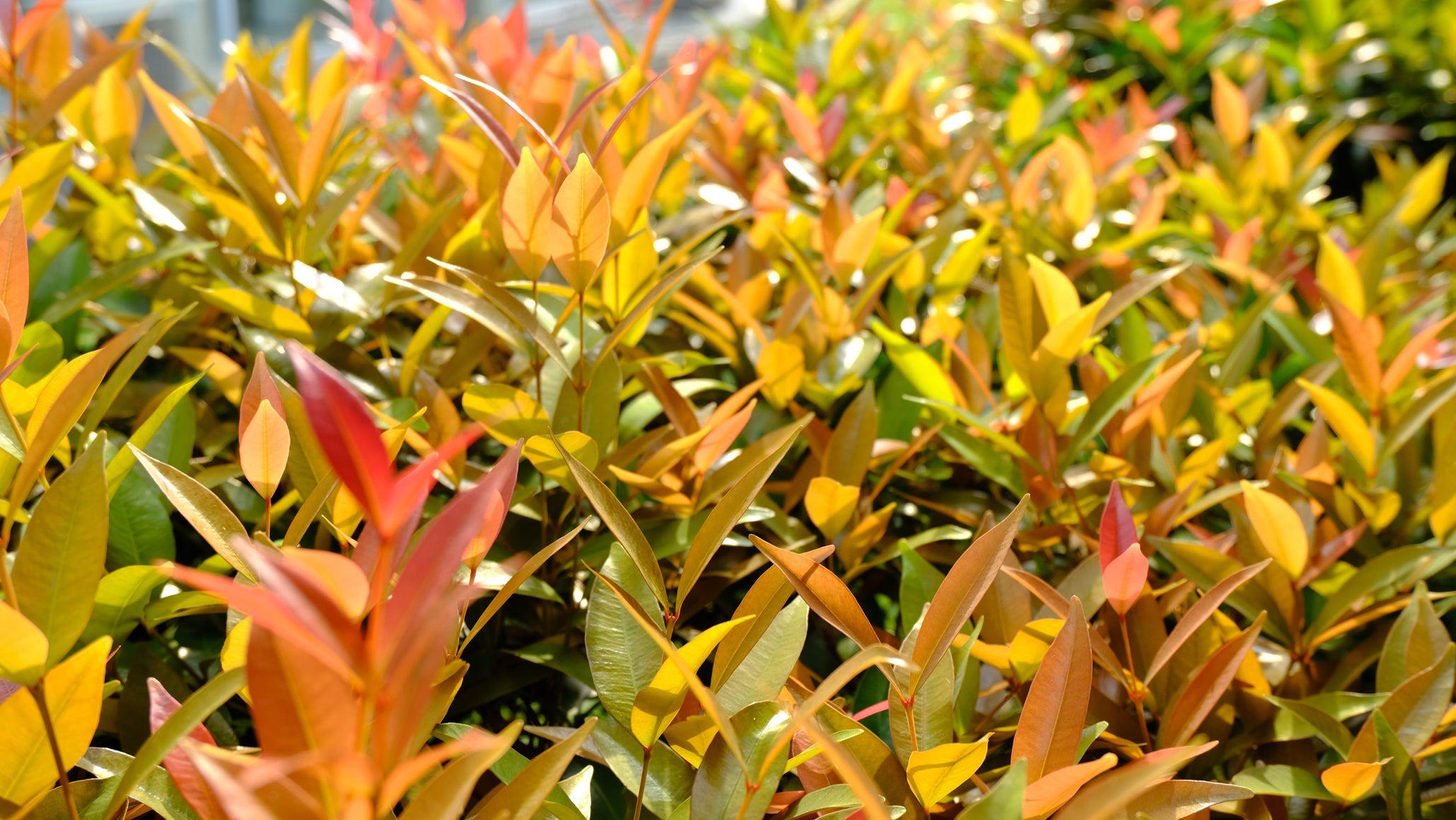
IN THIS GUIDE Why Prune Photinia? When To Prune Photinia Preparation Before Pruning Autumn-Winter Pruning For Disease Prevention Spring Trimming For Foliage Colours If you want a low-maintenance, hardy and colourful shrub, look no further than photinia and its varieties – the vast majority of which are evergreen shrubs. Some photinia varieties are trees and a few are deciduous shrubs and in this guide, I will explain how to prune evergreen shrubs, like Photinia ‘Red Robin’. While many members of the Plant Kingdom are renowned for their autumn colours, photinia brings a new twist and is prized for its spring and summer foliage colours, with its young leaves displaying eye-catching tones of reds and pinks. Like most evergreen shrubs, photinias do not need to be pruned as such. They grow in a naturally pleasing form, but with minimal trimming for size and shape, and to take out stray, protruding stems, pruning can be a good idea. Difficulty Easy Equipment Required Gardening gloves, secateurs or pruning shears When To Prune Spring or autumn Why Prune Photinia? The first objective is disease prevention. Photinia × fraseri cultivars, of which ‘Red Robin’ is one, are very susceptible to leaf spot which is a fungal disease. Correct pruning in the interior of the bush during the autumn and winter seasons will significantly reduce the chances of the plant succumbing to this disease. In addition, a few photinia varieties are renowned for the eye-catching and exciting colours of emerging foliage and young leaves. Correct trimming on the stem tips during spring will stimulate fresh foliage and with it, those charming, exciting colours. It’s important to be aware that it is this very foliage, the fresh young leaves that are so colourful and desirable, that is most susceptible to that worrisome leaf spot. When To Prune Photinia The spring trim, as stated above, gives rise to those colourful young leaves that photinia is prized for. However, this bush also produces clusters or sprays of little flowers of a rich creamy colour, in the late spring and early summer, which are also a delightful sight. These flowers will appear only on untrimmed stems, so you have a choice to make between colourful foliage or creamy flowers. The first phase of pruning is generally done in late autumn to early winter, with the second being carried out in mid-spring. We explain these two phases below in more detail. Preparation Before Pruning Make sure to sterilise your tools before any type of pruning, especially with photinia as it is so susceptible to leaf spot. Diluted rubbing alcohol, a solution of bleach, or readily-available hand sanitiser (with sufficient alcohol content) are all very good sterilising agents. We suggest you wear gardening gloves before undertaking any pruning tasks. Autumn-Winter Pruning For Disease Prevention The aim of this pruning is to ensure that the lower part and interior of the bush are not dense and congested because if it is, it has to be opened up. “I would tend to open up Photinia that are in partial shade or have suffered from leaf spot,” shares Colin Skelly, a Master Horticulturist. “This will optimise air movement and light penetration. This should help to maintain the health of the shrub. “Asides from plant health, Photinia can be shaped, so don’t be afraid to get stuck in. Avoid hedge cutters or shears, though, to maintain the attractive foliage.” From the bottom and interior of the bush, select stems to eliminate. The first to go should be those that are dead and diseased. You should also prune branches that are touching and rubbing against others, choosing to eliminate the one that is older or misshapen. Finally, prune to open up space in the interior of the bush to permit sunlight to reach it and enhance air circulation. If you choose to carry out this task on an annual basis you shouldn’t have to prune many branches at all, but if you begin to prune a neglected or congested bush, you may need to remove up to a third of the stems. Spring Trimming For Foliage Colours The second phase of trimming is best done in mid-spring or later if you live in a very cold region, as a subsequent frost may well blight fresh growth. The aim is to trim shoots and new branches by 10-18cm. This will trigger fresh growth that will bring about those delightful foliage colours. I strongly recommend that powered hedge trimmers not be used at all and that you only use hand gardening tools (with sharp blades) for trimming photinias. Trim protruding and straggly branches by a greater length whilst trimming tidy shoots by smaller lengths. If you would like the bush to bear flowers, trim only about 50% of the branches and shoots in this fashion. During spring trimming, you may as well try to give a gentle upward taper to the bush. Such a taper will allow sunlight to reach all the way down the bush, and sunlight plays a big part in keeping plant diseases at bay.
Learn more
Keep On Top Of Vigorous Photinia If Growing In Pots - Experts Share How In This Guide
IN THIS GUIDE Can You Grow Photinia In Pots? Potted Photinia Varieties Suitable Container Sizes Compost Requirements Potting Up Photinia Potted Photinia Care Photinias are hardy evergreen shrubs that are appreciated in many regions for their ability to grow into colourful and attractive hedges without much effort on the part of the gardener. Though so many hedges delight us with thrilling autumn colours, photinias produce wonderful spring and summer foliage that is definitely among the best. Most cultivars put out young leaves that are in shades of pink and red while a minority have coppery, bronze, marbled or cream-edged foliage. Photinias are commonly grown in open ground, but you might also be wondering if you can grow these stunning plants in pots. Can You Grow Photinia In Pots? In general, most Photinia varieties are planted in open ground where they serve as decorative bushes, hedges and screens. As to whether they can be grown in pots, the truth is, it depends. It depends on the variety, as while several varieties attain manageable sizes of up to 2m in height and about 1.5m in spread, several other varieties grow to over 5m and some of these have a fast growth rate to boot. Obviously, varieties of the latter larger dimensions should not be grown in pots. Even a photinia that is expected to grow to a relatively modest height and spread, if grown in a container, will require annual pruning for size and shape. Potted Photinia Varieties While the biggest varieties will become too large, bulky and unwieldy for any container, you could certainly grow one of the intermediate-sized varieties in a large container, pruning it regularly after it reaches the desired size. In fact, the aptly-named Photinia ’Little Red Robin’ and the dwarf cultivar Photinia × fraseri were specifically developed for container growing. Suitable Container Sizes Firstly, the container should be large enough to accommodate your photinia variety at its given stage of maturity. The rule of thumb is that the container should be half as high as the above-soil height of the plant. Most photinia varieties are fairly vigorous growers so it makes sense to choose a container that is a size bigger than the next size up. The container should have drainage holes and I’d recommend using a terracotta or other clay pot. If you opt to grow a largeish, spreading variety in a container, a planter would be very suitable. Compost Requirements Soil that is light, friable, moderately fertile, and free-draining is best for photinias in containers. Prepare a mix of garden soil with added grit combined with organic compost and well-rotted manure and blend the two mixes in approximately a 7:3 ratio. “If you don’t have access to garden soil, garden centres usually stock John Innes No.3, which is formulated to provide the perfect mix of loam and sand for mature shrubs in pots and containers,” shares Master Horticulturist Colin Skelly. Photinia thrives in soil with a pH level that is slightly acidic. Potting Up Photinia Potting up or transplanting a large photinia is a task best done by two people. In the early morning, soak the photinia in the container. Water the soil for the new container (which should only be filled partially) or the transplanting site. Run a flat trowel around the container at the edge of the soil to loosen it. I find a cement trowel perfect for this purpose. Lift the container and hold it horizontally and at the same time, try to prise out the soil ball with a spade and push it outward through the drainage holes. If this proves difficult, simply break the container. When placing the shrub in the new container or transplanting site, try to spread out the roots. Be sure that the soil line of the stems is the same as it was in the old container, or just a tad higher. How Many Can You Plant Per Pot? You should only plant one per pot. However, if you use a wide enough planter, you may plant 2 or more of the more reasonably-sized varieties in it to create a containerised decorative hedge. Potted Photinia Care The vast majority of photinias, including ‘Red Robin,’ will do best in full sun, otherwise in partial shade. However, ‘Little Red Robin’ should be sited in partial shade or even full shade and full sun is to be avoided for this variety. Photinias are hardy to H4 or H5 and they do not have special requirements for aspect or shelter. However, in the colder parts of the country, especially in winter, it would be wise to avoid northern exposure and keep them in a sheltered spot. Ensure that they are protected from wet and wind during the winter. Young plants may need daily watering, whilst mature plants in containers will need less frequent, though regular, watering. In hot and dry conditions in a full sun spot, more water may be required. Though open-ground photinias do not need feeding, container-grown ones will do better with a spring shot of fertiliser. Use a conservative quantity of an all-purpose liquid fertiliser and work it into the soil, taking care to stay away from the roots, or prepare a solution to use as a liquid feed.
Learn more
Oleander Are Frost-Tender Plants: Follow These Guidelines To Keep Them Alive
IN THIS GUIDE 1) Things To Avoid 2) Lay Mulch 3) Shield The Bush 4) Protect The Roots 5) Swaddle The Main Stem Oleanders, those gorgeous flowering bushes that are often a part of the urban scenery in the Mediterranean and South Asia, are very decorative garden options whether grown in open ground or a large container. However, they are far from hardy, so British gardeners will need to shepherd these evergreens through the worst of winter. With a hardiness rating of H3, these are frost-tender plants. If you have grown a moderately-sized oleander in a container, you don’t have much to do – simply bring the plant indoors in autumn well before the first frost. “For large plants in containers that you might struggle to get into a greenhouse or conservatory over winter, a lesser degree of shelter could still be effective,” shares Master Horticulturist Colin Skelly. “For example, bringing into a porch or well-lit section of a garage or other garden building or even under a tree canopy or lee of a wall, fence or hedge. “You may notice these more protected areas of the garden as sites where snow settles last and melts first.” As for open-ground oleanders, you can care for them for the winter by following these steps: Avoid feeding and hard pruning in autumn. Lay some organic mulch of roughly 8-10cm in depth around the main stem of the plant. Shield the bush with a barrier made of a strong material. Protect the roots of your oleander using plastic sheet or tarp (optional). Swaddle the main stem using horticultural fleece or hessian. All five steps are explained in much greater detail below. Difficulty Easy-Medium Equipment Required Gardening gloves, plastic tarp, horticultural fleece When To Prune Autumn-Spring 1) Things To Avoid Do not hard prune the bush in late autumn or after. Any hard pruning should be done by early autumn. Continue to water this evergreen plant during winter though the amount of water and frequency of watering should be reduced. I would suggest you use tepid water during winter – and do not feed the plant at all between the first and last frost. 2) Lay Mulch Before the first frost, lay an 8-10cm layer of mulch around the main stem, leaving open about 2cm around it. Be sure not to use an ericaceous mulch, such as a mulch composed of bark or pine needles. A mulch of leaf, hay and straw would be much more suitable. Remove the mulch after the last frost. 3) Shield The Bush If your oleander bush is correctly sited, it will be in a sheltered, south-facing spot. If not, you may have a job on your hands. Freezing northeasterly blasts, even if they do not prove fatal, will damage the plant buds and maybe even some branches. You will need to shield such an incorrectly sited oleander by placing a barrier at a short distance to the north of the bush. For example, you could put up a curved sheet of corrugated metal which should be driven and wedged into the soil. Be sure to brace it with diagonal supports against the ground or tie it with guy lines to secure it so that it does not get blown onto the bush. You could also set up a shield using tent side panels or canvas. These would need to be tied from the upper and lower edges. 4) Protect The Roots Heavy rain, sleet or snow will result in an accumulation of icy water in the soil which could be harmful to oleanders. When such inclement weather is anticipated, spread a thick plastic sheet or tarp on the soil so that the root system, particularly the crown, is protected. After the water runs off and as soon as the elements do not pose a threat to your oleander, you can remove the plastic sheet or tarp. 5) Swaddle The Main Stem If you expect temperatures to hit freezing, and especially if your oleander plant is not mature or established, protect it with a horticultural fleece, hessian or even an old blanket. Wrap the material loosely along the lower part of the main stem down from the ground up to about a foot. When such weather is expected in spring, also consider swaddling branch extremities with lighter material to protect the buds from cold damage. Do not leave on these wrappings, especially on the main stem, and as soon as the weather warms up or the day is sunny, remove them.
Learn more
Pruning Oleander Out Of Season Can Devastate Your Plant - Here's How To Do It Right
IN THIS GUIDE 1) Remove Damaged Branches 2) Deadhead 3) Autumn Pruning 4) Spring Touch-Ups This lovely evergreen features narrow greyish-green or sea-green leaves and bears little salver-shaped flowers in terminal clusters all throughout summer and beyond. However, if you prune oleander out of season in the UK, the plant can get into serious trouble and even struggle for survival. On the other hand, in the right season, an oleander bush will not be harmed one bit by even a severe prune. You don’t have to prune these low-maintenance evergreens. Pruning, however, will significantly enhance flowering and will keep the bush’s shape neat and tidy, and here’s how to do it: Remove any dead or damaged branches from the plant. Deadhead any spent flowers as and when they appear. Prune in the Autumn – after flowering but before the first frost. Make any final adjustments with your final spring touch-ups. Each step of this process is explained in more depth below. Difficulty Medium Equipment Required Gardening gloves, secateurs, pruning shears When To Prune Autumn 1) Remove Damaged Branches Any branches that have died, become bare or have been damaged by pests or breakage should be pruned when observed, anytime from spring to autumn. You may also want to prune an excessively long, protruding, or unsightly branch. Using pruning shears, cut a branch right at its attachment to the main stem or origin branch. 2) Deadhead A short time into the blooming season, flowers will start to fade and wither. Simply twist or snip off these spent blooms. Often, most of the flowers in a terminal cluster will be wilted and spent. You may as well remove these clusters entirely at their attachment or just above the branch’s node. Deadheading will, at least to some extent, spur fresh blooms. It will also keep the bush looking neat and improve aesthetics. 3) Autumn Pruning Timing is crucial if you need to prune oleanders in autumn. Do so as soon as possible after the flowering season ends and well before the first frost. Mid-to-late September is usually best. As these evergreens are not winter-hardy, early pruning will allow fresh growth ample time to emerge so that the plant is well set with foliage before the onset of winter. I do not recommend severe pruning, and would suggest that you instead prune for maintenance. This shrub, like many evergreens, flowers on new growth, and to foster such new growth you will need to cut off branch tips. Make the cut just above the node immediately below a terminal cluster of leaves. Cut from half to two-thirds of the branches in this manner all over the bush. You can trim branches by greater lengths if you wish, and doing so will promote side shoots and bushiness with a narrower profile. Be sure to make the cut no more than halfway down the branch and to make it just below a node. Prune only a limited number of branches in this fashion. “Oleander may survive a hard prune in a sheltered spot, but be warned that it will normally take a few years to flower abundantly after a hard prune and it will also be more susceptible to cold damage,” says Dan Ori, a Master Horticulturist. 4) Spring Touch-Ups Soon after the shrub starts growing strongly in spring you can opt to make a couple of adjustments. If your oleander is insufficiently bushy and if you see fresh shoots sprouting upwards, you may pinch or trim them to halt such growth. This will trigger lateral growth. If the plant, be it open-ground or pot-grown, exhibits any frost-damaged branches, prune them at their attachments. If you have open-ground oleander, you might spot suckers spreading around the bush. If you do, you can dig down under the sucker and pull or tear it off, taking care not to damage the roots of the mother plant. Doing so will re-direct the plant’s energies towards flowering from early summer.
Learn more
Take Oleander Cuttings After It Has Started Putting Out Fresh Growth (Before Flowering)
IN THIS GUIDE When To Take Oleander Cuttings 1) Prepare The Pot 2) Take Your Cutting 3) Prepare The Cuttings 4) Cover Well 5) Care For Your Nerium Cutting 6) Watch For Plants Taking Root Oleander can be propagated from cuttings very easily and just as reliably, provided you do it right. This is a versatile plant that can be used for a range of different things in your garden, from hedging to ground cover. This is how you can grow oleander from cuttings: Prepare the pot in which you will place your cuttings. Take the plant cutting from an existing oleander in your garden or home. Prepare the cutting with a rooting hormone or homemade alternative (optional). Cover the pot and allow time to propagate. Care for the cutting correctly. Watch the cutting to make sure it is developing as it should. This process is explained in more detail in the six steps below. Difficulty Easy Equipment Required Secateurs and gardening gloves When To Propagate May-June When To Take Oleander Cuttings The best season to take oleander cuttings is after the plant has started putting out fresh growth but just before it starts flowering. This is usually around May or June. Cuttings should be taken in the morning or mid-morning. 1) Prepare The Pot Prepare a small terracotta pot that has drainage holes. Fill the pot up to about 2cm from the top with sterile potting mix and sand. I like layering the media in which to root cuttings. A lower layer of pebbles and grit, a thicker intermediate layer of organic compost and sand, and a top layer (in which the cutting will initially root) of sterile potting mix and sand will work great. “The layered compost approach mimics the conditions a plant might root into in its native habitat,” shares Horticultural Consultant Colin Skelly. “Loose and friable at the surface, a more moist mid-layer and a free draining sub-soil. It also minimises soil disturbance that might disrupt root development.” This technique allows you to keep the cutting in the original pot until it becomes a thriving little plant. Dampen the medium well. 2) Take Your Cutting On the parent bush, choose a well-grown branch from the current season’s growth – take a cutting from a mature greenwood stem. It may well be grey or brownish-green at the attachment but fully green at the tip. It should be at least 20cm long and not have any flowering buds. Using your secateurs, cut a length of 18-20cm off this branch, making the cut just under a leaf node. Retain the 3 uppermost leaves and snip off the rest along the cutting. 3) Prepare The Cuttings Dip the base of the cutting to about a quarter of its length in rooting hormone powder. If you don’t have any, I can vouch for the old-fashioned method of dipping cuttings in cinnamon powder and (herbal or clover) honey – it does the trick. Make a narrow hole with a twig or pencil in the pot’s medium and insert the cutting to about a third of its length. Pack in the medium around the cutting and water it in well. 4) Cover Well Cover the cutting with a large, clear perforated polythene bag or sheet to trap humidity. Tie or clip the bag’s opening or edges to the rim of the pot. The polythene should not touch the cutting, so you may need to insert 1-2 sticks in the pot to keep the polythene off the cutting. 5) Care For Your Nerium Cutting Put the pot indoors where it will get several hours of bright but indirect sunlight. A spot under a sunny window covered by a gauzy curtain is ideal. The cutting should not be subjected to cold temperature or undue heat, but normal room temperature is fine. Water daily but in strict moderation so that the medium is kept continuously moist. Every 2 days remove the polythene bag or sheet for about an hour, and you can remove it entirely after about 10 days. 6) Watch For Plants Taking Root The cutting will take up to 4 weeks or more before it shows external signs of having taken root. Your indicator as to whether or not all is well is from the original leaves, so if they do not wilt or wither, this is usually a good sign. Soon after you observe emerging foliage buds, very gradually decrease the frequency and quantity of water and start to expose the incipient plant to increasing periods of morning sunlight. Allow the little plant to grow and put out a few sets of full-grown leaves before you pot on.
Learn more
Grow Oleander Varieties In Decorative Containers - They Look Great Outside The Home
IN THIS GUIDE Are Oleander Suited To Containers? Which Containers Are Best? Which Growing Medium Is Best? Potting Up Oleander Potted Oleander Care Oleanders are big, well-branched plants that impart a Mediterranean atmosphere to the garden or to the porch – or even by your front door. These sun-loving evergreens have very pretty foliage that is comprised of small, lanceolate leaves in various beautiful shades of green, and some varieties even have variegated foliage. All varieties produce lots of little salver-shaped, sometimes cup-shaped, flowers throughout the summer and into autumn. Colours include white, pink and resin tones ranging from delicate pastels to striking vibrant reds. Oleanders are frost-tender, warm-weather plants that are fuss-free and remarkably easy to grow if you simply protect them from the cold. Are Oleander Suited To Containers? Not only can you grow Oleander in pots, but oleander varieties in decorative containers are also often placed near the front door of homes. Also, these big evergreens can stay in their big pots outdoors year-round. It’s actually better to grow your oleanders in pots in the UK, as these frost-tender shrubs have a hardiness rating of H3, meaning they cannot survive through the winter in most parts of the UK if planted in open ground. Which Containers Are Best? It is most important for the container to have drainage holes as the soil must drain very well. Other than that, we suggest a sturdy pot in the form of a truncated cone or truncated pyramid. Feel free to use a decorative container made of synthetic material. As a general rule, the height of the container should be about half the height of the above-soil height of the plant. Oleanders are quite big with fully-grown plants averaging 2m in height and 1.5m in spread. So, no matter which variety you grow, at some point you will need a large container. Since most UK gardeners will almost surely be moving the plant indoors sometime in the autumn and shifting it back outdoors in spring, you may wish to keep in mind the size and weight of a container-bound oleander variety. “I recommend trying moving your pot size around before planting it, as with any large shrub,” shares Colin Skelly, a Horticultural Consultant. “This is particularly true for Oleander because it will need to be moved in and out every winter. “A sack trolley is an indispensable piece of equipment but make sure there is room to manoeuvre and support for going up or down slopes or stairs.” Which Growing Medium Is Best? Oleander is one of those unusual shrubs that will struggle if grown in rich, fertile soil. Put it in poor soil and it is relatively content. For best results, take a mixed loam and amend with a very conservative quantity (around 25%) of organic compost. Soil should be very well-draining, so incorporate grit or perlite, especially if the sand content is low. The optimal soil pH for oleanders is slightly alkaline but they will cope in neutral soil. Potting Up Oleander Oleander’s growth rate can vary significantly depending on your location in the UK, so select your container size accordingly. The warmer and more humid the weather, the faster it will grow. In most parts of the UK you can pot up oleander to the next pot size up. However, in the balmiest regions of the country, especially if you have noticed fast growth, you may as well pot on to a pot 2 sizes up. How Many Can You Plant Per Pot? One, full-stop. Potted Oleander Care Oleanders need regular watering. Soil should be kept moist but not soaked, especially during summer and hot weather and especially for young plants. In such conditions, you may well need to water even every day. Mature, established plants, even in containers, can get by if you skip a watering or two. Outdoors, keep the pot in a south-facing, sheltered location in full sun. In the less cold regions of the British Isles, during the summer you can certainly keep the container in any old place outdoors. However, you may keep your potted oleander plants outdoors only when the temperature is 10°C or higher. Anything lower and they need to be brought indoors. When inside, keep the container by a (closed) window where it will get full sun through the pane. The window should have to have an eastern-to-southern aspect and normal room temperature will suit these plants very well. In the middle of spring when the weather has warmed up, you may shift a mature, established oleander directly outdoors, but a young, growing plant should undergo a process of hardening over at least 4-5 days before being left outdoors. Oleanders do not need fertilising. However, if you wish, in mid-spring just after you observe fresh growth you can work in slow-release granules into the soil. Alternatively, apply a liquid fertiliser once in mid-spring and once in mid-summer.
Learn more
Anemone 'Windflowers' - These Vigorous Growers Are Perfect For A Woodland Garden
IN THIS GUIDE Overview Popular Varieties How To Grow Anemones Anemone Plant Care Common Problems References Anemones can be a great choice for many locations, but choosing the right variety and caring for it correctly is important. In this guide, we aim to make your job a little easier. These are perennial plants which can grace your garden over a number of years, with flowers coming in a range of different hues. Overview Botanical Name Anemone Common Name(s) Windflower, Japanese Anemone Plant Type Perennial bulb Native Area Temperate and subtropical regions Hardiness Rating Varies Foliage Deciduous Flowers Varies Anemones belong to a diverse genus in the buttercup or Ranunculaceae plant family.1 Usually, cultivated Anemones are in bluish-violet, white, pink or red, or gradations between these colours, though there is also a yellow species. Typically, horticultural experts divide Anemones into 3 main groups: Spring flowering woodland and meadow species, which are often grown from tubers or rhizomes that are sometimes referred to as ‘bulbs’. More tender spring and summer-flowering specialist species with tuberous roots. Species which flower in summer and autumn, most of which have fibrous roots. Popular Varieties Spring flowering species that are popular in UK gardens include: A. nemorosa Our native woodland Anemone. A. coronaria Bold and colourful flowers. A. blanda Varied daisy-like flowers and many beautiful cultivars. A. apennina With narrow, violet petals. A. ranunculoides A European native with yellow flowers. Some summer and autumn flowering Japanese Anemones include: A. hupehensis A. x hybrida There are also specialist Anemones which are not as easily grown, though these are popular with more experienced gardeners who are able to provide them with the more specific conditions that they require. How To Grow Anemones Spring flowering woodland Anemones typically thrive, of course, in dappled woodland shade, though there are types which can cope with full sun in certain situations. They are an excellent choice for a woodland garden. Mediterranean and alpine types prefer full sun and often require a warmer and more sheltered spot with more free-draining soil. They can work well in sunny, free-draining borders, or in rock gardens. These can often also be grown in containers, which can be beneficial in providing the right conditions for more tender types. Japanese Anemones are generally easy to grow and can thrive in many situations, including in shady spots. They typically thrive in partial shade but can also work well in full sun as long as the soil or growing medium does not dry out. They can spread to form large clumps once established and are considered ideal for the middle or back of perennial borders, but there are also smaller options which can work well for smaller spaces or even containers. These plants are also considered to be a great choice for wildlife-friendly gardens, as they attract a range of pollinators to their late summer and early autumn flowers. Planting The dormant rhizomes or tubers of woodland Anemones are typically planted in autumn to flower the following spring. Tubers of Mediterranean Anemones are typically planted in early spring indoors to force earlier blooms to display or outside in spring. Container-grown Anemones are usually planted out just as they are coming into flower. Japanese Anemones are best planted in the spring or the autumn, though they can be purchased and planted at other times too as long as they are watered during establishment. Anemone Plant Care Caring for Anemones begins with choosing the right Anemones for your situation and your growing environment, and ongoing care will also differ depending on which types you have chosen to grow. Soil Requirements Woodland Anemones need rich and relatively moisture-retentive soil that has plenty of organic matter, though they can cope with drier conditions beneath trees as they go dormant over the summer. Mediterranean and alpine types need a free-draining sandy soil or growing medium and absolutely cannot tolerate waterlogging, as they dislike damp conditions. Japanese Anemones are vigorous growers and will thrive if provided with a rich and fertile growing medium or soil. The growing area should have plenty of organic matter. They like soil that can remain moist, but also cannot tolerate waterlogging. Watering Newly planted spring-flowering Anemones must be watered regularly until established, though care should obviously be taken, especially with Mediterranean or Alpine types, to avoid overwatering. A number of spring-flowering types require a dry spell in summer when dormant. Japanese Anemones will need to be watered well at least during the first summer. Once established, however, they should require additional watering only during prolonged dry spells or when grown in containers. Fertilising All Anemones should be mulched with a layer of organic matter each spring to provide slow-release fertility, suppress weeds and aid in moisture retention in the soil. However, when grown in suitable soil with plenty of organic matter, they should not need any additional feeding. Staking Even though the stalks of Japanese Anemones grow rather tall, these flower stems are sturdy so staking will not typically be required. Pruning & Deadheading No pruning or deadheading is required for spring flowering types, but you can, if you wish, remove faded flowers and foliage to keep the plants looking their best. Deadhead Japanese Anemones to encourage further blooms over a longer period, but desist before the end of the season. It is best to leave the faded growth in place in autumn rather than cutting this back, as this provides shelter for wildlife over the winter. Instead, leave Japanese Anemones alone until early spring, then simply cut off old flower stems and dead foliage at the base of the plant before new growth starts. Propagating Some woodland Anemones will self-seed readily, propagating themselves without your assistance when happy in the environment. Woodland Anemones with fibrous roots can also be propagated by division when dormant or as the leaves die down. Many spring-flowering types can also be propagated by collecting seeds and sowing these straight after collection in a moist yet free-draining seed-starting medium. The offspring of cultivars may differ from the parents, which can provide interesting results. Most spring-flowering Anemones can also be propagated by means of rhizome or tuber division, while dormant, and these plants will be clones of the parent plant. Propagate Japanese Anemones by dividing established clumps in the spring. This creates clones of the parent plant, though it should be noted that plants can be slow to recover, and may take a year before they flower again. Root cuttings can also be taken in the autumn months, without digging up the clump. These should establish and flower within a couple of years. Lifting & Transplanting Some more tender Anemones can be lifted over the winter months and taken indoors or under cover. Generally, however, lifting and transplanting should be kept to a minimum, and certainly avoided during hot dry periods when the risk of transplant shock is greatest. Japanese Anemones should be disturbed as little as possible. Lifting and transplanting mature clumps can often cause a lack of flowering or growth. Overwintering Note that some Anemones may not be fully hardy in colder regions over the winter. A thick layer of organic mulch can be laid around the plants to protect them for the coldest months. Container-grown specimens can also be brought indoors over winter to protect them from frost and from excessive winter wet. Japanese Anemones will die back over winter but dead foliage and spent flower heads can stand in place as a shelter for wildlife and will burst into new growth in the spring. Common Problems Spring-flowering Anemones are usually healthy and trouble-free when you provide them with suitable growing conditions. However, some can be vulnerable to diseases like Anemone smut, powdery mildew and leaf spot.2 Japanese Anemones are also generally hassle-free and are even resistant to common pests like slugs, snails and rabbits. However, they can experience certain issues, such as powdery mildew, leaf browning or yellowing, which can commonly occur in dry conditions. Powdery Mildew Powdery mildew is a fungal infection which can be quite common where Anemones become too dry. Water well and mulch to ensure moist soil and reduce overcrowding to make this issue less likely to occur. Where it does, remove and destroy affected plant material as soon as possible. Plum Rust One interesting thing to note is that Anemones may not be the best choice for planting below a plum tree, because they can host plum rust, a disease which can spread from one to the other. This causes small yellow spots to appear on the tops of leaves and brown powdery patches to appear underneath. Slugs & Caterpillars Slugs, snails and caterpillars can also sometimes be issues, especially on tender young spring-flowering types. As mentioned above, Japanese Anemones are pretty resistant against slugs. Leaf and bud eelworms can also sometimes cause minor damage. Preventing Spreading As mentioned above, some woodland Anemones can self-seed readily in the right environment. Japanese Anemones do spread and can do so very vigorously, so this is something to bear in mind when choosing where to place them. Spreading can sometimes be very beneficial but can be a problem where space is limited, and once established, Anemones can be difficult to clear. “I love Japanese Anemones (A. hupehensis & A. x hybrida), particularly combined with grasses in early autumn,” shares Master Horticulturist Colin Skelly. “However, they will take over a border if given the chance and have a tendency to pop up where they weren’t intended. “This is not necessarily a problem, but some annual removal is usually needed to keep them in balance with other plantings.” References 1. Ranunculaceae Juss. (n.d.). Kew Royal Botanic Gardens. Retrieved March 9, 2023, from https://powo.science.kew.org/taxon/urn:lsid:ipni.org:names:30000277-2 2. Seawright, J. (n.d.). Anemone Smut. dorsetnature.co.uk. Retrieved March 9, 2023, from https://www.dorsetnature.co.uk/pages-gall/g-341.html
Learn more
Cutting Back Heavenly Bamboo - Start With Any Canes That Look Relatively Bare
IN THIS GUIDE When To Prune Nandina How To Prune Nandina For An Open & Airy Look For A Compact & Dense Form For A Natural Appearance Also known as heavenly bamboo, Nandina domestica provides all-season charms that include wonderfully shaded and tinted foliage, a summer display of small flowers in panicles, with autumn bringing further colour in the form of fiery leaves. Often to benefit from these charms, you might have to prune your heavenly bamboo shrubs, but heavenly bamboo plants naturally have a neat, tidy habit and do not require much pruning. Most varieties sold in the UK are dwarf varieties and compact varieties which are slow growing. Difficulty Easy – Hard (depends on type of pruning) Equipment Required Secateurs, pruning shears, gardening gloves When To Prune Spring Underneath we discuss everything you need to know about pruning these lovely shrubs. When To Prune Nandina Prune Nandina domestica in mid-to-late spring – late April is ideal in most regions of the UK. Sterilise your secateurs or pruning shears with a solution of bleach or with readily-available hand sanitiser and I’d suggest that you wear gardening gloves before pruning. Can I Prune Heavenly Bamboo In Summer? It is not the best idea to prune sacred bamboo in the height of summer, as this is likely to affect flowering. Instead, prune in late spring after the last frosts, around April or May time, when it will be easier to avoid pruning new growth. If it is a pressing matter, you can also wait until early autumn after flowering has finished. How To Prune Nandina First, prune any cane that may have become relatively bare; these will usually be woody and visible near the base of the shrub. If the shrub is congested with one cane rubbing against another, prune the older cane. Trim to a node with a tuft of foliage any branch that is diseased, damaged or grown out of proportion to the rest of the shrub. Other than these obligatory steps, the rest of the pruning is strictly optional. However, you should not prune or trim any new shoots and avoid pruning or trimming the previous year’s canes or branches. You may trim a cane from the previous year only if absolutely necessary, like if it is jutting out horizontally or is damaged. For An Open & Airy Look Select well-spaced healthy canes for retention and mark out older, congested canes for pruning. These should comprise no more than one-third of the number of canes and you should prune them right at the base. From the canes that remain, prune or trim the branches or side shoots. Prune the branches that are older and closer to the base of the cane and trim the shoots that are higher up. Again, confine this pruning to one-third (or less) of the mass of the shrub. Repeated pruning of this type will result in an open, elegant shrub. I believe that hobbyist gardeners with limited time should opt to prune this plant in this fashion. For A Compact & Dense Form Though certainly not a conventional topiary plant, heavenly bamboo can be pruned into simple shapes or it can be pruned so as to achieve a compact, dense form. Allow the plant to grow for 2 years, then in the third year, cut the entire shrub down to about one-third of its overall size. Using pruning shears, cut just above leaf nodes. After such a cutback, fertilise the plant. A helping of slow-release balanced fertiliser or monthly feedings of an organic balanced fertiliser will be helpful. The next spring, simply trim the newer stems and shoots, trying to do so just above leaf nodes, to achieve the desired shape. Even if you have no particular shape in mind, this type of pruning will make the shrub dense and compact. Do not prune canes or inner branches or shoots. For A Natural Appearance This last type of pruning is not easy and is time-consuming as you have to select specific canes and branches – some for pruning and others for trimming to a certain length. The aim is to achieve or enhance a ‘natural’ appearance. This is achieved by staggering the lengths of the canes and branches so that the shrub looks somewhat tiered. Do not prune or cut inner canes; prune or cut outer canes or the inner side-branches, except to ‘open up’ the shrub a little. Cut the canes to different lengths, trimming one-third to two-thirds of their lengths. Similarly cut the side branches to different lengths, trimming 30-50% of their lengths. Trim the canes and side-branches to these different lengths with an eye to creating a tiered or staggered form. The lower the side branch, the greater its length should be. In all cases, when canes or branches are trimmed, make the cut just above a leaf node, preferably just above a tuft of leaves.
Learn more
Potted Nandina: 'The More Diminutive Cultivars Make Excellent Container Plants'
IN THIS GUIDE Choosing Nandina Containers Suitable Growing Medium Potting Up Nandina Potted Heavenly Bamboo Care Nandina domestica varieties range from 0.5-1.5m in height with proportional spreads and have the prettiest foliage imaginable. The small lanceolate leaves are of a light glazed shade of sea green – when they are green. Otherwise, they are in tones of orange, red or purple, sometimes when emerging, sometimes in autumn. They are low-maintenance evergreen shrubs with a naturally neat habit and the majority of varieties are fully hardy at H5. All in all, growing these beautiful shrubs in containers would make a great addition to any garden display. “The more diminutive Nandina cultivars make excellent container plants,” shares Master Horticulturist Colin Skelly. “I’ve used them as a mid-layer in small gardens where they provide interest and structure year-round.” Choosing Nandina Containers Heavenly Bamboo requires free-draining soil, so be sure that the container you choose has drainage holes. I’d suggest an upright container that is like a truncated cone or pyramid rather than a wide planter. The height of the container should be about half the above-soil height of the plant. Varieties’ mature sizes vary widely, so you may need anything from a pot height of 20-70cm. These evergreens are good to grow in a decorative container made of synthetic material. However, they grow at a slow pace, so you may not pot on a mature shrub for 3 years or even more. Therefore, you should make sure to refresh, till and aerate the soil, otherwise opt for a terracotta container which does this itself much better than synthetic materials do. Suitable Growing Medium These shrubs do best in rich fertile soil that preserves moisture but drains very well. You can use a commercial multi-purpose potting compost or take mixed loam as a base and enrich it with a healthy quantity of well-rotted manure, preferably chicken manure, or organic compost. The medium should contain grit or perlite to promote good drainage. I often put a layer of pebbles at the base of the pot. If you make your own soil, the manure or compost content should ensure moisture retention, but if in doubt, add vermiculite. Heavenly bamboo does best in acidic soil. Potting Up Nandina A young, actively growing Nandina domestica shrub that is in a correctly-sized pot will probably need potting up about every 2 years. A full-grown plant in a large enough container will not need to be potted on for 4 years. However, you will need to turn over, till and aerate the soil, and refresh it with a dressing of organic compost. When potting up one of these slow-growing plants, choose a pot the next size up. How Many Can You Plant Per Pot? Though you can plant 2-3 of the diminutive cultivars in a pot or even a couple of the intermediate-sized ones in a planter, the form and habit of this graceful, well-proportioned evergreen are best enjoyed if planted on their own. Potted Heavenly Bamboo Care During the summer, young plants in containers need to be watered daily. On the other hand, established plants in the winter will need watering only once every several days. Feeding these plants with a balanced fertiliser will prove beneficial. You could work in controlled-release granules into the soil at the top of spring and then again 3 months later, or apply a liquid formula from mid-spring on a monthly basis for 6 months. I’d suggest that you use or dilute the fertiliser to about 75% of the recommended quantity or strength. In the UK, in all but the warmest regions, the container should be placed in a location with full sun, but this plant can also cope with partial shade. You do not need to bring heavenly bamboo indoors in winter in most regions of the UK. Simply make sure that it is tucked in a corner of your porch or patio where it is sheltered from northerly winds and protected from the elements. However, if you anticipate an extended spell of sub-freezing temperatures, I’d strongly recommend that you bring the container indoors.
Learn more