Growing

Grow Euonymus ‘Spindle’ To Add Structure To Shady Gardens Says Colin Skelly
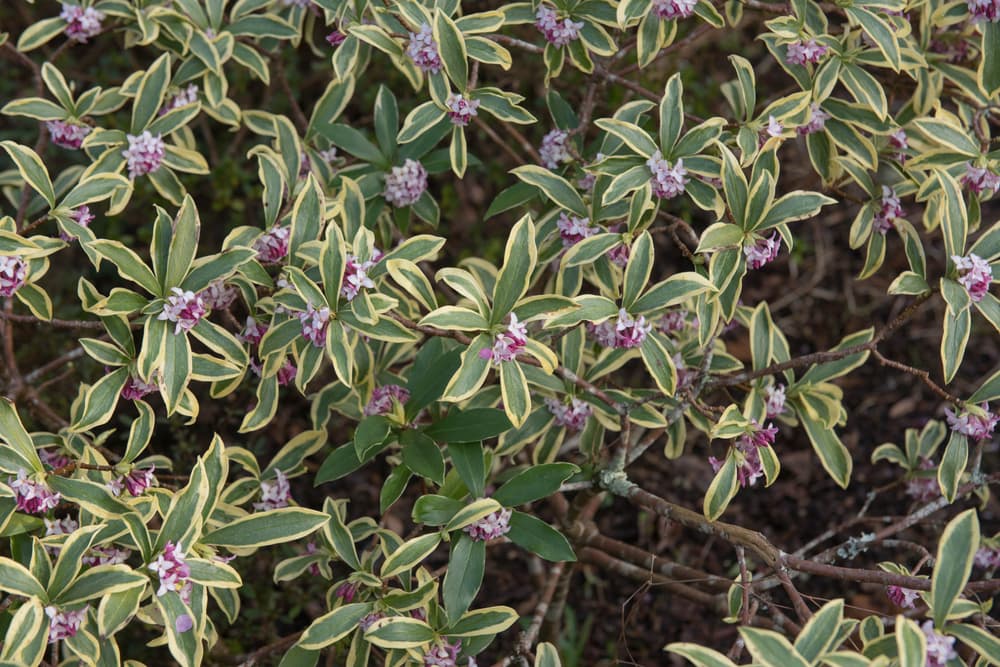
IN THIS GUIDE Overview Habitat & Growing Conditions How To Grow Euonymus Growing Euonymus As Hedging References Euonymus plants are incredibly popular in the UK and come in a wide variety of colours. Euonymus can be found in countless gardens and parks throughout the UK and its many varieties make it perfect if you’re looking to add some colour and variety to your garden. They are known by several names depending on the country – some common terms for Euonymus plants include Spindle Tree, Strawberry Bush and Wintercreeper. Euonymus comprises a series of flowering plants, of which there are roughly 140 species – some being deciduous and some evergreen.1 Overview Botanical Name Euonymus Common Name(s) Spindle; Strawberry Bush; Wintercreeper Plant Type Shrub / Hedging / Tree Native Area Mostly native to East Asia Hardiness Rating H5 Foliage Evergreen or deciduous Flowers Small flowers followed by colourful fruits When To Sow March, April, September, October Flowering Months June, July, August According to records from Kew, Euonymus is native to almost all of the Northern Hemisphere, as well as many countries in central and south-east Asia – as far as Queensland in Australia.2 Although Euonymus plants do have some practical uses (Spindle is used to make charcoal and spinning wool, amongst other things) their popularity is mostly a result of their appearance.3 Euonymus plants look great in a variety of settings and their vibrant foliage (available in a range of colours) makes them perfect for any and all gardens. “Whilst not the most fashionable of plants, Euonymous is a valuable garden plant, particularly for creating structure in shady gardens,” shares Master Horticulturist Colin Skelly. “Some of the variegated cultivars can be quite slow growing but others, such as E. japonicus, are very quick and make good bulletproof hedges and shelter belt plants.” Habitat & Growing Conditions The habitat and growing conditions of Euonymus will usually vary depending on the species. Spindle, Euonymous europaeus, can usually be found growing on the edge of forests. When it grows in the wild, it provides great value to wildlife, with a range of insects feeding on its leaves, including caterpillars, moths and butterflies.4 As with other species of Euonymus, spindle does well in the shade and typically grows between 3-6m tall, although it can grow higher when allowed to grow into a tree. How To Grow Euonymus One incredibly useful attribute of Euonymus plants is that they do very well in the shade. This makes them easy ‘set and forget’ plants for a shaded garden corner that receives little sunlight. However, if you want the leaves to be at their most vibrant, then it’s a good idea to ensure they get at least some light during the day. E. fortunei ‘Sunspot’ Euonymus plants also require very little watering once they’re established and can even tolerate droughts. Generally, you won’t need to use fertiliser for Euonymus plants. However, if you’re planting them in a container or the soil condition is quite poor, then you can use an all-purpose shrub fertiliser on them. Planting Euonymus can be planted at pretty much any time of the year, providing the soil is in decent condition and not frozen. That being said, there are certain times of the year that are more optimal for planting than others – the best time to plant Euonymus would be early spring or late summer. When it comes to picking the right spot to plant Euonymus, the main thing you want to ensure is that it has adequate space; this will allow for proper air circulation and help to prevent problems from setting in. Make sure you dig a hole that’s roughly twice the size of the root ball and if you want, you can add some fertiliser to the soil when first planting it. You should water it regularly for the first year, but after that it will require very little, if any, watering. Growing Euonymus As Hedging Euonymus plants are very often used for hedging due to their low maintenance and ability to cope in most environments. There are also certain species that grow to be very tall, making them great for privacy and creating shade. Below are some of the best species of Euonymus you can use for hedging. ‘Emerald ‘n’ Gold’ Possibly one of the more obvious choices as a hedging plant. Not only does it look great, with its green and gold leaves, but it also grows at a decent rate without needing too much pruning. Evergreen Spindle Another great Euonymus plant for hedging would be E. japonicus. As we mentioned earlier, the high growth rate makes it perfect for getting a lot of coverage. This plant isn’t just practical though, it also looks great thanks to its yellow and green leaves – while it also sprouts pink fruits in the autumn. ‘Emerald Gaiety’ ‘Emerald Gaiety’ would work very well for hedging too – its compact structure and striking white-tinted leaves make it an excellent alternative to more common types of Euonymus like ‘Emerald ‘n’ Gold’. References 1. Euonymus. (n.d.). North Carolina Extension Gardener Plant Toolbox. Retrieved March 15, 2023, from https://plants.ces.ncsu.edu/plants/euonymus/ 2. Euonymus. (n.d.-b). Kew Royal Botanic Gardens. Retrieved March 15, 2023, from https://powo.science.kew.org/taxon/urn:lsid:ipni.org:names:331601-2 3. Spindle (Euonymus europaeus). (n.d.). Woodland Trust. Retrieved March 15, 2023, from https://www.woodlandtrust.org.uk/trees-woods-and-wildlife/british-trees/a-z-of-british-trees/spindle/ 4. Spindle Ermine. (n.d.). Butterfly Conservation. Retrieved March 15, 2023, from https://butterfly-conservation.org/moths/spindle-ermine
Learn more
Growing French Lavender - Positioning In A Frost-Free Location Is Key
IN THIS GUIDE Overview How To Grow French Lavender French Lavender Care French Vs English Lavender References French Lavender, known formally as Lavandula stoechas, is an evergreen herb shrub with aromatic properties. It is also sometimes known under the names ‘Spanish Lavender’ or ‘Butterfly Lavender’. A bushy, low-maintenance plant, it looks and smells beautiful – and can grow almost anywhere, which makes it incredibly popular amongst UK gardeners. Despite being low-maintenance, to get the most out of this stunning plant, we recommend following our tips below to ensure it is planted in the right areas and cared for properly over time. Overview Botanical Name Lavandula stoechas Common Name(s) French Lavender Plant Type Shrub / Herb Native Area West Mediterranean Hardiness Rating H4 Foliage Narrow, grey-green leaves Flowers Dark purple flowers When To Sow March, April, May, June Flowering Months May, June, July, August, September When To Prune September, October Lavender is commonly used in perfumes, potpourris and essential oils. In the past it was also used to perfume baths and clothes, so it’s fair to say that this is a smell most people will recognise. The plant itself will grow upright – usually to no more than 1m in height. The fragrance emanates from the cylindrical heads that taper to reveal bright purple flowers, often referred to as its ‘ears’. These elegant flowers are also the origin of the name ‘Butterfly Lavender’. The leaves of the plant are long, pointed and bushy – resembling those of Rosemary. French Lavender is said to be less hardy than its counterpart English Lavender (see our comparison below) and will generally last around five years. There are ways in which to preserve its lifespan through cuttings, which we cover in more detail below. Flowering season typically begins in early May, with further flowering mid-summer and in late summer or early autumn. Interestingly, French Lavender is actually considered a weed in many parts of Australia.1 How To Grow French Lavender Because this is such a battle-hardy plant, it can be grown nearly anywhere. However, we do recommend placing it in an area that will avoid frost. Temperatures of -7°C and below will likely kill the plant, so it needs protection in extreme winter conditions. Lavender can be used in garden edging, on banks and slopes, adjacent to walls and fencing, near ponds and outdoor water features – it pretty much fits in anywhere. It’s recommended that it should be planted in a location where it will receive maximum exposure to sunlight, but still be sheltered from over-exposure to wind and rain. Generally it will fare best in soil that is dry and well-drained – the RHS recommend soil with Chalk, Sand & Loam properties for it to thrive.2 Good drainage and proper air circulation are essential if you’re planting French Lavender in a warm, humid climate. French Lavender Care Watering Watering is easy – as a Mediterranean plant, French lavender thrives in hot, dry conditions and will rarely need watering. You may need to give it a hand in the event of a heat wave but otherwise, rainwater should suffice. Pruning & Deadheading As the plants fade out of bloom towards the end of summer, you should look to remove the heads by cutting the stem below the spent flower, ideally just above the first healthy set of leaves. This is known as ‘deadheading’ – not only will this keep the plant looking its best, but it will promote fresh growth the following season. In terms of pruning, there is one core rule to follow: Only ever prune growth that still bears leaves. You should never cut into the wood of the plant (or it won’t grow back) and it’s important not to take too much away when cutting. Use secateurs when pruning as these will offer a good, clean cut. When pruning you should look at young shoots rather than old growth – these aren’t going to respond well to pruning. Cut roughly two-thirds of new growth back towards the old wood – this will leave fresh shoots for the following season. You can use the flowers as a fragrance in potpourri and even store them in your wardrobes to enhance the smell of fresh laundry. French Vs English Lavender Whilst these lavender plants are related and highly similar, there are some subtle differences between the two types that are worth noting. Aroma The first and probably most important difference is the smell. The typical Lavender smell that many have become accustomed to is the scent of English Lavender. The French plant produces a similar smell, but it has subtle hints of Rosemary too – worth considering if this is your main reason for growing the plant. Cultivation French Lavender is much less commonly cultivated than English Lavender – and English Lavender is the type you’re more likely to see in British gardens and containers. Hardiness English Lavender is hardier than the French variety, which will struggle to tolerate very harsh winter conditions. Height French Lavender will generally grow taller than the English variety – reaching up to a metre tall, nearly twice the height. The flowers last much longer on the French plant, with a bloom time that lasts all the way from the beginning of spring to the late summer. “I use French lavender where the flowers are combined as part of a Mediterranean planting,” says Master Horticulturist Colin Skelly. “This allows the flowers to compete with other summer flowering perennials and shrubs due to the larger size and height of the flowers. “Like other Mediterranean plants, they are susceptible to hard frost, but they associate well together.” References 1. Worrying Weeds of Wamboin: Topped Lavender (Lavandula stoechas). (n.d.). NSW Landcare Gateway. Retrieved March 21, 2023, from https://landcare.nsw.gov.au/groups/gearys-gap-wamboin-landcare-group/worrying-weeds-of-wamboin-topped-lavender-lavandula-stoechas/ 2. Lavandula stoechas | French lavender. (n.d.). Royal Horticultural Society. Retrieved March 21, 2023, from https://www.rhs.org.uk/plants/24039/lavandula-stoechas/details
Learn more