Growing

Growing Viburnum Davidii: Nursery Grower Shares Care, Pruning And Propagation Tips
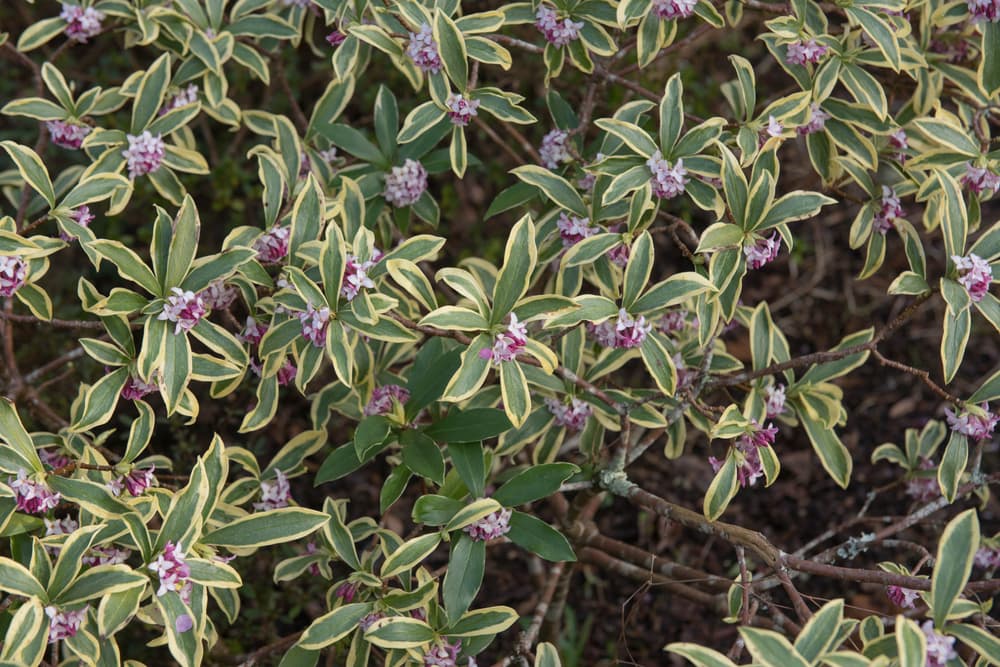
IN THIS GUIDE Overview How To Grow Viburnum Viburnum Care Pruning Guidelines Propagation Common Problems References Viburnum davidii is a type of evergreen shrub that has very distinctive glossy leaves and white flowers. Adding Viburnum to your garden is a great way to add visual interest and it integrates well with other plants and shrubs. Growing this shrub in your garden is quite simple – if you plant in early spring, then you’ll be able to enjoy the full benefit of their stunning blooms by the time summer comes around. They can tolerate shade quite well, so you don’t need to worry about finding the perfect spot either. Overview Botanical Name Viburnum davidii Common Name(s) David Viburnum Plant Type Shrub Native Area Western China Hardiness Rating H5 Foliage Evergreen, deep green leathery leaves Flowers Dull white flowers followed by vivid berries When To Sow February, March, October, November Flowering Months May, June Viburnum davidii is native to western China, can grow up to 1.5m tall and has oval-shaped leaves and clusters of small white flowers.1 How To Grow Viburnum When planting viburnum shrubs, if possible you should choose a spot that receives plenty of sunlight. Some varieties are tolerant of partial shade, but in general, Viburnum are sun-loving plants. You should also make sure that the soil is well-drained to prevent issues caused by waterlogging. “Viburnums do not like wet feet or soil that does not drain for long periods of time,” says Gary. “If you are faced with this and you don’t want to provide subsurface drainage, plant your viburnums with the root ball elevated above the soil surface. This can be achieved by first digging the planting hole deeper than the root ball to encourage drainage, then placing the soil back in the hole to the desired planting depth, leaving half of the root ball exposed above the existing soil surface. “Finish backfilling by mounding soil around the exposed portion of the root ball and sloping it away from the base of the plant so that water will run away from the planting hole. “One very important precaution when planting using this method is to make sure that when you replace the over-excavated soil back in the hole, you lightly tamp it so that when you water your plant it does not settle.” Good ventilation is essential if you want your plants to thrive and avoid potential issues with fungal diseases. Planting This being the case, you should plant them roughly 10-15 meters apart. Once you have found a good spot, you should dig a hole that’s big enough to accommodate the entire root ball. Position the plant and fill the hole with soil; be sure to water it well immediately after planting and continue to water it at least once a week for the first six months. The best time to plant would be in the spring or autumn – both these times of year will give your plants the ideal conditions to become established, by gifting them a good mix of sunlight and rain. “Viburnum davidii is dioecious, meaning that it has separate male and female plants,” explains Colin Skelly, a Horticultural Consultant. “If you want to enjoy their attractive blue berries, make sure you select your plants in the autumn as the males will be berry-less. Choose male plants as well as females to ensure fertilisation.” Viburnum Care V. davidii plants need a good amount of exposure to the sun in order to flower at their best. They will need to be watered regularly while they’re establishing themselves. It’s a good idea to use mulch to help the soil retain moisture. V. davidii doesn’t typically require a specific type of soil to do well and providing the soil is not overly saturated, they will be fine. If you want to use a fertiliser with your plants, then spring would be the best time. Pruning Guidelines V. davidii shrubs don’t need too much pruning, outside of removing dead leaves or damaged branches. If you notice that branches are becoming a little too dense, then it’s not a bad idea to prune them to improve air circulation. Good air circulation will mean your plants grow better and lessen the risk of disease. Although pruning generally isn’t necessary for V. davidii to grow well, you can prune young plants if you want to shape them. Pinching out the sides of young plants will enable you to create a balanced look without causing any harm to them. Propagation There are a couple of good ways to propagate viburnum shrubs: Taking Cuttings Using cuttings is a quick and easy way to propagate new plants from an existing Viburnum – with early summer being the best time to take cuttings. Be sure to take your cuttings from new growth that hasn’t yet flowered and ensure you only take from plants that are well watered. Place your cuttings in a container with good-quality compost and lightly water them. They will need some light, but it’s not recommended to keep them in direct sunlight – using a propagator would be ideal. The cuttings should become established and show signs of new growth in 5-10 weeks. Layering Layering is a very easy way of propagating viburnum and simply means taking a stem from an existing plant and encouraging it to form its own roots. There are a few ways to accomplish this, but we’ll look at the simplest here. Check the outside of your plants for stems that can be bent to the soil level. You should then make a small incision in the stem and bury it in the soil – you can use a large rock or brick to rest it on the stem and keep it buried in the soil. Everything being well, this stem should form its own roots in 1-2 months. Once it’s well established, you can then transplant it elsewhere in your garden, so it has room to flourish. Common Problems Viburnum plants tend to be problem-free. However, when they’re grown in less-than-ideal conditions or when they’re first becoming established, certain diseases and pests can affect them in their vulnerable state. Here are a few of the most common: Powdery Mildew Powdery mildew is a type of fungal disease that affects countless plants. Plants that develop this issue will have a coating of white fungus on their leaves that is similar in appearance to powder (hence the name). Powdery mildew usually affects young viburnum, especially when they’re grown in humid conditions. Thankfully, there are effective ways to prevent and treat it – most importantly, you should take care when watering plants, so water doesn’t splash onto the leaves unnecessarily. For any plants that already have powdery mildew on them, you can use a fungicidal spray. Preventing and treating powdery mildew can also help with the prevention of leaf spot. Leaf Beetles Leaf beetles are a relatively new problem for viburnum plants and can be a real nuisance since they can very easily destroy the leaves of plants they infest. If you notice leaf beetles on your plants, then you should take steps to remove them immediately. You can often spot their larvae first and simply pruning any leaves where they’re present can be a good way to stop them from spreading further. Companion planting and introducing plants that attract predatory insects can be useful as ladybirds and other insects can help deal with the issue naturally. References 1. Viburnum davidii. (n.d.). Oregon State University. Retrieved March 27, 2023, from https://landscapeplants.oregonstate.edu/plants/viburnum-davidii
Learn more
Growing Mahonia Shrubs: They Will Do Well In Sun Or Shade And All Soil Types
IN THIS GUIDE Overview Habitat & Growing Conditions How To Grow Mahonia Plant Care Propagation Common Problems References Mahonia is an evergreen shrub, with spiky dark green leaves, clusters of yellow flowers and purple or black berries. The plant is late-flowering, meaning that it will not produce its pretty yellow blooms until late autumn and winter. This makes it a great choice for adding colour to your garden later in the year, long after most spring and summer flowering plants have wilted. There are several species of Mahonia, many of which are easy to grow in the UK. It can thrive in sun or shade and does well in all soil types, so it’s an excellent choice for the trickier areas of your garden. Overview Botanical Name Mahonia Plant Type Shrub Native Area North / Central America & Asia Hardiness Rating H5 Foliage Evergreen, spiked glossy leaves Flowers Bright yellow spires When To Sow February, March, October, November Flowering Months January, February, March The Mahonia genus is part of the Berberidaceae family.1 There are around 70 species, including Mahonia japonica, and the Mahonia x media group, which includes the popular ‘Charity’ and ‘Winter sun’ varieties.2 All varieties grow to different sizes – the most popular species in the UK are upright and bushy, and range from 1-5m in height, with a spread of up to 3m. However, there are also some varieties which grow low to the ground at around 30cm tall, and which are suitable for use as ground cover. Mahonia generally flowers in late autumn and winter, from November to March. The flowers are usually yellow, but occasionally red, and appear in clustered racemes. They are sometimes scented and can be followed by the production of purple or blackberries. Due to their late flowering period, Mahonia is a popular choice for garden borders, alongside other evergreen shrubs such as Rhododendron, or plants such as snowdrops, to provide further winter colour. Larger varieties, such as Mahonia ‘Charity’, are also often used as hedges and screening, where their thick and spiky nature makes them particularly effective at keeping out intruders. They are also seen in public areas, such as on roundabouts. Another name for Mahonia aquifolium is Oregon grape, which comes from the fact that Oregon adopted Mahonia as its state flower in 1899, and that the appearance of Mahonia berries is similar to that of black grapes.3 Habitat & Growing Conditions Mahonia’s natural habitat includes North America and Central America, as well as Asia and the Himalayas.4 It is often found growing in woodland and woodland edge locations, which is the reason it thrives in full and partial shade. The plant is hardy, and can survive temperatures down to -15°C. It has a low nutrient requirement, which means it grows in all types and pHs of soils, and although it prefers moist, well-drained soil, it can survive periods of drought. “I find Mahonia a useful shrub for under the outer canopy of trees due to their tolerance of dry shady conditions,” says Master Horticulturist Dan Ori. “I like to plant other yellow flowering plants nearby that tolerate the same conditions and overlap the flowering period like Jasminum nudiflorum (winter jasmine) and Narcissus ‘Rijnveld’s Early Sensation’ (early daffodil).” How To Grow Mahonia You can buy the most popular varieties of Mahonia in garden centres in the UK, or from online retailers. The varieties that are most widely available include M. japonica, M. x media ‘Charity’, M. x media ‘Winter sun’ and M. aquifolium. These will usually be available to purchase in pots, as plants of around 50cm tall. Other varieties that are available in the UK, but less widely so, include M. eurybracteata ‘Soft Caress’, which grows to a height of 1m – and M. nitens ‘Cabaret’, which produces unusual orange-red flowers but is not as hardy. When To Plant The best time to plant a Mahonia is generally considered to be spring or autumn, when the weather is neither too hot nor too cold. When planting, you should first soak the root ball in water for half an hour, to ensure it is moist. Add a small blood, fish and bone meal upon planting, to encourage new root growth. How To Plant To plant your Mahonia, you should dig a hole twice the size of the root ball. It’s not a good idea to plant the roots dry, so soak the roots in a bucket of water for 30 minutes prior to planting. You will need to make sure your Mahonia plant has enough space around it to grow, as they do not do well in crowded conditions. Exactly how much is required depends on the variety and the size of its ultimate spread. Place the plant in the hole, fill it in with compost, and feed with blood, fish and bone meal (avoid high-nitrogen plant foods). Water upon planting, and frequently whilst growing, although do not allow the ground to become waterlogged. Once established, the plant will require very little watering, and you should only need to water it during extremely hot, dry periods. Plant Care Mahonia is a hardy plant and is therefore relatively easy to look after. Sunlight It can grow in full sun, but it prefers partial shade or even full shade. Mahonia aquifolium Unlike many plants, it can thrive in an exposed location, providing it isn’t subjected to freezing winds – so you can position it almost anywhere in your garden. Soil Requirements It isn’t too fussy about soil type either and can grow well in sand, clay, chalk or loamy soil, and all pHs. The soil should be kept moist, but well-drained. Mahonia can withstand temperatures down to -15°C, but it is still a good idea to mulch the soil before winter (around September time), to help protect the roots from frost. Propagation If you know someone with an existing Mahonia, another way to acquire new plants is through propagation. The best time to propagate Mahonia is usually in late summer or early autumn, prior to flowering. You can do this easily by taking semi-ripe cuttings from the plant. Prepare for propagation by pruning hard in spring, to ensure plenty of new growth. When it comes to making your cuttings, choose healthy, horizontal shoots from the current season, with short gaps between the leaves. Use sharp secateurs to make cuttings of approximately 15cm, just below the leaf node. Propagate in the morning, to prevent wilting. Once you’ve taken the cutting, keep it cool, and aim to plant it within 12 hours. Dip the base of the cutting in rooting hormone powder, and plant in pots filled with a mix of potting compost and sharp sand. Place in a greenhouse or cover with plastic indoors to keep warm. Keep the soil moist, but well-drained, and regularly remove any dead material, to prevent mould. Common Problems There are not many diseases and pests common to the Mahonia plant. Powdery Mildew One possible problem to watch out for is powdery mildew, which will cause brown spots and a grey powdery fungus to develop on the underside of leaves. Help to avoid this by watering the soil, not the leaves of your shrub, and keeping it in a sunny location. If it develops anyway, you can treat it with a fungicide. Rust Another potential problem to watch out for is rust. This is more common in certain varieties, including M. aquifolium. Rust will manifest itself as deep red, brown and black pustules on your plant, particularly on the lower leaf surface, which can reduce your plant’s vigour. Help to prevent rust by removing all dead leaves and material after the growing period and pruning dense branches to ensure air can circulate through your plant. If caught early, you can tackle it by removing the affected leaves as soon as they appear – if not, you may need to apply a fungicide. Legginess The main problem commonly encountered by growers of Mahonia is that the base of the plant becomes ‘leggy’ (bare and woody), whilst the foliage is concentrated at the top. If your Mahonia becomes leggy, prune several branches completely to allow more light to access the base, and prune any branches with leaves at the end back to around 30cm. Remove several branches completely, to allow more light to reach the base of the plant. This should encourage new leaf growth. References 1. Colin, O., Hinsinger, D., & Strijk, J. (2021, January 27). Mahonia lancasteri (Berberidaceae), a new species originating from Sichuan (China) described from cultivation. Phytotaxa. Retrieved March 21, 2023, from https://www.biotaxa.org/Phytotaxa/article/view/phytotaxa.482.1.5 2. Mahonia. (n.d.). Royal Horticultural Society. Retrieved March 21, 2023, from https://www.rhs.org.uk/plants/mahonia 3. Oregon State symbols. (n.d.). Oregon Encyclopedia. Retrieved March 21, 2023, from https://www.oregonencyclopedia.org/articles/oregon_state_symbols/#.ZBmm3uzP30o 4. Teeling, C. (2022). Mahonia aquifolium (Oregongrape). CABI Compendium. https://doi.org/10.1079/cabicompendium.32269
Learn more
Pieris Works Particularly Well As Part Of A Shrub Display - Gardeners Share Growing Advice
IN THIS GUIDE Overview How To Grow Pieris Ongoing Care This hardy, evergreen shrub is popular amongst gardeners, thanks to its elegant and colourful blooms. Pieris japonica draws on soft whites, vibrant pinks, and striking reds to deliver new and exciting colour combinations year-round. This plant really does have a lot to offer gardeners of all abilities. Pieris works particularly well as part of a shrub display, or in areas of your garden with a woodland feel. “Pieris japonica (and other Pieris species and cultivars) work well in combination with Camellia, Rhododendron and Azalea, preferring the same acidic soil conditions,” shares Master Horticulturist Colin Skelly. “Select a brighter spot, at the edge of a wooded area.” The plant has confidence and poise to work equally well as a part of a group of shrubs, or as a standalone. We’ve written this guide to tell you everything you need to know about Pieris japonica. After reading, you’ll be confident in choosing the right variety for your garden, and in helping it to thrive. Overview Botanical Name Pieris japonica Common Name(s) Japanese Pieris Plant Type Shrub Native Area Japan Hardiness Rating H5 Foliage Evergreen, leathery dark green leaves, often different and brightly hued when young Flowers Small, white When To Sow February, March, September, October Flowering Months May, June When To Prune June This is a type of shrub from the heather family that originally hails from Asia, and the drooping bundles of lantern-shaped flowers that appear in spring definitely evoke the essence of the orient. Although the floral bloom could be considered short – just two or three weeks – Pieris japonica punches above its weight aesthetically throughout the year. Japonica makes a beautiful addition to any garden Although P. japonica is the most common name, you may also hear the plant referred to as Japanese Andromeda, Japanese Pieris, or even Dwarf Lily-of-the-Valley Shrub. The latter is not to be confused with another Lily-of-the-Valley – Convallaria Majalis – which looks quite different! Japonica is the most popular of nine species of Pieris – others include P. cubensis, P. floribunda, P. formosa, P. nana, P. phillyreifolia, P. swinhoei, P. koidzumiana and P. amamioshimensis. This guide covers plants in the Japonica species, but the others also have a lot to offer. How To Grow Pieris If one of the varieties in our list has piqued your fancy, you’re probably wondering how best to grow a Pieris japonica in your garden. Thankfully this is quite a hardy plant – many varieties have a hardiness rating of H5, which means they can handle most of what a typical winter in the UK can throw at them. With that in mind, it’s still essential to ensure you plant out your japonica in the right soil and light conditions. Soil Requirements All varieties of P. japonica thrive in sandy, loamy soil with some acidity. For optimal growing conditions, the soil should be well-drained with some residual moisture. This plant will not tolerate alkaline soil, so grow in a container using ericaceous compost if your garden soil is not acidic. Where To Plant These plants will do best in full sun or partial shade and will struggle with no sunlight whatsoever. To give them the best chance at healthy growth, choose a location that is east or west facing to be safe. Some varieties from our list above can handle facing south, but none should be planted in a north-facing direction. When To Plant For the best results, plant your japonica in spring or autumn. With a Pieris, you can expect red growth around the leaves in February, followed by the most vibrant period of growth in March. This gives way to flowers – usually white but not always, as we’ve seen above – in April and May. As an evergreen, the leaves will stay on year-round. Planting Out Work a layer of rich compost into the soil to provide nourishment, then plant your japonica in a hole whose depth matches the extent of the root system. You should leave about two metres between individual shrubs if you are planting more than one at a time. Keeping the soil moist will help your japonica to grow at its best. We also recommend fertilising the plant in winter to ensure it gets all the nutrients it needs over winter. The fertiliser you use should be tailored to the requirements of plants that prefer acidic soil. Ongoing Care One of the reasons P. japonica is so popular amongst gardeners is the minimal care it requires. If you plant it in the right conditions and keep an eye out for any pests, your shrub will take care of itself. All you need to do is sit back and enjoy the show! A small caveat: though they are hardy, if extreme frosts are forecast, you should take steps to keep your plant’s roots warm. This is as simple as spreading some straw, pine needles, or similar around its base.
Learn more
Growing Weigela: Their Spreading Habit Makes Them A Valuable Screening Shrub
IN THIS GUIDE Overview How To Grow Weigela Planting Weigela Care Propagation Common Problems References Weigela is a range of deciduous plants (typically grown as shrubs) that come in a variety of different colours. With their multi-coloured leaves and distinctive flowers, they are a great choice to add interest to your garden. “As well as different colours, Weigelas come in different sizes too, with dwarfing cultivars as well as larger shrubs,” shares Master Horticulturist Colin Skelly. “Their spreading habit makes them a good screening shrub but they also make attractive specimen shrubs with their beautiful trumpet-like spring flowers.” Growing weigela in your garden isn’t too difficult – their water requirements are usually met by rainfall and providing you pick a good spot with plenty of sunlight, they should thrive for many years. Overview Botanical Name Weigela Plant Type Shrub Native Area Japan, China, Korea Hardiness Rating H6 Foliage Deciduous, simple ovate leaves Flowers Funnel-shaped red, pink, yellow or white flowers When To Sow February, March, October, November Flowering Months May, June, July When To Prune July Weigela originated in Japan, China and Korea but today they’re grown in many different climates around the world.1 How To Grow Weigela Before planting, you should ensure that the soil is in decent condition. Soil that’s too hard, frozen or waterlogged would not be suitable. Planting The roots of weigela that have already been established tend to be quite substantial, so be sure to make a hole in the soil that can accommodate it properly. You should make the hole at least as deep as the roots and roughly twice as wide. Make sure to cover it properly and using a layer of mulch would not be a bad idea, particularly if you’re planting in autumn. The best time to plant weigela would be either in the spring or autumn. This is because it prevents the plants from being immediately exposed to strong sunlight, which can be an issue when you’re transplanting already established bushes. The best spot for weigela would be in either full or partial sunlight. Although weigela can cope in shaded spots, they won’t flourish in the same way as they would with a good amount of sunlight. Weigela Care Growing weigela in your garden isn’t too difficult, but it is important to know the best way to go about it if you want your plants to thrive. Below is a full guide to growing weigela in your garden, including the initial planting, watering, picking the right spot and using fertiliser. Watering Weigela plants have average watering needs. This means if there’s a decent downpour during the week, then you usually don’t need to worry about watering them. You should certainly water them during dry spells, however – make sure to soak the roots well when watering. Fertilising Using a good fertiliser that’s suitable for shrubs is certainly a good idea when you first plant your weigela. Propagation There are a couple of reliable ways to go about propagating weigela, both using cuttings. It is possible to propagate using seed but here we’ll focus on using cuttings. Early (Softwood) Cuttings Using cuttings that you take in late summer/early autumn is the first method you can use to propagate weigela. Before taking any cuttings, it’s a good idea to take any steps you can prior to ensure the plant is in optimal condition. A very good way to do this is by watering the plant you’ll be taking the cuttings from a day before you do. You’ll only need to do this if the soil is dry. Make sure that any cuttings you take have a decent amount of foliage with healthy-looking stems. Cut just below the leaf bud and make sure to remove some of the leaves that are close to the base in order to reduce the water requirements. Once you’ve taken the cuttings, it’s a good idea to use a rooting hormone powder on the base of the cutting to encourage healthy growth and reduce the risk of rotting. You should place your cuttings in a 9cm or 1-litre pot and use good quality propagating compost. It’s important to ensure the cuttings get a decent amount of sunlight but aren’t overexposed. A greenhouse under a bench or under shade netting would be an ideal location but failing that you can place them in a semi-shaded spot in the house. You should check on your cuttings at least once a week, being sure to remove any unhealthy-looking foliage as well as watering as needed. Hardwood Cuttings The second method for propagating weigela is using hardwood cuttings. This is where you take fully mature cuttings from the current year’s growth. You should follow the same steps as mentioned above when making the cuttings. The advantage to using hardwood cuttings as opposed to early cuttings – is that you’re able to grow them outdoors as well as indoors. If you choose to plant them outdoors, then you will need to take a bit of care to encourage the best growth. You should use a good quality compost and plant the stems so there’s roughly a third of them protruding from the soil. Growing them in containers, either indoors or in a greenhouse is another option. This does give you some advantages – namely being able to protect the cuttings from the harsh winter weather. If you do plant the cuttings in containers, then be sure to also use good quality compost and water them whenever they become dry. Providing you check on them regularly and provide proper care, they should be ready to plant outdoors by the next autumn. Common Problems Below are some of the most common diseases and problems that weigela can suffer from: Powdery Mildew Powdery mildew is a very common type of fungal disease that affects a wide variety of plants. It’s so-called because the leaves of infected plants will have a coat of mildew on them that resembles white powder. To avoid powdery mildew, you should ensure that your plants have plenty of space between them for good circulation. You should also take care when watering to avoid any water getting on the leaves. If you have any plants that are affected by powdery mildew, then you should remove infected leaves, or in more severe cases – dig up and destroy infected plants. Black Spot Black spot is another type of fungal disease that can affect weigela. It will cause infected plants to develop black spots on their leaves and will often result in the leaves falling off the plant. To avoid black spot, you should take care not to get the leaves wet when watering, since this is often how it spreads. It’s also a good idea to use mulch, which helps to prevent water from splashing up. Rust Rust is a fungal disease that will cause orange-coloured spots to appear on the leaves of infected plants. If you notice any plants that are affected by rust, then you should either remove them or use a good fungicide. Spider Mites Spider mites may be small, but they can cause a lot of damage to plants. As well as injecting toxins into plants, they also leave visible webbing and quickly multiply. Thankfully, it’s quite easy to get rid of them – a simple spray of fungicidal soap or water is usually enough to remove them from plants. Mealybugs Mealybugs are another pest that can affect weigela. They are troublesome for a few reasons – firstly, they will drink from the leaves, which can easily result in poor growth. The honeydew they excrete also attracts ants as well as causing further issues with the honeydew itself growing mould. Aphids Aphids feed on the underside of leaves and the residue they leave behind can attract ants. If aphids become a problem, then you can wash them off with water or a fungicide. Another effective way to deal with them is by growing plants that attract predators, such as wasps and ladybirds. References 1. Weigela. (n.d.). Kew Royal Botanic Gardens. Retrieved March 27, 2023, from https://powo.science.kew.org/taxon/urn:lsid:ipni.org:names:6141-1
Learn more
Growing Fatsia Japonica, The Plant Loved By Gardening Celebs Including Alan Titchmarsh
IN THIS GUIDE Overview Common Varieties Habitat & Growing Conditions How To Grow Japanese Aralia Ongoing Plant Care Common Problems References Also referred to as Japanese Aralia or the ‘Fig Leaf Plant’, Fatsia japonica – as its name suggests – is native to Japan, Korea and Taiwan.1 And, although it wasn’t introduced to Britain until the 19th century, gardeners here have made up for it since.2 Much beloved by such TV gardening celebs as Alan Titchmarsh, the plant is very popular in the UK and highly praised for both its exotic looks and its toughness. “Fatsia japonica looks fantastic in an exotic garden with its large, glossy foliage, but it can also make a useful large screening shrub or provide a sense of green calm around more finely textured or vibrantly coloured planting,” says Horticultural Consultant Colin Skelly. This hardy garden favourite can even handle a heavy flurry of snow – making it ideal as a low-maintenance evergreen that will provide year-round interest. Overview Botanical Name Fatsia japonica Common Name(s) Japanese Aralia, Fig Leaf Plant Plant Type Shrub Native Area Japan Hardiness Rating H5 Foliage Evergreen, palmately lobed leaves Flowers Small white flowers When To Plant April, May, June, September, October Flowering Months September When To Prune June F. japonica has large green, shiny, leather-like leaves. When it’s flowering, the plant produces clusters of ball-like, white blooms at the tips of the stems. It can actually grow to as high as 3m tall, but the usual bush height is approximately 1.8m high. Common Varieties F. japonica has a number of varieties – many of which have interesting colours or shaped leaves. Here’s a quick run-down of some of the more popular: F. japonica ‘Variegata’ ‘Variegata’ is a pretty plant which includes small blackberries as well as blooms. It will grow up to 2.4m tall and produce large green leaves with cream edges. It’s mostly used indoors these days. F. japonica ‘Spiders Web’ This variety has green leaves variegated with white at the margins, making it appear as if spiders have been weaving their webs on the leaves. It flowers in the winter months of November and December. Because it is slow growing this is an excellent container plant or a bush for smaller gardens. F. japonica ‘Moseri’ Moseri is smaller than the typical variety but has plenty of foliage to get lost in, as well as large flowers on white stems which can appear in autumn and last through to winter (October to January) followed by large blackberries. Habitat & Growing Conditions F. japonica doesn’t need a lot of looking after or nurturing. It can be planted in full-sun, part-shade or shade in a variety of soil conditions. If there’s a drought in the summer it could do with a little watering and some fertiliser during spring and autumn doesn’t do any harm either. How To Grow Japanese Aralia With a new plant, the best time to put it in the soil in your garden is in the spring. That way the roots will have plenty of time to strengthen and grow so that the winter frosts don’t pose too much of a problem. It’s fine to plant in the autumn too, provided the soil is still warm enough. Just make sure you get the right spot in the first place though since this is a plant that definitely doesn’t like to be transplanted once settled! Exposure The location should be shaded and not directly in the face of cold winds. The hole for the root ball to sit in should be around six feet big as it will get bigger as it grows. In other words, you’ll need around double the size of the hole as the root ball itself. Feeding & Watering Add some organic fertiliser or blood, fish and bone into the hole for nourishment. Make sure the root ball is buried well and the soil is firm before you add water. The plant should also get plenty of water as it grows – be careful not to water too often though – or you may encourage the onset of fungal disease. Container Growing If your plant is in a container then remove the top two inches of soil annually and replace it with a fresher version. You’ll probably need to move it to a bigger pot in around two to three years’ time. Ongoing Plant Care When it comes to growing F. japonica you can bet your current soil is probably just fine. That’s because this most non-demanding of plants will grow in heavy clay soil, light soil and even soil mixed with chalk. It will also do well in areas of your garden where there is hardly any shade, such as under a tree. Another big plus-point of this plant? It will enhance your garden all year round – there are not many plants you can say that about. So, where’s the catch? Well, there isn’t one really, except most varieties will grow so fast that you will really have to keep an eye on it and prune back when it gets that bit too unruly. Pruning The best time to start pruning this plant is really towards the end of spring. Simply remove the summer-burnt leaves, as well as any shoots which look as if the winter frost has done its worst to them; at the same time remove any bare stems. Try to retain the shape and symmetry of the shrub as far as possible. “Although Fatsia japonica can be grown with only light pruning of dead or damaged stems and branches, harder pruning can be used to open up the shrub for aesthetic reasons,” adds Colin. You will probably have to prune back quite a bit of the bush in order to leave enough space for next year’s growth. Do so by cutting back the old stems first, down to ground level – this will give them an opportunity to regrow in a healthier manner. After you have pruned the bush there’s no harm in adding a little nourishment to the plant in the form of blood, fish and bone plant food – or any kind of organic fertiliser you can find. Winter Care Watch out for particularly chilly winters – too much cold and the leaves may start to fall off or, in some cases, turn black. And on this note, you may notice some leaves turning yellow and falling off in late summer. That’s perfectly normal and these will be replaced with new stems and leaves when spring comes around. Common Problems Pests Like most plants, F. japonica can be prone to an aphid infestation, however, this can be gotten rid of by means of a good spraying with a soap and water mix. The Capsid bug can also be a pain since this will eat through the new leaves and affect the flowers. This can be stopped with the use of an insecticide or by simply removing nearby weeds which could potentially be playing host to the bug. Finally, in terms of bugs and other insects, caterpillars may also go for your F. japonica – simply pick them off and place them far away from the plant in question. Fungal Disease Fungal infections can spring unexpectedly and result in blotchy-looking leaves. To prevent infections from spreading, always allow plenty of air circulation between plants. You can achieve this by weeding out anything getting in the way of your plant and by removing branches which appear to be clogging up others. Try to avoid the leaves being wet too. Shot hole disease is another fungal infection which leads to holes in the leaves. Shot hole Remove affected leaves and disinfect your shears to avoid spreading the disease. Feed and mulch the plant to give it as much nurturing as possible. References 1. Fatsia. (n.d.). Kew Royal Botanic Gardens. Retrieved March 15, 2023, from https://powo.science.kew.org/taxon/urn:lsid:ipni.org:names:3013-1 2. Fatsia japonica. (n.d.). University of Arizona. Retrieved March 15, 2023, from https://apps.cals.arizona.edu/arboretum/taxon.aspx?id=51
Learn more
Grow Buddleja For Pollinators, But Beware - It Can Be Invasive
IN THIS GUIDE Overview Common Varieties How To Grow Buddleja Planting Guidelines Plant Care Common Problems References Buddleja – often spelt ‘buddleia’ – is a beautiful and commonplace plant in British gardens. Its splashes of purple, pink, and violet bring colour, and the sweet nectar brings butterflies and bees-a-plenty! In fact, this plant is often called the butterfly bush because they love it so much. There are tons of reasons to consider buddleja for your garden: It is versatile, hardy, and attractive. It comes in a veritable rainbow of colours. And the honey smell that is so enticing for pollinators is also quite appealing for a human nose! But this plant does come with a forewarning that it self-seeds profusely – sometimes to the point of invasiveness. If you grow Buddleja in your garden you can expect new plants to pop up regularly without intervention – so be warned that this is probably not a good option for a low-maintenance garden. Overview Botanical Name Buddleja Common Name(s) Buddleia / ‘Butterfly Bush’ Plant Type Shrub Native Area Asia, Africa and the Americas Hardiness Rating H6 Foliage Simple leaves, usually deciduous Flowers Panicles of tubular flowers, usually purple or white When To Sow April, May Flowering Months June, July, August When To Prune March, August, September This plant sits in the Scrophulariaceae family, alongside plants like Cape Fuchsia, Nemesia, Figwort, and others.1 There are several types, some deciduous and some evergreen. The most commonly grown species are Chinese by origin, but have made themselves firmly at home in British gardens since their introduction.2 Buddleja is popular for many reasons – we mentioned the fact that it is great for attracting butterflies: so much so that the RHS has chosen buddleja as one of its Plants for Pollinators. It also blooms in August, which can be a quiet month in flowering gardens. This makes it appealing to gardeners who want a garden that blooms for as much of the year as possible. Finding the right variety comes down to deciding which colour you want, the size of the space you have to work with, and a few other factors. Common Varieties There are varieties of buddleja ranging from compact to sprawling. Considering that size, colour, and shape vary between the different types, it’s worth familiarising yourself with each one before deciding which to plant. “There are some really novel buddlejas out there, among my favourites are Buddleja x weyeriana and Buddleja globosa, which have pom-poms of yellow flowers,” says Master Horticulturist Peter Lickorish. “The leaves are what will be on show for most of the year, so why not pick one with a unique leaf? “‘Moonshine’ has golden-green leaves, which contrast sharply with pink flowers, or there’s ‘Summer Skies’ with variegated foliage. “‘Summer Skies’ says it all in their name. For me, these plants are as much a part of summer’s joy as swallows, ice cream and beach holidays.” ‘Blue Horizon’ One of the most common types of buddleja (along with ‘Black Knight’). If you’ve seen Buddleja before, Buddleja davidii is the species you’ll most likely recognise. This is one of the popular cultivars of this species. It can grow up to about four metres in height, over a period of five to ten years. Alternate-Leaved Butterfly Bush This species, also known as Buddleja alternifolia, is known to be less invasive than some others. Gardeners who want to spend less time deadheading buddleja to prevent it seeding everywhere (more on that later) may be interested in this type. B. alternifolia will reach similar heights to blue horizon, but over a slightly longer timeframe. “This buddleja has slender leaves and its branches often hang downwards, meaning its character is a little like a weeping willow,” shares Peter. ‘Lochinch’ This hybrid of two types of buddleja is popular for its lavender colour, punctuated with orange dots. It will grow slightly smaller than ‘Blue Horizon’ and B. alternifolia: up to a height of around two and a half metres. ‘Nanho Blue’ or ‘Nanho Purple’ A pair of more compact cultivars, reaching slightly smaller dimensions than the Lochinch. They have bright blue or purple flowers, with orange centres on closer inspection. These varieties are more manageable than the big, sprawling ones! ‘Dartmoor’ Named after the adventurous escapade required to collect cuttings from a ravine in Dartmoor, this hardy buddleja has a more rugged look than some other varieties. It can grow up to 4m tall and has a nice magenta colour flecked with white. “Unlike most other buddlejas, its flower panicles are branched, so appear much larger,” says Peter. “They’re so heavy they pull the tips of branches downward!” The Butterfly Buddlejas Some buddleja varieties are named after butterflies with similar coloured wings to their flowers. ‘Marbled White’, ‘Adonis Blue’, and ‘Purple Emperor’ are three examples. It’s worth noting that while buddleja is great at attracting butterflies, they don’t use the plant as part of their breeding cycle. This means they’ll come to feed, then head elsewhere when it’s time to make the next generation of caterpillars. How To Grow Buddleja This plant doesn’t take much work. You can tell from the fact that it grows quite happily in untended land, alongside railway tracks, and other areas that aren’t actively gardened. In fact, most of the work you’ll be doing will be preventing your buddleja from growing too much, or from seeding itself all over your garden. Planting Guidelines Buddleja prefers being planted in fairly warm soil, so you’re best waiting until later spring months. If you’re growing from a container or planting out stronger saplings these can be planted up until the end of August. “Until they get their roots down, they will need a lot of watering, especially if planted in summer,” adds Peter. Before planting, ensure the soil is loose, and mix in some compost. Place your buddleja plant into a hole with a diameter about twice that of the pot you’re planting out of. The top of the roots should be level with the surface of the soil. Soil Requirements This plant favours dry soil, and will not thrive in soil that holds a lot of water, especially in winter. They usually prefer alkaline soil, so check the pH is suitable. Buddleja is a great choice if you have a coastal garden, thanks to its hardy nature and ability to grow in chalky soils. It can even tolerate salt-laden winds. Spacing Most varieties need to be planted about 2m apart to give them space to grow strongest. While this may seem like a lot of space when planting small shrubs, bear in mind just how voluminous this plant can get later in its lifecycle! Positioning To thrive, buddleja should be in a warm and sunny position in your garden. They need a few hours of sunlight each day, at least. This stimulates maximum nectar, making things as sweet as possible for the bees and butterflies. Plant Care As we’ve said, this is a fairly hardy plant that can look after itself quite comfortably. There are a few things to keep an eye on, though, to give the best chances of survival. Watering If rainfall is lower than two or three centimetres in summer, water your buddleja. Otherwise, the rain should take care of it. Remember this plant is drought-resistant, so will not need to be watered as much as some other plants in your garden. “Potted or recently planted buddlejas will rely much more on you for watering,” warns Peter. In spring, when the buddleja is growing freely, you can water it fairly frequently. Hold back in the autumn months though: this plant does not thrive in very wet conditions. Fertilising Mulching buddleja with manure or adding some organic fertiliser is a good way to increase the number of flowers for most plants, although some gardeners advise that for buddlejas, it may actually stimulate the growth of foliage instead. There is a difference of opinion on whether buddleja should be fertilised. If you do decide to, manure should be placed in autumn; fertiliser in late spring. Adding a new layer of compost or mulch each spring will keep moisture in and reduce the build-up of weeds. “Feeding is more important for potted plants, where a slow or controlled release fertiliser, often in granule form, will gradually break down and feed the plant,” shares Peter. Particularly big buddlejas will begin to look like trees, and their trunks may peel – if this happens, don’t panic! It’s normal. Common Problems This is a notably hardy plant. Particularly strong winds can blow branches off of larger buddleja plants, but aside from that, it will most likely keep itself out of harm’s way. “If it is exposed to cold winds, consider reducing long branches by a third before the worst of winter’s weather,” explains Peter. Here are a few other potential threats to look out for: Pests Buddleja is prone to several bugs, including mites, nematodes, and caterpillars. The mites, which are often red spider mites, are small and hard to see, but if you suspect your plant is infected, a good way to find out is to shake a branch and hold a sheet of paper below. If small orange or green mites fall onto the paper, then give the plant a good blast with a hose to remove them. “Damaged parts of the plant, usually showing a fine yellow mottling on the leaves, can be cut out,” explains Peter. If foliar nematodes take hold, they are harder to get rid of. Their damage can look similar, with yellow leaf blotches. The priority here becomes keeping the plant healthy and ensuring it gets all the nutrients it needs; take extra care not to overwater or get the leaves wet in this circumstance, as nematodes thrive in moist conditions. Plant Diseases Buddleja is also more prone to mildew when left damp for a long period of time – another reason not to overwater. If you find mildew on your plant, remove those stems. You’ll be able to tell by the leaves becoming yellow at the top, or by patches of white mildew on their underside. Root diseases can affect buddleja, and again the risk increases with overwatering. If you see small, yellow flowers, this could be why, or wilting during damp weather. Improving drainage is the first step: sometimes the problem will take care of itself; if not, applying a fungicide to the roots may help. It’s worth noting that while rare, these diseases can kill buddleja. The takeaway then? Take extra special care not to overwater this plant! References 1. The Figwort Family or Scrophulariaceae and their Uses. (2021, December 8). Wonderful Weed Weekly. Retrieved April 25, 2023, from https://wonderfulweedweekly.co.uk/the-figwort-family-or-scrophulariaceae-and-their-uses/ 2. The native range (provinces) of Buddleja davidii in China. (n.d.). Research Gate. Retrieved March 13, 2023, from https://www.researchgate.net/figure/The-native-range-provinces-of-Buddleja-davidii-in-China-are-shown-in-gray_fig2_226823556
Learn more
How To Grow And Care For Japanese Maples According To Agustin Coello-Vera
IN THIS GUIDE Overview Habitat & Growing Conditions How To Grow A Japanese Maple Japanese Maple Care FAQs References Japanese maples are small, deciduous maple trees with decorative foliage, known particularly for their spectacular display of bright red and orange-coloured leaves in the autumn months. There are a variety of Japanese maples of all different shapes, sizes and leaf colours, so you can select one which will best suit your space. They make for a great way to add colour and interest to your garden throughout the year. Across each of our Acer guides, we have collaborated with Agustin Coello-Vera, Chairman of The Maple Society. “Maples are entrancing trees with the ability to fascinate many people and are of interest throughout the year,” says Agustin. Japanese maple can be grown outside in the UK – or, as the tree is small and slow-growing, it’s well-suited to container growth. To add an oriental feel to your garden, accompanied by a burst of flaming red, orange and gold every autumn, read on for our best Japanese maple growing tips, for everything you need to know about caring for this colourful tree. Overview Botanical Name Acer palmatum Common Name(s) Japanese Maple Plant Type Tree Native Area Japan; East Asia Hardiness Rating H6 Foliage Paired, often palmately-lobed leaves, often vibrant foliage, especially in autumn When To Sow January, February, March, October, November, December Flowering Months March, April, May When To Prune January, December Japanese maples (Acers) are slow-growing trees originating from Japan and other parts of Asia. The red cultivars are particularly popular in Europe, and all colours are frequent additions to oriental-style gardens. Most Japanese maple trees grow to a maximum of 2m in height – although there are some varieties that can reach up to 10m. Due to their small size, Japanese maples are ideally suited to smaller gardens, borders and containers. There are hundreds of cultivars of Japanese maple. Leaf colour varies dramatically across cultivars – new leaves can be anything from lime green to pink or purple, whilst autumn colouring ranges from yellow and orange, to bright red and burgundy. Other names for Japanese maple include red emperor maple and palmate maple (so-called after the shape of the leaves). Habitat & Growing Conditions The native habitat of the Japanese maple is, unsurprisingly, Japan – as well as parts of Korea, where it grows in a temperate climate.1 “The popular Japanese maples come from an area with rich, acid, sandy soils where it rains a lot throughout the year,” explains Agustin. “The closer your growing conditions are to those conditions, the happier your Japanese maples will be.” “Japanese maples are hardy but should be grown in sheltered non-waterlogged sites,” argues Horticulturist Dan Ori. “They will often tolerate a range of soil conditions but prefer slightly acidic moist soil. “As my soil is alkaline I grow my Japanese Acers in containers using peat-free ericaceous compost and water with rainwater to keep the soil pH acidic, I top dress a 5cm (2inch) layer of fresh ericaceous compost each autumn or spring.” Most cultivars favour a shaded or partially shaded growing location, although some sun is required for redder varieties. The tree can tolerate and grow in most soil types, including sand and clay, although it prefers soil with a high content of organic matter. “There is a difference between tolerating with lots of help and years to adapt, rather than thriving from the moment it is planted,” says Dan Ori. “Japanese Acers will tolerate most soil types but only really do well in acidic moist but not wet soil.” How To Grow A Japanese Maple You can buy Japanese maple as grafted trees from garden centres and online retailers. If you’re seeking a specific variety, specialist growers and flower shows often have a more extensive range. Look for healthy-looking, colourful foliage, with no brown tips to the leaves, or obvious signs of pests. You can also grow Japanese maple from seeds, however, you should be aware that they will not grow true to their cultivar. Planting Japanese maples are most often grown from grafted trees, although it is possible to grow them from seed. The best time to plant them is from October to March. Exposure Although they are hardy plants, they do best when placed in sheltered spots, out of strong winds with some dappled shade. You can grow Japanese maple in your garden borders, or in a container – a container has the advantage of allowing you to move the tree between sunny and shaded areas. However, be aware that you will need to re-pot every couple of years. Japanese Maple Care Trees growing in a container will also need to be lifted off the ground and the roots covered over winter, to protect them from frost (trees growing in the ground should not require any protection). The roots require plenty of space to grow, so try not to position Japanese maple too close to other plants; although they like to spread out, the roots don’t go deep – you should plant with the roots no more than 3cm below the surface of the soil. Watering & Feeding Water the tree regularly when first planted, particularly over the first summer. Continue to water during periods of dry weather, or if growing your tree in a container. Add organic fertiliser and mulch to the soil annually in spring, to encourage moisture retention and aid growth (do not allow the mulch to touch the trunk, as this can cause it to rot). FAQs Should My Japanese Maple Be Given Full Sun Or Shade? Most cultivars of Japanese maple prefer dappled shade. There are some exceptions – cultivars with bright red and purple leaves need access to full sun in order to develop their deep colouring. Poor autumn colouring can also be a sign your tree is not getting enough sunlight. Make sure to research what your chosen cultivar needs before planting. When Should You Plant A Japanese Maple? The best time to plant a Japanese maple is during the winter months, from October to March. This allows the roots of the plant to become established whilst the tree is in its winter dormancy period. What Should I Do If My Japanese Maple’s Bark Starts Splitting? Bark splitting is a fairly common problem for Japanese maples, as they have thin bark. Splitting can be caused by animals, or by unfavourable environmental conditions – for example, overexposure to sunlight, cold winds, or cold temperatures in late spring, after the tree has begun expanding for the growing season. “Japanese maples should always be grown in a sheltered position to minimise leaf scorch and splitting of stems and branches,” advises Dan Ori. “Splitting problems can occur when frosted plants and hit by the early morning sun.” If your Japanese maple’s bark starts splitting, you should firstly prune away any damaged bark on its branches. If your tree is healthy, it will hopefully recover by itself, in time. If not, you should consult an Arborist for professional advice on how to proceed. To help prevent bark splitting, try to plant your Japanese maple in a sheltered spot, and keep it sufficiently watered and mulched, especially during dry periods. References 1. Acer palmatum Thunb. (n.d.). Kew Royal Botanic Gardens. Retrieved March 9, 2023, from https://powo.science.kew.org/taxon/urn:lsid:ipni.org:names:927504-1
Learn more
Colourful Combinations With Lavatera ‘Tree Mallows’: How To Care For Your Plant
IN THIS GUIDE Overview Colourful Combinations Plant Care & Growing Tips Habitat & Growing Conditions Lavatera Types Buying Lavatera References Described as adding a romantic touch to your garden due to all those lovely pink, purple and white coloured blooms – Lavatera is a tall flower which is pretty easy for even the most basic gardeners to grow. It is regularly likened to Hollyhocks – although there aren’t as many colours as such since Lavatera itself is mostly white, with shades of pink, purple and red. There is no denying Lavatera looks great for the border of a garden. But it’s also eye-catching in a large planter, thanks to its generous blooms (4-12cm in diameter) and the way they grow in clusters. Overview Botanical Name Lavatera / Malva Common Name(s) Tree Mallow Plant Type Perennial Native Area Macaronesia, North Africa, Europe, Central and South-Western Asia, Ethiopia, North America and Australia Hardiness Rating H5 (mostly) Foliage Long-stalked evergreen with grey-green leaves and stems Flowers Large funnel-shaped blooms When To Sow March, April, May Flowering Months June, July, August, September You will find the Annual version of Lavatera begins flowering around the middle of June and lasts all the way through until those white and frosty crisper days of autumn. The genus of the flower is from the Malvaceae family, which is native to the likes of North Africa, Europe, Asia, the west side of North America and Australia – so it’s pretty prevalent around the world!1 Beautiful Lavatera with the distinctive funnel shape it is so well known for A commonly-used name for Lavatera amongst the gardening community is Tree Mallow. But you’ll also find it referred to as Annual Mallow, Rose Mallow or Royal Mallow. Colourful Combinations It may not be as colourful as Hollyhocks in terms of variety, but the shades Lavatera does offer are stunning. Many of the flowers also have their beautiful trademark striations of deeper tones. The dark eyes in the centre of the flower can also prove extremely eye-catching. In fact, one thing is absolutely guaranteed – regardless of where in your garden you plant, it will always be one of the first flowers to meet your eye. Plant Care & Growing Tips Easy to grow from seed and to care for as time goes on, Lavatera is pretty robust when it comes to coping with strong winds and poor soil. Although it doesn’t usually produce its beautiful and abundant five-petalled flowers until its second year, when it does, it certainly makes up for the lack of blooms in Year One. Butterflies and bees love this plant – which is a big plus since these benefit the flowers. Lavatera also self-seeds so pretty much ensures its place in your garden year-after-year (even if the shrub itself tends to die out after around five years). The perennial version requires quite a bit of space in the garden to allow it to spread easily without hitting any obstacles. Height-wise you’re looking at from three to six feet. Insects aren’t a particular problem for most types of Lavatera – but frosts can be, unless they are pruned in spring to get rid of any damaged parts of the plant. Habitat & Growing Conditions The type of soil Lavatera likes best is that which is well-drained or even soil which is generally considered too poor for many flowers to grow in. It doesn’t need a lot of watering – only really if there hasn’t been rain for some time – you’ll be able to tell if it needs watering since the petals will start to fall off. This plant doesn’t need fertiliser either, unless it’s during the summer and even then, only monthly in order to prevent it growing too many leaves. Lavatera are particularly popular with gardeners who lie near the coast – that’s because salt simply isn’t a problem for this plant. If it’s very cold though it’s a good idea to grow them beside a wall for added shelter. In terms of light, Lavatera will flourish in the sun, but it’s fine in partial shade too. However, being such a fast grower, the plant can flop if there is far too much shade. Pruning regularly means the branches will grow strong and keep them from spreading too much. Lavatera Types Lavatera has technically been subsumed into the genus Malva but is still widely known by its old names.2 It can be broken down into annual and perennial varieties. Annual Lavateras One of the most popular of the annual variety of Lavateras is L. trimestris. The rather funnel-shaped flowers from this plant range from white (‘Mont Blanc’) to light pink (‘Pink Beauty’), dark pink (‘Silver Cup’) and cherry pink (‘Ruby Regis’). Some of the blooms also feature eye-catching darker veining, much of which is contrasting and grows to a deeper shade near the centre of the flower. The blooms resemble those found on Hollyhocks (which is why it is always being mixed up with these by amateur gardeners) and can be up to three inches wide. The actual plant tends to grow up to two feet tall. Perennial Lavateras The Perennial form of the Lavateras plant is the one you will find most often referred to as Tree Mallows. These are shrub-like and fast-growing and are the forms of the plant that look great as borders. They tend to be particularly colourful and prevalent in their second year of growth. Some of the most popular forms of Lavateras that you are likely to encounter in gardens around the UK and Europe include: L. thuringiaca L. thuringiaca is the perennial form of the plant you are most likely to encounter, such is its popularity. The blooms are a range of different pink shades and the shrubby plant will grow up to 1.8m before disappearing every winter.3 Lavatera x clementii ‘Barnsley’ L. x clementii ‘Barnsley’ can often be found in many large gardens. Growing to 2m tall and producing hollyhock-like flowers from June until September, the blooms are white and red in the centre, eventually fading to pale pink as the summer progresses. It is a fast-growing plant. Lavatera ‘Barnsley Baby’ L. ‘Barnsley Baby’ tends to be a smaller (in every sense) version of the above ‘Barnsley’. It looks similar, but only grows to a total height of 1m or so.4 This makes it an excellent flower to grow if your garden is rather space-compromised. L. maritima L. maritima can grow as high as 8 feet tall and can spread by as much as 12 feet. Its blooms are white and pink while the stem looks like a grey to green shade. An extremely hardy plant, it is ideal for gardens near the sea; where growing other more genteel types of flowers may be somewhat of a challenge. “This is a great plant for coastal gardens where a taste for cottage garden-style plants can be fulfilled by L. maritima,” shares Master Horticulturist Colin Skelly. “It is robust enough to be grown outside of a shelter belt and can even be grown as a low hedge.” Buying Lavatera You can, of course, buy Lavatera from any reputable garden seller in the UK. But, much more satisfying, is for you to grow the plant from a cutting from a friend. References 1. Family: Malvaceae. (n.d.). Native Plant Trust: Go Botany. Retrieved March 21, 2023, from https://gobotany.nativeplanttrust.org/family/malvaceae/ 2. Malva Tourn. (n.d.). Plants of the World Online. Retrieved July 3, 2023, from https://powo.science.kew.org/taxon/urn:lsid:ipni.org:names:60436984-2#children 3. Lavatera thuringiaca. (n.d.-b). Plants for a Future. Retrieved March 21, 2023, from https://pfaf.org/User/Plant.aspx?LatinName=Lavatera+thuringiaca 4. Lavatera × clementii “Barnsley Baby.” (n.d.). Royal Horticultural Society. Retrieved March 21, 2023, from https://www.rhs.org.uk/plants/201424/lavatera-x-clementii-barnsley-baby/details
Learn more
Pyracantha 'Firethorn': Grow This Plant To Enliven An Otherwise Dull Evergreen Hedge
IN THIS GUIDE Overview Habitat & Growing Conditions Pyracantha Varieties How To Grow Pyracantha Pyracantha Care Espalier (Wall Training) Pyracantha Common Problems References Pyracantha is an ornamental, evergreen shrub, characterised by its flaming red and orange berries, and sharp thorns – hence its other name, ‘Firethorn’. It also produces cream-coloured blooms in summer, making it a great way to introduce colour to your garden year-round. This is a fully hardy climbing or hedging plant, which grows well in the UK climate. It makes an attractive and low-maintenance addition to almost any garden – and can be grown either as a freestanding shrub, or trained to grow along a wall or fence. “This plant can really enliven an otherwise dull evergreen hedge with the unusual density of its flowers and fruits – few other plants will do a similar job so well,” says expert Horticulturist Peter Lickorish. Reasons that make it an excellent choice for a hedging plant include that it’s fast-growing, has dense, evergreen foliage, and can reach heights of 4 metres if left unchecked. Plus, its sharp thorns can work to deter unwanted visitors from entering your property! Overview Botanical Name Pyracantha Common Name(s) Firethorn Plant Type Shrub Native Area Europe, South-East Asia, China and Taiwan Hardiness Rating H6 Foliage Evergreen Flowers White flowers, bright orange/red berries When To Plant January, February, March, October, November, December Flowering Months July, August, September When To Prune March, April Pyracantha is native to Europe, South East Asia, China and Taiwan.1 There are several species within the genus, which is part of the rose (Rosaceae) family. It is a dense, evergreen shrub that grows quickly – the plant produces white or cream-coloured blooms in summer and red, orange or yellow berries in autumn and winter. The largest varieties can grow to around 4m x 4m in size. Due to its size, density and sharp thorns, it is often considered a natural form of security. Whilst discouraging unwanted guests, pyracantha is also great for tempting more wildlife into your garden. The blooms attract pollinators, whilst the red berries of autumn appeal to birds. The thorns also provide protection for any native wildlife nesting or sheltering within its foliage. Habitat & Growing Conditions The natural habitat of pyracantha stretches from south-east Europe and the Mediterranean to south-east Asia. The plant is well-accustomed to high daytime temperatures, and low night-time ones – it can tolerate partial shade, but will flower and berry best when grown in full sunlight. Pyracantha grows in all soil types, including clay soil, as long as it has good drainage. The plant is tolerant of drought but does not like to be waterlogged, so prefers its soil to be dry rather than too wet. Pyracantha Varieties Some varieties are more suited to being freestanding, whilst others are better for training and hedging. ‘Red Column’ For example, ‘Red Column’ is a particularly fast-growing, thorny variety, with bright red berries and a height of around 3m, all of which makes for a great hedge. ‘Santa Cruz’ ‘Santa Cruz’ is smaller, reaching 1.5m, and is well-suited to container growth or ground cover. There are also newer varieties of pyracantha that have been bred to be resistant to some of its most common diseases. ‘Golden Charmer’ For example, the ‘Golden Charmer’ and ‘Teton’ varieties are resistant to pyracantha scab, and the ‘Saphyr’ series is resistant to both this and fireblight. How To Grow Pyracantha Pyracantha is a popular plant in the UK and is widely available. You can purchase seeds or cuttings from garden centres, specialist growers or online retailers. Note that if buying seeds, they will require 3 months of cold stratification before they will germinate. If, as is advisable, you are buying a potted plant for transplanting, look for one with a good shape, and a decent colouring of berries, indicating a healthy plant. Check it over to make sure there are no signs of pests or disease. There are many varieties of pyracantha, and you can choose based on whether you want to grow it freestanding, trained or as a hedge, as well as what colour of berries you want. Pyracantha Care Pyracantha can be planted year-round, although the best time is in the autumn or winter months. Exposure Try to find a sunny or partially shaded spot for it, as full shade will hamper berrying. It can tolerate high and low temperatures, (down to -15°C), as well as wind – although again, this may hamper growth. Soil Requirements Pyracantha will grow in most soils, but it prefers a fertile, deep loam – prior to planting, enrich the soil with a bucket of well-rotted manure and a balanced fertiliser, mixing it in with a garden fork. You can also feed the plant annually with a similar mix in spring. Watering You should water establishing plants frequently during the growing stages. Once the plant is established, it requires little maintenance, and will likely only need to be watered during particularly dry spells. It does not like to be waterlogged, as it is susceptible to root rot, so the soil should have good drainage. Add coarse grit to heavy or clay soil if necessary. Espalier (Wall Training) Pyracantha To espalier pyracantha, you should first fix horizontal wires across your wall, so you have something on which to attach the plant limbs. Plant your pyracantha approximately 50cm away from the wall, in springtime. This ensures the roots are not in any dry shade or rain shadow from the wall. This ensures the roots are not in any dry shade or rain shadow from the wall. Using soft plant ties or twine, tie the centre shoots vertically up the wall, and the side shoots at a 45° angle. Allow the plant to grow over summer, then re-direct the shoots horizontally in autumn. “Training shoots horizontally often reduces vigour, but increases flowering and fruiting,” says Peter Lickorish. Common Problems There are several diseases that are common to pyracantha. Pyracantha Scab Pyracantha scab is a fungal disease that causes unsightly black spots on the shrub’s leaves and berries, shrivelled flowers, and leaf and flower dropping. If you notice any of these symptoms, you should cut back the infected parts (even though this will mean fewer flowers the following year). You should also ensure that any infected material, such as fallen leaves and berries, is raked up and removed from the garden, as this is how the fungus survives over winter. In severe cases, use of an appropriate fungicide may also be required. Fireblight Another common problem is fireblight. This is a bacterial disease that thrives in wet and warm weather. It kills shoots, wilts flowers, and causes your plant to take on a ‘scorched’ appearance, with browned wood and cankers. Treatment is non-chemical only, and involves pruning the affected branches back to expose healthy wood, cutting back at least 30cm past any damage, and removing any remaining new flowers before they open. This is often how the bacteria enters the inner bark. Both pyracantha scab and fireblight will ravage the plant from spring to autumn. Pests Common pests include the pyracantha leaf-mining moth, and aphids. The leaf-mining moth lays its eggs on the plant, and the caterpillars then feast on its leaves from the inside, causing silvery ‘mines’ of discolouration. This is most likely to occur during late winter to early spring. Whilst it may look unsightly, most of the affected leaves will drop off and be replaced in spring, and the process has little effect on the overall health of the plant. Lack Of Berries Lack of berries is also often reported by pyracantha growers. This is usually a result of unfavourable growing conditions, such as frost or cold weather, drought or lack of food. Make sure to water your plant during dry spells, and try adding a high-potassium plant feed to the soil in spring. References 1. Pyracantha. (n.d.). Kew Royal Botanic Gardens. Retrieved March 23, 2023, from https://powo.science.kew.org/taxon/urn:lsid:ipni.org:names:30154448-2
Learn more