Growing


Introduce Nandina Domestica To Add A Touch Of The Exotic And Welcome Winter Colour
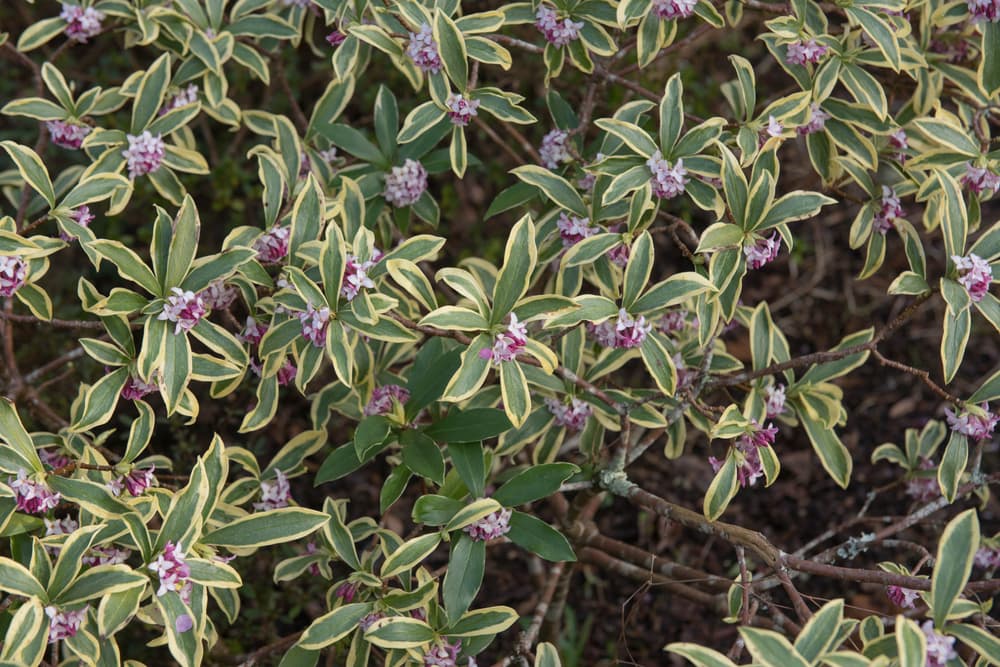
IN THIS GUIDE Overview Habitat & Growing Conditions How To Grow Nandina Heavenly Bamboo Care Common Problems References Nandina domestica is an evergreen shrub, characterised by clusters of small white flowers, bright red berries, and pinnate leaves that turn red or purple in late autumn and winter. This bushy shrub makes an attractive, dramatic addition to a UK garden, whether in borders, as part of a rock garden, or grown in containers. Wherever it is positioned, it will add a touch of the exotic, and provide welcome winter colour. The plant is winter hardy, and tolerant of high and low temperatures, making it easy to grow in the UK climate. Once established, it requires very little pruning or ongoing care and therefore makes for an easy, ornamental addition to your garden. Overview Botanical Name Nandina domestica Common Name(s) Heavenly Bamboo, Sacred Bamboo Plant Type Shrub Native Area China and Japan Hardiness Rating H5 Foliage Evergreen, lance-shaped leaflets Flowers Star-shaped white flowers When To Sow April, May, October Flowering Months July, August When To Prune May, June Nandina domestica is a member of the Berberidaceae (Barberry) family and originates from central China and Japan.1 There are dozens of varieties, with some of the most popular including ‘Fire Power’, ‘Gulf Stream’, ‘Twilight’, ‘Sunset’ and ‘Tuscan Flame’, although only around 10 varieties are common in the UK. Different varieties produce different colours of foliage, ranging from orange and gold, to red and purple. ‘Fire Power’ The leaves change colour throughout the year but are typically red or pink in spring when young, green during summer, and then turn amber, red and purple again, as winter takes hold. As well as the erect, leathery lance-shaped leaflets, in warm weather the plant also produces white, star-shaped flowers, which grow in large panicles in July and August. The flowers are not particularly showy, but their nectar will still attract pollinators to your garden. Bright red berries of approximately 5–10mm also appear after flowering, in late autumn and winter. It is often placed near doorways in Japan; said to protect and dispel the bad dreams of the inhabitants.2 N. domestica is also known as ‘Heavenly Bamboo’, or ‘Sacred Bamboo’ – despite not being a bamboo of any kind. This name derives from the fact that it grows upright, in a similar fashion to bamboo. The plant grows to an ultimate height of around 1.5m and to a similar spread. However, it is reasonably slow-growing and can take up to 20 years to reach this size. Habitat & Growing Conditions N. domestica’s natural habitat is mostly the mountain forests of eastern Asia, including the Himalayas, central China and Japan.3 The plant prefers a sunny, sheltered climate for growing, with a rich, moist soil. How To Grow Nandina N. domestica makes an ideal border plant, and many dwarf varieties are also well-suited to container growth. Once established, heavenly bamboo is a low-maintenance plant, and requires very little ongoing care. It should not require feeding, fertilising or watering, except in periods of drought. The best way to propagate N. domestica is either by seed or semi-hardwood cutting. Growing From Seed If propagating by seed, you should do this in either mid-spring to early summer, or in early autumn, around September time. You should prepare the ground for planting seeds by turning the soil over in advance, and covering it with plastic or fleece, to warm the soil and suppress weeds. Rake the surface, and water the soil, then drill small holes using a cane, in which to plant your seeds. Once planted, rake the loose soil back over your seeds. Keep them well-watered whilst they are growing. Taking Cuttings If you prefer to propagate by taking cuttings, you should take these during late summer, or early autumn, from the current season’s growth. You can make sure you have plenty of new growth to choose from by pruning the plant back hard that spring. Choose healthy-looking shoots that are hard at the base, but soft at the tip, and make the cut just below a leaf, using sharp secateurs. Snip lengths of approximately 15cm. Dip the bottom of the cuttings in a rooting hormone, before planting them into a container filled with cuttings compost. Water well, and keep the cuttings warm and covered until they take root. Planting Out The best time to plant nandina depends on whether you’re planting seeds or cuttings. Seeds should generally be planted into soil in late spring, whilst cuttings should be taken as semi-hardwood in early autumn, and planted immediately into cuttings compost. Upon planting, you should always water your N. domestica well, and make sure to keep the soil moist but well-drained during the initial growing period. Heavenly Bamboo Care N. domestica is hardy in the UK climate and can tolerate temperatures between the extremes of cold and warmth. Exposure It can therefore be left outside year-round, and does not generally need to be protected from frost over winter, unless in a particularly cold or exposed position. Although it can tolerate low temperatures and partial shade, N. domestica much prefers full sun, so you should try to choose an east, west or south-facing location in your garden, if possible. “If choosing an easterly aspect, make sure that it has some protection from cold winter easterly winds,” says Master Horticulturist Colin Skelly. “In general, plant somewhere bright but sheltered, as Nandina will struggle to thrive in a windy location, particularly relevant in coastal or upland areas.” The plant prefers a sheltered spot, away from any cold, drying winds. Soil Preference Heavenly bamboo will grow in almost all soil types and pHs, including sand and clay – although it does not really like chalk. It prefers its soil to be rich and moist, but, as with most plants, does not like to be waterlogged, so make sure it has sufficient drainage. Common Problems N. domestica is generally a hardy plant, with few common pests. Viruses It may, however, be vulnerable to certain plant viruses, which can cause leaf distortion and discolouration. If your heavenly bamboo has a virus, you may notice browning foliage or spots on the leaves, signs of stunted stems, distorted flowers, or malformed berries. The only way to tackle a plant virus is to remove the infected plant, to prevent it from spreading. Keep the area around your plant free from weeds, as these can often store infections. Leaf Drop Another problem you may notice with your N. domestica is leaf drop. This most often happens because the location of your plant is too cold or shaded, or too exposed to the wind. Move your plant to a sunnier, more sheltered position, and it should soon recover. If the soil is dry, you may need to water your plant more – particularly if you’re experiencing a period of drought. References 1. Nandina domestica. (n.d.). North Carolina Extension Gardener Plant Toolbox. Retrieved March 21, 2023, from https://plants.ces.ncsu.edu/plants/nandina-domestica/ 2. Kennedy, C. (2020, March 20). Heavenly Bamboo is a graceful shrub, not a true bamboo. Seattle Japanese Garden. Retrieved March 21, 2023, from https://www.seattlejapanesegarden.org/blog/2017/11/20/heavenly-bamboo-is-a-graceful-shrub-not-a-true-bamboo 3. Nandina domestica. (n.d.-b). Kew Royal Botanic Gardens. Retrieved March 21, 2023, from https://powo.science.kew.org/taxon/urn:lsid:ipni.org:names:107544-1
Learn more
Chris Lee On His 10 Favourite Climber Plants For Shaded Garden Areas
IN THIS GUIDE 1) Climbing Hydrangea 2) Climbing Roses 3) Honeysuckle 4) Star Jasmine 5) Clematis 6) Ivy 7) Virginia Creeper 8) Passion Flower 9) Chilean Bellflower 10) Mitre Flower All plants need light to grow, but that doesn’t mean the shady parts of your garden are doomed to be barren. Some familiar and attractive flowers can thrive in the shade, and in this article, we round up a few of the best ones. If you’re looking for climbing plants that do well in the shade – look no further. While there are fewer plants that thrive in full shade than other conditions, you still have a lot to choose from. The shade-loving climbers in this list will bring life and vibrant colour to the formerly-subdued areas of your garden. If you’re looking for the best plants to grow on your north and east-facing walls or fences, let us give you a hand. 1) Climbing Hydrangea BOTANICAL NAME: Hydrangea petiolaris HARDINESS RATING: H5 SUNLIGHT TOLERANCE: Full Shade TYPICAL GROWING HEIGHT: 10M+ While some climbing plants require support, climbing hydrangea – full name Hydrangea petiolaris – clings all by itself. This self-clinging ability is a boon to gardeners with shaded walls or trellises, as it requires no manual intervention beyond watering and occasional pruning. This variety of hydrangea is a big plant, expect a height of over 12m once it’s fully grown, with a spread of up to 8m. It’s hardy, too, making a fine addition to British gardens. With climbing hydrangea, you’ll enjoy white flowers in summer, fading to yellow in autumn. 2) Climbing Roses BOTANICAL NAME: Rosa HARDINESS RATING: Typically H5-H7 SUNLIGHT TOLERANCE: Part Shade TYPICAL GROWING HEIGHT: 2-8M If you’re not so keen on the hydrangea aesthetic, why not consider roses instead? Although not all varieties are built to grow in the shade, certain types are up to the task. Here are a few to get you started: R. ‘Alberic Barbier’ Creamy yellow flowers that grow from strong stems to a height of up to 8m over 5-10 years. R. ‘New Dawn’ A smaller plant, reaching a maximum spread of about 2.5m. New Dawn has pale pink-white flowers that will burst out in early summer and stay until autumn. R. ‘Wedding Day’ Less thorny than some other varieties, with glossier leaves. White flowers with a yellow centre and a distinctive shape. Will reach a maximum of about 8m high. R. ‘Danse du Feu’ The name means ‘fire dance,’ and evokes the vibrant red of this rose variety. This really is a special plant to behold and will take well to shade. See more varieties of climbing roses for shade in this guide. You’ll need to tie the stems of climbing roses help them climb a wall or trellis. This can be done with bands of soft fabric, and they don’t need to be tied too tight. It’s not recommended to prune your climbing rose until it covers the whole trellis, doing so may stunt its growth. 3) Honeysuckle BOTANICAL NAME: Lonicera HARDINESS RATING: Typically H5-H6 SUNLIGHT TOLERANCE: Part Shade TYPICAL GROWING HEIGHT: 2-4M This plant is renowned for its inviting scent, and for its ability to flower multiple times in a growing season if deadheaded. It combines very well with other climbing plants. Take a look at the image above for an example – rose and honeysuckle provide beautiful coverage for this cottage wall. Climbing honeysuckle is prone to attract aphids and other pests, so stay vigilant if you choose this plant for your garden. Keep an eye out for small bugs, or for any visible damage to leaves. If you see either, quickly take the relevant steps to remove pest infestations and prevent damage to other plants in your garden. Like hydrangea, honeysuckle plants don’t need to be tied onto fences and trellises. Unlike hydrangea, however, they will need support when growing up a wall. 4) Star Jasmine BOTANICAL NAME: Trachelospermum jasminoides HARDINESS RATING: H4 SUNLIGHT TOLERANCE: Part Shade TYPICAL GROWING HEIGHT: 8-10M Another famously fragrant plant, star jasmine will do well in east-facing parts of your garden. Unlike some of the other plants in this list, it requires a little bit of sunlight rather than full shade. We’ve included nonetheless to give you some options. The dainty white flowers have a really interesting shape. It’s a five-pointed star (hence the name), but with a slightly different nuance to other star-shaped flowers you’ll come across. 5) Clematis BOTANICAL NAME: Clematis HARDINESS RATING: Typically H6 SUNLIGHT TOLERANCE: Part Shade TYPICAL GROWING HEIGHT: 2-4M We’ve seen clematis described as ‘born to climb’ – and with good reason. Certain varieties of this plant are known as the fastest-growing climbing plants, so if you’ve got a wall or trellis that you want to cover quickly, you may be in luck. Here are some climbing varieties that will do well in shade: C. viticella ‘Black Prince’ These striking dark-red, almost-black flowers sit especially well alongside climbing roses, and will thrive in part shade. C. alpina Bold and exciting purple flowers grace this variety of clematis. They droop pleasingly when closed, then stand proud when open. 6) Ivy BOTANICAL NAME: Hedera HARDINESS RATING: H5 SUNLIGHT TOLERANCE: Full Shade TYPICAL GROWING HEIGHT: 8-10M Ivy is probably the first plant that pops into your mind when somebody mentions climbers. “Ivy is a great choice for a shady climber and there is either the common species, Hedera helix, which will find its way to a vertical space in your garden whether you want it to or not, or many cultivars of varying hues,” says Colin Skelly, a Master Horticulturist. “It is tough and tolerant to wet or dry and different soil conditions, but I particularly like it because, when mature, its flowers in autumn are a brilliant nectar source and hum with life.” You’ll see this plant out in the wild, winding its way up buildings, fences, even trees. It’s a keen grower, even in dark shade, and brings colour and striking shapes to any outdoor space. If you’re wondering what vine grows well in the shade, you need to look no further than Parthenocissus tricuspidata, also known as Boston ivy or Japanese creeper. Its green leaves fade to red in autumn, bringing a medley of colour. This plant will cover an enormous amount of site if given time, up to 12m high by 8m wide. 7) Virginia Creeper BOTANICAL NAME: Ampelopsis quinquefolia HARDINESS RATING: H6 SUNLIGHT TOLERANCE: Full Shade TYPICAL GROWING HEIGHT: 10M+ If you want a plant that will dominate a shaded wall, you’re in luck. Virginia creeper has big leaves and can grow quickly to cover an impressive area. It’s easy to take care of, too, thanks to its suckers. No need to tie it onto a trellis, or otherwise support the growth. The Chinese Virginia creeper (Parthenocissus henryana) is another popular climbing plant for shade. This variety will show more vibrant leaves if it gets a bit of sunlight during the day, so if this is important to you, make sure to grow it somewhere east-facing. You can be creative when choosing a climbing plant for shade. Rather than choosing one plant, why not select a couple whose colours, shapes, and growing habits complement each other particularly well? Shade-loving plants will bring real vibrancy to the formerly drab parts of your garden and combining multiple will keep things vibrant for more of the year. 8) Passion Flower BOTANICAL NAME: Passiflora HARDINESS RATING: H4 SUNLIGHT TOLERANCE: Part Shade TYPICAL GROWING HEIGHT: 6-10M 9) Chilean Bellflower BOTANICAL NAME: Lapageria rosea HARDINESS RATING: H3 SUNLIGHT TOLERANCE: Full Shade TYPICAL GROWING HEIGHT: 3-4M 10) Mitre Flower BOTANICAL NAME: Mitraria coccinea HARDINESS RATING: H3 SUNLIGHT TOLERANCE: Full Shade TYPICAL GROWING HEIGHT: 1-2M Grow In Pots Or From The Ground? When choosing the best climbing plants for shade in your garden, you have the option of growing them in pots or in the ground. Sometimes, this decision will be made for you. In a paved alleyway or a patio, for example, you’ll have to rely on pots. A clematis climbing its way up a shaded trellis If you’re growing a climbing plant up a fence, wall, or trellis with soil beneath it, you can plant the climbers right into the ground. This will let them grow larger than from a pot, so make sure you take this into account. Nobody wants to be surprised by a much larger plant than they bargained for!
Learn more
Grow Happy And Healthy Campanula With These Care Guidelines From Gardeners
IN THIS GUIDE Overview How To Grow Campanula Propagation Soil Requirements Planting Plant Care Pruning Common Problems References Campanula, Latin for ‘Little Bell’, is a plant that brings a cascade of colour to any garden. It offers bold blues and purples, right the way through to proud pinks and whites. You’ll also hear this plant called the ‘Bellflower’, alluding to the bell shape the flowers take before opening. When they do eventually open, they reveal enticing star shapes, making Campanula a pleasure to look at throughout the year. Overview Botanical Name Campanula Common Name(s) Bellflower Plant Type Perennial Flower Native Area Temperate and subtropical northern hemisphere Hardiness Rating Mostly H5-H7 Foliage Some evergreen, some deciduous Flowers Bell-shaped flowers, often blue, purple, pink or white Flowering Months June, July, August Technically speaking, the term ‘Campanula’ refers to plants from the family Campanulaceae that are known as bellflowers.1 Other plants from the family include lady bells, harebells, and hundreds more. Campanula plants have a lot of versatility: some are deciduous, while others are evergreen; some are bushy, while others form clumps. C. carpatica You can find annual, biennial, and perennial varieties, ranging in size from 5cm to over 2 meters. None of the plants in this guide reaches quite that height, but more on that later. How To Grow Campanula Campanula is a relatively easy plant to introduce to a British garden. Its growing conditions are not particularly fussy, so as long as you take a bit of time to understand the best time and place to plant it out, you should be good to go. It’s very hardy, too – all varieties of Campanula sit between H5 and H7 on the RHS Hardiness scale – making them suitable for all but the harshest of climates in the British Isles. C. ‘Loddon Anna’ For the vast majority of British gardeners, these plants can therefore be grown as perennials. Propagation You can propagate most varieties of Campanula by division in spring and autumn, or by basal cuttings in spring. C. carpatica can be propagated by seed. It’s good to divide your plants every three years or so to prevent overcrowding. Soil Requirements Chalky, loamy soil suits all varieties of bellflower. Some types will take to soil with sand or chalk present, too. All varieties can grow in alkaline or neutral soil, and a few can tolerate mild acidity. In terms of drainage, this plant prefers moist but well-drained soil. Particularly sensitive varieties will require well-drained soil, but these are in the minority. Planting When To Plant The best time to plant bellflower is in spring – once the soil has started to warm after winter. To give your plants a head start you can grow them in seed trays, beginning a few weeks before the last frost is expected. Where To Plant There is no hard-and-fast rule for where to plant a bellflower. Some types – like ‘Stella’ – like exposure. Others (‘Loddon Anna’, ‘Prichard’s Variety’) prefer shelter. Others, still, can thrive in either condition. Because of this, different varieties prefer different aspects – it is best to understand which variety you have chosen to grow and the conditions it prefers. There is one trait all bellflowers share, however: none will thrive in full shade. Planting Out If you’re planting seeds directly into the garden, use a dibber to create a hole a couple of centimetres deep. Water thoroughly and stay attentive until seedlings start to appear. Planting from a division is easy, too: just dig a hole large enough for the plant and its root system, place it in, and cover it over. Make sure it is planted at the same depth as it was previously, as planting too deep can cause damage. Plant Care Bellflower responds well to a bit of compost in spring, then again in mid-summer, so just make sure you water thoroughly after each dressing. Mulching around the base of your plant will strengthen growth and maintain healthy soil conditions. Leave a couple of inches in diameter around the stems. Pruning Pruning requirements differ between bellflower varieties. With some – like the C. carpatica – you don’t need to prune at all. Others (‘Stella’) need to be cut back after flowering to maintain their optimal shape. Pruning other varieties will prevent them self-seeding, and will encourage a second wave of flowers after the first wave begins to dwindle. Common Problems You can minimise the likelihood of your plant contracting most diseases by keeping it generally healthy. This means: Keeping the soil well-watered, so the plant has moisture. Keeping the soil well-drained, so the plant doesn’t have too much moisture. Ensure enough access to sunlight. Leave space between plants to reduce density and overcrowding. Don’t use too much nitrogen in your fertiliser. Slugs & Snails No one likes slugs or snails, but sadly they like pretty much every plant in your garden. Both are active year-round and will munch unsightly holes in the leaves and stems of your bellflower plant. Keeping them at bay is the goal of all gardeners, but their prevalence makes it an ongoing job. You can use products like Nemaslug to target both, as Master Horticulturist Colin Skelly shares: “Nemalsug is a parasitic nematode in solution applied to the soil. Rather than a chemical action, this method of control uses a specific parasite to target slugs and snails. We are changing our thinking to regard slugs and snails as a part of the garden ecosystem instead of as pests, using targeted use of non-chemical controls or just accepting damage as the price of providing a food resource for other species.” Other gardeners create barriers of crushed up eggshell or attempt to make beer traps that will lure in and drown slugs and snails before they damage your garden. Aphids Another ubiquitous garden pest, aphids suck sap from plants they inhabit. They’re visible to the naked eye, so scanning your Campanula occasionally offers protection from unexpected infestation. You may also see symptoms of their sap-sucking first: curled or distorted leaves, black sooty moulds, and generally poor health. Other less pestilent bugs can keep aphids at bay, and at certain times of the year, this removes the need for any other intervention. If it’s the wrong time of year or you don’t trust these other bugs to keep things in check, pesticides can be deployed. Powdery Mildews If you find a coating of dusty white powder on the leaves of your Campanula, it may be a victim of powdery mildews. This disease is caused by fungal infection, and although many plants are susceptible, it’s interesting to note that the fungus is different in each case. The best way to prevent infection is to destroy infected leaves when they fall from the plant. This will get rid of the spores that cause infection, as will pruning out shoots that are infected. Various pesticides are available, too. Keeping the plant healthy will reduce the risk of powdery mildews. Rust This is a very common garden disease which will reduce your plant’s vitality, then, if left unchecked, gradually kill it off. It can affect leaves, stems, or flowers – so keep a careful eye on your whole Campanula plant. Removing affected leaves can help keep early infection at bay, but if you remove too many you’ll damage your plant. If things have progressed to this stage, fungicides can be used to prevent further spread. Make sure not to compost any infected material, as the spores are durable and may infect other parts of your garden. References 1. Introduction to the Campanulaceae. (n.d.). Bellflowers and Lobelias. Retrieved March 13, 2023, from https://ucmp.berkeley.edu/anthophyta/asterids/campanulaceae.html
Learn more
These Experts Have Been Growing Daylilies For Decades - Here Are Their Top Tips
IN THIS GUIDE Overview Hemerocallis Cultivars Planting Hemerocallis Daylily Care Common Problems References This plant has a fantastic reputation thanks to its attractive and colourful flowers, tolerance of drought and heat stress, and the general ease of looking after it. You’ll also hear this plant called ‘Daylily’, alluding to its flowers that appear one morning and quickly shrivel away, only to be replaced shortly after by another equally vibrant flower. For this guide, we interviewed Steve Amy, Membership Chair at The American Daylily Society and Paula Dyason, Co-Owner of the specialist plant nursery Strictly Daylilies. “Daylilies are very hardy in most climates and require very little care. If they receive 4-6 hours of sunlight daily and occasional watering, preferably by rainfall, they will thrive. “For the most part, they are disease free and seldom invaded by destructive insects”, Steve says. Gardeners growing Hemerocallis can expect yellows, oranges, golds, purples, and all manner of other bright and beautiful colours. This ever-evolving symphony of flowers and colour appeals to seasoned and novice gardeners alike. Overview Botanical Name Hemerocallis Common Name(s) Daylilies Plant Type Perennial Flower Native Area East Asia Hardiness Rating H6 Foliage Some evergreen, some deciduous Flowers Large and dramatic flowers in many different bright shades When To Sow March, September Flowering Months June, July When To Prune June, July A perennial plant that flowers between late May and early August, bringing vibrant splashes of warm colour to any garden. Hardy growth makes this a non-fussy plant well-suited to gardeners of all abilities. “To me, hemerocallis cultivars are the ideal perennial, as they are easy to establish without being invasive,” says Paula. “The abundant diversity of the daylily is clear to see in the plant’s colour, size and height.” The clump-forming properties of many Hemerocallis cultivars make it well-suited to garden borders and beds, but you’re not limited to growing it in these locations. Hemerocallis Cultivars “With nearly 100,000 registered cultivars available worldwide there’s a lot to select from”, Steve explains when pressed about his favourite varieties to grow. “Our garden is a registered ADS Display Garden which requires certain conditions of having a minimum count of different cultivars and different forms and varieties in order to qualify.” “We don’t have a particular type; dormant, evergreen, semi-evergreen (which refers to the type of foliage and how it performs in the autumn/winter months). “All of these grow well for us in our zone. There are also several bloom forms and we don’t have a specific preference for those either. “We like nearly all forms and colours.” H. ‘Lark Song’ “Single, double, spider, polymerous, and sculpted are the official forms and I love them all,” adds Paula. “There are also a huge array of bloom sizes, from 1-16 inches, whilst the scape heights can be as short as 5 inches but some can reach to 80 inches. “With so many to choose from, there is indeed a daylily for every garden, every taste and every area of the United Kingdom!” Despite such a wide range of cultivars, we’ve attempted to shortlist just some of the varieties that have received the RHS Award of Garden Merit.1 This commendation is given to plants that do particularly well in British gardens, making them an excellent place to start. ‘Ruby Spider’ The “trumpet-shaped, yellow-throated” flowers boasted by ‘Ruby Spider’ are indicative of what you can expect from Hemerocallis: a summer of colour and confidence, tumbling out of countless flowers. You have to see the colour profile of this flower to believe it. Eponymous ruby fades gradually into a dazzling yellow, with broad, flat petals making it impossible to resist. ‘Serena Sunburst’ Proud, buoyant yellow give sunburst its name. Looking at this flower, the comparison makes sense. During warm weather, you’ll find a light peachy pink border, lending a bit more depth and elegance to the petals. The shape is different from the ‘Ruby Spider’, with a narrower and slightly more rounded profile. ‘Serena Sunburst’ makes a fine addition to borders, beds, and beyond. ‘Burning Daylight’ From sunburst to ‘Burning Daylight’, Hemerocallis is definitely the plant to choose if you want the same range of colours in your garden as those created by the sun in the sky. This cultivar plays mainly with orange, with broad, inviting flowers. It works well by itself or arranged with other types of daylily. ‘Pink Damask’ Sharing its name with a famous upholstery pattern, ‘Pink Damask’ effortlessly evokes the same refined sophistication as suites that use the fabric. The clue is in the name with this cultivar. Prepare yourself for a regal pink blossom, drawing on multiple colours from the palette without ever looking gaudy. This cultivar will work well in similar settings to other Hemerocallis. ‘Stafford’ The ‘Stafford’ is a quintessential example of the appeal of Hemerocallis. This daylily combines red, orange, and yellow in a way that will melt the heart of even the most disinterested gardener. A great way to liven up any area of your garden. ‘Venusian Heat’ Elegant red and yellow. This daylily cultivar doesn’t bring anything too radically novel to the table, but it is another fantastic demonstration of why we love this plant. This cultivar will work well standalone, or alongside others. Planting Hemerocallis When planting a Hemerocallis, you can expect it to grow up to a metre in height, with a spread of 10cm to a metre. Most cultivars will grow to a maximum spread somewhere around 50cm, over two to five years. This is a hardy plant, and it’s hard to go too far wrong when cultivating one. Pretty much all cultivars have a hardiness rating of H6; they will stay healthy and strong in the UK in temperatures as low as -15°C. Soil Requirements This is a flexible, versatile plant that isn’t fussy when it comes to growing conditions. In fact, it can grow well in some poorer-quality soils that other plants may struggle with. “Although daylilies are extremely carefree, they will be most beautiful with adequate moisture and appropriate nutrients,” Paula explains. All cultivars above will do best in clay, loam, or chalk. Certain cultivars can tolerate sand, too: ‘Ruby Spider’, ‘Serena Sunburst’, ‘Tuxedo Junction’, and ‘Sir Modred’. All require moist but well-drained soil and can tolerate acid, alkaline, or neutral pH levels. “A problem I see with people growing daylilies is over-fertilising,” warns Paula. “If growing in soil directly in the ground, it is always advisable to have a soil test prior to adding fertiliser, then treat as suggested.” Where To Plant Your Hemerocallis will need full sunlight to grow its best, so make sure to plant it somewhere south or west-facing. “Hemerocallis is a great choice for a full sun spot,” shares Horticultural Consultant Colin Skelly. “I’ve used them in a range of soils and they invariably both spread densely and flower profusely to provide an almost maintenance-free garden plant.” Growing your plant in light shade won’t kill it, but the flowering will be less vibrant and plentiful – avoid planting in full shade. If possible, plant somewhere that will get five or six hours of sunlight per day. When growing darker-coloured varieties, you may want to bear in mind that shade in the afternoon will lead to better colour retention. When To Plant For best results, plant your daylily in spring or autumn. This means ideally in April, or in the few weeks between late September and the end of October. Planting Out You can buy daylily plants from seed, or pre-grown in packets – if choosing the latter, be aware they will need more attention early on. You shouldn’t plant them out directly. Instead, pot them in compost, keep it moist, and keep somewhere cool until they’re growing well. Plant out your tended daylily in the spring or autumn, as per the previous section. Growing from seed is easy: just plop them in holes around 2cm deep, and keep well-watered until seedlings appear – this should take about a fortnight. Be aware that growing from seed means you’ll have to wait longer for flowers. Expect this to take anywhere up to three years. Daylily Care Improving the soil with general-purpose fertiliser is a good way to boost lacklustre growth. Mulch – compost or manure – will keep in soil moisture if your plant is struggling to get enough. Propagation Daylilies are ripe for propagation. Their ability to cross-pollinate relatively easily compared to other flowers means that you can create your own hybrids. To give this a go, you’ll have to manually pollinate a female plant with the pollen of a male one. There’s a chance a seed pod will develop, and if it does, you can plant the seeds as instructed in the previous section. After a couple of years, you’ll be able to see whether your matchmaking worked! Pruning Compared to other plants, Hemerocallis needs very little in the way of pruning. It’s only advised out of necessity when you are in an area prone to gall midge (more on this later). Otherwise, pruning is purely an aesthetic consideration. Common Problems There are a few pests that like to make their home on Hemerocallis plants. “Deer, rabbits and other vegetation-eating animals will eat the foliage, blooms and buds. “The insects will damage the blooms and foliage which will not kill the plant but rob you of the beauty”, Steve Amy shares. “Animal repellents are effective in keeping them away and are not always toxic to the plant. “Insect repellents or killers also work, but they can harm plants and are only to be used when an infestation is severe”. When you welcome this flower into your garden, it’s a good idea to familiarise yourself with the risks and their symptoms. This way you can nip any issues in the bud (if you’ll excuse the pun). Aphids Although they’re small, these pests can wreak massive amounts of havoc on your daylilies. If you get an infestation, you’ll find large colonies of tiny bugs living on the underside of your plant’s leaves. To satisfy their voracious appetites, aphids feast on sap. Once this is drained, Hemerocallis begins to wilt and lose its usual enthusiasm. Not only that, but a byproduct of their presence can attract other pests. Your best course of action is to spray plants with water and insecticidal soap. This should dislodge small infestations, but for bigger ones you may have to turn to pesticides. Vigilance is a good policy: you can usually spot and remove aphid populations before they overcome your plant. Slugs & Snails You’ll find that Hemerocallis is not exempt from these slimy visitors, the bane of every gardener’s life. Slug and snail remedies vary, with each gardener citing their own secret technique. Some people leave small troughs of beer to attract these pests away from their flowers. Others use ammonia solution to discourage them, and still-crueller gardeners use perimeters of salt to dissolve them before they can reach their intended dinner. We wish you luck, whatever solution you decide to use. Glasshouse Red Spider Mite Here is another hungry pest that can cause surprising amounts of damage to your Hemerocallis plant. The red spider mite will suck sap from your plants, gradually depleting them until, if left uninterrupted, they risk an untimely demise. The mites prefer warm weather, so keep a careful eye out in the summer. You’ll see mottled leaves, fine webbing on plants, and weaker-looking petals. Because of their tendency to be in warm places, you’ll be less at risk with plants outdoors than in greenhouses, but we still recommend keeping your eye out. Thrips These bugs, also sometimes called thunder flies, suck sap from flowers for sustenance. Leaves they’ve feasted upon grow dull and discoloured. They’ll also leave waste-products after feeding, in the form of little black spots. Pesticides are recommended for removing thrips – you’ll need to use a few applications to kill bugs and larvae that hatch from any already-planted eggs. Hemerocallis Gall Midge “The worst problem we have in the UK is the presence of Hemerocallis gall midges,” says Paula. If your Hemerocallis has swollen buds that don’t open, you may have been visited by gall midges. These flies lay their eggs on young Hemerocallis flower buds, and the hatched larvae play havoc with the buds’ development. “You can control them by picking off the affected buds, which will be distorted and swollen,” advises Paula. “The buds need to be frozen in bags for several days or burned. Make sure they are dead and do not place on your compost heap or in the green bin.” The RHS advises asking your neighbours to do the same so that the spread can be reduced. Late-flowering Hemerocallis plants are less prone to gall midge because their laying season ends before flowering begins, as Paula shares: “There is no treatment to date for this, but it can generally be avoided by growing varieties that bloom later in the season, as they usually only affect early and early mid-season varieties.” If you’re especially worried about this pest, maybe consider one of the varieties that flowers later: ‘Pink Damask’, ‘Stafford’, ‘Burning Daylight’, and ‘Red Precious’. Hemerocallis, daylily, or whatever you decide to call them, we’re sure this flower will make a fantastic contribution to your garden. They are easy to grow and look after, and draw on an astounding colour palette – from gentle pinks through to rich, hearty reds. References 1. Ornamental AGM Plants. (2021, July). Royal Horticultural Society. Retrieved March 16, 2023, from https://www.rhs.org.uk/plants/pdfs/agm-lists/agm-ornamentals.pdf
Learn more
Here's How To Grow Evergreen Escallonia As An Attractive Hedge Or Border Plant
IN THIS GUIDE Overview Habitat & Growing Conditions How To Grow Escallonia Escallonia Care Propagation Container Growing Common Problems References Escallonia is an evergreen, flowering shrub, commonly used as a hedging plant in the UK. It is characterised by glossy, dark green leaves, and sweet-scented flowers in shades of white, pink or red – it is one of these red species, E. rubra that are commonly known as ‘Redclaws’. The escallonia plant flowers from July to October, during which time it produces its signature, trumpet-shaped blooms. These add welcome colour to borders and hedgerows in summer and autumn and can help to attract pollinators into your garden. Overview Botanical Name Escallonia rubra Common Name(s) Red Claws / Red Escallonia Plant Type Shrub Native Area South America Hardiness Rating H4 Foliage Evergreen, glossy, leathery, toothed leaves Flowers Five-petalled red, pink or white flowers When To Sow March, April, September, October Flowering Months July, August, September When To Prune May, June Originating in South America, escallonia has been cultivated and is now naturalised in western Europe.1 It is a hardy plant and grows well in most parts of the UK, particularly along the south coast, where it flourishes in sandy soils. However, it can thrive in all soil types, providing the soil is well-drained. If you want to use Escallonia to create an attractive hedge, or as part of a border, check out this care and growing guide, for all you need to know about bringing these crimson trumpets into your garden. Escallonia originates from South America – specifically southern Chile and Argentina – but has spread throughout the world. It is a large, evergreen shrub, and part of the Escalloniaceae family.2 There are approximately 41 species in total, one of which is the E. rubra.3 The plant has glossy, toothed dark green leaves, and trumpet-shaped flowers with 5 petals, which grow in panicles or terminal racemes. In the case of E. rubra, these flowers are crimson red or pink and appear in late summer and early autumn. Flowers are honey-scented and can attract pollinators, such as bees and butterflies, to your garden. Habitat & Growing Conditions The natural habitat of escallonia is South America, where it grows mostly in Chile – however, it has been cultivated, and is now naturalised in many other parts of the world, including western Europe and New Zealand. It is a generally hardy plant, but its ideal growing conditions are warm, sunny and sheltered. It will grow in almost any soil type, but prefers fertile soil, and one which is moist, but well-drained. How To Grow Escallonia Escallonia rubra will grow to an ultimate height of 2.5–4m, with a spread to match, making it ideal for use as hedging, screen or border plant in the UK – although it can take 5–10 years to reach this height. The plant can be easily shaped and is also suitable for wall or trellis training. Planting The best time to plant young escallonia is in mid-late spring, to ensure that young seedlings or cuttings do not succumb to frost. Mix a good fertiliser into the soil upon planting, and water well until the plant is established. If your goal is to create a hedge, plant seedlings 30–40cm apart, in either a single or double row, to ensure good root establishment. E. laevis ‘Pink Elle’ Escallonia plants are fast-growing and quick to establish; they may grow up to 50cm a year in their first few years. Where To Grow The plant can tolerate full sun or partial shade, and an exposed or sheltered location – although its preference would be for a sunny, sheltered spot. The ideal location is south, west or east facing – avoid north-facing positions, as these are unlikely to receive enough sunlight for the plant to thrive. Providing the location is sheltered, and not exposed to cold, drying winds, you should not need to worry about escallonia overwintering in most parts of the UK, as it can tolerate temperatures down to -10°C. If temperatures drop lower than this, the plant will need protecting. Escallonia Care Escallonia is a fairly hardy plant, which grows well in most parts of the UK, and requires little ongoing care once established. It can be used as a specimen plant, part of a garden border, or as hedging or screening. “Escallonia makes a good coastal hedge, being resilient to salt-laden winds,” shares Master Horticulturist Colin Skelly. “Grown as a hedge, they can be prone to becoming a bit ungainly over time and to sections of die back. “It’s a good idea to take regular insurance cuttings to make sure you have plants to replace as necessary.” Soil Requirements Escallonia will grow in all soil types, including clay, loam, chalk and sand, and can thrive in all pHs. Upon planting, mix in a healthy dose of blood, fish and bone fertiliser, to give your plant the best possible start. Watering Escallonia prefers its soil to be moist, but not water-logged, so make sure it has good drainage, and try to keep it free of weeds for the first year. During the first two years of growth, it may be necessary to water your escallonia during summer, to prevent the young roots drying out. After that, watering should not be required, except in periods of drought. Propagation The best and easiest way to propagate escallonia is by taking cuttings. Take softwood cuttings in late spring and early summer, semi-hardwood cuttings in late summer, and hardwood cuttings in autumn. Take the cuttings early in the day, as this is when they will be most turgid. Use a sharp knife to cut 10cm long, non-flowering shoots from the parent plant, making the cut just above a bud. If possible, plant the cuttings immediately – otherwise, they can be stored in the fridge for a maximum of 12 hours. Remove the lower leaves from the cutting, dip the base in a rooting hormone, and insert into a container filled with cuttings compost. Water well, cover with a plastic bag and place the cuttings in a warm, light location. Remove the bag a few times a week to ventilate, keep the soil moist, and remove any dead or dying material. After approximately 8–10 weeks, your cuttings should have taken root, and be ready to plant out individually. Although taking cuttings is by far the most common method of propagation, it is also possible to buy seeds from specialist growers – this may be a good option if you want to grow a rare species of escallonia. Container Growing Some dwarf varieties of escallonia are suitable for container growth. A good example is E. rubra ‘Pygmaea’, which still has the signature crimson red flowers, but is small and compact, reaching a maximum of around 1m in height. Make sure to choose pots with good drainage, to ensure your escallonia doesn’t become waterlogged. E. ‘Golden Carpet’ Plant in a humus-rich compost, and feed container-grown escallonia weekly during summer, to encourage flowering. You will probably need to repot your escallonia each year, as it grows. Common Problems One of the most common issues to watch out for with this plant is escallonia leaf spot. Escallonia Leaf Spot This relatively new fungal disease causes purple and black leaf spots, often with white centres. As it advances, the leaves turn yellow and drop from the plant. It most commonly occurs in summer, although your plant could be struck at any time. To tackle the disease, you should remove any infected material from the plant and the surrounding area immediately, to prevent it from spreading. Prune the plant back hard, to encourage new growth, and apply a fungicide, to prevent reinfection. Take good care of the plant by feeding and watering it regularly, to help it fight the disease, being careful not to overwater. Scale Scale insects may also be a problem with escallonia, as on many ornamental plants. Signs that your plant is infested with these pests include visible scales or bumps on the leaves of the plant, a sticky substance on the leaves which can turn to sooty mould, and distorted foliage growth. To treat an infestation of scale insects, you have the option of biological or pesticide control. Biological control involves introducing a natural predator to the environment, such as parasitoid wasps or the Chilocorus nigrtus ladybird, which can be purchased from mail-order companies. The best pesticides are organic sprays, such as plant oils or fatty acids, which are less likely to interfere with other, larger insects. Always make sure to only spray pesticides when plants are not in flower, to avoid harming pollinators. References 1. Escallonia bifida. (n.d.). Kew Royal Botanic Gardens. Retrieved March 15, 2023, from https://powo.science.kew.org/taxon/urn:lsid:ipni.org:names:790989-1 2. Genus Escallonia. (n.d.). iNaturalist United Kingdom. Retrieved March 15, 2023, from https://uk.inaturalist.org/taxa/157269-Escallonia 3. Escallonia. (n.d.). Plants of the World Online. Retrieved May 22, 2023, from https://powo.science.kew.org/taxon/urn:lsid:ipni.org:names:37033-1#children
Learn more
Growing Viburnum Davidii: Nursery Grower Shares Care, Pruning And Propagation Tips
IN THIS GUIDE Overview How To Grow Viburnum Viburnum Care Pruning Guidelines Propagation Common Problems References Viburnum davidii is a type of evergreen shrub that has very distinctive glossy leaves and white flowers. Adding Viburnum to your garden is a great way to add visual interest and it integrates well with other plants and shrubs. Growing this shrub in your garden is quite simple – if you plant in early spring, then you’ll be able to enjoy the full benefit of their stunning blooms by the time summer comes around. They can tolerate shade quite well, so you don’t need to worry about finding the perfect spot either. Overview Botanical Name Viburnum davidii Common Name(s) David Viburnum Plant Type Shrub Native Area Western China Hardiness Rating H5 Foliage Evergreen, deep green leathery leaves Flowers Dull white flowers followed by vivid berries When To Sow February, March, October, November Flowering Months May, June Viburnum davidii is native to western China, can grow up to 1.5m tall and has oval-shaped leaves and clusters of small white flowers.1 How To Grow Viburnum When planting viburnum shrubs, if possible you should choose a spot that receives plenty of sunlight. Some varieties are tolerant of partial shade, but in general, Viburnum are sun-loving plants. You should also make sure that the soil is well-drained to prevent issues caused by waterlogging. “Viburnums do not like wet feet or soil that does not drain for long periods of time,” says Gary. “If you are faced with this and you don’t want to provide subsurface drainage, plant your viburnums with the root ball elevated above the soil surface. This can be achieved by first digging the planting hole deeper than the root ball to encourage drainage, then placing the soil back in the hole to the desired planting depth, leaving half of the root ball exposed above the existing soil surface. “Finish backfilling by mounding soil around the exposed portion of the root ball and sloping it away from the base of the plant so that water will run away from the planting hole. “One very important precaution when planting using this method is to make sure that when you replace the over-excavated soil back in the hole, you lightly tamp it so that when you water your plant it does not settle.” Good ventilation is essential if you want your plants to thrive and avoid potential issues with fungal diseases. Planting This being the case, you should plant them roughly 10-15 meters apart. Once you have found a good spot, you should dig a hole that’s big enough to accommodate the entire root ball. Position the plant and fill the hole with soil; be sure to water it well immediately after planting and continue to water it at least once a week for the first six months. The best time to plant would be in the spring or autumn – both these times of year will give your plants the ideal conditions to become established, by gifting them a good mix of sunlight and rain. “Viburnum davidii is dioecious, meaning that it has separate male and female plants,” explains Colin Skelly, a Horticultural Consultant. “If you want to enjoy their attractive blue berries, make sure you select your plants in the autumn as the males will be berry-less. Choose male plants as well as females to ensure fertilisation.” Viburnum Care V. davidii plants need a good amount of exposure to the sun in order to flower at their best. They will need to be watered regularly while they’re establishing themselves. It’s a good idea to use mulch to help the soil retain moisture. V. davidii doesn’t typically require a specific type of soil to do well and providing the soil is not overly saturated, they will be fine. If you want to use a fertiliser with your plants, then spring would be the best time. Pruning Guidelines V. davidii shrubs don’t need too much pruning, outside of removing dead leaves or damaged branches. If you notice that branches are becoming a little too dense, then it’s not a bad idea to prune them to improve air circulation. Good air circulation will mean your plants grow better and lessen the risk of disease. Although pruning generally isn’t necessary for V. davidii to grow well, you can prune young plants if you want to shape them. Pinching out the sides of young plants will enable you to create a balanced look without causing any harm to them. Propagation There are a couple of good ways to propagate viburnum shrubs: Taking Cuttings Using cuttings is a quick and easy way to propagate new plants from an existing Viburnum – with early summer being the best time to take cuttings. Be sure to take your cuttings from new growth that hasn’t yet flowered and ensure you only take from plants that are well watered. Place your cuttings in a container with good-quality compost and lightly water them. They will need some light, but it’s not recommended to keep them in direct sunlight – using a propagator would be ideal. The cuttings should become established and show signs of new growth in 5-10 weeks. Layering Layering is a very easy way of propagating viburnum and simply means taking a stem from an existing plant and encouraging it to form its own roots. There are a few ways to accomplish this, but we’ll look at the simplest here. Check the outside of your plants for stems that can be bent to the soil level. You should then make a small incision in the stem and bury it in the soil – you can use a large rock or brick to rest it on the stem and keep it buried in the soil. Everything being well, this stem should form its own roots in 1-2 months. Once it’s well established, you can then transplant it elsewhere in your garden, so it has room to flourish. Common Problems Viburnum plants tend to be problem-free. However, when they’re grown in less-than-ideal conditions or when they’re first becoming established, certain diseases and pests can affect them in their vulnerable state. Here are a few of the most common: Powdery Mildew Powdery mildew is a type of fungal disease that affects countless plants. Plants that develop this issue will have a coating of white fungus on their leaves that is similar in appearance to powder (hence the name). Powdery mildew usually affects young viburnum, especially when they’re grown in humid conditions. Thankfully, there are effective ways to prevent and treat it – most importantly, you should take care when watering plants, so water doesn’t splash onto the leaves unnecessarily. For any plants that already have powdery mildew on them, you can use a fungicidal spray. Preventing and treating powdery mildew can also help with the prevention of leaf spot. Leaf Beetles Leaf beetles are a relatively new problem for viburnum plants and can be a real nuisance since they can very easily destroy the leaves of plants they infest. If you notice leaf beetles on your plants, then you should take steps to remove them immediately. You can often spot their larvae first and simply pruning any leaves where they’re present can be a good way to stop them from spreading further. Companion planting and introducing plants that attract predatory insects can be useful as ladybirds and other insects can help deal with the issue naturally. References 1. Viburnum davidii. (n.d.). Oregon State University. Retrieved March 27, 2023, from https://landscapeplants.oregonstate.edu/plants/viburnum-davidii
Learn more
Secret Agapanthus Growing Tips Shared By Chair Of The RHS AGM Trials
IN THIS GUIDE Overview Habitat & Growing Conditions Planting Agapanthus Agapanthus Care References Agapanthus, or ‘African Lily’, is a popular border and container plant, known for its tall stems ending in spherical flower heads in shades of blue, white and purple, which bloom from mid-summer until early autumn. The Agapanthus plant originates from Southern Africa, and therefore typically prefers a hot and sunny climate. Despite this, it is possible to grow it successfully in many UK gardens, providing you choose the right location, and offer your plants adequate winter protection. For this guide, we interviewed specialist Agapanthus grower Patrick Fairweather. He is the MD of Fairweather’s Nursery, home to a Plant Heritage National Collection of Agapanthus – as well as being Chair of the RHS Agapanthus AGM trials. “Agapanthus reminds me of sunny summer days,” Patrick says. “They used to be just blue and white, but now, with modern breeding, we have a wide range of colours, flowering times and habits.” If you’re prepared to put the effort in, you’ll be rewarded with spectacular displays of exotic-looking blue, purple or white flowers, at an eye-catching height. Some varieties are also evergreen, so will provide attractive green foliage year-round (if not covered for winter). Overview Botanical Name Agapanthus Common Name(s) African Lily, Lily Of The Nile Plant Type Perennial Flower Native Area South Africa Hardiness Rating Typically H5 Foliage Sometimes evergreen, narrow, strap-shaped leaves Flowers Umbels of funnel-shaped blue or white flowers When To Sow April, May Flowering Months June, July, August, September Agapanthus is a herbaceous perennial, and part of the Amaryllidaceae family.1 There are hundreds of cultivars and hybrids within the genus, ranging from 20cm dwarf varieties to ones that grow to 1.5m tall. Although it originates from Southern Africa, Agapanthus has become naturalised in various other countries, including Britain and Australia.2 The flowers of Agapanthus plants are most often shades of blue, but can also be lavender, purple or white. They are trumpet-shaped, and form in large spheres at the ends of tall stems, above the green foliage. The flower heads will prove an instant hit with birds and butterflies into your garden. Other names commonly used for Agapanthus include ‘African Lily’ and ‘Lily of the Nile’ – despite the fact that it’s not actually a lily. Habitat & Growing Conditions Agapanthus’ natural habitat is Southern Africa, where it grows in hot and sunny conditions, with fertile soils. “Agapanthus love full sun and free draining soil that mirror the plant’s native conditions,” says Patrick. Many varieties therefore do not cope well in the cold, and need to be sheltered during winter. Due to its dry natural habitat, Agapanthus can tolerate periods of drought – although you should not allow it to dry out completely. Deciduous vs Evergreen Agapanthus plants can be deciduous or evergreen – the deciduous varieties tend to be hardier, whereas the evergreens are more tender. It is recommended to cover evergreens in winter, or grow them in a container, so that you can bring them into a cool greenhouse to protect them from frost. Planting Agapanthus The best time to plant Agapanthus is in spring, around April time. Try to wait until the last winter frosts have passed – this is especially true for the less hardy, evergreen varieties. Make sure to cover the roots with at least 5cm of soil upon planting. If you want to make life easier for yourself, you can also buy potted Agapanthus plants in summer, from garden centres or specialist growers. Keep them well-watered and mulched, to allow the plants to establish themselves. Agapanthus Care When growing Agapanthus, it is important to choose a variety to suit your situation. Providing your garden is sheltered, and you don’t live in too cold an area, you should be able to grow a hardy, deciduous variety in your garden, without moving or covering it during winter. Fully hardy varieties of Agapanthus include A. ‘Midnight Blue’ and A. ‘Blue Giant’. A. ‘Midnight Blue’ If you don’t have a sheltered garden, or you wish to grow an evergreen variety, your plant will probably need to be moved into a cool greenhouse or sheltered location over winter. It is therefore a good idea to grow less hardy varieties of Agapanthus in containers in the UK. Aspect Agapanthus prefers full sun, so choose a sunny, south-facing spot in your garden in which to plant it or position the container. Soil & Watering Plant in a loam-based compost, and make sure the pot has good drainage, as the plant does not like waterlogged soil. Water the plant regularly during the growing season of the first year – Agapanthus blooms from mid-summer until early autumn, depending on the variety. Once the plant is established, it should only need watering in the case of a particularly hot or dry summer. Fertilising If you’re growing your Agapanthus in a garden border, you can feed it a balanced fertiliser once a year in spring, to encourage blooming. “If your Agapanthus lacks flowers, a high-potash feed should help,” Patrick suggests. If your plant is in a container, feed it a liquid fertiliser every 2 weeks from April to July. References 1. Amaryllidaceae. (n.d.). Pacific Bulb Society. Retrieved March 9, 2023, from https://www.pacificbulbsociety.org/pbswiki/index.php/Amaryllidaceae 2. Agapanthus. (n.d.). Kew Royal Botanic Gardens. Retrieved March 9, 2023, from https://powo.science.kew.org/taxon/urn:lsid:ipni.org:names:331131-2
Learn more
Growing Mahonia Shrubs: They Will Do Well In Sun Or Shade And All Soil Types
IN THIS GUIDE Overview Habitat & Growing Conditions How To Grow Mahonia Plant Care Propagation Common Problems References Mahonia is an evergreen shrub, with spiky dark green leaves, clusters of yellow flowers and purple or black berries. The plant is late-flowering, meaning that it will not produce its pretty yellow blooms until late autumn and winter. This makes it a great choice for adding colour to your garden later in the year, long after most spring and summer flowering plants have wilted. There are several species of Mahonia, many of which are easy to grow in the UK. It can thrive in sun or shade and does well in all soil types, so it’s an excellent choice for the trickier areas of your garden. Overview Botanical Name Mahonia Plant Type Shrub Native Area North / Central America & Asia Hardiness Rating H5 Foliage Evergreen, spiked glossy leaves Flowers Bright yellow spires When To Sow February, March, October, November Flowering Months January, February, March The Mahonia genus is part of the Berberidaceae family.1 There are around 70 species, including Mahonia japonica, and the Mahonia x media group, which includes the popular ‘Charity’ and ‘Winter sun’ varieties.2 All varieties grow to different sizes – the most popular species in the UK are upright and bushy, and range from 1-5m in height, with a spread of up to 3m. However, there are also some varieties which grow low to the ground at around 30cm tall, and which are suitable for use as ground cover. Mahonia generally flowers in late autumn and winter, from November to March. The flowers are usually yellow, but occasionally red, and appear in clustered racemes. They are sometimes scented and can be followed by the production of purple or blackberries. Due to their late flowering period, Mahonia is a popular choice for garden borders, alongside other evergreen shrubs such as Rhododendron, or plants such as snowdrops, to provide further winter colour. Larger varieties, such as Mahonia ‘Charity’, are also often used as hedges and screening, where their thick and spiky nature makes them particularly effective at keeping out intruders. They are also seen in public areas, such as on roundabouts. Another name for Mahonia aquifolium is Oregon grape, which comes from the fact that Oregon adopted Mahonia as its state flower in 1899, and that the appearance of Mahonia berries is similar to that of black grapes.3 Habitat & Growing Conditions Mahonia’s natural habitat includes North America and Central America, as well as Asia and the Himalayas.4 It is often found growing in woodland and woodland edge locations, which is the reason it thrives in full and partial shade. The plant is hardy, and can survive temperatures down to -15°C. It has a low nutrient requirement, which means it grows in all types and pHs of soils, and although it prefers moist, well-drained soil, it can survive periods of drought. “I find Mahonia a useful shrub for under the outer canopy of trees due to their tolerance of dry shady conditions,” says Master Horticulturist Dan Ori. “I like to plant other yellow flowering plants nearby that tolerate the same conditions and overlap the flowering period like Jasminum nudiflorum (winter jasmine) and Narcissus ‘Rijnveld’s Early Sensation’ (early daffodil).” How To Grow Mahonia You can buy the most popular varieties of Mahonia in garden centres in the UK, or from online retailers. The varieties that are most widely available include M. japonica, M. x media ‘Charity’, M. x media ‘Winter sun’ and M. aquifolium. These will usually be available to purchase in pots, as plants of around 50cm tall. Other varieties that are available in the UK, but less widely so, include M. eurybracteata ‘Soft Caress’, which grows to a height of 1m – and M. nitens ‘Cabaret’, which produces unusual orange-red flowers but is not as hardy. When To Plant The best time to plant a Mahonia is generally considered to be spring or autumn, when the weather is neither too hot nor too cold. When planting, you should first soak the root ball in water for half an hour, to ensure it is moist. Add a small blood, fish and bone meal upon planting, to encourage new root growth. How To Plant To plant your Mahonia, you should dig a hole twice the size of the root ball. It’s not a good idea to plant the roots dry, so soak the roots in a bucket of water for 30 minutes prior to planting. You will need to make sure your Mahonia plant has enough space around it to grow, as they do not do well in crowded conditions. Exactly how much is required depends on the variety and the size of its ultimate spread. Place the plant in the hole, fill it in with compost, and feed with blood, fish and bone meal (avoid high-nitrogen plant foods). Water upon planting, and frequently whilst growing, although do not allow the ground to become waterlogged. Once established, the plant will require very little watering, and you should only need to water it during extremely hot, dry periods. Plant Care Mahonia is a hardy plant and is therefore relatively easy to look after. Sunlight It can grow in full sun, but it prefers partial shade or even full shade. Mahonia aquifolium Unlike many plants, it can thrive in an exposed location, providing it isn’t subjected to freezing winds – so you can position it almost anywhere in your garden. Soil Requirements It isn’t too fussy about soil type either and can grow well in sand, clay, chalk or loamy soil, and all pHs. The soil should be kept moist, but well-drained. Mahonia can withstand temperatures down to -15°C, but it is still a good idea to mulch the soil before winter (around September time), to help protect the roots from frost. Propagation If you know someone with an existing Mahonia, another way to acquire new plants is through propagation. The best time to propagate Mahonia is usually in late summer or early autumn, prior to flowering. You can do this easily by taking semi-ripe cuttings from the plant. Prepare for propagation by pruning hard in spring, to ensure plenty of new growth. When it comes to making your cuttings, choose healthy, horizontal shoots from the current season, with short gaps between the leaves. Use sharp secateurs to make cuttings of approximately 15cm, just below the leaf node. Propagate in the morning, to prevent wilting. Once you’ve taken the cutting, keep it cool, and aim to plant it within 12 hours. Dip the base of the cutting in rooting hormone powder, and plant in pots filled with a mix of potting compost and sharp sand. Place in a greenhouse or cover with plastic indoors to keep warm. Keep the soil moist, but well-drained, and regularly remove any dead material, to prevent mould. Common Problems There are not many diseases and pests common to the Mahonia plant. Powdery Mildew One possible problem to watch out for is powdery mildew, which will cause brown spots and a grey powdery fungus to develop on the underside of leaves. Help to avoid this by watering the soil, not the leaves of your shrub, and keeping it in a sunny location. If it develops anyway, you can treat it with a fungicide. Rust Another potential problem to watch out for is rust. This is more common in certain varieties, including M. aquifolium. Rust will manifest itself as deep red, brown and black pustules on your plant, particularly on the lower leaf surface, which can reduce your plant’s vigour. Help to prevent rust by removing all dead leaves and material after the growing period and pruning dense branches to ensure air can circulate through your plant. If caught early, you can tackle it by removing the affected leaves as soon as they appear – if not, you may need to apply a fungicide. Legginess The main problem commonly encountered by growers of Mahonia is that the base of the plant becomes ‘leggy’ (bare and woody), whilst the foliage is concentrated at the top. If your Mahonia becomes leggy, prune several branches completely to allow more light to access the base, and prune any branches with leaves at the end back to around 30cm. Remove several branches completely, to allow more light to reach the base of the plant. This should encourage new leaf growth. References 1. Colin, O., Hinsinger, D., & Strijk, J. (2021, January 27). Mahonia lancasteri (Berberidaceae), a new species originating from Sichuan (China) described from cultivation. Phytotaxa. Retrieved March 21, 2023, from https://www.biotaxa.org/Phytotaxa/article/view/phytotaxa.482.1.5 2. Mahonia. (n.d.). Royal Horticultural Society. Retrieved March 21, 2023, from https://www.rhs.org.uk/plants/mahonia 3. Oregon State symbols. (n.d.). Oregon Encyclopedia. Retrieved March 21, 2023, from https://www.oregonencyclopedia.org/articles/oregon_state_symbols/#.ZBmm3uzP30o 4. Teeling, C. (2022). Mahonia aquifolium (Oregongrape). CABI Compendium. https://doi.org/10.1079/cabicompendium.32269
Learn more
You Can Grow Achillea (Yarrow) In Flowerbeds Or Pots - Here's How
IN THIS GUIDE Overview How To Grow Yarrow Container Growing In Flowerbeds Preferred Soil & Watering Common Problems Indoor Arrangements References Achillea plants (AKA ‘Yarrows’) are perennials that have a distinctive look and are very popular with gardeners throughout the UK due to their hardiness and unique beauty. Considered part of the daisy family – yarrows have a variety of colourful flowers and lush foliage.1 Many growers have a fondness for yarrows since they are quite easy to grow and look after and look great when combined with other plants. If you want to grow yarrows, either in your garden or in pots, then you should find the information below incredibly useful. Overview Botanical Name Achillea millefolium Common Name(s) Yarrow Plant Type Perennial Flower Native Area Europe and Western Asia Hardiness Rating H7 Foliage Herbaceous toothed leaves Flowers Small daisy-like flowers in white, pink etc. – grouped in flat-headed umbels When To Sow March, April, May Flowering Months June, July, August Achillea millefolium, or yarrows, are part of the Asteraceae family and are native to the Northern Hemisphere, including the UK, China and the US.2 Today, they’re grown all around the world for their beauty. A. millefolium is the most common type of yarrow plant and has small white, pink-tinged flowers and grows natively throughout Europe.3 How To Grow Yarrow Container Growing Growing yarrows in containers is quite simple, whether you choose to buy established plants, or grow them yourself from seeds. Growing from seed is the cheaper option of the two, and since Achillea germinates very quickly, you don’t need to wait too long to see them flourishing. Achillea does best with exposure to full sunlight, so it’s best to place them in a sunny spot – they can still do well in partial shade too, however. Always make sure you use containers that are big enough to accommodate your plants as they grow. In Flowerbeds If you want to grow yarrow outdoors in a flowerbed, then you have a couple of choices. You can either acquire already established plants and replant them; or use seed or a plant that you’ve grown in a container. If you’re sowing from seed, then the best time to do this would be during the spring or early summer. This will give them time to get established without the need to worry about frost damage or the soil being too saturated. When picking a spot to plant them, you should opt for a position that gets plenty of direct sunlight. This will ensure they flower well and are less susceptible to certain fungal diseases. Preferred Soil & Watering Achillea are not difficult at all when it comes to their water and soil requirements. Generally, they can do very well, even in dry conditions. This means you won’t usually need to water them other than during particularly long dry spells. As for soil requirements – yarrow will do well in most types of soil, even heavy clay soil. Ideally your soil would be light and open, but if not, your plants should still be ok. The main thing to be aware of is that if you’re planting in soil that’s not optimal, then you should make sure you avoid planting them later in the year so there’s no risk of frost damage or the soil being waterlogged while they’re getting established. Common Problems Yarrows are generally problem-free, provided they’re properly cared for. Still, there are certain diseases and pests that can cause issues. Below are some of the most common problems as well as how to deal with them – Rust Rust is a general term for a number of fungal diseases that cause rust-coloured spots to appear on the leaves of infected plants. To prevent rust, you should ensure good air circulation and avoid getting water on leaves. If you notice any plants that are badly infected, then you should dig them up and destroy them to prevent it from spreading. Powdery Mildew Powdery mildew is a fungal disease that affects many different types of plants. When infected, the leaves of the plant will have a coat of white mildew on top of them that’s not dissimilar in appearance to powder. In order to avoid powdery mildew becoming an issue, you should take care when watering plants to ensure that water doesn’t splash up onto the leaves. Adding a layer of mulch is a good way to avoid this – you should also space plants out enough to provide good air circulation. Mealybugs Mealybugs are very small insects that leave behind a white powder on the branches and leaves of plants they infest. They extract sap from the leaves, which results in poor growth. The excretion of honeydew also causes mould – as well as attracting ants. If you notice mealybugs on your plants, then you can get rid of them by either washing them off the surface using water, or, by encouraging the presence of predatorial insects, such as wasps and ladybirds. Aphids In addition to feeding on the underside of leaves, aphids also leave behind a residue that can attract ants, causing even more damage. Thankfully, they are quite easy to get rid of. If you notice them on your plants, then a few blasts of water or soapy water should be enough to remove them (if only for a little while). Spider Mites Spider mites are another pest that can affect yarrow. Despite their tiny size, they can still cause a lot of damage to plants. They multiply very quickly and can damage the foliage of plants considerably. You can usually spot spider mites from the webbing they leave behind. If you notice them on your plants, then blasting them with water should do the trick. Thrips Thrips are very small insects that attack different parts of plants they infest, including the stem, leaves and petals. You can usually spot plants that are infested with thrips by the leaves changing colour, or having a discoloured or silvery appearance to them. You can get rid of thrips by using soapy water. It’s also recommended that you remove any plants that are seriously affected by them to prevent spreading. Spreading / Invasiveness Achillea will usually spread in the wild, but it’s quite easy to keep on top of it when planting in your garden. Certain species are more aggressive and do self-seed readily so bear this in mind when buying yarrow plants. Deadheading in autumn can help prevent the spread of seeds in your garden. Indoor Arrangements Some varieties of yarrow are better than others for indoor vase arrangements, such as ‘The Pearl’ and ‘White Giant’. Always be sure to take cuttings from plants that are healthy and when new growth is coming through in the spring. Be sure to cut the stems at a 45° angle and that you place the cuttings into water as soon as possible. You should also remove any foliage that would sit underneath the vasewater and find a place to put the vase that’s out of direct sunlight. References 1. Achillea millefolium. (n.d.). North Carolina Plant Toolbox. Retrieved March 9, 2023, from https://plants.ces.ncsu.edu/plants/achillea-millefolium/ 2. Achillea L. (n.d.). Kew Royal Botanic Gardens. Retrieved March 28, 2023, from https://powo.science.kew.org/taxon/60436826-2 3. Common Yarrow (Achillea millefolium). (n.d.). iNaturalist. Retrieved March 9, 2023, from https://www.inaturalist.org/taxa/52821-Achillea-millefolium
Learn more