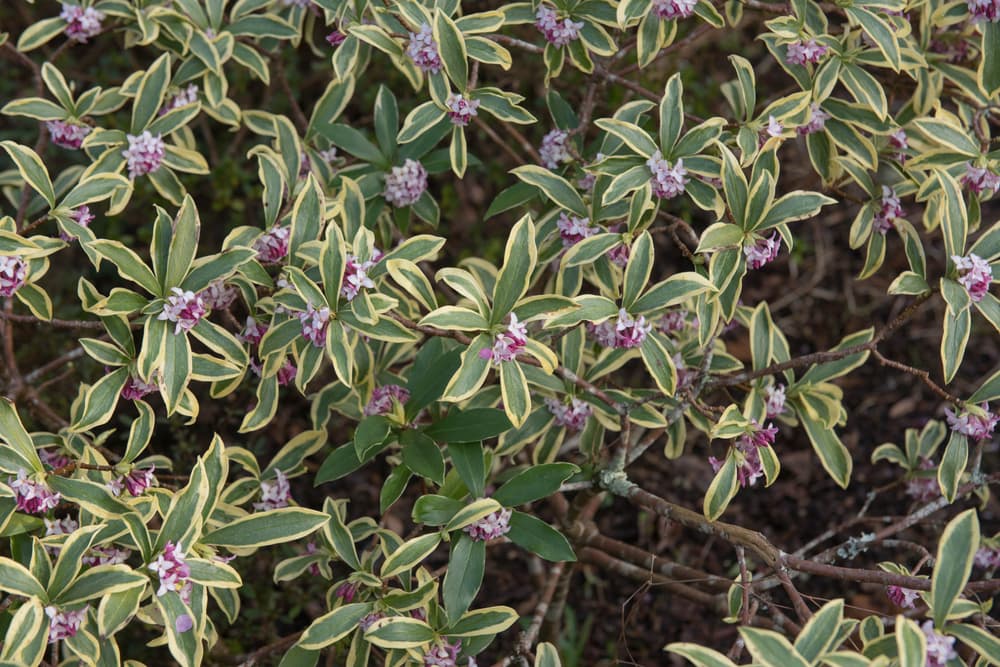
Growing

Planting And Growing Holly: Featuring Sue Hunter From The Holly Society Of America
IN THIS GUIDE Overview Common Varieties How To Grow Holly Ongoing Holly Care References Holly trees and shrubs can be extremely beneficial additions to many gardens. There are a number of different plants that have the common name holly, but in UK gardens, when we talk about holly, we are most commonly talking about our native plant – Ilex aquifolium. It is also this holly that we refer to specifically in this guide. “Hollies are beautiful and aesthetically pleasing year-round, whether they’re deciduous or evergreen,” says Sue Hunter, President of the Holly Society of America, when asked why she values Ilex so much. “Holly fruit and flowers have exceptional wildlife value, are disease and pest resistant, and require little maintenance once established.” Overview Botanical Name Ilex aquifolium Common Name(s) Holly Plant Type Shrub / Tree Native Area Europe including the UK Hardiness Rating H6 Foliage Evergreen (can also be deciduous) Flowers Small and white followed by red berries on female plants only When To Plant November to February Ilex aquifolium, also known as common holly, is one of more than 400 different holly species from around the world.1 Since it is a native species, it can be a particularly beneficial addition for the wildlife in British gardens. Our native holly is evergreen and is strongly associated with Christmas and the festive season.2 However, this is a plant that, whether it is a female with berries or not, can look good and serve a purpose in our gardens all year round. Common Varieties As mentioned above, Ilex aquifolium is a great choice for British gardeners, though it is one of many hollies from around the world. “My favourite species of Holly is our American native evergreen Holly, Ilex opaca,” explains Susan. “There is huge diversity within the species relative to leaf and berry colour, shape and growth habit. “As a propagator of native species, it is important to educate all about species that are indigenous to their specific geographical area, no matter which continent they live on. “I also like Ilex pedunculosa for its soft, evergreen leaves, eclectic growth habit and berry set.” Several others might also make good choices for our climate and conditions, including Japanese holly, also known as I. crenata. However, for an eco-friendly, wildlife-friendly and sustainable garden, I, like Susan, would always recommend selecting native choices where possible. Fortunately, there are plenty of cultivars of native holly to choose from here in the UK. Here are some holly varieties that have received an RHS Award of Garden Merit; horticultural expert Dan Ori has provided information on whether they are male, female, or self-fertile: I. aquifolium ‘Amber’ (female) I. aquifolium ‘Argentea Marginata’ (female) I. aquifolium ‘Ferox Argentea’ (male) I. aquifolium ‘Golden Queen’ (male) I. aquifolium ‘Heterophylla’ (male or female) I. aquifolium ‘J. C. Van Tol’ (male & female flowers; this variety is self-fertile but berries better with a male variety nearby) I. aquifolium ‘Madame Briot’ (Female) I. aquifolium ‘Pyramidalis’ (male & female flowers; this variety is self-fertile but berries better with a male variety nearby) I. aquifolium ‘Silver Queen’ (male) “As you can see, with holly varieties, you cannot rely on the name as an indication of whether a plant is male or female,” says Dan. I. aquifolium ‘Silver Queen’ There are also hybrid hollies to choose from. While many hollies have typical dark green leaves and bright red berries on the female plants, some have silver-margined leaves or other distinguishing characteristics that can enhance their ornamental appeal. How To Grow Holly Holly is a low-maintenance and straightforward plant to grow. As long as you place it in the right position and make sure that it has the growing requirements that it needs, then you should find that, once established, it requires little to no care. Preferred Site Holly will thrive in a range of locations. It can cope well with different soil types, in an exposed or sheltered location and in full sun or part shade. Those with variegated leaves will tend to do better in full sun so that the leaves develop better colour, but most will still be happy in some shade. I. aquifolium ‘Alaska’ Any aspect can work well with the exception of a north-facing one, which may be too shaded for the best results when growing holly in your garden. Holly can also work well as stand-alone shrubs or trees, in a mixed shrubbery, in an informal native hedgerow or in a shelter belt. “Hollies are easy to grow, and look nice as a single specimen or planted in mass,” says Susan. So, there are many ways that you might consider using it in your garden. Propagation Methods Holly is typically propagated by means of either semi-ripe or hardwood cuttings. Semi-ripe cuttings are taken in the late summer or early autumn and hardwood cuttings are best started indoors, with bottom heat, in January. The first of these two options is generally the easier option if you would like to propagate your own plants. Of course, you can also do what many gardeners will do and purchase a holly cultivar from a garden centre or plant nursery in a pot. Most frequently, holly is planted between autumn and spring, and sometimes, when the ground is not too hard or waterlogged, over the winter months. Planting Guidelines It is best to plant out holly as quickly as possible after it arrives or you bring it home. Prepare your new growing area by simply digging a generous hole to the same depth as the existing roots of the holly you have purchased which is a couple of times larger than the width. Place the holly in the hole, making sure it is upright and that you are happy with the orientation, then fill the soil back in around the roots and firm it gently into place. “Planting hollies too deeply is a common issue I see with gardeners,” says Susan. “Planting holly at the level where the first root is emerging from the trunk is correct.” Water your new holly in well, then mulch around the new shrub with homemade compost, leaf mould or other organic material. “Do not pile too much mulch up around the trunk and be careful not to overwater,” warns Susan. Ongoing Holly Care As holly is so easy to care for and grow successfully, there really are very few guidelines to contend with. Make sure it gets enough light, water and nutrients and you should rarely find that you have any issues at all. Soil Requirements As mentioned above, holly is unfussy when it comes to soil type. It can thrive in a range of different soils, from chalk or sand to clay, as long as it is moist yet free-draining. I. aquifolium ‘Argentea Marginata’ Holly is unfussy about pH and can thrive in acidic, neutral or alkaline soils, though it does have a favourite, as Susan shares: “Hollies prefer acidic soil and organic material such as decomposing leaf litter worked into the soil.” Light As we have already intimated, holly can cope with full sun or part shade, but it is important to make sure that you do not try to position it in full shade, where it will not do as well. Variegated hollies will do best in full sun where the colours will be more vibrant, though there are hollies with dark green leaves that can also cope with partial or dappled shade. Watering Water holly well upon planting and during any dry spells until it becomes well established. After this, natural rainfall should usually be sufficient in keeping holly hydrated, unless you are growing your shrub in a container. Remember, container-grown plants will always need more frequent watering than those growing in the ground. Feeding When growing in moderately fertile soil, holly should not need additional fertilisation. It is simply good practice to mulch around the plant upon planting and to replenish the organic mulch around your holly each spring. This should provide slow-release fertility and make sure that you have a healthy soil in your garden. Common Problems Holly does not usually face many problems on the whole, but it can suffer from holly leaf blight, which is a fungal infection that discolours the stems and foliage. If you spot this problem, cut out the affected material right away and dispose of it carefully to prevent its further spread. “Holly leaf miner (Phytomyza ilicis) is a common issue,” says Dan. “The leaf will present blotches or channels that can look like they are drawn on, but the damage is actually inside the leaf and is caused by the larvae of a small fly. “Leaf miner damage does not normally cause significant health issues for the plant, so it is best to treat it as a messy guest in your garden.” References 1. Ilex aquifolium: An Overview. (n.d.). Science Direct; Elsevier BV. https://doi.org/10.1016/b978-1-4557-0717-1.00039-9 2. Five things you never knew about holly. (n.d.). National Trust. Retrieved March 30, 2023, from https://www.nationaltrust.org.uk/discover/nature/trees-plants/five-things-you-never-knew-about-holly
Learn more
Specialist Rose Growers Share 9 Common Growing Problems And Their Solutions
IN THIS GUIDE 1) Aphids 2) Black Spot 3) Dieback 4) Leaf-Rolling Sawfly 5) Powdery Mildew 6) Root Problems 7) Stem & Branch Problems 8) Problems With Leaves 9) Problems With Rose Flowers References Roses are among our favourite plants here in the British Isles and for good reason. They are great for many of our gardens, can be relatively low maintenance, they smell wonderful and also attract plenty of beneficial wildlife to our outside spaces. Most of the time, roses planted in the right places in our gardens can thrive with little work and with not that much attention from us. However, as with all plants, there are certain common problems that can arise when growing roses in your garden, no matter which of the many species and cultivars you grow. The most common problems encountered when growing roses in the UK are: Aphids – small insects that cover the plant, sucking sap from stems, leaves and flowers. Rose black spot – a fungal issue identifiable via dark spots on the leaves of the plant. Rose dieback – another fungal issue which can cause visible damage or decay. Leaf rolling sawfly – sawflies which excrete chemicals that cause leaves to curl up. Powdery mildew – white powdery growth on the surface of leaves, which can inhibit growth. Root problems – decay of the roots, commonly caused by waterlogged conditions. Stem and branch issues – bumps or masses on the stems or branches of roses are commonly caused by crown gall or scale insects. Leaf discolouration, curling or wilting – could be caused by any number of insects or fungal issues. Rose blindness – a failure to flower, often caused by the plant being grown in too shady an area. We dissect each of these issues in more detail below: 1) Aphids Aphids can weaken roses by feeding on their sap and can also lead to the formation of sooty mould which affects the appearance of the plants.1 While a few aphids on roses are not usually an issue at all, a serious infestation can potentially become a problem. The best way to deal with aphids in any organic garden is to keep their numbers in check by attracting plenty of creatures that eat aphids, like ladybirds and lacewing, to keep their population down. “An alternative solution is to spray with something to kill the aphids,” shares Dan Ori, a Horticultural Consultant. “A homemade solution like a weak mix of non-bio washing up liquid could be applied directly onto the aphids to suffocate them. “It is important to note that when you spray it can be indiscriminate and you may harm other wildlife or the environment in the process.” 2) Black Spot This is a serious fungal disease affecting rose leaves. When this problem arises, deep purple or black spots develop on the leaves of a rose plant and these will then often drop off earlier than they should. “If there is an attack of blackspot, it usually starts after the first flush of flowers, when the plant has been expending lots of energy producing blooms,” says Philip Harkness, an expert rose breeder and the Owner of Harkness Roses. Sadly, badly affected plants can shed almost all of their leaves. While we can delay the onset of this problem and reduce its spread somewhat by removing affected material quickly and pruning out affected stems and leaves, spores can still blow in from elsewhere, so it is difficult to eliminate this issue altogether. Older species rose types are not as badly affected and are therefore better choices for areas where this is a persistent problem. “Apart from variety selection and removal of infected material, you can thin out any dense growth to allow more airflow,” says Dan. “Ultimately, the only control I have ever found to work effectively is to spray a fungicide.” 3) Dieback Some degree of branch or stem dieback on roses is widespread and seen in most gardens. However, in some areas, it can become a much more damaging issue. Rose dieback can occur due to: Planting roses where other roses were grown before. Fungal problems. Root damage or decay. Physical damage to branches. Severe insect infestation. Frost damage to young shoots in early spring. Poor pruning. Dieback can then lead to further fungal issues and common diseases arising from it include grey mould and rose canker, which can find opportunities where existing damage is found. 4) Leaf-Rolling Sawfly This sawfly causes the leaves on roses to roll up tightly, which mimics the damage that can be done to roses by weedkillers. Female sawflies insert eggs into rose leaflets, secreting chemicals that cause the leaves to roll.2 After some time, larvae hatch from these eggs and feed from inside the rolled-up leaves. Typically, roses can withstand this and suffer no lasting damage due to these insects, so it is best to treat this pest as part of the natural biodiversity of your garden. 5) Powdery Mildew Among the many fungal issues to which roses can fall prey, powdery mildew, with its conspicuous white growth on foliage, stems and flowers is another of the most common. This problem can be unappealing and affect the visual beauty of your roses. When a rose succumbs repeatedly and heavily to this problem, the plant’s vigour can be reduced. Making sure that the environmental conditions are optimal for the roses that you are growing and ensuring good air circulation around your plants can help reduce the chances of a severe infection taking hold. Ensuring healthy soil, feeding to promote strong growth and managing humidity by spacing and pruning correctly are all also important in helping to reduce the chances of this problem occurring or becoming severe. 6) Root Problems If there is a decay of the roots of a rose, this can be due to an attack by several different diseases or simply a result of drainage issues that have led to waterlogging. Occasionally, hard frosts can cause root death on roses kept in containers. One disease that can affect both roses in containers and those in the ground is Phytophthora root rot. This is unfortunately quite a common problem. In the soil, roses are also unfortunately one of many plants susceptible to honey fungus. If a rose is newly planted in an area where there were roses before, it may fail to root out as it should. This is a problem called Replant Diseases, sometimes referred to as ‘rose sickness’.3 If this is the case, these plants will not establish well and will lack the thin and delicate feeder roots that they should have. It is best to avoid potential pathogens or pests and change out the topsoil in an area or, better yet, plant roses elsewhere where they have not previously been grown. Chris Styles from Style Roses elaborates on this problem: “If you continue to get disease issues with particular roses year after year, dig them up and dispose of them,” says Chris. “Then, replace with new ones and use Mycorrhizal fungi granules (Rootgrow) at the time of planting to prevent rose replant sickness.” 7) Stem & Branch Problems We have already discussed some of the many potential causes of stem and branch dieback of roses, which, as mentioned above, is fairly common on a smaller scale. “As with any living organism, roses may suffer an attack and fungi (blackspot, mildew and rust) are the most common adversaries,” says Philip. Dieback pathogens can worsen existing issues and exacerbate any problems. If you see a large knobbly mass at the base of the stem on a rose, this is likely to be a bacterial disease called crown gall. As a result of this problem, the roots can also be impacted. If the branches and stems on a rose feature small, brown bumps that look like limpets, you are looking at an infestation of scale insects. Brown scale is most common on roses and one called scurfy rose scale also affects the stems, leaving round, flat, whitish markings. 8) Problems With Leaves A whitish-grey powdery growth on the leaves of a rose is powdery mildew. If rose leaves are sticky, shiny and have a black growth, this is down to aphids, honeydew and sooty mould. Aside from these things, there are also other issues with leaves on roses that might arise. For example, if large larvae are eating the leaves, this could be a large rose sawfly. If leaves have neat semi-circular or oval holes, this could be leaf-cutter bees. If there are large yellow spots on the top of leaves and orange dots beneath, this is rose rust, which is a fungal infection. The orange pustules will be replaced by black ones in the late summer or autumn. If leaves are discoloured, small and thin, this could be due to a viral infection or, more commonly, a result of contamination with glyphosate (a weedkiller) the season prior. 9) Problems With Rose Flowers If most of the branches on a rose fail to flower, this is often the result of rose blindness. This is a poorly understood disorder that diverts the plant’s energy so that it fails to produce blooms. The cause is unknown, but weather conditions might be involved or it might be due to the plant being grown in too shady an area. Proper pruning, fertilising, mulching and ensuring roses are in a sunny and open position may help. References 1. Townsend, L. (n.d.). Aphids. Entomology at the University of Kentucky. Retrieved April 4, 2023, from https://entomology.ca.uky.edu/ef103 2. Rose leaf-rolling sawfly. (n.d.). Royal Horticultural Society. Retrieved April 4, 2023, from https://www.rhs.org.uk/biodiversity/rose-leaf-rolling-sawfly 3. Replant Disease. (2020, January 1). Science Direct; Elsevier BV. https://doi.org/10.1016/b978-0-12-818732-6.00023-x
Learn more
"I Use A Net To Catch The Seeds" - Euphorbia Propagation Advice From Darren Evans
IN THIS GUIDE 1) Growing Euphorbias From Seed 2) Propagating From Softwood Cuttings 3) Dividing Euphorbias References Euphorbias are varied plants that like a wide range of conditions and differ greatly in their growth habit and appearance. Some are great for growing outdoors in gardens in the UK, while others are prized as houseplants or for greenhouse growing. Euphorbias are propagated in a number of different ways. They can be: Grown from seed. Propagated by means of softwood cuttings. Propagated by division. Whichever method you are looking at for the particular type of euphorbia that you want to grow, the job is typically one to undertake in the spring. Difficulty Easy to medium Equipment Required Euphorbia seeds (sowing), suitable growing medium, gardening gloves, pots, garden fork (dividing) When To Propagate Spring 1) Growing Euphorbias From Seed Species types of Euphorbia can be grown from seed, as Darren Evans from Pugh’s Cacti explains: “Euphorbias have male and female plants and, once pollinated, produce a seed that explodes to scatter their seeds,” he says. “In my greenhouse, I use a net to catch the seeds, tying the net around the plant until the seeds appear.” However, it is important to remember that cultivars will not come true to seed. In other words, the baby plants you grow will not necessarily resemble the parent plant and can differ in their growth habit or colour. This is typically the method used to grow annual Euphorbias like E. marginata and some other species. When To Sow The seeds from many Euphorbias can be collected when the seed capsules turn brown. These seeds can then be sown in autumn or in spring. Sowing Euphorbia Seeds Collect or source your euphorbia seeds. Prepare a seed tray and your growing medium. Soak your euphorbia seeds for a few hours before sowing to improve results. Sow seeds on the surface of a seed-starting growing medium and lightly cover them with more of the growing medium. Be patient as germination can take several months, especially in cooler conditions. Wearing gloves, pot on as needed. Often, plants will then be ready to plant out in a couple of years. 2) Propagating From Softwood Cuttings Another option with some Euphorbias is to propagate an existing plant by means of softwood cuttings. Shrub-like Euphorbias, including those with biennial stems that grow one year before flowering the next, can be propagated by means of softwood cuttings. Some Euphorbias that are suited to this method of propagation include E. characias and related plants E. mellifera and E. myrsinites. When To Take Softwood Cuttings Softwood cuttings from Euphorbias are best taken in the early spring. You should select the short shoots that emerge at the base for this purpose. Growing Euphorbia From Softwood Cuttings Select young, pliable green shoots from the base of the plant in early spring. Remove 5-10cm of the shoot, cutting the young shoots from the plant just above the ground, as close to the base as possible. Pinch out the tip of the softwood cutting with snips. Dip the base into a rooting hormone for the best chances of successful rooting. Pot up cuttings into containers filled with cuttings compost, watering well but making sure excess water can drain away freely. Grow on in a warm location, out of direct sunlight until the roots form well. After 2-4 weeks, cuttings should have rooted and be ready to harden off and pot on. 3) Dividing Euphorbias A final option suitable for the propagation of certain Euphorbias is to lift and divide your plants to obtain more of the same for your garden. This is by far the easiest way to propagate Euphorbia and it is suited to a large number of these plants. The euphorbias that are suited to propagating in this way are those that are herbaceous and clump-forming. When To Divide The best time to divide most Euphorbia that can be propagated in this way is in the spring, just as the plants come into growth in the early spring, or just after flowering in late spring for the earliest flowering types. How To Divide Euphorbia Lift a mature clump-forming herbaceous Euphorbia from the soil with a garden fork. Give the clump a gentle shake to remove clods of soil, so the roots can be seen clearly. Ease the plant apart to create several sections of root with a little top growth. These sections or divisions can be potted up or planted elsewhere in your garden. It is important to remember that different methods of propagation are suited to different types of Euphorbia, so it is important to choose a propagation method that is suited to the specific euphorbia that you have chosen to grow. This is a genus of over 2,000 species of plants – each of which has its own specific growing requirements.1 References 1. Euphorbia L. (n.d.). Kew Royal Botanic Gardens. Retrieved April 6, 2023, from https://powo.science.kew.org/taxon/urn:lsid:ipni.org:names:327729-2#children
Learn more
Prune Euphorbia Soon After Flowers Fade In Early Autumn, Argue These Experts
IN THIS GUIDE Do You Need To Prune Euphorbia? Prune Once Flowers Fade Pruning Evergreen Euphorbias Pruning Euphorbias With Biennial Stems Pruning Herbaceous Perennial Types Euphorbias are varied plants within the same genus that can require rather different growing conditions and care. When thinking about any element of euphorbia care, it is important to consider which specific type and variety you are growing. Understanding the specific environmental preferences and needs of your specific euphorbia can be important when it comes to placement, watering and more. Pruning is another key area where there are no general rules and we need to look more specifically in order to determine what to do. Difficulty Medium Equipment Required Secateurs, pruning shears or gardening scissors, gardening gloves When To Prune Summer or autumn Do You Need To Prune Euphorbia? Whether or not you need to prune Euphorbias very much depends on which type and variety you are growing. Some euphorbias do not need to be cut back or pruned at all, whilst others will perform best if pruned or cut back correctly. Euphorbia is a large genus including some plants which are shrub-like with a permanent framework of branches; some which are herbaceous plants. With such a varied group of plants, it is certainly important to distinguish between the different types so that you do not follow the wrong pruning guidelines. Within this one guide, it would be difficult to cover the hundreds of euphorbias that might be grown individually. Fortunately, many of the Euphorbia commonly grown in British gardens can be divided into three different groups for their pruning requirements. Prune Once Flowers Fade Timings will also very much depend on which euphorbia you are growing. However, with many Euphorbias, the time for pruning is either once the flowers fade or soon thereafter. With some types, the processes of pruning and deadheading are pretty much one and the same. So, while the details vary somewhat, the pruning of Euphorbias generally takes place in the late summer or autumn months. Pruning Evergreen Euphorbias Certain evergreen Euphorbias typically just need to be trimmed back immediately after flowering. This type of pruning pertains to: E. amygdaloides E. ‘Blackbird’ E. mellifera E. x pasteurii E. ‘Redwing’ Pruning in the case of these Euphorbias is simply deadheading and, other than removing the spent flowers and the upper portions of the flowering stems, no further cutting back or pruning is required. To cut back these Euphorbias, wait until the bracts surrounding the flowers turn completely brown, then remove the tops of the flowering stems, cutting back to the first ring of leaves below. Pruning Euphorbias With Biennial Stems Some types of Euphorbia produce biennial stems. In other words, they have two different types of shoots: those that grew the previous season on which flowers will form and those that grew during the present growing season. These types include: E. characias E. x martini E. myrsinites E. rigida The idea is that you should cut down the growth of the previous season, on which the flowers form. Cut these back to the ground in the late summer or autumn but leave the present season’s growth in place, as this will flower next year. Pruning Herbaceous Perennial Types When it comes to the herbaceous perennial Euphorbias, flowers are deadheaded once they fade. The euphorbias include: E. cyparissias E. epithymoides E. griffithii E. palustris E. sikkimensis E. villosa E. wallichii The whole of the plant is then cut to the ground later. You can cut back the entire plant to ground level before the first frosts or let the dead stems stand over the winter months to benefit wildlife, before cutting back early in the spring before new growth begins to emerge. “When pruning Euphorbia, long sleeve tops, gloves and washing your hands afterwards are recommended as the sap is phototoxic (activated by sunlight),” shares Master Horticulturist Dan Ori. These simple tips above should help you make sure that you prune, cut back or deadhead your Euphorbias correctly and do not do any harm to your plants.
Learn more
Highlighting 14 Excellent Euphorbia Varieties From This Diverse Group Of Plants
IN THIS GUIDE 1) E. amygdaloides var. robbiae 2) E. characias 3) E. cornigera 4) E. griffithii 5) E. hypericifolia 6) E. ingens 7) E. lathyris 8) E. mellifera 9) E. milii 10) E. myrsinites 11) E. oblongata 12) E. palustris 13) E. schillingii 14) E. sikkimensis Euphorbias are generally divided into those that are suitable for outdoor cultivation in the UK and those that are commonly grown as houseplants or in greenhouses in our climate. These are very varied plants, and though they share a genus, they can differ greatly in their appearance, growth habits and needs. One of the first things that you will have to decide when choosing a Euphorbia to grow is where you will be growing it. E. milii Even among Euphorbias that can be grown outside, there are many differences in the environmental conditions that different species and cultivars within this genus prefer. Some do best in full sun and free-draining conditions, while others will do best in consistently moist soil positioned in partial shade. Another important thing to think about is the size to which a particular species and cultivar of Euphorbia will grow, as they can differ greatly in this respect too. Some are larger herbaceous perennials or shrubs, whilst some are low-growing ground cover plants. E. obesa “A great Euphorbia to try is Euphorbia obesa,” says Darren Evans from Pugh’s Cacti. “It grows slowly and produces a dome shape that flowers along its ribs. E. eritrea “Euphorbia eritrea is another variety to try. It grows fast and can reach 15 feet in height, as it does in our nursery.” Linked with the size of a Euphorbia are its growth habits and the general details of its appearance. In these respects too Euphorbia can be an incredibly diverse group. E. epithymoides With all that said, here are some of my favourite varied euphorbias that might be considered by gardeners in the UK. 1) E. amygdaloides var. robbiae COMMON NAME(S): Mrs Robb’s bonnet HARDINESS RATING: H6 FOLIAGE: evergreen FLOWERING SEASON(S): spring / summer SUNLIGHT: any SOIL REQUIREMENTS: loam, sand, clay; any pH SIZE: 0.1-0.5m in height, 1-1.5m spread Also known as Mrs Robb’s Bonnet, this Euphorbia is a perennial evergreen that grows to around 50cm tall. It forms rosettes of deep green leaves and bears large, rounded sprays of yellowy-green flowers in the spring and summer. “We always use plants like E. amygdaloides var. robbiae that are great for filling in spots under trees,” shares Garden Designer Tom Simpson. This is a good choice for areas of dry shade, though it can also grow in partial shade or full sun. It will do best in moist but well-drained or well-drained soil. 2) E. characias COMMON NAME(S): Mediterranean spurge HARDINESS RATING: H4 FOLIAGE: evergreen FLOWERING SEASON(S): winter / spring SUNLIGHT: full sun SOIL REQUIREMENTS: loam, sand, clay; any pH SIZE: 1-1.5m in height, 1-1.5m spread Mediterranean spurge is a great plant for pollinators. It is a perennial that is evergreen and grows to around 1.5m tall. It has biennial stems, which are leafy in their first year and flowers in their second, becoming bare over the lower part of the stem. The flowers are prolific, borne in the spring in large cylindrical heads made up of petal-like bracts around tiny bright yellowy-green flowers. This is a short-lived perennial that often self-seeds when placed in the right location. Grow in well-drained soil in full sun in a sheltered spot. 3) E. cornigera COMMON NAME(S): horned spurge HARDINESS RATING: H5 FOLIAGE: deciduous FLOWERING SEASON(S): summer SUNLIGHT: full sun / part shade SOIL REQUIREMENTS: loam, sand, clay; any pH SIZE: 0.5-1m in height, 0.5-1m spread Horned spurge has an RHS Award of Garden Merit and is another good choice for a pollinator-friendly garden. This is a spreading perennial which grows around 75cm tall. It has slightly reddish stems with dark green leaves and bears bright yellow flowers in the summer. This Euphorbia is best grown in full sun or part shade, in moist but well-drained soil. 4) E. griffithii COMMON NAME(S): Griffith’s spurge HARDINESS RATING: H7 FOLIAGE: deciduous FLOWERING SEASON(S): summer SUNLIGHT: part shade SOIL REQUIREMENTS: clay or loam; any pH SIZE: 0.5-1m in height, 0.5-1m spread Griffith’s spurge is a vigorous perennial with a spreading habit which can have a height and spread of up to 1m or so. It has lanceolate leaves which turn red and yellow in the autumn months and bears clusters of red, orange or yellow flowers at the beginning of summer. This is a Euphorbia that does best in part shade in moist yet free-draining soil. It will tend to do best in clay or loam soil, with an east or west-facing aspect. It is H7 hardy and is among the hardiest plants to grow, coping even in the coldest regions in extreme winter temperatures. “I find E. griffithii one of the best garden Euphorbias due to its hardiness and autumn colour,” shares Master Horticulturist Dan Ori. “I recommend planting it in a border with other plants that give red and yellow autumn colour like Acers and also try mixing in dark green-leaved evergreens with plants like Aucuba japonica ‘Rozannie’.” 5) E. hypericifolia HARDINESS RATING: H2 FOLIAGE: evergreen FLOWERING SEASON(S): spring / summer / autumn SUNLIGHT: full sun / part shade SOIL REQUIREMENTS: sand, loam, clay; any pH SIZE: 0.1-0.5m in height, 0.1-0.5m spread This is a tender Euphorbia that is best grown undercover indoors or in a greenhouse. It can also be placed outdoors in a mild, sheltered and sunny position with light, free-draining conditions. It is a good choice for hanging baskets or a container garden. This is a small evergreen perennial, with tiny dark green leaves and tiny white flowers which are borne from spring to autumn. However, this plant is only H2 hardy and won’t survive outdoors year-round. 6) E. ingens COMMON NAME(S): candelabra tree HARDINESS RATING: H2 FOLIAGE: evergreen FLOWERING SEASON(S): autumn / winter SUNLIGHT: full sun SOIL REQUIREMENTS: sand or clay; any pH SIZE: 12m in height, 8m spread Though it can grow to around 15m in height when fully grown, these cacti-like succulent plants are commonly much smaller and are commonly grown in containers. Ridged and with spines along their broad succulent stems, they can, when mature, produce greenish-yellow flowers followed by reddish or purple fruits. Requiring a free-draining and sheltered position in full sun, this Euphorbia is H2 hardy. It is usually grown as a houseplant indoors. “My E. ingens takes over a significant part of my greenhouse as the spines make it too hazardous for the house,” shares Dan. “It handles low temperatures well but does not like cold and damp conditions.” 7) E. lathyris COMMON NAME(S): caper spurge HARDINESS RATING: H5 FOLIAGE: evergreen FLOWERING SEASON(S): spring / summer SUNLIGHT: full sun / part shade SOIL REQUIREMENTS: chalk, sand, clay; any pH SIZE: 1-1.5m in height, 0.1-0.5m spread Also sometimes referred to as E. crucifolia and commonly known as caper spurge; this is an annual or biennial Euphorbia species. It will typically reach around 1.2m in height. Its leaves are around 15cm long and they extend directly sideways out of unbranched stems. In late spring and early summer, these plants have small yellow-green blooms that are followed by triple seed heads that turn brown as they mature. This Euphorbia likes moist but well-drained or well-drained soil in full sun or partial shade. 8) E. mellifera COMMON NAME(S): honey spurge HARDINESS RATING: H3 FOLIAGE: semi-evergreen FLOWERING SEASON(S): spring SUNLIGHT: full sun / part shade SOIL REQUIREMENTS: loam, sand, clay; any pH SIZE: 1.5-2m in height, 2-2.5m spread E. mellifera is another more tender Euphorbia that can be grown outdoors in some locations in summer but usually requires an indoors or undercover, frost-free spot in winter. It is a domed shrub with bright green lance-like leaves with paler veins down their centres and brownish flower heads which are borne in the late spring. This option requires well-drained soil in a sheltered location in full sun. It is H3 hardy so may be grown outdoors year-round only in the mildest, coastal locations in the south of the British Isles. 9) E. milii COMMON NAME(S): crown of thorns HARDINESS RATING: H1B FOLIAGE: evergreen FLOWERING SEASON(S): summer SUNLIGHT: full sun SOIL REQUIREMENTS: loam, sand, clay; any pH SIZE: 0.5-1m in height, 0.1-0.5m spread This Euphorbia, often also referred to as Crown of thorns, Christ plant, or Christ thorn, is a large evergreen plant with leathery oval leaves and clusters of small yellow flowers with vibrant bright red bracts. It requires well-drained conditions in full sun and is most commonly grown indoors or in a greenhouse year-round, though it may also be placed out into a sheltered position in a garden in summer. The hardiness rating for this Euphorbia is H1B. 10) E. myrsinites COMMON NAME(S): broad-leaved glaucous spurge HARDINESS RATING: H5 FOLIAGE: evergreen FLOWERING SEASON(S): spring SUNLIGHT: full sun SOIL REQUIREMENTS: all soil types; any pH SIZE: 0-0.1m in height, 0.1-0.5m spread Also known as broad-leafed glaucous spurge, this Euphorbia is an evergreen perennial which has trailing leafy stems with bright green leaves and, in spring, yellow-green flower clusters that are 10cm across. This ground cover plant grows only around 10cm tall but can spread over 40-50cm wide. Grow this plant in full sun in well-drained soil. It can cope with a sheltered or exposed location and is H5 hardy. 11) E. oblongata COMMON NAME(S): Balkan spurge HARDINESS RATING: H5 FOLIAGE: deciduous FLOWERING SEASON(S): spring / summer / autumn SUNLIGHT: part shade SOIL REQUIREMENTS: chalk or sand; any pH SIZE: 0.5-1m in height, 0.1-0.5m spread Balkan spurge is a clump-forming herbaceous plant with dark green stems, which turn red in autumn, and flat heads of yellow flowers that are 15cm wide and bloom over a long period between spring and autumn. This Euphorbia is best placed in a dappled shade somewhere it will receive sun for part of the day. Though it is perennial, it is most commonly grown as an annual and will readily self-seed in moist but well-drained, humus-rich soil where it is happy. So, you might see this plant popping up in your garden year after year. 12) E. palustris COMMON NAME(S): marsh spurge HARDINESS RATING: H7 FOLIAGE: deciduous FLOWERING SEASON(S): spring SUNLIGHT: full sun SOIL REQUIREMENTS: clay or loam; any pH SIZE: 0.5-1m in height, 0.5-1m spread E. palustris, also known as marsh spurge, is a herbaceous perennial which will grow up to around 90cm tall. It has vibrant mid-green leaves which often turn yellow or orange in autumn and bears terminal clusters of greenish-yellow blooms in the late spring. As the name suggests, this is an unusual Euphorbia in that it will do best not in free-draining conditions like so many of this genus, but instead will thrive in permanently moist soil. It will thrive in clay or loam in full sun and is H7 hardy. 13) E. schillingii COMMON NAME(S): Schilling spurge HARDINESS RATING: H5 FOLIAGE: deciduous FLOWERING SEASON(S): summer / autumn SUNLIGHT: part shade SOIL REQUIREMENTS: chalk or sand; any pH SIZE: 0.5-1m in height, 0.1-0.5m spread This is a herbaceous perennial with erect stems that hold green leaves with white veins down their middles and broad clusters of vivid yellow flowers in the summer and into autumn. These Euphorbias grow best in partial shade in moist but well-drained soil that is rich in organic matter. 14) E. sikkimensis COMMON NAME(S): Sikkim spurge HARDINESS RATING: H5 FOLIAGE: deciduous FLOWERING SEASON(S): summer SUNLIGHT: full sun / part shade SOIL REQUIREMENTS: all soil types; any pH SIZE: 1-1.5m in height, 0.5-1m spread Sikkim spurge is an upright herbaceous perennial which has narrow leaves on stems that are a pinkish colour when young. The flowers, borne in loose heads in late summer, are bright yellow in hue. It needs moist but well-drained soil and is H5 hardy. There are, of course, many more species besides those listed above and there are also many cultivars of different species to contend with when making your choice. The above just serves to show how much variety there is in this genus, how many Euphorbias there are to choose from and just how different they can be.
Learn more
Euphorbia: How To Grow Plants In This Diverse Genus With Advice From Darren Evans
IN THIS GUIDE Overview How To Grow Euphorbia Euphorbia Planting Euphorbia Plant Care Euphorbia is a genus of plants that can offer a lot to gardeners. Hugely diverse, this genus provides plants of a range of shapes and sizes for a wide range of locations, indoors and outside in a garden. Across our Euphorbia guides, we’ve collaborated with Darren Evans, Plant Manager at Pugh’s Cacti. “I love Euphorbias as they can be weird and wonderful,” he says. “Some are classed as succulents but have spines that resemble a cactus, so it’s the best of both worlds.” Overview Botanical Name Euphorbia Common Name(s) Spurge Plant Type Annual / Perennial / Shrub / Succulent Native Area Broad range Hardiness Rating Varies considerably Foliage Diverse range Flowers Small flowers often in colourful bracts When To Plant Varies Euphorbias can be useful and attractive plants. One of the most important things to understand about Euphorbias, or ‘spurges’ as they are sometimes known, is that they differ greatly in their characteristics and growing requirements, so it is important to choose carefully. There are Euphorbias that are annuals, perennials, shrubs, succulents and even some that love moist conditions. Euphorbia poissonii ‘Variegata’ “With succulent euphorbias, you give them attention at certain times of the year and after that, you can just leave them to do their thing and flourish,” shares Darren. “They can be easy to grow with a simple compost mix, plenty of light and regular watering when required. “In return, they will reward you with beautiful flowers, elegant spines and wonderful shapes.” There is a euphorbia for full sun and for shade, for use as a houseplant and as much hardier plants for year-round outdoor cultivation. How To Grow Euphorbia Selecting the right Euphorbia for the conditions where you want it to grow is the first and most important step in growing them successfully where you live. Hardiness When it comes to hardiness, plants within this genus range from tender to fully hardy, even in the UK during the coldest winters. It can be helpful then to separate Euphorbias into garden Euphorbias (those hardy enough to grow outside) and indoor or greenhouse Euphorbias, which are not hardy enough to remain outside through the year and must be cultivated as houseplants or undercover. Tender houseplant Euphorbias can be small balls or large branched shrubs. E. characias These typically grow well in sun-baked conservatories throughout the year, though they can often be placed outside during the peak of summer. Popular poinsettias are a member of this group and are commonly grown around Christmas. Other examples are E. milii, E. milii var. splendens, E. horrida, and E. obesa. Typically succulent in form and resembling cacti, these bear little resemblance to Euphorbias commonly grown outside in a garden. Preferred Aspect Garden euphorbias are all hardy enough to be grown outdoors in UK gardens. However, even these plants differ greatly from one another. These Euphorbias can be subdivided again into those that like to be grown in full sun and those that love shade. E. characias subsp. wulfenii Sun-loving spurges are mostly either herbaceous perennials that die back in winter and send up new growth each spring or have a permanent shrubby framework of branches. There are also some annual Euphorbias for full sun that complete their lifecycles in a single year. Some examples of sun-loving spurges include E. characias, E. griffithii, E. mellifera, E. palustris and E. rigida. “My favourite Euphorbia is E. mellifera, also known as honey spurge,” says Master Horticulturist Colin Skelly. “It will grow to around 2m tall and wide when thriving and can be grown in full sun or partial shade and in a range of soil types as long as free draining. “It is loved by pollinators and has a pleasant fragrance. It can be pruned back in spring if needed. It is frost-hardy in all but the coldest parts of the UK.” Most of these really do best with excellent drainage and won’t tolerate waterlogging at all, but E. griffithii and E. palustris are content in damp soil. E. lathyris Annuals include E. lathyris, E. marginata, and E. oblongata. E griffithii can also cope well with dappled shade and E. amygdaloides and E. amygdaloides var. robbiae are also Euphorbias that are tolerant of dappled shade. These Euphorbias will not like soil that dries out too excessively and in some cases in full sun, the flowers and leaves of these plants can scorch. Sun-loving Euphorbias will tend to do best with a south-facing aspect, while those that thrive in partial or dappled shade do well with an east or west-facing aspect. Preferred Soil & Drainage Garden Euphorbias differ not only in their sunlight requirements but also in their preferred soil type and soil conditions. Some Euphorbias, such as E. cornigera and E. schillingii, will grow well in most soil types as long as they do not become waterlogged. Euphorbia schillingii Euphorbia such as E. characias subsp. wulfenii and E. rigida do best in sandy soils that are free-draining. Among those that grow well in part shade, E. amygdaloides var. robbiae is a good choice for dry shade, while E. palustris is an example of one Euphorbia that can work in damp soils. It is, of course, important to make sure that you understand the needs of the particular Euphorbia that you are trying to grow before selecting and preparing a planting site. Euphorbia Planting Euphorbias are commonly sold as potted plants, either as smaller plants in spring or larger plants that are often in flower in summer or early autumn. Mostly, these plants come in 1 or 2-litre pots, though sometimes plants in 9cm wide pots are available. Garden Euphorbias are best planted out in a garden in the spring, once the weather begins to warm. This is the best time for planting because it allows the plants to establish quickly while the soil is relatively moist and put on plenty of growth during warmer weather. E. neriifolia To plant a Euphorbia in the soil, simply dig a hole larger than the existing roots of the plant, place the plant in this hole, firm the soil back around it and water it in well. In many cases, the addition of organic mulch around the plant can be beneficial. Some Euphorbias are suited to container growing. These can thrive in the free-draining conditions that a suitable container can provide. Mix a potting medium with three-parts loam-based compost to one-part grit to keep these plants happy. Euphorbia Plant Care Euphorbias require very different care depending on the specific types and varieties you have chosen and where they are growing. Euphorbia marginata ‘Pursh’ Some take a lot more time and effort, while others can be relatively low-maintenance and easy plants to grow. Watering Garden Euphorbias typically need to be watered well during establishment for their first couple of growing seasons, after which natural rainfall will typically be sufficient, as the plants can often have reasonable drought tolerance. However, if you are growing euphorbias in containers, indoors or outside, watering will be a job that you will have to continue to undertake throughout the year from spring to autumn. The goal is typically to make sure that the growing medium remains moist yet not waterlogged and never dries out completely during the growing season. Feeding Euphorbias tolerate poor fertility rather well and they do not typically need to be fed at all. E. milii In fact, feeding can be counterproductive because plants that are in too rich a soil or growing medium can become leggy. Common Problems Euphorbias are often blissfully trouble-free plants. However, they can develop a number of minor issues, especially if environmental conditions or care were not quite right. Common problems include root rot (when grown in wet soils), powdery mildews, rust diseases and aphids.
Learn more
Expert Tips For Growing Yew: This Native Provides Form And Structure Throughout The Year
IN THIS GUIDE Overview Common Varieties How To Grow A Yew Tree Preferred Location Planting Yew Yew Hedging Propagation Methods Yew Tree Care Guidelines References Yews are one of our native trees, sometimes taking a shrub-like form. They are attractive coniferous evergreens that can bear red berry-like fruits which are beloved by a range of wildlife as well as having ornamental appeal. In this guide we have collaborated with Bill Irving, the Director of Boxtrees Nursery which is a specialist Yew grower in Suffolk. “Yew trees are great garden plants,” says Bill. “They provide valuable form and structure throughout the year and look equally at home in traditional English country gardens and modern garden designs. “They are reliable and adaptable plants that tolerate a variety of growing conditions and aspects.” Though they are slow-growing, yews are remarkably unchallenging plants, coping with a wide range of conditions. They are versatile too and can be used in a wide range of different ways in a garden. Often used as hedging plants, these trees can also have numerous other applications. “I’ve planted many yews, most of which I hope will survive me and many generations to come,” shares Todd Longstaffe-Gowan, a Landscape Architect. Overview Botanical Name Taxus baccata Common Name(s) Yew Plant Type Tree / Shrub Native Area Europe including Britain & Ireland Hardiness Rating H7 Foliage Evergreen Flowers Insignificant When To Plant November to March When To Prune Late summer to early autumn Yew, botanically known as Taxus baccata, is a native tree in the Taxaceae plant family that carries an enormous weight of symbolism in the British Isles.1 They are often considered to be a symbol of both death and immortality.2 They are very long-lived, often found in churchyards.3 Yews, as native trees, are extremely beneficial for garden wildlife. Therefore, they can be a great choice for anyone who would like to create a wildlife-friendly garden to appeal to garden creatures all year round. The dense growth of yew trees provides shelter and habitat year-round and the fruits created on female yews are a food source for birds and small mammals during autumn and winter. Yews are one of only a very small number of evergreens that are native to some or all parts of the British Isles.4 This makes them a very popular choice for many gardeners. Common Varieties When choosing a yew tree for your garden, it is important to think about why you wish to grow it. Think about whether you are looking for a stand-alone specimen to grow relatively naturally, a plant for topiary or hedging, a taller tree, a shrub or a ground-covering plant. Some yew varieties with an Award of Garden Merit from the RHS are: T. baccata ‘Semperaurea’ This yew is a large shrub that eventually grows wider than it is tall, with a height and spread of up to 4m or so. It has erect branches and golden-yellow foliage that turns orange in winter. T. baccata ‘Fastigiata Aureomarginata’ Golden Irish yew is another large but compact evergreen shrub. When young, it tends to have a columnar form that broadens out as it ages. Its branches are upright and the foliage is yellowish towards the tips and margins. This yew also grows up to around 4m tall but typically grows no more than 2.5m wide. T. baccata ‘Repandens’ This is a ground-covering yew that grows no more than 0.1-0.5m in height but which can spread out over 2.5-4m. It is suitable for low hedging for formal gardens, bed edging or for the front of a border. T. baccata ‘Fastigiata Standishii’ Another Irish yew, this option is a yew with a columnar form, erect branches and rich, yellow-green foliage. It will tend to grow around 1-1.5m in height, spreading to 0.5-1m wide. T. baccata ‘Repens Aurea’ Another low-growing and spreading yew, this option grows to around 0.5-1m in height, ultimately spreading to about 1-1.5m. It has narrow, yellow-edged young leaves which later turn creamy in hue as they age. Yews can be very different from one another in terms of their size and form, so it is important to research the shape, growth habits and properties of any yew variety that you are considering. How To Grow A Yew Tree Once you have considered how you might use a yew tree in your garden design, it is important to make sure that you can meet the environmental requirements of these trees or shrubs. This means understanding the conditions that yews like and recognising the conditions in different locations in your garden. Preferred Location The great news is that yews can work well in many different situations and in a range of different soils. They can grow well in anything from full sun to deep shade in an exposed or sheltered location. Any soil type can work for growing yews, as long as it is well-drained and does not become waterlogged. These trees or shrubs are also unfussy when it comes to soil pH, though soil on the alkaline side is ideal. Taxus baccata ‘Dovastoniana’ All of this means that yew trees can be an excellent choice for many British gardens. Yew can be used in a wide range of locations and for a wide range of purposes. For example, you might grow yew trees as: Stand-alone natural trees or shrubs in a garden. Topiary or neatly clipped hedges. More natural, wildlife-friendly and informal hedgerows. In pots in a container garden. As groundcover plants. “Using baseless pots is something we do quite often, as you can grow plants like Taxus baccata in them, which don’t like being in a pot long term,” shares award-winning Landscape Architect Bunny Guinness. “You can add these pots to courtyards or underneath other trees. It helps to add something architectural to your outdoor places.” Planting Yew Before planting, wherever you have chosen to incorporate it into your garden design, be sure to prepare the area by making sure that it is rich in organic matter. “Preparation and establishment are the keys to growing strong healthy plants,” Bill says. “Prepare the ground well, plant when conditions are good and observe the plants regularly to keep a check on establishment and health.” Yews are typically purchased either as bare-root specimens or as container-grown trees. They are best planted either in the autumn or early winter (October to December) or in early spring (March) for the best results, whether you are planting an individual yew or creating a hedge. “Don’t be tempted to plant too closely,” says Bill. “Poor air circulation can lead to more risk of fungal disease.” Yew Hedging As mentioned above, you can grow yew as hedging in both formal, neat and clipped forms and in more informal hedgerow designs, perhaps alongside a number of other native tree and shrub species. One of the benefits of using yew for hedging is that, as a slow-growing plant, it will not typically need to be pruned or trimmed anywhere near as frequently as many other conifers and evergreens. Yew trees make excellent dense formal hedges and are a popular choice for manicured spaces. “Dense formal hedges may require additional cuts through the summer and autumn,” explains Bill. “Yew can also regenerate from old wood if any renovation is required.” “If your Yew hedge outgrows its original intended dimensions, you can hard prune it back in stages,” adds Colin Skelly, a Horticultural Consultant. “In year 1, take one side of the hedge back to bare wood where you want growth to resume from. “When this has begun to regrow (perhaps year 2 or 3) then you can be confident in cutting back side 2 or the top and follow the same guidance for the next cut.” However, when left less clipped and allowed to grow naturally, yew can also be a great addition to a hedgerow for wildlife. Of course, since these trees are slow-growing, this also means that a hedge could take much longer to establish, but yew trees can still put on 30cm of growth annually in good conditions. Yew hedging is typically trimmed once a year, usually in the late summer. Propagation Methods Yew trees can be grown from seed, but the most common and easiest method of propagation is by means of cuttings. You can take softwood cuttings, which is a job undertaken in early summer, or you can take semi-ripe cuttings from late summer to early autumn. Cuttings provide offspring that are identical to the parent yew. Yew Tree Care Guidelines Yews are great low-maintenance plants and any maintenance, such as neat trimming or topiary techniques, will be optional. These are not fussy plants and they have very few extremely strict requirements. Light Light, as we have already discussed, is not an area where yews are fussy at all. These trees or shrubs can grow just as well in deep shade as they can in partial shade or full sun. Soil Requirements Yews are also tolerant of soil type and characteristics. They can grow in any soil type except a heavy clay that has not been amended at all, as the only stipulation is that the soil must drain freely and cannot become waterlogged. However, even a heavy clay can be suitable for growing yew if it is amended with plenty of organic matter to improve drainage. Any pH is fine too and even though more acidic soils are not ideal, they are still tolerated by these adaptable plants. Watering Yews should usually be watered during prolonged dry spells while they are becoming established or when they are grown in containers. Otherwise, natural rainfall should be sufficient. Feeding These strong trees or shrubs do not typically need additional feeding, as long as they are grown in reasonably nutrient-rich healthy soil. However, in containers and elsewhere if the growth seems poor, you can consider applying an organic fertiliser in late winter. References 1. Yew – Taxus baccata. (n.d.). Kew Royal Botanic Gardens. Retrieved March 30, 2023, from https://www.kew.org/plants/yew 2. Yew (Taxus baccata). (n.d.). Woodland Trust. Retrieved March 30, 2023, from https://www.woodlandtrust.org.uk/trees-woods-and-wildlife/british-trees/a-z-of-british-trees/yew/#:~:text=Yew%20trees%20were%20used%20as,Palm%20Sunday%20and%20at%20funerals. 3. Callery, S. (2020, June 25). Why do so many English churchyards have yews? British Guild of Tourist Guides. Retrieved March 30, 2023, from https://britainsbestguides.org/blogs/why-do-so-many-english-churchyards-have-yews/#:~:text=There%20was%20another%20reason%20for,also%20suggested%20rebirth%20and%20resurrection. 4. Barkham, P. (2019b, September 28). Britain’s ancient yews: mystical, magnificent – and unprotected. The Guardian. Retrieved March 30, 2023, from https://www.theguardian.com/environment/2019/sep/28/britain-ancient-yews-mystical-magnificent-and-unprotected
Learn more
Pruning Salvia: How To Cut Back Annual, Perennial, Tender And Shrubby Types
IN THIS GUIDE Do You Need To Prune Salvias? When To Prune Salvia Pruning Annual Types Pruning Herbaceous Perennial Types Pruning Tender Salvias Pruning Shrubby Varieties Salvias, or ornamental sages as they are sometimes known, are highly prized plants that can find a place in many British gardens. They are generally fairly easy to care for and do not require a massive amount of upkeep. However, it is important to make sure that you know when to prune or cut back your salvias because different salvias are treated in different ways. Salvias come in four main types: annuals, herbaceous perennials, tender perennials and shrubby types. The type you are growing will determine if and when they need to be pruned – read on to find out more. Difficulty Easy Equipment Required Secateurs When To Prune Spring Do You Need To Prune Salvias? No pruning jobs on salvias are truly essential and many salvias will continue to grow and flower just fine without any pruning or cutting back at all. However, you can help to keep your plants looking good and performing well by undertaking a few simple jobs throughout the year. “Whether and how you prune your salivas will depend on the size of your garden as well as the type of Salvia,” shares Master Horticulturist Colin Skelly. “If you have a small garden, the time taken to make your Salvia look its best will be well spent but if you have acres instead of a few square metres then necessity will probably dictate a less exacting approach.” As well as pruning shrubby types, there is also deadheading and cutting back that you might do, depending on which salvia or salvias you are growing. I will explore the best strategies when it comes to these jobs for different types of salvia in a little more depth below. When To Prune Salvia The best time to prune or cut back most salvias is in the spring. While some gardeners will prefer to cut back and prune in the autumn, there are a number of reasons why, for different types of salvia and for the wildlife that shares your space, this is not the best idea. “Don’t cut them back in autumn!” warns Vicki Weston, Owner of Westons Salvias. “Although the plants will look a bit bare in the deepest parts of winter, wait until you can see green shoots at the very base of the plant, then you can tidy back and deadhead to a neat shape. “You’ll have to be patient with some but they will all shoot.” Spring is a good time to prune or cut back salvias because you should keep dead stems in place for wildlife during the autumn. You should prune to space for new growth, which will let light into the lower portions of the plant when it is needed. Pruning Annual Types Annual salvias do not really need to be pruned because this type, which includes S. splendens, S. farinacea, and S. horminum, is used for summer bedding and is then simply discarded at the end of the growing season. However, like other salvias, these types can be given a trim before they are planted out into a garden. This trim just before planting out will encourage the plants to bush out and take on a lusher and more filled-out form. Pruning Herbaceous Perennial Types Herbaceous perennial salvias that are hardy enough to remain outdoors year-round will, unlike annual types, come back each year. S. nemorosa and S. x sylvestris are examples of salvias of this type. Like annuals, these can be trimmed back before planting, as can the other salvias on this list too. Deadheading perennial types can help to prolong the flowering period. However, the main pruning job is cutting back the old stems. Some gardeners choose to do this in autumn, but it is best to wait until the spring because the perennial stems and old foliage that remain over the winter months are great for the wildlife in your garden. “After pruning herbaceous types, keep the crown mulched to keep the plant warm during cold winters,” says Lyndi Garnett from the Victorian Salvia Study Group. Pruning Tender Salvias Tender salvias like S. greggii are also perennial and can come back year after year, but, in all but the mildest and most sheltered of gardens, they will need some winter protection. “Deadhead all perennial types regularly to keep the flower coming,” says Vicky. These types are also best pruned in the spring, not only for the sake of the wildlife but also to add a protective cover of the old stems and any old foliage that does not naturally die back entirely in place. Pruning Shrubby Varieties Last but not least are the shrubby salvia – technically sub-shrubs. Unlike the other types of salvia discussed above, these do have a permanent woody framework of stems or branches. Some are evergreen while others are not quite so hardy and will require winter protection. Spring is the best time to undertake the main annual maintenance prune of these small shrubby plants. Pruning shrubby salvias is akin to pruning another small sub-shrub like lavender. Pruning can help prevent the plants from becoming woodier, leggier and less floriferous over time. In the spring, take a look over the plant and remove any dead, damaged or diseased stems or branches. Next, it is typically a good idea to cut back the whole plant by around a third, cutting back to growth points where new shoots emerge. “For small shrubby plants, cut down to a good green bud but not to ground, as your plants might go into shock,” says Lyndi. “For taller, woodier salvias, you can cut back to 2-3 nodes to encourage new growth, mulching well afterwards to keep the root and crown warm in cold areas.” If you are the type of person who prefers a very neat and tidy garden, you might also want to cut back the dead, twiggy flower stems on these salvias once flowering is done. However, as with many cutting back or pruning jobs, this is purely cosmetic and not really something that you need to do.
Learn more
Early Spring? Start Planting Out Your Dahlia Tubers After The Last Frost Date
IN THIS GUIDE When To Plant Dahlia Tubers 1) Select & Source Your Dahlia Tubers 2) Decide Where To Grow Your Dahlias 3) Prepare The Containers 4) Plant Your Dahlia Tubers 5) Add Organic Mulch References Dahlias are popular flowers found in many UK gardens. They can be grown from pot-grown plants, from seed, or from tubers. In this guide, we will cover how to plant out dahlia tubers for the best results. Dahlia tubers are best planted indoors into containers from February to March, though they can also be planted a little later directly into the garden. To plant dahlia tubers you will need to: Select and source your dahlia tubers. Decide where to grow your dahlias, remembering that they need a warm, sunny spot with adequate drainage. Prepare a container and growing medium if starting indoors. Plant dahlia tubers, making sure to plant them the right way up, just below the surface of your growing medium. Mulch around the plants with an organic material. Difficulty Easy Equipment Required Dahlia tubers, mulch, containers, compost When To Plant February to March (indoors), April (outdoors) When To Plant Dahlia Tubers Dahlia tubers can be planted indoors early in the season in February or March or they can be planted directly into the garden in mid to late April, after the last frost date in your area. The former option is best when space inside your home or in a greenhouse is available, as this will give dahlias a head start and allow them to get growing earlier. 1) Select & Source Your Dahlia Tubers Of course, if you would like to plant dahlia tubers, then the first thing that you will have to do is select varieties and source some tubers of the dahlia varieties that you would like to grow. “Growing your dahlia from a healthy stock is so important,” says David Hall from the specialist plant nursery Halls of Heddon. “If the tubers don’t look right, appear stunted in habit or the leaves have severe mottling, then they may be affected by viruses and should be pulled out and removed.” There are, of course, many different cultivars of this garden favourite that you might consider growing in your garden, with flowers in a range of styles, shapes, hues and sizes. There are no fewer than around 120 dahlia cultivars that have an RHS Award of Garden Merit, so these reliable choices could be a good place to start when trying to select dahlias for your garden.1 2) Decide Where To Grow Your Dahlias As well as thinking about which dahlia tubers you would like to plant, you should also consider where you would like to grow them. Dahlias can work well in a range of beds or borders and some smaller dahlias can also potentially be grown in containers, which is where Elaine from Dachshund Dahlias grows hers: “We grow all our dahlias in pots, as the tubers would be lost if they remained in the ground in our Scottish location. “The ground is too wet and lacks proper drainage, meaning the tubers would rot.” When choosing where to plant them, be sure to remember that dahlias need as warm, sheltered and sunny a spot as possible. They will do best in rich, fertile soil or growing medium that is moist yet free-draining and can tolerate neither extremely dry conditions nor waterlogging. 3) Prepare The Containers If you decide to start tubers indoors in pots to get a head start on the growing season, then you will have to prepare containers with a growing medium for your dahlia tubers. “In some parts of the UK, dahlias can be left in the ground over winter, but in most areas, they will need to be dug up and stored,” shares Horticultural Consultant Colin Skelly. “When replanting in spring, giving the roots a head start by potting and keeping in a glasshouse or cold frame makes a big difference to how fast they will establish once in the ground.” Plant the tubers into a multipurpose compost that is peat-free or a homemade equivalent. “If you are growing from a cutting or a dormant tuber, you will need to start off in a small pot and continuously pot on into the next size until you are finally using a 7.5-litre pot,” advises June Nash, from The National Dahlia Society. “Use good quality compost and give an occasional feed.” The size of the pots is not as relevant, as they will only be in the containers for a short time before you plant them out into their long-term containers or their positions in the garden. However, good drainage is still important. 4) Plant Your Dahlia Tubers When planting dormant dahlia tubers in pots of multipurpose compost in the spring or when directly planting them where they are to grow, make sure that you have them the right way up, with the uppermost linking area positioned just below the surface of the growing medium. The shoots will appear from this area where the sausage-like tubers are linked. If you are starting your dahlias in pots, you will then transfer these to their final growing positions outdoors after the risk of frost has passed. When planting these dahlias out into your garden, they should again be planted at the same depth that they were in their containers, with the top of the tubers where the shoots grow from just at the soil surface. For most dahlias, the tubers should be planted in the ground with a spacing of around 60cm between them. Softwood cuttings can also be planted out at around the same time. Rooted cuttings should also be spaced at 50-60cm apart, with the top of the compost in their pots just a little below the soil level. Remember that there are larger and smaller dahlias and you should think about the size of the specific dahlia variety you are growing when determining plant spacing. 5) Add Organic Mulch One final thing to think about after planting dahlia tubers outside, in the ground or in containers is that you should add an organic mulch around them to provide fertility, reduce moisture loss and suppress weeds. Just make sure that the mulch surrounds but does not touch the stems of your plants. References 1. Dahlia. (n.d.). Royal Horticultural Society. Retrieved March 29, 2023, from https://www.rhs.org.uk/plants/dahlia
Learn more