Growing

Dwarf Cultivars Are Best When Growing Euonymus In Pots, Say These Horticulturists
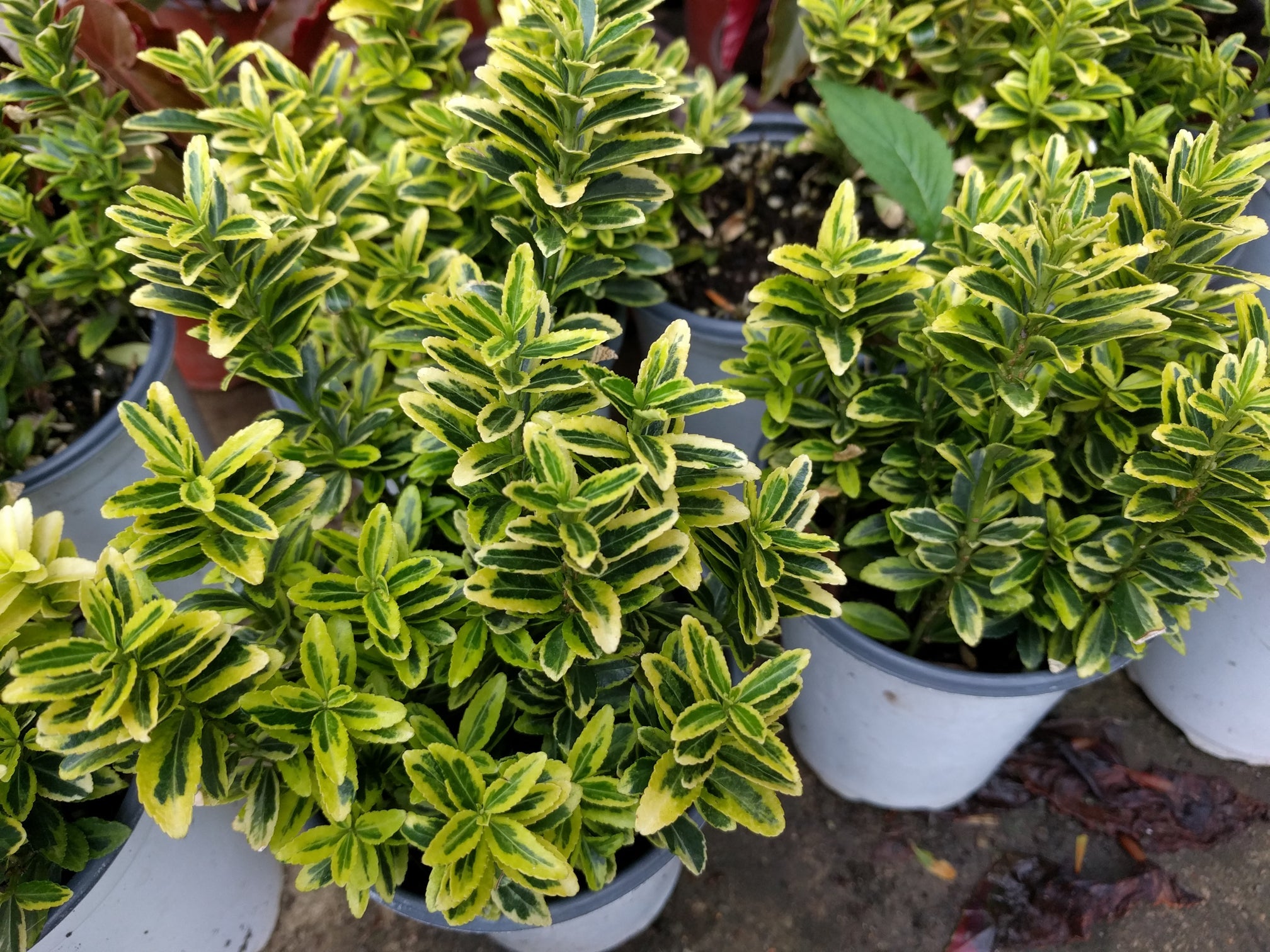
IN THIS GUIDE Can You Grow Euonymus In Pots? Choosing Suitable Pots Choosing Suitable Compost Potting Up Euonymus Potted Euonymus Care Euonymus shrubs have varied uses in many gardens, as some are great border shrubs, whilst others can even be climbers when placed against a wall or fence. They also can look great as stand-alone specimens and they also make great ground cover plants. The glossy foliage of evergreen types, often with variegation, makes them attractive as foliage plants in many settings and deciduous types too can bring a lot of interest through much of the year. But can you grow euonymus in pots? And if so, what do you need to know to do so successfully? Can You Grow Euonymus In Pots? Euonymus can vary greatly in size, growth habit and appearance. You can indeed grow many of these shrubs in containers, but it is important to understand the characteristics of the various varieties and to choose the best options for container growing. Some of the smaller cultivars of evergreen euonymus are the ones best suited to container growing. Dwarf cultivars of E. fortunei and E. japonicus are popular options. Note that these will require more care when grown in containers than when grown in the ground, but they can look great year-round when you choose the right container and growing medium, and care for them correctly. Choosing Suitable Pots Euonymus typically need a fairly large container, but the types best-suited to container cultivation can thrive in a 40-50cm diameter pot for a few years. One of the most important things to remember is that the pot needs to be able to retain moisture, while also allowing excess water to drain away freely from the base. If you are growing a somewhat larger, taller shrub in a container, then the weight of the container is also something to consider. It should be large and heavy enough to stand in place and not tip or be blown over. Choosing Suitable Compost When growing euonymus in pots, it is best to plant them in a loam-based, peat-free multipurpose compost. Using a loam-based mix ensures that the plants get the nutrients they require when growing in containers longer term. Euonymus like moist yet free-draining soil but cannot tolerate a waterlogged situation. So, whether you buy a potting compost or make your own, it is important to make sure that you get the balance right and have a medium that provides the right conditions for these shrubs. Potting Up Euonymus Potted euonymus can be purchased during the majority of the year, but the best time to purchase and pot up a new shrub is in the spring or the autumn months. When you pot up your euonymus, make sure that the plant sits at the same depth within the growing medium that it sat at in its previous pot. It is a good idea to mulch around the top with a good quality organic mulch, but ensure that this does not pile around the base of the stems as this can cause rotting to occur. How Many Euonymus Can You Plant Per Pot? Euonymus are frequently grown as individual specimen plants within containers. However, it is also worth considering that you might plant up larger containers with a euonymus shrub and other companions to create mixed displays. Hardy Fuchsia Evergreen types of euonymus might be planted with winter bedding plants (such as hardy Fuchsia shown above) to keep your container garden looking good through the coldest part of the year. Euonymus shrubs can be the stars of the show, with impressive foliage, or they can serve more as a backdrop for flowers or other more dramatic plants. There are numerous ways to combine plants in containers to create amazing long-lasting displays. Potted Euonymus Care As mentioned above, euonymus will need a little more care when growing in containers than they will when growing in the ground, where they are an excellent low-maintenance plant. “Euonymus are a very useful option for a difficult spot in the garden,” shares Colin Skelly, Horticultural Consultant. “I’ve used them in spots that are too windy for more floral options and for a shady corner that could be lifted by a variegated cultivar.” Luckily, even in containers, they can be relatively trouble-free and the main job will be making sure that the plants obtain enough water during dry spells in summer. Sunlight Place euonymus in containers in a position suitable for the particular variety that you have chosen to grow. Many types can be particularly useful for planting in partial shade, but many can also grow in full sun too. Watering You should water euonymus in pots when the top few centimetres of the soil are dry. Certain types can be fairly drought tolerant once established, but most will prefer moist yet free-draining conditions. Whenever you water, water well and deeply, but make sure that excess water can drain away freely since these are not plants that can tolerate standing water or very damp conditions. If waterlogging occurs, root rot can set in. Feeding Euonymus are not typically heavy feeders, and aside from an application of organic mulch each spring, those in the ground won’t typically require additional fertiliser to be applied. However, those grown in pots may benefit from the use of a liquid plant feed such as a nettle tea or compost tea in summer, to foster healthy leafy growth. Pruning Lightly prune evergreen euonymus to maintain shape and size and remove any dead, damaged or diseased material in late winter or early spring. Lightly trim all over to maintain size and neatness and to maintain a pleasing shape, but pruning is not always necessary and less is usually more. Overwintering Evergreen euonymus best suited to container growing generally have an RHS hardiness rating of H5, meaning that they can grow outside all winter in most of the UK. However, remember that plants in pots are more vulnerable to both winter cold and winter wet, so it is important to make sure that your container is placed in a suitably sheltered location, protected somewhat from winter rains, frosts and winds. If growing a more tender type, moving to an undercover position in a greenhouse or polytunnel might be a good idea. Smaller, dwarf evergreen euonymus can be great choices for container gardens. Follow the tips above and you should have no difficulty growing these shrubs successfully in your container garden.
Learn more
15 Incredible Escallonia Varieties With A Breadth Of Leaves And Flowers
IN THIS GUIDE 1) E. ‘Apple Blossom’ 2) E. bifida 3) E. rubra ‘Crimson Spire’ 4) E. ‘Donard Radiance’ 5 ) E. ‘Donard Seedling’ 6) E. ‘Glowing Embers’ 7) E. laevis ‘Gold Brian’ 8) E. ‘Golden Carpet’ 9) E. ‘Iveyi’ 10) E. ‘Langleyensis’ 11) E. ‘Peach Blossom’ 12) E. laevis ‘Pink Elle’ 13) E. ‘Pride of Donard’ 14) E. ‘Red Dream’ 15) E. rubra var. macrantha References Escallonias are typically evergreen shrubs with flowers in whites, pinks or reds and glossy leaves. Originally hailing from South America, these are pretty hardy plants on the whole, though some are hardier than others.1 However, it is best to avoid growing them in areas where the temperatures drop below around -5°C. “Escallonia is a really useful plant for the coastal areas of the western and southern UK where temperatures are more mild on average in winter,” shares Horticulturist Colin Skelly. “They are tolerant of salt spray, so can make a good shelter belt hedge in coastal locations.” These shrubs come in various sizes, some useful as screening or in hedges, others good in borders. When in flower, they are great bee-friendly plants, attracting bees and other pollinators to your garden. If you are looking for an escallonia to grow, you will soon discover a bewildering array of options on offer. Here are fifteen of my personal favourites: 1) E. ‘Apple Blossom’ COMMON NAME: Escallonia ‘apple blossom’ HARDINESS RATING: H4 FLOWERS: Pink and white FLOWERING SEASON(S): Summer SUNLIGHT: Full sun / part shade EXPOSURE: Exposed / sheltered This is a compact evergreen shrub which grows up to 2.5m tall with a similar spread. It has small, dark green, glossy leaves and flowers, 12mm in width, that are borne on short leafy racemes from early summer. They are pale pink and white. 2) E. bifida COMMON NAME: Cloven gum box HARDINESS RATING: H3 FLOWERS: White FLOWERING SEASON(S): Summer / Autumn SUNLIGHT: Full sun EXPOSURE: Sheltered Growing to around 3m in height, with a spread of up to 2.5m, this shrub, also known as cloven box gum, has shiny, dark-green leaves. In late summer and autumn, it bears rounded panicles of pure white flowers with spreading petals. 3) E. rubra ‘Crimson Spire’ COMMON NAME: escallonia ‘crimson spire’ HARDINESS RATING: H4 FLOWERS: Red FLOWERING SEASON(S): Summer / Autumn SUNLIGHT: Full sun / part shade EXPOSURE: Exposed / sheltered A rather vigorous shrub, this option can grow up to around 4m in height and width. It blooms with beautiful deep red flowers borne in compact racemes in the summer and early autumn. 4) E. ‘Donard Radiance’ COMMON NAME: escallonia ‘Donard radiance’ HARDINESS RATING: H4 FLOWERS: Red FLOWERING SEASON(S): Summer SUNLIGHT: Full sun / part shade EXPOSURE: Exposed / sheltered Small and compact yet vigorous, this evergreen shrub has relatively large, glossy, rounded, deep green leaves. It bears attractive rose red, chalice-shaped flowers in racemes in early and mid-summer and has a height and spread of up to 2.5m. 5 ) E. ‘Donard Seedling’ COMMON NAME: escallonia ‘donard seedling’ HARDINESS RATING: H4 FLOWERS: Pink FLOWERING SEASON(S): Summer SUNLIGHT: Full sun / part shade EXPOSURE: Exposed / sheltered With a similar height and spread to the above, this option has leather-like, glossy dark green leaves which causes the saucer-shaped white to pale pink flowers to stand out. These blooms are just a little over 1cm across and open in early summer from buds that are pale pink. 6) E. ‘Glowing Embers’ COMMON NAME: Escallonia ‘glowing embers’ HARDINESS RATING: H3 FLOWERS: Pink FLOWERING SEASON(S): Summer SUNLIGHT: Full sun EXPOSURE: Sheltered This escallonia is a compact evergreen growing to around 1.2m, notable for the vibrant foliage that gives it its name. The leaves open yellow and flushed with red before maturing to golden yellow and then mid-green. In mid to late summer, the plant also bears small clusters of tubular deep pink flowers. 7) E. laevis ‘Gold Brian’ COMMON NAME: escallonia ‘gold Brian’ HARDINESS RATING: H3 FLOWERS: Pink FLOWERING SEASON(S): Summer SUNLIGHT: Full sun / part shade EXPOSURE: Exposed / sheltered Smallish in size, growing to around 1-1.5m in height and spread, this option has leaves which start off yellow before turning greenish-yellow by summer. Deep pink flowers bloom from this bushy evergreen shrub in summer. 8) E. ‘Golden Carpet’ COMMON NAME: escallonia ‘golden carpet’ HARDINESS RATING: H4 FLOWERS: Red FLOWERING SEASON(S): Summer SUNLIGHT: Full sun / part shade EXPOSURE: Sheltered This is a dwarf escallonia cultivar that grows to around 60cm tall, spreading to create a good ground cover. It has small yellow leaves which turn lime green in the summer, and small tubular red flowers which bloom through the summer months. 9) E. ‘Iveyi’ COMMON NAME: escallonia ‘Iveyi’ HARDINESS RATING: H4 FLOWERS: White FLOWERING SEASON(S): Summer SUNLIGHT: Full sun / part shade EXPOSURE: Exposed / sheltered Growing around 2.5m tall and wide, this escallonia has large, dark green, glossy foliage and bears panicles of pure white flowers that stand out well against the foliage in summer. 10) E. ‘Langleyensis’ COMMON NAME: escallonia ‘langleyensis’ HARDINESS RATING: H4 FLOWERS: Pink FLOWERING SEASON(S): Summer SUNLIGHT: Full sun EXPOSURE: Exposed / sheltered Also growing up to around 2.5m in height and spread, this escallonia has a pleasingly graceful arching habit. It has small obovate leaves and, in the early summer, bears short leafy racemes of deep rose-pink flowers. 11) E. ‘Peach Blossom’ COMMON NAME: escallonia ‘peach blossom’ HARDINESS RATING: H4 FLOWERS: Pink FLOWERING SEASON(S): Summer SUNLIGHT: Full sun / part shade EXPOSURE: Exposed / sheltered With a height and spread of between 1.5-2.5m, this escallonia has a bushy, evergreen form. It has small, deep green leaves and bears clusters of clear mid-pink flowers from early in the summer. 12) E. laevis ‘Pink Elle’ COMMON NAME: escallonia ‘pink Elle’ HARDINESS RATING: H3 FLOWERS: Pink FLOWERING SEASON(S): Summer / Autumn SUNLIGHT: Full sun / part shade EXPOSURE: Exposed / sheltered Relatively compact and growing to around 1-1.5m tall and wide, this evergreen shrub is notable for flowering in summer and again, less prolifically, in the autumn. The flowers are a lovely vibrant pink in hue, borne in large heads of clustered blooms. 13) E. ‘Pride of Donard’ COMMON NAME: escallonia ‘pride of Donard’ HARDINESS RATING: H4 FLOWERS: Red FLOWERING SEASON(S): Summer SUNLIGHT: Full sun / part shade EXPOSURE: Exposed / sheltered This rather vigorous and spreading shrub grows to around 1.5m in height and breadth. It has large, deep green, glossy leaves and, from early summer, bears short racemes of vivid rose-red blooms around 15mm across. 14) E. ‘Red Dream’ COMMON NAME: escallonia ‘red dream’ HARDINESS RATING: H4 FLOWERS: Red FLOWERING SEASON(S): Summer / Autumn SUNLIGHT: Full sun / part shade EXPOSURE: Exposed / sheltered Growing to only around 1m in height and spread, this compact escallonia is an evergreen with petite dark green leaves. From mid-summer until early autumn, it is covered with small clusters of bright red flowers. 15) E. rubra var. macrantha COMMON NAME: Chilean gum box HARDINESS RATING: H4 FLOWERS: Pink FLOWERING SEASON(S): Summer / Autumn SUNLIGHT: Full sun / part shade EXPOSURE: Exposed / sheltered Good for hedging, this escallonia, also known as Chilean gum box, can grow to around 8m in height and spread. However, it responds well to pruning and can work well as a hedge. It has small, dark, glossy leaves and bears loose clusters of pink to dark reddish-pink flowers from mid-summer until the autumn. Of course, these are just some of the many options of escallonia to choose from, but these varieties could be a good place to start when looking for the right variety for your garden. References 1. Escallonia rubra. (n.d.). Kew Royal Botanic Gardens. Retrieved March 15, 2023, from https://powo.science.kew.org/taxon/urn:lsid:ipni.org:names:791101-1
Learn more
Colocasia As A Houseplant - Here's How You Can Grow Taro In The Right Spot Indoors
IN THIS GUIDE Can You Grow Colocasia As A Houseplant? Indoors Growing Conditions Ongoing Care Colocasia is a dramatic and attractive foliage plant native to much warmer zones, but it can be grown successfully in the UK. This is a plant which can be placed outdoors in a warm and sheltered spot over the summer months if you have a suitable place in your garden. However, if you do not have a suitable location in your garden, or do not have a garden at all, you may be wondering if you can grow colocasia, also known as elephant ear or taro, as a houseplant. Can You Grow Colocasia As A Houseplant? The good news is that you can enjoy these tender perennials as houseplants year-round. You don’t necessarily have to place them outside in a garden over the summer months. However, colocasias do need to be provided with certain specific conditions to thrive. You need to place them in the right location indoors and care for them correctly, which we explain how to do below. Indoors Growing Conditions If you would like to grow colocasia indoors, the most important thing is to provide the right growing conditions. Light Colocasia grown as houseplants needs a location in bright, indirect light. Temperature These plants require warm conditions to thrive. To keep them in active growth year-round, you will need to be able to provide temperatures of around 20°C over the winter months in order to prevent the plant from losing its leaves and going dormant over the winter period. Humidity Humidity is also a crucial thing to consider – as South-Asian natives, Colocasia requires a humid atmosphere. A location in a bright, steamy bathroom, near the kitchen sink, or in a humid conservatory can be ideal. Container Conditions Choose a container for your colocasia which is large enough to accommodate the plant’s root ball. Corms should be planted in a pot at least 25cm in diameter and mature plants will usually need a pot around 40-50cm in width and depth. Select a container which is good at retaining moisture, such as a glazed ceramic pot, rather than a terracotta one which will lose water more quickly. Soil Colocasia needs a moist, humus-rich and fertile potting mix. A peat-free multi-purpose compost or potting mix will work well. Mulch over the top of the container with some homemade compost or other organic material for moisture retention and for fertility for these relatively hungry plants. Ongoing Care As long as you have chosen a suitable spot to grow colocasia as a houseplant, you should find it reasonably easy to care for over time. Watering Water to make sure that the growing medium remains consistently moist. Check the pot regularly to make sure that the medium is not drying out. Fertilising It is a good idea, in addition to providing a fertile growing medium and mulching to feed colocasias that are growing in containers with a balanced, organic liquid feed, like compost tea or seaweed feed, every month or so while the plant is actively growing. Common Pests & Problems If the leaves on your colocasias are turning yellow, this can be a sign of a problem with watering or feeding. Make sure that you are providing enough water and enough nutrients for your plants. However, remember that leaves dying in autumn may simply be a sign that the plant is entering a period of dormancy, which it will do if temperatures fall below around 20°C. Colocasias can also encounter problems with common houseplant pests, like whitefly, and spider mites. Make sure your houseplants are as healthy and happy as possible and take organic steps to protect your plants from severe infestations when growing colocasia indoors. If you place your colocasia houseplants in the right spot and take care of their basic needs, you should not find them difficult to care for inside your home.
Learn more
Colocasia Won't Make It Through Winter Outdoors - These Are Your Options
IN THIS GUIDE 1) Grow Indoors Year-Round 2) Move Container-Grown Colocasia Indoors 3) Pot Up Plants Grown In The Ground 4) Lift And Store Tubers Colocasia can be an excellent plant to grow as it is ornamental, with large, interesting leaves. However, it is important to recognise that while growing this plant in the UK is relatively easy, it cannot make it through the winter in most gardens. To care for colocasia in winter you have several options: Grow colocasia indoors all year round. Move container-grown plants indoors to use as houseplants over the winter months. Dig up plants and pot them up to move indoors, keeping them in active growth. Dig up and store the tubers over the winter months before replanting in spring. We discuss each of these options in more detail below. 1) Grow Indoors Year-Round If you wish, you can grow colocasia as houseplants year-round. They should be placed in a warm, humid spot, with bright but indirect light. To remain evergreen throughout the colder months, you will need to be able to maintain a temperature of around 20°C. So, in a cooler home, it may not be possible to provide the conditions to keep the plant looking good all winter. However, if you have a suitable spot to keep your colocasia thriving through the winter, this can be an easy option. Just reduce watering (but keep the soil moist and the conditions humid) over the coldest months. You can also allow your plant to go dormant, keeping the pot indoors in a suitable spot and allowing the leaves to die back before new leaves emerge in the spring. Dormant plants require watering only very sparingly over the winter months. 2) Move Container-Grown Colocasia Indoors Another option if you are growing your colocasia in pots is to place these outdoors in spring, after your last frost date, and then bring them inside again before the first frosts arrive. Bring the container indoors and keep it around 20°C or let it remain in dormancy during the winter, watering only sparingly, before new growth emerges and the plants can be placed outdoors again in spring. You might also simply treat taro as an annual crop, harvesting the tubers when the foliage begins to die back in the autumn. At this point, you can also take divisions or offset corms and pot these up to keep indoors until spring. 3) Pot Up Plants Grown In The Ground You do not necessarily have to grow colocasia in containers. You can also place them, if you have a suitable spot, in the ground in your garden. You can plant them out in spring in a moist bed, bog garden, or around the margins of a pond and then lift them and pot up the plants to move indoors for the winter. 4) Lift And Store Tubers “Colocasia can be stored in a greenhouse over winter,” says Colin Skelly, a Horticultural Consultant. “Growth will stop and there may be some die-back but the corm should be fine, especially if the plant is fleece-covered during the coldest weather.” To do so, simply dig up and lift the plant, then cut off all the foliage. Dust or shake off excess dirt from the tubers and then store them in a cool, frost-free location until spring. In early spring, bring the tubers back into growth and out of dormancy by bringing them indoors to a warm location and potting them up. Then, if you wish, plant them back outdoors after the last frost date in your area. By taking care of your colocasia over winter by choosing one of the above methods, you can continue to enjoy your plant over a number of years in your home or garden.
Learn more
They Won't Grow As Big, But Potted Colocasia Can Be Moved Indoors Before The First Frosts
IN THIS GUIDE Can You Grow Colocasia In Pots? Choosing A Container Choosing Compost Potting Up Corms Potted Colocasia Care Growing colocasia plants is a great way to bring a tropical look to your garden or your home. These dramatic foliage plants can be placed outdoors in a summer garden or grown indoors year-round. Can You Grow Colocasia In Pots? Not only is it possible to grow colocasia in pots but it is also a very good idea. While the leaves of plants growing in containers will likely not become as large as the leaves of those growing in the ground, growing these plants in containers can be beneficial. Growing colocasia in pots will make it easy for you to shift your plants back indoors before the first frosts, and then back outside after the last frosts in the spring. Choosing A Container Colocasia corms should be planted into a container which is at least 25cm across. If potting up a pot-grown colocasia that you have purchased, you should choose a container which fairly snugly accommodates the root ball of the plant you have selected. It is best to choose a glazed container rather than porous terracotta, as this will aid in water retention. Plastic can retain water well, but remember that choosing plastic pots is definitely not the most eco-friendly option. If you wish to use plastic pots, make sure you use reclaimed options rather than buying new ones. Choosing Compost Fill your pot with a multi-purpose, peat-free compost. This can be a suitable potting mix that you have purchased or one which you have made up yourself. Remember that colocasia needs a suitably moist medium amended with plenty of organic matter. Potting Up Corms When planting colocasia from corms in spring, you should fill your container two-thirds full with your chosen potting mix. You should then place the corm in the pot. The pointier end or the end with the most concentric rings should face upwards. Fill in the area around the corm with more of the potting mix and cover it over. The upper end of the corm should be a couple of centimetres below the surface. Pot up your colocasia as it grows. A mature plant will usually require a container around 40-50cm wide and deep. The larger the container you choose, the less the growing medium will dry out, and the less frequently you will need to water your plant. How Many Can You Plant Per Pot? Place a single corm into a pot which is at least 25cm in diameter. It is best to plant just a single taro plant per pot, as these plants grow relatively quickly. Potted Colocasia Care To care for colocasia in containers, make sure to place them in a location indoors with bright, indirect light, ideally in a humid spot like a bright bathroom or kitchen. You can also grow them outdoors over spring and summer in partial or dappled shade. Water regularly, making sure that the growing medium remains consistently moist. Mulch the top of the container with compost each spring to aid in moisture retention and provide slow-release fertility. Boost growth and health by feeding container-grown plants once a month from spring through summer with a balanced, organic liquid plant feed (such as a compost tea). Maintaining humidity levels is especially important when growing indoors. Mist or stand plants in a shallow, pebble-filled tray of water, as Master Horticulturist Colin Skelly shares: “I have found it essential to stand Colocasia pots in a water tray to ensure it has sufficient moisture in hot weather. “This provides a reservoir of water that the plant can draw on rather than relying solely on the water held in the compost.” You can also group plants together to raise humidity levels. Maintain a minimum temperature of 10-15°C over the winter to keep the plants evergreen all year. As long as you are able to provide the right conditions for your Elephant Ear plant, and can care for it correctly, you should find it a relatively easy and straightforward plant to grow in pots.
Learn more
'Black Magic' To 'White Lava' - Here's 15 Taro Types Loved By Horticulturists
IN THIS GUIDE Choosing The Right Variety 1) C. esculenta ‘Black Coral’ 2) C. esculenta ‘Black Magic’ 3) C. esculenta ‘Blue Hawaii’ 4) C. esculenta ‘Burgundy Stem’ 5) C. esculenta ‘Coal Miner’ 6) C. esculenta ‘Hawaiian Punch’ 7) C. esculenta ‘Illustris’ 8) C. esculenta ‘Cranberry Stem’ 9) C. esculenta ‘Maui Sunrise’ 10) C. esculenta ‘Metallica’ 11) C. esculenta ‘Mojito’ 12) C. esculenta ‘Pharaoh’s Mask’ 13) C. esculenta ‘Aloha’ 14) C. esculenta ‘Diamond Head’ 15) C. esculenta ‘White Lava’ References There is a wide range of dramatic colocasia varieties which make excellent ornamental garden plants. Although it is native to much warmer climes, colocasia can be grown outdoors over the summer months in the UK, or grown indoors as a houseplant year-round, as Horticulturist Dan Ori explains: “Colocasia is a great plant to grow indoors and you can give them a summer holiday in a sheltered spot in the garden in summer. “They can look spectacular clustered around Cannas and Musa (bananas).” There is a huge selection of different colours and variations to choose from, which makes these very varied foliage plants. Choosing The Right Variety Usually, one factor above all others which will help growers decide which colocasia varieties to grow is the visual appearance of the large leaves and stems. Of course, you should also look at the size of the colocasia you are considering, and where exactly you plan to grow it. It can be helpful to think holistically about your plant choices, so consider not only the conditions that this plant needs, and what each cultivar looks like in isolation, but how it will look with other plants in your garden, or as part of your houseplant collection. To help you decide which of the many colocasia cultivars you would like to add to your collection, here is a list of some of the very best options for UK growers. Bear in mind that all varieties in this list are H1B hardy and should be grown in a sheltered condition in full sun or part shade. 1) C. esculenta ‘Black Coral’ COMMON NAME(S): Taro ‘Black Coral’ FOLIAGE: Purple STEM: Black SOIL PREFERENCE: Loam or sand; any pH SIZE: 1-1.5m in height, 0.5-1m spread This is one of a series of eight colocasias called the ‘Royal Hawaiian’ series, which was introduced by the US company Planthaven.1 It has deep purple-black leaves, with purple-blue veins and deep purple-black stems. 2) C. esculenta ‘Black Magic’ COMMON NAME(S): Taro ‘Black Magic’ FOLIAGE: Purple, black and green STEM: Black and purple FLOWERS: White FLOWERING SEASON(S): Summer SOIL PREFERENCE: Clay, loam or sand; any pH SIZE: 1.5-2.5m in height, 1-1.5m spread The heart-shaped leaves of this colocasia variety are green when they first emerge, then turn a deep purple over time. These 60cm long leaves are held on stems of a deep blackish-purple hue. 3) C. esculenta ‘Blue Hawaii’ COMMON NAME(S): Taro ‘Blue Hawaii’ FOLIAGE: Green STEM: Purple SOIL PREFERENCE: Loam or clay; any pH SIZE: 1-1.5m in height, 0.5-1m spread This variety has large, light green leaves, with striking purple veins which stand out in sharp contrast, especially when the light shines through. This is another Royal Hawaiian colocasia. 4) C. esculenta ‘Burgundy Stem’ COMMON NAME(S): Taro ‘Burgundy Stem’ FOLIAGE: Green STEM: Pink and purple SOIL PREFERENCE: Loam or clay; any pH SIZE: 1-1.5m in height, 0.5-1m spread As the name suggests, this colocasia has deep, richly coloured burgundy stems, which stand out in contrast to the green leaves and give this plant a very tropical, exotic look. 5) C. esculenta ‘Coal Miner’ COMMON NAME(S): Taro ‘Coal Miner’ FOLIAGE: black and green STEM: Black SOIL PREFERENCE: Chalk, loam or clay; any pH SIZE: 1-1.5m in height, 1-1.5m spread This colocasia is also aptly named, as the large green leaves are deeply dusted with black as though they have been in a coal mine. This variety also has black stems, and the deeper greens and blacks of the leaves are punctuated by lighter green veins. ‘Coal Miner’ gets quite tall quite swiftly, and is said to be easy to overwinter successfully in the UK. 6) C. esculenta ‘Hawaiian Punch’ COMMON NAME(S): Taro ‘Hawaiian Punch’ FOLIAGE: Green STEM: Pink SOIL PREFERENCE: Loam or sand; any pH SIZE: 1-1.5m in height, 0.5-1m spread This elephant ear has bright red stems which bring drama and interest to its surroundings and gives the plant an exotic and tropical look. The stems are very vivid and stand out against the lush, green leaves. This is another fantastic taro in the Royal Hawaiian series of colocasia. 7) C. esculenta ‘Illustris’ COMMON NAME(S): Black caladium FOLIAGE: Purple and green SOIL PREFERENCE: Loam or sand; any pH SIZE: 1-1.5m in height, 0.5-1m spread This is another dramatic and attractive cultivar, which has large elephant ear-like leaves with a deep, russet bronze hue, and lime-green veins which stand out starkly against the rusty backdrop. 8) C. esculenta ‘Cranberry Stem’ COMMON NAME(S): Taro ‘Cranberry Stem’ FOLIAGE: Green, gold and yellow STEM: Cream and white SOIL PREFERENCE: Clay; any pH SIZE: 0.5-1.5m in height, 0.5-1m spread ‘Cranberry Stem’ has light green leaves and red stalks which can stand out well and look great alongside other darker colocasia cultivars. 9) C. esculenta ‘Maui Sunrise’ COMMON NAME(S): Taro ‘Maui Sunrise’ FOLIAGE: Green, cream and white STEM: Green SOIL PREFERENCE: Loam or clay; any pH SIZE: 0.5-1m in height, 0.5-1m spread This Royal Hawaiian colocasia has glossy deep green leaves, with creamy-white markings and veins. 10) C. esculenta ‘Metallica’ COMMON NAME(S): Taro ‘Metallica’ FOLIAGE: Blue, black, green and bronze STEM: Black SOIL PREFERENCE: Loam or clay; any pH SIZE: 1-1.5m in height, 0.5-1m spread This fairly new type is an unusual variety of colocasia and has velvety, large blue-green leaves with a metallic sheen, born on shiny, dark stems. 11) C. esculenta ‘Mojito’ COMMON NAME(S): Taro ‘Mojito’ FOLIAGE: Purple and green STEM: Purple and red SOIL PREFERENCE: Loam or sand; any pH SIZE: 1-1.5m in height, 0.5-1m spread Named after the popular drink, ‘Mojito’ is an introduction from the United States which has chartreuse green foliage, flecked with deep purple and black. 12) C. esculenta ‘Pharaoh’s Mask’ COMMON NAME(S): Taro ‘Pharaoh’s Mask’ FOLIAGE: Green and black STEM: Black SOIL PREFERENCE: Clay; any pH SIZE: 1-1.5m in height, 0.5-1m spread This rare cultivar has deep green heart-shaped leaves, with protruding veins in black, which give it an almost three-dimensional appearance. The veins begin to flatten and develop over time to give the final mask-like appearance. This was bred from a mutant form of another varietal called ‘Dark Star’ in the US. 13) C. esculenta ‘Aloha’ COMMON NAME(S): Taro ‘Aloha’ FOLIAGE: Purple, black and green STEM: Green SOIL PREFERENCE: Loam, sand or clay; any pH SIZE: 1-1.5m in height, 0.1-0.5m spread This Royal Hawaiian colocasia has glossy dark purple and dark green leaves, with contrasting light-green veins and light-greenish stems. 14) C. esculenta ‘Diamond Head’ COMMON NAME(S): Taro ‘Diamond Head’ FOLIAGE: Purple and black STEM: Purple SOIL PREFERENCE: Loam, clay or sand; any pH SIZE: 1-1.5m in height, 0.5-1m spread This Royal Hawaiian type of elephant ear has deep purple to black leaves, with a glossy finish, and deep burgundy red stems. 15) C. esculenta ‘White Lava’ COMMON NAME(S): Taro ‘White lava’ FOLIAGE: Green, cream and white STEM: Purple SOIL PREFERENCE: Loam or sand; any pH SIZE: 1-1.5m in height, 0.5-1m spread This colocasia, another in the Royal Hawaiian series, boasts dramatic white-cream flows of ‘lava’ down the centres of the green leaves, radiating out along the veins. The leaves also each have purple splotches where the leaf attaches to the stalk. These are, of course, just some of the many colocasia cultivars that you could consider growing either in your garden over the summer or as year-round houseplants here in the UK. References 1. Colocasia ROYAL HAWAIIAN ‘Black Coral.’ (2022, April 29). PlantHaven International. Retrieved March 14, 2023, from https://planthaven.com/plant/colocasia-black-coral/
Learn more
Separate Offsets To Grow New Colocasia Plants Argues Elizabeth Waddington
IN THIS GUIDE 1) Cutting The Tuber 2) Separating Offsets 3) Dividing The Main Corm Colocasia can be grown either as an ornamental plant or an edible crop and is prized for its large leaves, which add a tropical and exotic look to its surroundings. This is a tender plant, which can be grown outdoors in summer, but requires 21°C indoors over the winter months to remain fully evergreen. When grown outdoors in summer, the tubers are lifted and taken indoors for the winter, or, when grown in containers, taken indoors before the first frosts. Winter is the time to propagate the plants by division. To propagate colocasia by division of the tubers, there are 3 main options: Slice off the top couple of centimetres of the tuber, where the leaf stalks emerge, and replant this to grow into a new plant. Lift the plant and take off the small suckers of offset tubers around the main tuber, and grow these on to replant. You can also cut the main corm into small pieces, making sure that each one has an eye, and grow these sections on slowly for replanting. We explain each of these methods down below. Difficulty Medium Equipment Required Trowel, compost mix, pots, garden knife, propagator When To Take Cuttings Winter 1) Cutting The Tuber If you plan on harvesting taro at the end of the growing season, it is worthwhile cutting off the top couple of centimetres of the tubers, where the leaf stalks emerge, and replanting these sections in pots to grow on indoors over winter. Trim back the above-ground growth to leave just 15cm or so of the stalks. Pot these up into their own individual pots and keep them indoors at above 21°C until the following spring when they can potentially be planted back out into the garden. 2) Separating Offsets While this method will be a little slower, you can also take the offsets or smaller corms which form around the main one on the plant. These small offset corms can be potted up into their own containers and grown indoors, ideally in a heated propagator to provide the requisite temperatures and humidity, over the winter months. They can be planted out in the garden once they develop into larger independent plants. 3) Dividing The Main Corm The main corm can also be cut into pieces. As long as each portion of the corm is one with an ‘eye’, these pieces should eventually grow into new plants when appropriate growing conditions have been provided. This option is the most challenging, however, and it will take the longest to produce viable new plants, so one of the first two options is usually best for temperate climate gardeners. “My top tip for success, or rather minimising the chance of fungal problems on your plants, is practising good container and tool hygiene by disinfecting knives and pots before use,” shares Horticultural Consultant Dan Ori. “I would also recommend not having the compost too damp (if damp at all), and I would try to have good airflow around them as it starts to warm up in the spring.”
Learn more
20 Vivid Ceanothus Types In A Spectrum Of Cool Blue, White And Pink
IN THIS GUIDE 1) C. ‘Blue Mound’ 2) C. ‘Puget Blue’ 3) C. thyrsiflorus var. repens 4) C. arboreus ‘Trewithen Blue’ 5) C. ‘Cascade’ 6) C. ‘Concha’ 7) C. ‘Dark Star’ 8) C. griseus var. horizontalis ‘Silver Surprise’ 9) C. ‘Southmead’ 10) C. thyrsiflorus ‘Millerton Point’ 11) C. thyrsiflorus ‘Mystery Blue’ 12) C. thyrsiflorus ‘Snow Flurry’ 13) C. ‘Skylark’ 14) C. × veitchianus 15) C. ‘Autumnal Blue’ 16) C. ‘Burkwoodii’ 17) C. × delileanus ‘Gloire de Versailles’ 18) Ceanothus × delileanus ‘Henri Desfossé’ 19) C. × delileanus ‘Topaze’ 20) C. × pallidus ‘Perle Rose’ References Ceanothus, also known as the Californian lilac, is a genus that offers an impressive variety of stunning, flowering shrubs. These are not only attractive plants, but they also fix nitrogen and attract pollinators in a garden.1 Mostly flowering in a vivid blue but also offering a few options in white or pink, these shrubs can look great in many gardens. “For something unusual, consider El Dorado or Ceanothus prostratus,” says RHS Master of Horticulture Peter Lickorish. “The ‘prostrate’ in its name means it is lower growing and forms a carpet of blue flowers for groundcover.” All of the varieties mentioned in this list are H4 hardy and need to be grown in full sun, in a sheltered position. 1) C. ‘Blue Mound’ COMMON NAME(S): Californian lilac ‘Blue Mound’ FLOWERS: Blue FLOWERING SEASON(S): Spring SOIL PREFERENCE: all soil types; alkaline to neutral pH SHOP CEANOTHUS 'BLUE MOUND' FROM £17.95 This cultivar grows to around 1.5m high, and up to 2.5m wide. Bushy in habit, it has glossy leaves and in the late spring, bears heads of small, bright blue flowers. 2) C. ‘Puget Blue’ COMMON NAME(S): Californian lilac ‘Puget Blue’ FLOWERS: Blue FLOWERING SEASON(S): Spring / Summer SOIL PREFERENCE: all soil types; any pH SHOP CEANOTHUS 'PUGET BLUE' FROM £16.95 Growing up to around 2.5m tall and wide, this medium-sized ceanothus shrub has small, dark green, narrow leaves. The flowers are a rich blue-purple and are borne abundantly in panicles in late spring and early summer. This cultivar has received the RHS Award of Garden Merit (AGM). 3) C. thyrsiflorus var. repens COMMON NAME(S): Creeping blue blossom FLOWERS: Blue FLOWERING SEASON(S): Spring / Summer SOIL PREFERENCE: all soil types; alkaline to neutral pH SHOP CREEPING BLUE BLOSSOM FROM £17.95 This is a great ground cover plant, as it is relatively low-growing at 1m in height, though it can grow taller when grown against a wall. The leaves are ovate and dark glossy green. The flowers are light vivid blue and are borne in spring and early summer in compact panicles. This cultivar has received the RHS Award of Garden Merit (AGM). 4) C. arboreus ‘Trewithen Blue’ COMMON NAME(S): Californian lilac ‘Trewithen Blue’ FLOWERS: Blue FLOWERING SEASON(S): Spring / Summer SOIL PREFERENCE: all soil types; alkaline to neutral pH Growing up to around 6m tall, this large spreading evergreen shrub has oval or rounded leaves up to 8cm long. The flowers, borne in 12cm long panicles, are deep blue and slightly fragrant. 5) C. ‘Cascade’ COMMON NAME(S): Californian lilac ‘Cascade’ FLOWERS: Blue FLOWERING SEASON(S): Summer SOIL PREFERENCE: all soil types; alkaline to neutral pH A vigorous evergreen California lilac, this option grows around 4m tall and wide. The branches are arching, with glossy, ovate leaves. The clear, light blue flowers are borne in panicles around 8cm in length. 6) C. ‘Concha’ COMMON NAME(S): Californian lilac ‘Concha’ FLOWERS: Blue FLOWERING SEASON(S): Spring SOIL PREFERENCE: all soil types; alkaline to neutral pH Around 3m in height and spread, this ceanothus cultivar has arching branches and narrow, dark green leaves. The flowers are of a deep blue and bloom in profuse clusters in the spring. This cultivar has received the RHS Award of Garden Merit (AGM). 7) C. ‘Dark Star’ COMMON NAME(S): Californian lilac ‘dark star’ FLOWERS: Blue and purple FLOWERING SEASON(S): Spring SOIL PREFERENCE: all soil types; alkaline to neutral pH A spreading evergreen shrub growing around 2.5m tall and wide, this ceanothus has dark green, ovate leaves. In the late spring, it bears clusters of deep blue-purple flowers on its arching branches. 8) C. griseus var. horizontalis ‘Silver Surprise’ COMMON NAME(S): Californian lilac ‘Silver Surprise’ FLOWERS: Blue FLOWERING SEASON(S): Spring SOIL PREFERENCE: Chalk, loam or sand; alkaline to neutral pH Growing to 1m or so tall, and spreading 1.5m wide, this low-growing ceanothus has irregular, variegated leaves with creamy margins around the edges. Masses of pale blue flowers are borne on the shrub in spring. This variety is H3 hardy. 9) C. ‘Southmead’ COMMON NAME(S): Californian lilac ‘Southmead’ FLOWERS: Blue FLOWERING SEASON(S): Spring / Summer SOIL PREFERENCE: all soil types; any pH A compact ceanothus growing up to around 1.5m tall and wide, this option is compact, with small oblong leaves with ridges of a dark green hue. The clusters of dark blue flowers appear in the late spring and in early summer. 10) C. thyrsiflorus ‘Millerton Point’ COMMON NAME(S): Californian lilac ‘Millerton Point’ FLOWERS: Creamy white FLOWERING SEASON(S): Spring SOIL PREFERENCE: Clay, loam or sand; alkaline to neutral pH Around 3m in height and spread, this ceanothus has arching branches and small, glossy leaves in a mid-green colour. The flowers are not blue as with most ceanothus but are a creamy white hue. So, if you want to ring the changes, this could be an interesting option to consider. 11) C. thyrsiflorus ‘Mystery Blue’ COMMON NAME(S): Californian lilac ‘Mystery Blue’ FLOWERS: Blue FLOWERING SEASON(S): Spring / Summer SOIL PREFERENCE: Chalk, loam or sand; any pH Spreading to around 3m wide and 2.5m high, this airy and open-structured shrub has dark green leaves on green stems. The flowers bloom abundantly and are honey-scented. They are blue to blue-grey in colour. 12) C. thyrsiflorus ‘Snow Flurry’ COMMON NAME(S): Ceanothus ‘Snow Flurry’ FLOWERS: White FLOWERING SEASON(S): Spring SOIL PREFERENCE: all soil types; alkaline to neutral pH This is another ceanothus with a difference. It bears pure white clusters of flowers in the spring, on a small evergreen shrub up to 1.2m tall, with arching branches and glossy green leaves. 13) C. ‘Skylark’ COMMON NAME(S): Californian lilac ‘Skylark’ FLOWERS: Blue FLOWERING SEASON(S): Summer SOIL PREFERENCE: all soil types; alkaline to neutral pH A compact shrub, growing up to around 2.5m tall and wide, this ceanothus has finely toothed, glossy, dark green foliage. The clusters of deep blue-purple flowers are borne in the early summer. This is another recipient of an AGM. 14) C. × veitchianus COMMON NAME(S): Veitch’s blue blossom FLOWERS: Blue FLOWERING SEASON(S): Spring / Summer SOIL PREFERENCE: all soil types; alkaline to neutral pH This blue-blossomed variety is a bushy, vigorous evergreen shrub which grows up to around 3m tall and wide. It has small, wedge-shaped, glossy leaves. The flowers, which bloom in the late spring and the early summer, are deep blue and are held in 5cm long clusters. 15) C. ‘Autumnal Blue’ COMMON NAME(S): Californian lilac ‘Autumnal Blue’ FLOWERS: Blue FLOWERING SEASON(S): Summer / Autumn SOIL PREFERENCE: all soil types; alkaline to neutral pH This is an evergreen option, which bears its oblong trusses of mid-blue flowers from late summer. It has dark green, glossy, ovate leaves and grows with a bushy habit to around 3m tall. This cultivar is a recipient of an RHS AGM. 16) C. ‘Burkwoodii’ COMMON NAME(S): Californian lilac ‘Burkwoodii’ FLOWERS: Blue FLOWERING SEASON(S): Summer / Autumn SOIL PREFERENCE: all soil types; alkaline to neutral pH This compact evergreen ceanothus grows to around 1.5m tall and wide. It has shiny, rounded leaves, which are grey and somewhat hairy on the undersides. The small, rich blue flowers are borne in rounded clusters to 6cm long in the late summer and autumn. This cultivar has received the RHS Award of Garden Merit. 17) C. × delileanus ‘Gloire de Versailles’ COMMON NAME(S): Californian lilac ‘Gloire de Versailles’ FLOWERS: Blue FLOWERING SEASON(S): Summer / Autumn SOIL PREFERENCE: all soil types; alkaline to neutral pH Growing up to around 1.5m tall with a similar spread, this is one deciduous option to consider. It has broadly oval, light-green leaves that are around 8cm long. The flowers are displayed as large clusters in a powder blue colour and are scented. Another RHS AGM cultivar. 18) Ceanothus × delileanus ‘Henri Desfossé’ COMMON NAME(S): Californian lilac ‘Henri Desfossé’ FLOWERS: Blue FLOWERING SEASON(S): Summer SOIL PREFERENCE: all soil types; alkaline to neutral pH Another deciduous ceanothus, this one also grows around 1.5m tall and wide. It has oval-shaped, mid-green leaves up to 7cm in length and a rounded growth habit. The deep blue flowers are borne in panicles 8-12cm across. 19) C. × delileanus ‘Topaze’ COMMON NAME(S): Californian lilac ‘Topaze’ FLOWERS: Blue FLOWERING SEASON(S): Summer / Autumn SOIL PREFERENCE: all soil types; alkaline to neutral pH This deciduous ceanothus also has a rounded, bushy habit and grows to around 1.5 m in height, with a similar spread. The leaves are light green and broadly ovate, and the indigo-blue flowers are borne in impressive, large panicles in late summer and autumn. 20) C. × pallidus ‘Perle Rose’ COMMON NAME(S): Californian lilac ‘Perle Rose’ FLOWERS: Pink FLOWERING SEASON(S): Summer SOIL PREFERENCE: all soil types; alkaline to neutral pH This unusual ceanothus has pale, rose-pink flowers rather than the usual blue. This is another deciduous option, with flowers borne in terminal panicles that reach around 6cm long. Small and bushy, this ceanothus will grow to around 1.5m tall with a similar spread. Of course, these ceanothuses are not the only options that you might choose, but all of the above are among the best options to consider. References 1. The Nitrogen-Fixing Capacity of Ceanothus velutinus. (n.d.). Forest Science. Retrieved March 14, 2023, from https://academic.oup.com/forestscience/article-abstract/12/2/164/4709415
Learn more
Can You Grow Lobelia In Pots? Yes - Try These Cultivars With A Rich Growing Medium
IN THIS GUIDE Can You Grow Lobelia In Pots? Choosing A Container Choosing A Compost Potting Up Ongoing Container Care Lobelia is a popular choice for gardens in the UK. There are a number of different species and hybrid types that you could grow, with flowers in an enticing range of colours and tones. Of course, lobelias often make good border plants, but you might be wondering if you can grow these beautiful perennials in pots. Can You Grow Lobelia In Pots? Lobelia of many different types can make excellent plants for container gardens, as both annual and perennial types can be grown in pots. Some of the most popular for container gardening are Lobelia erinus cultivars. These half-hardy annuals are often trailing and are ideally suited to growing in pots or hanging containers. However, perennial types and their hybrids can also be grown in pots, as long as the right conditions are provided. I actually grew lobelia from seed last year and planted them out in one of my raised planters. You can see the results (at different stages of the plant’s flowering cycle) in my images below: As you can no doubt see – what starts off as just a few flowers slowly morphs into a flurry of blooms that lasts throughout summer. More tender types may sometimes be grown in containers so that they can be moved indoors or undercover during the coldest months. Choosing A Container When choosing a container, the first thing to decide is whether you will choose a hanging basket or a container that will sit on the ground. Trailing lobelia can look lovely when in an elevated container, and hanging containers can help you to make the most of your space. However, keeping up with watering needs may be a little more challenging. When you choose your container, remember that you want to provide moist but free-draining conditions for annual types, so adequate drainage holes are essential. However, some perennial types will like damper and less free-draining conditions, so make sure you think about which particular type of lobelia you have chosen to grow. Choosing A Compost The potting mix or growing medium that you choose will also depend in part on which type of lobelia you are growing. That being said, all lobelia will tend to appreciate a growing medium that is relatively rich in organic matter and capable of retaining moisture sufficiently well. A multi-purpose peat-free compost with some homemade compost or well-rotted manure added in will work well. “For plants like Lobelia, I make a water-retentive potting mix of one-third vermiculite, one-third coir and one-third good-quality peat-free compost,” shares Master Horticulturist Dan Ori. A loam-based option is generally best for perennial types that will remain in a container over a longer period of time. Potting Up When planting lobelias in pots, make sure that you place potted specimens at the same depth that they were planted at in their previous pot. Make a planting hole large enough to accommodate the root system or the plant or plants, place the plant into the hole and then firm back the growing medium around the outside. It is also a good idea to add mulch or organic matter over the surface of your containers in order to retain moisture, which is essential in lobelia cultivation. How Many Can You Plant Per Pot? How many lobelias you can plant per pot will obviously depend on the size of the container and, again, on the type of lobelia you have chosen to grow. It will also depend on whether you will be growing the lobelia alone or combining it with other plants in a mixed display. Annual lobelias can look great alongside a range of other annual bedding plants commonly grown in containers and hanging baskets. If you are growing annual lobelias in a container, each one should usually be placed around 10-15cm apart. Perennial types typically require space of around 30cm. Ongoing Container Care Place containers in full sun or partial shade depending on the variety and where you live. In hot summer areas, partial shade can be better for some types, helping them last for longer. Water well and regularly. Keeping up with water requirements is the most important thing when growing lobelia in pots. “It is likely you will need to water your containers at least once a day in the summer, so placing your containers in trays of water will often help – I use grow bag trays,” explains Dan. “If your containers dry out and plants start to wilt, water the surface of the pot slowly and then sink it into a bucket of water until submerged, when the air bubbles stop breaking the water surface. “The planting mix should be rehydrated, but be warned, as you may need help since the pots will get heavier as they soak up the water.” Remember, all lobelias like moist conditions, so never let the growing medium completely dry out. Remember that more regular watering is usually required for plants growing in pots or hanging baskets than for those growing in the ground. Mulch upon planting and replenish mulch around perennial plants each year. Feed with a potassium-rich organic liquid feed every couple of weeks through the blooming period for best results. Keep an eye out for slugs, snails and other pests and make sure to protect or move tender perennial types in winter.
Learn more