Growing

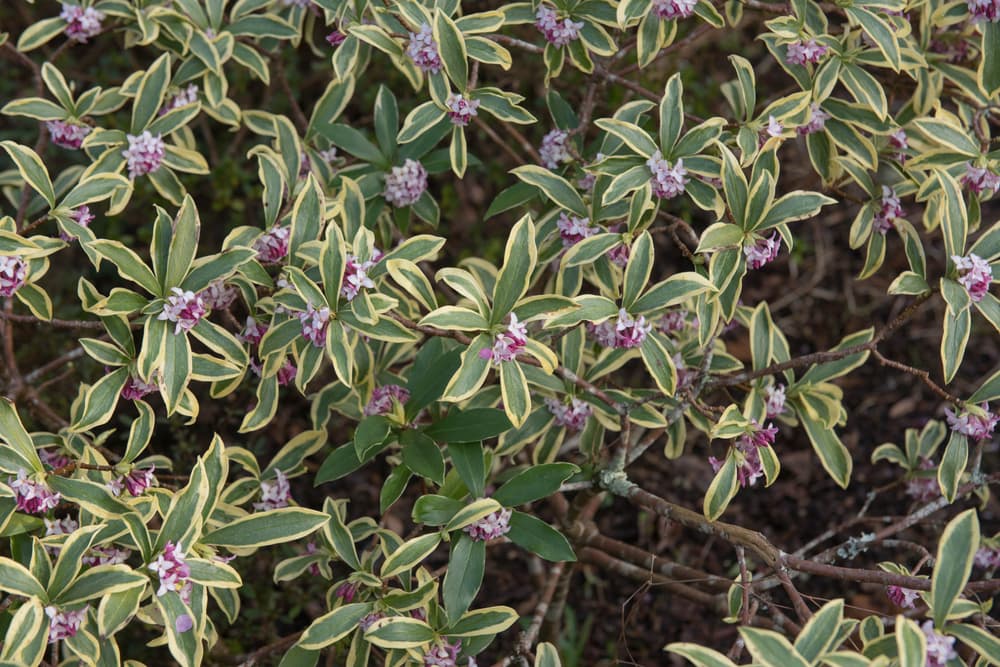
‘Emerald Gaiety’ And 'Pink Delight' - Here's 15 Euonymus Shrubs In Various Forms
IN THIS GUIDE 1) E. alatus ‘Compactus’ 2) E. alatus ‘Fire Ball’ 3) E. cornutus var. quinquecornutus 4) E. europaeus ‘Red Cascade’ 5) E. europaeus ‘Thornhayes’ 6) E. fortunei ‘Emerald Gaiety’ 7) E. fortunei ‘Emerald ‘n’ Gold’ 8) E. fortunei ‘Emerald Surprise’ 9) E. fortunei ‘Kewensis’ 10) E. fortunei ‘Wolong Ghost’ 11) E. hamiltonianus ‘Pink Delight’ 12) E. japonicus ‘Microphyllus Aureovariegatus’ 13) E. japonicus ‘Chollipo’ 14) E. phellomanus 15) E. planipes ‘Sancho’ Euonymus shrubs are popular shrubs that can be evergreen or deciduous and can differ greatly in their size, growth habit and appearance. If you would like to grow euonymus in your garden then you may become overwhelmed by the many different species and cultivars that you might choose. Hopefully my list of 15 handpicked varieties that are my personal favourites might help you make up your mind! Bear in mind that all of the varieties in this list can be grown in full sun or partial shade in an exposed or sheltered location and can grow in any fertile soil. 1) E. alatus ‘Compactus’ COMMON NAME(S): Compact winged spindle HARDINESS RATING: H6 FOLIAGE: Green, pink & red FOLIAGE TYPE: Deciduous FLOWERS: Green FLOWERING SEASON(S): Spring FRUIT: Orange, purple and red FRUIT SEASON(S): Autumn This compact form of winged-spindle is a small deciduous shrub growing around 1m tall and 1.5m wide. It develops prominent corky ridges on the branches and the foliage turns red in the autumn. Small green flowers are followed by red-purple fruits with orange seeds inside in autumn. 2) E. alatus ‘Fire Ball’ COMMON NAME(S): winged spindle ‘fire ball’ HARDINESS RATING: H6 FOLIAGE: Green & red FOLIAGE TYPE: Deciduous FLOWERS: Green FLOWERING SEASON(S): Spring FRUIT: Orange and purple FRUIT SEASON(S): Summer / Autumn A dense and round-formed deciduous shrub which grows to around 1.5m, this is a slightly larger varietal. Its matt-green foliage turns a vivid, fiery red in the autumn months. Again, you can also see small green flowers in spring which are followed by reddish-purple fruits and as the year wears on, these fruits split open to reveal orange seeds. 3) E. cornutus var. quinquecornutus COMMON NAME(S): five-horned spindle HARDINESS RATING: H6 FOLIAGE: Green FOLIAGE TYPE: Deciduous FLOWERS: Green & purple FLOWERING SEASON(S): Summer FRUIT: Orange, purple & pink FRUIT SEASON(S): Summer / Autumn Five-horned spindle is a deciduous, spreading shrub which grows to around 2m tall and 3m wide. It has narrow, lance-like leaves of dark green. In summer, this shrub bears small purplish-green flowers which are followed by pinky-purple fruits. The fruits have five slender horn-like protuberances which look like a jester’s hat and break open to reveal bright orange seeds. 4) E. europaeus ‘Red Cascade’ COMMON NAME(S): spindle ‘red cascade’ HARDINESS RATING: H6 FOLIAGE: Green & red FOLIAGE TYPE: Deciduous FLOWERS: Green & yellow FLOWERING SEASON(S): Summer FRUIT: Orange & pink FRUIT SEASON(S): Autumn This European spindle is a large and vigorous deciduous shrub, growing to around 3m. It has oval leaves that turn bright red in autumn and small yellow-green flowers, which are followed by bright rose-pink fruits that break open to reveal the orange seeds within. 5) E. europaeus ‘Thornhayes’ COMMON NAME(S): white spindle ‘thornhayes’ HARDINESS RATING: H6 FOLIAGE: Green & bronze FOLIAGE TYPE: Deciduous FLOWERS: Green & white FLOWERING SEASON(S): Summer FRUIT: Orange & pink FRUIT SEASON(S): Autumn / Winter Another great European spindle to grow, this option grows to around the same size as the above and is also deciduous. It has dark green foliage that develops bronze tints in autumn. The flowers are green and white; inconspicuous but rich in nectar. These are followed by bright pink fruits with four lobes which break open revealing the orange seeds within, lasting well into winter to bring interest to the garden at the coldest time of year. 6) E. fortunei ‘Emerald Gaiety’ COMMON NAME(S): spindle ’emerald gaiety’ HARDINESS RATING: H5 FOLIAGE: Green, white & pink FOLIAGE TYPE: Evergreen FLOWERS: Green FLOWERING SEASON(S): Summer This is a small evergreen euonymus that forms small bushy evergreen shrubs, but will also climb when placed against a wall or fence. The rounded green leaves have an irregular white margin around each one and are tinged pink in the winter. Unfortunately, the flowers are rarely seen. This variety is H5 hardy. 7) E. fortunei ‘Emerald ‘n’ Gold’ COMMON NAME(S): spindle ’emerald ‘n’ gold’ HARDINESS RATING: H5 FOLIAGE: Green, yellow & pink FOLIAGE TYPE: Evergreen FLOWERS: Green FLOWERING SEASON(S): Summer This dwarf evergreen shrub has a spreading habit and grows around 1m tall with a spread of 1.5m. It has green leaves with broad yellow margins, tinged pinkish in the winter, and a few small and inconspicuous greenish flowers are sometimes produced in summer. Grow in partial or full shade, or in full sun in a moist location. 8) E. fortunei ‘Emerald Surprise’ COMMON NAME(S): spindle ’emerald surprise’ HARDINESS RATING: H5 FOLIAGE: Green & yellow FOLIAGE TYPE: Evergreen FLOWERS: Green FLOWERING SEASON(S): Summer ‘Emerald Surprise’ is an evergreen growing up to 1m in height with a spread of 1.5m. It has broad leaves that have a bright green hue with broad bright yellow margins, and the leaves are also sometimes tinged pink in the winter. 9) E. fortunei ‘Kewensis’ COMMON NAME(S): spindle ‘kewensis’ HARDINESS RATING: H5 FOLIAGE: Green & red FOLIAGE TYPE: Evergreen Growing just 10cm or so tall and spreading up to around 50cm, this small evergreen shrub forms a dense mat of ground cover. It has tiny leathery leaves of green, which can get red tints in autumn. “E. fortunei ‘Kewensis’ is a great ground cover plant, helping to retain moisture and suppress weeds, but I find that is also loose enough to allow bulbs to burst through in spring,” shares Master Horticulturist Colin Skelly. 10) E. fortunei ‘Wolong Ghost’ COMMON NAME(S): spindle ‘wolong ghost’ HARDINESS RATING: H5 FOLIAGE: Green FOLIAGE TYPE: Evergreen This is another mat-forming evergreen euonymus variety but it can also be a climber when provided with some support. This has slender dark green foliage with prominent pale veining. 11) E. hamiltonianus ‘Pink Delight’ COMMON NAME(S): spindle ‘pink delight’ HARDINESS RATING: H6 FOLIAGE: Green and pink FOLIAGE TYPE: Deciduous FLOWERS: Green & white FLOWERING SEASON(S): Summer FRUIT: Pink FRUIT SEASON(S): Autumn This deciduous spindle shrub can grow between 2.5-4m in height with a spread of 1.5-2.5m. It has large oval mid-green hued leaves which turn a dark pink in the autumn. In summer, the shrub bears small white and green flowers and these are followed by pink fruits which split open to reveal dark pink seeds. 12) E. japonicus ‘Microphyllus Aureovariegatus’ COMMON NAME(S): spindle ‘Microphyllus Aureovariegatus’ HARDINESS RATING: H5 FOLIAGE: Green & yellow FOLIAGE TYPE: Evergreen Also known as ‘Ovatus Aureus’, this is a bushy and medium-sized evergreen with bright yellow-gold oval leaves that later mature to yellowish-green with wide yellow margins. 13) E. japonicus ‘Chollipo’ COMMON NAME(S): spindle ‘chollipo’ HARDINESS RATING: H5 FOLIAGE: Green & cream FOLIAGE TYPE: Evergreen FLOWERS: Green FLOWERING SEASON(S): Summer FRUIT: Pink FRUIT SEASON(S): Autumn This is a busy evergreen shrub with rounded leaves. The leaves are a rich deep green, with yellowish-cream margins. Again, this plant will not typically produce flowers or fruits. 14) E. phellomanus COMMON NAME(S): corky spindle HARDINESS RATING: H6 FOLIAGE: Green & yellow FOLIAGE TYPE: Deciduous FLOWERS: Green & yellow FLOWERING SEASON(S): Spring FRUIT: Pink FRUIT SEASON(S): Autumn Corky spindle is a large deciduous shrub which grows up to 4m tall with a spread of 2.5m. It has corky-winged branches, mid-green foliage, and greenish-yellow flowers that are followed by fruits with a bright pink hue in the autumn. 15) E. planipes ‘Sancho’ COMMON NAME(S): flat-stalked spindle ‘sancho’ HARDINESS RATING: H6 FOLIAGE: Green & red FLOWERS: Green FLOWERING SEASON(S): Summer FRUIT: Orange & red FRUIT SEASON(S): Autumn This cultivar is a free-flowering variety of flat-stalked spindles. The flowers lead to an abundance of red fruits in the autumn, which add visual appeal alongside the red autumn foliage. Of course, these are not the only options you might consider, but when looking for a euonymus variety to grow in your garden, these options listed above can be a good place to start.
Learn more
13 Favourite St John's Wort Varieties From This Genus Of 400+ Plants
IN THIS GUIDE 1) H. perforatum 2) H. elodes 3) H. bellum 4) H. calycinum 5) H. forrestii 6) Hypericum ‘Hidcote’ 7) H. hircinum subsp. albimontanum 8) H. kouytchense 9) H. lancasteri 10) H. × moserianum 11) H. olympicum 12) H. olympicum f. uniflorum ‘Citrinum’ 13) H. ‘Rowallane’ Hypericum is a genus of over 400 plants, several of which are native to the UK, but many more of which can work well and thrive in UK gardens. A couple of the best native options are listed below, and we’ll also explore a range of non-native options considered to be good choices for UK gardens. Keep in mind that all of these varieties produce yellow flowers. 1) H. perforatum COMMON NAME(S): perforate St John’s wort HARDINESS RATING: H6 FOLIAGE TYPE: Deciduous FLOWERING SEASON(S): Summer SUNLIGHT: Full sun / Part shade SOIL PREFERENCE: All soil types; any pH Perhaps the best-known hypericum to UK gardeners is common St John’s wort, H. perforatum – a well-known herb. This upright perennial bears clusters of star-shaped yellow flowers 1.5cm, and larger, across. This UK native is H6 hardy and requires little care and is a great choice for wildlife-friendly gardens, wildflower meadows, and other low-maintenance schemes and, as a wildlife-friendly native plant, it is certainly my number one pick. 2) H. elodes COMMON NAME(S): bog hypericum / marsh St John’s wort HARDINESS RATING: H5 FOLIAGE TYPE: Deciduous FLOWERING SEASON(S): Summer SUNLIGHT: Part shade SOIL PREFERENCE: Loam; any pH Another UK native plant, marsh St John’s wort is another member of this varied genus to consider in a wildlife-friendly native plant garden. Perfect for ponds, bog gardens and stream or pond margins, it will help you create a wildlife pond in your garden. It is evergreen and has delicate yellow flowers. It is always a good idea to choose native aquatic and marginal species, and this is one of a number of good options to consider. 3) H. bellum COMMON NAME(S): Hypericum bellum HARDINESS RATING: H5 FOLIAGE TYPE: Semi-evergreen FLOWERING SEASON(S): Summer / Autumn SUNLIGHT: Full sun / Part shade SOIL PREFERENCE: All soil types; any pH With golden yellow flowers around 3.5cm across, this semi-evergreen densely-branched shrub grows to around 1m in height. The flowers bloom from early summer and into autumn. Grow in full sun or partial shade in moist but well-drained soil. 4) H. calycinum COMMON NAME(S): rose of Sharon HARDINESS RATING: H5 FOLIAGE TYPE: Evergreen / Semi-evergreen FLOWERING SEASON(S): Summer / Winter FRUIT SEASON(S): Autumn SUNLIGHT: Full sun / Part shade / Full shade SOIL PREFERENCE: All soil types; any pH Also known as the rose of Sharon, this variety is a fast-growing and vigorous ground-cover shrub. It can be evergreen or semi-evergreen, and may or may not keep its dark green leaves throughout the whole of the winter months. It grows to around 60cm tall, and yet can spread to 1.2m or more. It has bright yellow blooms throughout summer and into autumn, and red berries which turn black in autumn. It can grow in a wide range of conditions, including full sun, partial shade, or even deep shade, and is H5 hardy. 5) H. forrestii COMMON NAME(S): forrest St John’s wort HARDINESS RATING: H5 FOLIAGE TYPE: Semi-evergreen FLOWERING SEASON(S): Summer / Autumn SUNLIGHT: Full sun / Part shade SOIL PREFERENCE: All soil types; any pH Another small, semi-evergreen shrub, this option is notable not only for its saucer-shaped yellow flowers that span 5cm across but also for its foliage which partly turns red and orange in autumn. Grow in full sun or partial shade in reasonably free-draining soil. 6) Hypericum ‘Hidcote’ COMMON NAME(S): St John’s wort ‘Hidcote’ HARDINESS RATING: H5 FOLIAGE TYPE: Semi-evergreen FLOWERING SEASON(S): Summer / Autumn SUNLIGHT: Full sun / Part shade SOIL PREFERENCE: All soil types; any pH This is an evergreen or semi-evergreen shrub which grows to around 1.2m tall. It has large, cup-shaped yellow blooms around 4-5cm across, which are borne from the middle of summer until the early autumn. Place in full sun or partial shade, in moist but well-drained soil. 7) H. hircinum subsp. albimontanum HARDINESS RATING: H5 FOLIAGE TYPE: Deciduous FLOWERING SEASON(S): Summer SUNLIGHT: Full sun / Part shade SOIL PREFERENCE: All soil types; any pH Growing around 1m tall, this compact semi-evergreen shrub has leaves which emit a strong odour when crushed. The shrub produces yellow flowers 3cm across, with long, prominent stamens, over the summer months. The leaves are slightly more slender than other species. It likes the same conditions as the other options above and is also H5 hardy. 8) H. kouytchense COMMON NAME(S): large-flowered St John’s wort HARDINESS RATING: H5 FOLIAGE TYPE: Semi-evergreen FLOWERING SEASON(S): Summer / Autumn SUNLIGHT: Full sun / Part shade SOIL PREFERENCE: All soil types; any pH Also known as large-flowered hypericum or large-flowered St John’s Wort, this small semi-evergreen shrub is distinguished by its large golden-yellow flowers. These grow larger than those of other members of the genus – to around 6cm across. Each flower has long stamens and is followed by attractive red seed capsules in autumn. 9) H. lancasteri COMMON NAME(S): Lancastrian St John’s wort HARDINESS RATING: H5 FOLIAGE TYPE: Deciduous FLOWERING SEASON(S): Summer SUNLIGHT: Full sun / Part shade SOIL PREFERENCE: All soil types; any pH This is a spreading, deciduous shrub which has bronze young leaves that turn green as they mature. The summer flowers are borne on sprays. Flowers form from conspicuous red-edged calyces opening in a star shape and they are golden yellow and around 6cm across. 10) H. × moserianum COMMON NAME(S): gold flower HARDINESS RATING: H5 FOLIAGE TYPE: Deciduous FLOWERING SEASON(S): Summer / Autumn SUNLIGHT: Full sun / Part shade SOIL PREFERENCE: All soil types; any pH This is a spreading, dwarf, deciduous shrub which grows less than 50cm high but with double the spread, creating a good ground cover. The plant has arching red stems and golden flowers with red anthers 5cm across. 11) H. olympicum COMMON NAME(S): Mount Olympus St John’s wort HARDINESS RATING: H4 FOLIAGE TYPE: Deciduous FLOWERING SEASON(S): Summer SUNLIGHT: Full sun / Part shade SOIL PREFERENCE: All soil types; any pH Mount Olympus St John’s Wort is a dwarf, deciduous sub-shrub which grows to around 25cm in height and spreads to around 50cm. It has erect stems, grey-green leaves, and bright yellow flowers around 5cm across borne in small clusters. This variety is H4 hardy and may be a good choice for a rockery. 12) H. olympicum f. uniflorum ‘Citrinum’ COMMON NAME(S): St John’s wort ‘Citrinum’ HARDINESS RATING: H4 FOLIAGE TYPE: Deciduous FLOWERING SEASON(S): Summer SUNLIGHT: Full sun / Part shade SOIL PREFERENCE: All soil types; any pH This is another low-growing dwarf option. It is also a deciduous dwarf shrub, with upright stems and its flowers, which are a pale lemon yellow colour, are borne in summer and are around 3.5cm across. This option is also H4 hardy. 13) H. ‘Rowallane’ COMMON NAME(S): St John’s wort ‘Rowallane’ HARDINESS RATING: H4 FOLIAGE TYPE: Semi-evergreen FLOWERING SEASON(S): Summer / Autumn SUNLIGHT: Full sun / Part shade SOIL PREFERENCE: All soil types; any pH This hybrid is an upright, medium-sized shrub with arching branches. It is semi-evergreen and produces large flowers that are around 7cm across and are bowl-shaped, with an attractive darker golden hue. Of course, these options are just some of the many hypericums that you could consider growing in your garden. “This guide largely sets out species of Hypericum, but within these species are some fascinating cultivars,” shares Master Horticulturist Peter Lickorish. “H. x moserianum, for example, has a wonderful cultivar ‘Tricolor’. Its leaves are edged in cream and new foliage is flushed pink. “H. calycinum ‘Golden Rule’ has zingy orange-coloured new leaves, which turn golden in spring. Perhaps its name is a reminder of the golden rule for Hypericum: they’ll only give you yellow flowers. “For other colours, look beyond the flowers. H. x inodorum ‘Magical White’ has striking white berries long into the winter months, whilst different species and cultivars will produce inedible berries in pinks, reds or black.”
Learn more
Maintenance Pruning Hypericum For Shape And Rejuvenation With Peter Lickorish
IN THIS GUIDE Maintenance Pruning Pruning For Shape Pruning Vigorous Varieties Pruning To Rejuvenate References Hypericum is a varied genus, containing a wide range of different plants. They can be annuals or perennials, shrubs or trees and can be either evergreen or deciduous. Many of the hypericum most commonly grown in UK gardens are shrubs and one of the things to think about when growing shrubs is whether they should be pruned, and if so, how and when. Shrub-type hypericums typically fall into RHS pruning group 8, so they usually require little pruning.1 Most hypericum shrubs will need only a light tidying prune after flowering or a light shear over for improved shaping and regular growth, as Master Horticulturist Peter Lickorish explains: “Hypericum is one of those plants which exemplifies that pruning is a man-made art and as such there is no particular right or wrong approach. “The majority flower on new wood, which means as long as you avoid pruning in the 2-3 months before flowering, you can cut back to achieve what you want from the plant.” Some more vigorous growers, such as Hypericum ‘Hidcote’, can be pruned back harder and old shrubs that need rejuvenation can be cut back hard, close to ground level, in spring. Maintenance Pruning Most hypericum shrubs will only need to be tidied up and given a light prune just after they have finished flowering. Dead, damaged or diseased material should be removed, and you can cut back a little to keep the shrubs in shape and looking good. “Some have a habit of producing odd long, straggly stems, which can be clipped back to retain the overall shape,” shares Master Horticulturist Peter Lickorish. You can also keep the shrubs looking good by removing up to around one-third of the older wood, though this is not essential. After pruning, you should mulch the plants, and consider feeding them with a high-potassium organic fertiliser. Pruning For Shape Certain hypericums are grown as hedging or ground cover and require shaping to create the desired effect. If you are growing your hypericums in this way, it is often a good idea to shear over the plants and prune them a little more deeply to ensure that the right effect is maintained. Pruning Vigorous Varieties Some hypericums are more vigorous growers and require a harder prune, whether or not you wish to keep them a particular size and shape. Cutting these varieties back hard in spring will encourage good new growth as well as keep them attractive and contained. “I do tend to cut my Hypericums fairly hard back in late winter or early spring, creating a framework of woody branches around 30cm high, from which a profusion of lush growth forms,” says Peter. “For ground-cover species, I find cutting stems nearest the edge of the border to ground level, or lifting them, allows those slightly further in to arch over and soften the edge. “Keeping this up regularly is a good way to stop it spilling over paths, whilst looking somewhat natural.” Pruning To Rejuvenate If you have an older hypericum shrub that needs rejuvenation, then don’t be afraid to do something quite drastic. Prune the shrub by cutting it back hard, to just 30cm or so above soil level in the spring. This should encourage it to put on healthy new growth. Though they do not need it often, hypericums in general are tolerant of pruning, and can be hard pruned in spring should they get out of hand. References 1. RHS Pruning groups. (n.d.). Royal Horticultural Society. Retrieved March 20, 2023, from https://www.rhs.org.uk/pruning/rhs-pruning-groups
Learn more
Here's How To Fix Creeping Rhizomes, Rust Or Frost Damage On Hypericum
IN THIS GUIDE 1) Creeping Rhizomes 2) Rust 3) Frost Damage Hypericums are very reliable and generally trouble-free plants for UK gardens. St John’s Wort and other annuals, perennials and shrubs in this genus are generally rarely troubled by pests or disease. In fact, they are said to repel certain pest species, and may actually make good companion plants and aid other plants growing close by. 1) Creeping Rhizomes The main problem with these plants is not actually a problem for the plant but rather a problem for the gardener. Once certain members of this genus are placed in your garden, they develop extensive creeping rhizomes which may creep underground and lead to plants popping up where you do not want them. Once in place, these are plants that can be very difficult, if not impossible, to get rid of entirely. St John’s Wort, the well-known herb, is often considered a weed in gardens and it can self-seed readily – not always where you want it. It is very difficult to eradicate it permanently from your garden. Even if you think it’s all gone, seeds can lie dormant in the soil seed bank for years, and germinate once disturbed. If you want to remove unwanted Hypericum, try using a specialised herbicide. 2) Rust The very things that can potentially make more vigorous hypericum a problem for gardeners, their tenacity and propensity to spread, also make these plants extremely resilient. They are hardy, happy in a range of conditions, and rarely troubled by pests and disease problems. Occasionally, some hypericum, such as Rose of Sharon, may be afflicted by rust, which is a fungal disease that causes a spotted yellow or bronze discolouration on the leaves. However, this does not typically have a huge impact on the plants and affected foliage can simply be removed to prevent the problem from spreading. “Having worked in gardens where deer and muntjac hold daily feasts, Hypericum is incredibly useful because it is deer-resistant and is one of the surprisingly few plants I have not known them to touch,” says Peter Lickorish, a Horticultural Consultant. “During propagation, grey mould (Botrytis) can be a problem if there is inadequate airflow or too much moisture. “Cleanly pick or cut off the damage and a few surrounding leaves, if possible, to reduce its spread. Sterilise any equipment used afterwards.” 3) Frost Damage While Hypericum are generally hardy in the UK climate, extremely cold conditions, especially when combined with winds and snow, can lead to frost damage. The leaves may have discolouration and turn brown. However, even larger areas of frost damage die-back will usually not be as big an issue as they appear, and new growth should emerge when conditions improve. “The key is to be patient before pruning later in spring,” shares Peter. “The older growth can act as an insulating blanket to protect more fragile shoots underneath.” Of course, it is important to find the right hypericum for your needs and to understand that this genus has a wide range of different plants. However, many of these will be great choices for a low-maintenance and largely hassle-free UK garden.
Learn more
Mature Heucheras Can Become Straggly And Woody: Rejuvenate Yours With These Tips
IN THIS GUIDE 1) Replant Strong Divisions 2) Lift And Replant Heucheras are perennial plants which can delight in many different types of gardens for a number of years. However, as heucheras mature, they can tend to become straggly and woody at the central base. The plants may not look as good as they once did and will not produce as many leaves and flowers. So, to keep these plants looking their best, you might want to think about rejuvenating a mature heuchera every 3-4 years. To rejuvenate a mature heuchera you can either: Lift the plant, discard the woody section, and replant strong and vigorous divisions from around the edges of the clump. Lift the plant, dig a deeper hole in the original position, and plant the whole plant back where it was, but with the woody sections below the surface of the soil. More detail on these two methods can be found below. 1) Replant Strong Divisions Rejuvenating a mature heuchera from divisions involves lifting and dividing the plant. This process is best undertaken in the spring and is largely the same as the process described for propagating heuchera by division. You will lift the plant and select smaller sections which look strong and vigorous from around the edges of the mature clump. A larger division can be placed back in the place of the heuchera that had become less appealing and will grow into an identical replica of the parent plant. Other portions of the plant can also be placed in other parts of your garden. “It’s best to choose a location in dappled or at least part shade, as Heucheras can spoil in full sun,” shares Master Horticulturist Roy Nicol. “Darker-leaved varieties will take more sun than lighter-coloured varieties which can scorch if too exposed. “Moist but well-drained soil is also important, if it’s too wet the crown can rot.” You should then simply dispose of the woody core section that is getting old and tired, placing it in your composting system. 2) Lift And Replant However, rather than discarding the central portion of the plant, you can try replanting it by placing it a little deeper in the soil. The aim is to replant it so that all of the woody portions are under the surface of the soil. This is not always successful, as the woody section can often rot or develop other problems and the plant may not thrive, but this can sometimes lead to new growth and breathe new vigour back into a mature heuchera plant. It is worth a go if you wish to retain the existing plant but rid yourself of the ugly woody sections and leggy, straggly appearance. To increase the chances of success, it is very important to make sure that the crown (where leaves are growing from) is still above the soil surface. It is also very important to make sure that you mulch well around the plant after you have undertaken this job. Providing plenty of organic matter will ensure good fertility. You might also consider adding other organic fertilisers or a liquid feed, to stimulate new growth in the spring but Heucheras do not require feeding throughout the season. If you rejuvenate a mature heuchera every 3-4 years using one of these methods, it can continue to look good in your garden for many more years to come.
Learn more
Divide Heuchera To Prevent Overcrowding And Keep Your Borders Looking Their Best
IN THIS GUIDE 1) Lift The Mature Plant 2) Take Divisions 3) Discard The Old Centre 4) Pot Up New Divisions 5) Place In A Suitable Location 6) Plant Out If you already have a heuchera in your garden, you will already know how attractive and versatile they can be in your planting schemes. If you have a mature heuchera, by far the easiest and quickest way to propagate it is by means of division. Division can also help you reduce overcrowding and keep your beds and borders looking good and performing well. Heuchera is best divided in spring. To lift and divide heuchera, there is a very simple process to follow: Lift the mature heuchera plant. Pull off a number of small, vigorous sections from around the edges of the clump. Place the old, woody centre of the plant on the compost heap. Plant each of the new sections into its own pot filled with free-draining potting mix. Place them in a sheltered and shaded spot to root, watering well in hot weather. Plant into their final growing positions in autumn or the following spring. This process is described in a little more detail below. Difficulty Easy Equipment Required Mature heuchera and a garden spade When To Prune Spring 1) Lift The Mature Plant Heucheras do have a tendency to become woody and bedraggled as they age and over time. They will tend to produce fewer leaves and flowers and can develop a bare centre. So, it is best to divide the plants every 3-4 years to keep your garden looking good and to keep them healthy and vigorous. Division also, of course, allows you to take one plant and turn it into a number of new plants (identical to the parent) for your garden. The first step is to identify a plant that needs division, or that you wish to propagate in this way. Once you have chosen a plant for this treatment, the first step is to ease a spade or fork around the edges of the plant and lift it from the soil. Heuchera is fairly shallow-rooted so you should have little difficulty in lifting it from the ground. 2) Take Divisions Once you have lifted the clump, identify and pull off a number of small sections that seem healthy and vigorous from around the outer edges. Pulling these off usually allows for separation at a natural breaking point. You can make any number of divisions, as long as each one has several roots and at least 2-3 healthy shoots. “Have you ever started to divide a plant and instead of ending up with a nice small plant, with roots and shoots, you’ve been left with a root-less piece of stem?” asks Horticultural Consultant Peter Lickorish. “Don’t panic and also don’t discard it! Basal cuttings, short clusters of young leaves attached to a stem, can be taken from heucheras. “Simply dip their tip in rooting powder and place them in compost, in a small pot, to half their depth. “The same can be attempted with any accidentally root-free divisions.” 3) Discard The Old Centre If the centre of a mature plant has become old and woody, and the plant is looking a little worse for wear, you should discard the oldest core section – placing it into your composting system. 4) Pot Up New Divisions Take each of the new sections you have created and place each one into a pot. The pot should be filled with a free-draining potting compost with around 25% added horticultural grit. Bear in mind that heucheras cannot stand waterlogged soil and if you leave them in soggy compost, they are liable to rot. 5) Place In A Suitable Location Choose a shady, sheltered spot to place your pots, and make sure you water well over the summer, especially in hot and dry weather. 6) Plant Out In autumn, or the following spring, you can plant out your divisions. Just remember that most heucheras will prefer a spot with part or dappled shade and well-drained soil. “When it comes to potting young divisions, never choose a pot that is too much bigger than their root system,” says Peter. “You may think you’re being generous, but this often leaves plants sitting in a mass of damp compost and can cause them to rot.”
Learn more
Why Heuchera Is An Excellent Choice For Perennial Container Displays
IN THIS GUIDE Should You Grow Heuchera In Pots? Choosing Pots For Coral Bells Sourcing Compost Potting Up Heuchera Potted Heuchera Care Heucheras are incredibly versatile and hardy perennial plants that can work very well in a wide range of garden settings. They are commonly grown at the front of garden borders, but you might be wondering whether you can also grow heuchera in pots. Should You Grow Heuchera In Pots? The good news is that heuchera can quite easily and effectively be grown in containers. In fact, they can be an excellent choice for perennial container displays. Growing heuchera in containers can be a particularly good idea where garden soils are heavy and prone to waterlogging since these are plants that cannot cope with those conditions. Choosing Pots For Coral Bells When choosing a container for heuchera, you should first think about how long the plants will be in their containers for. Often, you may grow heuchera temporarily in pots, before you place them out into your garden. This can be a good strategy for enabling smaller plants to increase in size, before being planted in the jostling of a mixed border. In this case, you will need only smaller pots, since the plants will be planted out before they get the chance to outgrow them. If you plan on growing heucheras in a container longer term, you must ensure that it is large enough to accommodate the roots with just a little space around the sides. In either case, it is also important to make sure that the container has good drainage holes at the base. Sourcing Compost Fill your chosen container or containers with a suitable compost or growing medium. Any good-quality peat-free potting mix, with some extra grit mixed in to improve drainage, should work well. This can be a mix you purchase or one that you make yourself at home. Potting Up Heuchera When potting up Heuchera, the most important thing to note is that you must plant so that the centre or crown is at, or very slightly above, the surface of the soil. How Many Can You Plant Per Pot? You can place a single plant in a pot, or, in larger containers or planters, you can consider planting heucheras alongside other plants in mixed displays. Heuchera does well with the related plants Heucherella and Tiarella as companions since these plants like the same growing conditions. You could also combine them in larger containers with a range of other plants. Potted Heuchera Care Here are some of the key things to consider when growing your heuchera in a container: Place heuchera in pots in dappled or partial shade unless you have a darker leaved variety and want to bring out more intensity in the leaves, in which case placing them in a sunnier spot can be a good idea. Water regularly and remember that plants in containers will need to be watered more frequently than those in the ground. Water well throughout dry spells in spring and summer. Make sure that excess water can drain away freely and that no waterlogging takes place. In winter, if it is very wet, move containers to a sheltered or undercover spot if they are at risk of becoming too soggy. Add a mulch of homemade compost or other organic matter around the plants in the spring. Provide regular liquid organic plant feeds (such as compost tea) to heuchera growing in containers over the spring and summer months. Trim off spent flowering stems if you wish, and tidy up the plant by trimming off damaged leaves. Lift and divide your heucheras every few years to keep them healthy and vigorous. “I have one command I consider essential if growing heuchera in pots: keep on the look-out for vine weevil,” shares Master Horticulturist Peter Lickorish. “In my experience, their root-eating grubs usually cause significantly more damage in containers. “If you spot any wilting when the compost is moist, this is a sign that the roots have been chewed. “If the pest is spotted, plants can be lifted and vine weevils around the roots disposed of. “Replant in fresh compost and in this way, plants can be saved.”
Learn more
Daylilies Are Suitable For Pot Growing, But They'll Need Extra Care And Protection
IN THIS GUIDE Are Daylilies Suitable For Pot Growing? Choosing Containers For Daylilies Container Compost For Daylilies Potting Up Hemerocallis Potted Daylily Care Daylilies can work well in many gardens, adding a touch of the exotic and vibrant colour over the summer months. If you don’t have a lot of space to play with, you might be wondering whether you can grow daylilies in pots, and, if so, you may be wondering exactly how to do so. You’ll find the answers to your key questions below. Are Daylilies Suitable For Pot Growing? The good news is that daylilies can be a great choice for container cultivation. However, Steve Amy from The American Daylily Society suggests that although it is possible to grow daylilies in containers, this will require extra care. “The problem with growing them in pot is that if the containers hold too much moisture for the plant, they will rot the roots and crown. “The containers also cannot be allowed to freeze solid in winter as the roots will likely be killed. “Tilting them on their sides over winter to avoid water filling the container and freezing the roots can sometimes work.” Though plants in containers will need a little more care and maintenance than those growing in the ground, many types are well suited to the conditions that container gardeners can provide. When growing in pots, it is usually best to choose smaller cultivars, but with a sufficiently large container, all daylilies can potentially be grown in pots or planters, as Paula Dyason from Strictly Daylilies explains: “Containers can be used for all daylilies if they are the appropriate size and have adequate drainage. “Although this is usually more conducive to smaller clumping plants, you can grow any size of daylily if the pot is large enough.” Choosing Containers For Daylilies When choosing a container for daylilies, remember that they require moist yet reasonably free-draining conditions. Make sure that you avoid waterlogged soil as this can become an issue for these plants, so choose a container with good drainage at the base. “They will need to have frequent watering during bloom season, so good drainage in the pot is essential,” Paula says. The size of the container that you choose for your daylily will depend on its stage of growth and the particular cultivar that you have chosen. Select a container large enough to accommodate the root system of the plant, adding around 2cm or so of compost, to give the plant a little room to grow. As a general rule, a full-sized daylily should not be planted into anything smaller than a 5-litre container. “We grow all of our display plants for shows in 15-litre pots and they do great,” shares Paula. Container Compost For Daylilies When you are placing daylilies in pots, it is important to think about whether you are growing them in pots temporarily, before you place them out in the garden (as you might if you have grown them from seed, or purchased bare-root plants) or will grow them in a container longer term. If you are growing daylilies in containers for a shorter period, you should plant them into any good quality peat-free potting mix. If you are keeping them in containers longer term then I’d recommend choosing a soil or loam-based potting compost or a homemade mix of compost and garden soil. “I’ve grown large Hemerocallis palnts in large pots,” shares Colin Skelly, a Master Horticulturist. “These are less prone to freezing solid than small pots. I use John Innes no.3 with some added horticultural grit to provide sharper drainage. “Always ensure your pot has drainage holes!” “The compost needs to be well-draining and supply adequate nutrients,” Paula adds. Potting Up Hemerocallis “Potted daylilies will generally need to be divided and repotted more frequently than those in the ground,” shares Paula. When potting up daylilies, make sure that you plant them to the same depth that they were at in their previous pot, or to the soil mark on bare-root plants. How Many Can You Plant Per Pot? It is important to give each plant room to grow, but you can potentially grow several daylilies in one larger container, or combine daylilies with other plants in a mixed perennial display. Just remember that with container displays, you will need to avoid congestion and divide plants within them every few years. Potted Daylily Care Here are some key things to note about caring for daylilies in containers: Place containers with daylilies in full sun or dappled shade. Water well and consistently throughout the growing season. Remember that containers dry out more quickly, so will need more watering than plants in the ground. Mulch around the tops of pots with organic matter to retain moisture and replenish nutrients. Feed regularly through spring and summer with an organic, potassium-rich liquid plant feed, as Paula shares: “We use a balanced time-released fertiliser in all of our pots and water daily during the growing season.” Remove spent flowering stems at the base when flowers are done. “Another thing to think about is that healthy daylilies will grow and multiply and soon may fill a container with many divisions. This requires the plant to be divided and separated to avoid crowding, which would cause the plant to suffer,” says Steve Amy. It is recommended to pot up as required as daylily clumps grow; divide and pot up divisions when plants become congested, which is usually every 3-5 years. If you wish, you can remove faded foliage in autumn or early spring, but you can also consider leaving this in place for the wildlife in your garden. Some daylilies are evergreen, while most are deciduous, but as hardy perennials, these plants can add interest and appeal to your garden for many years. When cared for and positioned correctly, you should find daylilies relatively easy and straightforward container plants to grow.
Learn more
Cut Back Daylily Growth 'To About 4 Inches' Shares Nursery Grower Paula Dyason
IN THIS GUIDE 1) Remove Spent Flowers 2) Cut Back Faded Foliage Daylilies are dramatic flowering plants that can add an exotic and interesting feel to your garden with little care. However, if you want to keep them in check, you can choose to prune your daylilies. “Hemerocallis don’t have to be ‘pruned’ but I believe the best practice is to cut down all remaining foliage and scapes prior to spring growth to about 4 inches,” shares Paula Dyason, from Strictly Daylilies. “Although this can be done anytime, it is best done from late autumn to late winter so it does not interfere with the blooming season.” There are two key things to think about when it comes to pruning these perennials: Removing spent flower stalks after they have finished flowering. Cutting back old and faded foliage on the plants. These steps are explained in more detail below. Difficulty Easy Equipment Required Secateurs or gardening knife When To Prune After flowering or in autumn or early spring 1) Remove Spent Flowers An individual flower on a daylily will, as the name suggests, bloom for only a single day. However, each plant will produce more flowers in quick succession, so you will be able to enjoy blooms over a period of a number of weeks over the summer months. To keep a daylily plant flowering well, it is a good idea to remove the entirety of a stem down to the ground as soon as it has finished flowering altogether. Unless you wish to collect seed from a plant, removing the finished flowering stems (deadheading) is a good idea. This is because this will encourage the plant to send up new flowering stems, so it should lead to blooms over a longer period. Removing spent stems will also ensure that the plant does not waste its energy on seed production when this is not required or desired. Simply take a clean, sharp pair of secateurs or gardening knife and cut the stems off right at the base. 2) Cut Back Faded Foliage The only other pruning job for daylilies is an optional one. In autumn, at the end of the season or in the early spring, you can cut back old, faded foliage to neaten up your beds or borders. “Poor-looking foliage after all bloom is over can also be trimmed to encourage healthy new growth,” says Paula. However, this is not of any benefit to the plant and is purely for aesthetic reasons. “It’s important to note that Hemerocallis scapes cannot be ‘Chelsea Chopped’ to encourage more or later blooming.” Steve Amy from The American Daylily Society explains why he doesn’t prune back the faded foliage on his daylilies: “I leave the foliage on the plants through the winter months when the plants go dormant. “The foliage acts as a mulch to cover the plant roots over the harsh months. “I then prune the old dead foliage in the spring and the daylily will sprout new foliage on the fans itself afterwards”. So, if you can live with a little untidiness, consider leaving the old leaves in place, especially over winter, as these provide useful shelter for a range of insects and other wildlife. It is a good idea to avoid taking steps which will make your garden less of a haven for the many other creatures who share your space, so with this and other perennials, I recommend that you leave faded foliage in place wherever possible.
Learn more