

Growing
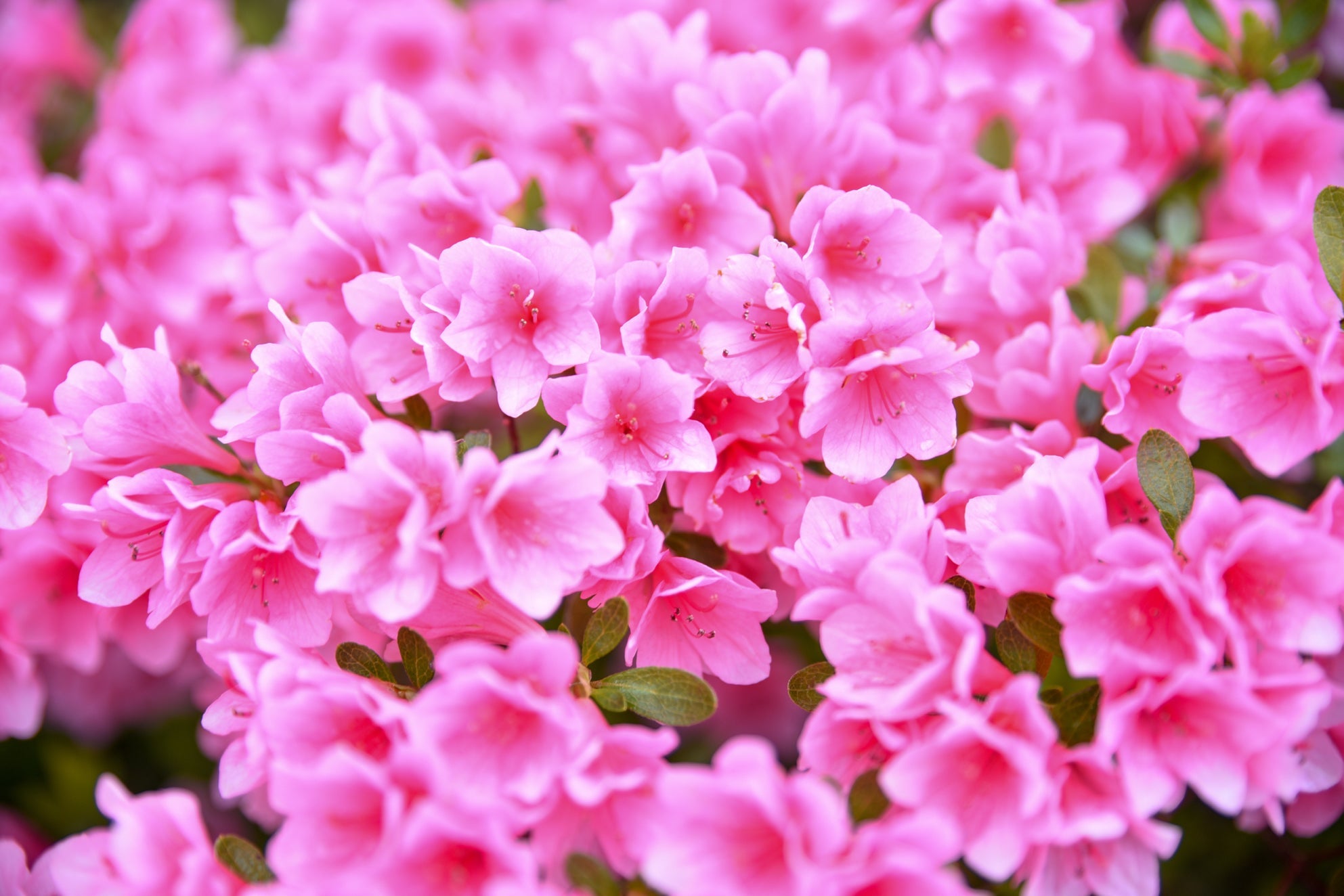

Re-Pot Azaleas Every Few Years To Maintain Healthy Conditions And Prevent Congestion
IN THIS GUIDE When To Repot Azaleas Choosing A New Pot Filling With A Compost Medium How To Re-Pot Azaleas of a range of different types and varieties are perfect for container cultivation. Tender Azaleas are grown in pots as houseplants year-round, while many hardier types that are relatively compact and small can be great choices for an outdoor container garden. Learning how and when to repot Azaleas is important if you plan to grow them in pots. Fortunately, this is generally a very simple and straightforward process, as explained below. Difficulty Easy Equipment Required Pot, growing medium, gloves, trowel When To Repot Azaleas I’d typically recommend repotting Azaleas with a new growing medium every couple of years. This is a good way of maintaining healthy growing conditions, with adequately acidic soil and sufficient fertility. However, specifically how often you need to repot will depend on the stage of growth of Azaleas and on the particular type of cultivar you have chosen to grow. Azaleas should not become too constrained, so make sure that the roots do not grow congested, or appear out of the holes at the base of the pot. If an Azalea becomes pot-bound, its health and growth can suffer. Choosing A New Pot Azaleas should typically be potted up in a container that is just slightly larger than their previous pot. The container should not be too large because when there is too much space around the roots it can lead to water-logging, and Azaleas need reasonably free-draining conditions. Remember that the pot or container that you choose should have drainage holes at the base which will allow excess water to drain away freely. Filling With A Compost Medium Azaleas usually need an acidic potting medium with a pH of between 5 and 6. A peat-free ericaceous compost is the right type to choose to provide the growing conditions that Azaleas need. You can purchase your potting mix, or make your own at home. How To Re-Pot To re-pot an Azalea: Prepare a new pot or container and ready the growing medium. Gently ease the plant from its current pot. Place a little growing medium in the base of the new container and place the plant gently into the new pot. Add your potting mix around the edges of the root ball, firming it gently in place. Water the plant in and consider adding a layer of mulch on the surface of the container to aid in moisture retention. Place your pot in a suitable location, taking into account the growing conditions required by the particular Azalea you are trying to grow. “Even if a plant likes a full sun position, I like top put newly potted or re-potted plants into a sheltered, part-shade position for a week or two before moving to their permanent position,” says Colin Skelly, a Master Horticulturist with 5 years of experience working at The Eden Project. “This enables the plants to recover from root disturbance and reduces the stress that might occur from heat or wind stress before the roots have begun to grow into the new compost.”
Learn more
Should You Deadhead Azaleas? It's Not Strictly Necessary, But Some Do For Cosmetic Reasons
IN THIS GUIDE Do You Need To Deadhead Azaleas? How To Deadhead Azaleas are attractive shrubs that can make a good addition to many gardens so long as acidic soil and other appropriate environmental conditions can be provided. They can be a relatively low-maintenance choice when growing in the ground and won’t necessarily take up a lot of your time. However, there are certain jobs that you should undertake throughout the year to keep Azaleas thriving and looking their best. While it is not strictly essential, deadheading Azaleas is one job that you might like to consider. Difficulty Easy Equipment Required Secateurs When To Deadhead After flowering (depending on variety) Do You Need To Deadhead Azaleas? Whether you are growing evergreen or deciduous Azaleas you should note that deadheading won’t really prolong the blooming period, nor will it really have much impact on the number of blooms you get the next year. Deadheading can lead to new growth of additional flowering shoots, but won’t usually make that much of a difference. Deadheading can also prevent the build-up of dead flower material within a shrub and reduce the likelihood of a fungal infection taking hold. However most of the time, this is not an issue for Azalea either. So, deadheading is not usually something that will have a big impact on the health or performance of your shrubs. Instead, it is just something I personally do for cosmetic reasons because I don’t like the look of the brown spent blooms. If you are growing larger types, deadheading can take some time, which, if you don’t have much time on your hands, I think could be better spent elsewhere in your garden. How To Deadhead If you do decide to deadhead Azaleas to keep them looking good, simply use a pair of secateurs to snip each brown, faded flower head from the plant. At the same time, you might also undertake minimal pruning, to get rid of any straggling branches or any that are out of place. “In anything other than a small garden, deadheading is likely to be very time-consuming,” explains Colin Skelly, a Horticultural Consultant. “However, one advantage is that when deadheading you also tend to pay attention to the plant up close and may spot things related to the overall health that you wouldn’t at first glance.” It’s important to remember that taking a minimal approach and keeping things more natural won’t do any harm and could mean that you have time for more important jobs, or simply to spend time enjoying your garden. If you plant around Azaleas with other blooms that bloom after the Azalea display has finished, you can keep your garden beds looking good without taking on all this additional and largely unnecessary work.
Learn more
You Can Sow Asters Indoors To Harden Off, Or Directly Outdoors In A Seed Bed
IN THIS GUIDE When To Plant Asters Sowing Indoors Sowing Outdoors If you’re looking for a dash of late visual interest in your garden, and want a vivacious selection of colours to choose from, then Asters will be right up your street. Bees and butterflies will be attracted to their gentle scent too, bringing a buzz of life to your garden. Spend a while looking at the different varieties of Aster before planting anything, as there’s a wide range of colours and shapes that may take your fancy. Growing Asters from seed is generally considered to be fairly easy. As a general overview this is what you need to do: Sow Asters (indoors or outdoors depending on the time of year). Wait for the seedlings to sprout. Transplant once the plants are big enough and move somewhere cool. Harden off your seedlings to get them ready for going outdoors. Plant in the late spring. Read on to understand how to sow Asters indoors and outdoors. Difficulty Easy Equipment Required Compost, seed tray When To Sow Sow indoors February-April, sow outdoors April-May When To Plant Out April-May When To Plant Asters Sowing Aster seeds should be done in February through April if you are sowing indoors, or in April or May outdoors. Sowing Indoors 1) Sow In Seed Trays Prepare a seed tray with a layer of seed compost and pop your Aster seeds about half a centimetre below the surface. Either push each one in or scatter some on the surface and add another small layer of compost on top. 2) Keep Seeds At The Right Conditions Asters like a temperature between 15-20°C and good moisture levels. Either water carefully or use a spray bottle to give the seedlings a spritzing every couple of days. 3) Transplant Transplanting seedlings gives fledgling plants the space they need to grow. Once your seedlings have appeared, which is usually after 2-3 weeks, move each one gently into another seed tray, leaving 5cm between each plant. You should move Asters by leaves rather than stems as the latter can cause damage, and a damaged seedling equals a stunted plant! Once your seedlings are transplanted you’ll want to move them to a slightly cooler environment. 4) Harden Off Asters need to be hardened off before planting out to increase their sturdiness and the likelihood of survival. Be sure that the last frost has passed before starting to harden off, otherwise, this endeavour will be counter-productive. Take the seed tray containing your Asters outdoors for a couple of hours each day for up to a fortnight, gradually increasing the time spent outdoors and the ratio of sunlight to shade. Once this process is complete your Aster seedlings will have a good taste of life outdoors, and they’ll be in better stead to thrive once they make the jump. 5) Plant Out In May or June, move your Aster seedlings into a bed or containers outside. Leave at least 20cm between each plant so they have enough space to flourish. Water when planting and ensure the soil is well-drained. Sowing Outdoors Growing Asters outdoors right away is possible, just be aware you may not see as good results. By the time the seeds are able to germinate outdoors, you could have already had 2-3 months worth of growing time by propagating indoors. 1) Sow Into A Seed Bed In April or May, sow seeds into watered and well-drained soil. Make sure each is about half a centimetre below the surface. 2) Thin Out Your Seedlings When seedlings are established you’ll want to thin them out. The logic here is the same as when sowing indoors: it gives each plant the space it needs to thrive. Leave about 20cm between each Aster, and water again at this stage. 3) Monitor Plants To give your Asters the best chance at thriving, you’ll want to water them regularly and keep checking that they’re taking well. Always ensure their soil can drain well, as saturating Asters will damage them. 4) Wait For Your Plants To Bloom Mature Asters will flower between July and October. As we said earlier, their season of visual interest spans later into the year than many flowers, making them a great option for a garden that you want to remain colourful and vibrant for longer.
Learn more
Asters Look Great When Grown In Terracotta Or Glazed Pots - Here's How To Grow Yours
IN THIS GUIDE Can You Grow Asters In Pots? Choosing A Container Choosing Compost Potting Up Asters Potted Aster Care References Asters are autumn-flowering perennial plants that grow well in either containers or pots. Flowering from August onwards, Asters are a must-have for any autumn border as they are often still flowering when many other plants have finished. Asters are sometimes known as Michaelmas daisies, as they are usually in flower around Michaelmas, a Christian festival observed on 29th September.1 There are many types of aster, but this article concentrates on Symphyotrichum novi–belgii varieties that are also known as Michaelmas daisies. Can You Grow Asters In Pots? Along with being planted directly into a border, Asters grow well in containers and pots, providing there are plenty of drainage holes for any excess water to drain away freely. When grown in a container they have the added benefit of being able to be moved into pride of place when they come into flower and hidden away when they die back over winter. Choosing A Container When choosing a container to grow Asters in, it is important to take into account the final size of the plant as some will remain relatively small, but others like Aster × frikartii ‘Mönch’ can grow to 1m in height and will require a sizeable container. Asters look great when grown in terracotta or glazed pots, however, they can be susceptible to frost damage, unlike stone, lead or fibreglass. Choosing Compost Apart from water-logged soil, Asters are very tolerant of what they are grown in and will cope with any pH soil. However, they prefer a well-drained and humus-rich growing medium, and a general multi-purpose and peat-free compost is ideal. Potting Up Asters Asters are best planted out in either spring or autumn. To pot up an Aster, add some gravel or crocks to the bottom of the pot or container and half fill with compost. Remove the plant from its pot and place it in the new container backfilling with compost until the plant is at the same depth it was previously planted at. Water well and until established. Since containers and pots have a limited resource of nutrients, it can be advisable to add a slow-release fertiliser at the time of planting. How Many Can You Plant Per Pot? Depending on the size of the variety, Asters can either be planted individually or in groups in containers. Small varieties can look impressive when potted up together in groups of 3-5. Larger plants, depending on their size, may need to be planted individually. Some Asters can be affected by mildew, which can be encouraged by overcrowding, so it is advisable to allow them space to mature when planted in groups. Potted Aster Care Growing Asters in containers may require a little more care than when grown directly in the ground. Containers and pots dry out more quickly, especially during the summer months, so attention needs to be paid to make sure the Asters receive enough water and are not allowed to completely dry out in between watering. Asters prefer a rich soil and when grown in containers need some extra nutrients to ensure they flower well. On top of a slow-release fertiliser on planting it is advisable to repot any Asters as new growth appears in the spring using fresh compost. To prevent the plants from becoming leggy and to extend the bloom time, the growing tips of one third of the stems can be pinched out in summer. The flowers can be deadheaded as they fade and the plant either cut back to the base in November once blooms finish or left for the wildlife over winter and cut back in early spring. After 3-4 years Asters can become woody and sparse leading to fewer flowers. In spring, once new growth has appeared, Aster plants can be divided into 2-3 smaller sections, each containing some new shoots using a spade or a knife. These divisions can then be re-potted, planted out elsewhere in the garden or given away. Here in the United Kingdom, most Asters are fairly hardy but can be more susceptible to severe winter weather when grown in containers. If possible, plants should be moved to a cold frame, unheated greenhouse or protected porch to over winter the harshest weather. References 1. Johnson, B. (2021, August 31). Michaelmas. Historic UK. Retrieved March 9, 2023, from https://www.historic-uk.com/CultureUK/Michaelmas/
Learn more
Gardener Shares 11 Head-Turning Aster Varieties For Late Summer Colour
IN THIS GUIDE 1) Aster alpinus 2) A. amellus 3) A. x frikartii ‘Mönch’ 4) Eurybia x herveyi 5) A. tongolensis 6) Symphyotrichum novae-angliae ‘James Ritchie’ 7) A. × frikartii ‘Wunder von Stäfa’ 8) A. ‘Connecticut Snow Flurry’ 9) A. lateriflorus var. horizontalis 10) Symphyotrichum laeve ‘Nightshade’ 11) Symphyotrichum novae-angliae ‘Brunswick’ Asters look a little like daises, boasting star-shaped flowers and a colour palette that encompasses a delightful array of blues, whites, pinks and purples. These plants are a reliable way to bring colour to your garden, and they’re loved by gardeners far and wide as a result. With so many types available, though, it can be hard to know where to start. Height, colour and size should be something you think about when choosing which variety to grow. There are a great many different Asters that you might consider choosing for your garden. Below you can find eleven of my favourite varieties to get you started: 1) Aster alpinus HARDINESS RATING: H7 FLOWERS: White, blue, purple and yellow (depends on cultivar) FLOWERING SEASON(S): Spring / Summer / Autumn SUNLIGHT: Full Sun / Partial Shade EXPOSURE: Exposed / Sheltered SIZE: 0.1-0.5m in height, 0.1-0.5m spread A great Aster and one that’s loved by many a British gardener, with good reason! This Aster is a recipient of the Royal Horticultural Society’s Award of Garden Merit (AGM). This means that it’s very well suited to growing in UK gardens and that it will attract an entourage of winged critters to your garden. Doing best in full sun in any but a west-facing aspect, the Aster is hardy down to even the chilliest of UK temperatures. Grow this variety in chalk, loam or sand and you should get a healthy blue/purple bloom in the summer. 2) A. amellus COMMON NAME(S): Italian Aster HARDINESS RATING: H7 FLOWERS: Pink, blue, purple and yellow (depends on cultivar) FLOWERING SEASON(S): Summer / Autumn SUNLIGHT: Full Sun EXPOSURE: Exposed / Sheltered SIZE: 0.5-1m in height, 0.5-1m spread The A. amellus is just as lovely as A. alpinus. Like we said just now: this indicates that the variety is well suited to growing in UK conditions – a great thing to keep an eye out for when choosing varieties. Grow this variety in full sun or partial shade, in any soil but clay. Avoid soil with an acidic pH for optimal results. Get the conditions right and you’ll get a vibrant bloom in the summer, again encompassing blue and purple with the characteristic smattering of yellow. 3) A. x frikartii ‘Mönch’ COMMON NAME(S): Aster ‘Mönch’ HARDINESS RATING: H7 FLOWERS: Blue and yellow FLOWERING SEASON(S): Summer / Autumn SUNLIGHT: Full Sun EXPOSURE: Exposed / Sheltered SIZE: 0.5-1m in height, 0.1-0.5m spread This variety yields lavender-coloured flowers, which are a pleasure to behold and has been awarded an AGM. It’s hardy down to the very coldest temperatures we’ll ever see in the UK and thrives in full sun. Avoid clay soil and ensure good drainage, and you’ll be rewarded with a bloom that extends a little later into the year than the varieties we’ve seen previously. 4) Eurybia x herveyi COMMON NAME(S): Hervey’s Aster HARDINESS RATING: H7 FLOWERS: White or pale blue FLOWERING SEASON(S): Summer / Autumn SUNLIGHT: Full Sun / Partial Shade EXPOSURE: Exposed / Sheltered SIZE: 0.5-1m in height, 0.1-0.5m spread Hervey’s Aster is so called for reasons that are lost to time, but whoever they were, they should be proud of their namesake! You may also see the variety called ‘Twilight’ and, with the dramatic blue-purple colouration, it’s easy to see why. This variety likes clay, loam or sand, and will do best if grown in full sun or partial shade. It’s hardy and resilient and will take between 2-5 years to reach its full size. Blooms occur in summer and last into autumn, making this a great choice if you want to extend your garden’s season of visual interest. 5) A. tongolensis HARDINESS RATING: H6 FLOWERS: Orange, yellow, purple and blue FLOWERING SEASON(S): Summer SUNLIGHT: Full Sun EXPOSURE: Exposed / Sheltered SIZE: 0.1-0.5m in height, 0.1-0.5m spread This mat-forming Aster variety sports tall flowers that reach high from the ground. Their colour is more subtle than other varieties, but the lower boldness does definitely not mean less character or attractiveness. Aim for chalk, loam or sand soil, with any pH. Full sun suits this variety best, and it’ll burst into bloom in the summer months. You can expect a range of colours from this variety, including orange and purple. This plant has received the RHS Plants for Pollinators Status. 6) Symphyotrichum novae-angliae ‘James Ritchie’ COMMON NAME(S): New England Aster ‘James Ritchie’ HARDINESS RATING: H7 FLOWERS: Pink, purple and yellow FLOWERING SEASON(S): Autumn SUNLIGHT: Full Sun / Partial Shade EXPOSURE: Exposed / Sheltered SIZE: 1-1.5m in height, 0.5-1m spread ‘James Ritchie’ sounds like a guy you might find at the office, but it’s actually a stunning bright-pink Aster variety. Its rough leaves support the bold and vibrant bloom every autumn, guaranteed to delight visitors to your garden. ‘James Ritchie’ isn’t fussy: it likes any soil type, any acidity, and any aspect. It will do well in full sun or partial shade and is hardy down to very low temperatures and definitely hardy enough to withstand anything the UK climate can throw at it. All of this makes it a worthy recipient of the RHS AGM. 7) A. × frikartii ‘Wunder von Stäfa’ COMMON NAME(S): Aster ‘Wunder von Stäfa’ HARDINESS RATING: H7 FLOWERS: Blue FLOWERING SEASON(S): Summer / Autumn SUNLIGHT: Full Sun EXPOSURE: Exposed / Sheltered SIZE: 0.5-1m in height, 0.1-0.5m spread Here’s another Aster that’s received the RHS AGM. We love varieties that have both: they’re sure to grow well in your garden, and they bring a bit of life to the space. There’s nothing more lovely than the buzz of bees and butterflies in your garden. This variety likes chalk, loam or sand, and requires full sun to do its best. It’s not fussy with soil acidity. The bloom season is summer and early autumn, giving a slightly longer season of interest than some other varieties. 8) A. ‘Connecticut Snow Flurry’ COMMON NAME(S): Heath Aster ‘Snow Flurry’ HARDINESS RATING: H7 FLOWERS: White and yellow FLOWERING SEASON(S): Autumn SUNLIGHT: Full Sun EXPOSURE: Exposed SIZE: 0.1-0.5m in height, 0.5-1m spread Whereas many Asters are purple or pink, the snow flurry (as its name may suggest) is white. It’s received the RHS AGM too, making it a great choice for British gardens. Grow your snow flurry in full sun, in any aspect except north facing and make sure it’s not too sheltered. In the right conditions, this Aster will bring forth white yellow flowers in autumn, offering a great complement to other Asters and flowers in your garden. 9) A. lateriflorus var. horizontalis COMMON NAME(S): Horizontal calico aster HARDINESS RATING: H7 FLOWERS: White and red FLOWERING SEASON(S): Autumn SUNLIGHT: Full Sun EXPOSURE: Exposed SIZE: 0.1-0.5m in height, 0.1-0.5m spread You may also see this called the horizontal calico Aster, referring to its bushy nature and tendency to spread. You’ll also note how different the colouration is, as you’ll find white petals that fade into a luscious red centre – great for bringing out a different side of Asters in your garden. This variety is another with the RHS AGM, and is well suited to growing in the UK. It likes all soils except clayey ones, and requires full sun to do its best. It’ll bloom in late summer or early autumn, bringing its exciting array of colours to your garden. 10) Symphyotrichum laeve ‘Nightshade’ HARDINESS RATING: H6 FLOWERS: Purple, blue and yellow FLOWERING SEASON(S): Summer / Autumn SUNLIGHT: Full Sun / Partial Shade EXPOSURE: Exposed / Sheltered SIZE: 1-1.5m in height, 0.1-0.5m spread ‘Nightshade’ is a clump-forming Aster with upright stems. Its purple bloom is indicative of the family, making this a safe bet if you’re going for something characteristic. This variety will tolerate any soil, and will grow best in full sun or partial shade. The flowering season is summer through to early autumn, grouping nightshade with other varieties that have a longer season of interest. 11) Symphyotrichum novae-angliae ‘Brunswick’ COMMON NAME(S): New England Aster ‘Brunswick’ HARDINESS RATING: H7 FLOWERS: Purple and pink FLOWERING SEASON(S): Autumn SUNLIGHT: Full Sun / Partial Shade EXPOSURE: Exposed / Sheltered SIZE: 0.5-1m in height, 0.1-0.5m spread ‘Brunswick’ has the RHS AGM, signifying particular suitability to growth in UK gardens. This variety has striking pink flowers that catch the eye of even the most stubborn garden appreciator. Any soil will do for this variety, and it’s not fussy in terms of aspect either, but you should avoid planting it in fully shaded spots. ‘Brunswick’ will flower in autumn, making it a great pairing for other varieties that flower earlier.
Learn more
How The Dried Seed Pods Of Aquilegia Can Be Used To Propagate New Plants
IN THIS GUIDE 1) Harvest And Dry Seed Pods 2) Remove Seeds 3) Place In A Planting Tray 4) Allow Seeds To Germinate 5) Prepare Your Seedlings 6) Plant In Desired Location 7) Seedling Aftercare References Colloquially known as columbine, Aquilegias are a delight in May and June when the flowering season isn’t yet in full swing. Their dainty flowers come in a wide range of colours and contrast pleasingly with their dark stems. Even though Aquilegias generally die after one or two seasons, they’re prolific self-seeders and you should still be able to enjoy them without much input from your side. Just be aware that they hybridise at will and seedlings rarely resemble the parent plant. On the other hand, if you want to take a more hands-on role, following these steps: Harvest and dry the seed pods of the plant. Remove the seeds from the dried pods. Place them in a planting tray and water them well. Allow the seeds to germinate. Prepare the seedlings. Plant seedlings in your desired garden location. Care for your plants during the following seasons. It should be noted that it’s not advisable to propagate Aquilegias by division since their roots are sensitive and can wither when you try to separate them, as Colin Skelly, Master Horticulturist explains: “If attempted, the best time to divide Aquilegias is in autumn, when the chance of heat stress has faded and the plants’ energy is directed to root development over flower production. “Alternatively, if you want to propagate a clone of the parent plant in spring, then try basal cuttings1.” As such, sowing seeds is the best option. Difficulty Medium Equipment Required Plate, paper bag, planting tray, compost, small trowel You can find more information on the steps involved below. 1) Harvest And Dry Seed Pods First, you should identify the seed pods: they are five-pronged cylinders which turn brown when ripe. Carefully pinch them at the base and remove them from the plant, placing them on a plate in a warm room. Leave the seed pods for between 1-3 days to fully dry out, which will make the seeds much easier to remove. 2) Remove Seeds Place the dried seed pods into a paper bag and shake them well to dislodge the seeds from the pods. If they are not forthcoming, you may need to prise open the cylinders using your fingernails. 3) Place In A Planting Tray It’s best to start your seeds out in late winter or early spring since they require around six weeks of colder (but not frosty!) weather to aid in the germination process. Lightly moisten the soil in a planting tray, then sprinkle the seeds across its surface. Do not cover with more soil, as they require light to help with germination. 4) Allow Seeds To Germinate It may take a while for your Aquilegia seeds to germinate, but if you’re still not seeing movement after a few months, you can take matters into your own hands. Cold moist stratification basically involves tricking the seeds into thinking they’ve survived a winter to trigger germination. To do so, pop them in the fridge in an airtight bag with a handful of moistened soil. Leave them for around a month, or until they begin to germinate. If following this course of action, skip the next step and sow immediately. 5) Prepare Your Seedlings Once the seedlings have begun to emerge from their tray, you must thin them out to ensure they have enough space to grow. Don’t retain any more than twice the actual number you want to keep. Wait until the seedlings are large enough to handle, then soak the tray in water and tip them out onto a flat surface. Tease the seedlings apart with your fingers, taking care not to damage their roots. 6) Plant In Desired Location Seedlings cultivated in planting trays will be ready for transplantation to the garden anytime between April and September, though you might find they perform better earlier in that window. Bright locations with partial shade are excellent locations for Aquilegias, though their exact position will depend on your personal preference. Leave at least 45cm apart from one another to allow them to stretch their roots, planting in groups of three or more. 7) Seedling Aftercare Water the newly planted seedlings well for the first few weeks to give them the best chance at establishing themselves in their new position. Once they’ve reached maturity, they will require very little in the way of irrigation except during periods of prolonged drought. If you notice your plant is struggling to thrive, give it a good drink. Sprinkling organic mulch over its root system is another tried and trusted way to kickstart it once more. References 1. Cuttings: softwood. (n.d.). Royal Horticultural Society. Retrieved April 17, 2023, from https://www.rhs.org.uk/propagation/softwood-cuttings
Learn more
These Are The Advantages To Growing Aquilegia In Pots (And Some Important Considerations)
IN THIS GUIDE Can You Grow Aquilegia In Pots? Choosing A Container Selecting Suitable Compost Sowing & Growing Potting On Potted Aquilegia Plant Care Aquilegia or columbine varieties number in the many hundreds, with its varieties having been developed from four species. It is little wonder then that some varieties show off brightly upright flowers and some are more muted. Almost all varieties’ flowers are enclosed by long, tapering coloured sepals. Flowers start blooming any time from late April to early June, and usually bloom for about one month. Can You Grow Aquilegia In Pots? Yes, and there are even a couple of advantages to doing so. Aquilegias can be sown in pots in the summer or early autumn, and the developing plants can also be placed in a cold frame during the winter. As a result, you may well get blooms the very next summer. Also, potted Aquilegias afford you the flexibility of positioning the plants with their showy flowers during the blooming season on the patio or the doorstep. Choosing A Container Choose a plastic pot as it will not dry out the soil quickly, as this plant requires moist soil. At the same time, the soil should be able to drain very well, so the pot must have holes. As previously mentioned, Aquilegia comes in hundreds of varieties that descend from four species, so the height and spread that these plants can reach fall into several different ranges. To select a container that will accommodate the plant when it is fully grown you will need to consider these variables. In general, the pot’s shape should be tall and deep. A 30-40cm high pot will work well for most varieties. Selecting Suitable Compost If you start seeds in a tray, use a seed starting mix or sterile potting mix. If you sow seeds in a pot, use a mixed loam amended with organic compost to enhance fertility or a readymade potting compost mix. “Proprietry mixes, such as John Innes, can help to make the appropriate compost selection: Seed mix for seed sowing, no.1 for young plants, no.2 for large plants, no. 3 for large pots and long-term planting,” shares Master Horticulturist Colin Skelly. “These will provide the right levels of drainage, moisture retention and nutrients for the stage of growth. “You can always make your own recipe but if you’re new to gardening, John Innes compost mixes are a good place to start.” Either way, amend the soil with grit or perlite to improve drainage. Amending the upper layer of soil with vermiculite will be very beneficial for Aquilegias as it will conserve soil moisture. As an alternative, soon after the seedlings have matured, spread a layer of mulch several centimetres from the base of the stem. Sowing & Growing You can sow seeds directly in pots or start them in seed trays. The seeds should not be fully covered by the growing medium or soil; they should be left just a touch exposed as they need light to germinate. Consider covering the trays or pots with clear plastic film. This is especially necessary if you have sown in pots and not incorporated a layer of vermiculite in the soil. The ideal spot for the trays or pots would be a cool place where they get a few hours of sunlight. Under a window in an unheated shed would be perfect so long as the temperature hovers between 15-20°C. If the weather is not sufficiently cool, place the seed tray in the fridge for about two weeks and then shift it to a spot where it will get sunlight or put it under grow lights. Simply moisten the soil after sowing seeds and make sure you do this regularly. During cold weather, pots with seedlings or young plants can be placed in a cold frame. How Many Can You Plant Per Pot? You should plant one in a pot because this is a bushy plant for the most part. Yes, you could plant two in a bigger pot but that will not make for good aesthetics. Potting On Potting on is a good gardening practice in general but not for each and every type of plant. Aquilegias are, on the one hand, short-lived perennials, and on the other, develop a long taproot which is sensitive to being disturbed. Therefore, you should not keep potting on this plant. If you have grown it in a seed tray or a small pot, simply pot on or transplant it only once to its final location when it is still a very young, immature plant. Ideally, you should sow the seeds where you intend for the plants to grow. If you have bought a potted Aquilegia, pot on or transplant it once to its final location to a larger container or in a garden bed, doing so in the first spring or early in the first autumn. Potted Aquilegia Plant Care Mature Aquilegias need a fair amount of sunlight so site them where they will get more sun and less shade. Above all else, they do not do well in dry soil or in waterlogged soil, and containers’ soil dries out quicker than ground soil. Be sure to water them, but in strict moderation, on a regular basis as soon as the soil dries out. Fertilise the plants once before the flowering season is due to start and once more midway through the season. Use a suitably diluted balanced liquid fertiliser or a ready-to-pour liquid formula designed for potted flowering plants. You may or may not want to deadhead these plants, but if you don’t deadhead, then the flowers will go to seed. Aquilegias self-seed, so you will get new varieties every year, but they are also prolific self-seeders so you may end up with a thicket of Aquilegias! On the other hand, if you deadhead spent flowers, you will see an abundance of flowers on the plant, and it will also be a little longer lived. Balancing the advantages and disadvantages, you may want to let some flowers go to seed while deadheading a majority.
Learn more
Plant Bare Root Phlox For Quick Cultivation - It's Best Done In Late Spring
IN THIS GUIDE When To Plant 1) Source Your Plants 2) Choose An Appropriate Location 3) Prepare The Area 4) Plant Your Phlox Reliable, resilient and ravishing on both the eyes and nostrils, phlox is a low-maintenance favourite of gardeners all across the country. With long-lasting blooms in a variety of colours, it’ll brighten up any display it adorns. There are two main ways to cultivate phlox from scratch in your garden: planting from seed, which is dealt with in another helpful how-to guide on this site, or planting from the bare root. For those unsure what this latter term means, it simply refers to dormant plants that are cultivated in nurseries and distributed to buyers in time for planting. “Bare root plants used to be the main way that plants were provided before plastic pots became widespread,” says Colin Skelly, a Master Horticulturist. “It is now making a comeback due to the environmental benefits versus growing in plastic but is still small compared to plastic-grown stock. Search online for bare-root suppliers near you.” Fortunately, both methods of cultivation are extremely easy, thanks to the fact that phlox is one of the most straightforward flowers you can add to your selection. Here’s a simple process for planting bare root phlox plants: Source your bare roots for planting Choose an appropriate location in your garden – ideally somewhere in full sun Prepare the area, spacing at least 30cm apart Plant your roots after untangling with water Each of those stages is covered in more detail below, alongside a little more information on when is best to undertake the task. Difficulty Easy Equipment Required Gardening gloves, bucket of water, trowel, organic mulch, general-purpose fertiliser When To Plant Out April, May, June When To Plant Phlox will fare best when planted in the late spring. This is because all chance of the last frost should have passed, placing no undue strain on the fledgling plants. It will also give them the entire summer and autumn to establish themselves before the next winter sets in. 1) Source Your Plants It’s important to source your plants from a reputable garden centre, nursery or another experienced supplier. This ensures that they will take all adequate precautions when sending the plant, such as wrapping the roots in sphagnum moss (or a similar substance) to retain moisture. Ideally, you will plant the roots immediately upon arrival. This means that you should look to order them no earlier than spring (unless the source you’re buying from stipulates that arrival will take several weeks). If you do buy them ahead of time, consider refrigerating them or planting them in containers until the ground is ready for them. 2) Choose An Appropriate Location Once you’ve located the phlox plants you want, the next step is figuring out where they will go in your garden. Phlox are generally undemanding plants, but their two non-negotiable requirements are plentiful sunshine and well-draining soil. For that reason, it’s advisable to choose a spot which receives full sun exposure, though partial shade can also work if need be. If the soil does not drain well, improve it with organic matter, peat moss or another drainage-enhancing substance. If that doesn’t work, consider moving them somewhere more suitable. 3) Prepare The Area It’s imperative that your planting area is good to go before you unwrap the roots and expose them to the air, since this may cause them to dry out and die. We advise placing the phlox in a bucket of water for a couple of hours before planting to allow the roots to fully hydrate. Dig a hole about the same height as the root ball and twice its width. For creeping phlox, space plants a minimum of 30cm apart, while garden phlox will require more room (between 45-60cm). 4) Plant Your Phlox Gently swirl the phlox plant in the bucket of water to disentangle its roots and allow any dead ones to fall away. Then, lift it into the hole and place it down gently so that its roots are splayed out away from each other. You can use your hands to help in this process. Keeping the plant upright with one hand, use the other to fill the hole with compost and/or organic matter. Try to make sure the crown of the plant is aligned with the top of the hole and firm it down with your hands, not your feet, since this can compact it too much. Water thoroughly.
Learn more
Help Phlox Survive Winter By Moving Pots Indoors, Cutting Back And Insulating With Mulch
IN THIS GUIDE 1) Move Pot-Grown Phlox Indoors 2) Cut Back Garden Plants 3) Insulate With Organic Mulch Famed for its long blooming season and ease of care, phlox is a vibrant plant which is favoured by horticulturalists all across the UK. There are many different types of phlox, each of which has its own (modest) demands throughout the year. Of course, annual phlox will only last for a single season and as such can be pulled up in winter and replaced the following spring. Difficulty Easy Equipment Required Gardening gloves, pruning shears, cloth, isopropyl alcohol, organic mulch However, perennials will come back even stronger if given the appropriate care. The exact precautions you should take can vary from one species of phlox to another, so it’s a good idea to check with the garden centre, nursery or website from which you purchased the plant. In general, however, you can care for phlox in winter by following these three steps: Move any pot-grown phlox indoors. Cut back and prune your plants to prepare them for the onset of winter. Provide phlox with organic mulch. If you’re feeling confused by any of those instructions, don’t worry – each step is covered in greater detail below. 1) Move Pot-Grown Phlox Indoors The easiest way to protect phlox from the ravages of winter is to take them away from its icy embrace. If you are growing phlox in outdoor containers, it couldn’t be easier to move them to a warmer environment. A greenhouse, conservatory or indoor windowsill is an ideal temporary location for your phlox over winter. Just remember to wait until the last frost has passed before transplanting them back outside. 2) Cut Back Garden Plants Once your phlox has died back, you can cut the stems back to the ground. You don’t need to do this right away as you can leave the stems for wildlife, but clear away before new growth in spring. 3) Insulate With Organic Mulch Lay organic mulch around the plant. Just remember to leave a gap of around 6cm between the base of the stem and your mulch layer. “I prefer to use compost as a mulch as it provides a lovely dark contrast to spring bulbs and perennials,” shares Colin Skelly, a Horticultural Consultant. “However, I am becoming a fan of fine bark, as I find it provides a really good friable soil surface and is still dark in appearance when laid down.” This will prevent the soil from becoming waterlogged and the roots from rotting.
Learn more


