Growing


Here's An A-Z List Of Many Fruit Varieties - How Many Have You Tried?
IN THIS GUIDE An A-Z of fruit Apple Apricot Avocado Aubergine Banana Berries Blue Bean Fruit Butternut squash Cherries Chupa-chupa Crab apple Clementine Cucumber Courgette Custard apple Damsons Durian Dates Dragon fruit Eggfruit Entawak Fig Finger lime Grapefruit Grapes Guava Imbe Jackfruit Java apple Jambolan Jeruk limo Kiwi Kaffir lime Kumquat Lemon Lime Lychee Loquat Mango Mandarin Mangosteen Melon Nectarine Nyssa ogeche Nashi pear Olive Orange Papaya Persimmon Prickly pear Peach Pomegranate Pineapple Passion fruit Pluot Pear Pepper Pumpkin Pomelo Quince Rambutan Raisins Rose hips Star fruit Tomato Tangerine Tamarind Tamarillo Ugli fruit Voavanga Ximenia caffra fruit Yangmei Zig zag vine fruit That’s one heck of a fruit salad! References How many types of fruit can you think of? Fifteen? Twenty? At a push, we bet you’d struggle to think of more than forty. And does your list include different types of berry, or are you counting berries as one fruit? Then there are the fruits that most people would identify as vegetables – tomatoes being the prime example, but just one of a handful of sneaky fruits who fit this criterion. “In my garden, I grow strawberries, raspberries and gooseberries,” shares Journalist & Broadcaster Alan Titchmarsh. “I have grown a range of unusual fruits that are not regularly found in the supermarket,” says Master Horticulturist Peter Lickorish. “One I grew, Billardiera longiflora, has small, shiny purple fruits, which looked appealing, but had a dense, mealy flesh that was literally hard to swallow. I have had some strong successes with honeyberry, Lonicera caerulea, which has the flavour and appearance of blueberry but doesn’t need acidic soil. “A fruit is the ovary of a plant, existing to contain seeds. Sometimes other parts, besides the ovary, are included in the “fruit” – as with pineapples – and we call these accessory fruits. “The main categories of fruits are pomes, berries, drupes and hesperidia. Pomes, including apples, often have denser flesh as they are also accessory fruits – they’re not just formed from the soft ovary. “Berries usually contain multiple seeds from a single ovary. Drupes have a hard stone, so a single seed, like a cherry. As for hesperidia, they’re segmented fruits, usually of citrus plants.” An A-Z of fruit Below you’ll find 73 different fruits with a little information about each. Apple Commonplace spherical fruits, usually green or red or some combination of the two. These will be familiar to pretty much every Brit, whether picked from a tree or a supermarket shelf. Apricot Small, yellow-orange fruit usually with succulent sweet flesh, although sometimes dry and sour. Includes an inedible stone.1 Avocado A supposed favourite of the hipsters, this savoury fruit is technically a large berry with a single seed inside. Thought to hail from the Americas. Delicious in many formats Aubergine The first fruit in this list that masquerades as a vegetable, and it definitely tastes best cooked. Technically it’s a big berry!2 Banana Most bananas are genetically identical members of a specific genus, although other varieties exist including blue and even pink ones! Pink bananas! Berries Lumping together the common berries is a contentious decision, and we only made it because we’ve also written a comprehensive A-Z of berries. Berry interesting Blue Bean Fruit The long blue pods of Decaisnea fargesii split open to reveal a pale, melon-like flesh and a row of sparkling black seeds. It can be eaten raw or the high pectin content makes it good for jams and jellies. Butternut squash This pumpkin variant boasts a sweet nuttiness that lends itself best to savoury dishes, hence why butternuts live in the vegetable aisle. Cherries Prunus avium and P. cerasus are the two varieties you’ve probably tried, but there are tons of types of cherry. Small, red, and delicious. Chupa-chupa Quararibea cordata aka chupa-chupa is a yellow-orange seeded fruit with soft, sweet, juicy flesh. Looks a little like a fig. Not to be mistaken with Chupa-chups, the lollipop Crab apple A small variety of apple commonly seen in the UK, less familiar in food but still edible. Avoid the seeds and for best results cook first.3 They make fantastic jelly. Clementine This citrus fruit, technically a tangor, is a hybrid between an orange and a mandarin variety, named after the man who discovered it.4 Cucumber Long and green, and another resident of the veggie aisle that’s actually a fruit. Hails originally from South Asia but now loved worldwide. Hopefully people skimming don’t get too confused by all the ‘veggies’ Courgette This cucurbit is related to the cucumber, as you probably guessed, but also squashes and melons! Mature courgettes can be called marrows but technically they’re separate fruits. Custard apple Annona squamosa fruit AKA custard apple, sugar-apple or sweet-sop is a sweet and creamy tropical fruit with lots of segments. Worth a try Damsons Damsons are a variant of plum widely loved by foragers in the UK: they’re often too sour to eat raw but go a treat in jams, jellies and other home creations. Durian A tropical fruit notorious for its pungent aroma, to the degree that it’s banned from many hotels in Asia. Spiky, smelly, but also tasty. Dates Popular in Northern Africa and the Middle East, these dried fruits have a strong sweetness. Dragon fruit This vibrant-looking fruit is pink and fire-shaped with green tips – very exciting. Its subtle flesh with plenty of seeds goes great in a fruit salad. Stunning Eggfruit Pouteria campechiana is a South American tree whose fruit looks nothing like an egg.5 They’re sweet with a flavour echoing mango, sweet potato and various other fruits. Entawak Artocarpus anisophyllus is a very spiky, orangey red fruit. Inside you’ll find loads of seeds which are edible, and very tasty if roasted and tossed with salt. Fig This tree and its fruit are related to mulberries, and has been popular since ancient times (hence old sculptures using fig leaves to cover themselves in cartoons).6 Sweet and delicious. Finger lime Also known as the caviar lime because of the myriad small segments you’ll find inside, this citrus fruit is long, thin, and very unusual. “These segments squash in the mouth to give bursts of sharp flavour,” adds Peter. Fingers and caviar, what a treat Grapefruit The marmite of the fruit world, grapefruit is a big, bitter citrus that some people love enough to eat every day, while others spurn it for life. Grapes Green and black clusters of grapes are a common sight in UK supermarkets but this fruit comes in a spectrum of colours. Hugely popular worldwide in fruit form or, more so, in wine form. Guava This tropical fruit has a slightly floral flavour that makes it a popular treat in the regions it grows. You can find it in the UK but it’s less common than some other tropical fruits. Imbe Garcinia livingstonei is a fruit hailing from the southern regions of the African continent. The small orange fruits have peachy coloured flesh renowned for being very sour. Jackfruit This fruit is related to mulberries and figs but looks nothing like them. Instead, it’s a giant knobbly fruit filled with juicy, sweet flesh. Unusual but worth a look Java apple Syzygium samarangense, aka java apple, hails from Asia. The small red pear-shaped fruit with its white flesh can be sweet or sour, and is a little watery. Not very common here in the UK! Jambolan Syzygium cumini aka Java plum or jambolan is a tree which has small, purple fruits. Reputed to have a tart and sour flavour profile. Jeruk limo This small citrus resembles a common lime thanks to its inner segments, and is a popular way to bring aroma to dishes. Knobbly and seedy lime Kiwi The furry skin puts a lot of people off, but kiwis’ tangy sweetness rewards the effort. And guess what? You can eat the whole fruit with no ill effects, if you’re brave enough.7 Kaffir lime Citrus hystrix is often confused with jeruk limo, although it’s a different fruit. The fruit and leaves are great for bringing citrus aroma to dishes. Kumquat These small citrus fruits are interesting in that you can eat the skin as well as the fruit for a very intense, punchy citrus burst.8 Punchy and delicious Lemon Probably one of the most common citrus fruit thanks to its captivating and versatile flavour. Lemon works well in pretty much any style of cooking, from savoury to sweet, and even garnishing drinks. Lime A common citrus fruit you’ll find here in the UK: smaller and greener than lemons, and with their own subtle flavour. Lychee Small and covered in a thick red-pink skin, lychees are the quintessential exotic fruit. The white flesh is sweet and floral, making it delicious raw or incorporated into deserts. The seed and skin are inedible. AKA alligator strawberry Loquat This Chinese fruit is often grown ornamentally, but historically its leaves were sought after for tea.9 Fruits are small yellow pomes. Pomes are the same category of fruit as apples and pears. Mango Rich orange flesh wrapped in green-red skin, a ripe mango truly has a flavour to savour. Perhaps the most recognisable ‘tropical’ fruit. Mandarin This small citrus is considered a distinct species from the regular orange. Usually they’re smaller, sweeter, and far less acidic than their larger citrus cousins. Mangosteen Thick purple skin surrounds white, segmented flesh. This plant is hard to grow making the fruit fairly expensive, and not very commonplace as a result.10 Known as the queen of fruits Melon There are many types of melon, all of which are, technically speaking, a type of berry called “pepos”. You’re probably more familiar with names like honeydew, cantaloupe, watermelon and others though. Nectarine These smooth-skinned fruits have flesh that’s either rock hard, or delightfully soft and juicy depending on the ripeness. The stone inside is inedible, so don’t try!11 Nyssa ogeche Another exotic tree also known as the white tupelo, river lime, or sour gum. The small, purple coloured fruit makes a good substitute for lime. Nashi pear Pyrus pyrifolia, aka Asian pear, Japanese pear, Chinese pear, or various other names depending on (presumably) the country where you found it. They have the crispness and shape of an apple, but are very much pears. A relative of the pear that looks more like an apple Olive Although they’re firm savoury favourites, olives are fruits most closely related to cherries, peaches, and other stone fruits in the drupe family. Do you prefer green or black though – that’s the question. Orange Oranges are the mother of all citrus fruits, and for good reason. They’re big, they’re juicy, and they’re delicious. Peeling off all the pith also keeps your hands busy for a while. Papaya Also known as the pawpaw, favourite of Baloo the bear from Jungle Book, this fruit is sweet and vibrant, and much loved around the world. Pick a pair of the big pawpaw, like Baloo told you Persimmon Disospyros kaki, or Oriental persimmon, is a vibrant orange fruit with shiny skin and a tuft of foliage at the top. Flavour-wise you can expect a sweetness akin to honey, in a fruit the size and shape of a salad tomato. Would probably do quite well in a tomato lookalike contest Prickly pear This cactus species is unusual in that humans eat the sweet fruit which looks, perhaps unsurprisingly, a little like a prickly pear might (if it were pink). Baloo also advises not to pick the prickly pear by paw Peach Like a slightly furrier nectarine, peaches are a mainstay of British fruit aisles thanks to their sweet and slightly tangy flesh. Lovely when perfectly ripened. Pomegranate If you like working hard to enjoy your fruit, here’s one for you. Pomegranates contain hundreds of tiny segments, each bursting with juice but each requiring manual excavation with a spoon or, if you’re feeling messy, a finger. Pineapple Tangy and delicious, and famous for the fact that pineapple digests you while you eat it (thanks to the enzyme bromelain it contains).12 We bet you didn’t know that pineapple grows in the ground, not on trees? Remember this at your next pub quiz Passion fruit Perhaps one of the prettiest fruits, this purple shell with its white pith and orange centre has a unique and completely delicious tropical flavour. A beautiful fruit. Pluot Mix plums and apricots and what do you get? Pluots. There are over 20 varieties, each with their own subtly different colour and flavour. Pear A British favourite, pears are delicious eaten raw (if sometimes a little powdery..?), but also goes a treat in crumbles, jams, chutneys, and if you’re feeling exotic, the alcoholic drink known as perry.13 Pepper Peppers and chillies are fruits as well, who’d have known? Both most commonly come in green, yellow, and red, but you can also find orange, purple, and even black varieties! Such a colourful family Pumpkin A member of the squash family that has become most famous for being hacked apart by children and adults alike each year at Halloween It’s quite a strange fate for a fruit, when you think about it. Pomelo This enormous citrus fruit sits above the grapefruit in the citrus evolutionary tree, and tastes fairly similar too.14 Most people are surprised at just how big pomelos are! Comfortably eclipses a grapefruit Quince This bright gold fruit looks like a pear, but is far more sour. To the point that not many people advocate eating it raw, preferring instead to use it in jams and similar.15 Rambutan These intriguing little fruits are covered in spiky pink tendrils, and have been described as having a taste something similar to grapes, perhaps with a more sour floral flavour in the mix. Similar to lychees Raisins Dry a grape for long enough and you’re left with a raisin. While it’s not technically its own fruit, raisins are popular all over the world so we thought it’d be rude to leave them out. Rose hips Rose hips can be eaten raw, but you need to avoid the hairs inside the fruit if so. Most people agree they’re better off in jams, syrups, or even tea.16 Star fruit Nature is an incredible thing, and the starfruit is a beautiful demonstration of the wonder it’s capable of. Slices of the fruit have a beautiful star shape. In terms of taste, the mild sour flavour isn’t that distinctive, but is still well regarded. Isn’t it beautiful? Tomato Tomatoes are the classic “aha!” vegetable, in that people delight in telling you they’re actually fruits. Next time you encounter someone like this, you can recount all the other various ‘vegetables’ that are actually fruits, and send them packing. Tangerine Tangerine is a type of orange that is sometimes treated as its own species, so depending on which side of that debate you align with, you may not consider it worthy of its own addition in this list. Tamarind This pungent, aromatic fruit is widely used for food flavourings. It is similar in structure to a bean pod. If you get a chance you can also try it dried: a delicious if incredibly sour snack. Sour tamarind candies: an eye-opening (and eye-watering) experience Tamarillo The small, egg-shaped fruits of the tamarillo plants are primarily tangy with occasional sweetness depending how ripe they are. The flavour is known for being very bold. They’re similar in shape, structure and genetics to a tomato. Ugli fruit This unflatteringly named plant is a big citrus fruit that arose as a natural hybrid of oranges and grapefruits. It’s also known, perhaps more fairly, as a tangelo. U G L I, you ain’t got no alibi, you ugli Voavanga Vangueria madagascariensis has many names, but voavanga is perhaps the most common. This fruit is orange, ovular and tastes a little like an apple. It’s not achieved as much global renown as some other exotic fruits, however. Ximenia caffra fruit AKA the sourplum, the fruit of this tree is small and orange or red in colour. It’s very sour, hence the name. Yangmei Myrica rubra is another fruit with several names, many of which allude to its flavour: something similar to raspberry or strawberry, with a slightly more herbal undercurrent. It has a raspberry like shape, colour and size. The flavour varies depending on the level of ripeness. Looks delicious, no? Zig zag vine fruit The final fruit in our list is a small orange contender that hails from Malesia and parts of Australia.17 Its sherbety flavour makes it a popular treat, and it’s also used to create tangy sauces. It has cylindrical, eye-catching orange fruits. That’s one heck of a fruit salad! There you have it: 72 of Earth’s numerous fruits. While there are undoubtedly more fruits than those in our list, the selection above is an expansive cross-section of the most popular in various regions around the world. References 1. Apricot kernels and apple and pear seeds are unsafe to eat. (2021, August 11). Ministry for Primary Industries. Retrieved March 16, 2023, from https://www.mpi.govt.nz/food-safety-home/safe-eat/apricot-and-peach-kernels-and-apple-and-pear-seeds-are-unsafe-to-eat/ 2. Abadi, M. (2018, June 24). 14 vegetables that are actually fruits. Business Insider. Retrieved March 16, 2023, from https://www.businessinsider.com/fruits-and-vegetables-difference-2018-6?r=US&IR=T#eggplant-7 3. WebMD Editorial Contributors. (2021, May 10). Can You Eat Crab Apples? WebMD. Retrieved March 16, 2023, from https://www.webmd.com/diet/can-you-eat-crab-apples#1 4. Gilad, E. (2013, November 21). Klementina: The fruit named for a French missionary in Algeria. Haaretz.com. Retrieved March 16, 2023, from https://www.haaretz.com/2013-11-21/ty-article/.premium/word-of-the-day-klementina/0000017f-da73-d432-a77f-df7b191c0000 5. Baehni, K. (n.d.). Pouteria campechiana. Plants for a Future. Retrieved March 16, 2023, from https://pfaf.org/user/Plant.aspx?LatinName=Pouteria+campechiana 6. Gotthardt, A. (2018, April 5). Why Fig Leaves Cover the Private Parts of Classical Sculptures. Artsy. Retrieved March 16, 2023, from https://www.artsy.net/article/artsy-editorial-fig-leaf-story-sin-censorship-catholic-church 7. Julson, E. (2018, April 11). Can You Eat Kiwi Skin? Healthline. Retrieved March 16, 2023, from https://www.healthline.com/nutrition/eating-kiwi-skin 8. McCulloch, M. (2018, July 2). What Are Kumquats Good for and How Do You Eat Them? Healthline. Retrieved March 16, 2023, from https://www.healthline.com/nutrition/kumquat 9. Liu, Y., Zhang, W., Xu, C., & Li, X. (2016). Biological Activities of Extracts from Loquat (Eriobotrya japonica Lindl.): A Review. International Journal of Molecular Sciences, 17(12), 1983. https://doi.org/10.3390/ijms17121983 10. Peng, J. (2022, September 29). The Real Reason Mangosteen Is So Expensive. Tasting Table. Retrieved June 5, 2023, from https://www.tastingtable.com/1032433/the-real-reason-mangosteen-is-so-expensive/ 11. Fruit Pits. (2022, January 24). Missouri Poison Center. Retrieved March 16, 2023, from https://missouripoisoncenter.org/is-this-a-poison/fruit-pits/ 12. Science Meets Food. (2019, November 26). Bromelain in Pineapple or Why Pineapples Sting Our Tongue. Retrieved March 16, 2023, from https://sciencemeetsfood.org/bromelain-in-pineapple/ 13. Beckett, F. (2020, November 6). ’Tis the season to drink perry. The Guardian. Retrieved March 16, 2023, from https://www.theguardian.com/food/2020/nov/06/perry-pear-cider-round-up-fiona-beckett-drinks 14. Wu, G. A., Terol, J., Ibanez, V., López-García, A., Pérez-Román, E., Borredá, C., Domingo, C., Tadeo, F. R., Carbonell-Caballero, J., Alonso, R., Curk, F., Du, D., Ollitrault, P., Roose, M. L., Dopazo, J., Gmitter, F. G., Rokhsar, D. S., & Talon, M. (2018). Genomics of the origin and evolution of Citrus. Nature, 554(7692), 311–316. https://doi.org/10.1038/nature25447 15. McCandlish, L. (2009, November 11). Demystifying The Quince. NPR. Retrieved March 16, 2023, from https://www.npr.org/2009/11/11/120288799/demystifying-the-quince?t=1639934900188 16. Harford, R. (2022, August 17). Everything You Need to Know About Rosehips. Eat Weeds. Retrieved March 16, 2023, from https://www.eatweeds.co.uk/rosehip-faq 17. Melodorum leichhardtii. (n.d.). Useful Tropical Plants. Retrieved March 16, 2023, from https://tropical.theferns.info/viewtropical.php?id=Melodorum+leichhardtii
Learn more
An A-Z List Of Mushroom Varieties - Try Spot These While You're Out And About
IN THIS GUIDE An A-Z Of Edible Mushroom Varieties Amethyst Deceiver Aniseed Funnel / Blue-Green Funnel Autumn Chanterelle Bay Bolete Beefsteak Fungus / Ox’s Tongue Blusher Brown Birch Roughstalk / Brown Birch Bolete Cauliflower Fungus Cep / Porcini / Penny Bun Bolete Chanterelle / Girolle Charcoal Burner / Blue-Yellow Brittle Gill / Parrot Russula Chicken Of The Woods / Sulphur Polypore Common Funnel Common Puffball Crimson Waxcap Cow Bolete / Bovine Bolete Deceiver Deer Shield / Fawn Shield Cap Dryad’s Saddle Fairy Ring Champignon Field Blewit / Blue Leg Field Mushroom Flesh-Brown Blewit Giant Puffball Glistening Inkcap Great Wood Mushroom / Scaly Wood Mushroom Hen Of The Woods Honey Fungus / Boot-Lace Fungus Jew’s Ear / Ear Fungus Larch Bolete Matt Bolete Meadow Puffball Meadow Waxcap / Buff Meadow Cap Morel Mosaic Puffball Oak Bolete Ochre Brittle Gill / Common Yellow Brittle Gill Orange Birch Roughstalk Orange Peel Fungus Oyster Mushroom Parasol Mushroom Pestle Puffball Red Cracking Bolete Saffron Milkcap / Red Cracking Bolete Scarlet Waxcap Shaggy Inkcap / Lawyer’s Wig Shaggy Parasol Slender Parasol Slippery Jack Snowy Waxcap St George’s Mushroom Stump Puffball Terracotta Wood Urchin / Terracotta Hedgehog The Miller The Prince Trooping Funnel Two-Toned Scalehead / Sheathed Woodtuft / Velvet Toughshank Velvet Shank Velvet Shield Wood Blewit Wood Mushroom Wood Urchin / Pied De Mouton / Wood Hedgehog Spending Time With The Fungis References Have you ever looked carefully at the ground (or the bases of trees) when walking through woodland? If so you’ve probably seen just how many different types of mushroom there are. It’s quite incredible when you notice the medley of shapes, sizes, colours and, if you’re particularly observant – textures and smells. There’s not mushroom for anything else in that bowl! Some mushrooms – like ceps, girolles, morels and similar – are renowned for being delicious. However, it’s really important that if you do fancy foraging yourself a basketful of mushrooms like those above, that you have the relevant expertise on hand. Whether this is a qualified mushroom picker, a well-recommended book, or your own expertise: just make sure you’re not going in blind. If you’re planning to go foraging for wild mushrooms we strongly recommend going with an expert who can confirm the safety of what you’re picking. To quote WildFoodUK: “don’t consume any mushrooms unless you are 100% sure of what they are…this is the most important rule”.1 An A-Z Of Edible Mushroom Varieties Below you’ll find 62 edible mushrooms, each of which has been cross-referenced against the National Library of Medicine’s study into edible mushroom species234 These have been arranged alphabetically by their common names. Some have several names, so if you can’t find what you’re looking for straight away, hit ctrl+f and type the name in the search bar: you may see it listed by another common name instead. Amethyst Deceiver A lilac mushroom that’s very common in woodland settings. Discard the stem before cooking, and don’t expect too much in terms of flavour! Season: Jul-Dec Aniseed Funnel / Blue-Green Funnel A pale blue mushroom with a wavy rim, commonly found in deciduous woods and tasting strongly of aniseed (hence the name!) Season: Aug-Nov Autumn Chanterelle Dark brown with distinctive gill ridges, common in woodland, and closely related to the famed chanterelle used often in cuisine. Season: Sep-Nov Bay Bolete Light brown underneath with a dark brown cap, very common in mixed woodland and tasty when used in cooking. Season: Aug-Nov Bay boletes ready to be ‘ate’ Beefsteak Fungus / Ox’s Tongue Broad-capped and deep red-brown in colour. Frequently found on oak and chestnut trees, although nothing to write home about in terms of flavour. Season: Jul-Oct Good eatin’ Blusher Edible but must be par-boiled then cooked again separate to the water. White in colour with faded pink shading, common in woodland. Season: Jul-Nov Brown Birch Roughstalk / Brown Birch Bolete Nicely flavoured but a bit slimy in texture, this off-white, walnutty brown mushroom works well in soups. Common near birch trees. Season: Jul-Oct Cauliflower Fungus Clean this large, pale cream-coloured mushroom thoroughly to remove dirt and debris from its fronds. Frequently found around pines. Season: Sep-Nov Is it a cloud? Is it a brain? No! It’s a fungus! Cep / Porcini / Penny Bun Bolete One of the most popular mushrooms thanks to its delicious flavour and wide versatility. Bottom-heavy base with a distinctive stem and a round brown cap. Frequent in mixed woodland. Season: Jul-Nov Sought after for its deliciousness Chanterelle / Girolle Common in cooking thanks to its great flavour. You’ll see its wavy yellow gills and stem on many a Masterchef bench! Season: Jun-Nov Great with butter and onion Charcoal Burner / Blue-Yellow Brittle Gill / Parrot Russula Atop a white stem sits a cap which can be dark brown, wine, olive, or a mixture. Common around deciduous trees. Season: Jul-Nov Chicken Of The Woods / Sulphur Polypore Don’t be fooled by the name: this isn’t poultry. Although apparently it tastes like it! Orange yellow profusions with no stem make this a visually intriguing mushroom. Common on oak and yew. Season: May-Sep An unusual specimen Common Funnel A white brown mushroom found commonly on the ground in deciduous woodland, the irregular shaped cap is slightly darker than the stem. Season: Aug-Dec Common Puffball The domed cap gives this puffed mushroom its name, and its weak flavour explains its lack of reputation. Very common in mixed woodland. Season: Jul-Oct Crimson Waxcap The red, frilly cap sitting atop a yellowy stem makes this an eye-catching mushroom. Common in pasture land. Season: Sep-Nov Cow Bolete / Bovine Bolete The colour of straw, this small mushroom is common near pine trees. Grows olive coloured as it matures. Season: Sep-Dec Deceiver A wavy tan mushroom with a frilly cap commonly found in groups in woodland. Doesn’t have the strongest flavour so mix with other mushrooms if cooking. Season: Aug-Nov Deer Shield / Fawn Shield Cap A tightly domed dark grey cap that flattens and browns as the mushroom matures, commonly found on rotting wood. Tasty but sharp if too mature. Season: Apr-Nov Dryad’s Saddle Can be very big: the cap has distinctive concentric ring markings, and this mushroom is very common on deadwood. Young mushrooms are edible; older ones are tough. Season: May-Aug Nature’s pancake. Or maybe crumpet? Fairy Ring Champignon Light brown in colour with bell-shaped caps that flatten with age. Frilly underneath. Very common on short grass. Season: May-Nov Field Blewit / Blue Leg Grey brown with paler edges, fairly large, good flavour although must be cooked thoroughly. Frequently found at woodland edges. Season: Sep-Dec Field Mushroom This white mushroom with deep brown fronds under its cap is very common in pasture land, and looks similar to common mushrooms you’ll find in the supermarket. Season: Jul-Nov Flesh-Brown Blewit A slightly unusual name that brings to mind death, but tasty when cooked (don’t eat raw!). Lilac and brown colouration, rare and grows mainly on rotting plant matter. Season: Sep-Dec Giant Puffball Up to 80cm in diameter, this mushroom deserves its name! Shaped like a ball and white in colour, tastes great when sliced and fried. Season: Jul-Oct One of the more unusual mushrooms you’ll encounter Glistening Inkcap Small and resembling bells, these brown mushrooms are very common on dead wood. Only pick and eat those with white gills, as other colours suggest too much age. Season: Apr-Oct Great Wood Mushroom / Scaly Wood Mushroom This frequently found mushroom tastes and behaves similarly to farmed mushrooms on supermarket shelves. Slightly less regular in shape, browner in colour. Season: Aug-Oct The wilder cousin of the supermarket mushroom Hen Of The Woods A central stem provides support for lots of grey brown, wavy-margined caps. Grows on bases of oak and beech trees. Only collect and eat young mushrooms as older ones smell and taste bad. Season: Aug-Nov Honey Fungus / Boot-Lace Fungus Honey coloured, hence the name, and grows in big bunches. It’s recommended to only pick young mushrooms. Season: Aug-Nov Jew’s Ear / Ear Fungus Despite the archaic name and lack of flavour, this mushroom is used a lot for texture in Asian cooking. Common on dead wood. Notable rubbery texture. Season: All year It does look a little like an ear Larch Bolete Yellow cap with irregular angling, and a slightly paler stem, this is frequently found near larch trees. Wipe the yellow off the cap before using in cooking. Season: Aug-Nov Matt Bolete A yellow bolete with tiny red dots on it, commonly found in deciduous woods. It’s edible but is not the most favoured of the bolete varieties. Season: Jul-Nov Meadow Puffball Check white throughout before cooking, as colouration indicates unsuitability. Much smaller than other puffballs, common in woodland border. Season: Jul-Nov Puff the Magic Mushroom Meadow Waxcap / Buff Meadow Cap A mild flavoured mushroom that improves the longer it’s cooked. Small, apricot coloured and with distinct ridges beneath cap. Common in woodland edges. Season: Sep-Nov Morel The gourmands among you will recognise this popular, delicious mushroom, favoured by chefs around the world. Clean thoroughly before serving. Season: Apr-Jun Distinctive, delicious Mosaic Puffball As with the meadow puffball, check for white colouration throughout and discard if absent. Grows 5-12cm in diameter. Frequently found in grass. Season: Jun-Nov Oak Bolete Another bolete with lemon yellow colouration on a cap with variable colours. Rare, found near oak. Edible, and behaves similarly to porcini mushrooms in recipes. Season: Aug-Oct Ochre Brittle Gill / Common Yellow Brittle Gill Cap flattens with age and has a lower centre. This pale cream mushroom has a bitterness that can be removed by parboiling, but may put people off. Very common at ground level in mixed woodland. Season: Aug-Nov Orange Birch Roughstalk Dome-shaped cap which can have scales, commonly found beneath birch trees. This large mushroom is best sliced before drying or cooking to ensure consistency. Season: Jul-Nov Orange Peel Fungus This unusually shaped mushroom is rich orange and definitely resembles orange peel. Grows on earth or grass, and is a great way to bring colour to mushroom dishes. Cook for a long time to soften. Season: Jun-Oct Who threw their orange peel on the ground?! Oyster Mushroom Very common in Asian cooking, this mushroom usually has a wavy cap and varies a lot in colour. Commonly found on trunks or stumps of deciduous trees. Season: All year Well-loved around the world Parasol Mushroom A great flavour makes this mushroom – with its unusual egg-shaped cap that opens into a parasol shape – a popular addition to cooked dishes. Get rid of the stems and focus on the cap. Common in pasture land. Season: Jul-Oct From egg to umbrella Pestle Puffball Starting white and getting darker with age, this mushroom has little width difference between cap and stem. Common in woodland, but only edible when white throughout. Season: Aug-Nov Red Cracking Bolete Yet another bolete, this brown specimen with yellow stem is common near deciduous trees. It’s not the most appetising mushroom thanks to its tendency to turn to mush when cooked. Season: Aug-Nov Saffron Milkcap / Red Cracking Bolete This mushroom turns dishes bright orange, so use with caution. The saffron coloration gives it its name, and you’ll find this at ground level near pines quite often. Season: Aug-Oct Scarlet Waxcap Another colourful specimen, this bright red bell-shaped mushroom might initially not look edible. It is, however, and you’ll find it commonly in pasture land. Season: Sep-Nov Red is usually a warning not to eat. Not here, though. Shaggy Inkcap / Lawyer’s Wig A tall, white mushroom that gradually turns black with age. Only edible when white. Very commonly found on grass, especially near paths. Season: Aug-Nov Shaggy Parasol Another that turns from egg shaped to parasol shape as it ages. White with mottling on the cap and blemishes along the stem. Season: Jun-Oct Evolution of parasol Slender Parasol Taller and thinner than other parasol varieties, as you’d expect from the name. A flatter cap, too. Frequent at ground level in open woods. Edible but not particularly exciting. Season: Aug-Nov Slippery Jack This intriguingly named fellow gets slimy if wet and stays shiny while dry. Chestnut coloured cap with yellow stem that browns with age. Common at ground level near pine trees. Season: Sep-Nov A notoriously slippery fella Snowy Waxcap Small, white, with fronds beneath the cap. Very common in pasture land, and edible but not hugely exciting in terms of flavour. Season: Sep-Nov St George’s Mushroom Just how St George came to possess this mushroom isn’t clear, but the white cap with its slightly wavy rim is distinctive. Common at the edges of woodland, edible but not renowned for much flavour. Season: Apr-Jun Stump Puffball A small member of the puffball family: white, spherical cap with a short stem that grows very commonly on dead wood. Check for white colouration throughout: discard if not present. Season: Jul-Nov Terracotta Wood Urchin / Terracotta Hedgehog The orange-brown cap gives this mushroom its name, and the spines beneath the cap (more rigid than gills) make it distinctive. Common at ground level in woodland. Season: Jul-Nov The Miller A diminutive but tasty mushroom with pale grey coloration and an off-centre stem. Has a distinctive scent and is common in grassy areas of woodland. Season: Jul-Nov Clitopilus prunulus AKA ‘The Miller’. We don’t know either. The Prince Fairly large with a yellow brown cap with scales. Tall stem, slightly scaly here as well. Almond scent distinguishes this mushroom. Rare, found in woodland settings. Season: Aug-Oct Trooping Funnel A dome cap that flattens with maturity, with the edges eventually pointing upward, hence the funnel name. Frequently found in open woodland. Season: Sep-Nov Dome on the left, funnel on the right Two-Toned Scalehead / Sheathed Woodtuft / Velvet Toughshank Grows in huge bunches, this mushroom sports a bell-shaped cap that eventually flattens. Ochre with orangey colouration, and an edge that delineates the two colours. Common in clumps, grows on dead deciduous wood. Season: May-Dec Velvet Shank A sticky feel distinguishes this mushroom, which is orange and fades into white. Also common on dead deciduous wood. Known as one of a handful of edible mushrooms that grow through winter. Season: Sep-Mar Velvet Shield A brown, ridged cap that starts as a shallow dome and flattens with maturity. The white stem has brown scales, and you’ll see this mushroom occasionally on dead deciduous wood. Season: Aug-Nov Wood Blewit Unusual colouration with brown mixed with purple. This has a great flavour but also enjoys growing in compost heaps, so you decide whether you can stomach it! Season: Sep-Dec Wood Mushroom Seen occasionally in mixed woodland, this mushroom tastes and behaves just like a mushroom you’d find in the supermarket. Looks similar too, with a slightly more domed cap. Season: Aug-Nov Keep an eye out for these: they’re good ones Wood Urchin / Pied De Mouton / Wood Hedgehog Colour includes pink and orange, and the cap has unusual edges. Can have more than one cap per stem. Commonly found on the ground in both deciduous and coniferous woodland. Season: Jul-Nov Spending Time With The Fungis As you can see, there are a phenomenal amount of mushrooms out there. And this list only includes edible ones, so it’s important that we emphasise again the importance of only picking and eating what you are sure is safe to pick and eat. Some edible mushrooms can still cause problems, which is a good indication of how careful you need to be. That said, picking mushrooms with an experienced forager (or, as an experienced forager yourself) is a deeply rewarding pastime. “I’ve been out mushrooming with a local foraging expert a few times and I’d definitely recommend it to get your eye in with identification as some do and don’t eats can be quite similar – a mistake you might regret!” shares Master Horticulturist Colin Skelly. “They are also good at knowing where to look for the tastiest ones.” They are endlessly versatile, often surprisingly delicious, and readily available for much of the year. If you enjoy walking in the woods anyway, keep your eyes peeled next time and see what you can find! References 1. Biggane, E. (2014, April 29). How to Tell the Difference Between Poisonous and Edible Mushrooms. Wild Food UK. Retrieved March 21, 2023, from https://www.wildfooduk.com/articles/how-to-tell-the-difference-between-poisonous-and-edible-mushrooms/ 2. Li, H., Tian, Y., Menolli, N., Ye, L., Karunarathna, S. C., Perez-Moreno, J., Rahman, M. M., Rashid, H., Phengsintham, P., Rizal, L. M., Kasuya, T., Lim, Y. J., Dutta, A. K., Khalid, A. N., Huyen, L. T. T., Balolong, M. P., Baruah, G., Madawala, S., Thongklang, N., . . . Mortimer, P. E. (2021). Reviewing the world’s edible mushroom species: A new evidence‐based classification system. Comprehensive Reviews in Food Science and Food Safety, 20(2), 1982–2014. https://doi.org/10.1111/1541-4337.12708 3. Edible wild mushrooms. (n.d.). Foraging Guide. Retrieved March 21, 2023, from https://www.foragingguide.com/mushrooms/edible_by_common_name 4. Wild UK Mushrooms (Fungi): Guide to Identification & Picking. (2023, February 13). Wild Food UK. Retrieved March 21, 2023, from https://www.wildfooduk.com/mushroom-guide/
Learn more
Ed Bowring On Growing The Statement Plant Colocasia And Resolving Common Problems
IN THIS GUIDE Overview Colocasia Plant Care Common Problems References For big impact and impressive and exotic foliage, Colocasia – or ‘Elephant Ears’ as they are better known, will certainly make a statement in the garden. With large and jungle-like foliage being all the rage at the moment, these plants are right on trend and look magnificent when grown here in the UK. Also commonly known as ‘Taro’, Colocasia are tuberous perennials that originate from South East Asia.1 A big impact plant, they can grow to nearly 2m tall and wide and will draw attention wherever they are grown. Producing large arrow or heart-shaped leaves, often with prominent veins running through them, they look so spectacular you just want to touch them! However, in this country, they tend to be grown for ornamental purposes, rather than culinary. Overview Botanical Name Colocasia esculenta Common Name(s) Taro; Elephant Ears Plant Type Perennial Native Area Central Asia Hardiness Rating H7 Foliage Evergreen Flowers White or yellow bell-shaped flowers when mature When To Plant May, June, July, August, September Flowering Months April When To Prune May, June Hailing from tropical Asia, it is not surprising that they prefer a moist and warm environment and can even be grown on flooded land, but can also grow well under certain conditions, here in the UK. Often used as a statement plant, they look equally spectacular when grown in a border or container and can suit a variety of planting schemes and styles. Colocasia Plant Care Originating from warmer climates, Colocasia does have some rather specific growing requirements – but this does not mean that they’re out of reach for gardeners here in the UK: Planting Outdoors They can either be planted out after the last risk of any frost, usually late around May to June, given a head start by potting up in spring indoors, or grown year-round as a house plant. Colocasia can sometimes be bought as semi-mature plants, but are more often than not bought as tubers. C. esculenta ‘Illustris’ To grow outdoors, colocasia tubers can be planted directly into the ground as summer begins. They are best planted shallow, in a warm and sheltered spot, with the growing tip of the tuber just protruding above the soil surface. “Colocasias are water hungry and thrive around the edge of ponds,” shares Colin Skelly, a Master Horticulturist. “I have grown Colocasia in a pond, with roots submerged but the crown about 5cm above the water level. “The plants thrived and the algal blooms that normally affected the pond in summer did not occur, probably because the Colocasia utilised the nitrogen and phosphorous in the water.” Water and mark with a label or stake, so as not to step on them by accident. As hungry plants, it is worth adding some well-rotted manure or garden compost to the planting hole to give the soil a boost. Water well on planting and continue to do so throughout the summer. Common Problems Slugs & Snails The young soft leaves of colocasia can be, unsurprisingly, rather tempting to slugs and snails. To give new plants the best chance, it is best to keep them when young in a slug-free environment where possible and only plant or move them outside when they are of a fairly substantial size. C. ‘Black Magic’ Slug and snail controls can include, picking off by hand, especially at night with a torch when they come out, using barriers such as copper tape or wool pellets and using traps. Encouraging predators including birds and frogs can be surprisingly effective as well. Glasshouse Whitefly Glasshouse whitefly can be a particular problem when growing colocasia in a greenhouse, conservatory or as houseplants. The sap-sucking bugs are 2mm long and thus visible to the naked eye and often leave behind a sticky honeydew substance. They are often not a problem on outdoor plants as the bugs prefer warm conditions. It is wise to check plants for whitefly from spring onwards, as a small number are far easier to control than a large infestation. Controls can include increasing ventilation where possible and quarantining new plants for a few weeks to check for signs of whitefly, before introducing them to a greenhouse or other houseplants. For severe infestations, insecticidal soaps can be used. However, with a short action time, they may have to be used repeatedly as per their instructions. Even though unlikely to be an issue with colocasia plants, sprays should not be used when the plants are in flower due to the danger to pollinators. References 1. Colocasia. (n.d.). Kew Royal Botanic Gardens. Retrieved March 14, 2023, from https://powo.science.kew.org/taxon/urn:lsid:ipni.org:names:331172-2
Learn more
Sometimes A Tree Just Needs To Be Moved - Here's How To Do It With Minimal Damage
IN THIS GUIDE Why Move A Tree? When To Move A Tree? How To Move A Tree 1) Consider Long-Term Preparation 2) Prune And Water Well 3) Prepare Your New Planting Site 4) Lift Your Tree 5) Replant In Your New Planting Site 6) Stake & Apply Mulch 7) Care For Your Transplanted Tree References The time sometimes comes when a tree in the garden needs to be moved. This guide will show you how to potentially move your tree, what to consider regarding the type and age of the tree to be moved and when to call in the experts (and the machinery!). When transplanting a tree some degree of stress to it is inevitable, but through taking some precautions and planning ahead, the stress and potential shock to the tree can potentially be reduced. Why Move A Tree? Trees sometimes need to be moved for a variety of reasons. You may have moved into a new home and the garden has trees planted in the wrong place, such as too close to a structure, or causing too much shade in the wrong place. Trees can sometimes be planted without too much thought with regards to how big they may eventually get and thus, transplanting the tree could be more favourable than simply felling it. However, when thinking about moving a tree it is important to remember that moving an established tree has a certain degree of risk associated with it. Even with the best care when moving and after, there is no certainty that the tree will survive or thrive again. As a general guideline, it is often agreed that a tree younger than 5 years old will have a much better chance of surviving being transplanted, than one which is older.1 However, do bear in mind that some trees can be much more resistant to being transplanted (particularly those with shallow roots) such as magnolias. When considering whether to move a tree or not, it is wise to bear in mind the weight of the tree and its root ball and if it can be moved without help or machinery. For any tree over several years old, we’d strongly advise obtaining advice from an arboriculturist before moving. When To Move A Tree? The most favourable time to transplant a tree depends on the variety. For deciduous trees, the best time to move them is when they have lost their leaves and are dormant, typically anytime between November to early March, here in the UK. Evergreen trees can be fussier about being transplanted and the optimal time to move them is either in October or in March as spring arrives and the soil begins to warm up. However, it is best not to transplant a tree, young or old, when the soil is either frozen or waterlogged. It is far better to wait until more favourable conditions allow. How To Move A Tree 1) Consider Long-Term Preparation If time allows, the preparation of moving a tree should begin a year in advance of moving it. Start by digging a trench, 30cm wide and deep around the tree, approximately under where the branches finish spreading out. Remove the soil and fill the trench with sand. This process (even though it sounds severe) will sever the roots and encourage fibrous roots to form within the trench, which will encourage establishment once transplanted. 2) Prune And Water Well This is also a good time to prune out any dead or diseased branches, which may make the move more manageable. The following year, plan to move the tree according to its variety and water well a couple of days prior to transplanting. For the best chance of a successful move, transplanting needs to be as quick as possible, ideally the same day. However, if this is not possible, it is recommended to wrap the dug-up tree’s root ball with sackcloth, water well and keep out of direct light until it is possible to replant. 3) Prepare Your New Planting Site Before digging up the tree to be moved, it is necessary to prepare the new planting site first, which from experience can often take longer than thought! To prepare the new site, dig a hole 30cm wider than the estimated root ball width and to a depth of at least 30cm. Loosen the soil at the bottom and sides of the hole with a fork, which will encourage the roots to grow. 4) Lift Your Tree Before lifting the tree, it can be helpful to gently tie the branches of the tree together. Start by digging down and under the tree from where the trench was previously dug. Some roots may need to be cut as cleanly as possible with a sharp and disinfected pair of secateurs or pruning saw. Once the root ball is free, carefully lift it. It is often easier, not to mention safer, to involve an extra pair of hands at this stage of lifting and moving the tree. 5) Replant In Your New Planting Site Carefully lower the tree into the previously prepared new hole, checking the roots have enough room to spread freely. The planting depth needs to be the same as it was previously, as any higher or lower can significantly reduce any chances of survival. Placing a bamboo cane horizontally across the hole can prove as a helpful levelling guide. Gently backfill around the roots with subsoil, firming in to eradicate any air pockets that may form. Backfill the last few centimetres with topsoil, firm in again and water well. 6) Stake & Apply Mulch Applying a mulch of organic matter around the base of the tree will help conserve moisture and suppress weeds, but make sure the area around the trunk is kept clear. “I have found wood chip mulch to be extremely effective as a mulch for newly planted or transplanted trees,” shares Master Horticulturist Colin Skelly. “Place it at least 1-2m in diameter from the trunk of the tree depending on the size, around 10-15cm deep, ensuring the mulch isn’t in direct contact with the trunk.” Any trees more than a meter tall may need staking, which will prevent against wind rock whilst reestablishing. 7) Care For Your Transplanted Tree Trees that have been transplanted will require more water than normal until established again. Depending on the conditions, water the tree slowly and to a deep level for the first few months at least and especially during dry or hot spells. However, do not allow the soil to become waterlogged which may encourage the roots to rot. Do not be surprised if the tree does not appear to put on any new growth for the first year after transplanting, as the tree is just recovering from being moved – and likely reestablishing its root system. Keep a close eye and come the following spring a general-purpose fertiliser can be applied if required. References 1. Tree and shrubs: moving plants. (n.d.). Royal Horticultural Society. Retrieved March 20, 2023, from https://www.rhs.org.uk/plants/types/trees/moving-trees-shrubs
Learn more
How To Grow Streptocarpus 'Cape Primrose' Houseplant - 'It Flowers Almost All Year Round'
IN THIS GUIDE Overview Habitat & Growing Conditions Planting Plant Care Propagation Common Problems References Streptocarpuses or ‘Cape Primroses’ are the dream houseplants. Compact and easy care, these tender evergreens are made to order for climatic conditions found in homes in European regions. Their foliage comprises attractive rosettes of rich green leaves snd they produce masses of small flowers for six months to a year! Not only are their colours wonderfully varied, many are effectively bi-coloured. “I would always recommend Streptocarpus because it flowers almost all year round, providing an extra dimension of joy in the home,” shares Garden Blogger Michael Perry. Overview Botanical Name Streptocarpus Common Name(s) Cape Primrose Plant Type Houseplant Native Area Africa Hardiness Rating H1C Foliage Evergreen Flowers Many colours – often white/violet When To Sow (Indoors) Year-round Flowering Months March, April, May, June, July, August, September, October Cape Primrose is a tender – make that ‘very tender’ – evergreen. Though this plant is intolerant of cold and also succumbs to its fair share of pests, it has a singular strength: this delightful wildflower is a regular homebody! Cape Primroses are nature-made houseplants for European and American climates, and what’s more, they are flowering houseplants that produce eye-popping little blooms for from six months to nearly the whole year. ‘Harlequin Delft’ Their flowers are soft and soothing, and also dazzling and intense. “I really love the Gesneriad family which includes things like Primulinas, Streptocarpus and Aeschynanthus,” shares Jane Perrone, a Houseplant Expert. “If I was going to choose a favourite plant family, it would be that one.” As, Jane says, the Streptocarpus genus falls in the Gesneriad family comprising numerous genera that are relatively little-known but include many types of plants, the vast majority of which bear unusual and attractive flowers. Streptocarpus includes upwards of 150 species that are native (only) to the African continent from Guinea and Sierra Leone on the west coast across to Sudan down to South Africa, plus Madagascar.1 The names Streptocarpus and Cape Primrose are often used synonymously, though not by botanists. ‘Lola’ Cape Primroses are, as expressed earlier, nature-made houseplants for European and American climates (excluding the northern regions of the countries) because the climatic conditions in the average home are quite similar to those of their native habitats. With only some effort conditions inside the house can even be made to mimic those native-region climates. Another positive attribute is that they are compact plants that are ideal for sunny windowsills. Streptocarpus houseplants can transform any room, bringing a little bit of garden into the home. Habitat & Growing Conditions In their native habitats, Streptocarpus species often grow at the edge of and in forests, and also under the forest canopy where they thrive in shade in humid conditions. Other species also grow amidst rocks and on rocky overhangs and outcrops, but even on such ground they are usually found in the shelter and shade of trees and woods. Cape Primrose varieties will flourish when they get warm days and cool nights yet these plants are very sensitive to temperature extremes and cannot tolerate temperatures either around even 5°C or nearing 26°C. At a hardiness rating of H1C they are frost tender yet cannot be kept outdoors in even part sun in the summer as they are also ‘sun tender’!2 Normal conditions in most homes in a spot where they can get indirect light or only early morning direct sunlight suits these plants just about perfectly. They are more amenable to a somewhat humid environment than to a dry one. Planting It is very difficult to plant Streps outdoors because in the small band of land along the south-western and southern coast of England where the winter temperatures won’t kill these plants, the summer sun and heat will. If you are located in these very mild regions and you want to try to grow these plants outdoors, what you can do is to site them in near-full shade, especially in summer when they should get no more than dappled or filtered morning sun. Even out of summer they should not get full sun. In general, if you would like to have Cape Primrose sitting outdoors then simply grow them in containers that you can put outdoors according to your region’s climate and the season, and bring them indoors as and when necessary. The best plan is to grow these pretty little flowering varieties as houseplants following the guidance in the following section. That said, they are ideally suited to windowsills except south-facing ones that get direct sun in the warmer months. Plant Care Soil Requirements To grow Cape Primrose varieties as houseplants use a soil consisting of potting mix and garden compost with gravel or perlite or both mixed in to facilitate drainage. These plants require excellent drainage so also make sure that the container or pot has drainage holes. Soil pH from moderately acidic to slightly alkaline will do though optimally it should be from slightly acidic to neutral – pH 6.1 to 7.3. Temperature & Aspect These temperature-sensitive plants will do best at daytime temperatures hovering around 21°C and nighttime ones of around 15°C. Plants should get several hours of indirect daylight – they may get direct early morning sun out of summer. A north- or east-facing windowsill would be a very good location. They can be put on a south-facing windowsill during winter. You can filter sunlight by shielding Streps with a thin or gauzy curtain. Growing From Seed Cape Primroses can be grown from seed or propagated from leaf cuttings. They are easy to find as potted plants or bare-root plugs. Seeds are very small – sow them in spring or summer by simply scattering them on top of the soil, either in a seed tray or pot. They need light to germinate so do not cover them with soil. Instead, consider covering the tray or pot with clear plastic cling film. This will lock in moisture that is helpful for germination and early growth – water well. The tray or pot should be kept in indirect but bright daylight and in a temperature range of 19-23°C. Continue to water such that the soil stays moist. Seeds should germinate within a fortnight. Slow-growing initially, plants grown from seed will start to flower inside five months. After seedlings have two true leaves they can be potted into individual pots, which should be of a small size. At this time reduce the amount of watering. Double Form Flowers Watering Water regularly but in moderation to avoid root rot. You may water just when the soil dries out – this precaution is especially necessary during the winter months. As temperature-sensitive as these plants are, one needs to be careful about the water temperature as well. During winter do not water plants directly after filling a watering can from the tap as the water will be quite cold – fill water in the can or in some container a day in advance so that the plants can be watered with water at room temperature. This precaution is critical if you live in one of the colder regions of the country. Similarly, if you are experiencing hot weather, be sure that the water you collect from the tap is not even lukewarm. Feeding Although Cape Primroses greatly benefit from regular feeding, do not feed a young plant as it does not have a well-developed root system. Wait until plants are six months or more before you feed for the first time. In spring and summer, you may feed the plants about every three weeks with a houseplant liquid fertiliser. ‘Hope’ It should be diluted to double the specified strength (that is, at a greater dilution). You may continue feeding at a greater dilution and reduced frequency through autumn and winter. Finally, as Cape Primroses mature, they grow horizontally forming new clumps. Any time during spring you can divide an overgrown plant by simply separating clumps (vertically), and re-potting them. Propagation Propagating Streps from leaves is, well, fun and easy. Actually, this particular ‘feature’ offers an interesting and enjoyable way to introduce children to gardening. Cut off a young and healthy leaf that has attained its full size just at the petiole. Then cut it crosswise into four sections or lengthwise on each side of the midrib into two. ‘Texas Hot Chili’ Insert the cuttings with the cut side down to about 2 centimetres into the type of soil described above. Water well, and – as for seeds – cover the tray or pot with clear plastic film. The cuttings should be kept in the same temperature range as stated above as you continue watering such that the soil stays moist. In four to five weeks small new plants or plantlets will form from the cut ends of the cuttings. There will be several to many such plantlets – after they develop two sets of leaves they will need to be divided and potted on. “Growing Streptocarpus from leaf sections is a great propagation method to try if you’re a beginner or for children,” shares Colin Skelly, a Master Horticulturist. “They normally take easily and the plantlets form fairly quickly, providing encouragement to try other plants and methods.” Common Problems Streps are sensitive plants and may suffer from foliage problems, in particular leaf rot and leaf scorch. Leaves may start to rot from the lower ends because of excessive watering, wrong type of soil, poor drainage, or any combination of these factors. If you encounter leaf rot, remove rotting leaves from the petiole and correct whatever is wrong. Leaves may get scorched and browned from too much direct sunlight, in which case simply change the position of the plant. Though some varieties are a little more robust than others, all varieties can succumb to thrips, mealybugs, vine weevil, glasshouse leafhoppers and tarsonemid mite. All these pests can be controlled but the best course of action is to regularly carefully inspect each plant, particularly during spring and summer, so that any infestation can be spotted early and dealt with before it spreads and becomes hard to control. References 1. Streptocarpus (African Violet, Cape Primrose). (n.d.). North Carolina Extension Gardener Plant Toolbox. Retrieved March 24, 2023, from https://plants.ces.ncsu.edu/plants/streptocarpus/ 2. Streptocarpus glandulosissimus. (n.d.). Royal Horticultural Society. Retrieved March 24, 2023, from https://www.rhs.org.uk/plants/17816/cape-primrose/details
Learn more
An A-Z List Of 46 Popular Flower Types - How Many Have You Heard Of?
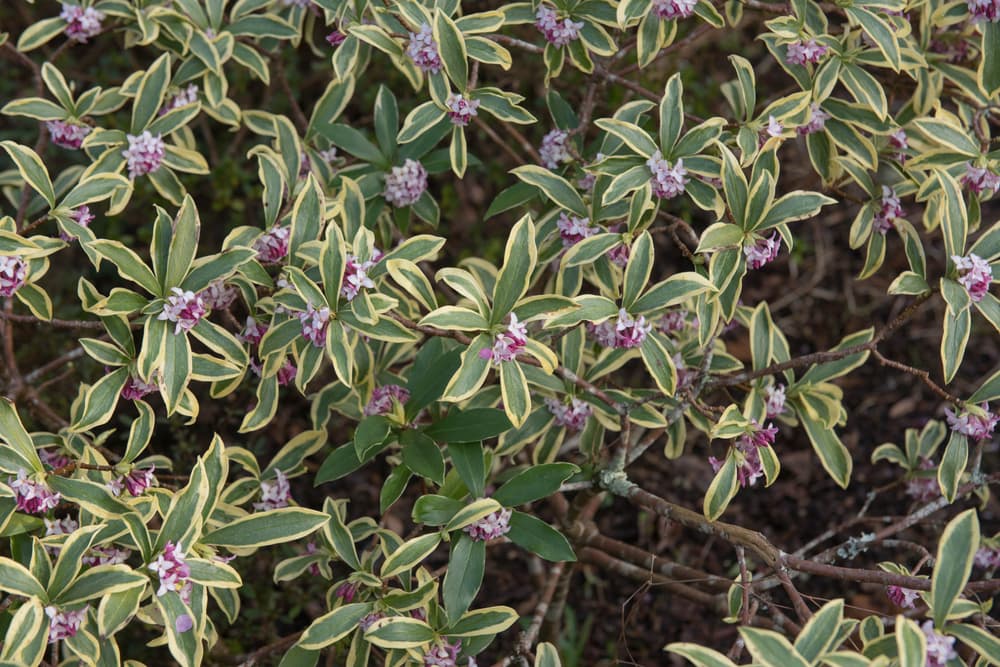
IN THIS GUIDE African Lily Bellflower Bergamot Bird Of Paradise Black-Eyed Susan Bluebell Broom Buttercup Butterfly Bush Carnation Columbine Chrysanthemum Crocus Daffodil Daphne Daylily Evening Primrose Forget-Me-Not Foxglove Gladiola Hyacinth Iris Larkspur Lavender Lilac Lily Lily Of The Valley Love In A Mist Marigold Mimosa Monkshood Moth Orchid Peony Peruvian Lily Petunia Rose Sea Lavender Snake’s Head Fritillary Snapdragon St John’s Wort Sunflower Sweet Pea Tansy Thistle Tulip Windflower References Have you ever been stumped as to the name of a particular flower in your garden or around your home? This alphabetical list of the most popular flower names from across the UK should help to set you right. Poets such as William Wordsworth, Bill Shakespeare and Samuel Taylor Coleridge have all but exhausted the English language extolling the virtues of a garden in full bloom. But all their words would be for nothing without the names by which we identify these handsome horticultural specimens. It makes sense, then, for any green-fingered devotee to learn the names of the floral beauties which catch their eyes. Not only does it greatly facilitate finding new additions to your outdoor display, but it also provides you with the vocabulary necessary to boast about them to your friends, neighbours and anyone else who will listen. “Where do I start when picking my favourite plant?” asks Gardener Alan Titchmarsh. “Japanese maples, peonies, old-fashioned roses, hostas, ferns and scented-leaved pelargoniums are all up there!” Without further ado, then, here’s a rundown of some of the most popular flower names from across the British Isles, with their botanical names included for an additional frisson of informational intrigue. African Lily Agapanthus Variously known as Lily of the Nile, African Lily or Agapanthus, this stunning flower comes in a variety of sizes and colours. Its versatility makes it an excellent addition to a border or container, while some strains are even evergreen. Bellflower Campanula As the name suggests, most bellflower varieties adopt a bell-shaped structure, though there are some which resemble flattened stars when in full bloom. They’re easy to grow and available in a range of hues, making them a popular choice across the country. Bergamot Monarda Easily distinguishable by its unique curving petals that grow tendril-like from the central flowerhead, bergamot has aromatic foliage that is often picked for use as potpourri. It enjoys an exceptionally long flowering season when deadheaded regularly, making it a great choice for an extended display. Bird Of Paradise Strelitzia The eye-catching blossoms of this native to southern Africa have earned it its deceptive moniker – as well as widespread popularity around Britain. However, its exotic origins mean it won’t tolerate night-time temperatures of below 10°C, so it’s really only suited to the conservatory or greenhouse in the UK. Black-Eyed Susan Rudbeckia With towering upright stems topped by bulbous flowerheads and starry petals, rudbeckias look great in borders, beds and containers. Annuals come in a variety of different colours, but perennials almost invariably take on the distinctive yellow mantle shown above. Bluebell Hyacinthoides A common sight in shaded woodlands or meadows across the UK, bluebells make for an excellent choice underneath trees or tall shrubs. Grown from bulbs, they demand little in the way of maintenance and dazzle with their blue blossoms in the springtime. Broom Genista Virtually synonymous with rugged Scottish landscapes, broom is found throughout the UK growing freely wherever the fancy takes it. It carries a faintly fruity aroma and makes for a pleasing addition to a border or as a standalone shrub. “The tree I can’t live without is the Genista aetnensis, which is the Mount Etna broom,” shares Garden Designer Jinny Blom. “It’s in flower in June and July, which is rare for trees and shrubs, and the smell is so amazing. It’s a light tree and doesn’t cast much shade. It’s quite weak-rooted but very tough. “It’s yellow in flower and the smell just fills the whole garden. I’ve always had one and the two that I’ve got at the moment I grew from seed.” Buttercup Ranunculus Hardy little critters, buttercups are found in meadows, marshlands and pastures across Britain. They’re also able to withstand the blades of a lawnmower, which means they crop up in domestic lawns, too. A favourite of children for their alleged ability to tell whether someone likes butter or not. Butterfly Bush Buddleja As an easy-going shrub that demands little attention but brings in pollinators by the shedload, buddlejas are a favourite among gardeners up and down the country. They carry a mild honeyed scent and are available in a range of colours, meaning it’s easy to tie them in with your existing aesthetic. Carnation Dianthus Although carnations are perhaps most commonly seen on the lapels of wedding-goers, they are a vibrant garden choice in their own right. With lush foliage and bright floral blooms, these semi-hardy perennials will make an attractive addition to any outdoor display. Columbine Aquilegia vulgaris Equally at home among the damp environs of fens and woodlands as they are on airy mountain slopes, columbines are cherished as a garden plant, too. The bonnet-like blossoms add a splash of colour to a border in summer, while they’ll also attract bees and butterflies to your property, too. Chrysanthemum Asteraceae There are few flowers more immediately recognisable than the bright and bouncy rosettes of chrysanthemums. Although they’re fussy plants which require handling with protective gloves – especially when dealing with “late chrysanthemums” – they will reward the effort invested in them with beautiful displays in late summer and autumn. Crocus Iridaceae Crocus generally blossom in late winter and early spring, bringing a dash of much-needed vitality to borders and rockeries at a time when everything else is still shaking off its slumber. Daffodil Narcissus Associated with the month of March, daffodils are spring bloomers that are among the most popular bulbed plants throughout the world. The distinctive trumpet-like structure of their blossoms is offset perfectly by the dual tones of yellow which characterise most strains. Daphne Daphne Though small in stature, daphnes are big on impact. Their diminutive clusters of delicate flowerheads are pleasing on the eye, while their delectable fragrance is a draw for the nostrils, too. Ideal for smaller gardens, mixed borders or even window boxes. Daylily Hemerocallis Daylilies are as lovely as they are short-lived. The clue is in the title: most species wither the same day as they bloom. With a wide range of colours to choose from, and repeated blossoms expected through the year, however, they’re still a hugely popular choice for any back garden display. Evening Primrose Oenothera A native of North America, evening primrose was first naturalised in the UK in the 1600s. It’s so named for the bright yellow blooms which only unfurl themselves in the evening, drawing drowsy bees and butterflies to wildlife gardens across the country. Forget-Me-Not Myosotis Perhaps the most romantically named of all the entrants on this list, forget-me-nots are a bold and vibrant spring flower. Their sizable green foliage serves as the perfect backdrop for the brilliance of their pastel blue flowers, hanging in the air like an unforgettably arresting cloud of petals. Foxglove Digitalis Characterised by spires of tubular flowers in pink, purple, yellow or white, foxglove plants are almost universally loved for their architectural and aesthetic appeal. Gladiola Gladiolus These impressive specimens hail from South Africa, western Asia and the Mediterranean, depending on the particular cultivar. With over 300 to choose from, you’re sure to find one which complements your existing colour scheme, though most Gladiola varieties grown today are modern hybrids. Hyacinth Hyacinthus The delightful star-shaped flowers of the hyacinth plant are crowded so tightly on their stems that there’s little elbow room between them. This, coupled with their pleasing aroma, is what makes them such a popular option in borders, pots or as cut flowers indoors. Iris Iridaceae Irises generally come in two varieties: those grown from rhizomes and those grown from bulbs. The former boast sword-shaped leaves while the latter are more lance-like in their structure, but both varieties come in a full spectrum of wonderful colours for their spring blooms. Larkspur With sturdy, upright stems and intensely bright flowers, larkspurs are a favourite for cottage gardens around the UK. Not only do they add dramatic height and colourful flair, but they’re also a magnet for bees and butterflies, enhancing the biodiversity of your outdoor space.1 They’re also easy to grow in containers. Lavender Lavandula This fragrant evergreen shrub from the Mediterranean is renowned for its calming qualities. It’s versatile enough to work as a hedge, wildlife garden or potted plant, depending on the variety selected. For the most easily-maintained results, choose a hardy or half-hardy cultivar. Lilac Syringa Available as both a shrub and a tree, lilac is a classic staple of gardens all over Britain. Its versatility means it can work equally well in a container as it can in the ground, while its soft pastel tones and subtle fragrance bring a touch of elegance and class to any environment. Lily Lilium Instantly recognisable by their distinctive trumpet-shaped flowers, lilies are a positively charming addition to any garden. There are an extensive number of varieties available, some of which are capable of exceeding 6m in height, so be prepared for that eventuality when selecting your specimen. Lily Of The Valley Convallaria majalis By contrast, lily of the valley is a humble spreader which won’t get ideas above its station, making it an excellent choice for ground cover. The dainty hanging flowers and the intoxicating aroma mean that it’s popular throughout the British Isles. Love In A Mist Nigella This imaginatively titled flower is almost as impressive to look at as its moniker suggests. With fanned blue petals sitting atop a bed of spiky green fronds and presenting intricately shaped stamen, it’s an eye-catcher for sure. A native of Mediterranean and North African climes, it’s taken to the British weather remarkably well and requires little in the way of maintenance. Marigold Calendula These cheerful annuals are hardy enough and will tolerate mild frosts, before bursting into life in summer with their bold and vivid blooms. The flowers of marigolds are edible and are often used as a garnish for salads, cocktails and other culinary concoctions.2 Mimosa Acacia Originally from Australia, mimosas are available as trees, shrubs and climbers, though the former is the most commonly found variety in the UK. When planting, make sure you have enough space to accommodate your tree, since some strains can grow up to 12m in height and a similar spread. Monkshood Aconitum Also known as wolf’s bane, this plant is a close relative of larkspur. It’s a beautiful plant to include in your garden display. Moth Orchid Phalaenopsis One of the most readily available types of orchid in the UK, moth orchids are particular about the climatic conditions of their surroundings. For that reason, they’re generally an indoor plant in Britain, but there is a wide array of varieties available in all shapes and sizes, so you’re sure to find one that complements the feng shui of your home. Peony Paeonia With some varieties offering blooms the size of dinner plates, peonies are among the most ostentatious garden flowers available. They generally come as herbaceous (which die away in winter) or tree (which maintain their upright demeanour but lose their flowers and foliage), though a hybrid of both is less commonly found, too. Peruvian Lily Alstroemeria As the name suggests, Peruvian lilies hail from South America. But despite their exotic origins, they cope with the British climate remarkably well and most gardeners find them both hardy and easy to grow. They come in a wide variety of colours and styles, all of which make for excellent cut flowers as well as garden additions. Petunia Solanaceae Another native of South America, petunias don’t handle British frosts quite as impressively as Peruvian lilies. Nonetheless, they remain a popular choice due to their knack for consistently creating a colourful bed of blossoms during the summer months. Lots of colours and flower shapes to choose from. Rose Rosaceae This far-reaching family of plants contains more than 3,000 members, including well-loved fruits such as apples, raspberries and strawberries. But it’s the humble rose which steals the majority of the headlines, of course, in part thanks to the scribblings of the Bard and his brethren. By any other name, it would still smell as sweet – but would it still be a rose?3 Sea Lavender Limonium The foliage of sea lavender is almost as big a draw as its flowers, given that many varieties will change colour throughout the year. Having said that, it’s certainly the papery petals of its flowerheads which steal the show in midsummer, while they also hold their colour and fragrance remarkably well when cut, making them an ideal choice for bringing indoors, too. Snake’s Head Fritillary Fritillaria meleagris One glance at the blooms of this unique plant will leave you in no doubt as to why it has earned its common name. Not only are the shape of its petals reminiscent of a viper’s head, but all varieties, regardless of their particular colour, carry an unmistakably checked pattern that recalls the mottled skin of a slithering snake. Snapdragon Antirrhinum Easy to grow and guaranteed to add a splash of colour and architectural intrigue, snapdragons are favourites among old-fashioned cottage garden aesthetics. Their flowering period is more prolonged than many of their counterparts, with blossoms (and the bees and butterflies they attract) going the distance from early June until late October. St John’s Wort Hypericum One of the most versatile flowers on this list, St John’s wort can be evergreen or deciduous, annual or perennial and a shrub or a tree. Whichever you opt for, you can expect showy yellow flowers that are revered for their aesthetic qualities. Sunflower Helianthus Their easy-going nature, oversized stature and iconic flowerheads make sunflowers an ideal growing project with younger members of the household. Although they are famously associated with brown and yellow blooms, there are other varieties that offer green, white and red flowers, too. Sweet Pea Lathyrus Sweet peas are just as effective as border plants as they are terms of endearment. Although they don’t bear any edible produce, they do boast colourful blooms in a range of colours and look especially impressive when several tones are combined in a single display. They also have a powerful and pleasing fragrance, too, with even just one vase of cut sweet peas enough to perfume a room. Tansy Tanacetum The bulbous, button-like flowerheads of the tansy plant, with their unmistakable yellow colouring, have meant they have been incorporated into many a decorative garden display. Thistle This iconic flower is the symbol of Scotland and is found growing freely throughout the wild verges, meadows and grasslands of that nation. But despite their feral nature and their prickly texture, many varieties have been adapted for inclusion in a contemporary garden display. Tulip Tulipa Tulips are intrinsically linked to the feelings of rebirth and revitalisation of springtime. Although technically a perennial plant, many modern hybrids have been over-engineered to achieve the best aesthetic result – but at the cost of longevity, with reliable blooms in consecutive years few and far between.4 For that reason, many gardeners simply replant tulip bulbs every autumn to ensure strong output. Windflower Anemone Windflowers are one of the few entrants on this list that is perhaps more recognisable by its Latin name than its common counterpart. “Commonly known as Japanese Anemone, Anemone hupehensis is a late summer and early autumn flowering perennial that is a popular garden plant in the UK and is not to be confused with the early spring flowering Wood Anemone,” shares Horticultural Consultant Colin Skelly. They are forest flowers that bloom in spring and hibernate for all the other seasons, before coming back just as strongly the following year. References 1. How to attract bumblebees to your garden. (n.d.). The Wildlife Trusts. Retrieved March 23, 2023, from https://www.wildlifetrusts.org/actions/how-attract-bumblebees-your-garden 2. Marigold Uses in the Garden and on the Table. (1983, July 1). Mother Earth News – the Original Guide to Living Wisely. Retrieved March 23, 2023, from https://www.motherearthnews.com/organic-gardening/marigold-uses-zmaz83jazshe/ 3. ‘A Rose By Any Other Name’, Meaning & Context. (2020, October 7). No Sweat Shakespeare. Retrieved March 23, 2023, from https://nosweatshakespeare.com/quotes/famous/rose-by-any-other-name/ 4. Gilmer, M. (2019, April 27). The twisted, mutated history of the beautiful tulip. Palm Springs Desert Sun. Retrieved March 23, 2023, from https://eu.desertsun.com/story/life/home-garden/maureen-gilmer/2019/04/27/twisted-mutated-history-beautiful-tulip/3489404002/
Learn more
Rid Your Garden Of Aphids - Gardeners Share Their Homemade Recipes And Solutions
IN THIS GUIDE Why Are Aphids Damaging For Plants? Signs Of Aphids Which Plants Are Most Vulnerable? 1) Typical Treatment 2) Homemade Remedies 3) Using Natural Predators 4) Chemical Formulations Why You Shouldn’t Use Pesticides Ants: Aphids’ Bodyguards Preventing Aphids Rid Your Garden Of Aphids! References Aphids are among the most prevalent and destructive of garden pests, and they also breed very rapidly. Aphids suck the sap – the lifeblood – out of plants, thereby quickly debilitating and even killing them. Fortunately, with some homework and perseverance, you can eliminate these pests. We outline numerous aphid-control methods including manual ones, home remedies, biological controls, and chemical formulations. Why Are Aphids Damaging For Plants? There’s good news and bad news about aphids. First the bad news: aphids can cause horrendous damage to plants and even kill them. But the good news is that the casual gardener has recourse to numerous methods of different kinds to control, and even eliminate, aphids, commonly called ‘greenfly’ and also ‘plant lice.’ Aphid species number over 5,000 of which more than 500 are found in the United Kingdom.1 Many of them are extremely destructive to some or another set of members of the Plant Kingdom, including agricultural crops, food crops, trees, and all types of ornamental plants, bushes, herbs, and vegetables. Many aphids are identified by the particular plants or trees that they prefer to attack, such as Raspberry aphid, Lettuce aphid, and Beech aphid, to name just one example each of aphids that infest a fruit, a vegetable, and a tree. Many are polyphagous; these attack a large number of plant species. No matter what the type of aphid, they have two attributes in common: they breed and multiply very rapidly, and they suck the sap from plants, debilitating them very quickly and even killing them. Furthermore, some aphids on certain plants are vectors for viruses which themselves sicken and severely damage plant life. The present article is written with the goal of covering the topic of controlling and eliminating aphids in the fullest possible breadth; in turn, this means that no one method is discussed in full depth. We encourage the reader who is interested in a particular method to explore it further. Signs Of Aphids Symptoms of aphid attack include slow growth and stunting, contortion and deformation of leaves, dripping of sap, yellowing and browning of foliage, overall wilting and loss of vigour, and, eventually, death of the plant. More often than not colonies of these tiny pests are visible on the underside of leaves, but they also occur on their upper surfaces, the stems, and sometimes even on the flowers. They are usually yellow-green but are also brown or black. Which Plants Are Most Vulnerable? Some flowers, herbs and shrubs are just more vulnerable than others to aphids. Jasmine, rose, dahlia, hibiscus, chrysanthemum, tomato, (plain) mint, basil, lettuce, beet, cucumber, peas, and gooseberry are some examples. Several kinds of trees are also very vulnerable to aphid infestations. If you have such aphid-susceptible plants in your garden, one of the best steps you could take against aphids is to catch them early. If you have a small garden, you could make it a practice to inspect different samples of plants (including the undersides of selected leaves at all levels) periodically, say every week or every ten days for aphids. The beginning of summer is the time to be on highest alert, as Master Horticulturist Colin Skelly shares: “Early summer is definitely the time of aphid population explosion as conditions for feeding and breeding rapidly improve as plants begin to grow in earnest. “As the season progresses this tends to settle with more isolated outbreaks here and there as predator populations rise to meet the opportunity of the aphid population surge. “I use insecticidal soap if an outbreak is severe or even just blast off with water. This won’t eliminate aphids, but this is the object. “I’m only trying to prevent the worst impacts until harder growth commences (less sappy) and predator populations rise.” Underneath we outline three common methods for dealing with aphids: 1) Typical Treatment If you spot any, crush the pests and also the eggs. “If I have problems with aphids on my plants, I just brush them off with my finger,” shares Organic Gardener Val Bourne. Hosing off the aphids will remove them but will not kill them. Instead, spray soapy water, made from a pure organic soap, on the pests which will kill them in short order. You can wash away the soap residue from foliage in a couple of days. If you do so, aim for the morning hours on a sunny day. Finally, if you catch a localised infestation early (that is before it has had a chance to spread) simply prune or otherwise remove the affected parts of the plant. Put these on a plastic sheet a safe distance away, spray well and all around with any insecticide that will kill aphids, and promptly remove from your garden. 2) Homemade Remedies Those who come from horticulturally-inclined families often inherit pesticide recipes from grandparents, great-aunts, and the like. We list a few homemade recommendations in this section. Pastes, Oils & Powders Solutions of garlic and oregano paste or powder are potent deterrents for most kinds of aphids. In fact, a solution of both the veg and the herb could be made. Tea tree, peppermint, eucalyptus, or anise essential oils are also excellent for combating aphids. A suspension could be made of any combination of these essential oils. They must be appropriately diluted otherwise they will injure plant life. A one to three percent dilution is typical. Rapeseed Oil Rapeseed oil is a potent pest-killer. Make a solution of it at a 1:16 to 1:20 dilution and spray it on aphids, it will kill them within minutes. If you cannot find rapeseed oil, then substitute with Canola oil. Diatomaceous Earth Diatomaceous earth kills all kinds of insects but one seldom finds bees or other pollinators on the undersides of leaves which are aphids’ preferred – though not exclusive – nesting places. Simply prepare a solution – actually a suspension – of diatomaceous earth, and spray it on and around aphids. After the aphids have died you may wash off the sprayed areas. Applying Homemade Remedies Once treatment with any of these solutions is started, it should be followed up with repeat applications every two or three days until there is no sign of aphids. Also inspect your lawn, the ground, and other plants in the vicinity in case aphids have sheltered elsewhere. Only those parts of the plant that are infested with aphids should be treated. You may wish to apply the solution in question to a small part of the plant first to see how well the plant tolerates it. These homebrew solutions and suspensions have three big advantages over many commercial compounds. Used in the proper concentrations: They will not harm bees or other pollinators They are safe to use on vegetables and herbs And they are derived from plant life! Though diatomaceous earth is probably not one of great-aunt’s remedies, we’ll close this section with a mention of it. 3) Using Natural Predators “Rely on your ecosystem and the food web, as bugs are very fragile creatures,” says Val. “So many animals eat the bugs you don’t want in your garden, so trust the wildlife in your spaces and don’t use chemicals.” Aphids will be eliminated and will not be able to establish any colonies in your garden if you release and try to nurture green lacewings, ladybugs, aphid midges, and/or parasitic wasps. “I garden organically and with nature, so I manage pests by making sure that the ecosystem is as complete as possible so that there is something to eat them,” shares Naomi Slade, Garden Writer. Any and all of these beneficial insects, which are a type of biological control, can be bought and released in the garden. However, as they, especially ladybugs, may decamp quickly, efforts to keep them happy in your garden will be necessary.2 “Try and avoid getting rid of aphids completely,” shares Florist Georgie Newbery. “If you have aphids you’ll get ladybirds. Ladybirds won’t come to your garden if they have nothing to eat.” Green lacewings and ladybugs feast upon – besides various garden pests – aphids quite indiscriminately, quickly reducing their populations, eliminating them, and discouraging them from establishing any colonies. Green Lacewings Green lacewings are far more effective than ladybugs as they are not as affected by wanderlust as are ladybugs, and, per insect, eat up many more aphids than ladybugs and do it much faster as well. Parasitic Wasps Parasitic wasps are specialised to prey upon a specific, somewhat narrow, range of aphids. However, because of the way parasitic wasps’ eggs are laid and the fact that their larvae prey upon aphid eggs, aphids are exterminated ‘at source’ – they cannot even reproduce. Gall Midges While aphid midges, also known as gall midges, do prey upon aphids, their beneficial effects are negligible. It is actually midge larvae that prey upon aphids ‘in quantity’, so to speak, so it is your midges’ offspring that will do the aphid extermination. Research has shown that the efficacy of aphid midges through their larvae is strongly dependent upon the presence or absence of other pests, such as thrips. Retaining Beneficial Insects So how to retain these beneficial insects in your garden, or even attract them? “If you want to encourage wildlife and insects like butterflies and hoverflies, it is important to make sure that every stage of their life is catered for,” shares Naomi. “Nectar is no good to a caterpillar or ladybird, so find out what it eats and grow that. “Enriching the soil with organic matter will underpin the entire system, as it allows microorganisms and soil fauna such as earthworms to thrive, and these will feed the individuals higher up the food chain.” In addition to this, you could apply a solution of sugar and honey to plants affected by aphids, set up this solution close by in insect bait trays or petri dishes, or both. Doing so will retain ladybugs and may very well even draw them to your garden. Do not fill the trays or dishes too deeply as feeding insects often get stuck and drown in sticky liquids. To retain and attract green lacewings, keep pollen-producing and/or nectar-rich plants nearby. Dandelion, fennel, mint, shasta daisy, clover, salvia, hyssop, lavender, caragana, scabiosa, and hibiscus are good choices. Finally, apply wheast to, or set it up (as described above) close to, aphid-affected plants. Wheast will retain and also draw ladybugs, lacewings, and other beneficial insects.3 Wheast can be prepared at home or purchased from reputable makers. Do not use chemical formulations, with the exception of targeted applications of insecticidal soap, in conjunction with biological controls as most chemicals will repel or even kill beneficial insects. 4) Chemical Formulations All of the chemical products and formulations mentioned below are organic or are otherwise safe if applied per directions. Insecticidal Soap is a non-chemical preparation that is made of potassium salts of fatty acids. It is easy to mix, easy to apply, effectively kills aphids and can be used on all types of plants. We suggest it be your first line of attack on the chemical-controls front. BotaniGard ES is a chemical product. It is authorised for use but it is potentially toxic to bees and, therefore, it is recommended that it not be applied if bees are nearby. It is also toxic to aquatic life. A 0.4 percent solution of BotaniGard ES will suffice to kill aphids. Neudorff BugFree Bug & Larvae Killer, Resolva Bug Killer, Provanto Smart Bug Killer, and Provanto Ultimate Bug Killer come in spray bottles and are ready to use – no mixing required. They are all very effective against aphids though they have different active ingredients. They are lethal to different sets of garden pests, and they also have somewhat different properties. For example, one will be longer-lasting while another will kill aphid eggs and larvae, besides the pests. One will be best for a few particular edible plants while another will be suitable for a very wide range of veg and herb. We suggest that you look into these and use one to see which one works best for you. Bear in mind that most of these chemical formulations will also have some or another adverse impact on beneficial insects so they should not be applied at all indiscriminately. They should be applied in a targeted manner. As well, chemical products and biological controls should not be used at the same time, other than after thorough research on a product-and-insect basis as outlined above. Why You Shouldn’t Use Pesticides You may read elsewhere about the efficacy of certain products and compounds. Well, those products and compounds do indeed very effectively kill aphids; unfortunately, they are at least toxic and are even extremely poisonous every which way to Tuesday, and have been withdrawn or banned either under British or EU regulations. Withdrawn or not, chemical pesticides have a wide-spectrum action and kill beneficial insects and pollinators, besides aphids and other pests, as Val explains: “Aphids underpin lots of creatures in your garden and will keep them in control. “When you use chemicals, you’re actually killing a lot more than the aphids you are trying to target. Chemicals can end up in water sources too and harm wildlife that way.” Effects Of Non-Recommended Chemicals Keep in mind that approved greenhouse fumigants based on permethrin, a synthetic pyrethroid, are not meant to be used in open gardens. They may be used inside greenhouses. For a current list of pesticides that are not permitted in the United Kingdom, please refer to the Health and Safety Executive’s webpage on regulating pesticides in the UK after Brexit.4 “Don’t use herbicides and pesticides, instead opt for alternative methods of control and leave insects, such as aphids, alone as much as possible to provide food for other insects and birds,” concludes Garden Writer Nic Wilson. “I find problems often resolve themselves without causing too much damage to plants, particularly once healthy garden ecosystems become established.” Ants: Aphids’ Bodyguards Garden ants and aphids have a well-known symbiotic relationship, and this relationship may defeat your efforts to eradicate aphids by deploying beneficial insects.5 Aphids are (among the) honeydew-secreting insects that are ‘tended’ by ants. Garden ants tend aphids by stroking the pests with their antennae to stimulate them to secrete honeydew, which the ants collect. Ants feed on honeydew, and also carry it to their nest for the queen and the larvae. In turn, ants protect aphids, doing so by attacking and killing ant predators including lacewings and ladybugs. Obviously, ants’ bodyguard function for aphids can defeat your efforts to control the pests using beneficial insects. Therefore, prior to releasing or trying to attract such insects, you should determine whether your garden has an ant’s nest or has ants in large numbers. If so, you will probably need to get rid of the ants first as most likely they will already be protecting the aphids. If not, then after you release beneficial insects, monitor their numbers and stay on the lookout for garden ants that may be preying upon them. If you spot such ant activity or a decline in the beneficials’ numbers then you should move to eliminate the ants. Garden ants can be tackled in many ways. Preventing Aphids Water At Soil Level One preventive course of action that can be taken where aphid-susceptible plants are concerned is never to water from above and always to water at soil level. If you ever think that the foliage could use a good wash, then water them from above in the early morning on a day forecasted to be dry, warm and sunny. Companion Planting Another preventive step is to grow aphid-repellant plants. Herbs and shrubs that are odorous and aromatic tend to repel aphids. These include garlic, onion, shallot, chives, dill, and turnip. The pungency of spearmint, peppermint, and catnip are also off-putting to these pests. Finally, some flowering plants such as petunias, geraniums, and marigolds are not only resistant to aphids but also keep them away from nearby plants that do not share these properties. Any of these (or some other) aphid-repellant plants will make a first-rate companion plant for some or another aphid-susceptible plant. Though you can pair any of the deterrent plants, named above, with vulnerable plants, some combinations of companion plants will be particularly effective and are recognised to be so. For example, garlic with roses, and chives with lettuce. Companion plant gardening is a horticultural sub-science in itself. While companion plants greatly aid in pest control they also serve sundry other purposes. Attract Predatory Insects Finally, try to make your garden attractive to beneficial insects that prey upon aphids. These include ladybugs, green lacewings, aphid midges, and parasitic wasps (which are not harmful to humans). A thriving colony of these gardener’s friends will go a long way toward preventing aphid attacks. Rid Your Garden Of Aphids! As mentioned, aphids are very serious garden pests and rapidly destroy plants. And they breed very rapidly as well. But the fact from which to take heart is that they are not one of those dreadful pests for which lay gardeners have no controls or remedies, further to which they are not even particularly strong. If you do some homework, try to choose the right aphid-control method, act as quickly as you can, and persevere with your efforts diligently, it is almost certain that you will win your fight against aphids. References 1. Mahr, S. (n.d.-a). Aphids in-depth. Wisconsin Horticulture. Retrieved March 17, 2023, from https://hort.extension.wisc.edu/articles/aphids-2/ 2. Fosdick, D. (2018, July 10). Ladybug, where have you gone? Aphid fighters tend to roam. Phys.org. Retrieved March 17, 2023, from https://phys.org/news/2018-07-ladybug-aphid-fighters-tend-roam.html 3. Flint, M. (2014, May 14). Lady bugs need special care to control aphids in the garden. ANR Blogs. Retrieved March 17, 2023, from https://ucanr.edu/blogs/blogcore/postdetail.cfm?postnum=13933 4. Regulating pesticides in the UK after Brexit. (n.d.). Health and Safety Executive. Retrieved March 17, 2023, from https://www.hse.gov.uk/pesticides/brexit.htm 5. McVean, A. (2017, August 16). Farmer ants and their aphid herds. Office for Science and Society. Retrieved March 17, 2023, from https://www.mcgill.ca/oss/article/did-you-know/farmer-ants-and-their-aphid-herds
Learn more
Growing Gerbera Daisies - Knockout Floral Forms That Are Ideal For Cut Flowers
IN THIS GUIDE Overview Transplanting Gerbera Plant Care Hardiness Soil Requirements Temperature Aspect Watering Fertilising Pruning References Gerbera doesn’t merely symbolise happiness, it verily radiates it and will infuse its bewitched viewers with joy and uplifting sensations. Gerberas come in various floral forms and in a mind-boggling array of hues spanning the gamut of the warm spectrum. In a bed, on a windowsill, or in a vase – they’re knockouts! Overview Botanical Name Gerbera Common Name(s) Gerbera Daisy, Transvaal Daisy Plant Type Perennial Native Area Cultivars from plants of South American, African and Asian tropics Hardiness Rating H2-H4 Foliage Semi-evergreen Flowers Various bright colours, daisy-shaped flowers When To Sow / Plant April, May, June, September, October Flowering Months June, July, August, September, October Gerbera comprises hundreds of disk florets in the capitulum to which the full double forms add many dozens of ray florets. The flower often presents a perfectly circular form at the centre of which is another circular disk – the capitulum. Sometimes this central disk has a colour of its own; sometimes it matches those of the rays. And the word ‘rays’ could hardly be more appropriate for any other flower because these rays are narrow, long, straight, and finely tipped. So here’s what we end up with: Gerbera single form is disk-shaped simplicity itself and is the ideal vehicle for white and pale yellow and primrose yellow varieties, whispering purity and innocence. Gerbera semi-double form has a floral complexity and depth and is made to order for orange and pink tones, radiating an upbeat joy. Gerbera full double form is rich, even lush, and is the one that can do justice to the vermilion and crimson varieties, which project intensity and sensuousness. What is written here is only an outline – Gerberas are more multi-dimensional than most flowering plants. For example, single form includes flowers with both a single row but also a double layer of rays, and florists have four classifications for the double form flower. The Gerbera genus is a member of the Aster family, well known for its wealth of flowering plants.1 This family is also known as the Daisy family and, as it happens, G. viridifolia rather resembles the common European daisy. The accepted species count for Gerbera is only 24.2 While most of them, including those that are horticulturally important, are native to Africa, a few species are native to South America and southern Asia. In their native climes and also in tropical and sub-tropical countries Gerberas are evergreens but in the UK, depending on the combination of the series or variety and your region, a plant may be anything from a tender annual to a hardy evergreen! Tender or hardy, annual or evergreen, one thing’s for certain: if you lay out some Gerberas in your garden or inside your home, you will have flowers that many people find exceptionally pretty but also inherently cheering and joyful. Transplanting When transplanting Gerberas in any way, be sure to keep the soil line just a little higher than what it was – say 4cm higher for a mature plant. G. ‘Garvinea Sylvana’ It is better that the upper part of the root ball be just slightly exposed than for the crown to be even a little way in the soil, as these plants succumb all too readily to crown rot. Gerbera Plant Care To grow Gerberas as outdoor perennials in the United Kingdom you have to evaluate two factors: the hardiness of the varieties in question and your location. For example, ‘Garden Jewels’ series’ plants are hardy to H5 but ‘Landscape’ series are very tender with a rating of only H2. Hardiness If the varieties are hardy to H4 or hardier you can grow them as outdoor plants in most regions of the country. If they are hardy only to H2 (tender Gerberas) you may be able to plant them outdoors, but only if you live along the southern coastal curve of the country – otherwise, you should grow them in containers so they can be overwintered indoors. “Despite the fact I garden in one of the mildest parts of the UK, I still can’t grow Gerberas outside year round,” shares Horticulturist Colin Skelly. “This is because winter moisture, even in relatively free draining conditions, is just too great for the plants to persist. “Keeping them in pots over winter would be enough to keep them going, ready for re-planting or putting outside in containers the following spring.” Most series and cultivars have a hardiness rating of H3. It is because of this fine balancing act that these evergreens are in the main considered half-hardy semi-evergreens in the United Kingdom. In countries with subtropical climates, they are very much evergreens. In any case, you can grow any Gerbera as an annual anywhere in the country. Soil Requirements Gerberas need fertile, nutritious soil that is very well-drained. A sand- or chalk-based soil amended with organic matter like compost, peat moss, and/or well-rotted manure would be perfect. To ensure very good drainage incorporate some perlite into the soil and consider laying a bottom layer of grit or gravel. Soil pH plays a big role in Gerbera bud formation and flowering and ideally it should be from 5.6 to 6.0 – Moderately Acidic. Of course, you have some leeway but the further away one gets from this range the greater the negative impact on flowering. Excluding the compact varieties and series, and the ones that have been developed for pot-growing, Gerberas are especially deep-rooting plants so the soil you prepare should be deeper than for other garden plants. Temperature Another factor that strongly influences flowering is the temperature. If temperatures stay or are controlled within 10-20°C day and night, averaging about 17°C during the day and about 13°C centigrade during the night – the flowering season will be much extended and the plants may even bloom all through the year. Aspect In the United Kingdom Gerberas should be sited in full sun. In the milder regions they could use some afternoon shade in summer and in warm weather. If and when they are indoors in containers they should receive the maximum amount of sun but no less than four hours. Watering Water mature plants well, soaking the soil, about twice a week in summer. Outdoor plants may be watered deeply though the soil should drain very well. Reduce the frequency and amount of water in winter. Water Gerberas from soil level only. Do not get water on the foliage; keeping foliage dry will go a long way to preventing diseases. Also, water them in the morning, preferably between 8 and 10 AM. Fertilising In spring and summer fertilise the plants with a liquid fertiliser. Dilute it suitably, per instructions, for outdoor plants. Dilute it even further for container plants. Feed every three weeks for best results, and taper off in mid-autumn. However, if your plants are so sited that they will be in optimal conditions year-round and are set to flower year-round, then feed them year-round too but do so every five weeks. If you have grown Gerberas in containers and your varieties are not hardy enough to be kept outdoors in your region, bring them indoors at the end of autumn. Keep them in a sunny spot and reduce the amount of watering though the soil should not fully dry out or stay dry. Pruning You do not need to prune Gerberas per se but you can minimise the chances of pests and diseases by taking two preventive measures. First, prune so as to keep the centre of the plant open; this will allow sunlight and air to reach this all-important part of the plant. Actually, there is a second, equally important, reason to keep an opened-up crown: sunlight reaching the centre of the plant enhances and increases bud formation. Second, on a periodic basis remove both damaged or wilting leaves and spent flowers. References 1. Outen, C. (2022, April 15). Gerbera Daisy. Home & Garden Information Center | Clemson University, South Carolina. Retrieved March 16, 2023, from https://hgic.clemson.edu/factsheet/gerbera-daisy/ 2. Gerbera. (n.d.). Kew Royal Botanic Gardens. Retrieved March 16, 2023, from https://powo.science.kew.org/taxon/urn:lsid:ipni.org:names:331624-2
Learn more
A Complete A-Z List Of Herb Varieties From Anise To Yarrow
IN THIS GUIDE Agrimony Aloe vera Angelica Anise Basil Bay Leaf Borage Calendula Caraway Chamomile Chervil Chives Comfrey Coriander Dill Elderflower Fennel Fenugreek Garlic Ginger Ginkgo Ginseng Horseradish Lemongrass Linseed Lovage Lungwort Marjoram Oregano Parsley Peppermint Rosemary Sage Sorrel St John’s Wort Tansy Tarragon Thyme Turmeric Valerian Yarrow References This alphabetical bunch of herbs is good for the cooking pot, while a thriving herb garden is a welcome addition to any home. Not only does it add a generous dollop of greenery and gusto to an outdoor (or indoor) display, but it also produces intoxicating aromas that will compete with and complement one another. “The vast majority of herbs favour a free-draining soil in a sunny position,” shares Master Horticulturist Peter Lickorish. “Soils high in nutrients, especially nitrogen, can cause leaves and stems to become overly soft and therefore also fodder for aphids. “For this reason, few need regularly fertilising. “If you don’t have these conditions, herbs such as lovage, borage and pulmonaria are better choices, happier with some shade and slightly moister, though not waterlogged, soil. “Ginger too will prefer a shaded, moist container which can be brought indoors over winter.” This A to Z list is a fairly comprehensive round-up of all the major varieties that you can grow in the UK. So without wasting any more thyme (sorry), here is some sage advice (and again!) regarding the herbs you might wish to include in your own garden this year. Agrimony There’s no acrimony with agrimony A member of the rose family, agrimony is a deciduous herb which grows up to half a metre in height and offers bright yellow blossoms in summertime. Aloe vera A balm for all ills Technically a succulent, Aloe vera is most commonly known for its rosette-shaped leaves. It’s also very low-maintenance, making it great for beginners – your biggest issue may be overwatering. Angelica Angelic in name, angelic in nature Characterised by towering stems topped by oversized domes of flowerheads, angelica is great for adding architectural intrigue to the rear of your herb garden. Its stems are most commonly candied for confectionary purposes or flavouring drinks.1 Anise Anyone for liquorice? Anise hyssop, sometimes known as Agastache, is another tall perennial herb which carries spires of bright flowers which attract bees. Its most notable feature, however, is undoubtedly the liquorice aroma it exudes and the liquorice flavour with which it can imbue tea, baked goods and culinary dishes.2 Basil One of the big hitters of the herb world This fragrant herb is synonymous with Italian cooking and is popularly used to make pesto, flavour salad or add some zing to your cooking.3 It is easy to grow here in the UK on a kitchen windowsill and supermarket-bought plants can survive a long time if watered from the bottom. Bay Leaf Ornamental, aromatic and appetising Sometimes referred to as sweet bay, bay plants can serve as the centrepiece of your herb garden due to their larger size and ornamental properties. The evergreen leaves, when dried, are great for adding richness to the flavours of stocks, soups and stews.4 Borage Cool as a cucumber The bright blue blossoms of borage plants make them an attractive addition to any garden in their own right and are so eye-catching that they’re often used as a garnish for cocktails and other drinks.5 The leaves, meanwhile, give off a cucumber-like coolness which serve as a great addition to salads and dressings. “Be sure to use the youngest foliage, as the hairs on older leaves make them very rough,” shares Peter. Calendula Kith and kin with sunflowers and marigolds Part of the sunflower family, calendulas are distinctive for their bright orange and yellow blossoms. These are entirely edible and are often used to add colour to potato or rice dishes, as well as bringing a slightly peppery zing to salads and soups.6 Caraway It’s all in the seeds Sometimes mistaken for a weed, Carum carvi is cultivated primarily for its seeds. With a slightly aniseed flavour, these are often added to breads, sauces, pickles and sauerkrauts, while the roots can also be boiled and consumed as well. Chamomile Packs a powerful punch The daisy-like blooms of this plant are a tell-tale sign that you’ve picked the right type for culinary use, since non-flowering varieties are better suited to creating a scented lawn than a hot tea or infused sauce.7 Highly fragrant, it should only be used in small amounts. Chervil Cheap and chervil This biennial herb is grown mostly for its aromatic leaves, harvested in the first year of growth. When used appropriately in salads, potato or egg dishes, they give off a mild aniseed flavour.8 Chives The perfect accompaniment to egg, cheese or potato dishes When finely chopped and worked into salads, dips or quiches, chives add a delightful zing that’s especially complimentary to egg, potato and cheese dishes.9 Although it’s the leaves which take most of the limelight, the pink blossoms which top chive plants are a sight to behold and an edible addition to your plate, as well. Comfrey External use only! The delicately hanging foliage of a comfrey plant make it a pleasing addition to a herb garden, but it’s more famous for its use as a natural fertiliser. It can be grown and processed into comfrey tea, an organic liquid fertiliser that can be used across your garden. Coriander The marmite of mainstream herbs Coriander commands something of a love-it-or-hate-it reputation in culinary circles. Perception of the flavours varies from person to person. A native of the East, it’s often used in Asian cuisine and both the seeds and the leaves are edible but individual in their properties.10 The former add a lemony zest, while the latter imbue a slightly bitter, acrid flavour to the dishes to which they are added. Dill Ferny foliage provides a feathery foil for other plants beneath it This large herb carries sprays of yellow flowers and strong-tasting ferny leaves that are a common addition to salads, soups or flavoured rice. The leaves can be used fresh, dried or frozen, while the seeds are often an ingredient in curry powders. Elderflower As widespread as it is mouth-watering Found all over the UK, elderflower is as unfussy as it gets when it comes to growing conditions. Although the fruit steals most of the headlines, its flowers are also worthy of a mention given their ability to infuse cordials, syrups, teas, wines and champagnes with an exquisite taste.11 Fennel Particularly compatible with fish dishes Like dill, fennel plants are characterised by sprigs of bright yellow blooms in the summertime. All parts of the plant are edible and bring a faint aniseed flavour to the salads or other dishes to which they are added. It’s particularly complimentary when combined with fish.12 Fenugreek Highly sought-after seedpods The dainty leaves and delicate white blossoms of fenugreek are pretty enough in their own right, but the seeds are the main attraction from a culinary perspective. It can add a maple syrup-style sweetness to certain dishes, though taste bitter on their own.13 Garlic Vampires aside, garlic is almost universally popular It’s not one of the most widely used herbs for nothing! Garlic is great for adding flavour to all kinds of dishes, while the plant is easy enough to cultivate, as well. Trim back green leaves to use in salads, pesto or as a garnish, but wait until they turn yellow to dig up the bulbs underground. Ginger Fiery and flavoursome Due to its exotic origins, ginger doesn’t take kindly to frosts, so plant it in the early spring and take care to pamper it as best you can. Do so, though, and you’ll be rewarded with delicious rhizomes that add a fiery kick and a frisson of flavour to curries and stir-fries. Ginkgo A native of China, this ancient tree has made a successful transition to UK climes and offers an attractive option with delicately shaped leaves that won’t throw heavy shade. It will grow to a large size, though, so it’s not ideal for smaller gardens.14 “I have one tree that I absolutely adore, which is the ginkgo tree,” shares Horticulturist Doug Stewart. “The thing I love about it is that it doesn’t fit into any classifications because it is a multitude of things. I love that it can’t be compartmentalised.” Ginseng Ginseng also hails from the Far East, though it enjoys a more uneasy relationship with the British seasons and will appreciate being grown indoors. Horseradish Intense and invasive Don’t be fooled by the beautiful white flowers and innocuous-looking leaves – the roots of horseradish plants carry quite a punch. Normally grated into coleslaw or used in sauces to accompany roast beef, horseradish is an intense ingredient, while the plant itself is also very fast-spreading, meaning it’s best contained in pots. Lemongrass The appeal of the Orient Another stalwart of Asian (and particularly Thai) cuisine, lemongrass is grown for the fragrant base of its edible stems.15 It’s not keen on frosts either, so it’s a good idea to cultivate it in a container that can be easily moved indoors during the colder months. Linseed Commonly called ‘flaxseed’ Also known as flax, linseed is a popular alternative to rapeseed for producing oils.16 Use neutral, well-drained but moisture-retentive soil for the best results when growing. Lovage Who doesn’t love lovage? Lovage has so many strings to its bow. Think of celery, and you can appreciate the flavour and appearance of the plant. Fresh leaves are a great herbal addition to salads, soups and stews, while dried ones make a delicious tea.17 Its stems can be candied like angelica, its shoots can be blanched and its roots are edible too. What’s not to love? Lungwort A member of the borage family, lungwort is closely aligned with borage and comfrey, among others. It has interesting, variegated leaves and lilac coloured flowers that bloom from spring into summer. Marjoram A close cousin of oregano Marjoram is often confused with oregano, and although the two are similar in appearance, they’re used differently in the kitchen. Whereas oregano leaves are generally dried, marjoram foliage and flowers are more commonly used fresh as a late addition to stuffings, soups and sauces.18 Oregano A popular ingredient in Italian, Mexican and Greek cuisine As mentioned above, the strong-tasting (and stronger smelling!) leaves of oregano are generally dried before use. They work particularly well when combined with ingredients such as garlic, onions and chilli, though they’re versatile enough to be put to a variety of different applications. Parsley Pick flat over curly, any day of the week Parsley comes in two distinct varieties – curly-leafed or flat-leafed. While the former does look more attractive as a garnish, it’s the latter that carries the stronger flavours and forms a crucial ingredient of many dishes and dips, including tabbouleh and salsa verde.19 Peppermint First grown as a hybrid between spearmint and watermint, peppermint has come into its own over the last few centuries. It’s probably most widely known and used as peppermint tea.20 Rosemary Pungent and pleasant With evergreen foliage that can brighten up your herb garden during winter and flowers which will delight pollinators in summer, rosemary is an aesthetically strong choice for an outdoor display. It also releases an intoxicating fragrance and, when picked, dried and added to dishes like roast lamb, makes an excellent culinary herb, too.21 Sage Wise beyond its years There are hundreds of different varieties of sage to choose from, all of which will add cosmetic value to an ornamental border. Maximise their flavour by picking them in the morning, when the leaves are moist and hydrated. Sorrel You won’t be sorry you planted sorrel! Sorrel is a leafy green which serves as an ideal alternative to spinach. When picked young, its leaves will bring a zesty zing to salads and other dishes, while mature foliage will reduce significantly when sauteed, boiled or roasted, so be sure to give yourself a generous serving.22 It is also a good choice for a variety of sauces. St John’s Wort A prolific self-seeder St John’s wort is capable of propagating so rapidly that it’s considered a weed by some. In fact, it’s so commonplace around the world that it’s not even known where it originated in the first place!23 Tansy As cute as a button The button-like blooms of tansy, with their distinctive yellow colouring and bobbing structure, are what first draws the eye of this aromatic plant. Tarragon French tarragon trumps Russian tarragon every time There are two varieties of tarragon: French and Russian in the genus Artemisia. The former is favoured by cooking enthusiasts due to its more robust flavour.24 It is, however, trickier to cultivate and bring to flower, so it’s usually more convenient to seek a cutting than to grow from seed. Its leaves are great in salads, meat dishes, infused wines and buttery sauces.25 Thyme With a reported 300 varieties to choose from, gardeners are spoiled for choice when it comes to incorporating thyme into their herb display – especially since many of those have vibrant blossoms in summer.26 It’s a great addition to soups and stuffing mixes. Turmeric A winter warmer (which won’t grow in British winters) Turmeric is great for adding colour and flavour to rich, savoury dishes like curries, soups and stews. However, it’s used in southeast Asian climes, which means it is not reliably hardy. For that reason, it’s best to cultivate it indoors, use a south-facing window or grow lights to keep its sun exposure up and water regularly. Valerian Capable of growing up to 1.5m in height, valerian is another strong choice for the rear of a flower bed or herb garden. Its pink or white clusters of flowers are a sight for sore eyes come summertime, while its fragrance is often captured for use in perfumes.27 Yarrow Milfoil = A thousand leaves Although wild forms of yarrow are considered an invasive pest, cultivated yarrow can add structure, texture and colour to a garden display. References 1. Team, G. F. (2022, June 9). Angelica. BBC Good Food. https://www.bbcgoodfood.com/glossary/angelica-glossary 2. Agastache: Fragrant Foliage and Colorful Blooms. (n.d.). Brooklyn Botanic Garden. Retrieved March 16, 2023, from https://www.bbg.org/gardening/article/awesome_agastache 3. Basil Recipes. (2015, April 26). Great Italian Chefs. Retrieved March 16, 2023, from https://www.greatitalianchefs.com/collections/basil-recipes 4. How to Cook With Bay Leaves: 17 Recipe Ideas Using Bay Leaves. (2021, August 11). MasterClass. Retrieved March 16, 2023, from https://www.masterclass.com/articles/how-to-cook-with-bay-leaves-17-recipe-ideas-using-bay-leaves 5. Borage flower & strawberry punch recipe. (2022, May 25). Sainsbury’s Magazine. Retrieved March 16, 2023, from https://www.sainsburysmagazine.co.uk/recipes/drinks/borage-flower-and-strawberry-punch 6. Potato Soup with Calendula Garnish. (n.d.). MyDish. Retrieved March 16, 2023, from https://www.mydish.co.uk/recipe/2790/potato-soup-with-calendula-garnish 7. Chamomile: Pictures, Flowers, Leaves & Identification. (n.d.). Edible Wild Food. Retrieved March 16, 2023, from https://www.ediblewildfood.com/chamomile.aspx 8. Fearnley-Whittingstall, H. (2019, July 9). The happy herb. The Guardian. Retrieved March 16, 2023, from https://www.theguardian.com/lifeandstyle/2009/jun/06/hugh-fearnley-whittingstall-chervil 9. The Best Way to Use Chives, From Soups to Vegetables to Main Dishes. (2013, April 18). Bon Appétit. Retrieved March 16, 2023, from https://www.bonappetit.com/test-kitchen/cooking-tips/article/the-best-way-to-use-chives-from-soups-to-vegetables-to-main-dishes 10. Parsons, R. (2015, February 20). 5 Quick Ways to Spice Up Your Recipes Using Coriander. One Green Planet. Retrieved March 16, 2023, from https://www.onegreenplanet.org/vegan-food/coriander-spiced-recipes/ 11. How to Cook With Elderflower. (2021, July 16). Great British Chefs. Retrieved March 16, 2023, from https://www.greatbritishchefs.com/how-to-cook/how-to-cook-with-elderflower 12. Waitrose Limited. (n.d.). Fish and fennel traybake. Waitrose. Retrieved March 16, 2023, from https://www.waitrose.com/content/waitrose/en/home/recipes/recipe_directory/f/fish-and-fennel-traybake.html 13. 9 Ways to Use Fenugreek Seeds: How to Cook With Fenugreek. (2021, September 29). MasterClass. Retrieved March 16, 2023, from https://www.masterclass.com/articles/how-to-cook-with-fenugreek 14. Ginkgo Tree on the Tree Guide. (n.d.). Arborday.org. Retrieved March 16, 2023, from https://www.arborday.org/trees/treeguide/TreeDetail.cfm?ItemID=1092 15. Parks, S. (2021, March 23). How to Use Lemongrass. Bon Appétit. Retrieved March 16, 2023, from https://www.bonappetit.com/story/lemongrass 16. Growing Linseed. (n.d.). The Linseed Farm. Retrieved March 16, 2023, from https://www.thelinseedfarm.co.uk/growing-linseed-flaxseed 17. Johnson, J. (2018, July 9). Little-Known Ways To Use Lovage. Herbal Academy. Retrieved March 16, 2023, from https://theherbalacademy.com/little-known-ways-use-lovage/ 18. What Is Marjoram? (2021, August 5). MasterClass. Retrieved March 16, 2023, from https://www.masterclass.com/articles/what-is-marjoram-learn-how-to-cook-with-marjoram-plus-7-marjoram-recipes 19. Parsley. (2022, November 29). BBC Good Food. Retrieved March 16, 2023, from https://www.bbcgoodfood.com/glossary/parsley-glossary 20. peppermint tea. (n.d.). teapigs.co.uk. Retrieved March 16, 2023, from https://www.teapigs.co.uk/products/peppermint-tea 21. Rosemary. (2022, June 10). BBC Good Food. Retrieved March 16, 2023, from https://www.bbcgoodfood.com/glossary/rosemary-glossary 22. What Is Sorrel And How Do I Cook With it? (2017, May 2). Food Republic. Retrieved March 16, 2023, from https://www.foodrepublic.com/2016/05/11/what-is-sorrel-and-how-do-i-cook-with-it/ 23. St. John’s Wort. (2021, December 9). HerbaZest. Retrieved March 16, 2023, from https://www.herbazest.com/herbs/st-john’s-wort 24. The Three Tarragons: French, Russian and Mexican. (n.d.). Texas AgriLife Extension Service. Retrieved March 16, 2023, from https://aggie-hort.tamu.edu/newsletters/hortupdate/2009/jan09/Tarragon.html 25. Hard, L. (2020, November 17). Fresh Tarragon and Its 9 Best Uses. Food52. Retrieved March 16, 2023, from https://food52.com/blog/12703-fresh-tarragon-and-its-5-best-uses 26. Kellogggarden. (2021, January 7). Thyme Varieties. Kellogg Garden Organics. Retrieved March 16, 2023, from https://kellogggarden.com/blog/gardening/thyme-varieties/ 27. Valerian perfume. (n.d.). Fragrantica. Retrieved March 16, 2023, from https://www.fragrantica.com/notes/Valerian-582.html
Learn more