Growing

15 Incredible Escallonia Varieties With A Breadth Of Leaves And Flowers
IN THIS GUIDE 1) E. ‘Apple Blossom’ 2) E. bifida 3) E. rubra ‘Crimson Spire’ 4) E. ‘Donard Radiance’ 5 ) E. ‘Donard Seedling’ 6) E. ‘Glowing Embers’ 7) E. laevis ‘Gold Brian’ 8) E. ‘Golden Carpet’ 9) E. ‘Iveyi’ 10) E. ‘Langleyensis’ 11) E. ‘Peach Blossom’ 12) E. laevis ‘Pink Elle’ 13) E. ‘Pride of Donard’ 14) E. ‘Red Dream’ 15) E. rubra var. macrantha References Escallonias are typically evergreen shrubs with flowers in whites, pinks or reds and glossy leaves. Originally hailing from South America, these are pretty hardy plants on the whole, though some are hardier than others.1 However, it is best to avoid growing them in areas where the temperatures drop below around -5°C. “Escallonia is a really useful plant for the coastal areas of the western and southern UK where temperatures are more mild on average in winter,” shares Horticulturist Colin Skelly. “They are tolerant of salt spray, so can make a good shelter belt hedge in coastal locations.” These shrubs come in various sizes, some useful as screening or in hedges, others good in borders. When in flower, they are great bee-friendly plants, attracting bees and other pollinators to your garden. If you are looking for an escallonia to grow, you will soon discover a bewildering array of options on offer. Here are fifteen of my personal favourites: 1) E. ‘Apple Blossom’ COMMON NAME: Escallonia ‘apple blossom’ HARDINESS RATING: H4 FLOWERS: Pink and white FLOWERING SEASON(S): Summer SUNLIGHT: Full sun / part shade EXPOSURE: Exposed / sheltered This is a compact evergreen shrub which grows up to 2.5m tall with a similar spread. It has small, dark green, glossy leaves and flowers, 12mm in width, that are borne on short leafy racemes from early summer. They are pale pink and white. 2) E. bifida COMMON NAME: Cloven gum box HARDINESS RATING: H3 FLOWERS: White FLOWERING SEASON(S): Summer / Autumn SUNLIGHT: Full sun EXPOSURE: Sheltered Growing to around 3m in height, with a spread of up to 2.5m, this shrub, also known as cloven box gum, has shiny, dark-green leaves. In late summer and autumn, it bears rounded panicles of pure white flowers with spreading petals. 3) E. rubra ‘Crimson Spire’ COMMON NAME: escallonia ‘crimson spire’ HARDINESS RATING: H4 FLOWERS: Red FLOWERING SEASON(S): Summer / Autumn SUNLIGHT: Full sun / part shade EXPOSURE: Exposed / sheltered A rather vigorous shrub, this option can grow up to around 4m in height and width. It blooms with beautiful deep red flowers borne in compact racemes in the summer and early autumn. 4) E. ‘Donard Radiance’ COMMON NAME: escallonia ‘Donard radiance’ HARDINESS RATING: H4 FLOWERS: Red FLOWERING SEASON(S): Summer SUNLIGHT: Full sun / part shade EXPOSURE: Exposed / sheltered Small and compact yet vigorous, this evergreen shrub has relatively large, glossy, rounded, deep green leaves. It bears attractive rose red, chalice-shaped flowers in racemes in early and mid-summer and has a height and spread of up to 2.5m. 5 ) E. ‘Donard Seedling’ COMMON NAME: escallonia ‘donard seedling’ HARDINESS RATING: H4 FLOWERS: Pink FLOWERING SEASON(S): Summer SUNLIGHT: Full sun / part shade EXPOSURE: Exposed / sheltered With a similar height and spread to the above, this option has leather-like, glossy dark green leaves which causes the saucer-shaped white to pale pink flowers to stand out. These blooms are just a little over 1cm across and open in early summer from buds that are pale pink. 6) E. ‘Glowing Embers’ COMMON NAME: Escallonia ‘glowing embers’ HARDINESS RATING: H3 FLOWERS: Pink FLOWERING SEASON(S): Summer SUNLIGHT: Full sun EXPOSURE: Sheltered This escallonia is a compact evergreen growing to around 1.2m, notable for the vibrant foliage that gives it its name. The leaves open yellow and flushed with red before maturing to golden yellow and then mid-green. In mid to late summer, the plant also bears small clusters of tubular deep pink flowers. 7) E. laevis ‘Gold Brian’ COMMON NAME: escallonia ‘gold Brian’ HARDINESS RATING: H3 FLOWERS: Pink FLOWERING SEASON(S): Summer SUNLIGHT: Full sun / part shade EXPOSURE: Exposed / sheltered Smallish in size, growing to around 1-1.5m in height and spread, this option has leaves which start off yellow before turning greenish-yellow by summer. Deep pink flowers bloom from this bushy evergreen shrub in summer. 8) E. ‘Golden Carpet’ COMMON NAME: escallonia ‘golden carpet’ HARDINESS RATING: H4 FLOWERS: Red FLOWERING SEASON(S): Summer SUNLIGHT: Full sun / part shade EXPOSURE: Sheltered This is a dwarf escallonia cultivar that grows to around 60cm tall, spreading to create a good ground cover. It has small yellow leaves which turn lime green in the summer, and small tubular red flowers which bloom through the summer months. 9) E. ‘Iveyi’ COMMON NAME: escallonia ‘Iveyi’ HARDINESS RATING: H4 FLOWERS: White FLOWERING SEASON(S): Summer SUNLIGHT: Full sun / part shade EXPOSURE: Exposed / sheltered Growing around 2.5m tall and wide, this escallonia has large, dark green, glossy foliage and bears panicles of pure white flowers that stand out well against the foliage in summer. 10) E. ‘Langleyensis’ COMMON NAME: escallonia ‘langleyensis’ HARDINESS RATING: H4 FLOWERS: Pink FLOWERING SEASON(S): Summer SUNLIGHT: Full sun EXPOSURE: Exposed / sheltered Also growing up to around 2.5m in height and spread, this escallonia has a pleasingly graceful arching habit. It has small obovate leaves and, in the early summer, bears short leafy racemes of deep rose-pink flowers. 11) E. ‘Peach Blossom’ COMMON NAME: escallonia ‘peach blossom’ HARDINESS RATING: H4 FLOWERS: Pink FLOWERING SEASON(S): Summer SUNLIGHT: Full sun / part shade EXPOSURE: Exposed / sheltered With a height and spread of between 1.5-2.5m, this escallonia has a bushy, evergreen form. It has small, deep green leaves and bears clusters of clear mid-pink flowers from early in the summer. 12) E. laevis ‘Pink Elle’ COMMON NAME: escallonia ‘pink Elle’ HARDINESS RATING: H3 FLOWERS: Pink FLOWERING SEASON(S): Summer / Autumn SUNLIGHT: Full sun / part shade EXPOSURE: Exposed / sheltered Relatively compact and growing to around 1-1.5m tall and wide, this evergreen shrub is notable for flowering in summer and again, less prolifically, in the autumn. The flowers are a lovely vibrant pink in hue, borne in large heads of clustered blooms. 13) E. ‘Pride of Donard’ COMMON NAME: escallonia ‘pride of Donard’ HARDINESS RATING: H4 FLOWERS: Red FLOWERING SEASON(S): Summer SUNLIGHT: Full sun / part shade EXPOSURE: Exposed / sheltered This rather vigorous and spreading shrub grows to around 1.5m in height and breadth. It has large, deep green, glossy leaves and, from early summer, bears short racemes of vivid rose-red blooms around 15mm across. 14) E. ‘Red Dream’ COMMON NAME: escallonia ‘red dream’ HARDINESS RATING: H4 FLOWERS: Red FLOWERING SEASON(S): Summer / Autumn SUNLIGHT: Full sun / part shade EXPOSURE: Exposed / sheltered Growing to only around 1m in height and spread, this compact escallonia is an evergreen with petite dark green leaves. From mid-summer until early autumn, it is covered with small clusters of bright red flowers. 15) E. rubra var. macrantha COMMON NAME: Chilean gum box HARDINESS RATING: H4 FLOWERS: Pink FLOWERING SEASON(S): Summer / Autumn SUNLIGHT: Full sun / part shade EXPOSURE: Exposed / sheltered Good for hedging, this escallonia, also known as Chilean gum box, can grow to around 8m in height and spread. However, it responds well to pruning and can work well as a hedge. It has small, dark, glossy leaves and bears loose clusters of pink to dark reddish-pink flowers from mid-summer until the autumn. Of course, these are just some of the many options of escallonia to choose from, but these varieties could be a good place to start when looking for the right variety for your garden. References 1. Escallonia rubra. (n.d.). Kew Royal Botanic Gardens. Retrieved March 15, 2023, from https://powo.science.kew.org/taxon/urn:lsid:ipni.org:names:791101-1
Learn more
20 Vivid Ceanothus Types In A Spectrum Of Cool Blue, White And Pink
IN THIS GUIDE 1) C. ‘Blue Mound’ 2) C. ‘Puget Blue’ 3) C. thyrsiflorus var. repens 4) C. arboreus ‘Trewithen Blue’ 5) C. ‘Cascade’ 6) C. ‘Concha’ 7) C. ‘Dark Star’ 8) C. griseus var. horizontalis ‘Silver Surprise’ 9) C. ‘Southmead’ 10) C. thyrsiflorus ‘Millerton Point’ 11) C. thyrsiflorus ‘Mystery Blue’ 12) C. thyrsiflorus ‘Snow Flurry’ 13) C. ‘Skylark’ 14) C. × veitchianus 15) C. ‘Autumnal Blue’ 16) C. ‘Burkwoodii’ 17) C. × delileanus ‘Gloire de Versailles’ 18) Ceanothus × delileanus ‘Henri Desfossé’ 19) C. × delileanus ‘Topaze’ 20) C. × pallidus ‘Perle Rose’ References Ceanothus, also known as the Californian lilac, is a genus that offers an impressive variety of stunning, flowering shrubs. These are not only attractive plants, but they also fix nitrogen and attract pollinators in a garden.1 Mostly flowering in a vivid blue but also offering a few options in white or pink, these shrubs can look great in many gardens. “For something unusual, consider El Dorado or Ceanothus prostratus,” says RHS Master of Horticulture Peter Lickorish. “The ‘prostrate’ in its name means it is lower growing and forms a carpet of blue flowers for groundcover.” All of the varieties mentioned in this list are H4 hardy and need to be grown in full sun, in a sheltered position. 1) C. ‘Blue Mound’ COMMON NAME(S): Californian lilac ‘Blue Mound’ FLOWERS: Blue FLOWERING SEASON(S): Spring SOIL PREFERENCE: all soil types; alkaline to neutral pH SHOP CEANOTHUS 'BLUE MOUND' FROM £17.95 This cultivar grows to around 1.5m high, and up to 2.5m wide. Bushy in habit, it has glossy leaves and in the late spring, bears heads of small, bright blue flowers. 2) C. ‘Puget Blue’ COMMON NAME(S): Californian lilac ‘Puget Blue’ FLOWERS: Blue FLOWERING SEASON(S): Spring / Summer SOIL PREFERENCE: all soil types; any pH SHOP CEANOTHUS 'PUGET BLUE' FROM £16.95 Growing up to around 2.5m tall and wide, this medium-sized ceanothus shrub has small, dark green, narrow leaves. The flowers are a rich blue-purple and are borne abundantly in panicles in late spring and early summer. This cultivar has received the RHS Award of Garden Merit (AGM). 3) C. thyrsiflorus var. repens COMMON NAME(S): Creeping blue blossom FLOWERS: Blue FLOWERING SEASON(S): Spring / Summer SOIL PREFERENCE: all soil types; alkaline to neutral pH SHOP CREEPING BLUE BLOSSOM FROM £17.95 This is a great ground cover plant, as it is relatively low-growing at 1m in height, though it can grow taller when grown against a wall. The leaves are ovate and dark glossy green. The flowers are light vivid blue and are borne in spring and early summer in compact panicles. This cultivar has received the RHS Award of Garden Merit (AGM). 4) C. arboreus ‘Trewithen Blue’ COMMON NAME(S): Californian lilac ‘Trewithen Blue’ FLOWERS: Blue FLOWERING SEASON(S): Spring / Summer SOIL PREFERENCE: all soil types; alkaline to neutral pH Growing up to around 6m tall, this large spreading evergreen shrub has oval or rounded leaves up to 8cm long. The flowers, borne in 12cm long panicles, are deep blue and slightly fragrant. 5) C. ‘Cascade’ COMMON NAME(S): Californian lilac ‘Cascade’ FLOWERS: Blue FLOWERING SEASON(S): Summer SOIL PREFERENCE: all soil types; alkaline to neutral pH A vigorous evergreen California lilac, this option grows around 4m tall and wide. The branches are arching, with glossy, ovate leaves. The clear, light blue flowers are borne in panicles around 8cm in length. 6) C. ‘Concha’ COMMON NAME(S): Californian lilac ‘Concha’ FLOWERS: Blue FLOWERING SEASON(S): Spring SOIL PREFERENCE: all soil types; alkaline to neutral pH Around 3m in height and spread, this ceanothus cultivar has arching branches and narrow, dark green leaves. The flowers are of a deep blue and bloom in profuse clusters in the spring. This cultivar has received the RHS Award of Garden Merit (AGM). 7) C. ‘Dark Star’ COMMON NAME(S): Californian lilac ‘dark star’ FLOWERS: Blue and purple FLOWERING SEASON(S): Spring SOIL PREFERENCE: all soil types; alkaline to neutral pH A spreading evergreen shrub growing around 2.5m tall and wide, this ceanothus has dark green, ovate leaves. In the late spring, it bears clusters of deep blue-purple flowers on its arching branches. 8) C. griseus var. horizontalis ‘Silver Surprise’ COMMON NAME(S): Californian lilac ‘Silver Surprise’ FLOWERS: Blue FLOWERING SEASON(S): Spring SOIL PREFERENCE: Chalk, loam or sand; alkaline to neutral pH Growing to 1m or so tall, and spreading 1.5m wide, this low-growing ceanothus has irregular, variegated leaves with creamy margins around the edges. Masses of pale blue flowers are borne on the shrub in spring. This variety is H3 hardy. 9) C. ‘Southmead’ COMMON NAME(S): Californian lilac ‘Southmead’ FLOWERS: Blue FLOWERING SEASON(S): Spring / Summer SOIL PREFERENCE: all soil types; any pH A compact ceanothus growing up to around 1.5m tall and wide, this option is compact, with small oblong leaves with ridges of a dark green hue. The clusters of dark blue flowers appear in the late spring and in early summer. 10) C. thyrsiflorus ‘Millerton Point’ COMMON NAME(S): Californian lilac ‘Millerton Point’ FLOWERS: Creamy white FLOWERING SEASON(S): Spring SOIL PREFERENCE: Clay, loam or sand; alkaline to neutral pH Around 3m in height and spread, this ceanothus has arching branches and small, glossy leaves in a mid-green colour. The flowers are not blue as with most ceanothus but are a creamy white hue. So, if you want to ring the changes, this could be an interesting option to consider. 11) C. thyrsiflorus ‘Mystery Blue’ COMMON NAME(S): Californian lilac ‘Mystery Blue’ FLOWERS: Blue FLOWERING SEASON(S): Spring / Summer SOIL PREFERENCE: Chalk, loam or sand; any pH Spreading to around 3m wide and 2.5m high, this airy and open-structured shrub has dark green leaves on green stems. The flowers bloom abundantly and are honey-scented. They are blue to blue-grey in colour. 12) C. thyrsiflorus ‘Snow Flurry’ COMMON NAME(S): Ceanothus ‘Snow Flurry’ FLOWERS: White FLOWERING SEASON(S): Spring SOIL PREFERENCE: all soil types; alkaline to neutral pH This is another ceanothus with a difference. It bears pure white clusters of flowers in the spring, on a small evergreen shrub up to 1.2m tall, with arching branches and glossy green leaves. 13) C. ‘Skylark’ COMMON NAME(S): Californian lilac ‘Skylark’ FLOWERS: Blue FLOWERING SEASON(S): Summer SOIL PREFERENCE: all soil types; alkaline to neutral pH A compact shrub, growing up to around 2.5m tall and wide, this ceanothus has finely toothed, glossy, dark green foliage. The clusters of deep blue-purple flowers are borne in the early summer. This is another recipient of an AGM. 14) C. × veitchianus COMMON NAME(S): Veitch’s blue blossom FLOWERS: Blue FLOWERING SEASON(S): Spring / Summer SOIL PREFERENCE: all soil types; alkaline to neutral pH This blue-blossomed variety is a bushy, vigorous evergreen shrub which grows up to around 3m tall and wide. It has small, wedge-shaped, glossy leaves. The flowers, which bloom in the late spring and the early summer, are deep blue and are held in 5cm long clusters. 15) C. ‘Autumnal Blue’ COMMON NAME(S): Californian lilac ‘Autumnal Blue’ FLOWERS: Blue FLOWERING SEASON(S): Summer / Autumn SOIL PREFERENCE: all soil types; alkaline to neutral pH This is an evergreen option, which bears its oblong trusses of mid-blue flowers from late summer. It has dark green, glossy, ovate leaves and grows with a bushy habit to around 3m tall. This cultivar is a recipient of an RHS AGM. 16) C. ‘Burkwoodii’ COMMON NAME(S): Californian lilac ‘Burkwoodii’ FLOWERS: Blue FLOWERING SEASON(S): Summer / Autumn SOIL PREFERENCE: all soil types; alkaline to neutral pH This compact evergreen ceanothus grows to around 1.5m tall and wide. It has shiny, rounded leaves, which are grey and somewhat hairy on the undersides. The small, rich blue flowers are borne in rounded clusters to 6cm long in the late summer and autumn. This cultivar has received the RHS Award of Garden Merit. 17) C. × delileanus ‘Gloire de Versailles’ COMMON NAME(S): Californian lilac ‘Gloire de Versailles’ FLOWERS: Blue FLOWERING SEASON(S): Summer / Autumn SOIL PREFERENCE: all soil types; alkaline to neutral pH Growing up to around 1.5m tall with a similar spread, this is one deciduous option to consider. It has broadly oval, light-green leaves that are around 8cm long. The flowers are displayed as large clusters in a powder blue colour and are scented. Another RHS AGM cultivar. 18) Ceanothus × delileanus ‘Henri Desfossé’ COMMON NAME(S): Californian lilac ‘Henri Desfossé’ FLOWERS: Blue FLOWERING SEASON(S): Summer SOIL PREFERENCE: all soil types; alkaline to neutral pH Another deciduous ceanothus, this one also grows around 1.5m tall and wide. It has oval-shaped, mid-green leaves up to 7cm in length and a rounded growth habit. The deep blue flowers are borne in panicles 8-12cm across. 19) C. × delileanus ‘Topaze’ COMMON NAME(S): Californian lilac ‘Topaze’ FLOWERS: Blue FLOWERING SEASON(S): Summer / Autumn SOIL PREFERENCE: all soil types; alkaline to neutral pH This deciduous ceanothus also has a rounded, bushy habit and grows to around 1.5 m in height, with a similar spread. The leaves are light green and broadly ovate, and the indigo-blue flowers are borne in impressive, large panicles in late summer and autumn. 20) C. × pallidus ‘Perle Rose’ COMMON NAME(S): Californian lilac ‘Perle Rose’ FLOWERS: Pink FLOWERING SEASON(S): Summer SOIL PREFERENCE: all soil types; alkaline to neutral pH This unusual ceanothus has pale, rose-pink flowers rather than the usual blue. This is another deciduous option, with flowers borne in terminal panicles that reach around 6cm long. Small and bushy, this ceanothus will grow to around 1.5m tall with a similar spread. Of course, these ceanothuses are not the only options that you might choose, but all of the above are among the best options to consider. References 1. The Nitrogen-Fixing Capacity of Ceanothus velutinus. (n.d.). Forest Science. Retrieved March 14, 2023, from https://academic.oup.com/forestscience/article-abstract/12/2/164/4709415
Learn more
Growing Crape Myrtle - Stick To Southern Coastal Climates And Sheltered Gardens
IN THIS GUIDE Overview Why Grow Crape Myrtle? Where To Grow How To Plant Crape Myrtle Ongoing Plant Care References ‘Crape Flower’ or ‘Crape Myrtle’ is an attractive shrub or small tree which has attractive flowers in the summer and early autumn. Crape myrtle or crepe myrtle is the common name for Lagerstroemia species. The Lagerstroemia genus contains 48 species of trees and shrubs which are native to southeast Asia and northern Australia.1 These plants are common in landscaping and horticulture in warmer temperate climes. Overview Botanical Name Lagerstroemia indica Common Name(s) Crape Myrtle / Crape Flower Plant Type Tree / Shrub Native Area India, South-East Asia, Northern Australia Hardiness Rating H3 Foliage Deciduous Flowers Crinkled crepe-like pink, purple or white flowers When To Plant June-September When To Prune December-February The most commonly used species is the common crepe myrtle, Lagerstroemia indica. Though this plant may not be ideally suited to the cooler climate and growing conditions in the UK, L. indica has an RHS Award of Garden Merit, suggesting it can be grown suitably in these climes. It is a fairly good choice for coastal gardens or gardens in other milder southern areas. Why Grow Crape Myrtle? Crepe myrtle will be a good choice for only very sunny and protected gardens. However, where they do set flower, they can be very attractive ornamental plants. The pink, purple or white flowers, crinkled somewhat like crepe fabric, are borne in summer and early autumn on large, bold panicles up to 20cm long. They will grow up to 4-8m in height with a similar spread. Typically, in the UK, they only grow to the lower end of that range due to the cooler conditions. As well as being prized as ornamental plants for their flowers, crape myrtle also offers interest throughout much of the year. These plants are also prized for their healthy lush foliage in spring, which may emerge red with some varietals. In summer, the flowers bring a pop of colour and yet even after they fade, these plants can also have amazing autumn foliage, with gold, yellow and orange hues. Even in winter, these plants can have some ornamental appeal, with interesting peeling bark in a greyish-orange colour which flakes off to reveal a smoother underside. Where To Grow Crape myrtle requires a warm, sheltered and sunny spot. It is H3 hardy, but they do become hardier as the wood ripens in the sun and the plants become established. In fact, dormant plants can potentially be hardy down to around -10°C if the wood is well-ripened. However, this is a plant which will usually require the protection of a sunny south-facing wall to flower successfully in the UK, and the flowering will usually only be successful in the UK during warm summers, even in the south. “Lagerstroemia indica is most suited to coastal climates in southern Britain or a sheltered garden in urban areas,” adds Master Horticulturist Colin Skelly. “These locations will be substantially warmer in winter and more benign for young L. indica trees. “If grown in more northerly or inland locations, care will have to be taken to protect plants during the coldest winter weather.” Where outdoors conditions are not suitable, crape myrtle might be grown in a large container under glass, as long as the conditions are light and bright enough as these plants cannot grow in shade. Whether growing in the ground or in a container, crape myrtle will require free-draining conditions. Generally, it can be tolerant of a range of different soil types and soil pH levels but will tend not to do quite so well in heavily alkaline soils. It can grow in nutritionally poor soils and is relatively drought-tolerant once established. Crape myrtle roots spread out a long way, but they are not invasive or strong, so can sometimes be good choices for planting near paving, paths or driveways. How To Plant Crape Myrtle Unfortunately, crape myrtle does not transplant well, so plants are usually purchased as large specimens with well-developed root balls. Plants can be purchased and planted in late spring or early summer, as soon as all risk of frost has passed in your area. If you have seen an amazing crape myrtle in a friend’s or neighbour’s garden, you might also be able to get a plant of your own by taking cuttings. Crape myrtle does not usually set seed successfully in the UK, but the plants can be propagated by means of softwood cuttings taken in late spring, or by means of semi-ripe cuttings (given some bottom heat in a propagator) in the summer months. Dwarf cultivars and other smaller cultivars to be grown indoors or moved undercover during the winter months are best planted in late spring or early summer too. These should be placed in a container with good drainage, in a multipurpose peat-free growing medium with added grit. Ongoing Plant Care Watering Crape myrtle grown outdoors in a suitable spot is fairly drought tolerant once established, but it will require regular watering until established. Although they need free-draining conditions, moist soil will be best for speedy growth. Try to make sure that soil remains moist throughout the year while avoiding the creation of waterlogged conditions. Remember that if you are growing crape myrtle in a container, you will need to water it more frequently, especially over the summer months. Feeding When growing in the ground, crape myrtle will not require regular feeding. The addition of organic mulch around the base of the tree or shrub each spring should provide sufficient fertility. However, in containers, it may be beneficial to feed your plant with an organic liquid plant feed which is balanced in the spring, and a potash-rich feed in the summer to promote flowering. Overwintering A thick carbon-rich mulch can help to protect plant roots in winter. As borderline hardy plants, crape myrtles not brought indoors or under cover may also need to be protected with a covering such as horticultural fleece when heavy frosts threaten, especially when they are fairly young and the wood has not ripened as much to improve hardiness. Pruning Crape myrtles are in RHS pruning group 1, which means they naturally form a well-branched framework and usually only need light pruning if they need any pruning at all. Light pruning should be undertaken in the spring. However, these plants are tolerant of harder pruning if required. Some gardeners traditionally hard-pruned crape myrtles in a process known as Crepe Murder.2 Cutting a crape myrtle back very hard, and lopping off all the tops, encourages the shrub or tree to put energy into producing new branches and leaves rather than flowers. This is said to give larger blooms the following season. However, this practice is not recommended, for a number of reasons. For one thing, larger flowers on new branches in profusion can cause them to droop and they may break. For another thing, the knobbly growth this creates at the point where cuts were made makes the plant more susceptible to disease and can also look unsightly. Also, fresh new growth is far less hardy than seasoned wood, so plants treated in this way are far less likely to make it through the winter in the UK climate, and you will miss out on the beauty of the older wood. Companion Planting If you are trying to create a Mediterranean-style garden, then a crape myrtle could be a good choice. Crape myrtles work well with bougainvillaea, hibiscus, Mediterranean fruit trees, and a range of Mediterranean vegetables and herbs. If you have a suitably sunny and warm garden, crape myrtle could be an attractive ornamental option to consider. References 1. Lagerstroemia L. (n.d.). Kew Royal Botanical Gardens. Retrieved May 15, 2023, from https://powo.science.kew.org/taxon/urn:lsid:ipni.org:names:25461-1#children 2. Crepe Myrtle Pruning – Why, When, and How to do It. (2022, December 21). Trees.com. Retrieved March 14, 2023, from https://www.trees.com/gardening-and-landscaping/crepe-myrtle-pruning
Learn more
Pruning Berberis Varies By Deciduous And Evergreen Types (But Can Be Pruned Back Hard)
IN THIS GUIDE Pruning Deciduous Types Pruning Evergreen Types Dramatic Renovation Pruning Berberis can be very easy and straightforward shrubs to grow in your garden. They do not typically require a lot of care and can be good choices for relatively low-maintenance displays. When it comes to pruning berberis, many types will not typically need regular maintenance pruning at all. However, if you are keeping them neat, as hedging for example, then you will need to prune them more often, and specimens that have become very large can often be pruned dramatically and respond well. How you prune berberis will depend on whether you are growing a deciduous or evergreen type, as we discuss in this article. Difficulty Easy Equipment Required Secateurs, gloves, pruning saw (optional) When To Prune Depends on type Pruning Deciduous Types Berberis thunbergii are the most popular deciduous berberis to grow. These, and most other deciduous types, should be pruned in mid to late winter, during the plants’ dormant phase. Dead wood can also be removed in mid-summer when it is easier to identify. Where plants are grown for autumn colour, it is typically best to keep pruning to a minimum. Just remove dead, damaged or diseased branches as required. You can also prune out a few of the oldest stems to ground level every few years, since this encourages new shoots with more vibrant foliage. Types like ‘Aurea’ and ‘Rose Glow’ with bright and variegated leaves can be cut back harder to enhance the spring display if you wish. Taller, upright cultivars like ‘Helmond Pillar’ may also benefit from the removal of errant shoots to preserve their shape. If you are growing deciduous berberis for hedging, you can clip them in summer to keep them neat, but note that this will mean that you will miss out on their berries. “I always wear a thick pair of gloves when I’m pruning Berberis species due to their spiny nature,” shares Master Horticulturist Collin Skelly. “Whilst a character trait needing avoidance by gardeners, this attribute does make Berberis a great deterrent barrier should you need one.” Pruning Evergreen Types Most evergreen berberis needs only minimal pruning to remove unwanted or errant shoots. This pruning should be undertaken (if required) immediately after flowering in early to mid-summer, or, alternatively, in autumn or winter if you want berries to form. The popular Berberis darwinii can become very large and since the shrubs only flower and fruit on branch tips, in confined spaces, it can be a good idea to prune annually to keep the shrub looking good, as well as to restrict it in size somewhat. Again, formal hedges can be clipped in summer, but as with deciduous types, if you do so you won’t get berries later in the year. Informal hedges are best pruned in autumn or winter by simply shortening any stems that appear out of place. Dramatic Renovation Pruning Though you don’t necessarily have to prune berberis much at all, especially when growing smaller and more compact, slower-growing types, you can prune back hard if necessary. These shrubs respond well to hard pruning and if you have a very large or overgrown specimen, this could be something to consider. Hard renovation pruning involves cutting the whole plant back to as little as 30cm above ground level in late winter. Mulch with organic matter after pruning for the best chance of recovery. New, healthy growth should emerge in the spring, but note that after such hard pruning, the shrub will not flower and fruit during the same growing season.
Learn more
Avoid Waterlogged Soils And Mulch Well To Overwinter Berberis Successfully
IN THIS GUIDE 1) Prune In Dormancy 2) Avoid Waterlogged Soils 3) Mulch Well Berberis, also known as barberry, is a group of evergreen and deciduous shrubs grown for ornamental purposes and attracting wildlife. Berberis are tough and hardy shrubs and will tolerate all but the harshest winter here in the UK. Even though berberis tends to require little maintenance, caring for berberis over the winter period in the UK requires gardeners to follow these simple steps: Prune deciduous and evergreen varieties of berberis over the winter months. Avoid letting berberis sit in waterlogged soil. Apply a layer of mulch for winter protection from cold. This process is explained in more depth below. Difficulty Easy Equipment Required Gloves, secateurs, spade or trowel 1) Prune In Dormancy Pruning of both deciduous and evergreen varieties of berberis can be performed from mid to late winter to control their size and shape. However, when handling berberis, thick gloves and clothing are highly recommended to protect against their spines. Once deciduous berberis have dropped their leaves and entered dormancy, they can be pruned with a sharp, clean pair of secateurs. Minimal pruning is usually required and is limited to the removal of misplaced stems, keeping to size and thinning of older stems every 3-4 years to encourage new growth. Evergreen varieties can be pruned in summer after flowering. However, to preserve their berries for wildlife during the colder months, they can also be pruned in mid-winter. If renovation pruning is required, berberis shrubs can be cut back hard in late winter, before being given feed and mulch to encourage new growth. 2) Avoid Waterlogged Soils Berberis will grow well in most moist and well-drained soils, but will struggle if grown in very wet or waterlogged sites, especially during the winter. To improve soil drainage, organic matter can be added at the time of planting and annually as a mulch. 3) Mulch Well Along with not tolerating poorly drained soils, berberis do not like to be allowed to completely dry out and require watering, even when established during hot and dry spells. Applying a thick layer of mulch in late winter will not only help improve the soil’s structure and fertility but will help conserve moisture during the warmer months and even suppress weeds. To prove effective, a layer of organic matter, leaf mould or wood chippings 5-7cm thick needs to be applied, leaving a small area clear around the stems of the plant.
Learn more
‘Emerald Gaiety’ And 'Pink Delight' - Here's 15 Euonymus Shrubs In Various Forms
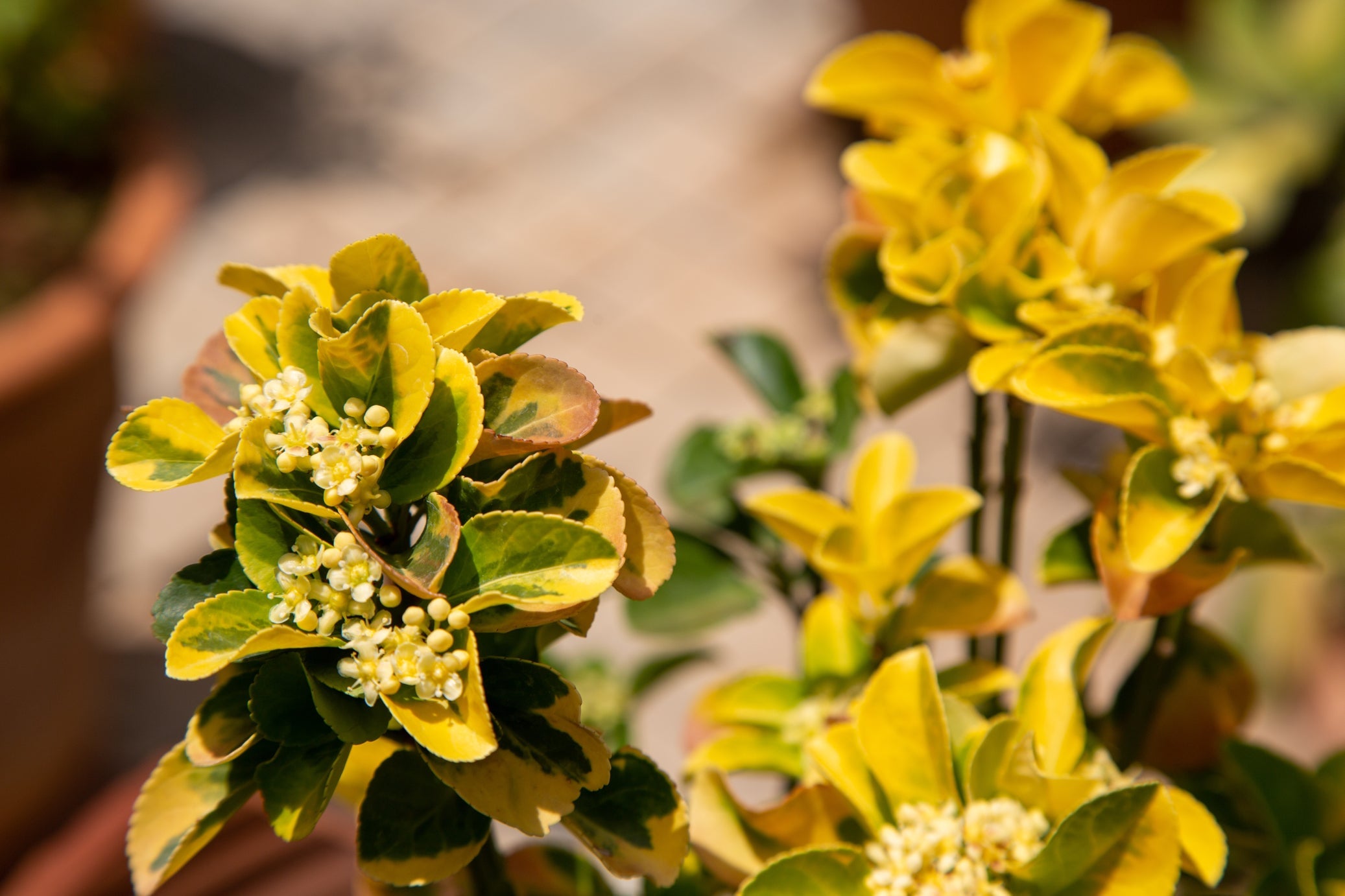
IN THIS GUIDE 1) E. alatus ‘Compactus’ 2) E. alatus ‘Fire Ball’ 3) E. cornutus var. quinquecornutus 4) E. europaeus ‘Red Cascade’ 5) E. europaeus ‘Thornhayes’ 6) E. fortunei ‘Emerald Gaiety’ 7) E. fortunei ‘Emerald ‘n’ Gold’ 8) E. fortunei ‘Emerald Surprise’ 9) E. fortunei ‘Kewensis’ 10) E. fortunei ‘Wolong Ghost’ 11) E. hamiltonianus ‘Pink Delight’ 12) E. japonicus ‘Microphyllus Aureovariegatus’ 13) E. japonicus ‘Chollipo’ 14) E. phellomanus 15) E. planipes ‘Sancho’ Euonymus shrubs are popular shrubs that can be evergreen or deciduous and can differ greatly in their size, growth habit and appearance. If you would like to grow euonymus in your garden then you may become overwhelmed by the many different species and cultivars that you might choose. Hopefully my list of 15 handpicked varieties that are my personal favourites might help you make up your mind! Bear in mind that all of the varieties in this list can be grown in full sun or partial shade in an exposed or sheltered location and can grow in any fertile soil. 1) E. alatus ‘Compactus’ COMMON NAME(S): Compact winged spindle HARDINESS RATING: H6 FOLIAGE: Green, pink & red FOLIAGE TYPE: Deciduous FLOWERS: Green FLOWERING SEASON(S): Spring FRUIT: Orange, purple and red FRUIT SEASON(S): Autumn This compact form of winged-spindle is a small deciduous shrub growing around 1m tall and 1.5m wide. It develops prominent corky ridges on the branches and the foliage turns red in the autumn. Small green flowers are followed by red-purple fruits with orange seeds inside in autumn. 2) E. alatus ‘Fire Ball’ COMMON NAME(S): winged spindle ‘fire ball’ HARDINESS RATING: H6 FOLIAGE: Green & red FOLIAGE TYPE: Deciduous FLOWERS: Green FLOWERING SEASON(S): Spring FRUIT: Orange and purple FRUIT SEASON(S): Summer / Autumn A dense and round-formed deciduous shrub which grows to around 1.5m, this is a slightly larger varietal. Its matt-green foliage turns a vivid, fiery red in the autumn months. Again, you can also see small green flowers in spring which are followed by reddish-purple fruits and as the year wears on, these fruits split open to reveal orange seeds. 3) E. cornutus var. quinquecornutus COMMON NAME(S): five-horned spindle HARDINESS RATING: H6 FOLIAGE: Green FOLIAGE TYPE: Deciduous FLOWERS: Green & purple FLOWERING SEASON(S): Summer FRUIT: Orange, purple & pink FRUIT SEASON(S): Summer / Autumn Five-horned spindle is a deciduous, spreading shrub which grows to around 2m tall and 3m wide. It has narrow, lance-like leaves of dark green. In summer, this shrub bears small purplish-green flowers which are followed by pinky-purple fruits. The fruits have five slender horn-like protuberances which look like a jester’s hat and break open to reveal bright orange seeds. 4) E. europaeus ‘Red Cascade’ COMMON NAME(S): spindle ‘red cascade’ HARDINESS RATING: H6 FOLIAGE: Green & red FOLIAGE TYPE: Deciduous FLOWERS: Green & yellow FLOWERING SEASON(S): Summer FRUIT: Orange & pink FRUIT SEASON(S): Autumn This European spindle is a large and vigorous deciduous shrub, growing to around 3m. It has oval leaves that turn bright red in autumn and small yellow-green flowers, which are followed by bright rose-pink fruits that break open to reveal the orange seeds within. 5) E. europaeus ‘Thornhayes’ COMMON NAME(S): white spindle ‘thornhayes’ HARDINESS RATING: H6 FOLIAGE: Green & bronze FOLIAGE TYPE: Deciduous FLOWERS: Green & white FLOWERING SEASON(S): Summer FRUIT: Orange & pink FRUIT SEASON(S): Autumn / Winter Another great European spindle to grow, this option grows to around the same size as the above and is also deciduous. It has dark green foliage that develops bronze tints in autumn. The flowers are green and white; inconspicuous but rich in nectar. These are followed by bright pink fruits with four lobes which break open revealing the orange seeds within, lasting well into winter to bring interest to the garden at the coldest time of year. 6) E. fortunei ‘Emerald Gaiety’ COMMON NAME(S): spindle ’emerald gaiety’ HARDINESS RATING: H5 FOLIAGE: Green, white & pink FOLIAGE TYPE: Evergreen FLOWERS: Green FLOWERING SEASON(S): Summer This is a small evergreen euonymus that forms small bushy evergreen shrubs, but will also climb when placed against a wall or fence. The rounded green leaves have an irregular white margin around each one and are tinged pink in the winter. Unfortunately, the flowers are rarely seen. This variety is H5 hardy. 7) E. fortunei ‘Emerald ‘n’ Gold’ COMMON NAME(S): spindle ’emerald ‘n’ gold’ HARDINESS RATING: H5 FOLIAGE: Green, yellow & pink FOLIAGE TYPE: Evergreen FLOWERS: Green FLOWERING SEASON(S): Summer This dwarf evergreen shrub has a spreading habit and grows around 1m tall with a spread of 1.5m. It has green leaves with broad yellow margins, tinged pinkish in the winter, and a few small and inconspicuous greenish flowers are sometimes produced in summer. Grow in partial or full shade, or in full sun in a moist location. 8) E. fortunei ‘Emerald Surprise’ COMMON NAME(S): spindle ’emerald surprise’ HARDINESS RATING: H5 FOLIAGE: Green & yellow FOLIAGE TYPE: Evergreen FLOWERS: Green FLOWERING SEASON(S): Summer ‘Emerald Surprise’ is an evergreen growing up to 1m in height with a spread of 1.5m. It has broad leaves that have a bright green hue with broad bright yellow margins, and the leaves are also sometimes tinged pink in the winter. 9) E. fortunei ‘Kewensis’ COMMON NAME(S): spindle ‘kewensis’ HARDINESS RATING: H5 FOLIAGE: Green & red FOLIAGE TYPE: Evergreen Growing just 10cm or so tall and spreading up to around 50cm, this small evergreen shrub forms a dense mat of ground cover. It has tiny leathery leaves of green, which can get red tints in autumn. “E. fortunei ‘Kewensis’ is a great ground cover plant, helping to retain moisture and suppress weeds, but I find that is also loose enough to allow bulbs to burst through in spring,” shares Master Horticulturist Colin Skelly. 10) E. fortunei ‘Wolong Ghost’ COMMON NAME(S): spindle ‘wolong ghost’ HARDINESS RATING: H5 FOLIAGE: Green FOLIAGE TYPE: Evergreen This is another mat-forming evergreen euonymus variety but it can also be a climber when provided with some support. This has slender dark green foliage with prominent pale veining. 11) E. hamiltonianus ‘Pink Delight’ COMMON NAME(S): spindle ‘pink delight’ HARDINESS RATING: H6 FOLIAGE: Green and pink FOLIAGE TYPE: Deciduous FLOWERS: Green & white FLOWERING SEASON(S): Summer FRUIT: Pink FRUIT SEASON(S): Autumn This deciduous spindle shrub can grow between 2.5-4m in height with a spread of 1.5-2.5m. It has large oval mid-green hued leaves which turn a dark pink in the autumn. In summer, the shrub bears small white and green flowers and these are followed by pink fruits which split open to reveal dark pink seeds. 12) E. japonicus ‘Microphyllus Aureovariegatus’ COMMON NAME(S): spindle ‘Microphyllus Aureovariegatus’ HARDINESS RATING: H5 FOLIAGE: Green & yellow FOLIAGE TYPE: Evergreen Also known as ‘Ovatus Aureus’, this is a bushy and medium-sized evergreen with bright yellow-gold oval leaves that later mature to yellowish-green with wide yellow margins. 13) E. japonicus ‘Chollipo’ COMMON NAME(S): spindle ‘chollipo’ HARDINESS RATING: H5 FOLIAGE: Green & cream FOLIAGE TYPE: Evergreen FLOWERS: Green FLOWERING SEASON(S): Summer FRUIT: Pink FRUIT SEASON(S): Autumn This is a busy evergreen shrub with rounded leaves. The leaves are a rich deep green, with yellowish-cream margins. Again, this plant will not typically produce flowers or fruits. 14) E. phellomanus COMMON NAME(S): corky spindle HARDINESS RATING: H6 FOLIAGE: Green & yellow FOLIAGE TYPE: Deciduous FLOWERS: Green & yellow FLOWERING SEASON(S): Spring FRUIT: Pink FRUIT SEASON(S): Autumn Corky spindle is a large deciduous shrub which grows up to 4m tall with a spread of 2.5m. It has corky-winged branches, mid-green foliage, and greenish-yellow flowers that are followed by fruits with a bright pink hue in the autumn. 15) E. planipes ‘Sancho’ COMMON NAME(S): flat-stalked spindle ‘sancho’ HARDINESS RATING: H6 FOLIAGE: Green & red FLOWERS: Green FLOWERING SEASON(S): Summer FRUIT: Orange & red FRUIT SEASON(S): Autumn This cultivar is a free-flowering variety of flat-stalked spindles. The flowers lead to an abundance of red fruits in the autumn, which add visual appeal alongside the red autumn foliage. Of course, these are not the only options you might consider, but when looking for a euonymus variety to grow in your garden, these options listed above can be a good place to start.
Learn more
Hardy Fuchsia Societies Share Their Growing Tips For Getting The Most Out Of Your Plants
IN THIS GUIDE Overview Common Varieties Planting Hardy Fuchsia Care Keeping Fuchsia Flowering References Fuchsias are widely loved for their jewel-like pendant flowers which can bloom from mid-summer well into the autumn. Contrasting tender fuchsia varieties, hardy fuchsias can not only survive a typical UK winter but bloom right up until the first frosts, often as late as November. For this guide we reached out and interviewed: Gail Barber – Secretary of the Sutton Coldfield Fuchsia & Gardening Guild. Terry Sykes – Member of the West Yorkshire Fuchsia & Pot Plant Society. “Fuchsias are such easy plants to propagate and grow”, says Gail, “but are also amazingly varied in their size, colour and capabilities”. Hardy fuchsias are much tougher than half-hardy types and are usually able to withstand our low winter temperatures without too much protection. Overview Botanical Name Fuchsia Common Name(s) Hardy Fuchsia, Lady’s Eardrops Plant Type Perennial shrub Native Area South America Hardiness Rating H4 Foliage Semi-Evergreen or Deciduous Flowers Pendant-shaped flowers When To Plant May-June When To Prune March-April Fuchsias are part of the Onagraceae family of plants and are widely grown here in the UK.1 They originate from parts of Central and South America and are thought to have been introduced to Europe in the eighteenth century, according to records from Kew.2 With their delicate flowers available in red, purple, pink and white they can brighten up any border or container, often flowering when other plants have finished for the year. Hardy fuchsias can also be an important late source of pollen here in the UK and even attract hummingbirds in warmer climates. “Hardy fuchsias are a must in any garden” says Gail. “Super easy to care for and the knowledge that the display will get better year on year”. Common Varieties Hardy fuchsias are available in a wide range of sizes and shapes ranging from compact varieties perfect for pots and containers to large shrubs and even small trees better suited to the back of a border. “There are literally thousands of fuchsias to choose from,” says Terry. “There’s something for everyone. Triphyllas, with their bunches of blooms at the end of their stems, to the tiny encliandras, with their diminutive flowers.” Some of Terry’s favourite hardy varieties include ‘Hawkshead’ (more below) and ‘Little Beauty’. All the varieties listed below have been awarded the Royal Horticultural Society’s ‘Award of Garden Merit’ (AGM) signifying that they have proven to perform reliably well in the garden. F. ‘Hawkshead’ ‘Hawkshead’ is a bushy shrub with dark green foliage and stunning single white flowers. Growing to an eventual size of 1m in height, it is ideal either for a border or a large container. F. ‘Lady Boothby’ This variety is a vigorous and upright shrub that can grow to an impressive 4m tall. With its typical red and purple flowers, it looks spectacular at the back of a border. F. ‘Alice Hoffman’ ‘Alice Hoffman’ is a more ornate variety with its semi-double pink and white flowers. Growing to only 50cm in height and spread, it is perfect for a pot or container or when grown near the front of a border where it can be seen and enjoyed. F. ‘Whiteknights Pearl’ This variety is an elegant fuchsia displaying slender two-tone pink flowers which contrast against its dark green foliage. Growing to a final size of 1.m tall and wide over time, it is best suited to a border. Planting Hardy fuchsias grow best when placed in either full sun or dappled shade. However, they may struggle when planted in a scorching south-facing spot, so a little shade suits them well, as Gail explains: “My own garden is very shady, getting very little sun even in the height of summer. Fuchsias grown both in pots and in the ground are more than happy with these conditions”. Hardy fuchsias struggle when exposed to prevailing winds, so it is recommended to site them in a sheltered spot where the stunning flowers won’t be blown off. Hardy fuchsias can be planted as an informal hedge that will not only provide a boundary but attract pollinators and provide summer and autumnal interest to the garden. When & How To Plant “If you buy a small plant, or obtain a cutting early in the year, grow it on, then plant it out in the garden in early summer”, advises Gail Barber. “This gives the plant plenty of time to get its roots established before the weather turns cold”. Be warned that hardy fuchsias tend to dislike being moved once planted, so it is worth trying to find the right spot the first time around. If planting directly into the soil, dig a hole twice as wide as the root ball and at least as deep, if not a little deeper, as hardy fuchsias can be planted a little lower than normal. “When planting, make a saucer shape in the soil, so that as you water it during its first season, the water will go where directed, and as the season progresses the soil will backfill”. Add lots of well-rotted organic matter to the hole and place the plant 3-5cm deeper than it previously was in its pot. By planting a little deeper, the plant will have some protection over its crown and thus a better chance of surviving a harsh winter. “Leave surrounding space open, this will slowly fill in during the summer,” says Terry. “Water as required in the first season and feed with a general fertiliser. In the late Autumn cut back by around a third to tidy the plant up.” Add a thick layer of mulch and water well until established, particularly during hot and dry spells. If growing in a pot or container choose one a size bigger and ensure drainage holes are present for any excess water to drain away. There is little need to plant deeply in a pot as they can simply be moved under cover if required. Pot up using a general-purpose peat-free compost and water well. Hardy Fuchsia Care “The best tip to growing beautiful plants is to speak to other people who grow them”, says Gail. “If you have a society in your area, go along and join in. Many groups have members with so much knowledge and experience who are more than willing share what they know”. If you don’t have access to these kinds of groups, we’ve summarised the most crucial Fuchsia tips below. Soil Conditions When it comes to soil, hardy fuchsias are not too fussy and will cope with most types. Nevertheless, they don’t do well in soil that becomes waterlogged or bone dry. In general, any moist and fertile well-drained soil will suffice. Light Hardy fuchsias can be rather particular about the amount of light they receive. They do well in full sun, yet do not like to be left exposed to the burning midday sun during the summer months. Most varieties will put up with some shade, as long as it is not too overshadowed which may reduce flowering, but any partial or dappled shade is ideal. Watering Hardy fuchsias require a moist soil and do not like to be allowed to dry out. This is especially true when grown in containers as these will require more frequent watering over the summer. “When you take your watering can out in the summer, if the water runs off the surface of the soil, it’s not getting to the plants roots”, offers Gail. “Dig in organic matter, well-rotted manure and mulch the soil’s surface to keep in the moisture”. Terry has an alternative tip to check the moisture levels of your plants: “You can buy a moisture probe to insert into the compost to give you an idea if the plant needs watering. “With smaller pots, a good idea is to lift the pot to see if weight tells you if watering is required.” Remember that fuchsia does not like waterlogged soil either. So, if planting into heavy soil, gravel, horticultural grit or organic matter can be used to improve the drainage prior to planting. Temperature & Humidity Hardy fuchsias are specified as H4 on the RHS hardiness rating scale. Essentially, this means that they are usually able to withstand temperatures down to -5-10°C. “I live in the southwest of the country and although we occasionally get winter temperatures down to -5°C, this is not enough to damage hardy fuchsias,” shares Master Horticulturist Colin Skelly. “Most coastal regions of western and southern UK should be able to grow fuchsias with only occasional winter damage. “Elsewhere, it would be best to grow in containers or at least to take annual insurance cuttings.” In the south and west of the country, this tends to imply that they will survive a typical winter without any protection. However, in the north of the country or in frost pockets, plants may need to be moved out of the worst of the weather or covered with fleece to provide extra protection. If growing hardy fuchsias as half-standards, it is advisable to either move these out of the worst of the winter weather or to protect them with fleece as their bare stems are said to be particularly susceptible to frost damage. Fertilising Preferring fertile soil, hardy fuchsias will benefit from some extra nutrients. If grown directly in the ground it is advisable to feed annually in spring as new growth emerges with a balanced fertiliser. If grown in a pot or container a high-potash liquid feed, such as a tomato fertiliser, can be applied throughout the flowering season to encourage more blooms. “In large outside pots, slow-release fertiliser is a good answer to feeding,” says Terry. Supporting Depending on the variety grown, metal, bamboo, wooden stakes or trellis supports may be required. When grown as a climber, fuchsias will require some training and tying in and as a standard, some staking. Pruning Fuchsias should be pruned either in autumn or in spring as new growth emerges. However, it is recommended to leave some growth on the plant to add some winter protection and to prune in spring, especially in colder parts of the country, as Gail shares: “When the winter kills off the top growth of your Fuchsias, leave the plants well alone until the end of March. This is when it can be given a good cutback”. To prune, using a pair of clean and sharp secateurs or loppers, remove any dead or long growth back to a new shoot or bud. In colder parts of the country, when all top growth has died back, it may be necessary to cut down the plant to soil level, after which new growth will sprout from the base of the plant. Pests “Keep an eye out for Fuchsia Gall mite, especially in the south of England,” warns Terry. “Cut out any affected tips, then place them into bags and bin them. Do not put them in your gardening waste bin or compost heap.” Propagating Due to their vulnerability to a harsh winter, it can be wise to take cuttings in autumn as backup replacements. Thankfully fuchsias are one of the easiest shrubs to propagate and readily take from hardwood cuttings. In autumn, take 10-15cm length cuttings of hardwood, which is brown rather than green. Make a square cut at the base of the cutting just below a leaf joint and place it in a pot of free-draining compost so half the cutting is covered by soil. Water well and place in a frost-free environment such as a cold frame or unheated greenhouse, keeping the soil moist. When new growth appears in spring, pot on and harden off before planting out in early summer. Companion Planting Where your hardy fuchsia is planted will decide on what other plants can be planted alongside, but presuming a partially shaded site, companion plants could include crocosmia, hardy geraniums and other fuchsias. “Spring bulbs give good colour to your fuchsia bed before it comes into life,” says Terry. Keeping Fuchsia Flowering Hardy fuchsias can bloom from mid-summer well into the autumn until the first frosts arrive. A healthy plant in the right spot and in moist, but well-drained and fertile soil should bloom pretty much continuously. However, periods of stress, such as very hot weather or drought may decrease the number of blooms. “Fuchsias, along with many plants, will always benefit from good soil. Enrich your garden soil at every opportunity, ensuring that the soil will retain moisture but be well drained”. Keep plants watered, especially if newly planted, and apply a regular high-potash liquid feed during the flowering season to those plants grown in pots. “Feeding your plants regularly will encourage flowers and healthy growth throughout the year” Gail argues. For those grown in a border, a balanced fertiliser applied every spring should help encourage blooms for months on end. References 1. A Systematic Revision of Fuchsia Sect. Quelusia (Onagraceae). (1989). JSTOR. Retrieved March 16, 2023, from https://www.jstor.org/stable/2399499 2. Fuchsia coccinea. (n.d.). Kew Royal Botanic Gardens. Retrieved March 16, 2023, from https://powo.science.kew.org/taxon/urn:lsid:ipni.org:names:277263-2
Learn more
You Can Prune Camellia After Flowering, But Be Careful Not To Cut Back Too Hard
IN THIS GUIDE 1) Deadhead Throughout The Flowering Season 2) Prune Back After Flowering 3) Hard Prune Dying Shrubs In March Camellias are reckoned to be plants of choice for formal gardens, but no matter what your garden type, one of the 3,000-plus hybrids will make a lovely evergreen bush to display beside your front door. So how much time would you have to set aside for a camellia shrub if you grew one? Well, where pruning is concerned, camellias are considered low-maintenance plants. You don’t have to prune a camellia shrub at all, but if you would like to keep your bush in tip-top shape here are a few pointers: Deadhead throughout the flowering season. Prune your camellia after the flowering period is over. To revive a dying camellia shrub, you can hard prune in March. These optional tasks are explained in more depth below. Difficulty Easy Equipment Required Gardening gloves, secateurs or pruning shears When To Prune Deadhead throughout flowering season, prune back once flowering has finished 1) Deadhead Throughout The Flowering Season Deadheading is an ongoing gardening task that can be carried out during the flowering season. This task can be carried out to maximise the plant’s ornamental value and to stop the production of seeds, which will help the plant focus on producing more beautiful blooms. Simply pinch off withering (or withered) blooms by holding the stalk between thumb and fingers and pulling off with a quick twist-turn. Alternatively, you can always use secateurs for more assured and cleaner deadheading if you are uncertain about pinching off wilting blooms. Simply cut the stalk 2-3cm from the flower. See more on deadheading here. 2) Prune Back After Flowering Patricia Short from the International Camellia Society suggests that your camellia flowers might not need to go to waste after the flowering season has ended: “If pruning is needed to keep a plant in shape or to fit a space, prune as you would roses, right after blooming has ended. “Alternatively, you can cut some smaller blooming branches to bring inside, for a vase. “They might not last as long as roses, but you will still have a few days of pleasure, while still shaping the plant as desired”. Maintenance pruning can be done any time of the year, though the best time to do so is soon after the end of the flowering season. The majority of camellia varieties are naturally well-shaped shrubs, so pruning for shape is not really necessary nor do I advise it. However, in order to foster an even shape (globular and oval are most common) feel free to prune straggly branches that are jutting out with a pair of secateurs. Apart from that, cut off any diseased or dead branches at the point of attachment. 3) Hard Prune Dying Shrubs In March I do not recommend that you hard prune camellias without good reason. Where camellias are concerned, hard pruning should only be necessary in rare cases, such as when the bush has somehow become seriously misshapen and unsightly or is badly infested with pests or disease. If you must do a hard prune, do so from mid-late February to early-mid March. Using pruning shears, cut down the bush by up to two-thirds so that only one-third remains. “Pay attention to planting distances when selecting new camellias,” shares Master Horticulturist Colin Skelly. “There is always a temptation to plant too closely, which in time will mean that the plants compete and can cause misshapen growth as plants reach for the light. “If inherited, this can be managed by selectively removing branches to provide space for each plant or the plants can be pruned hard back to start from scratch. “This will look severe but can be the quickest way to restore order.” Be sure to feed the bush after any hard prune. Bear in mind that after a hard prune, the plant will likely take 2-3 years before it resumes proper flowering.
Learn more
Vigorous But Dramatic - Growing Brugmansia Can Be A Test Of A Gardener's Skills
IN THIS GUIDE Overview Why Grow Brugmansia? Common Varieties Where to Grow Planting Guidelines Ongoing Plant Care Common Problems References Brugmansia, also known as ‘Angel’s Trumpets’, is a show-stopping tropical plant. These plants are popularly grown as ornamental plants – typically in containers. Brugmansia are large shrubs or small trees, with large, pendulous flowers shaped like trumpets. Overview Botanical Name Brugmansia Common Name(s) Angel’s Trumpets Plant Type Shrub / Tree Native Area South America Hardiness Rating H1C Foliage Evergreen Flowers Trumpet-shaped flowers in various hues When To Plant Any time if grown indoors, Spring-Autumn if outdoors When To Prune Late summer Brugmansia is a genus with seven species in the Solanaceae, or nightshade family.1 Interestingly, though native to tropical regions of South America, Brugmansia is never found in natural settings, except as escapes from cultivation, and is believed to be extinct in the wild.2 However, the genus has survived due to human cultivation and has naturalised in isolated tropical regions around the world. They are fairly vigorous growers and can reach over 2m in height. It is the flowers, of course, which give these plants their common name, ‘Angel’s Trumpets’. These dramatic flowers can be up to 50cm long and 35cm wide at their largest, and they come in a wide range of different colours. Most flowers have a strong and pleasing fragrance which is most noticeable at dusk. A number of cultivars and hybrids of Brugmansia have been developed for use as ornamental plants. Why Grow Brugmansia? Brugmansia is, of course, popular due to its large, show-stopping flowers. These flowers hang in abundance from the branches all summer long. The flowers are appealing, not only for their appearance but also for their fragrance. It can bring an exotic feel to a summer container garden, or to the inside of your home. Growing Brugmansia can be a test of a gardener’s skills. These tropical plants will need quite a lot of care and attention, but the stunning flowers and evening scent means that these are plants which can certainly reward your efforts, and you are sure to impress any visitors with a mature specimen. Common Varieties Recommended cultivars for UK gardeners include: B. x candida ‘Grand Marnier’ B. arborea ‘Knightii’ B. suaveolens B. x cubensis ‘Golden Lady’ B. sanguinea x vulcanicola ‘Zunac 4’ Where to Grow Brugmansia is grown in containers in the UK, and is either grown inside year-round or brought indoors over the winter months and placed outside in a sunny and sheltered spot in summer. As a tropical plant, Brugmansia must absolutely be protected from the winter cold, as it cannot tolerate temperatures below 7-10°C. Make sure that you also have the space to accommodate these plants which, as mentioned above, can grow rather tall. If you plan on growing Brugmansia indoors throughout the year, they will need to be positioned in a location with plenty of bright light, such as in a conservatory, or beside a large south-facing window. You might also grow Brugmansia in a heated greenhouse space where temperatures can be kept consistently above around 10°C. Brugmansias can also be placed outside as soon as temperatures are reliably above around 10°C, in the summer months. A suitable position for your container-grown Brugmansia outside will be a warm and sheltered location, in partial shade or full sun. Planting in partial shade can be preferable because the plants will dry out less quickly in warmer weather. One thing to note is that Brugmansia do require plenty of water, as they do not like dry conditions. When placed outdoors in summer, they will do better in areas where there is plenty of summer rain. In regions where summers are drier, irrigation will be crucial and you will need to pay particularly close attention to watering. Outdoors, Brugmansia will look particularly pleasing as a focal point. A large container with a Brugmansia will be at home in an exotic or tropical-style container garden, on a sheltered urban patio or in a courtyard garden, or in a garden with a Mediterranean feel. They pair well with dahlias, cannas, and other exotic and bold tropical or subtropical plants. Planting Guidelines Note, when dealing with and planting Brugmansia, that gloves are always essential. Brugmansias are best planted indoors between late winter and early spring, and, if you plan on putting them outdoors over the summer, only place them outdoors once nighttime temperatures are reliably above 7-10°C. When moving the plants from indoors to outside, it is important to harden off the plants to allow them to gradually acclimatise to outdoors conditions. Purchased Brugmansia plants should be potted up into large containers of around 60cm in diameter. It is a good idea to choose a pot which retains water well, though there should be drainage holes to prevent waterlogging. These pots can be filled with a John Innes No. 3 compost or equivalent. At the time of planting, it is very important to water the plants in well to ensure good establishment. Spread an organic mulch over the surface of the pot to aid in water retention. “What you are aiming for with your planting mix is functional water retention without waterlogging,” says Horticultural Instructor and Consultant Dan Ori. “I have 2 planting mixes that I have had success with when growing Brugmansia. “The first is two-parts John Innes No.3 compost to one-part horticultural grit or perlite (perlite being a favoured option as it is lighter in weight). “The second is one-part good quality peat-free multi-purpose compost, one-part hydrated coir and one-part vermiculite.” Ongoing Plant Care Brugmansia are not suited to those looking for a low-maintenance option. Watering is crucial, and not providing sufficient water is the most common problem. However, there is a range of other crucial things to bear in mind, even when these plants are grown in an optimal location. Watering Brugmansia require generous watering throughout the growing season from spring to autumn. Check compost daily and do not let it dry out. Watering every day is usually required and you may even need to water twice a day during hot periods. It is best to water in the early morning (and perhaps again in the evening) when temperatures are lower. Remember, Brugmansia will need more water if grown in full sun outdoors. However, while Brugmansia like plenty of water, they cannot cope with waterlogging, so make sure that as well as supplying sufficient water, you also make sure that the drainage is good enough to prevent this issue. Plants that do not receive sufficient water may well still survive, but they can lack in vigour and they may not flower as prolifically, or fail to flower at all if there are drought conditions. Over the winter, water needs will be much lower. You should water still, but only occasionally, since the plants will not be in active growth. Feeding Brugmansias, as vigorous plants, need plenty of nutrition to grow well. It is best to apply organic mulch not only for water conservation but also for slow-release fertility. You should also feed Brugmansia once a month during the spring with a balanced organic liquid feed. In summer, you should then switch to a potassium-rich feed and water with this at least once a week to encourage good flowering. Winter Care There are two options when it comes to winter care for Brugmansia. If you have placed your Angels Trumpets outside during the summer, it is important to bring it back inside before temperatures fall below 7-10°C at night. You can then choose to keep the plant in a warm bright spot, where it may even flower, or you can overwinter it as a dormant plant, placing it in a cool but not cold location with little or no light. The plant kept dormant will lose its leaves and some of the shoots may die back, but it should recover in the spring. Pruning In autumn, when a plant is brought inside if it was outside over the summer, this is the time to think about pruning. The goal is to maintain a permanent framework of branches which are healthy and well-spaced. You can cut back new growth to within 2.5cm of the older wood, and may also wish to remove suckers around the base of the plant to keep it as a single-stemmed tree. If a Brugmansia has become overgrown, these plants can also tolerate hard renovation pruning. Propagation If you would like to produce new Angel’s Trumpets plants from your existing one, you can do so by taking semi-ripe and softwood cuttings. Cuttings should be around 10-15cm long and will root readily when placed into a sandy, free-draining medium with bottom heat of 18-21°C in spring, or in the late autumn. Seeds can also be sown in spring in a heated propagator providing temperatures of around 16°C. As mentioned, however, both cuttings and seeds will take quite some time to become plants of flowering size. Repotting Brugmansia should be repotted into a slightly larger container every 3-4 years. Failing to repot may cause issues. Common Problems Not Flowering If your plant is not flowering, it may simply be too small. Brugmansia need to reach a particular size before they will start to bloom. Once the plants form a single stem of 1m or so and start to branch out, they are usually ready to flower. Cuttings may take 3 years or so to reach this stage, and those grown from seed even longer. However, other issues can also cause a lack of flowering on sufficiently mature plants. There may have been an issue with insufficient watering, insufficient feeding (particularly a lack of potassium), or the container may be too small. Pests Other issues that may arise when caring for a Brugmansia, particularly when growing under cover year-round, are pests. Common pests of Angel’s Trumpets include red spider mites, whitefly and mealybugs. Organic pest control largely involves remaining vigilant, and manual removal of pests when they are noticed. Organic sprays may sometimes be required for serious infestations, and biological controls might be considered in a greenhouse. Brugmansia are not the easiest plants to grow, but they could be a good challenge for more experienced gardeners or houseplant owners to take on – and when cared for correctly, they can provide you with beautiful flowering displays each summer for many years to come. References 1. Angel’s Trumpets. (n.d.). iNaturalist. Retrieved March 13, 2023, from https://uk.inaturalist.org/taxa/62900-Brugmansia 2. Pasiecznik, N. (2014). Brugmansia suaveolens (white angel’s trumpet). CABI Compendium, CABI Compendium. https://doi.org/10.1079/cabicompendium.107903
Learn more